Thinking About a Staffordshire Bull Terrier? Here’s What You Need to Know!
Staffordshire Bull Terrier: A Loyal, Strong, and Loving Companion
| Characteristics | Details |
|---|---|
| Height | The Staffordshire Bull Terrier typically stands between 14 to 16 inches tall at the shoulder, giving it a sturdy, muscular appearance. |
| Weight | The Staffordshire Bull Terrier typically weighs between 24 to 38 pounds, with males generally being heavier and more muscular than females. |
| Life Span | The Staffordshire Bull Terrier has a lifespan of around 12 to 14 years, provided with proper care, diet, and regular vet check-ups. |
| Coat Colour | The Staffordshire Bull Terrier’s coat comes in a variety of colours, including brindle, black, blue, fawn, red, white, and any combination of these with white. Their short, sleek coat is easy to maintain and can feature solid or mixed patterns. |
| Suitable for | The Staffordshire Bull Terrier is suitable for active families, experienced dog owners, and those looking for a loyal, energetic companion. They thrive in homes with plenty of human interaction and regular exercise. Their affectionate nature makes them great with children, and they adapt well to both apartments and houses with secure yards. |
| Temperament | The Staffordshire Bull Terrier has a loyal, affectionate, and courageous temperament. They are known for being excellent with children, earning them the nickname "nanny dog." Despite their tough appearance, they are friendly and loving with their family. They are also intelligent, eager to please, and full of energy, making them playful and social. However, they can be stubborn at times and may require consistent training and socialisation to ensure good behaviour, especially around other dogs. |
Table of Contents
- Introduction: Meet the Staffordshire Bull Terrier
- History and Origins of the Staffordshire Bull Terrier
- Physical Characteristics and Appearance
- Temperament and Personality
- Training and Socialisation Needs
- Exercise and Activity Requirements
- Diet and Nutrition
- Health and Lifespan
- Grooming and Maintenance
- Staffordshire Bull Terrier as a Family Pet
- Breed-Specific Challenges and Considerations
- Adoption and Breeder Selection Tips
- How the Staffordshire Bull Terrier Compares to Other Bull Terrier Breeds
- Living Environment: Ideal Homes for this Breed
- Myth-Busting: Common Misconceptions about the Staffordshire Bull Terrier
- Conclusion: Why the Staffordshire Bull Terrier Makes an Excellent Companion
- FAQ Section
Quick Summary
The Staffordshire Bull Terrier, affectionately known as the “Staffie,” is a medium-sized, muscular dog breed with a heart whole of loyalty and love. This breed was initially bred in England as a working dog, but today, the Staffie is better known for being a friendly, affectionate, and trustworthy companion. Despite its robust and sturdy appearance, this breed is often described as a “nanny dog” due to its gentle and patient nature around children.
The Staffordshire Bull Terrier can be a loving, well-behaved family member with proper training and socialisation. We will explore everything you need to know about this incredible breed, from its history and personality traits to its exercise, diet, and grooming requirements. Whether you’re considering adopting a Staffie or want to learn more about this loyal breed, you’re in the right place.
1. Introduction: Meet the Staffordshire Bull Terrier
The Staffordshire Bull Terrier is a breed with an impressive combination of strength, intelligence, and affection. Although they may appear tough on the outside, these dogs are known for their soft, loving nature, especially towards their families. Staffies are medium-sized dogs, standing between 14 to 16 inches tall and weighing around 24 to 38 pounds. They have a short, sleek coat that comes in a variety of colours.
Often called “Staffies” by their fans, these dogs are famous for their playful energy, loyalty, and protective instincts. Though historically bred for bull-baiting and dog fighting, modern-day Staffies are far from aggressive. Instead, they are friendly, sociable dogs that thrive in active households where they receive plenty of love and attention.
2. History and Origins of the Staffordshire Bull Terrier
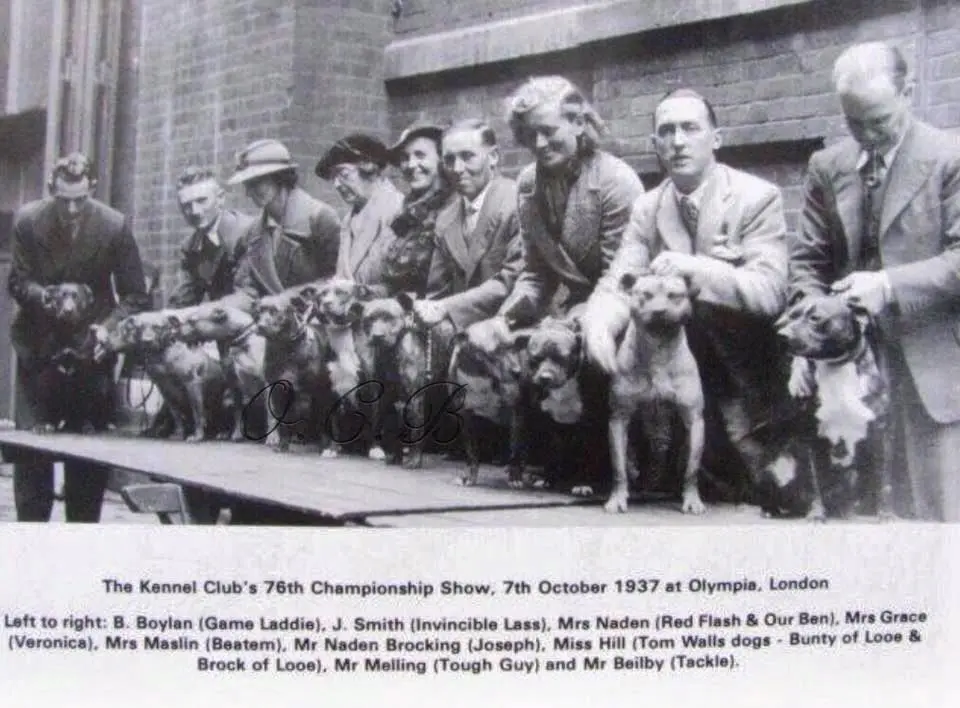
The Staffordshire Bull Terrier’s origins can be traced back to 19th-century England. Bred from a mix of bulldogs and terriers, they were initially developed for the gruesome purposes of bull-baiting and later dog fighting. These cruel activities were eventually outlawed, and the breed found a new role as a loyal family companion.
Staffies were particularly popular among the working-class families in Staffordshire and surrounding regions, hence their name. Over time, breeders focused on tempering the dog’s aggressive instincts, resulting in a dog that is courageous yet incredibly affectionate towards humans. In 1935, the Kennel Club in England officially recognised the Staffordshire Bull Terrier as a breed, and it has since grown in popularity worldwide, especially for its loving and loyal nature.
3. Physical Characteristics and Appearance
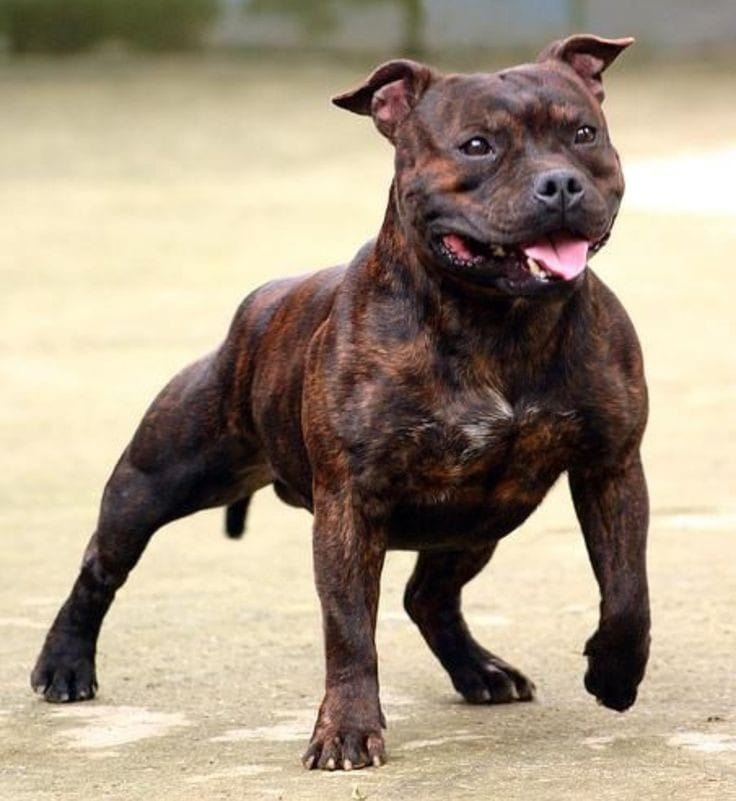
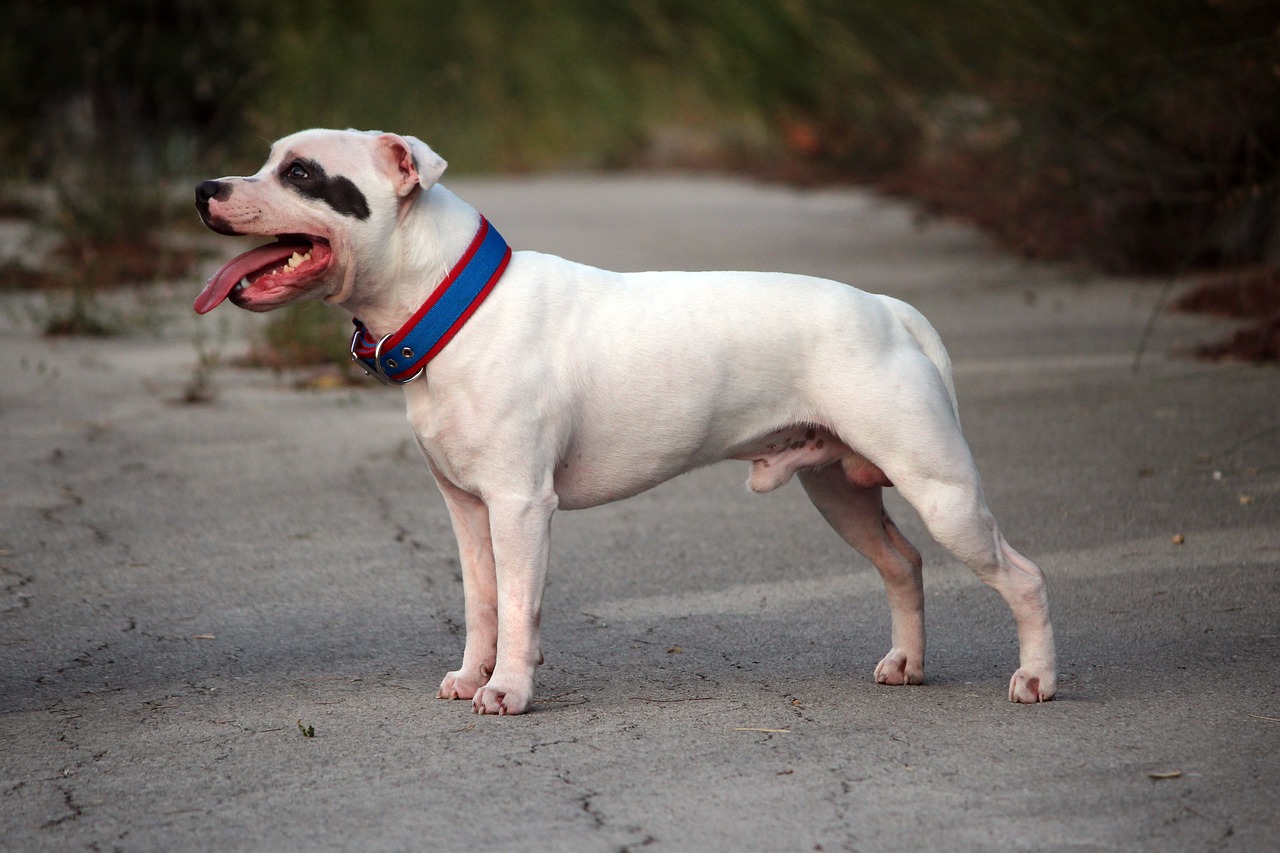
The Staffordshire Bull Terrier is a well-proportioned, muscular breed with a strong, athletic build. Despite their compact size, they exude power and strength. Staffies have a broad head, short, square muzzle, and strong jaw. Their dark, round eyes are expressive, often giving them a keen, alert look full of personality.
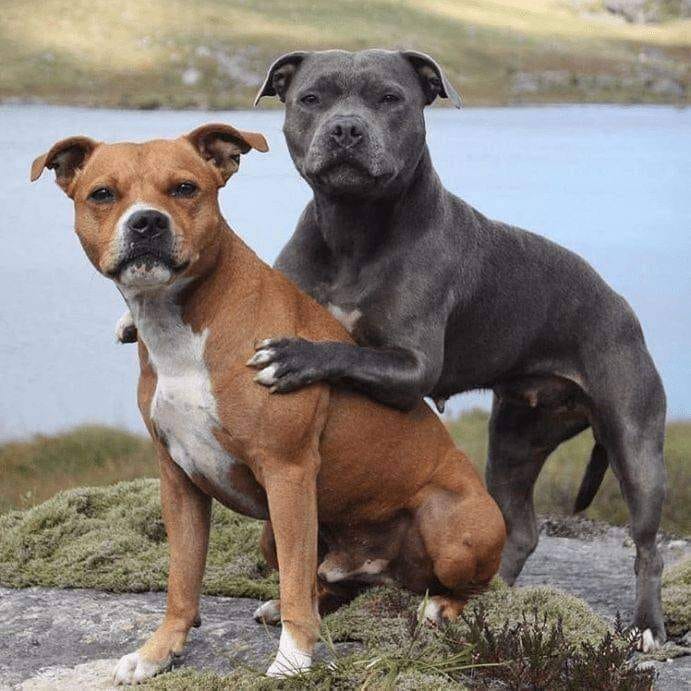
One of the most distinctive features of the Staffie is its coat. The breed has a short, smooth coat that requires minimal grooming and is typically found in various colours, including brindle, black, blue, fawn, red, and white. Many Staffies have white markings on their chest and feet. Their body is compact and muscular, with a deep chest and a slightly tapered tail.
Although their overall appearance can be somewhat intimidating to those unfamiliar with the breed, this sturdy dog’s heart is as big as its muscles.
4. Temperament and Personality
Despite their rugged appearance, Staffordshire Bull Terriers are among the most affectionate and friendly breeds. Often described as a “people dog,” they are incredibly loyal and thrive on human interaction. Known for their courage, they are always up for a challenge but are equally content curling up with their favourite person at the end of the day.
Their strong attachment to their families makes them excellent companions. They’re mainly known for their patience and gentleness with children, which has earned them the nickname “nanny dog.” However, it’s important to note that while Staffies are fantastic with humans, they can sometimes be less friendly with other dogs if not properly socialised.
In terms of personality, Staffies are energetic, playful, and very intelligent. They enjoy mental challenges and love being involved in family activities. Their social, outgoing nature makes them easy to train, especially with positive reinforcement methods.
5. Training and Socialisation Needs
Training a Staffordshire Bull Terrier is a rewarding experience, thanks to its intelligence and eagerness to please. However, they can be a bit stubborn at times, so it’s essential to establish yourself as a calm, confident leader. Early training and socialisation are crucial for this breed, as they help them learn how to behave around other dogs and unfamiliar people.
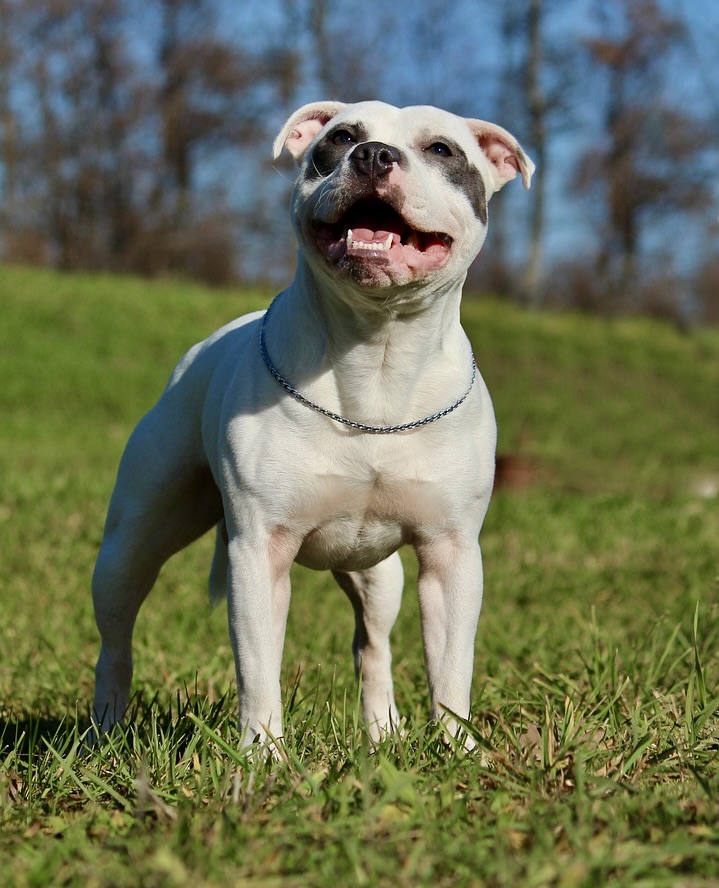
Positive reinforcement techniques, such as treats, praise, and playtime, can work wonders with Staffies. They respond poorly to harsh training methods, so keeping training sessions upbeat and encouraging is important. Commands like “sit,” “stay,” and “come” can be taught quickly, but they also enjoy more challenging tasks that involve problem-solving.
Socialisation is critical for any Staffordshire Bull Terrier, especially when interacting with other animals. Puppy classes, regular exposure to different environments, and meeting various people and dogs will help them grow into well-rounded adults.
6. Exercise and Activity Requirements
The Staffordshire Bull Terrier is an energetic and active breed that requires regular exercise to stay happy and healthy. They are muscular dogs with high energy levels, so daily walks, playtime, and mental stimulation are essential to prevent boredom and keep them fit.
A minimum of one hour of exercise per day is recommended, but more is always better. Staffies love running, playing fetch, and engaging in games challenging their physical abilities. They also excel in canine sports like agility and obedience training, which give them mental and physical stimulation.
Without adequate exercise, Staffies can become restless or destructive. They thrive in homes with plenty of opportunities to expend energy through long walks, play sessions in the yard, or structured activities.
7. Diet and Nutrition
A healthy, balanced diet is crucial for maintaining the Staffordshire Bull Terrier’s muscular build and overall health. Like all dogs, they thrive on high-quality dog food that balances protein, fats, and carbohydrates. A good commercial dog food that lists meat as the first ingredient is ideal for meeting their nutritional needs.
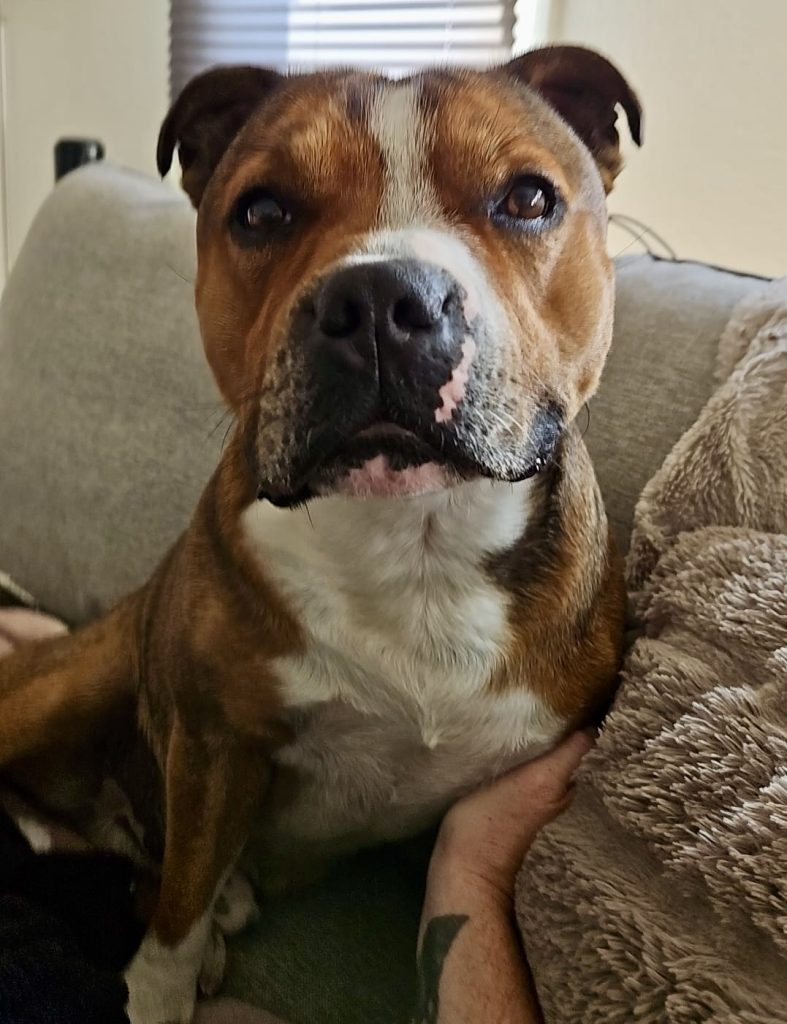
Typically, an adult Staffie requires 1.5 to 2.5 cups of high-quality dry dog food per day, divided into two meals. The exact amount can vary depending on age, weight, and activity level. Puppies and younger dogs may need more frequent meals to support their growth.
It’s essential to avoid overfeeding, as Staffordshire Bull Terriers are prone to gaining weight if not given enough exercise. Treats can be an excellent training tool, but they should be provided in moderation to maintain a healthy weight.
8. Health and Lifespan
Staffordshire Bull Terriers are generally a healthy and robust breed, lasting 12 to 14 years. However, like all breeds, they are prone to specific health conditions. Responsible breeding practices can help minimise the risk of genetic disorders, but it’s essential to be aware of potential health issues, including:
- Hip Dysplasia: A genetic condition that can lead to arthritis or mobility problems.
- Cataracts: An eye condition that can impair vision as the dog ages.
- Allergies: Staffies can be prone to skin allergies, which may require dietary changes or medication.
- Patellar Luxation: A knee issue that can affect mobility.
Regular vet check-ups, a balanced diet, and appropriate exercise are the best ways to keep your Staffie healthy. Genetic testing is also recommended when selecting a breeder to ensure your puppy has the best possible start in life.
9. Grooming and Maintenance
One of the many appealing aspects of owning a Staffordshire Bull Terrier is its low grooming requirements. Their short, smooth coat is easy to care for and requires minimal upkeep. A weekly brushing with a soft-bristle brush or grooming glove is enough to keep their coat looking healthy and shiny and help reduce shedding.
Staffies are generally clean dogs and don’t require frequent baths unless they get dirty. When bathing, it’s essential to use a dog-friendly shampoo to avoid stripping their coat of its natural oils.
In addition to coat care, regular ear cleaning, teeth brushing, and nail trimming should be part of your Staffie’s grooming routine. Maintaining hygiene will keep them comfortable and help prevent potential health issues.
10. Staffordshire Bull Terrier as a Family Pet

The Staffordshire Bull Terrier makes an excellent family pet, especially for households with active lifestyles. Its affectionate, loyal nature means it forms strong bonds with its family members, and it is known for being gentle and patient with children.
Their energetic, playful personality makes them an excellent fit for families who enjoy outdoor activities. Whether playing fetch in the yard, going on long walks, or engaging in a game of tug-of-war, Staffies love to be involved in family life. They are social dogs and dislike being left alone for long periods, so they thrive in homes where they receive plenty of attention.
Staffies are also known for their protective instincts, which makes them excellent watchdogs. While they are generally friendly with people they know, they can be wary of strangers, making them great for families looking for a dog that offers companionship and a sense of security.
11. Breed-Specific Challenges and Considerations
While Staffordshire Bull Terriers make wonderful pets, potential owners should be aware of some challenges. One of the most important considerations is their need for proper socialisation. Without it, they can become reactive or overly protective, especially around other dogs.
Another challenge is their high energy level. Staffies require regular exercise and mental stimulation to prevent boredom, which can lead to destructive behaviour. They also have a strong prey drive, so supervision is essential when they’re around smaller animals.
Finally, due to their muscular build and strong jaws, it’s vital to provide durable toys and chews to keep them entertained. Understanding these challenges and being prepared to meet their needs will help ensure a happy and well-behaved Staffordshire Bull Terrier.
12. Adoption and Breeder Selection Tips
When adopting or purchasing a Staffordshire Bull Terrier, it is important to choose a reputable breeder or adopt from a rescue organisation. Reputable breeders will provide health clearances and genetic testing for their dogs, ensuring they are free of common genetic disorders. Avoid puppy mills or breeders who cannot offer clear health information.
Adopting a rescue group is also an excellent option. Many Staffordshire Bull Terriers need homes, and breed-specific rescues can help match you with a dog that fits your lifestyle. Whether you adopt or purchase, it is important to ask about the dog’s health, temperament, and background.
13. How the Staffordshire Bull Terrier Compares to Other Bull Terrier Breeds
Compared to other bull terrier breeds, the Staffordshire Bull Terrier stands out for its unique blend of strength, loyalty, and gentleness. While breeds like the American Pit Bull Terrier share a similar ancestry, Staffies are known for being more manageable in size and temperament, making them an excellent fit for families.
Another relative, the English Bull Terrier, is slightly larger and more independent, while the Staffordshire Bull Terrier is known for its affectionate and people-oriented nature. Staffies are also more agile and active than other bull breeds, making them ideal companions for those who enjoy an active lifestyle.
14. Living Environment: Ideal Homes for this Breed
The Staffordshire Bull Terrier is a versatile breed that can adapt to various living environments, from apartments to houses with large yards. However, regardless of their living space, it’s important to provide them with enough exercise and mental stimulation. They thrive in homes where they receive plenty of attention and can be close to their family members.
Staffies are generally well-suited to homes with secure outdoor spaces where they can run and play. However, they are also content living in apartments as long as they get daily walks and exercise. Because of their strong attachment to their families, they don’t do well when left alone for extended periods and may develop separation anxiety if not properly trained.
15. Myth-Busting: Common Misconceptions about the Staffordshire Bull Terrier
One of the most common misconceptions about Staffordshire Bull Terriers is that they are naturally aggressive or dangerous. This breed is incredibly affectionate and gentle with people, especially when properly trained and socialised. Their rugged appearance can sometimes lead to unfair assumptions, but they are known for their loyalty, love, and patience.
Another myth about Staffies is that they are challenging to train. While they can be stubborn, they are highly intelligent and eager to please. They can learn quickly and excel in obedience and other activities with positive reinforcement and consistent training.
16. Conclusion: Why the Staffordshire Bull Terrier Makes an Excellent Companion
In conclusion, the Staffordshire Bull Terrier is a loyal, loving, and energetic companion that thrives on human interaction. Its playful nature and strong attachment to its families make it ideal for active households, and its gentle temperament with children has earned it the reputation of a “nanny dog.” With proper training, socialisation, and care, the Staffie can be a well-behaved, affectionate, and devoted family member.
If you’re looking for a strong and gentle, protective yet playful dog, the Staffordshire Bull Terrier may be the perfect breed for you.
FAQ Section
Q1: Are Staffordshire Bull Terriers good with children?
Yes, Staffies are known for their gentle and patient nature with children, earning them the nickname “nanny dog.”
Q2: Do Staffordshire Bull Terriers need a lot of exercise?
They are energetic dogs that require at least one hour of exercise daily to stay healthy and happy.
Q3: Are Staffordshire Bull Terriers aggressive?
No, Staffies are not naturally aggressive. With proper socialisation and training, they are friendly and affectionate dogs.
Q4: How much do Staffordshire Bull Terriers shed?
They have a short coat that sheds minimally. Weekly brushing can help manage shedding and keep their coat healthy.
Q5: Do Staffordshire Bull Terriers get along with other dogs?
Staffies can sometimes be wary of other dogs, especially if they need to be properly socialised. Early socialisation is critical to ensuring they get along well with other animals.
Q6: How long do Staffordshire Bull Terriers live?
Staffies typically have 12 to 14 years of life, with proper care and regular vet check-ups.
Q7: Are Staffordshire Bull Terriers easy to train?
Yes, they are intelligent and eager to please, but they can also be stubborn. Positive reinforcement works best during training.
Q8: Do Staffordshire Bull Terriers need a lot of grooming?
No, their short coat is low maintenance and requires occasional brushing to keep it clean and healthy.