Discover Why Whippets Are the Ultimate Low-Maintenance Athletes!
| Characteristics | Details |
|---|---|
| Height | Whippets typically stand between 18 to 22 inches (46 to 56 cm) tall at the shoulder. Males tend to be slightly larger than females, with males averaging 19 to 22 inches and females around 18 to 21 inches. |
| Weight | Whippets typically weigh between 25 to 40 pounds (11 to 18 kg). Males are usually on the heavier side of the range, while females tend to be slightly lighter. Their lean, muscular build makes them efficient runners, while maintaining a relatively light weight for their size. |
| Life Span | Whippets have an average lifespan of 12 to 15 years. With proper care, including regular exercise, a balanced diet, and routine veterinary visits, many Whippets live healthy, long lives well into their senior years. |
| Coat Colour | Whippets come in a wide variety of coat colours. These can include black, white, fawn, blue, brindle, red, and various combinations of these colours. Many Whippets also have markings or patches of different shades, giving each dog a unique appearance. Their short, sleek coat is easy to maintain and contributes to their elegant look. |
| Suitable for | Whippets are ideal for families, singles, and the elderly. They’re gentle, good with children, and suited for both apartment living and active lifestyles. Due to their prey drive, they may not be suitable for homes with small pets like rabbits. |
| Temperament | Whippets are gentle, affectionate, and calm indoors but love outdoor play. They are loyal, quiet, and great with children, though their prey drive may lead them to chase small animals. Overall, they are loving and adaptable companions. |
| Top Speed | Whippets can reach impressive speeds of up to 35 miles per hour (56 km/h), making them one of the fastest dog breeds, particularly known for their sprinting ability. |
Whippet Dog: The Elegant and Gentle Racer
Table of Contents
- Introduction: Meet the Whippet
- History and Origins of the Whippet
- Physical Characteristics and Appearance
- Temperament and Personality
- Training and Socialisation Needs
- Exercise and Activity Requirements
- Diet and Nutrition
- Health and Lifespan
- Grooming and Maintenance
- Whippets as Family Pets
- Breed-Specific Challenges and Considerations
- Adoption and Breeder Selection Tips
- How the Whippet Compares to Other Sighthounds
- Living Environment: Ideal Homes for Whippets
- Myth-Busting: Common Misconceptions about Whippets
- Conclusion: Why the Whippet Might Be the Perfect Companion
- FAQ Section
Quick Summary
The Whippet is a graceful, medium-sized dog, famed for its speed, gentleness, and affectionate nature. Often referred to as the “poor man’s racehorse,” this breed was originally developed for hunting and racing. With its sleek, streamlined body and incredible agility, the Whippet excels in running sports but also enjoys being a calm, relaxed companion at home.
While the Whippet is known for its burst of speed and love of racing, it is equally cherished for its sweet, friendly temperament. Ideal for families and individuals alike, the Whippet thrives in environments where it can stretch its legs and receive ample affection. This guide will provide an in-depth look at the Whippet’s history, personality, care needs, and suitability as a family pet.
1. Introduction: Meet the Whippet
The Whippet is an elegant, athletic dog that combines speed, grace, and a gentle demeanour. Standing between 18 to 22 inches tall and weighing around 25 to 40 pounds, this breed has a slim, sleek frame built for speed. Whippets are part of the sighthound family, bred to chase prey using their keen eyesight and incredible bursts of speed. Capable of reaching speeds up to 35 miles per hour, they are often compared to smaller Greyhounds, sharing similar physical traits and temperaments.
Despite their racing prowess, Whippets are known for being calm, affectionate, and low-maintenance when not running. Their loving nature and relatively low exercise requirements make them perfect companions for families, retirees, and individuals looking for a relaxed yet active pet. Whether curled up on the sofa or sprinting across a field, the Whippet’s versatility and charm make it an ideal choice for many dog lovers.
2. History and Origins of the Whippet
The Whippet’s history can be traced back to England in the late 18th and early 19th centuries. Developed from small Greyhounds and various terriers, the Whippet was bred for its speed and agility, initially used in hunting rabbits and small game. As working-class people couldn’t afford to keep large Greyhounds, they needed a smaller, more economical dog for hunting and racing.
In coal-mining regions of northern England, Whippets became popular for “rag racing” – a form of amateur racing where dogs would chase rags along tracks. This led to the breed being affectionately called “the poor man’s racehorse.” Over time, the Whippet’s racing abilities became widely admired, and they eventually transitioned from racing to companionship.
The Whippet was recognised by the Kennel Club in the late 1800s, and its popularity soon spread to other countries, including the United States. Today, the Whippet is valued not only for its racing abilities but also for its gentle, affectionate nature as a beloved family pet.
3. Physical Characteristics and Appearance
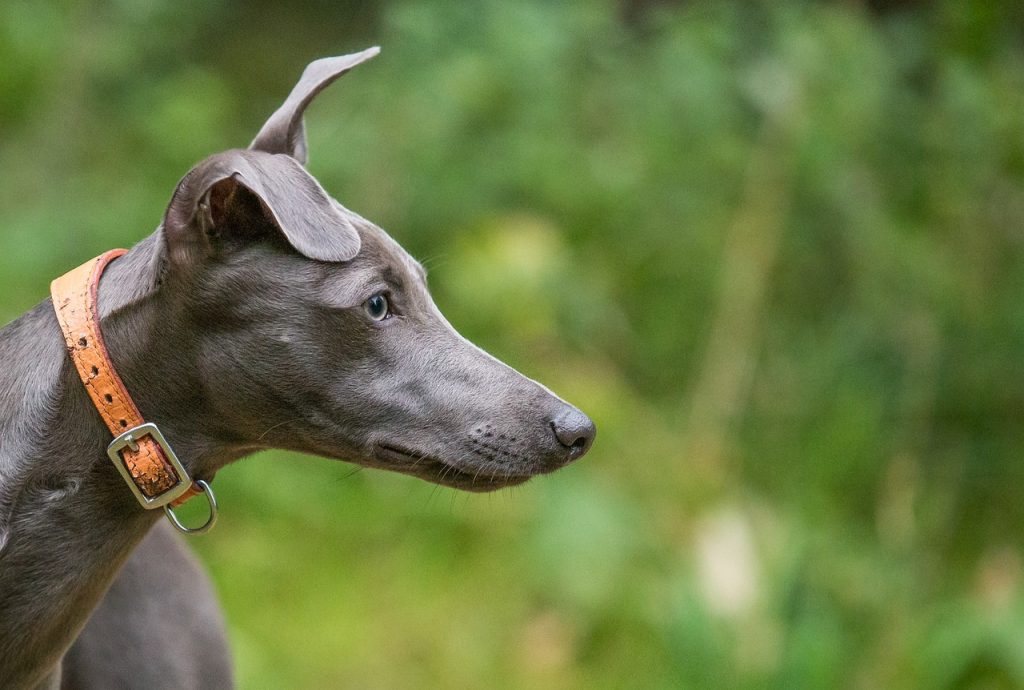
The Whippet is a sleek, streamlined dog with a distinctive appearance that showcases both speed and elegance. Their slender, athletic build includes a deep chest, long legs, and a narrow waist, allowing them to cover large distances in a single sprint. Standing between 18 to 22 inches at the shoulder, males tend to be larger than females, though both exhibit similar grace and strength.
One of the Whippet’s most defining features is its short, smooth coat, which comes in a wide variety of colours and patterns. These can include shades of black, fawn, white, blue, brindle, and a mix of these colours. Their coat is low-maintenance but offers little protection against cold weather, so they often need a sweater or coat during the winter months.
With large, expressive eyes and an elegant, long neck, the Whippet carries itself with a poised and alert demeanour. Its long, tapered tail helps with balance during high-speed runs. Overall, the Whippet’s physical traits make it perfectly suited for both racing and lounging at home.
4. Temperament and Personality
The Whippet is renowned for its gentle, loving personality. While its athletic abilities may suggest a high-energy dog, Whippets are known to be surprisingly calm and laid-back indoors. They are often described as “couch potatoes” when not in motion, happily curling up next to their owners for hours on end.
Whippets are affectionate and bond closely with their families. They thrive on human companionship and can be quite sensitive to being left alone for extended periods, sometimes developing separation anxiety if not properly trained. They are gentle with children and tend to get along well with other dogs, though their strong prey drive means they might chase smaller animals like cats or squirrels if not socialised early.
Although Whippets are not known for being guard dogs due to their friendly nature, they are alert and will bark to signal a stranger’s approach. Their adaptable, easy-going temperament makes them suitable for various living environments, from city apartments to homes with large gardens.
5. Training and Socialisation Needs
Whippets are intelligent and eager to please, making them relatively easy to train with the right approach. However, they can sometimes exhibit an independent streak, so training should be firm but positive. Early socialisation is crucial for Whippets to ensure they grow into well-mannered, confident adults.
Using positive reinforcement techniques such as treats, praise, and playtime works best with Whippets, as they respond poorly to harsh or punitive training methods. Due to their sensitive nature, they need gentle guidance and consistent leadership.
Socialising Whippets from a young age is important to ensure they are comfortable around other dogs, people, and different environments. Although generally sociable, their natural prey drive means they need extra supervision around small animals. Puppy classes and regular exposure to new sights and sounds will help them develop into well-rounded pets.
6. Exercise and Activity Requirements
Whippets, being natural athletes, need regular exercise to stay happy and healthy. Despite their reputation as sprinters, Whippets don’t require as much exercise as one might expect. A brisk 30 to 60 minutes of activity per day, including walks, runs, or play sessions, is usually sufficient for most Whippets. They are happiest when they can stretch their legs with short bursts of high-speed running, making a fenced yard or secure open space ideal for off-lead play.
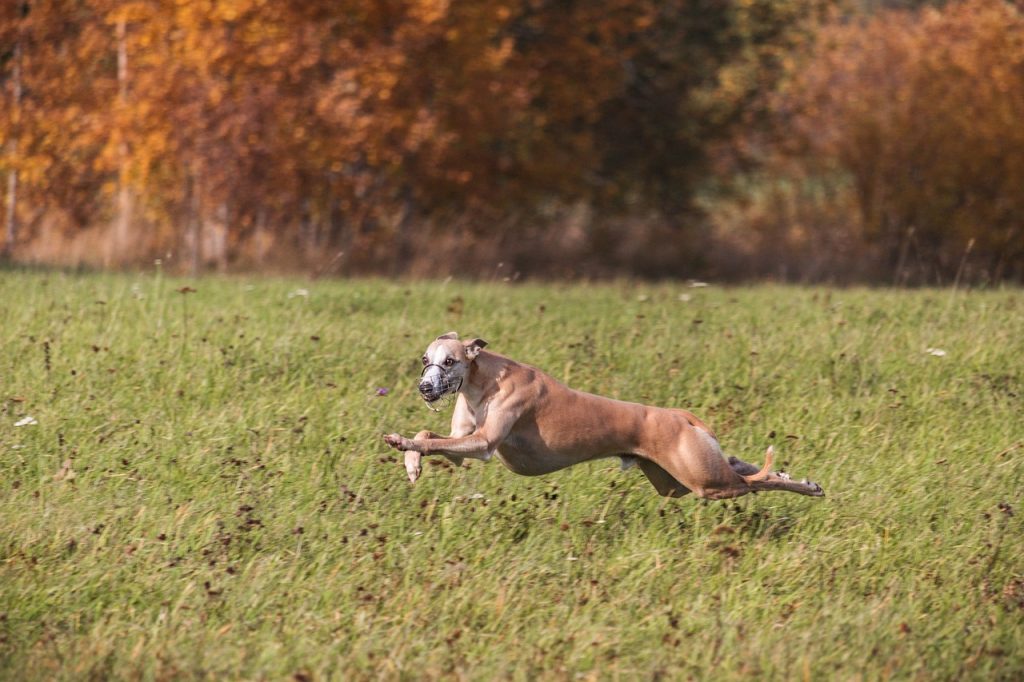
While they enjoy running, Whippets are also quite content with long periods of rest and relaxation after exercise. They love lounging around and can adapt to more sedentary lifestyles as long as they have opportunities to burn off energy daily.
Their natural athleticism makes Whippets excellent candidates for dog sports like lure coursing or agility, which challenge their physical abilities and provide mental stimulation.
7. Diet and Nutrition
Feeding your Whippet a balanced diet is key to maintaining their health and energy levels. High-quality dog food that is rich in protein and formulated for active dogs is recommended to support their lean muscles and high metabolism. Generally, an adult Whippet will need around 1 to 2 cups of dry food per day, depending on their age, size, and activity level.
Whippets have a slim, streamlined physique, so it’s essential to avoid overfeeding, as even slight weight gain can affect their overall health and mobility. Treats should be given in moderation and incorporated into their daily calorie intake. Fresh water should always be available, and it’s important to consult your vet for specific dietary needs, especially if your Whippet has any food sensitivities or health concerns.
8. Health and Lifespan
Whippets are generally healthy dogs with a lifespan of around 12 to 15 years. However, like all breeds, they are prone to certain health conditions that owners should be aware of. Some common health concerns include:
- Hip Dysplasia: A genetic condition that affects the hip joint, leading to arthritis or mobility issues.
- Heart Disease: Whippets can sometimes suffer from heart-related conditions, such as arrhythmias or valve problems.
- Progressive Retinal Atrophy (PRA): An eye condition that can lead to vision loss over time.
- Hypothyroidism: A thyroid gland disorder that can affect metabolism and energy levels.
Regular vet check-ups, a balanced diet, and proper exercise can help minimise the risk of these conditions. Responsible breeders will perform genetic testing to reduce the likelihood of passing on hereditary disorders. Vaccinations, flea prevention, and routine dental care are also essential for maintaining your Whippet’s overall well-being.
9. Grooming and Maintenance
One of the many appealing traits of the Whippet is its low-maintenance grooming routine. Their short, smooth coat requires minimal upkeep and does not shed excessively. A weekly brushing with a soft bristle brush or grooming glove is enough to keep their coat clean and shiny, while also removing loose hair.
Whippets are generally clean dogs and don’t require frequent baths unless they get particularly dirty. When bathing, use a gentle dog shampoo to maintain their coat’s natural oils. Regular ear cleaning, nail trimming, and dental hygiene are important aspects of their grooming routine to prevent infections and maintain overall
health.
Due to their lack of body fat and thin skin, Whippets are more sensitive to cold weather. During colder months, they may need a sweater or coat to keep warm when going outside.
10. Whippets as Family Pets
Whippets make fantastic family pets due to their affectionate, gentle nature and adaptability. They are known for being excellent with children, as they are patient, playful, and rarely aggressive. Their calm demeanour indoors makes them great companions for families looking for a low-maintenance, loving dog that also enjoys occasional bursts of high energy.
Whippets thrive on human companionship and are happiest when they are part of family activities. They do not do well when left alone for long periods and can develop separation anxiety if not given enough attention. Whippets are generally good with other dogs, especially those of similar size, but their prey drive means they might not be suitable for homes with small pets like rabbits or hamsters.
Overall, their balanced temperament and affectionate personality make Whippets ideal for families of all sizes and ages.
11. Breed-Specific Challenges and Considerations
Although Whippets are generally easy to care for, they do come with a few breed-specific challenges. One of the most notable is their strong prey drive. Whippets were bred to chase, and they will instinctively pursue small animals if given the chance. This makes it important to always keep them on a lead in unfenced areas, as they may take off after a squirrel or cat without warning.
Another challenge is their sensitivity to cold. Due to their low body fat and thin coat, Whippets can get chilly quickly, so they need to wear coats during colder months and should not be left outside in cold weather for extended periods.
Lastly, their sensitive nature means they do not respond well to harsh training methods or being left alone for long periods. They thrive in homes where they can receive consistent attention, positive reinforcement, and companionship.
12. Adoption and Breeder Selection Tips
When considering adopting or purchasing a Whippet, it’s important to choose a reputable breeder or rescue organisation. Responsible breeders will perform health tests on their dogs to ensure they are free of genetic conditions common to the breed, such as hip dysplasia and heart disease. A good breeder will also be open about the puppy’s lineage and provide proper documentation.
Adopting from a Whippet-specific rescue is another excellent option. Many Whippets in need of homes are waiting in shelters or breed-specific rescues, and adoption is a great way to give a dog a second chance. Whether you adopt or buy, ensure you ask questions about the dog’s health, temperament, and background.
13. How the Whippet Compares to Other Sighthounds
The Whippet shares many characteristics with other sighthounds, particularly the Greyhound. In fact, the Whippet is often called a “miniature Greyhound” due to its similar body structure and temperament. However, Whippets are smaller and more adaptable to various living environments compared to larger sighthounds like the Greyhound or the Saluki.
Compared to Italian Greyhounds, Whippets are sturdier and more resilient, making them a better fit for families with young children or more active households. While all sighthounds are known for their speed and prey drive, the Whippet’s combination of calm, affectionate nature and moderate exercise needs makes it one of the most adaptable breeds in the sighthound family.
14. Living Environment: Ideal Homes for Whippets
Whippets are highly adaptable and can thrive in various living environments, from small apartments to large homes with spacious gardens. The most important factor is ensuring they have regular access to outdoor spaces where they can stretch their legs and run freely. A securely fenced yard is ideal for off-lead play, as Whippets need to sprint to burn off their energy.
They are quiet dogs that do well in apartment settings, provided they get enough daily exercise. Whippets are also well-suited to family life, enjoying the company of children and other pets, though supervision is needed around small animals due to their prey drive.
Because of their need for companionship, Whippets are happiest in homes where someone is around for most of the day. They thrive in environments that offer a mix of physical activity and relaxation.
15. Myth-Busting: Common Misconceptions about Whippets
One common misconception about Whippets is that they require hours of exercise due to their speed and athleticism. In reality, Whippets are sprinters, not endurance runners, and are content with short bursts of activity followed by long periods of rest. They are often referred to as “60 km/h couch potatoes” because of their love for lounging around.
Another myth is that Whippets are fragile or overly delicate due to their slim build. While they may appear slender, Whippets are surprisingly sturdy and robust dogs. They can handle active play and moderate exercise without issue, though care should be taken to protect them from cold weather.
Lastly, some believe that Whippets are difficult to train because of their independent nature. In truth, Whippets are intelligent and respond well to positive reinforcement, making them trainable when approached with patience and consistency.
16. Conclusion: Why the Whippet Might Be the Perfect Companion
In conclusion, the Whippet is a delightful blend of grace, speed, and affection. Their adaptable nature, combined with their athletic abilities and gentle temperament, makes them ideal companions for families, individuals, and anyone looking for a dog that’s equally happy sprinting outdoors as it is lounging on the sofa.
Their minimal grooming needs and relatively moderate exercise requirements make them an easy breed to care for, while their loving and loyal disposition makes them an excellent addition to any household. If you’re looking for a dog that’s affectionate, quiet, and versatile, the Whippet might just be the perfect fit for you.
FAQ Section
Q1: Are Whippets good with children?
Yes, Whippets are gentle, patient, and typically very good with children, making them excellent family pets.
Q2: How much exercise does a Whippet need?
Whippets need about 30 to 60 minutes of daily exercise, including walks and short sprints.
Q3: Do Whippets get along with other pets?
Whippets generally get along well with other dogs, but their strong prey drive means they may not be suitable for homes with small animals like cats or rabbits.
Q4: Are Whippets good apartment dogs?
Yes, Whippets can adapt to apartment living as long as they get enough exercise and outdoor playtime.
Q5: How long do Whippets live?
Whippets have a lifespan of around 12 to 15 years with proper care.
Q6: Do Whippets need a lot of grooming?
No, Whippets have short, low-maintenance coats that require minimal grooming, usually just a weekly brushing.
Q7: Are Whippets difficult to train?
Whippets are intelligent and respond well to positive reinforcement, though they can have an independent streak, so consistent, gentle training is key.
Q8: Do Whippets tolerate cold weather?
Whippets are sensitive to cold due to their thin coats and low body fat, so they often need a coat or sweater during cold weather.
This comprehensive guide covers everything you need to know about the Whippet, from their history and appearance to their personality and care needs, making it easier to decide if this elegant breed is the right fit for your home.