Uncover the Akita: Japan’s Fiercest Protector with a Heart of Gold!
| Characteristics | Details |
|---|---|
| Height | The Akita stands between 24 to 28 inches tall at the shoulder, with males typically being larger than females. This impressive height adds to their powerful and regal presence. |
| Weight | The Akita typically weighs between 70 to 130 pounds, with males generally being heavier than females. Their weight complements their strong and muscular build. |
| Life Span | The Akita has a lifespan of around 10 to 13 years. With proper care, including regular vet visits and a healthy lifestyle, they can live a long, healthy life. |
| Coat Colour | The Akita’s coat comes in a variety of colours, including white, brindle, fawn, pinto, and red. Some Akitas have solid coats, while others may have markings or patches, especially on the face and body. Their thick, double-layered coat is weather-resistant and gives them a striking and majestic appearance. |
| Suitable for | The Akita is suitable for experienced dog owners who can provide firm, consistent training and regular exercise. They thrive in homes with secure outdoor spaces and are ideal for families or individuals who appreciate their protective and loyal nature. Due to their strong guarding instincts, Akitas do best in homes without small children or other pets, unless socialised from an early age. They are perfect for those seeking a dedicated, independent companion. |
| Temperament | Akitas are known for their loyal, protective, and independent temperament. They form strong bonds with their families but tend to be reserved and aloof around strangers. Calm and dignified, they make excellent guard dogs due to their natural protective instincts. While affectionate with those they trust, Akitas can be stubborn and require a confident, experienced owner who can provide consistent training and leadership. They are intelligent but prefer to think for themselves, adding to their independent nature. |
Akita Dog: The Majestic and Loyal Guardian
Table of Contents
- Introduction: Meet the Akita
- History and Origins of the Akita
- Physical Characteristics and Appearance
- Temperament and Personality
- Training and Socialisation Needs
- Exercise and Activity Requirements
- Diet and Nutrition
- Health and Lifespan
- Grooming and Maintenance
- Akitas as Family Pets
- Breed-Specific Challenges and Considerations
- Adoption and Breeder Selection Tips
- How the Akita Compares to Other Large Breeds
- Living Environment: Ideal Homes for Akitas
- Myth-Busting: Common Misconceptions about Akitas
- Conclusion: Why the Akita is a Loyal and Majestic Companion
- FAQ Section
Quick Summary
The Akita is a large, powerful dog known for its loyalty, courage, and dignified nature. Originally from Japan, Akitas were bred as hunting and guard dogs, but their role has evolved over time. Today, they are celebrated for their devotion to family and strong protective instincts. With their muscular build, thick coat, and distinct curled tail, Akitas are an impressive and beautiful breed.
Akitas are independent and sometimes aloof, but they are also deeply affectionate with their family members. They are known for their calm demeanour, but their strong will and natural guarding tendencies mean they require experienced owners who can provide firm, consistent training. This guide will explore the history, characteristics, and care needs of this remarkable breed.
1. Introduction: Meet the Akita
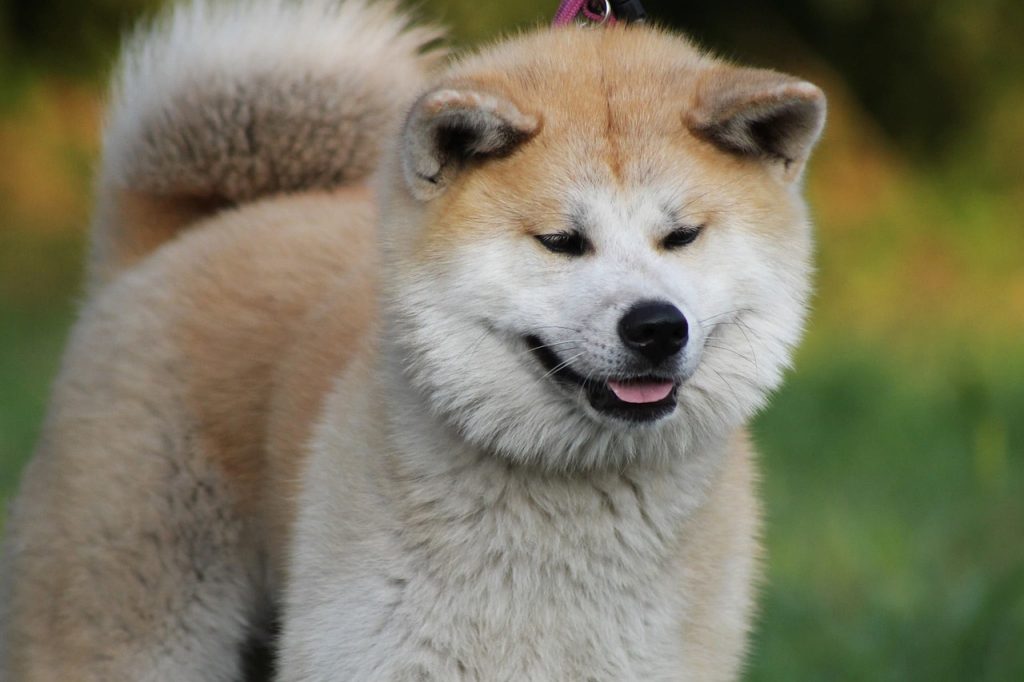
The Akita is a large, robust dog with a proud heritage rooted in Japan. Known for their loyalty and bravery, Akitas have a long history as protectors and companions. They are a physically imposing breed, standing between 24 to 28 inches tall and weighing 70 to 130 pounds. Their thick double coat, which can be any combination of colours including white, brindle, and pinto, adds to their striking appearance.
Akitas are known for their calm and dignified temperament, but they can be fiercely protective when necessary. While they are affectionate with their families, they tend to be aloof with strangers. This breed is ideal for owners who are experienced with large dogs and can provide them with the leadership and structure they need.
2. History and Origins of the Akita
The Akita’s origins trace back over a thousand years to the snowy mountains of northern Japan, specifically the Akita Prefecture, from which they take their name. Initially bred for hunting large game, such as boar and bear, Akitas were also used as guard dogs for the imperial family. In the 17th century, they were prized as royal protectors and became a symbol of good fortune, health, and long life in Japan.
In the early 20th century, the breed faced a decline due to crossbreeding with other dogs, but efforts were made to preserve the pure Akita lineage. The breed was later introduced to the United States after World War II, when American servicemen brought Akitas back with them. This led to the development of two distinct lines: the Japanese Akita and the American Akita, with subtle differences in size and appearance.
3. Physical Characteristics and Appearance
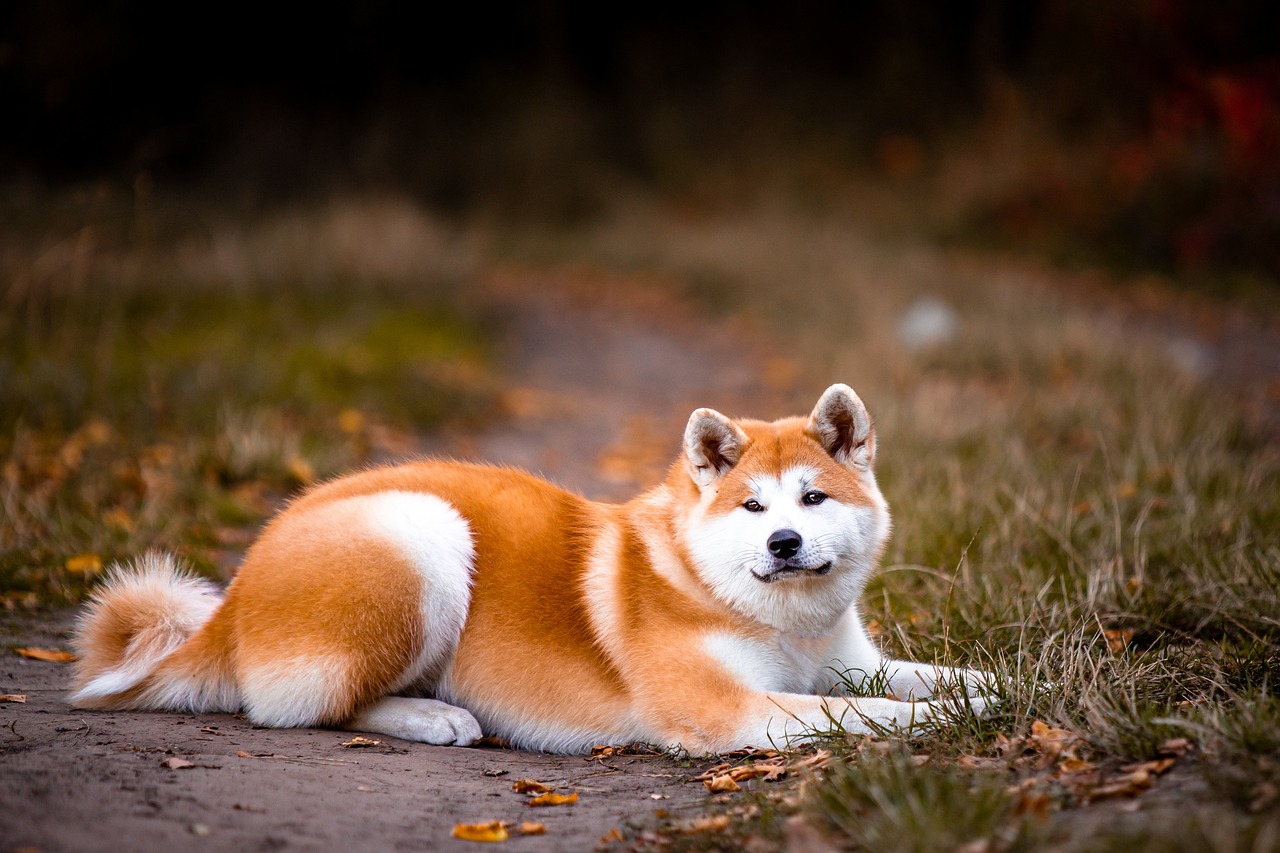
The Akita is a large, muscular dog with a powerful build and an impressive, regal stance. Standing between 24 to 28 inches tall, their broad head, erect triangular ears, and strong neck give them a proud and dignified look. They have a thick, double-layered coat that is weather-resistant, with a soft undercoat and a coarser outer coat.
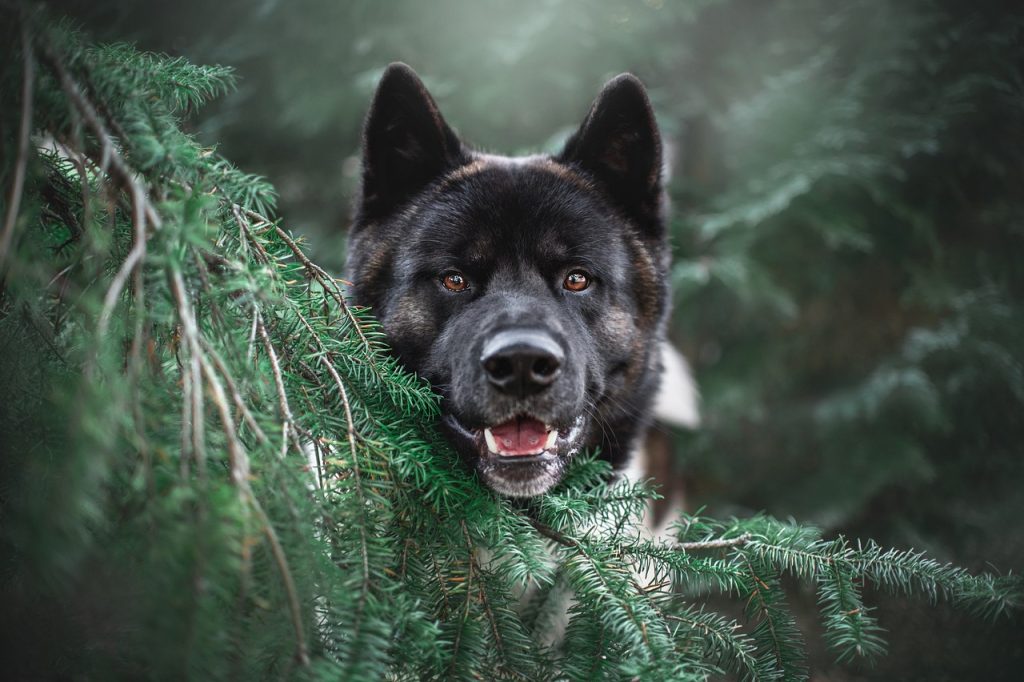
Their eyes are dark, almond-shaped, and alert, conveying an intelligent, focused expression. One of the breed’s most distinctive features is its curled tail, which arches over the back. Akitas come in a variety of colours, including white, brindle, fawn, and pinto. American Akitas tend to be larger and heavier than their Japanese counterparts, but both are known for their strength and beauty.
4. Temperament and Personality
Akitas are renowned for their loyalty and protective instincts. They are known to form strong bonds with their families and are highly devoted to their owners. However, their independent and sometimes aloof nature can make them reserved with strangers. While they may seem distant, Akitas are deeply affectionate with their loved ones and enjoy spending time with their families.
They are calm and quiet indoors, making them good house pets, but they have a strong guarding instinct. Akitas are naturally wary of unfamiliar people, which makes them excellent watchdogs. Their intelligence and independent streak can sometimes make them stubborn, so they require firm and consistent training from an early age to ensure they grow into well-mannered adults.
5. Training and Socialisation Needs
Training an Akita requires patience, consistency, and experience. As intelligent as they are, Akitas have a strong independent streak and may not always be eager to follow commands. They are not the most naturally obedient breed, so training should begin early and be reinforced throughout their life. Positive reinforcement techniques, such as treats and praise, work best with Akitas, as harsh training methods can backfire.
Socialisation is equally important, as Akitas can be territorial and aloof with strangers. Introducing them to new people, dogs, and environments from a young age is essential for helping them develop into well-adjusted adults. Puppy classes, regular outings, and exposure to various settings can help curb their natural wariness and prevent any over-protectiveness.
6. Exercise and Activity Requirements
Despite their calm indoor demeanour, Akitas are an active and athletic breed that requires regular exercise to stay healthy. They need at least an hour of daily activity, which can include long walks, hikes, or playtime in a secure yard. Akitas enjoy outdoor activities and are known for their stamina and endurance, so they are well-suited for hiking and other adventures.
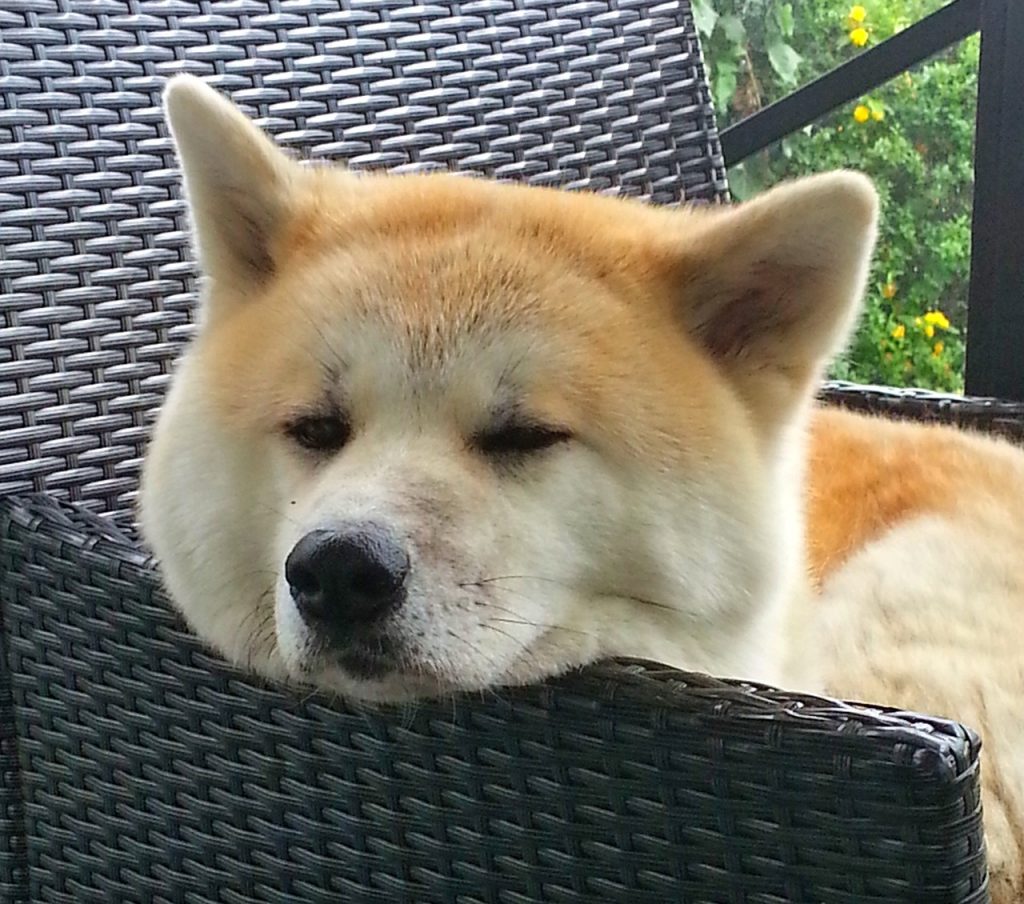
Akitas have a natural prey drive, so they should always be kept on a lead in unfenced areas to prevent them from chasing smaller animals. Without proper exercise, Akitas can become bored, which may lead to destructive behaviour. Mental stimulation, in addition to physical exercise, is also important to keep them engaged and prevent restlessness.
7. Diet and Nutrition
Feeding an Akita a balanced, nutritious diet is essential for maintaining their health and energy levels. A high-quality dog food that is rich in protein is recommended to support their muscular build. The amount of food they require depends on their age, size, and activity level, but adult Akitas generally need between 2.5 to 3.5 cups of food per day, split into two meals.
Puppies will need more frequent meals to support their growth and development. It’s important to monitor their weight and adjust their diet as needed, as Akitas can be prone to obesity if overfed or under-exercised. Treats can be used during training, but should be given in moderation to avoid excessive weight gain.
8. Health and Lifespan
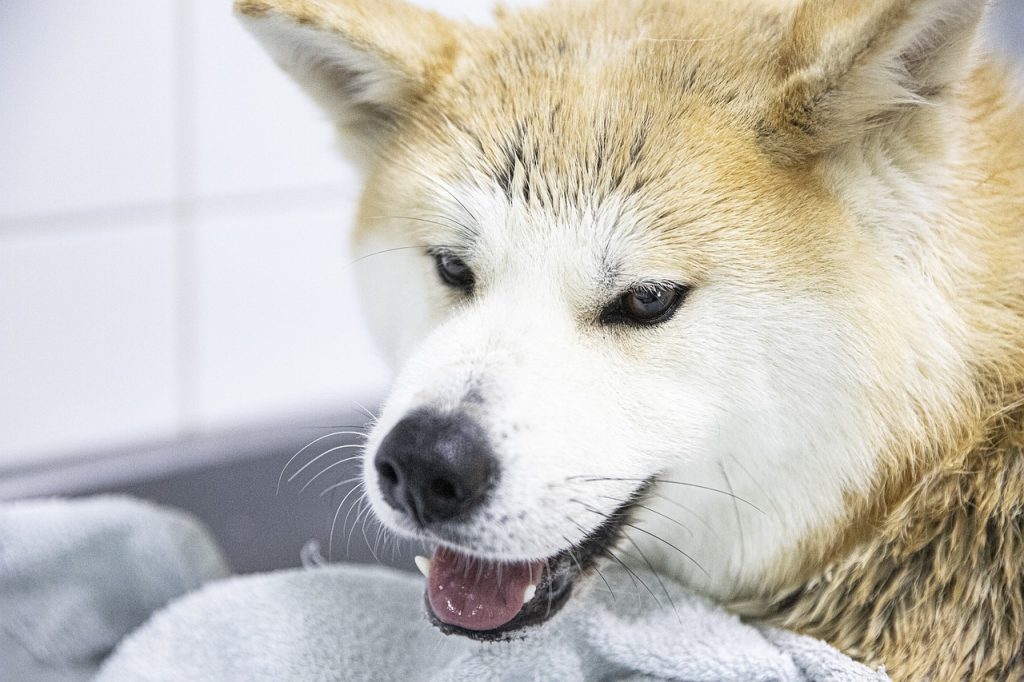
Akitas are generally healthy dogs, but like all breeds, they are prone to certain health conditions. With proper care, Akitas typically live between 10 to 13 years. Some common health issues that can affect Akitas include:
- Hip Dysplasia: A genetic condition that can lead to arthritis or mobility problems.
- Progressive Retinal Atrophy (PRA): A degenerative eye condition that can result in vision loss.
- Hypothyroidism: A disorder that affects the thyroid gland and can lead to weight gain and lethargy.
- Autoimmune Diseases: Akitas are susceptible to certain autoimmune conditions, which can affect the skin, joints, or organs.
Regular veterinary check-ups, a balanced diet, and proper exercise can help prevent many of these issues and ensure a long, healthy life for your Akita.
9. Grooming and Maintenance
Akitas have a thick double coat that requires regular grooming to keep it healthy and clean. They are moderate shedders, but they “blow” their coat twice a year, during which they shed heavily. During these periods, more frequent brushing—at least several times a week—is necessary to manage the shedding and keep the coat from matting.
Outside of shedding seasons, a weekly brushing is usually sufficient to remove loose hair and keep their coat looking its best. Regular baths are not needed, but Akitas should be bathed occasionally, especially if they get dirty. Nail trimming, ear cleaning, and dental care should be part of their routine grooming to ensure overall health and hygiene.
10. Akitas as Family Pets
Akitas can make wonderful family pets for experienced owners who understand their strong-willed nature. They are incredibly loyal and protective, often forming deep bonds with their family members. While they are calm and well-behaved indoors, they are known for their affectionate but reserved nature. Akitas are particularly good with older children who know how to interact respectfully with dogs.
However, due to their protective instincts, they may be less tolerant of rough play or unfamiliar visitors, making them better suited to homes with children who are familiar with how to handle dogs. Socialisation and training are crucial to ensure that Akitas are well-mannered and comfortable in family environments.
11. Breed-Specific Challenges and Considerations
Owning an Akita comes with certain challenges that potential owners should be aware of. Their independent and sometimes stubborn nature means they are not the easiest dogs to train, especially for first-time owners. Akitas require a strong, confident leader who can provide firm but fair training. Without proper leadership, they may become overly dominant or exhibit behavioural problems.
Additionally, Akitas are naturally wary of other dogs, especially those of the same sex. They
can be aggressive toward other animals if not properly socialised from a young age. This breed also has a high prey drive, making them unsuitable for homes with small pets like cats or rabbits.
12. Adoption and Breeder Selection Tips
When considering adding an Akita to your family, it’s important to choose a reputable breeder or consider adopting from a breed-specific rescue. Responsible breeders will test their breeding dogs for genetic conditions, such as hip dysplasia and autoimmune diseases, and will provide health clearances for the puppies.
If you are considering adoption, there are many Akitas in rescue organisations looking for loving homes. These dogs may be adults, but they can still form strong bonds with new families. Whether you choose to buy or adopt, always ask about the dog’s health history, temperament, and any behavioural concerns before making a decision.
13. How the Akita Compares to Other Large Breeds
Compared to other large breeds, Akitas stand out for their loyalty, protective nature, and calm demeanour. While breeds like the German Shepherd or Rottweiler are also known for their guarding abilities, Akitas tend to be more reserved and independent. They are not as eager to please as some other working breeds, which can make them more challenging to train.
Unlike some large breeds that are more social with strangers, Akitas are naturally aloof, which can make them excellent watchdogs. However, this trait also means they require more socialisation to prevent overprotectiveness. Overall, the Akita’s combination of strength, dignity, and loyalty makes it a unique and admirable breed.
14. Living Environment: Ideal Homes for Akitas
Akitas are best suited to homes with space for them to roam, such as houses with fenced yards where they can safely explore and exercise. While they are calm indoors, Akitas still need room to move and stretch their legs. Apartments can work for Akitas if their exercise needs are met, but homes with outdoor access are ideal.
Due to their strong guarding instincts, Akitas thrive in homes where they can be close to their family and feel secure. They do not do well when left alone for long periods, as this can lead to anxiety or destructive behaviour. Homes with experienced dog owners who understand their need for structure, companionship, and regular exercise are best for this breed.
15. Myth-Busting: Common Misconceptions about Akitas
One common misconception about Akitas is that they are overly aggressive. While they are protective and can be aloof with strangers, Akitas are not inherently aggressive. Proper training and socialisation help manage their natural guarding instincts, making them loyal and well-behaved companions.
Another myth is that Akitas are difficult to train because of their independent nature. While they can be stubborn, they are also intelligent and capable of learning commands with consistent, positive reinforcement. Patience and a strong leadership role from the owner are key to successful training.
Finally, some people believe Akitas are too reserved to be affectionate pets. In reality, Akitas are deeply loyal and affectionate with their families, often forming strong bonds and showing love in a calm, dignified way.
Conclusion: Why the Akita is a Loyal and Majestic Companion
The Akita is a breed that exemplifies loyalty, strength, and beauty. With their impressive physical appearance and calm, dignified nature, Akitas make excellent companions for experienced dog owners. They are protective and devoted to their families, providing both affection and security. While they require firm training and consistent socialisation, Akitas reward their owners with unwavering loyalty and companionship.
For those who are willing to invest the time and effort needed to train and care for them, Akitas are majestic, intelligent dogs that bring immense joy and love into the lives of their owners.
FAQ Section
Q1: Are Akitas good with children?
Akitas can be good with older children who understand how to interact respectfully with dogs. However, their protective instincts mean they may not tolerate rough play.
Q2: How much exercise does an Akita need?
Akitas need at least an hour of exercise per day, including walks, hikes, or playtime in a secure area.
Q3: Are Akitas aggressive?
While Akitas can be protective and aloof with strangers, they are not inherently aggressive. Proper socialisation and training help manage their guarding instincts.
Q4: How long do Akitas live?
Akitas typically have a lifespan of 10 to 13 years.
Q5: Do Akitas shed a lot?
Akitas are moderate shedders but shed heavily twice a year during seasonal changes. Regular brushing helps manage shedding.
Q6: Can Akitas live in apartments?
Akitas can live in apartments if they receive enough exercise, but they are better suited to homes with fenced yards.
Q7: Are Akitas easy to train?
Akitas can be stubborn, so they require patient, consistent training. Positive reinforcement works best with this independent breed.
Q8: Do Akitas get along with other dogs?
Akitas can be territorial and may not get along well with other dogs, especially those of the same sex. Early socialisation is important.