Why the Alaskan Malamute is the Ultimate Adventure Companion!
| Characteristics | Details |
|---|---|
| Height | The Alaskan Malamute stands tall, with males typically reaching between 64-71 cm (25-28 inches) at the shoulder, while females are slightly smaller, standing at 58-66 cm (23-26 inches). |
| Weight | The Alaskan Malamute is a heavy and muscular breed, with males generally weighing between 38-45 kg (85-100 pounds), and females being slightly lighter, typically weighing 34-38 kg (75-85 pounds). |
| Life Span | The average lifespan of an Alaskan Malamute ranges from 10 to 14 years. With proper care, including a healthy diet, regular exercise, and routine veterinary check-ups, some Malamutes may even live longer. |
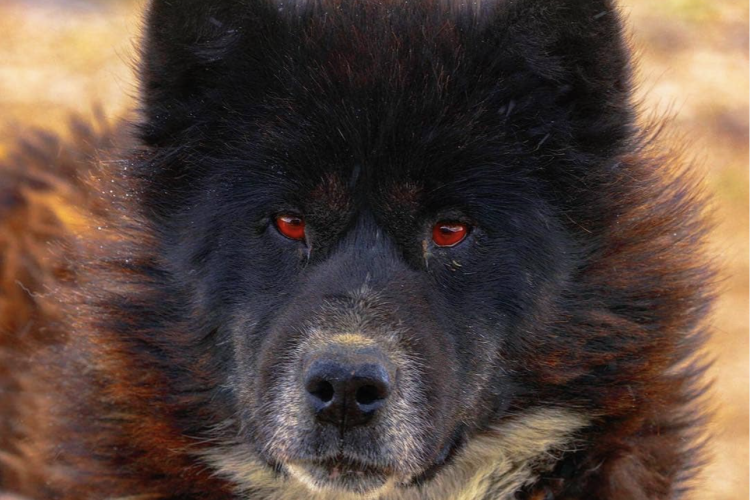
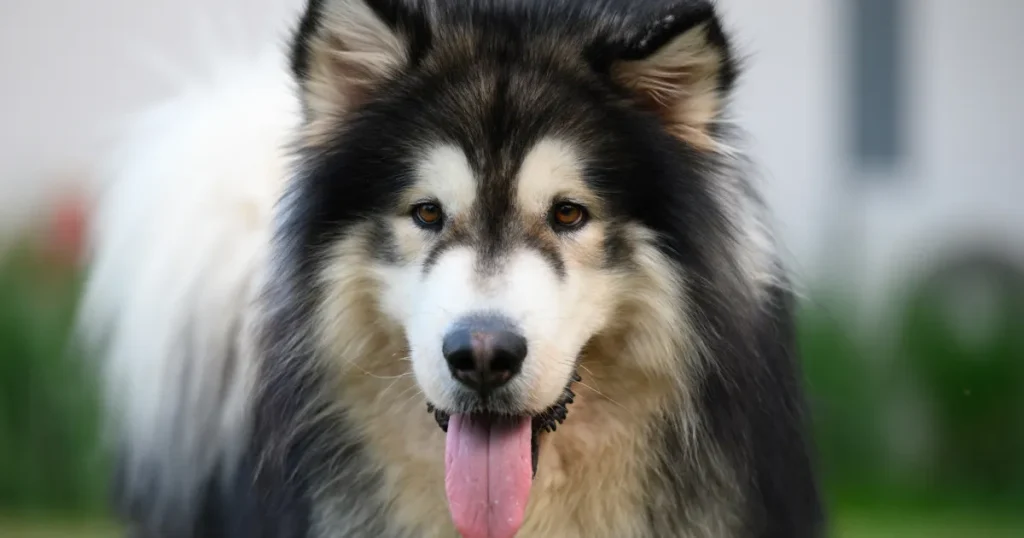
| Coat Colour | Alaskan Malamutes typically have a striking coat in shades ranging from light gray to black, sable, red, or even pure white, with characteristic white markings on their underbelly, legs, and face. |
| Suitable for | Alaskan Malamutes are best suited for active families or individuals with experience handling large, strong-willed dogs. They thrive in homes with spacious, securely fenced gardens where they can run and play, and they are ideally suited for cooler climates due to their thick double coat. Malamutes are not ideal for small apartments or households that cannot meet their high exercise and mental stimulation needs. They also do well in environments where they are not left alone for long periods, as they are highly social dogs that enjoy companionship. |
| Temperament | Alaskan Malamutes are friendly, loyal, and playful, especially with children, but they can be independent and stubborn. While affectionate with their family, their strong prey drive makes them less suited to homes with small pets. Early socialization and consistent training are essential for this intelligent but sometimes headstrong breed. |
Alaskan Malamute: The Ultimate Working Dog
Table of Contents
- Introduction: Meet the Alaskan Malamute
- History and Origins of the Alaskan Malamute
- Physical Characteristics and Appearance
- Temperament and Personality
- Training and Socialisation Needs
- Exercise and Activity Requirements
- Diet and Nutrition
- Health and Lifespan
- Grooming and Maintenance
- Alaskan Malamutes as Family Pets
- Breed-Specific Challenges and Considerations
- Adoption and Breeder Selection Tips
- How the Alaskan Malamute Compares to Other Working Breeds
- Living Environment: Ideal Homes for Alaskan Malamutes
- Myth-Busting: Common Misconceptions about the Alaskan Malamute
- Conclusion: Why the Alaskan Malamute is a Loyal and Majestic Companion
- FAQ Section
Quick Summary
The Alaskan Malamute is one of the oldest Arctic sled dog breeds, known for its strength, endurance, and friendly personality. Originally bred for hauling heavy loads across frozen landscapes, Malamutes are strong, capable, and highly energetic dogs. Their large size, powerful build, and striking appearance make them stand out, while their affectionate and loyal nature endears them to families.
While Malamutes are hardworking and independent, they are also social and thrive on human interaction. They are best suited to active owners who can meet their high exercise needs and provide consistent training. This guide will explore everything you need to know about the Alaskan Malamute, from its history and characteristics to its care requirements and suitability as a family pet.
1. Introduction: Meet the Alaskan Malamute
The Alaskan Malamute is a large, powerful dog breed, bred for strength and endurance. Originally developed by the native Inuit people of Alaska, this breed was created to haul heavy loads over long distances in harsh Arctic conditions. Today, Malamutes are known for their friendly, loyal temperament and their majestic, wolf-like appearance. They stand between 23 to 25 inches tall at the shoulder and can weigh between 75 to 100 pounds or more, depending on the individual dog.
Malamutes are social animals that thrive on human companionship, making them excellent family pets when properly trained and socialised. However, they are also independent and have a strong work ethic, traits that can make them challenging for inexperienced dog owners. With the right environment and leadership, the Alaskan Malamute can be a loving and devoted companion.
2. History and Origins of the Alaskan Malamute
The Alaskan Malamute has a rich history that dates back thousands of years. The breed was developed by the native Mahlemut tribe of Alaska, who relied on these strong, resilient dogs to transport heavy loads of food and supplies across the harsh, frozen terrain. Malamutes were bred for their strength and endurance rather than speed, and they were essential for the survival of the tribe.
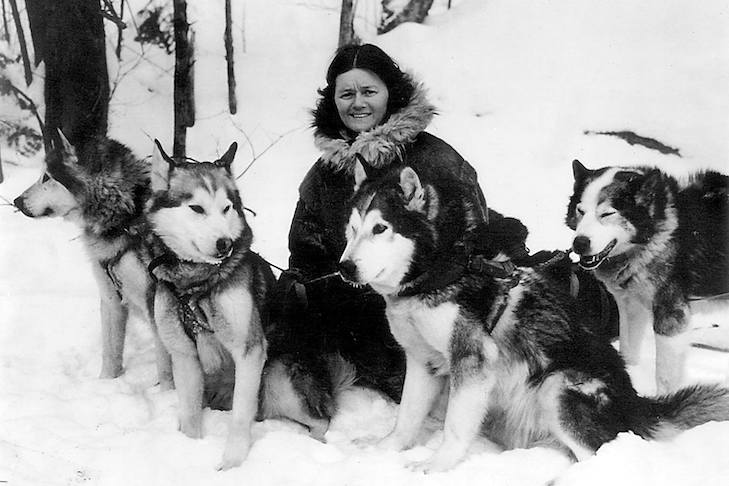
Over time, the breed evolved to handle the extreme weather conditions of the Arctic, with their thick double coats providing protection from the cold. Alaskan Malamutes were also used for hunting large game, such as seals and polar bears, showcasing their versatility as working dogs.
In the 20th century, the breed gained recognition outside of Alaska, especially during the Klondike Gold Rush, when their strength and stamina were in high demand. Today, Malamutes are still valued for their working abilities, but they are also beloved family pets and companions.
3. Physical Characteristics and Appearance
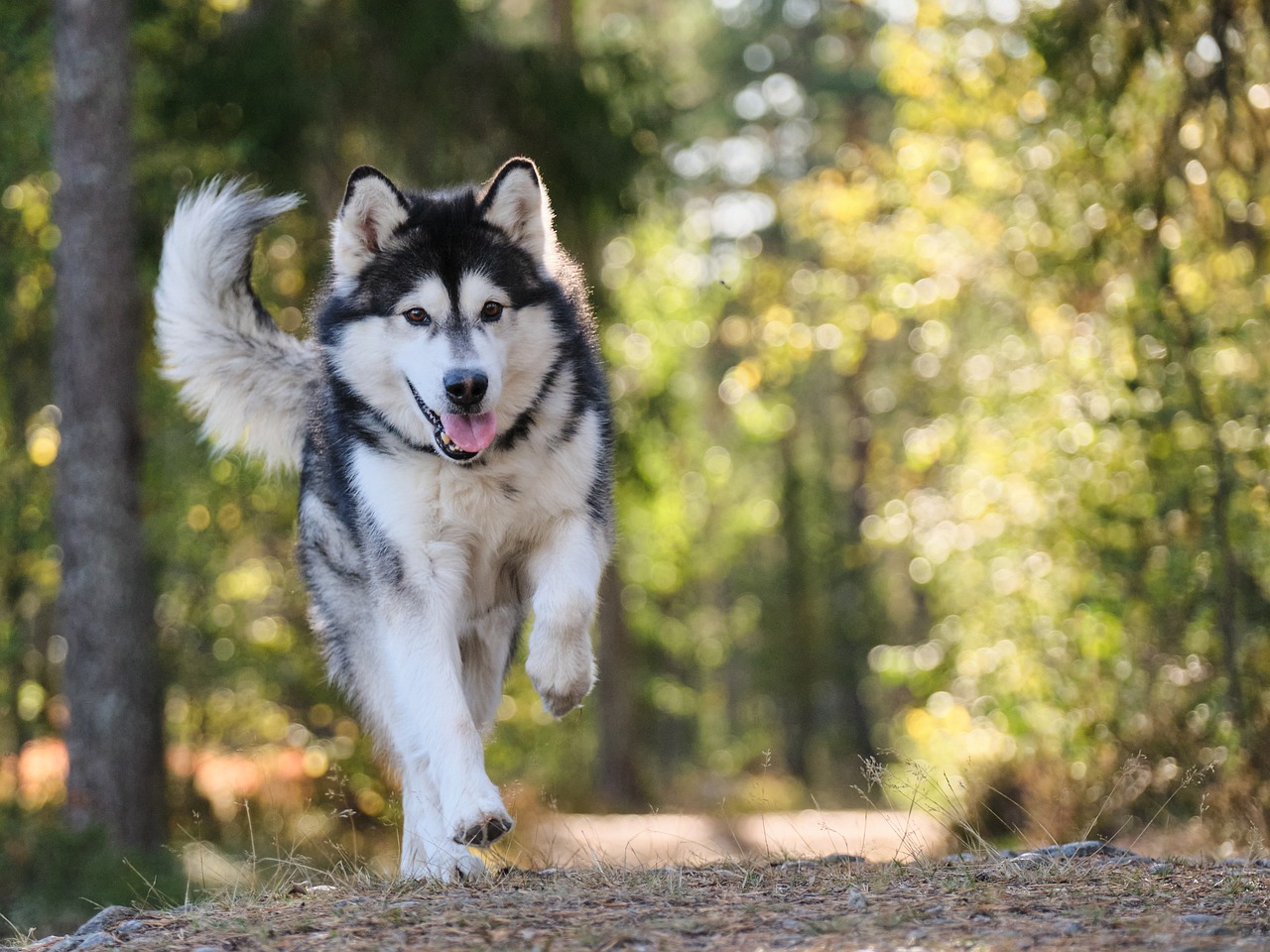
The Alaskan Malamute is a strikingly large and powerful dog, with a broad chest, muscular body, and a thick double coat that protects them from harsh weather. Standing between 23 to 25 inches tall and weighing 75 to 100 pounds, they have a solid and imposing build.
Their head is broad, with erect, triangular ears and almond-shaped eyes that give them an alert and intelligent expression. Malamutes are often mistaken for wolves due to their similar appearance, especially with their bushy tails that curl over their backs.
Their thick coat comes in a variety of colours, including black, grey, sable, red, and shades of white. The Malamute’s coat is one of its most distinctive features, with a dense undercoat that insulates them in cold weather and a coarse outer coat that protects them from the elements.
4. Temperament and Personality
The Alaskan Malamute is known for its friendly, affectionate, and outgoing personality. These dogs form strong bonds with their families and are known for their loyalty and devotion. Despite their imposing size, Malamutes are gentle with their loved ones and thrive on human companionship. They are playful, social, and love being involved in family activities.
While friendly with people, Malamutes are also independent thinkers. They have a strong sense of self-reliance, which can sometimes make them stubborn or challenging to train. However, they are intelligent and can be trained with consistent, positive reinforcement.
Malamutes are generally good-natured, but their independent nature means they may not always get along with other dogs, particularly those of the same sex. Early socialisation is key to ensuring they grow into well-mannered, confident adults.
5. Training and Socialisation Needs
Training an Alaskan Malamute requires patience, consistency, and firm leadership. Malamutes are intelligent, but their independent nature can make them somewhat stubborn, so training should begin early. Positive reinforcement methods, such as treats and praise, are the most effective way to teach them new commands and good behaviour.
Early socialisation is essential for Malamutes. Introducing them to a variety of people, dogs, and environments from a young age helps prevent any aggressive or overly dominant behaviour later in life. Puppy classes and regular exposure to different settings will help them become well-rounded and confident adults.
While Malamutes are trainable, they are not naturally obedient dogs. Their history as independent working dogs means they may sometimes prefer to follow their instincts rather than commands. Therefore, consistency and patience are key when training this breed.
6. Exercise and Activity Requirements
The Alaskan Malamute is a highly active breed with significant exercise needs. Bred for endurance and hard work, these dogs require at least 90 minutes to 2 hours of exercise daily to stay physically and mentally fit. Long walks, hikes, and opportunities to run off-lead in secure areas are ideal for burning off their high energy levels.
Malamutes also enjoy pulling activities, such as sledding or carting, which allow them to use their strength and work ethic. In colder climates, they are perfectly suited for activities like skijoring, where they pull their owner on skis. Without sufficient exercise, Malamutes can become bored, which may lead to destructive behaviours like digging or chewing.
Mental stimulation is also crucial for this intelligent breed. Puzzle toys, obedience training, and activities that challenge their minds will keep them engaged and prevent restlessness.
7. Diet and Nutrition
Feeding an Alaskan Malamute a balanced, nutritious diet is essential to support their large size and active lifestyle. A high-quality dog food that is rich in protein will help maintain their muscular build and provide the energy they need for daily activities. The amount of food a Malamute needs will depend on its age, size, and activity level, but on average, an adult Malamute requires around 2 to 3 cups of food per day, divided into two meals.
Puppies need more frequent meals to support their rapid growth and development. It’s important to monitor their weight and adjust their diet accordingly, as Malamutes can be prone to overeating and obesity if not properly managed.
In addition to a well-balanced diet, fresh water should always be available, especially after exercise or physical activity.
8. Health and Lifespan
Alaskan Malamutes are generally a healthy breed, but like all dogs, they are prone to certain genetic health issues. With proper care, Malamutes have a lifespan of 10 to 14 years. Common health concerns for this breed include:
- Hip Dysplasia: A genetic condition that can lead to arthritis or mobility issues.
- Hypothyroidism: A thyroid disorder that affects metabolism and energy levels.
- Cataracts: A common eye condition that can impair vision as the dog ages.
- Progressive Retinal Atrophy (PRA): A degenerative disease that affects the retina and can lead to blindness.
- Bloat: A life-threatening condition in which the stomach twists and fills with gas, requiring immediate veterinary attention.
Regular vet check-ups, a balanced diet, and proper exercise are essential for keeping Malamutes healthy. Responsible breeding practices, including genetic testing for hereditary conditions, can also help reduce the risk of health problems.
9. Grooming and Maintenance
The Alaskan Malamute has a thick double coat that requires regular grooming to keep it in top condition. Malamutes are heavy shedders, particularly during seasonal changes when they “blow” their coat. During these periods, daily brushing is necessary to remove loose fur and prevent mats from forming.
Outside of shedding season, Malamutes benefit from being brushed two to three times a week to keep their coat healthy and clean. Bathing is only needed occasionally, as their coat naturally repels dirt and debris. However, when they do need a bath, it’s important to use a dog-friendly shampoo that won’t strip their coat of its natural oils.
Regular nail trimming, ear cleaning, and dental care are also important aspects of a Malamute’s grooming routine.
10. Alaskan Malamutes as Family Pets
Alaskan Malamutes make wonderful family pets for active households that can meet their exercise and
socialisation needs. They are friendly, affectionate, and love being part of family activities. Malamutes are particularly good with older children, as their large size and exuberance may be too much for smaller kids.
They are known for their loyalty and protective instincts, but they are not typically aggressive. Instead, they rely on their imposing size and deep bark to act as a deterrent to potential threats. Malamutes thrive in homes where they can be close to their family and enjoy plenty of outdoor time.
While they are loving pets, Malamutes are not ideal for first-time dog owners due to their independent nature and high energy levels. Experienced owners who can provide firm leadership and plenty of physical and mental stimulation will find Malamutes to be loyal and loving companions.
11. Breed-Specific Challenges and Considerations
Owning an Alaskan Malamute comes with certain challenges that potential owners should be aware of. Their large size and strength make them a powerful breed, so they require consistent training and firm leadership to ensure they are well-behaved. Malamutes are not naturally obedient dogs, so they may test boundaries and need an experienced owner to provide structure.
Another challenge is their high energy levels. Malamutes need a significant amount of exercise each day, and without it, they can become bored and destructive. They also have a natural instinct to dig, so providing them with a designated digging area can help manage this behaviour.
Malamutes are not suited for hot climates due to their thick double coat, so they need access to cool, shaded areas during warmer months.
12. Adoption and Breeder Selection Tips
When considering adopting or purchasing an Alaskan Malamute, it’s important to choose a reputable breeder or rescue organisation. Responsible breeders will perform health tests on their breeding dogs to ensure they are free from genetic conditions such as hip dysplasia and cataracts.
If you’re considering adoption, many Alaskan Malamutes in rescue groups are looking for loving homes. Breed-specific rescues can help match you with a dog that suits your lifestyle, and adopting a rescue can be a rewarding experience. Whether adopting or purchasing, always ask about the dog’s health history, temperament, and background to make an informed decision.
13. How the Alaskan Malamute Compares to Other Working Breeds
Compared to other working breeds, the Alaskan Malamute stands out for its strength and endurance. While breeds like the Siberian Husky were bred for speed, Malamutes were developed for hauling heavy loads over long distances. This makes them more powerful but slightly slower than their husky cousins.
In terms of temperament, Malamutes are more independent and strong-willed than other working breeds like the Labrador Retriever or German Shepherd. They are not as eager to please as some other breeds, but they are incredibly loyal and devoted to their families.
Both Malamutes and Huskies share a love for outdoor activities, but Malamutes tend to be more reserved and serious, while Huskies are known for their playful and mischievous personalities.
14. Living Environment: Ideal Homes for Alaskan Malamutes
Alaskan Malamutes are best suited to homes with large, fenced yards where they can run and explore. They need plenty of space to stretch their legs and burn off their high energy levels. Homes in cooler climates are ideal for Malamutes, as their thick coat makes them sensitive to heat.
While Malamutes can live in apartments if they receive enough daily exercise, they are much happier in homes with outdoor access. Malamutes are social animals that do not do well when left alone for long periods, as they thrive on human companionship.
Because of their size and strength, Malamutes are better suited to homes with older children or adults who can handle their exuberance and provide the leadership they need.
15. Myth-Busting: Common Misconceptions about the Alaskan Malamute
One common misconception about Alaskan Malamutes is that they are aggressive because of their size and wolf-like appearance. In reality, Malamutes are friendly, social dogs that enjoy human companionship. They are not typically aggressive and are more likely to greet strangers with curiosity than hostility.
Another myth is that Malamutes are difficult to train. While they are independent and strong-willed, they are also intelligent and capable of learning commands with consistent training and positive reinforcement.
Some people also believe that Malamutes are too large to be good family pets. However, Malamutes are gentle giants and are known for being loving and affectionate with their families, particularly with older children.
Conclusion: Why the Alaskan Malamute is a Loyal and Majestic Companion
The Alaskan Malamute is a loyal, powerful, and majestic breed that brings both strength and affection to the families lucky enough to own them. While they are strong and independent, Malamutes are also loving and playful, making them excellent companions for active owners. With the right training, exercise, and care, they will reward their families with unwavering loyalty and devotion.
For experienced dog owners who can meet their exercise needs and provide consistent leadership, the Alaskan Malamute is a fantastic companion that offers both beauty and strength in abundance.
FAQ Section
Q1: Are Alaskan Malamutes good with children?
Yes, Alaskan Malamutes are typically gentle and affectionate with older children. However, their large size and exuberance may be too much for very young children.
Q2: How much exercise does an Alaskan Malamute need?
Malamutes need at least 90 minutes to 2 hours of exercise daily to stay healthy and prevent boredom.
Q3: Do Alaskan Malamutes get along with other dogs?
Malamutes can be territorial, particularly with dogs of the same sex, so early socialisation is important. They are generally friendly but may not always get along with other large dogs.
Q4: How long do Alaskan Malamutes live?
With proper care, Malamutes typically live between 10 to 14 years.
Q5: Are Alaskan Malamutes difficult to train?
Malamutes are independent and can be stubborn, but with consistent, positive training, they are capable of learning commands and good behaviour.
Q6: Do Alaskan Malamutes shed a lot?
Yes, Malamutes shed heavily, especially during seasonal changes when they “blow” their coat. Regular brushing is necessary to manage shedding.
Q7: Are Alaskan Malamutes suitable for apartments?
While Malamutes can live in apartments, they are better suited to homes with large yards where they can exercise and play.
Q8: Do Alaskan Malamutes tolerate hot weather?
No, Malamutes are better suited to cooler climates due to their thick coat. In hot weather, they need access to shade and plenty of water to stay cool.