The Australian Cattle Dog: Facts and Information
| Characteristics | Details |
|---|---|
| Height | The Australian Cattle Dog typically stands between 17 to 20 inches tall at the shoulder, with males usually being slightly taller than females. |
| Weight | The Australian Cattle Dog typically weighs between 30 to 50 pounds, with males generally being heavier than females. |
| Life Span | The Australian Cattle Dog typically has a lifespan of 12 to 16 years. With proper care, they are known to live long, healthy lives. |
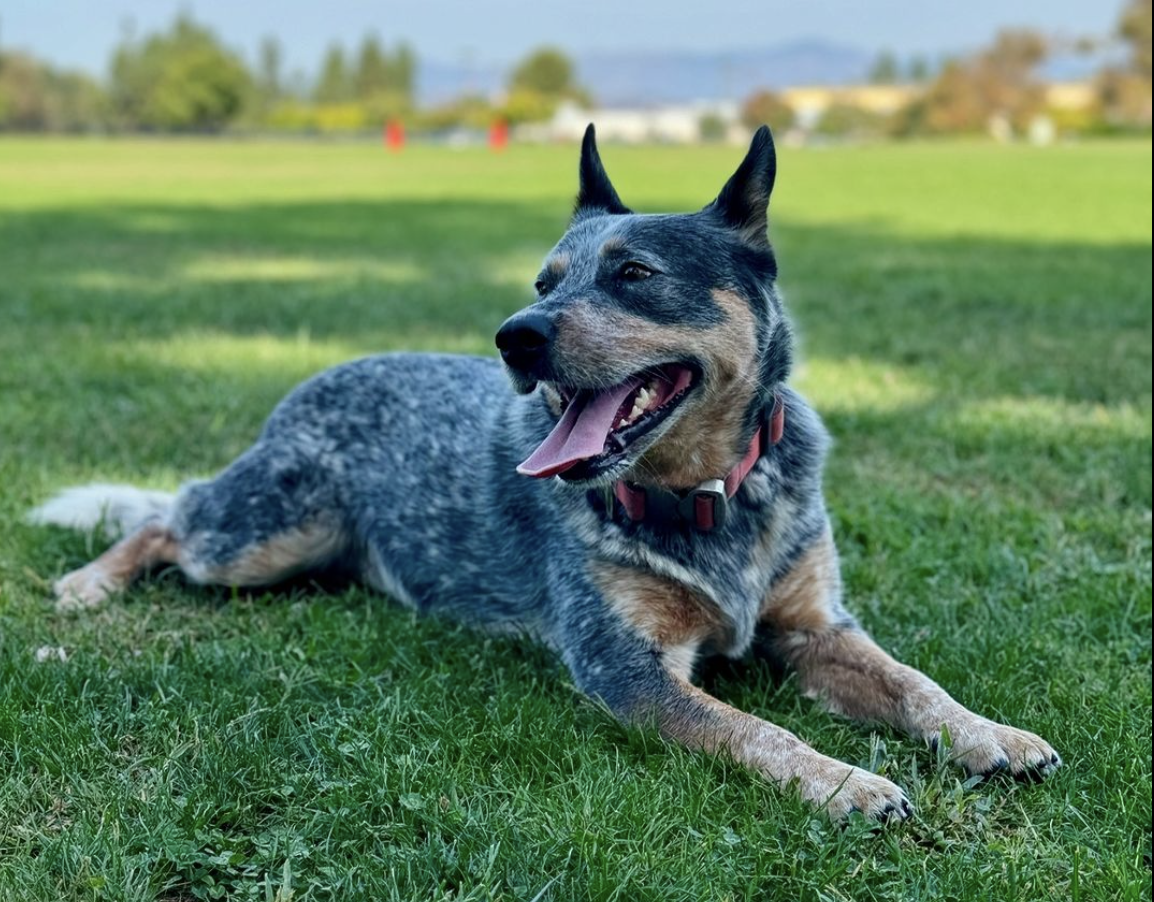
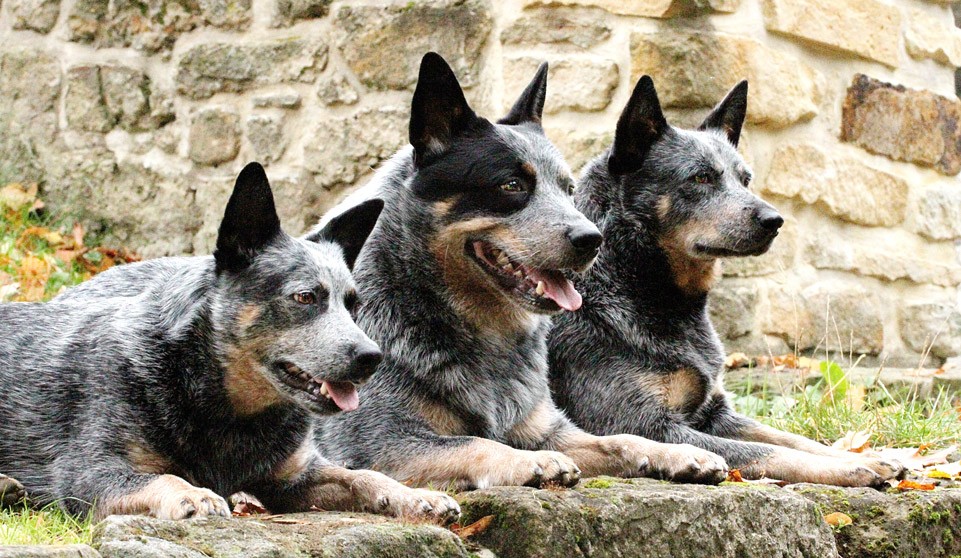
| Coat Colour | The Australian Cattle Dog's coat comes in two main colour varieties: blue or red speckled. The blue variety may have black, blue, or tan markings, while the red variety often features darker red markings. Their short, weather-resistant coat is designed to handle harsh climates. |
| Suitable for | The Australian Cattle Dog is suitable for active individuals, families, or farmers who can provide plenty of exercise and mental stimulation. They thrive in homes with ample space and enjoy outdoor activities like running, hiking, or working. Their strong herding instincts and protective nature make them excellent for those with livestock, but they also adapt well to being loyal companions in active households. |
| Temperament | The Australian Cattle Dog is known for its loyal, intelligent, and energetic temperament. They are hardworking, eager to please, and highly protective of their family. Though they may be reserved with strangers, they are affectionate with their loved ones and form strong bonds. Their independent streak and high energy levels require firm training and mental stimulation. They are also naturally alert, making them excellent watchdogs, and their playful nature makes them great companions for active families. |
Australian Cattle Dog: A Loyal and Hardworking Companion
Table of Contents
- Introduction: Meet the Australian Cattle Dog
- History and Origins of the Australian Cattle Dog
- Physical Characteristics and Appearance
- Temperament and Personality
- Training and Socialisation Needs
- Exercise and Activity Requirements
- Diet and Nutrition
- Health and Lifespan
- Grooming and Maintenance
- Australian Cattle Dogs as Family Pets
- Pros and Cons of Owning an Australian Cattle Dog
- Adoption and Breeder Selection Tips
- How the Australian Cattle Dog Compares to Other Herding Breeds
- Living Environment: Ideal Homes for Australian Cattle Dogs
- Conclusion: Why the Australian Cattle Dog is a Loyal and Energetic Companion
- FAQ Section
Quick Summary
The Australian Cattle Dog is a robust, hardworking breed known for its intelligence, loyalty, and stamina. Originally bred for herding cattle in Australia’s harsh conditions, this breed has become a versatile companion for active families and farmers alike. Its agility, quick learning, and high energy levels make it ideal for jobs that require persistence and focus.
Australian Cattle Dogs are known for their protective and affectionate natures with their families. Though they can be reserved with strangers, their dedication to their owners and strong work ethic make them reliable companions. With proper training and socialisation, they thrive in active homes where they can participate in physical activities and mental challenges.
1. Introduction: Meet the Australian Cattle Dog
The Australian Cattle Dog, often called the “Blue Heeler” or “Queensland Heeler,” is a medium-sized, highly intelligent herding dog bred for its resilience and ability to work long hours in challenging environments. Weighing between 30 to 50 pounds and standing about 17 to 20 inches tall at the shoulder, this breed is compact yet muscular, built for endurance and agility.
Known for their exceptional work ethic, Australian Cattle Dogs are often used on farms and ranches for herding livestock. Their protective instincts and loyalty to their owners make them excellent watchdogs, while their playful nature makes them fun companions for families who can meet their exercise needs.
Despite their strong work drive, Australian Cattle Dogs are also affectionate with their families, forming deep bonds and showing high levels of devotion. However, they require consistent training, early socialisation, and plenty of physical and mental activity to keep them engaged and well-behaved.
2. History and Origins of the Australian Cattle Dog
The Australian Cattle Dog was developed in the 19th century to solve a unique challenge faced by Australian cattle farmers. The vast, rough terrains of the Australian outback required a hardy, intelligent dog capable of herding cattle across long distances. In the early 1800s, settlers began crossing British herding dogs with the native Australian Dingo, resulting in the resilient, hardworking breed we know today.
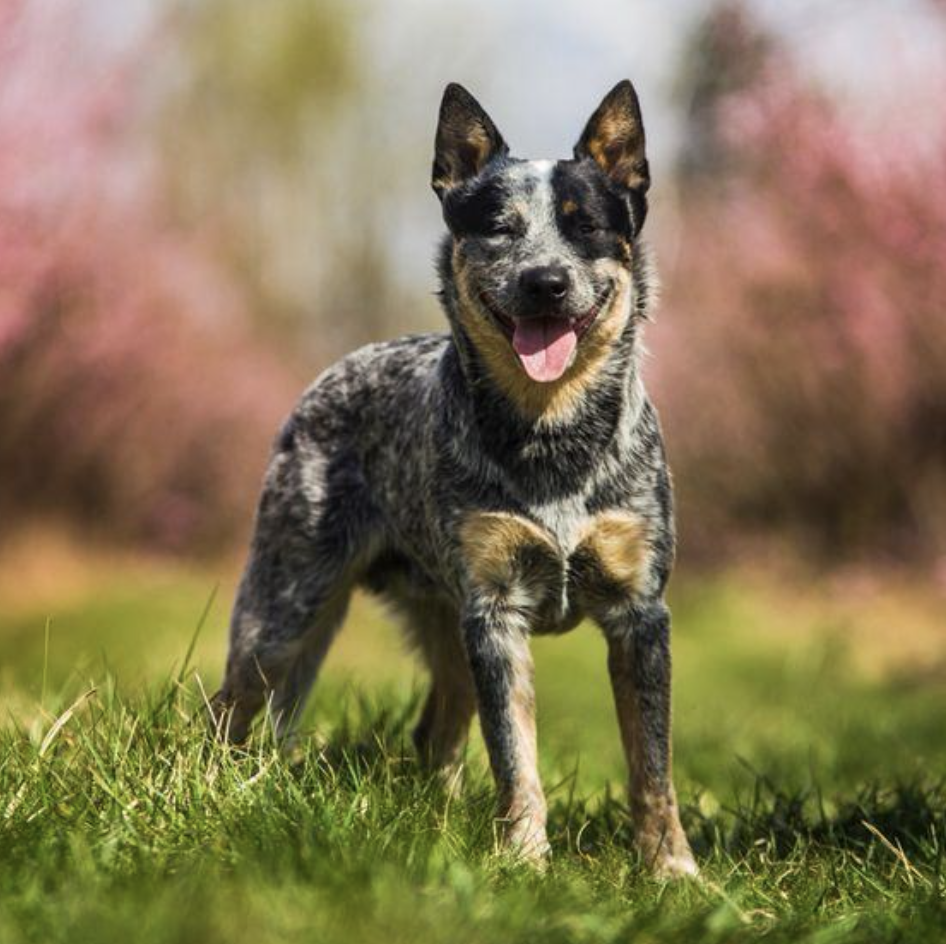
Breeders also crossed these early dogs with Dalmatian, Bull Terrier, and Collie breeds to enhance their herding abilities. The result was a strong, intelligent dog that excelled in herding cattle over harsh landscapes and was capable of working in extreme weather conditions.
The breed earned the nickname “Heeler” due to its instinct to nip at the heels of cattle to encourage movement. Over time, Australian Cattle Dogs became integral to cattle farms across the country and are still prized for their ability to herd livestock with skill and precision.
The American Kennel Club (AKC) recognised the Australian cattle dog in 1980. It is now popular worldwide as a working dog and a family companion.
Expanded History of the Australian Cattle Dog
The Australian Cattle Dog (ACD) has a rich and fascinating history rooted in the rugged landscapes of Australia. It was developed during the 1800s to meet the specific needs of cattle ranchers. The breed’s origins are deeply tied to the challenges Australian ranchers face, who require a resilient, intelligent, and hardworking dog capable of herding cattle over vast, unforgiving terrains.
In the early 19th century, ranchers found that the herding dogs they had brought from Europe were not up to managing the tough and often aggressive cattle in Australia. These imported dogs struggled with the extreme weather conditions, long treks, and rough terrain of the Australian outback, leading ranchers to seek a solution. This sparked the development of the Australian Cattle Dog, carefully crossbred from a mix of breeds known for their herding, endurance, and resilience.
A key figure in the breed’s development was a rancher named Thomas S. Hall, who, in the mid-1800s, crossed two blue merle Collies, imported from the UK, with the native Australian Dingo. The resulting dogs, Hall’s Heelers, became the foundation for what we now recognise as the Australian Cattle Dog. These dogs were incredibly tough, able to herd cattle over long distances by nipping at their heels, a trait still seen in the breed today. Over time, additional crosses were made, including the Dingo, Kelpie, Dalmatian, and Bull Terrier, further refining the breed for its herding capabilities. The breed was known by several names, such as Blue Heelers, Red Heelers, and Queensland Heelers, depending on their coat colour and region.
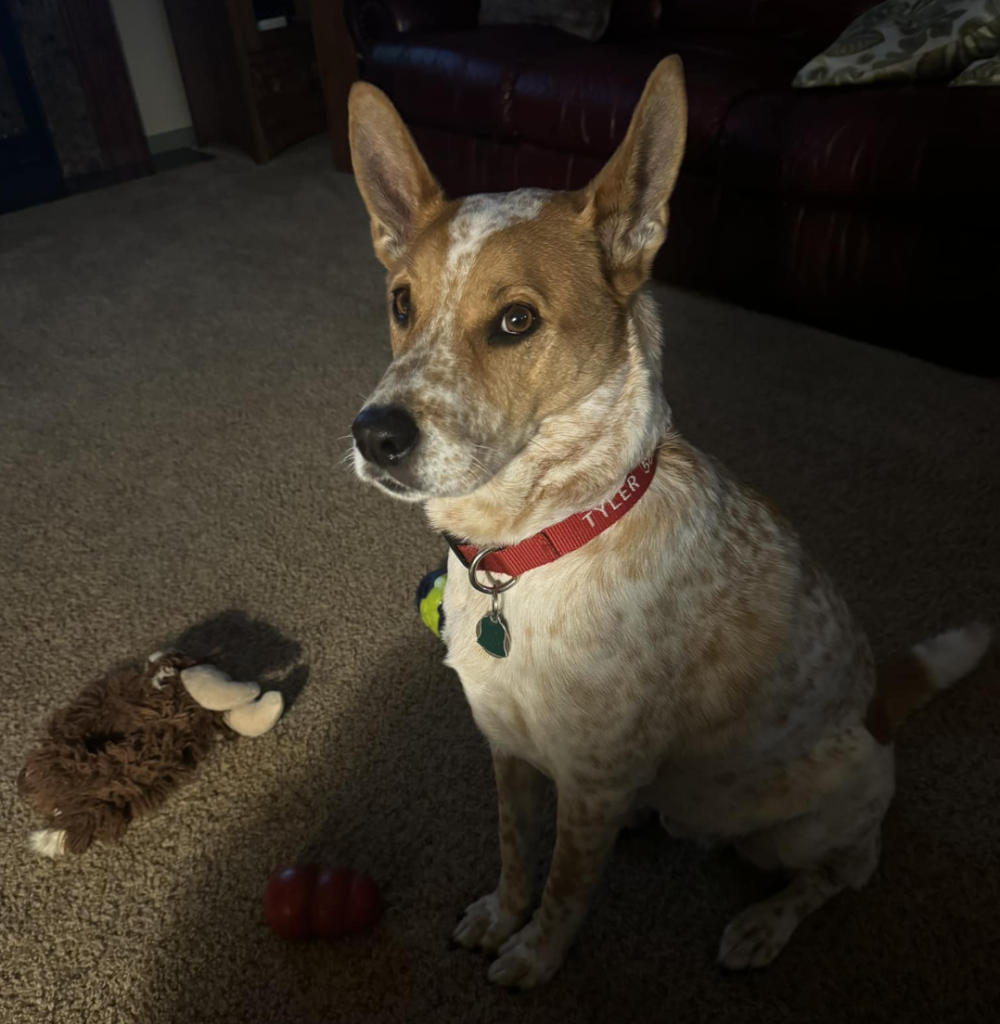
By the late 19th century, these dogs had proven invaluable on ranches, able to herd cattle across the vast expanses of Australia with minimal guidance. The first breed standard for the Australian Cattle Dog was established in 1903, thanks to the efforts of Robert Kaleski, a devoted breeder and writer who was instrumental in documenting and promoting the breed. Kaleski’s work laid the foundation for modern breeding practices, and he was a key figure in ensuring the breed’s traits were standardised and maintained.
The breed’s reputation as an independent thinker and reliable working dog grew, and it quickly earned a place in Australian ranch life. Its intelligence and ability to work without constant supervision made it ideal for the vast, remote cattle stations, where a dog that could think and act on its own was invaluable. The Australian Cattle Dog soon became one of Australia’s most highly regarded working dogs.
It wasn’t until 1979 that the Australian Cattle Dog arrived on British shores. John and Mary Holmes first introduced the breed to the UK, who imported the first dog directly from Australia. Around the same time, Malcolm Dudding imported two puppies, which became the foundation stock of the Australian Cattle Dogs we see in the UK today. Although the breed has gained popularity in Britain, finding a well-bred Australian Cattle Dog can be challenging, with few puppies registered annually with the Kennel Club.
While the Australian Cattle Dog remains highly valued as a working dog in Australia and other southern hemisphere countries, it has also found a fan base worldwide as a loyal and intelligent companion. While they are still prized for their herding abilities, they also thrive as family pets when given the right environment and plenty of mental and physical stimulation.
Interesting Facts about the Australian Cattle Dog
- The Australian Cattle Dog is known for its exceptional lifespan. The breed holds the record for the longest-lived dog, with “Bluey,” an Australian Cattle Dog, living to the age of 29 years and five months. Bluey worked sheep and cattle for nearly 20 years before retiring.
- Despite their popularity in Australia, the breed is still relatively rare in the UK, with only a small number of pedigree puppies registered yearly.
- Australian Cattle Dogs retain their herding instinct, particularly their natural inclination to nip at the heels of cattle (or people) to encourage movement. This behaviour can be managed with proper training, but it is deeply embedded in their psyche.
- Traditionally, Australian Cattle Dogs had their tails docked, but tail docking has been banned in many countries since 2007 unless required for health reasons or certain working exemptions.
The Australian Cattle Dog’s remarkable history as a hardworking, resilient, and intelligent breed has made it a favourite in Australia and worldwide. Whether working on a ranch or serving as a loyal companion, the Australian Cattle Dog continues to demonstrate the qualities that make it one of the most versatile and dependable breeds.
3. Physical Characteristics and Appearance
The Australian Cattle Dog is a sturdy, muscular breed with a compact, athletic build. Standing between 17 to 20 inches tall and weighing 30 to 50 pounds, it has a well-proportioned body designed for endurance and agility. Its short, weather-resistant, and dense coat makes it well-suited for working in harsh climates.
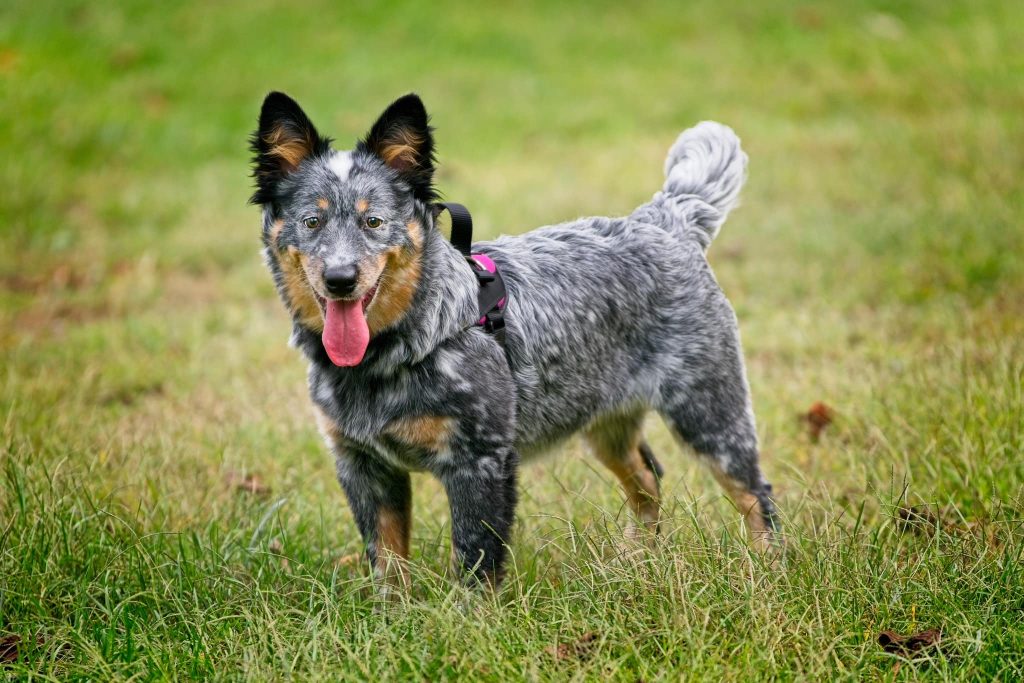
Australian Cattle Dogs come in two primary colour variations: blue and red. The blue variety, often called “Blue Heelers,” has a mottled or speckled coat with black, blue, or tan markings. The red variety, known as “Red Heelers,” has a reddish coat with speckles and may have darker red or tan markings.
Their expressive, alert eyes are typically dark brown, and their ears are medium-sized, upright, and pointed, giving them a keen, focused appearance. Their tail is set low and is usually carried in a slight curve, adding to their overall balanced and muscular look.
4. Temperament and Personality
The Australian Cattle Dog is known for its intelligence, loyalty, and strong work ethic. Bred to be independent thinkers, they are quick learners and thrive in environments with tasks to complete. Their protective nature makes them excellent watchdogs, and they will quickly alert their owners to any potential dangers.
Australian Cattle Dogs are affectionate with their families and form strong bonds with their owners. However, they can be reserved or cautious around strangers. They are known for being highly energetic and playful, often seeking out games or activities to keep themselves engaged.
While their independent and strong-willed nature can sometimes make them a bit stubborn, they respond well to consistent, positive reinforcement training. With proper socialisation, they can become well-mannered, friendly dogs that get along well with children and other pets.
5. Training and Socialisation Needs
Australian Cattle Dogs are highly intelligent, making them easy to train for those who use consistent, positive methods. However, they are also independent and have a strong sense of self-reliance, which can sometimes make them stubborn or wilful if not correctly trained.
Early socialisation is essential to ensure Australian Cattle Dogs grow up well-adjusted and confident around new people, environments, and animals. Puppy training classes and regular exposure to social situations can help curb wariness toward strangers and reduce overprotectiveness.
Since Australian Cattle Dogs are natural herders, they may attempt to herd children, pets, or adults by nipping at heels. Proper training and redirection can help manage this instinct and ensure appropriate behaviour.
Given their quick learning ability, Australian Cattle Dogs excel in obedience training, agility courses, and other mentally stimulating activities. Keeping their minds engaged is crucial for preventing boredom and unwanted behaviours.
6. Exercise and Activity Requirements
The Australian Cattle Dog is a highly energetic breed that requires plenty of exercise to stay physically and mentally healthy. These dogs thrive in active environments and need at least 1 to 2 hours of vigorous daily exercise. Activities such as long walks, running, hiking, or participating in dog sports like agility or herding trials are ideal for fulfilling their exercise needs.
Due to their working dog heritage, Australian Cattle Dogs also require mental stimulation to prevent boredom. Puzzle toys, obedience training, and interactive games can help keep their sharp minds engaged. They may develop destructive behaviours such as digging, chewing, or excessive barking without adequate exercise and mental challenges.
Australian Cattle Dog Owners must be prepared to meet the breed’s high energy levels, as a lack of physical activity can lead to frustration and behavioural issues.
7. Diet and Nutrition
Feeding an Australian Cattle Dog a balanced, nutritious diet is essential to supporting its active lifestyle and maintaining its overall health. A high-quality commercial dog food or a well-prepared home-cooked diet that provides the necessary nutrients, including protein, fats, and carbohydrates, is recommended. The amount of food they require will depend on their age, weight, and activity level, but on average, an adult Australian Cattle Dog needs about 1.5 to 2.5 cups of food per day, divided into two meals.
Puppies need more frequent meals to support their rapid growth and development. Monitoring their weight is important, as Australian Cattle Dogs can be prone to obesity if overfed or under-exercised. It’s also essential to always provide them with fresh water, especially after exercise.
Consulting with a veterinarian for specific dietary recommendations based on your dog’s needs is always a good practice to ensure optimal health.
8. Health and Lifespan
Australian Cattle Dogs are generally healthy and robust dogs, with a typical lifespan of 12 to 16 years. However, like all breeds, they can be prone to certain genetic health conditions. Regular veterinary check-ups, a balanced diet, and proper exercise are essential for maintaining health. Some common health issues in Australian Cattle Dogs include:
- Hip Dysplasia: A genetic condition that affects the hip joint and can lead to arthritis or mobility problems.
- Progressive Retinal Atrophy (PRA): A degenerative eye disorder that can lead to blindness over time.
- Deafness: Some Australian Cattle Dogs are prone to congenital deafness, particularly in the blue variety.
- Elbow Dysplasia: A condition that affects the elbow joint, causing pain and potential lameness.
Reputable breeders will test for these conditions, so choosing a breeder who prioritises health is essential. Regular check-ups and early detection of potential health issues can help extend your dog’s lifespan and quality of life.
9. Grooming and Maintenance
The Australian Cattle Dog has a short, dense coat that is relatively low-maintenance. Its weather-resistant coat naturally repels dirt, making it easy to keep clean with occasional brushing. Weekly brushing with a firm bristle brush helps to remove loose hair and distribute natural oils, keeping its coat healthy and shiny.
Australian Cattle Dogs shed moderately year-round, with increased shedding during seasonal changes in spring and autumn. During these times, more frequent brushing can help manage the
Extra shedding and prevent hair from accumulating around the house.
Bathing is only necessary when they become filthy, as frequent bathing can strip their coat of essential oils. Regular ear cleaning, nail trimming, and teeth brushing are important parts of their grooming routine to prevent infections and maintain overall health.
10. Australian Cattle Dogs as Family Pets
Australian cattle dogs make excellent family pets for active households and can provide the physical and mental stimulation they need. They are loyal, protective, and affectionate with their families, forming strong bonds with their owners. However, their herding instincts can sometimes lead them to nip at children’s heels or try to herd family members, so early training and supervision are important.
While they are generally good with children, Australian Cattle Dogs are best suited for families with older children who understand how to interact respectfully with dogs. Their high energy levels make them an excellent match for families that enjoy outdoor activities like hiking, running, or playing fetch.
Australian Cattle Dogs may be reserved or cautious around strangers, but with proper socialisation, they can be friendly and well-mannered in new environments. They thrive in homes where they are treated as part of the family and included in daily activities.
11. Pros and Cons of Owning an Australian Cattle Dog
Australian Cattle Dogs make loyal and affectionate family companions. Known for their courage and protective instincts, they are highly devoted to their families and excel as watchdogs, always remaining alert. Their intelligence makes them quick learners, and they can be relatively easy to train with proper guidance. These dogs are generally very healthy, as they are one of the more “natural” breeds with fewer hereditary health concerns. Grooming is minimal, and they are known for having little to no “doggy” odour. Additionally, Australian Cattle Dogs thrive in canine sports, such as agility and obedience, making them a perfect fit for active owners who enjoy outdoor activities and understand their specific needs.
However, Australian Cattle Dogs are not without their challenges. They require an immense amount of physical exercise and mental stimulation, which can make them a handful for less experienced owners. First-time dog owners may struggle with their independent and strong-willed nature. A natural herding dog, the breed tends to “nip” to encourage movement, and this behaviour can extend to children if not properly managed. Australian Cattle Dogs can also be highly territorial, especially in their home environment, and they may show aggression towards other dogs, regardless of size. Their stubborn streak demands firm, consistent training to ensure they grow into well-behaved adults.
12. Adoption and Breeder Selection Tips
When considering adding an Australian Cattle Dog to your family, it is important to choose a reputable breeder or adopt from a breed-specific rescue. Responsible breeders will test their breeding dogs for common health conditions such as hip dysplasia, PRA, and deafness, providing health clearances for the puppies.
Visiting the breeder’s facility and meeting the puppy’s parents can give you insight into the dog’s temperament and health. Reputable breeders prioritise their puppies’ health, socialisation, and well-being, so avoid breeders who cannot provide proper health documentation or raise puppies in unhealthy conditions.
Adopting a rescue organisation is another excellent option. Many Australian Cattle Dogs in rescues are looking for loving homes, and adoption can be a rewarding way to give a dog a second chance. Rescue organisations often help match dogs to families based on their activity level and lifestyle, ensuring a good fit.
13. How the Australian Cattle Dog Compares to Other Herding Breeds
Compared to other herding breeds, such as the Border Collie or German Shepherd, the Australian Cattle Dog stands out for its endurance and independence. While Border Collies are known for their speed and agility, Australian Cattle Dogs are more resilient and capable of working long hours in harsh conditions.
Regarding temperament, Australian Cattle Dogs are more independent and self-reliant than many other herding breeds. They tend to be more reserved with strangers and have a more robust protective instinct. However, they share similar traits with other herding dogs, such as intelligence, trainability, and a high energy level.
Unlike breeds like the Border Collie, which can be more focused on pleasing their owners, Australian Cattle Dogs are independent thinkers and require more firm leadership during training. They are an excellent choice for those seeking a hardworking, loyal, and resilient dog.
14. Living Environment: Ideal Homes for Australian Cattle Dogs
Australian Cattle Dogs are best suited to homes with plenty of space to run and play. A fenced yard is ideal, allowing them to burn off energy and satisfy their exploration instinct. While they can adapt to apartment living if given enough outdoor exercise, they are happiest in environments with room to move freely.
These dogs thrive in homes where they are included in family activities and treated as a household member. They do not do well when left alone for long periods, as they are highly social and need mental and physical stimulation throughout the day.
Active individuals or families who enjoy outdoor activities like hiking, running, or participating in dog sports will find that Australian Cattle Dogs are excellent companions who can keep up with their active lifestyle.
Conclusion: Why the Australian Cattle Dog is a Loyal and Energetic Companion
The Australian Cattle Dog is a loyal, hardworking breed that excels at both work and companionship. Its intelligence, stamina, and protective instincts make it ideal for active families or individuals who can provide the exercise and mental stimulation it needs. While its strong-willed nature and high energy levels may present challenges for inexperienced owners, those up for the task will find a devoted, loving companion.
Whether working on a farm, participating in dog sports, or simply enjoying life as a family pet, the Australian Cattle Dog brings energy, loyalty, and a unique personality to every home. With the proper care, training, and environment, they thrive as working dogs and beloved family members.
FAQ Section
Q1: Are Australian Cattle Dogs good with children?
Australian cattle dogs can benefit older children, especially when raised with them. However, due to their herding instincts, they may try to nip at younger children, so supervision and early training are important.
Q2: How much exercise does an Australian Cattle Dog need?
They need at least 1 to 2 hours of vigorous exercise daily. Running, hiking, and dog sports are great ways to meet their exercise needs.
Q3: Do Australian Cattle Dogs shed a lot?
Australian Cattle Dogs shed moderately throughout the year, with increased shedding during seasonal changes. Regular brushing helps manage shedding.
Q4: Are Australian Cattle Dogs easy to train?
They are brilliant and trainable, but their independent nature sometimes makes them stubborn. Consistent, positive training methods work best.
Q5: How long do Australian Cattle Dogs live?
Australian Cattle Dogs typically live between 12 to 16 years with proper care.
Q6: Do Australian Cattle Dogs get along with other pets?
They can get along well with other pets if socialised from a young age, but their herding instincts may cause them to try to herd other animals.
Q7: Can Australian Cattle Dogs live in apartments?
While they can adapt to apartment living if given sufficient exercise, Australian Cattle Dogs are happiest in homes with plenty of space to run and play.