Thinking About an English Bull Terrier? Here’s What You Should Know Before Owning One!
| Characteristics | Details |
|---|---|
| Height | The English Bull Terrier typically stands between 21 to 22 inches tall at the shoulder, with males generally being slightly taller than females. |
| Weight | The English Bull Terrier usually weighs between 50 to 70 pounds, with males being heavier than females on average. |
| Life Span | The English Bull Terrier typically has a lifespan of 12 to 14 years. With proper care, they can live healthy and active lives throughout this period. |
| Coat Colour | The English Bull Terrier's coat comes in a variety of colours, including white, black, brindle, fawn, red, and tri-colour. White Bull Terriers may have markings on their head, while coloured varieties can have different patterns across their body. The coat is short, dense, and smooth, giving them a sleek and glossy appearance. |
| Suitable for | The English Bull Terrier is suitable for active individuals or families who can provide plenty of exercise and mental stimulation. They thrive in homes where they are included in daily activities and enjoy a structured routine. Bull Terriers are great with older children due to their playful yet strong nature, but they may be too boisterous for very young kids. They are best suited for experienced dog owners who can handle their strong-willed temperament and provide consistent training. |
| Temperament | The English Bull Terrier is known for its bold, confident, and playful temperament. They are fiercely loyal to their families and enjoy being part of daily activities. With a fun-loving, clownish side, they are often the centre of attention and love to entertain their owners. Despite their strong appearance, they are affectionate and form deep bonds with their loved ones. However, they can be stubborn and independent, requiring firm and consistent training. With proper socialisation, they are friendly with people and other pets, but their protective nature makes them excellent watchdogs. |
English Bull Terrier: The Fearless and Loyal Companion
Table of Contents
- Introduction: Meet the English Bull Terrier
- History and Origins of the English Bull Terrier
- Physical Characteristics and Appearance
- Temperament and Personality
- Training and Socialisation Needs
- Exercise and Activity Requirements
- Diet and Nutrition
- Health and Lifespan
- Grooming and Maintenance
- English Bull Terriers as Family Pets
- Pros and Cons of Owning an English Bull Terrier
- Adoption and Breeder Selection Tips
- How the English Bull Terrier Compares to Other Terrier Breeds
- Living Environment: Ideal Homes for English Bull Terriers
- Conclusion: Why the English Bull Terrier is a Loyal and Bold Companion
- FAQ Section
Quick Summary

The English Bull Terrier is a striking breed known for its distinctive egg-shaped head, muscular build, and fearless yet affectionate nature. Initially bred for bull-baiting and later refined as a loyal companion, the breed is known for its courage, intelligence, and strong personality. Despite their somewhat harsh appearance, Bull Terriers are incredibly affectionate with their families, often displaying a playful, clown-like behaviour that endears them to dog lovers everywhere.
Though they can be independent and strong-willed, Bull Terriers are also highly loyal and thrive when given clear guidance and companionship. They require consistent training, socialisation, and physical activity to keep them happy and well-adjusted. This guide will explore the breed’s history, characteristics, care needs, and why the English Bull Terrier can be an excellent addition to the right family.
1. Introduction: Meet the English Bull Terrier
The English Bull Terrier is an easily recognisable breed, thanks to its unique appearance and robust personality. Standing around 21 to 22 inches tall and weighing between 50 and 70 pounds, they are medium-sized dogs with a muscular, solid build. What truly sets them apart is their distinctive head shape—long and egg-shaped with a downward curve and no stop between the forehead and muzzle.
Despite their challenging and sometimes intimidating appearance, Bull Terriers are affectionate, playful, and known for their loyalty to their owners. They have a strong personality, often described as a mix of independence and determination. However, they also have a fun-loving, clownish side that can make them the centre of attention in any household. With proper training, socialisation, and care, Bull Terriers can be devoted, loving companions for those who understand their needs.
2. History and Origins of the English Bull Terrier
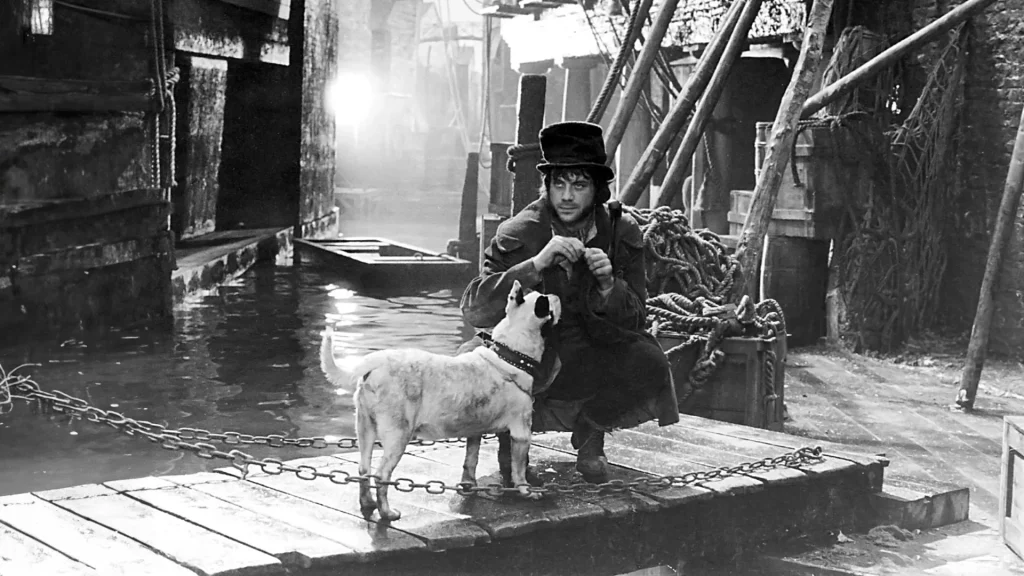
The English Bull Terrier’s roots lie in the early 19th century, when bull-baiting, a popular but brutal sport, was banned in England. Breeders sought to create a dog that was powerful and agile enough to perform in new dog-fighting rings and other animal-baiting sports. Breeders developed what would become the Bull Terrier by crossing Bulldogs with various terrier breeds, including the now-extinct White English Terrier. This early version of the breed was known for its tenacity and strength.
In the mid-1800s, James Hinks, a Birmingham breeder, refined the breed by crossing it with the English White Terrier and possibly the Dalmatian, focusing on a more elegant, refined appearance. Hinks’ goal was to create a dog that was strong, attractive, and suitable for companionship. His breeding efforts resulted in the distinct egg-shaped head and the sleek, white-coated Bull Terriers we know today. Over time, coloured varieties were also introduced.
The breed’s popularity grew, and by the late 19th century, the Bull Terrier was recognised for its courage, intelligence, and loyalty. Today, the Bull Terrier is known as a fearless but affectionate companion, admired for its unique looks and strong personality.
James Hinks
James Hinks, often credited with shaping the modern Bull Terrier, was a pioneering breeder from Birmingham, England, whose vision and dedication transformed the breed from a rugged fighting dog into a refined, companionable pet. Born in 1829, Hinks was instrumental in developing the distinct look and temperament of the Bull Terrier that we recognise today. His approach was methodical and driven by a desire to create a more elegant and attractive dog rather than simply a powerful fighter.
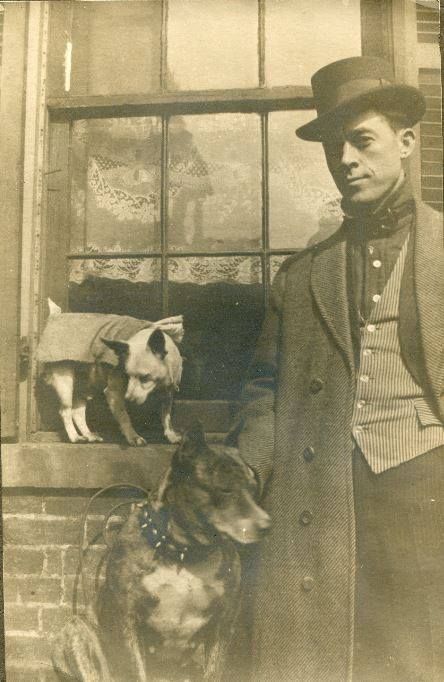
Hinks was not satisfied with the Bull Terrier’s appearance or temperament at the time, which was rough and often associated with illegal blood sports like bull-baiting and dog fighting. He began refining the breed in the mid-1800s by selectively crossing Bulldogs with now-extinct English White Terriers to change this. His goal was to develop a dog that was not only physically strong but also had a more streamlined, attractive appearance.
One of Hinks’ most significant achievements was introducing the all-white Bull Terrier, a striking departure from the coloured dogs that had been common until that point. This all-white variant became known as the “White Cavalier” due to its refined looks and gentle temperament, reflecting Hinks’ efforts to distance the breed from its more aggressive past. To achieve this, Hinks may have also introduced Dalmatian blood into the breed, contributing to the sleek body and distinct head shape we see in modern Bull Terriers.
Hinks’ work was groundbreaking not just because of the physical transformation of the breed but also because of the improved temperament. The Bull Terriers he developed were more pleasant and friendly, earning them a reputation as loyal companions rather than just fighting dogs. The refinement of the breed’s temperament was just as crucial to Hinks as their appearance, and his breeding practices focused on producing fearless dogs that were well-mannered and reliable around humans.
Hinks’ all-white Bull Terriers became highly sought after, and he began showcasing them at dog shows, which were becoming increasingly popular in the Victorian era. These shows allowed him to display the superior qualities of his Bull Terriers, and his dogs quickly gained recognition for their striking looks and balanced temperaments. In 1862, Hinks exhibited his prized white Bull Terrier, named “Puss,” at a prestigious show at Cremorne Gardens, London. Puss became an instant success, solidifying Hinks’ reputation as the premier Bull Terrier breeder.
While the original “White Cavalier” Bull Terriers were a breakthrough, Hinks’ influence extended beyond just the white variety. Later, coloured Bull Terriers were reintroduced into the breed to improve genetic diversity and reduce the health issues associated with all-white dogs, such as congenital deafness.
James Hinks passed away in 1878, but his legacy endures in the Bull Terrier breed. His meticulous breeding practices and desire to create a more refined and companionable dog laid the foundation for the modern Bull Terrier. Today, Bull Terriers are recognised for their loyalty, strength, and unmistakable appearance, all thanks to Hinks’ visionary work. His influence on the breed is still evident, as the characteristics he prioritised—an elegant appearance, a distinctive head shape, and a well-balanced temperament—remain central to the breed standard.
3. Physical Characteristics and Appearance
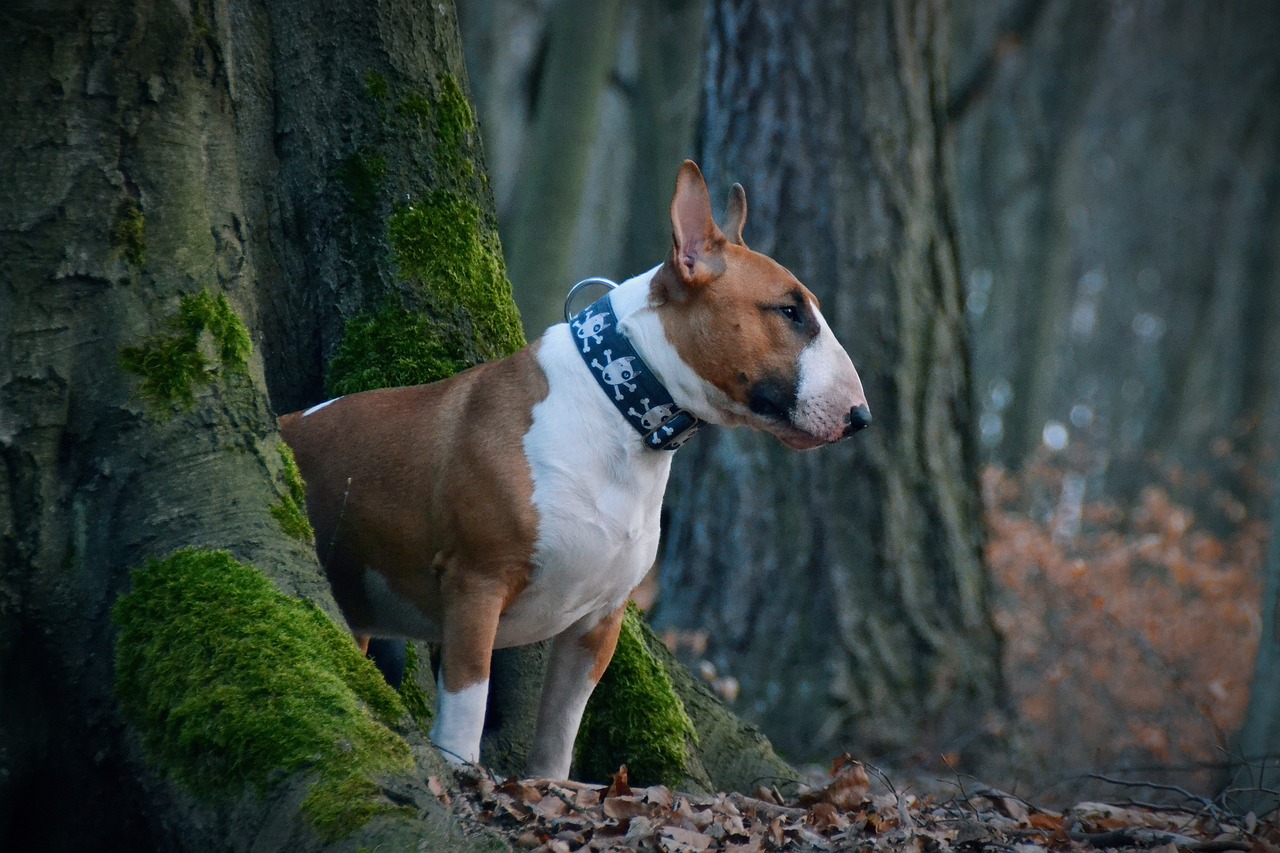
The English Bull Terrier’s most distinctive feature is its long, egg-shaped head. Unlike most dogs, it has no stop—the point where the forehead meets the muzzle—which gives it a smooth, downward curve. This head shape is not just for appearance; it also reflects the breed’s powerful jaw structure.
Bull Terriers have a muscular, well-proportioned body, broad chest and a solid, athletic build. They typically stand around 21 to 22 inches tall and weigh between 50 and 70 pounds. Their short, smooth coat comes in various colours, including white, black, brindle, fawn, red, and tri-colour, with or without markings.
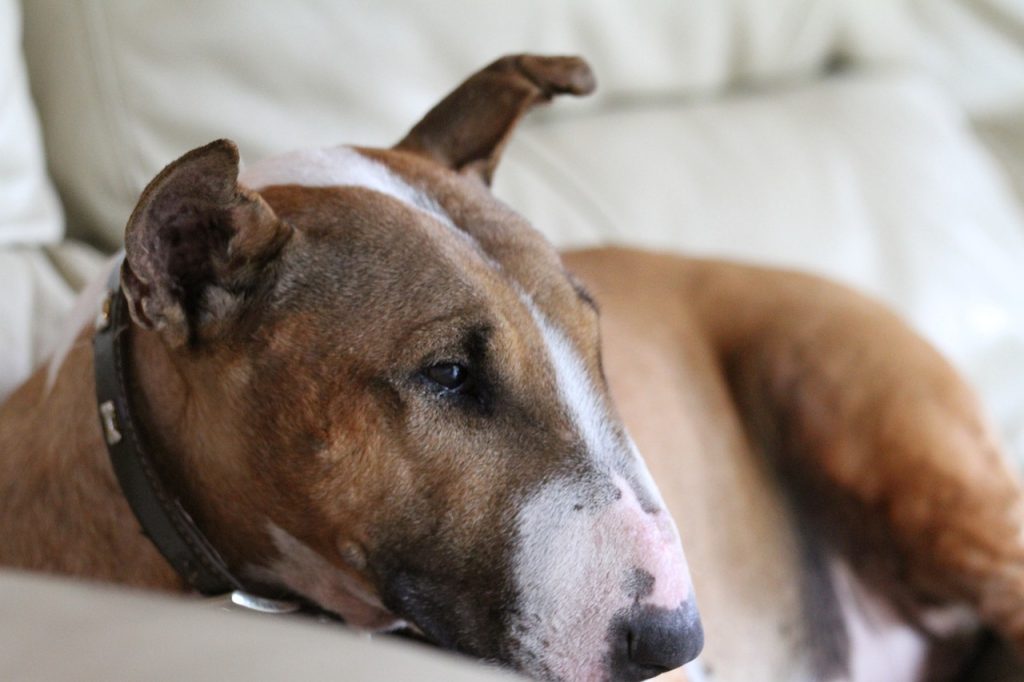
Their small, dark eyes are set deep and close together, giving them a sharp, focused expression. Their ears are small and erect, adding to their alert and attentive look. The Bull Terrier’s tail is thick and tapers to a point, usually carried low.
4. Temperament and Personality
The English Bull Terrier is known for its bold, confident, and sometimes naughty personality. They are affectionate and loyal to their families, forming strong bonds with their owners. Despite their rugged appearance, Bull Terriers have a playful, clownish side that often makes them entertaining companions. They are known for their love of play and can be very energetic, usually requiring interactive games and toys to keep them engaged.
Bull Terriers are also highly independent and strong-willed. This can make it a bit challenging to train first-time dog owners, as they need consistent guidance and clear boundaries. However, they are intelligent dogs that respond well to positive reinforcement and structured training.
Bull Terriers can be protective and have strong instincts to guard their home and family. While generally friendly, They can be aloof or wary of strangers if not properly socialised from a young age. Early socialisation ensures they are well-mannered and confident in new situations.
5. Training and Socialisation Needs
Training an English Bull Terrier requires patience, consistency, and a firm but positive approach. In comparison, intelligent and capable learners can challenge training with their independent and sometimes stubborn nature. It’s essential to begin training early and establish clear rules. Positive reinforcement methods, such as treats, praise, and play, work best with this breed, as they respond poorly to harsh or punitive training techniques.
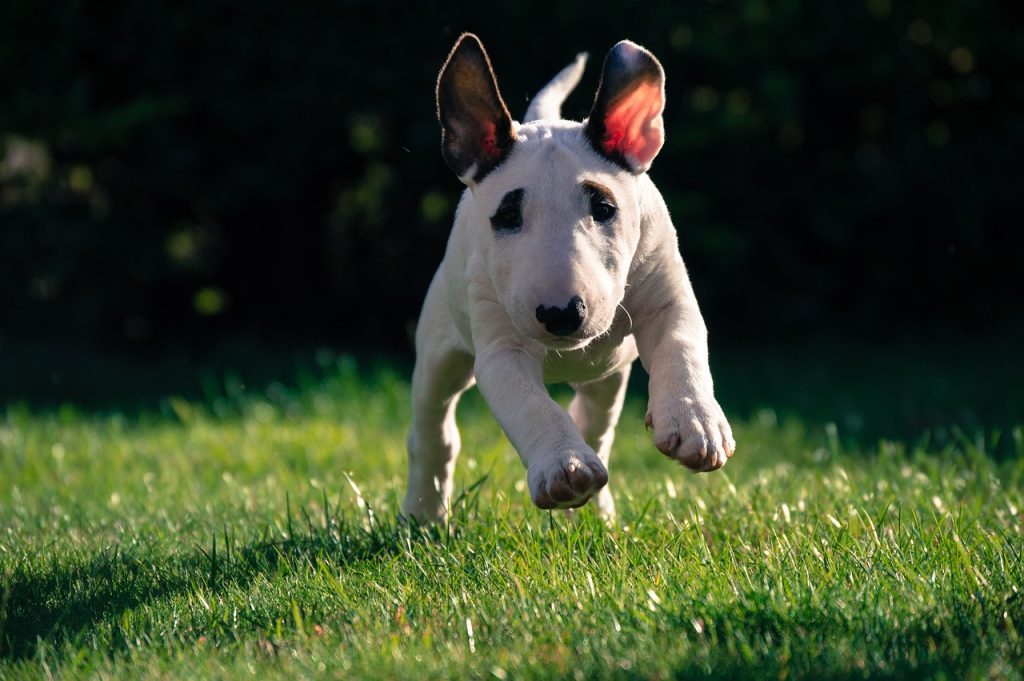
Socialisation is equally essential for Bull Terriers. Introducing them to various people, pets, and environments from a young age helps prevent aggressive or overly protective behaviour later in life. Puppy classes and regular exposure to new experiences will help them develop into well-rounded, confident adults.
While strong-willed, Bull Terriers are also highly affectionate and eager to please their owners. They can become obedient and well-behaved companions with consistent training and proper socialisation.
6. Exercise and Activity Requirements
English Bull Terriers are an energetic breed that requires regular exercise to stay healthy and happy. They need at least an hour of physical activity daily, including walks, playtime, or interactive games such as fetch. Due to their muscular build and high energy levels, they excel in agility training, obedience trials, and even certain dog sports.
Mental stimulation is just as important as physical exercise for Bull Terriers. These intelligent dogs enjoy problem-solving games, puzzle toys, and tasks that challenge their minds. Without enough exercise or mental stimulation, bull terriers can become bored, which may lead to destructive behaviours like chewing or digging.
A well-exercised Bull Terrier is a happy and well-behaved companion, so regular activity is crucial to their care.
7. Diet and Nutrition
Feeding an English Bull Terrier a balanced, nutritious diet is crucial for maintaining its muscular build and overall health. High-quality commercial dog food or a well-planned homemade diet can provide the nutrients they need. The amount of food they require depends on their age, weight, and activity level, but adult Bull Terriers generally need about 2 to 3 cups of dog food per day, divided into two meals.
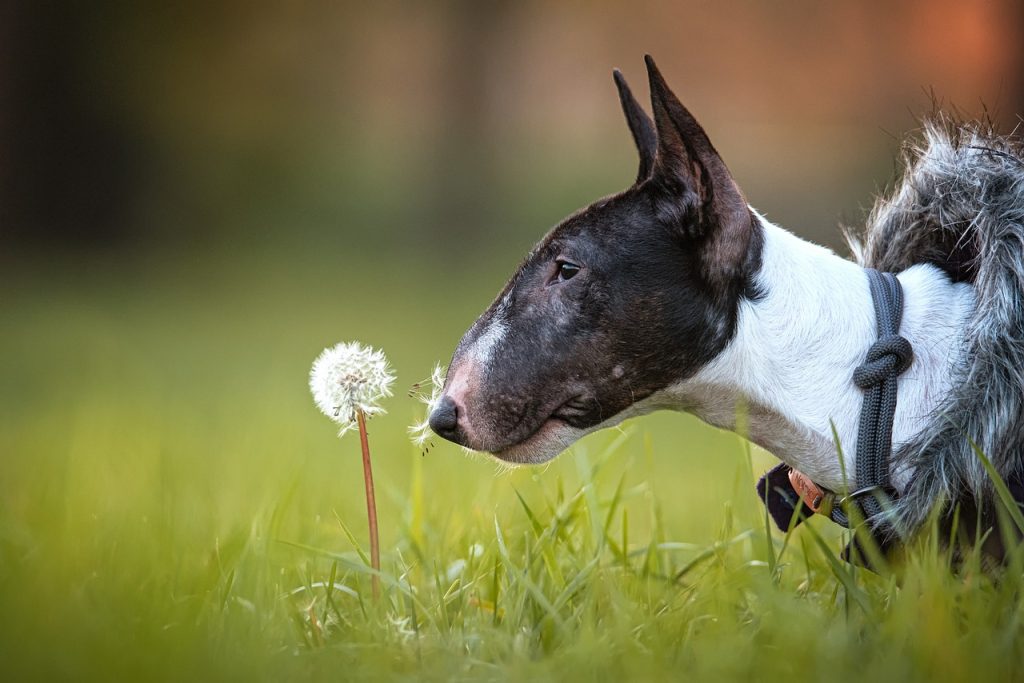
Puppies require more frequent meals to support their growth and energy needs. It’s essential to monitor their weight, as Bull Terriers can be prone to obesity if overfed or under-exercised. Treats can be used during training but should be in moderation to avoid excessive weight gain.
Fresh water should always be available to keep them hydrated, especially after exercise or during hot weather.
8. Health and Lifespan
English Bull Terriers are generally healthy dogs, but like all breeds, they are prone to certain genetic health conditions. They have a lifespan of around 12 to 14 years with proper care. Some of the most common health issues that can affect Bull Terriers include:
- Deafness: Bull Terriers, particularly white-coated ones, can be prone to congenital deafness in one or both ears.
- Skin Allergies: The breed is prone to skin issues, mainly white Bull Terriers, which may develop allergies or sensitivities.
- Heart Disease: Some Bull Terriers may be predisposed to heart conditions such as mitral valve disease.
- Kidney Disease: Bull Terriers can be prone to inherited kidney issues, which may require regular monitoring by a vet.
Regular vet check-ups, a balanced diet, and proper exercise can help prevent or manage many health conditions, ensuring a long and healthy life.
9. Grooming and Maintenance
The English Bull Terrier has a short, smooth coat that requires minimal grooming. Brushing their coat once a week with a soft-bristle brush or grooming mitt will help keep it shiny and remove loose hair. They are moderate shedders, but regular brushing helps reduce the amount of hair around the home.
Bathing should only be done as needed, usually once every few months or if they get dirty. Since dogs’ skin can be sensitive, it’s important to use a gentle dog shampoo that works and doesn’t irritate the skin.
In addition to coat care, regular ear cleaning, teeth brushing, and nail trimming are essential to their grooming routine. Keeping their ears clean helps prevent infections, while regular tooth brushing helps maintain dental health. Nail trimming should be done as needed to avoid overgrowth and discomfort.
10. English Bull Terriers as Family Pets
English Bull Terriers can make excellent family pets for those who understand their needs and temperament. They are known for their loyalty, affection, and playful nature, often forming strong bonds with their family members. Despite their muscular build and sometimes rugged appearance, they are gentle and loving with children, making them good companions for families with older kids.
However, their strong personality and independence make Bull Terriers best suited to experienced dog owners who can provide consistent training and leadership. They can be too rambunctious for small children, as their playful energy may lead to accidental knocks or bumps.
Bull Terriers are protective of their family and can be excellent watchdogs. With proper socialisation, they get along well with other pets, though supervision is essential, especially with smaller animals.
11. Pros and Cons of Owning an English Bull Terrier
Pros
English Bull Terriers, affectionately known as Bullies, are incredibly loyal and devoted to their families. Their fun-loving and energetic nature makes them excellent companions, especially for people who enjoy an active lifestyle. They are an excellent choice for those who work from home or lead outdoor lives, as Bullies thrive when they’re included in daily activities. These dogs are generally good with children of all ages and are instinctive to protect their families, making them excellent watchdogs. In terms of grooming, they are low maintenance and are known to be moderate shedders. Another benefit of the breed is their adaptability—Bullies are just as content living in a city apartment as they are in the countryside. Moreover, they are susceptible to their owner’s emotions, making them intuitive companions.
Cons
However, Bullies do have some challenges. They mature slowly and tend to remain boisterous and playful for longer, which can be a handful for owners. As puppies, they can be pretty destructive around the home if not properly trained and exercised. English Bull Terriers are extremely people-oriented and do not handle being left alone well, often suffering from separation anxiety. They can also be stubborn, especially when it suits them for challenging training. Bullies are prone to specific health issues, which can lead to high veterinary bills, and dams often experience whelping difficulties. Additionally, they are not the best choice for first-time dog owners due to their strong-willed nature and training difficulties. Lastly, Bullies can be expensive to purchase and insure, adding to the overall cost of ownership.
12. Adoption and Breeder Selection Tips
When considering adding an English Bull Terrier to your family, it is important to choose a reputable breeder or adopt from a breed-specific rescue. Responsible breeders will conduct health screenings for common genetic issues, such as deafness and heart conditions, and provide health clearances for their breeding dogs.
Visiting the breeder’s facility and meeting the puppy’s parents can give you insight into their temperament and health. Look for breeders who prioritise their puppies’ health, socialisation, and well-being.
Adopting a rescue is another excellent option. Many breed-specific rescues have Bull Terriers in need of loving homes, and adoption can be a rewarding experience. Rescues often provide detailed information about the dog’s personality and background, helping you find the right match for your family.
13. How the English Bull Terrier Compares to Other Terrier Breeds
Compared to other terrier breeds, such as the Staffordshire Bull Terrier or the American Pit Bull Terrier, the English Bull Terrier stands out for its unique appearance and strong personality. While all terriers share a certain tenacity and boldness, Bull Terriers tend to have a more independent streak, requiring more patience in training.
In terms of temperament, English Bull Terriers are known for their playful, clownish side, which can be more pronounced than in other terrier breeds. Similar to other terriers, they are affectionate and form close bonds with their families, but their strong-willed nature can make them more challenging for first-time dog owners.
14. Living Environment: Ideal Homes for English Bull Terriers
English Bull Terriers thrive in homes where they are treated as part of the family. They are best suited to households with plenty of exercise, mental stimulation, and consistent training. While they can adapt to apartment living if given enough physical activity, they are happiest in homes with access to outdoor space where they can run and play.
Bull Terriers do not do well when left alone for long periods, as they crave companionship and mental stimulation. If left alone too often, they can develop separation anxiety or destructive behaviours. Therefore, they are best suited to families or individuals who are home for most of the day or can provide regular interaction and activity.
Conclusion: Why the English Bull Terrier is a Loyal and Bold Companion
The English Bull Terrier is a breed like no other—fearless, loyal, and full of personality. While they require a firm hand in training and plenty of physical and mental stimulation, they reward their owners with affection, devotion, and a playful nature that makes them unforgettable companions. Their unique appearance and bold temperament make them a breed that stands out in any home.
For experienced dog owners who can meet their needs, the English Bull Terrier is a loyal and protective companion who will bring plenty of love, laughter, and excitement into your life.
FAQ Section
Q1: Are English Bull Terriers good with children?
English Bull Terriers can be great with older children, but their energetic nature may be too boisterous for very young kids.
Q2: How much exercise does an English Bull Terrier need?
They need at least an hour of physical activity daily, including walks, playtime, or interactive games, to keep them mentally and physically stimulated.
Q3: Do English Bull Terriers shed a lot?
No, they are moderate shedders. Regular brushing helps manage shedding and keeps their coat healthy.
Q4: Are English Bull Terriers easy to train?
While intelligent, they can be stubborn and independent, so consistent, positive reinforcement training is essential.
Q5: How long do English Bull Terriers live?
With proper care, they typically live between 12 to 14 years.
Q6: Do English Bull Terriers get along with other pets?
Early socialisation allows them to get along with other dogs and pets, but supervision is recommended, especially with smaller animals.
Q7: Are English Bull Terriers good watchdogs?
Their protective nature and alertness make them excellent watchdogs, though they are generally not aggressive without cause.