Basenji Dogs: Exploring the Barkless Wonder of the Canine World
| Characteristics | Details |
|---|---|
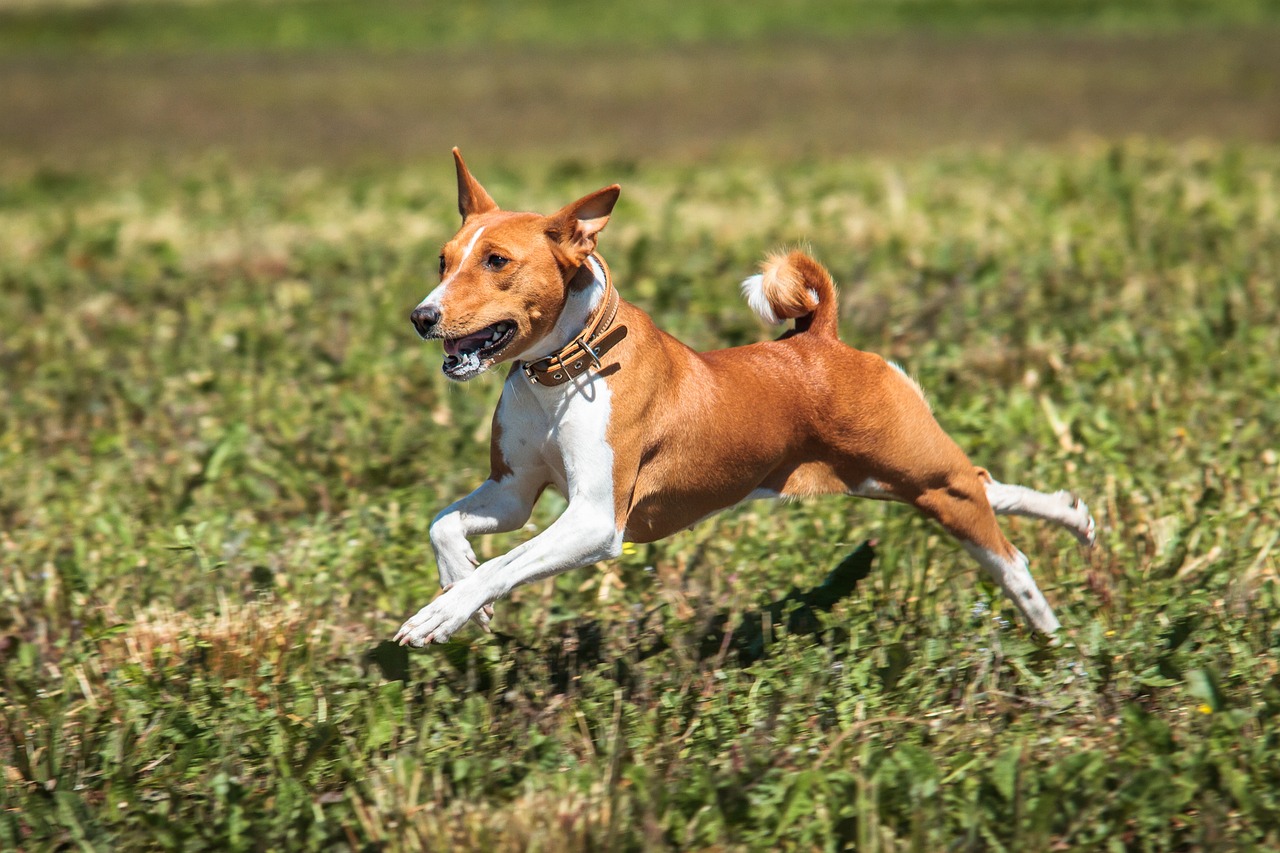
| Height | The Basenji typically stands between 40 to 43 cm at the shoulder, making it a small to medium-sized dog with a compact, athletic build. |
| Weight | The Basenji usually weighs between 9 to 12 kg, maintaining a lean and muscular physique that complements its agile and active nature. |
| Life Span | The Basenji has a life span of approximately 12 to 16 years, making it a relatively long-lived breed when cared for properly. |
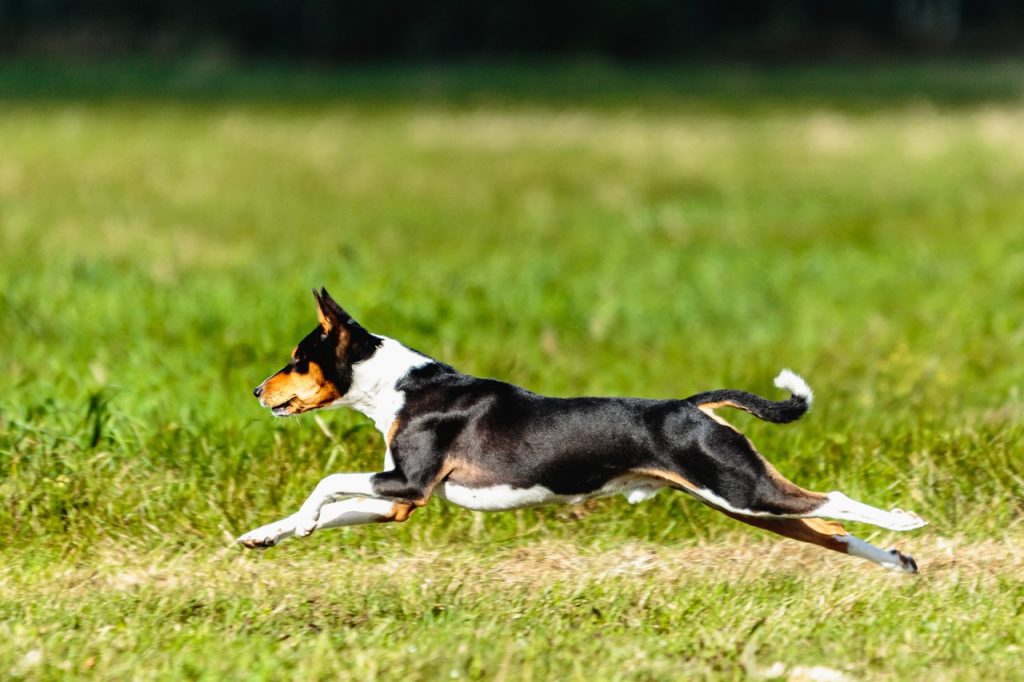
| Coat Colour | The Basenji's coat comes in a variety of colours, including chestnut red, black, brindle, and tricolour. These are often complemented by white markings on the chest, paws, and tail tip. |
| Suitable For | The Basenji is suitable for active individuals or families who can provide regular exercise and mental stimulation. It thrives in homes with secure outdoor spaces and is well-suited for those seeking a low-shedding, quiet companion. It adapts well to both urban and rural environments, provided its energy needs are met. |
| Temperament | The Basenji is known for its independent, intelligent, and curious temperament. It often exhibits a cat-like aloofness, preferring to explore its surroundings on its own terms. While not overly affectionate, it is deeply loyal to its family and forms strong bonds. The breed is quiet, rarely barking, but it can be vocal with yodel-like sounds. Playful and energetic, the Basenji enjoys mental challenges and activities but may be reserved or cautious around strangers. Its independent nature means it requires consistent training, as it tends to think for itself. |
Basenji Dog: A Detailed Review
Table of Contents
- Introduction: Quick Summary of the Basenji Dog
- History and Origin of the Basenji
- Basenji’s Physical Appearance
- Temperament and Personality Traits
- Training and Intelligence of the Basenji
- Exercise and Activity Needs
- Health Considerations for the Basenji
- Grooming and Maintenance
- Basenji in a British Home: Adaptability and Suitability
- Pros and Cons of Owning a Basenji
- Conclusion: The Basenji’s Unique Charm
- Frequently Asked Questions
Introduction: Quick Summary of the Basenji Dog

The Basenji is a genuinely unique breed known for its athletic build, intelligent eyes, and unusual trait of being “barkless.” Originating from Central Africa, this dog stands out due to its sharp instincts and independent nature, which has made it a beloved companion for centuries. Whether looking for a dog with history and intrigue or low grooming demands, the Basenji ticks many boxes for prospective dog owners. With its fox-like face, keen alertness, and minimal barking, the Basenji is often called the “barkless dog,” However, it still finds ways to communicate with its owners through yodels, making it stand out in the canine world.
This review will explore the Basenji, from its deep history to the practicality of owning one in a British home. We’ll look at the breed’s temperament, health, grooming needs, and what training this independent thinker is like. Finally, we’ll consider the pros and cons of owning a Basenji to help you decide if this elegant, ancient breed is the right choice for your family.
History and Origin of the Basenji
The Basenji is one of the most ancient dog breeds, with a history that stretches back thousands of years. Its roots can be traced to Central Africa, specifically the Congo Basin, where local tribes highly valued it for its remarkable hunting abilities. Often referred to as the “Congo Dog” or “barkless dog,” the Basenji was employed to flush game from dense underbrush, chase down prey, and alert hunters to potential threats. Its unique, silent hunting style—hunting without barking—made it an ideal companion for hunting in forests where discretion and quiet were critical.

The breed’s history dates back to ancient Egypt, where similar-looking dogs are depicted in tomb paintings and carvings. These images show dogs with erect ears, curled tails, and slender bodies, all resembling today’s Basenji. The breed was believed to be brought from Central Africa to Egypt, where it became a companion to the Pharaohs and a symbol of loyalty and courage. Basenjis were sometimes mummified and placed in tombs with their owners, reflecting their high status and close relationship with humans.
The Basenji remained isolated mainly in Central Africa for centuries, developing its keen hunting instincts and resilience in harsh environments. African tribes, particularly the Pygmy people, relied heavily on the Basenji for tracking and capturing small game. These dogs were often tied to bells to help hunters locate them, as their silent nature made them difficult to track otherwise. Their keen senses, especially their ability to navigate thick forests with agility and speed, were invaluable to the survival of these communities.
It wasn’t until the late 19th and early 20th centuries that the breed began to gain recognition outside of Africa. Fascinated by the breed’s unique characteristics, European explorers attempted to bring Basenjis to Europe. However, early efforts to establish the breed in Europe were challenged, mainly due to the dogs’ susceptibility to uncommon diseases in Africa. It wasn’t until the 1930s that Basenjis were successfully bred outside of their native environment. A breeding pair was brought to England by an English woman named Olivia Burn, who had fallen in love with the breed during her travels to Africa.
The breed quickly gained popularity in the UK and later in the United States. Its unique combination of intelligence, independence, and elegant appearance made it a favourite among dog enthusiasts. The Basenji was officially recognised by the Kennel Club in 1944 and the American Kennel Club (AKC) in 1943, solidifying its place in the world of purebred dogs.
Despite its growing popularity, the Basenji has remained relatively rare compared to more mainstream breeds. Its independent nature and specialised needs have made it a breed suited to dedicated owners who appreciate its quirks and historical significance. In recent decades, the Basenji has become increasingly popular as a family companion, though it still retains many traits that make it an exceptional hunting dog.
One of the most exciting aspects of the Basenji’s origin is its lack of barking, attributed to its unique vocal cords. While the breed does not bark like other dogs, it can still vocalise, often making yodelling or “baroo” sounds, which have become one of its most endearing qualities. This unusual trait likely developed in the dense forests of Africa, where barking could alert predators or frighten away prey.
Today, the Basenji continues to captivate people with its ancient heritage and distinctive traits. Whether admired for its historical significance, agility, or quiet but expressive nature, the Basenji symbolises resilience and adaptability. It remains one of the oldest and most respected breeds in the canine world, offering modern dog owners a living link to the past.
In British homes, the Basenji is now seen as an elegant, unique companion, adding its ancient history to appeal. Its exotic origin and noble past make it a fascinating breed for those looking for something more than just a pet. Although no longer used for hunting in the same way, the Basenji’s instincts, intelligence, and quiet demeanour continue to make it a remarkable breed.
Basenji’s Physical Appearance
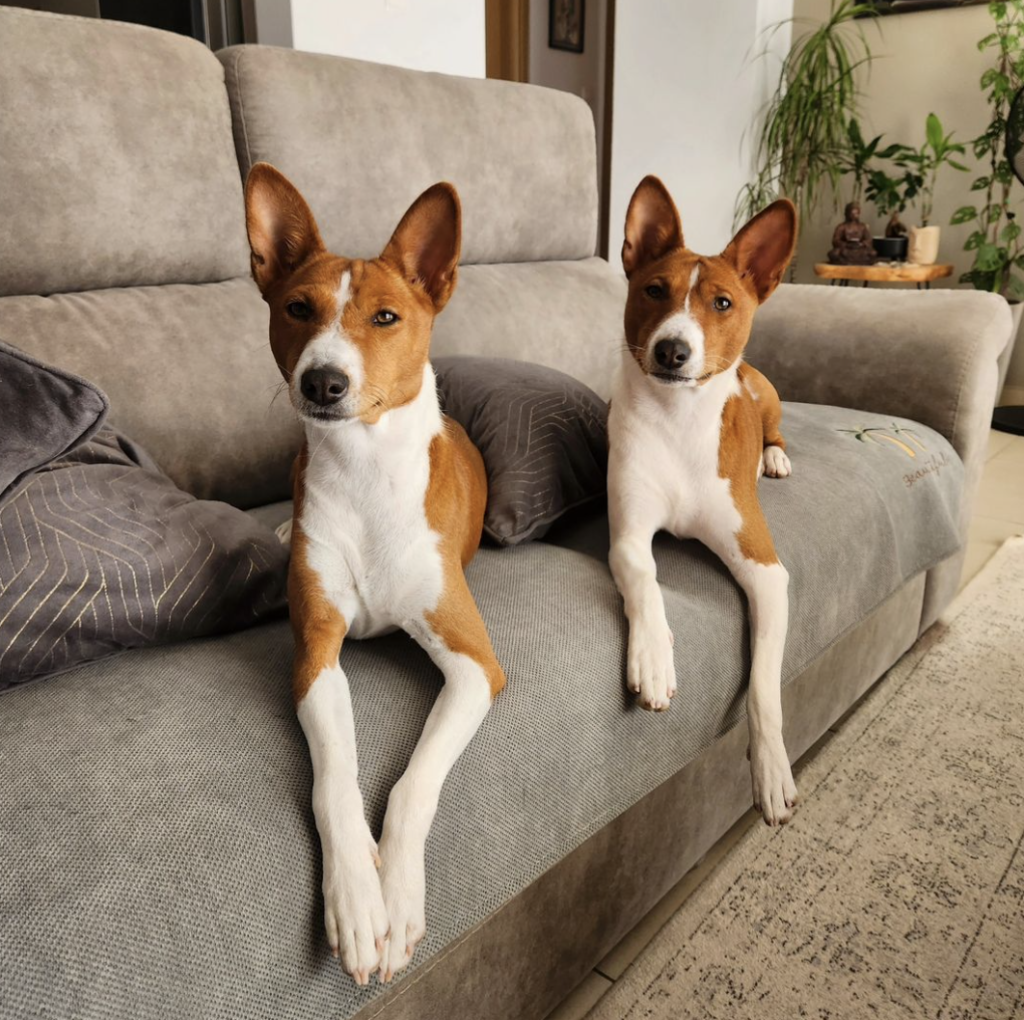
The Basenji is a small to medium-sized dog with a sleek, muscular build designed for speed and agility. Its height typically ranges between 40 and 43 cm at the shoulder, weighing about 9 to 12 kg. The Basenji’s short, fine coat lies close to the skin, which adds to its streamlined appearance. While its coat comes in various colours, the most common are chestnut red, black, and brindle, often paired with distinctive white markings on the feet, chest, and tail.
The dog’s pointed and erect ears give it a highly alert expression, while its wrinkled forehead adds to its charm, particularly when curious or intrigued by something in its environment. One of the most striking features of the Basenji is its tightly curled tail, which rests over its back. These physical traits make the Basenji stand out in appearance, agility, and stamina.
Temperament and Personality Traits
Basenjis are known for their independent, intelligent nature. Unlike many other breeds, they have a cat-like quality in terms of cleanliness and curiosity, and they prefer to figure things out on their own rather than relying on their owners for direction. This independence can be both a blessing and a challenge, as they are not as eager to please as more submissive breeds. However, this trait is balanced by their affectionate side, which makes them deeply bonded to their family.
The Basenji is not overly vocal, which can be a relief for those who live in close quarters with neighbours. Instead of barking, the breed is known for its unique vocalisations, such as yodels or “baroos.” These sounds reflect the breed’s unique vocal cords, which don’t allow for typical barking but enable other forms of expression. Despite their independent streak, Basenjis are playful and energetic, and they enjoy being in the company of their family.
Training and Intelligence of the Basenji
Basenjis are highly intelligent dogs, but their independent nature can challenge training. They are quick learners but tend to get bored with repetitive commands or tasks that they don’t find stimulating. Because of this, training a Basenji requires patience, consistency, and creativity. Owners must keep training sessions short and engaging, using rewards the dog finds motivating, such as treats or playtime.
While Basenjis may not excel in obedience competitions, they do well in activities stimulating their instincts, such as agility training or scent tracking. Positive reinforcement is critical to unlocking their potential, but it’s important to remember that this breed cannot follow orders blindly. They often exhibit problem-solving behaviour and challenge their owners if they perceive they can get away with something.
Exercise and Activity Needs
As a breed with a history rooted in hunting, the Basenji requires plenty of exercise to remain healthy and happy. They are energetic dogs that thrive on physical activity and mental stimulation. Daily walks and playtime in a secure area are essential for this breed. Basenjis are also excellent escape artists, so ensuring that any outdoor space is securely fenced is critical. Without enough exercise, they can become bored and potentially destructive.
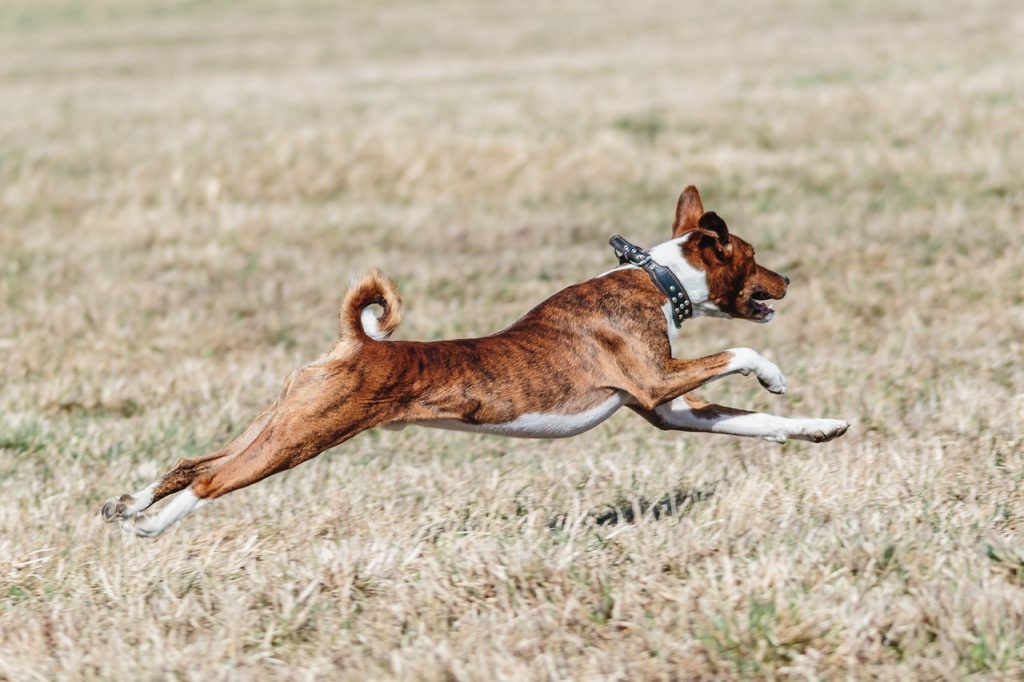
Interactive games like fetch or puzzle toys can help keep a Basenji engaged. While they don’t require as much exercise as some working breeds, they still need a lot of activity to prevent restlessness. This breed does exceptionally well with owners who enjoy an active lifestyle and can provide the necessary outlets for its energy.
Health Considerations for the Basenji
The Basenji is a relatively healthy breed, with a life expectancy of around 12 to 16 years. However, like all breeds, it is prone to specific genetic health issues. One common health concern in Basenjis is Fanconi syndrome, a kidney disorder that can lead to severe complications if not treated. Reputable breeders should screen for this condition to ensure the health of their dogs.
Other health issues affecting the Basenji include hip dysplasia and progressive retinal atrophy, which are common in many dog breeds. Regular vet check-ups and early detection of potential health problems are crucial in ensuring that your Basenji lives a long and healthy life. Maintaining a balanced diet, regular exercise, and grooming will improve their well-being.
Grooming and Maintenance
One of the most appealing aspects of the Basenji for prospective owners is its low-maintenance grooming requirements. The breed’s short, fine coat sheds very little, making it an excellent choice for those who prefer a cleaner household with minimal hair. Basenjis also have a cat-like grooming behaviour, often cleaning themselves to stay neat.
Weekly brushing is usually sufficient to keep their coat in top condition, and because they don’t produce a strong odour, baths are only necessary occasionally. Their ears should be checked regularly for debris or wax build-up, and their nails need trimming every few weeks. Dental hygiene is also essential, as with any breed, so brushing their teeth a few times a week is recommended.
Basenji in a British Home: Adaptability and Suitability
Basenjis can adapt well to life in a British household, provided their exercise and mental stimulation needs are met. They are well-suited to urban and rural environments but thrive in homes with access to secure outdoor spaces to run and play. Their small size makes them suitable for apartments, but owners should be prepared to take them on daily walks and engage them in regular play.
Basenjis are generally good with children and other pets if they are socialised from an early age. However, their high prey drive means they may chase smaller animals, so supervision is necessary. Their quiet nature makes them suitable for homes near others, as they are unlikely to disturb neighbours with excessive noise.
Pros and Cons of Owning a Basenji
Pros:
- Low grooming requirements and minimal shedding
- Unique vocalisations instead of barking
- Independent, intelligent, and playful
- Adaptable to different living environments
- Strong bond with family
Cons:
- Can be challenging to train due to independent nature
- High prey drive may not be suitable for homes with small pets
- Needs a secure outdoor space to prevent escapes
- Prone to specific health issues like Fanconi syndrome
- Requires regular exercise and mental stimulation
Conclusion: The Basenji’s Unique Charm
The Basenji is not a breed for everyone, but it can be an enriching companion for those who appreciate its independent nature and unique traits. With its ancient history, minimal grooming needs, and quiet yet expressive personality, the Basenji offers a distinct alternative to more common dog breeds. Whether you’re looking for a dog that reflects your active lifestyle or one that brings a bit of mystery and charm to your home, the Basenji is a breed worth considering.
Frequently Asked Questions
Are Basenjis suitable for first-time dog owners?
Basenjis can challenge first-time dog owners due to their independent streak and natural tendency to think for themselves. Their stubbornness can make traditional obedience training complex, and they may not respond as predictably as other, more eager-to-please breeds. That said, a first-time dog owner can successfully raise a Basenji with research, dedication, and patience. New owners must be prepared to invest time in positive reinforcement training and respect Basenji’s need for mental stimulation. Consistency is critical, as this breed quickly takes advantage of perceived leniency.
Do Basenjis get along with other pets?
Basenjis can coexist with other pets, but this largely depends on how well they are socialised from a young age. If introduced correctly, Basenjis can form bonds with other dogs, especially those of similar size and energy levels. However, their natural prey drive means smaller animals, such as cats or rabbits, may trigger a chase instinct. Supervision is crucial, especially in homes with smaller pets. Early socialisation and controlled introductions can help mitigate potential issues, but owners should always be mindful of Basenji’s hunting instincts.
How much exercise does a Basenji need?
Basenjis are an energetic breed that requires daily exercise to stay happy and healthy. At least an hour of physical activity is recommended, which can include long walks, runs, or play sessions in a secure area. Since they were bred as hunters, Basenjis enjoy activities challenging their body and mind, such as agility training or puzzle toys. Basenjis can become bored without sufficient exercise, leading to destructive behaviours such as chewing or digging. Owners who enjoy an active lifestyle will find that a Basenji makes a great companion for outdoor adventures.
Are Basenjis hypoallergenic?
While Basenjis do shed less than many other breeds due to their short, fine coat, they are not considered hypoallergenic. People with mild allergies may find that Basenjis cause fewer symptoms than other dogs, but it is still possible to be allergic to them. Basenjis do not produce as much dander as heavier-shedding breeds, which is a primary cause of dog allergies. Regular grooming and keeping the home environment clean can help reduce allergens, but individuals with severe allergies should spend time around a Basenji before committing to ownership.
Can a Basenji live in an apartment?
Basenjis can adapt to apartment living if their exercise and mental stimulation needs are met. Their relatively small size and quiet nature make them suitable for city living, as they are unlikely to disturb neighbours with barking. However, they do need regular access to outdoor activities to burn off their energy. A Basenji who doesn’t get enough exercise can become restless or develop destructive habits. Additionally, since Basenjis are known escape artists, apartment owners should ensure their Basenji doesn’t slip out of doors or windows.
Do Basenjis bark?
One of the most distinctive characteristics of the Basenji is its lack of barking. This “barkless” dog doesn’t produce the typical barking sound but communicates through other vocalisations, including yodels, growls, and howls. The breed’s unique vocal cords allow it to make these “barroom” sounds rather than barking. This makes Basenjis an excellent option for owners who want a quieter dog, though it doesn’t mean they are entirely silent. Basenjis will still communicate vocally when they feel the need, but their sounds are softer and more musical than traditional barks.
What is the life expectancy of a Basenji?
The average life expectancy of a Basenji is around 12 to 16 years, which is typical for a dog of its size. Basenjis can enjoy a long, healthy life with proper care, including regular veterinary check-ups, a balanced diet, and plenty of exercise. It’s essential to be aware of the breed’s potential health issues, such as Fanconi syndrome and hip dysplasia, and to work with breeders who conduct proper health screenings. Basenji owners can help ensure their dog enjoys an entire and active life by keeping up with preventative care and addressing health concerns early.
Do Basenjis need a lot of grooming?
One of the Basenji’s greatest advantages is its low-maintenance grooming routine. With their short, fine coat, Basenjis require minimal brushing, typically only once a week, to remove loose hairs and keep their coat looking sleek. They are known to be exceptionally clean dogs, often grooming like cats. They rarely have a strong odour, so frequent baths aren’t necessary. In addition to coat care, Basenjis need regular nail trimming and dental care, as with any dog breed, to maintain their overall health and hygiene.
Are Basenjis good with children?
Basenjis can be good companions for older children who understand how to interact respectfully with dogs. They are playful, energetic, and affectionate with their families but can also be independent and sometimes aloof. Supervision is always recommended when Basenjis are around young children, especially if the children are not familiar with how to treat dogs gently. Early socialisation and positive experiences with children can help a Basenji develop good relationships with younger family members. However, their independent nature means they may not always tolerate rough handling or excessive attention.
How are Basenjis with strangers?
Basenjis are generally reserved and cautious around strangers. They are not known for being overly friendly to unfamiliar people and may take time to warm up to guests or new faces. While they are not naturally aggressive, Basenjis can protect their home and family, which may result in aloofness towards visitors. Proper socialisation from a young age can help reduce wariness or anxiety around strangers. Still, Basenjis are not typically the type of dog to enthusiastically greet new people with wagging tails and excitement.
Can Basenjis be left alone for long periods?
Basenjis are independent dogs but do not do well when left alone for extended periods. They are prone to separation anxiety, and when bored, they can become destructive, chewing furniture, digging, or trying to escape. Owners must provide mental stimulation, such as toys or puzzle feeders if the Basenji needs to be left alone for a few hours. Ideally, Basenjis should have a companion, whether another dog or regular human interaction, to keep them from becoming lonely. They thrive in environments where they can be involved in daily activities with their family.