The Basset Bleu de Gascogne: France’s Distinguished, Blue-Speckled Hound
| Characteristics | Details |
|---|---|
| Height | The Basset Bleu de Gascogne typically stands between 30 to 38 cm at the shoulder, making it a medium-sized, low-slung dog with a sturdy and compact build. |
| Weight | The Basset Bleu de Gascogne generally weighs between 16 to 20 kg, maintaining a balanced and muscular physique that supports its endurance and stamina in both hunting and everyday activities. |
| Life Span | The Basset Bleu de Gascogne has a life span of approximately 10 to 14 years, with proper care and attention to its health and well-being contributing to a longer, healthy life. |
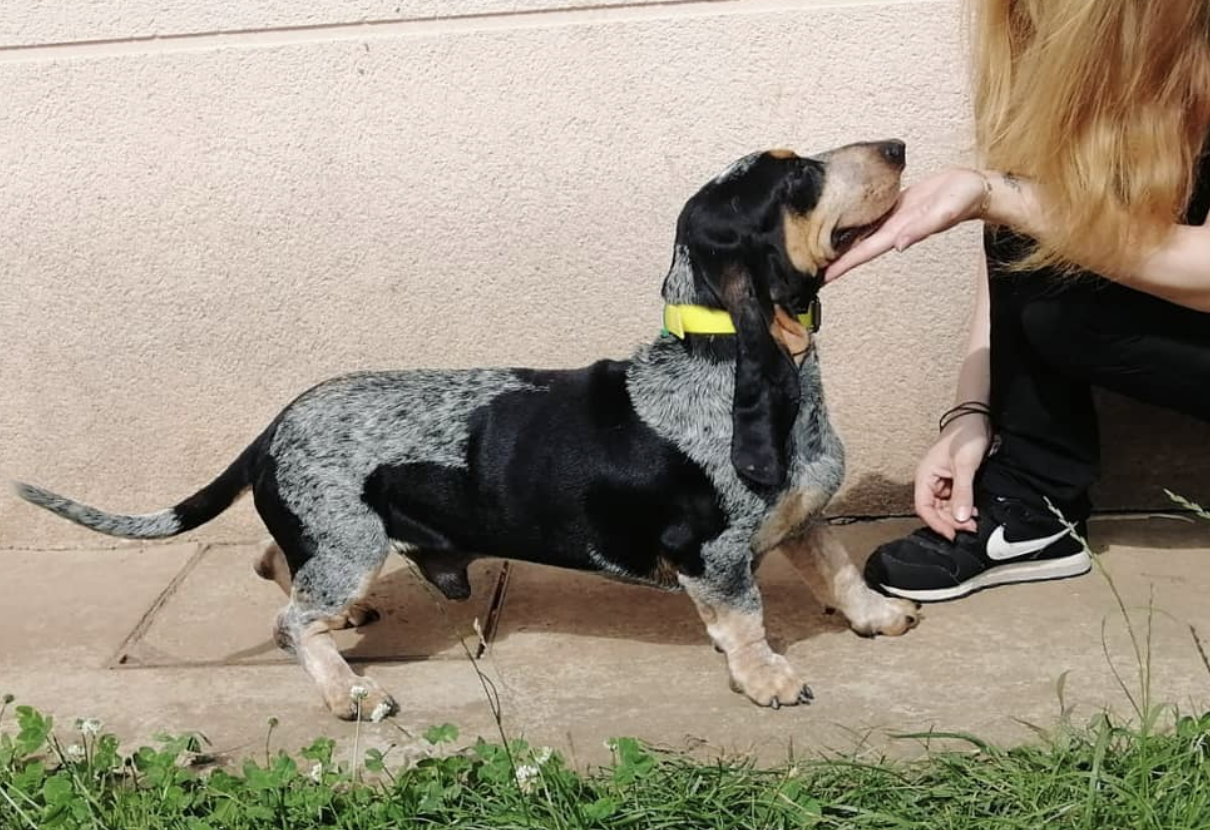
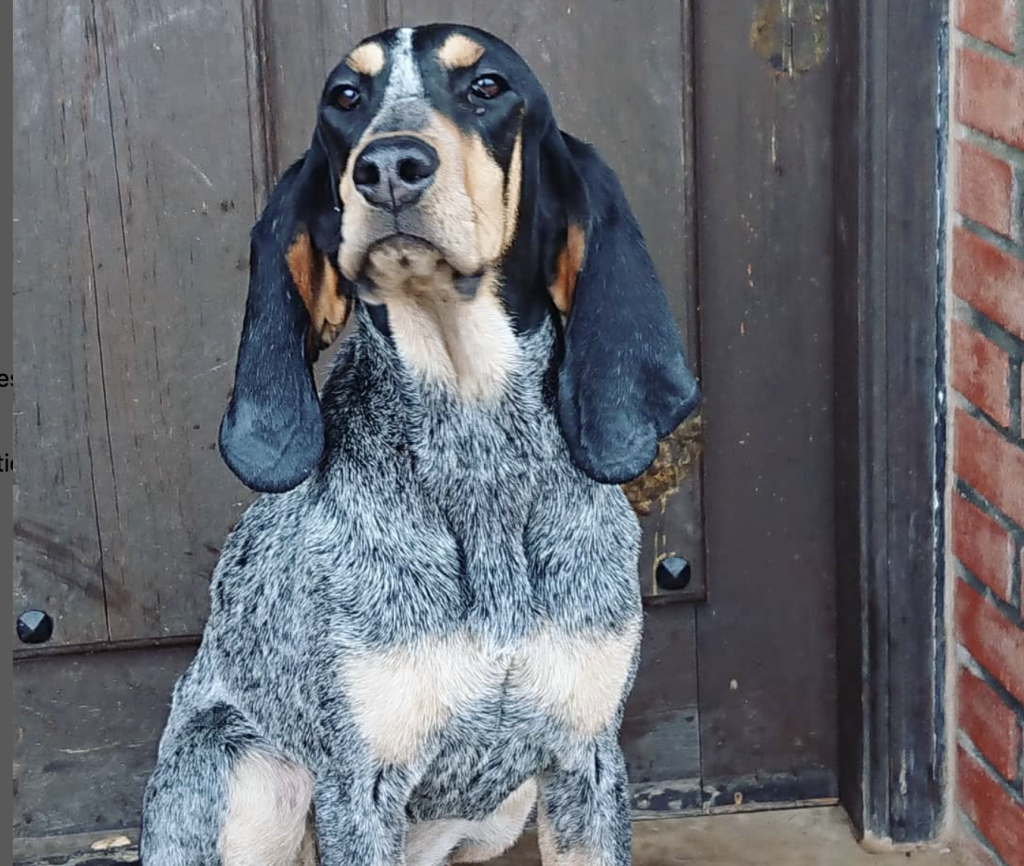
| Coat Colour | The Basset Bleu de Gascogne's coat is predominantly blue, with black patches and speckling. The "blue" effect comes from a mixture of black and white hairs, often accompanied by tan markings on the face and legs. |
| Suitable For | The Basset Bleu de Gascogne is suitable for active individuals or families who enjoy outdoor activities. Its gentle temperament makes it great for households with children, and it adapts well to both rural and urban environments. It is particularly well-suited for those who appreciate a calm, loyal companion with moderate exercise needs and are prepared to engage the dog in scent-based games or walks. This breed thrives in homes where it can receive plenty of companionship and attention, making it a good match for owners who can devote time to it daily. |
| Temperament | The Basset Bleu de Gascogne has a calm, gentle, and affectionate temperament, making it a great companion for families. It is known for being friendly and easygoing, getting along well with children and other dogs. Although it is laid-back at home, it retains its hunting instincts and can be determined and focused when following a scent. The breed is social and enjoys being around its family, but it may be a bit reserved around strangers initially. It can be independent at times, so early training and socialisation are essential to ensure good behaviour. |
Basset Bleu de Gascogne: A Detailed Review
Table of Contents
- Introduction: Quick Summary of the Basset Bleu de Gascogne Dog
- History and Origin of the Basset Bleu de Gascogne
- Physical Appearance of the Basset Bleu de Gascogne
- Temperament and Personality Traits
- Training and Intelligence
- Exercise and Activity Needs
- Health and Common Issues
- Grooming and Maintenance
- Adaptability in a British Home
- Pros and Cons of Owning a Basset Bleu de Gascogne
- Conclusion: A Timeless Hound for the Modern Home
- Frequently Asked Questions
Introduction: Quick Summary of the Basset Bleu de Gascogne Dog
The Basset Bleu de Gascogne is a striking breed with a deep history rooted in French hunting traditions. Known for its unique blue-speckled coat and friendly, laid-back nature, this dog combines the best traits of a hound and a companion. Though primarily a hunting dog, the Basset Bleu de Gascogne has become a beloved family pet, appreciated for its calm temperament and ability to adapt to various lifestyles.
Let’s explore the breed’s origin, physical traits, temperament, and suitability for different types of households. Additionally, it examines its health, grooming needs, and potential pros and cons for potential owners. Whether you’re interested in a dog for hunting, companionship, or both, the Basset Bleu de Gascogne offers a fascinating blend of history and modern appeal.
History and Origin of the Basset Bleu de Gascogne
The Basset Bleu de Gascogne has a rich and fascinating history that dates back to medieval France, specifically in the southwestern region known as Gascony. This unique breed is a descendant of the more oversized Grand Bleu de Gascogne, a hound that was widely used in hunting by French nobility. The Grand Bleu was known for its exceptional tracking abilities, endurance, and large size. It was famous for hunting large game animals such as wild boars, deer, and even wolves. However, as hunting practices changed over time, so did the needs of hunters, leading to the development of the shorter-legged Basset variety.
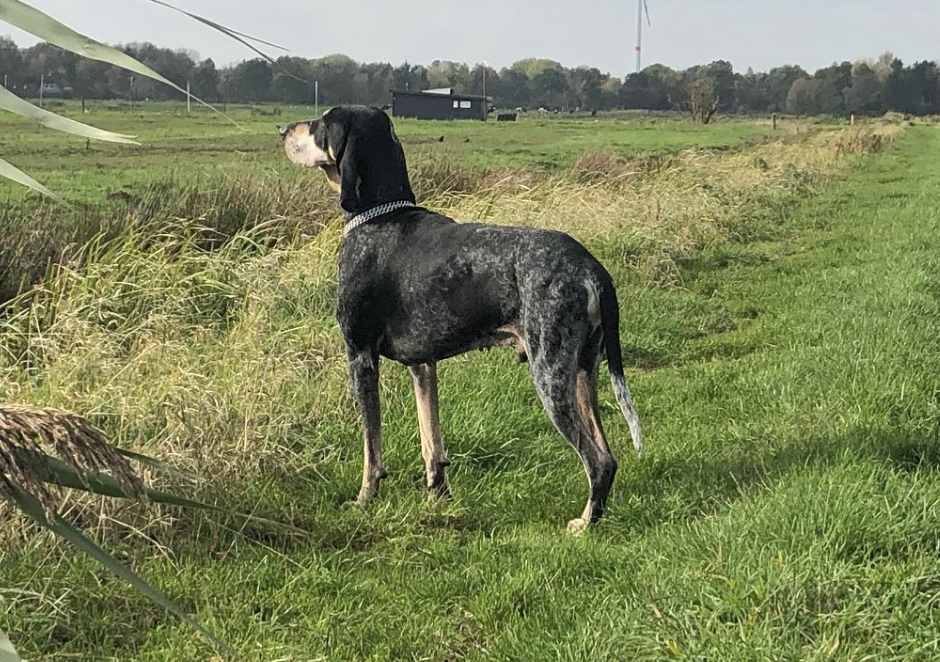
The word “Basset” in French means “low” or “dwarf,” and this reflects the breed’s shorter stature compared to its ancestor. The origin of Basset Bleu’s short legs directly results from selective breeding to create a dog that could perform well in different terrains. During the 16th and 17th centuries, hunters needed a hound to navigate southern France’s dense undergrowth and challenging landscapes. While excellent for open-field hunts, the larger Grand Bleu de Gascogne struggled in areas with thick brush or uneven terrain. As a solution, breeders sought to produce a shorter dog with the same keen scenting abilities but better adaptability to such environments.
The development of the Basset Bleu de Gascogne involved breeding the larger Grand Bleu with smaller local hounds, which introduced the dwarfism gene into the breed. This gene, known as chondrodysplasia, affects cartilage development, leading to shorter limbs while maintaining a normal-sized body. This trait proved highly advantageous for hunters, as the shorter-legged dogs could move more slowly and deliberately, making it easier for hunters to keep pace with them on foot. Their low stature also allowed them to follow game into dense thickets and underbrush areas where larger dogs would struggle.
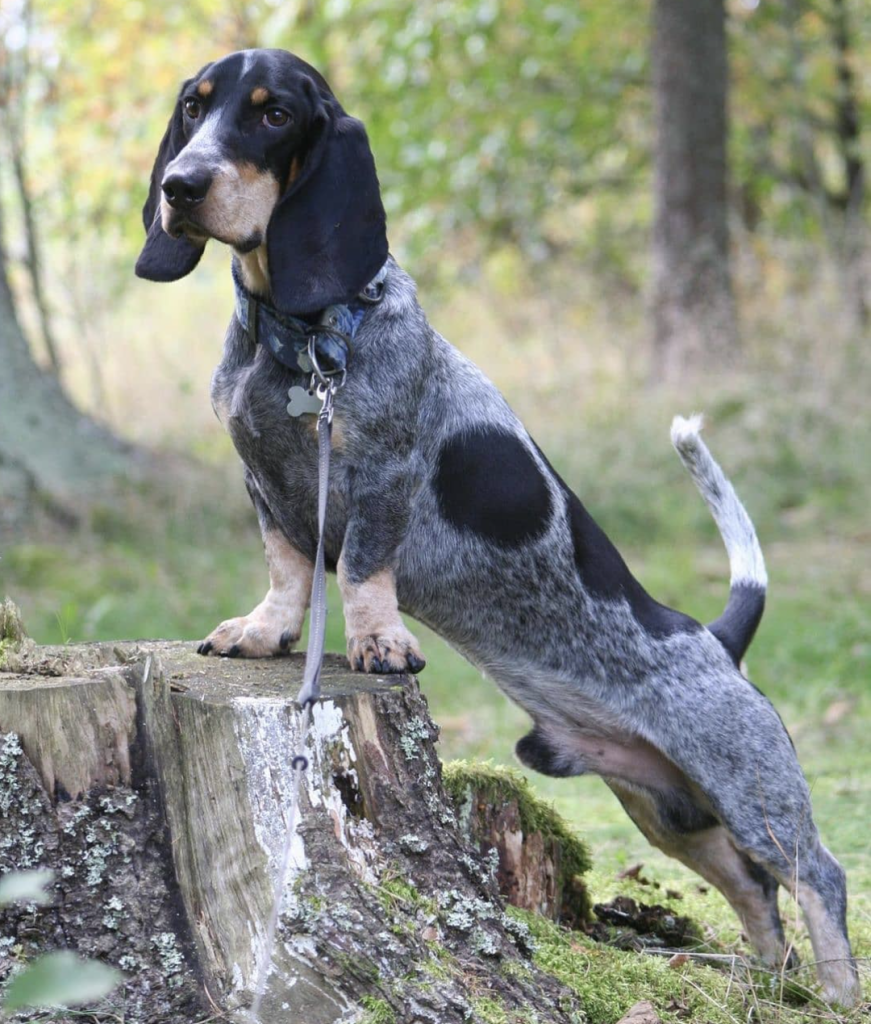
In addition to its hunting prowess, the Basset Bleu de Gascogne’s distinct appearance became a hallmark of the breed. The blue-speckled coat, which gives the dog its name, was also a result of selective breeding. The mottled or “blue” effect is created by a combination of black and white hairs, which are heavily diluted by the white, giving the coat a unique marbled or speckled appearance. This colouring and tan markings on the face and limbs made the breed easily recognisable.
By the late 19th century, the Basset Bleu de Gascogne faced a decline in popularity, partly due to changes in hunting practices and the rise of other hound breeds. The breed was kept alive through the efforts of dedicated French breeders, who recognised its historical significance and unique characteristics. Despite being relatively rare outside of France, the breed continued to survive and thrive in its homeland, especially among traditional hunters who appreciated its slow, methodical hunting style.
In the 20th century, the Basset Bleu de Gascogne began to gain recognition outside of France, including in the UK and other European countries. The breed’s striking appearance and calm, friendly temperament endeared it to dog enthusiasts, even those not involved in hunting. In the UK, the breed is still relatively rare but has gained a small following among those who appreciate its laid-back nature, moderate exercise needs, and distinct looks. The Kennel Club officially recognised it in the mid-20th century, cementing its status as a legitimate breed in dog shows and pedigrees.
Today, while the Basset Bleu de Gascogne remains a relatively uncommon breed, its loyal fan base admires its rich history and adaptable nature. Although it may no longer be widely used as a hunting dog, its heritage as a scent hound remains strong, and it continues to be valued for its tracking abilities, both in recreational settings and as a companion dog. The breed’s short legs, distinctive coat, and noble ancestry have made it a treasured dog for those who want a connection to the past while enjoying a calm, affectionate companion.
The breed’s combination of historical importance and practical functionality continues to appeal to hunters and pet owners. Its relatively low stature and slow, deliberate movement have also made it popular with those who prefer a dog that is easy to manage in modern environments, whether on leisurely walks through the countryside or in a more urban setting.
In summary, the Basset Bleu de Gascogne’s short legs result from deliberate breeding practices aimed at creating a hound capable of navigating the challenging terrains of southern France. Its distinct dwarfism gene, inherited from selective breeding and its noble ancestry, gives it a unique place in the history of French hounds. Though it has evolved from a practical hunting companion to a cherished household pet, the Basset Bleu de Gascogne remains a breed steeped in history, with a character and appearance that reflect centuries of careful cultivation.
Physical Appearance of the Basset Bleu de Gascogne
The Basset Bleu de Gascogne is a medium-sized dog, standing about 30 to 38 cm at the shoulder and weighing between 16 and 20 kg. Its most distinctive feature is its unique coat, blue with black patches and speckling, giving it a marbled appearance. This blue colouring comes from a mix of black and white hairs that create a speckled effect, making the dog stand out from other hound breeds. In addition to the blue coat, the Basset Bleu typically has tan markings on the face and limbs, further enhancing its striking look.
This breed is built for endurance rather than speed. Its body is long and low to the ground, with short, muscular legs that provide stability and stamina over long distances. The head of the Basset Bleu de Gascogne is noble and refined, with long, drooping ears set low and covered in soft, silky hair. Its eyes are dark and expressive, giving the dog a gentle and somewhat soulful expression. The long, tapering tail is usually carried high and has a slight curve, adding to the breed’s overall elegance.
Temperament and Personality Traits
The Basset Bleu de Gascogne is known for its friendly, calm, and affectionate personality. As a scent hound, it is highly focused and determined when on a trail, but it is laid-back and easygoing at home. This breed gets along well with children and other pets, making it an excellent choice for families. Its gentle nature and patience mean that it rarely exhibits aggression, though it can initially be somewhat reserved with strangers.
While the Basset Bleu de Gascogne enjoys its time outdoors, it is equally content to relax indoors with its family. This dual nature makes it a versatile breed suited for active individuals and more sedentary lifestyles, provided its exercise needs are met. Its pack-oriented instincts mean it thrives on companionship, so it doesn’t do well when left alone for long periods. Separation anxiety can be an issue if the dog is isolated without enough social interaction.
Training and Intelligence
Basset Bleu de Gascognes are intelligent dogs, but their independent, stubborn streak can make training challenging. Like many hounds, they are driven by their nose and can be easily distracted by scents during training sessions. Therefore, training should begin early, focusing on consistency and positive reinforcement. Short, engaging training sessions incorporating treats and praise will yield the best results.
While they may not be as eager to please as some other breeds, Basset Bleus can learn commands and basic obedience. Patience is vital, as they can respond slowly if they catch an attractive scent. Training should also involve mental stimulation, as this breed enjoys problem-solving activities, scent games, and puzzle toys. Early socialisation is essential to ensure the dog develops confidence and good manners around other dogs and people.
Exercise and Activity Needs
Despite their calm demeanour, Basset Bleu de Gascognes are active dogs that require regular exercise to stay healthy and happy. As a breed with a hunting background, they have moderate energy levels and need at least an hour of exercise each day. This can include walks, runs, or off-lead play in a secure area. They are also excellent trackers, and activities that engage their sense of smell, such as scent trails or tracking games, are enriching.
Owners should be aware that, due to their short legs and long bodies, Basset Bleus are not built for high-speed running but have excellent endurance for long walks or hikes. It’s essential to ensure they are not overexerted, especially on hard surfaces, as their body shape can make them prone to back problems if not exercised properly. A mix of physical activity and mental challenges will help keep the Basset Bleu de Gascogne happy and well-behaved.
Health and Common Issues
The Basset Bleu de Gascogne is generally a healthy breed, with a life expectancy of around 10 to 14 years. However, like all breeds, it is prone to specific health issues that potential owners should be aware of. One common concern is back problems, particularly intervertebral disc disease (IVDD), which can affect long-bodied breeds like the Basset Bleu. Ensuring the dog does not jump excessively or engage in strenuous activities can help minimise the risk of back injuries.
Other health issues that may affect the breed include ear infections, which can occur due to the breed’s long, floppy ears. Regular ear cleaning and checks can help prevent infections from developing. Hip dysplasia and elbow dysplasia, common in many larger breeds, can also affect the Basset Bleu, though responsible breeding practices can help reduce the incidence of these conditions.
Maintaining a healthy weight is crucial for this breed, as excess weight can exacerbate joint and back issues. A balanced diet, regular vet check-ups, and appropriate exercise will ensure the Basset Bleu de Gascogne remains healthy throughout its life.
Grooming and Maintenance
Thanks to its short, dense coat, the Basset Bleu de Gascogne has relatively low grooming requirements. Weekly brushing is usually sufficient to remove loose hairs and keep the coat in good condition. However, during shedding seasons, more frequent brushing may be necessary to manage the dog’s shedding. The coat’s texture naturally repels dirt, so the breed does not require frequent baths—an occasional bath when dirty will suffice.
Due to its long ears, regular ear cleaning is essential to prevent infections. Owners should also trim the dog’s nails every few weeks to prevent them from becoming too long, which can cause discomfort or lead to issues with walking. Dental hygiene is equally important, so brushing the dog’s teeth several times a week will help prevent dental problems.
Adaptability in a British Home
The Basset Bleu de Gascogne is well-suited to life in a British home, provided its exercise needs are met. Its calm and friendly nature makes it a good choice for families, couples, or individuals. The breed is adaptable to urban and rural environments, although it thrives in homes with secure outdoor space. Regular walks in parks or open spaces in a city setting will ensure the dog gets the physical activity it requires.
The breed’s laid-back temperament means it can live comfortably in apartments as long as it receives enough daily exercise. Its quiet nature makes it less likely to disturb neighbours, though it may occasionally bay or howl, especially if left alone for extended periods. This breed thrives on companionship, so it’s ideal for owners who can spend time with their dog and involve it in daily activities.
Pros and Cons of Owning a Basset Bleu de Gascogne
Pros:
- Friendly, calm, and affectionate nature, making it a great family pet
- Unique and striking blue-speckled coat
- Low grooming requirements and moderate exercise needs
- Quiet and laid-back indoors, adaptable to different living environments
- Excellent scenting abilities, making it great for tracking games or scent work
Cons:
- Can be stubborn and challenging to train, requiring patience and consistency
- Prone to back problems due to its long body and short legs
- Needs regular ear cleaning to prevent infections
- May develop separation anxiety if left alone for long periods
- Requires a secure outdoor space due to its strong hunting instincts
Conclusion: A Timeless Hound for the Modern Home
The Basset Bleu de Gascogne is a unique and versatile breed, offering a mix of laid-back companionship and active engagement. With its rich history, distinctive appearance, and calm temperament, it is a breed that can fit into various lifestyles. While it may require some patience during training and careful attention to its health, the Basset Bleu rewards its owners with loyalty, affection, and a gentle, easygoing presence in the home. Whether you’re drawn to its striking looks or quiet yet determined personality, this breed brings a timeless charm to modern homes.
Frequently Asked Questions
Are Basset Bleu de Gascognes suitable for first-time dog owners?
Yes, Basset Bleu de Gascognes can be a good fit for first-time dog owners, especially those who are patient and consistent with training. Their calm, laid-back nature makes them easier to manage at home than more excitable breeds. However, potential owners should be aware of their stubbornness, common in hounds. This breed can sometimes be slow to obey commands, especially when distracted by attractive scents, so first-time owners must commit to early socialisation and positive reinforcement training. First-time owners must also provide enough exercise and mental stimulation, as this breed can become bored if left inactive for long periods.
Do Basset Bleu de Gascognes bark a lot?
No, Basset Bleu de Gascognes are generally quiet dogs. They are less prone to barking than other hounds, making them a good choice for owners who live in close quarters with neighbours. However, they have a characteristic bay or howl that they may use occasionally, especially if they are left alone for extended periods or pick up an intriguing scent. While they are not excessively vocal, it is still essential for owners to be aware of their hound heritage, as they can howl in response to sounds or scents in their environment. Proper training and early socialisation can help minimise unwanted vocalisations.
Is Basset Bleu de Gascognes suitable for children?
Yes, Basset Bleu de Gascognes are typically very good with children. Their calm, gentle nature makes them a suitable companion for families with young ones. They tend to be patient and tolerant, which allows them to get along well with children, especially those who are respectful and know how to interact with dogs. As with any breed, it’s essential to supervise interactions between the dog and small children to ensure that the child treats the dog appropriately and that the dog does not become overwhelmed. Early socialisation can help further improve the dog’s comfort around kids, making it a great family pet.
How much exercise does a Basset Bleu de Gascogne need?
The Basset Bleu de Gascogne requires moderate exercise. At least one hour of daily activity is recommended to keep them happy and healthy. This can include long walks, playtime in a secure yard, and activities that engage their powerful sense of smell, such as scent trails or tracking games. Despite their relaxed nature indoors, they were bred as hunting dogs, so they enjoy having opportunities to explore and follow scents outdoors. However, owners should not overexert the dog, particularly on hard surfaces, as its long back and short legs can make it susceptible to back issues.
Can Basset Bleu de Gascognes live in apartments?
Basset Bleu de Gascoigne can adapt to apartment living if their exercise needs are met. Their calm and quiet nature makes them less likely to disturb neighbours, and their moderate size means they don’t need much space indoors. However, daily walks and opportunities to explore the outdoors are crucial, as these dogs have a strong instinct to track scents. Apartment dwellers should ensure access to nearby parks or green spaces where their dog can get the physical and mental stimulation it needs. Additionally, providing interactive toys and mental challenges indoors can help keep the dog occupied.
Do Basset Bleu de Gascognes get along with other dogs and pets?
Generally, Basset Bleu de Gascognes are good with other dogs, especially if they have been socialised from a young age. As pack hounds, they are accustomed to working in groups and typically enjoy the company of other dogs. However, like many hounds, they have a strong prey drive, so care should be taken when introducing them to smaller pets, such as cats or rabbits. Early socialisation and controlled introductions can help mitigate hunting instincts, but supervision is always recommended. If raised with other pets, Basset Bleus can coexist peacefully, but their natural hunting instincts may still make them prone to chasing smaller animals.
How do I train a Basset Bleu de Gascogne?
Training a Basset Bleu de Gascogne requires patience, consistency, and positive reinforcement. Like many hounds, they can be independent and somewhat stubborn, especially if they pick up an attractive scent. Owners should use reward-based training methods, focusing on short, engaging sessions that keep the dog’s attention. High-value treats and praise can be effective motivators for this breed. Additionally, training should begin early, focusing on basic commands and socialisation with other dogs and people. Scent-based activities, such as tracking games, can also help keep the dog mentally stimulated and engaged in the training process.
Are Basset Bleu de Gascognes prone to health problems?
Like many dog breeds, Basset Bleu de Gascognes can be prone to specific health issues. The most common concern is back problems, particularly intervertebral disc disease (IVDD), due to their long body and short legs. Owners should be careful to prevent the dog from jumping off furniture or overexerting itself on hard surfaces. Regular check-ups with a vet are essential to monitor for any early signs of back problems. Ear infections are another common issue for this breed because of their long, floppy ears, which can trap moisture and dirt. Regular ear cleaning can help prevent infections. Additionally, although less common, hip and elbow dysplasia can occur, so working with a responsible breeder who screens for these conditions is crucial.
How long do Basset Bleu de Gascognes live?
The average life expectancy of a Basset Bleu de Gascogne is around 10 to 14 years. These dogs can live long and happy lives with proper care, a healthy diet, regular exercise, and routine vet check-ups. Owners should pay close attention to maintaining the dog’s weight and ensuring it does not overexert itself, particularly regarding its back and joints. Early detection and management of potential health issues, such as back problems or ear infections, can also contribute to a longer, healthier life for the Basset Bleu.
Do Basset Bleu de Gascognes shed a lot?
Basset Bleu de Gascognes have a short, dense coat that sheds moderately throughout the year. They are not heavy shedders compared to other breeds, but owners should expect regular shedding, especially during seasonal changes. Weekly brushing is usually sufficient to keep shedding under control and to maintain the dog’s coat in good condition. During the shedding season, more frequent brushing may be required to remove loose hairs. The breed’s coat is easy to maintain and generally doesn’t require frequent baths unless the dog gets particularly dirty.
Are Basset Bleu de Gascognes good watchdogs?
Basset Bleu de Gascognes are not typically used as watchdogs, as they are more likely to greet strangers with curiosity rather than aggression. While they may bark or howl to alert their owners of new arrivals, they do not have a strong protective instinct and are generally friendly towards people once they’ve had a chance to assess them. Their laid-back and friendly nature means they are more likely to welcome visitors than to guard the home. However, their keen sense of smell and alertness means they will likely be aware of environmental changes, even if they don’t act aggressively.