Basset Fauve De Bretagne: The Loyal and Spirited French Companion
| Characteristics | Details |
|---|---|
| Height | The Basset Fauve De Bretagne typically stands between 32 to 38 cm at the shoulder. |
| Weight | The Basset Fauve De Bretagne usually weighs between 14 to 18 kg. |
| Life Span | The Basset Fauve De Bretagne has a life span of approximately 12 to 14 years. |
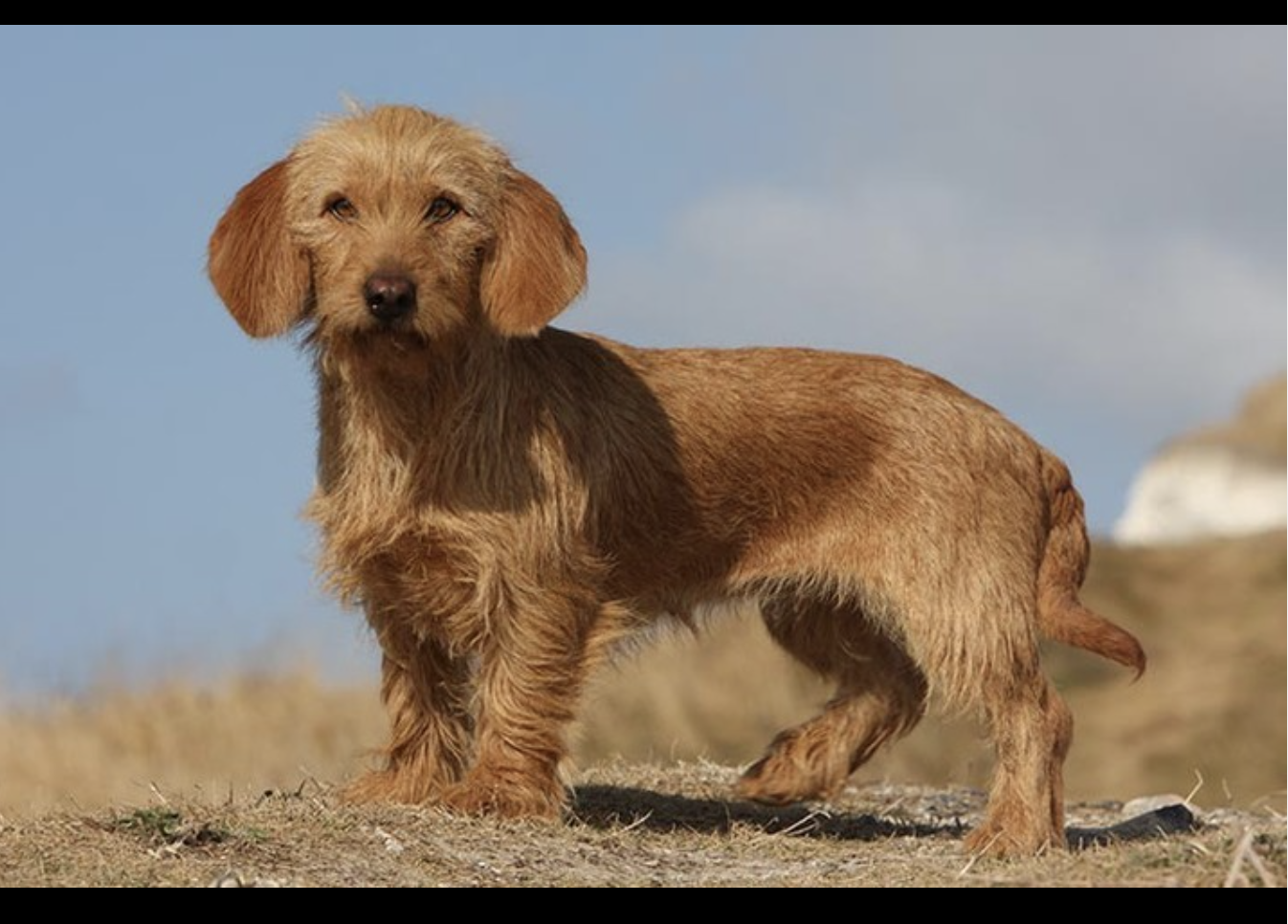
| Coat Colour | The Basset Fauve De Bretagne has a fawn-coloured coat, ranging from golden wheaten to reddish gold, with a wiry texture that provides protection in harsh environments. |
| Suitable for | The Basset Fauve De Bretagne is suitable for active individuals or families who enjoy outdoor activities. It thrives in rural or suburban environments, is great with children, and can adapt well to homes with other pets. Its moderate exercise needs and friendly, affectionate nature make it a good fit for both first-time dog owners and experienced handlers. |
| Temperament | The Basset Fauve De Bretagne has a cheerful, friendly, and loyal temperament. It is affectionate with its family, great with children, and gets along well with other dogs. While it has a strong hunting instinct, making it determined and focused when following a scent, it remains easygoing and adaptable at home. The breed is known for being sociable, but it can be a bit independent, so early training and socialisation are important to ensure good behaviour. |
Basset Fauve De Bretagne: A Detailed Review
Table of Contents
- Introduction: Quick Summary of the Basset Fauve De Bretagne
- History and Origin of the Basset Fauve De Bretagne
- Physical Appearance of the Basset Fauve De Bretagne
- Temperament and Personality Traits
- Training and Intelligence
- Exercise and Activity Needs
- Health and Common Issues
- Grooming and Maintenance
- Adaptability in a British Home
- Pros and Cons of Owning a Basset Fauve De Bretagne
- Conclusion: A Spirited and Loyal Companion
- Frequently Asked Questions
Introduction: Quick Summary of the Basset Fauve De Bretagne
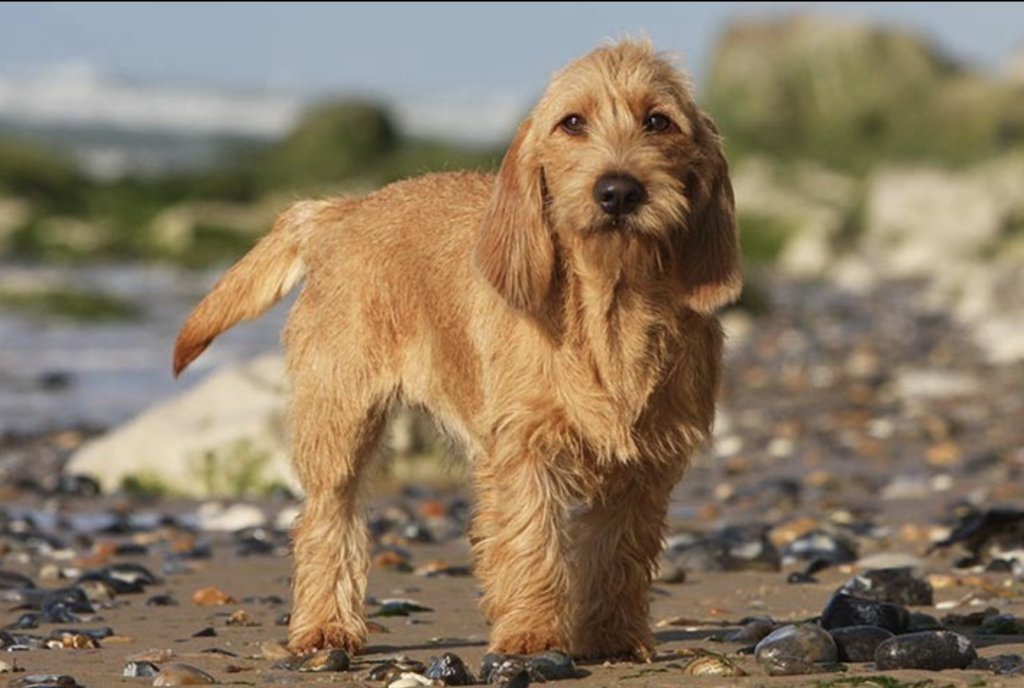
The Basset Fauve De Bretagne is a small yet sturdy French breed with a rich hunting heritage. Known for its friendly and cheerful temperament, this breed makes a wonderful family companion and an excellent working dog. With its distinctive fawn-coloured coat and strong, muscular frame, the Basset Fauve De Bretagne is both attractive and practical, requiring moderate exercise and minimal grooming. Though historically used for hunting, today, it is valued just as much for its affectionate nature and adaptability to modern life.
This review explores the Basset Fauve De Bretagne’s history, appearance, and temperament while offering a detailed analysis of its care needs, including health considerations, training, and exercise. We’ll examine how well this breed fits into a British home and what makes it a suitable choice for families and active individuals. The aim is to provide a comprehensive guide for those considering adding this charming, loyal dog to their household.
History and Origin of the Basset Fauve De Bretagne
The Basset Fauve De Bretagne originated in the region of Brittany in northwestern France, where it was developed as a skilled hunting dog. The breed descended from the larger Grand Fauve de Bretagne, a now-extinct breed highly prized for its ability to hunt large game like wild boar and deer. The need for a shorter-legged, more agile hunting dog arose in the late 18th century due to significant changes in French society.

Before the French Revolution, hunting with hounds was a privilege reserved for the elite, with horseback hunts symbolising nobility and status. However, after the Revolution in 1789, the social and political rules changed drastically. With the abolition of the aristocratic rights to hunt, commoners were allowed to own hounds and participate in hunts. This newly granted freedom presented a practical issue for many peasants: they didn’t own horses, typically used to follow larger, long-legged hunting hounds. Thus, there was a growing demand for a shorter-legged dog that could hunt closer to the ground, making it easier for hunters on foot to keep pace.
In response to this need, breeders began selectively breeding shorter-legged hounds, creating the Basset Fauve De Bretagne. The breed’s low stature, endurance, and robust tracking abilities made it an ideal hunting companion for those navigating dense forests and rough terrain. These traits allowed the breed to excel in tracking small game such as rabbits and hares, a role it continues to fulfil today.
Although popular among hunters, the Basset Fauve De Bretagne faced near extinction during World War II, like many other European breeds. The war led to a decline in the breed’s numbers, as resources were scarce and many dogs were lost. However, the breed’s loyal fan base, particularly among French huntsmen, ensured its survival. Dedicated breeders worked to revive the breed in the post-war years, and it gradually regained its place as a beloved hunting companion.
In recent decades, the Basset Fauve De Bretagne has gained popularity in France, the United States, and the UK. While it remains relatively rare outside its homeland, it is increasingly admired for its friendly temperament, manageable size, and excellent hunting instincts. The breed continues to grow in recognition as a capable working dog and a charming, loyal family pet.
Physical Appearance of the Basset Fauve De Bretagne
The Basset Fauve De Bretagne is a small to medium-sized dog, standing between 32 to 38 cm at the shoulder and weighing around 14 to 18 kg. Its body is long and low, with strong, muscular legs ideally suited for covering rough terrain. Despite its short stature, the breed is incredibly sturdy and athletic, demonstrating both strength and agility. Its compact size makes it easier for owners to handle while still allowing the dog to be an effective hunter.
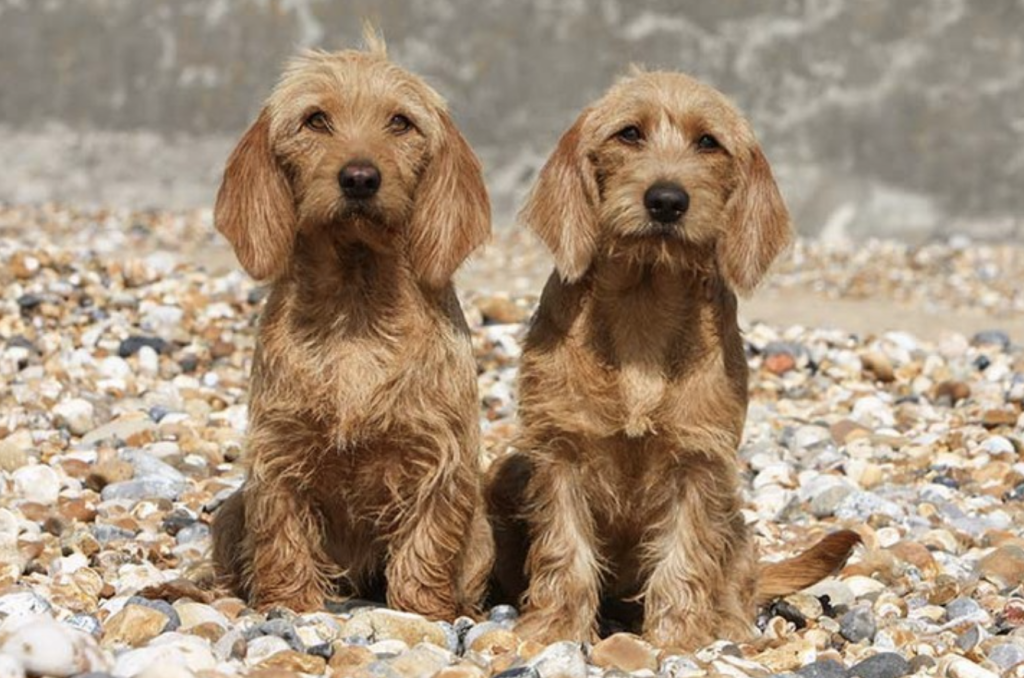
One of the most distinctive features of the Basset Fauve De Bretagne is its coat. The breed has a coarse, wiry coat that is typically fawn or reddish-brown, often with lighter or darker shading. This coat helps protect the dog from harsh weather and dense brush during hunts. Its ears are long, set low, and hang close to the cheeks, which gives it a characteristic hound-like appearance. The dog’s eyes are dark and full of expression, reflecting its lively and intelligent personality.
Its medium-length tail is proudly carried in an upward curve and covered in the same wiry coat as the rest of the body. The overall impression of the Basset Fauve De Bretagne is that of a dog built for endurance, with a rugged charm that makes it both functional and endearing in appearance.
Temperament and Personality Traits
The Basset Fauve De Bretagne is known for its cheerful and friendly personality. It is a friendly dog that enjoys being around people and thrives in a family environment. The breed is affectionate and loyal, often forming strong bonds with its owners. This makes it an excellent companion for children, as it is generally patient and tolerant, with a playful nature that appeals to young and old alike.
Though bred as a hunting dog, the Basset Fauve De Bretagne is not overly aggressive or domineering. Instead, it is determined and tenacious, particularly when following a scent. Its hunting instincts are still very much alive, and the breed can be pretty focused when on a trail. However, it is also easygoing and adaptable, making it a suitable dog for modern homes. It gets along well with other dogs and pets, though it may tend to chase smaller animals due to its hunting background.
While the breed is friendly and outgoing, it does have an independent streak, which can make training a challenge at times. Owners must be consistent and patient, using positive reinforcement to guide the dog’s behaviour. With the right approach, the Basset Fauve De Bretagne is a well-mannered, loving dog that fits well into family life.
Training and Intelligence
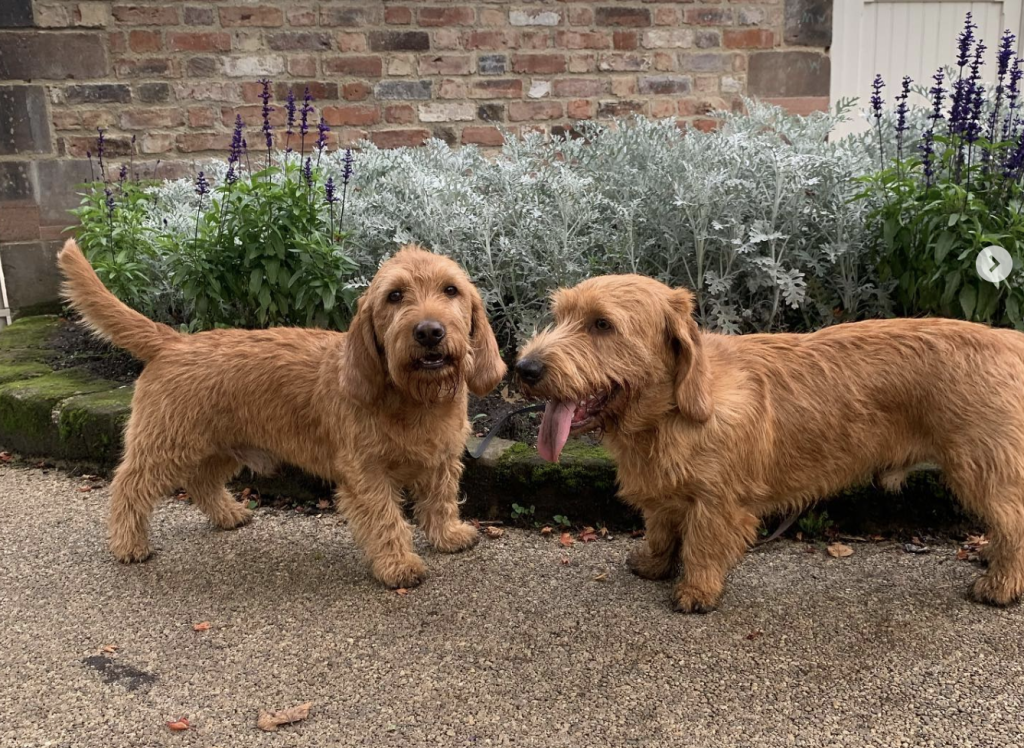
The Basset Fauve De Bretagne is an intelligent breed, but its independent nature can sometimes make training difficult. Like many hounds, it has a strong sense of smell and can become distracted by scents, leading to a tendency to follow its nose rather than listen to commands. This means that training requires patience, consistency, and a firm but gentle hand.
Positive reinforcement methods, such as treats and praise, work best with this breed. Training sessions should be kept short and engaging to prevent the dog from becoming bored. Early socialisation is also important, as it helps the dog develop confidence and good behaviour around other dogs and people. While the Basset Fauve De Bretagne is not as eager to please as some other breeds, it can learn basic obedience commands and house manners with the proper training.
One key to successful training with this breed is keeping the dog mentally stimulated. Scent games, tracking exercises, and other activities that engage its instincts can help keep the Basset Fauve De Bretagne focused and interested. Though it can be stubborn at times, this breed is intelligent and enjoys problem-solving tasks, making it a rewarding companion for owners who are willing to invest time in training.
Exercise and Activity Needs
The Basset Fauve De Bretagne is a moderately active breed that requires regular exercise to stay healthy and happy. As a former hunting dog, it has plenty of energy and enjoys outdoor activities that allow it to use its instincts. Daily walks are essential, and the dog will benefit from opportunities to run and explore in secure, off-lead areas. This breed enjoys following scents, so providing safe environments to track and sniff without getting into trouble is essential.
While the Basset Fauve De Bretagne is content with moderate exercise, it also enjoys more vigorous activities such as hiking or playing in the garden. It is a great companion for active families who enjoy spending time outdoors. Without sufficient exercise, the breed can become bored and may develop destructive behaviours such as chewing or digging. Therefore, owners must meet the dog’s physical and mental needs.
Interactive toys, puzzle games, and scent-tracking exercises are excellent ways to keep this breed entertained. Although it is not as high-energy as some working breeds, the Basset Fauve De Bretagne still needs regular stimulation to remain content and well-behaved.
Health and Common Issues
The Basset Fauve De Bretagne is generally a healthy breed, with a life expectancy of around 12 to 14 years. However, like all breeds, it can be prone to specific health issues. One of the most common concerns for this breed is ear infections due to its long, floppy ears, which can trap moisture and debris. Regular ear cleaning and maintenance are essential to prevent diseases from developing.
Another health concern for the breed is hip dysplasia, a condition that affects many dogs, especially those with short legs and long bodies. Responsible breeders should screen for this condition, and owners can help by ensuring their dog maintains a healthy weight and does not overexert itself. The breed can also be prone to other joint problems, such as elbow dysplasia, though these are less common.
Eye conditions, such as cataracts or progressive retinal atrophy (PRA), can also affect the Basset Fauve De Bretagne. Regular veterinary check-ups and early detection of potential health issues are crucial to ensuring that the dog lives a long and healthy life.
Grooming and Maintenance
The Basset Fauve De Bretagne has a coarse, wiry coat that requires minimal grooming to keep it in good condition. Weekly brushing is usually sufficient to remove dead hairs and prevent tangles, while more frequent grooming may be necessary during shedding seasons. The breed’s coat is naturally weather-resistant, so it does not require frequent baths—only when the dog becomes particularly dirty.
Regular ear cleaning is essential for this breed due to its long ears, which are prone to infections. Owners should also trim the dog’s nails every few weeks to prevent them from becoming too long, which can cause discomfort or lead to issues with walking. Dental hygiene is equally important, so brushing the dog’s teeth several times a week will help prevent dental problems.
Overall, the Basset Fauve De Bretagne is a low-maintenance breed when it comes to grooming, making it a good choice for owners who want a dog that is easy to clean and maintain.
Adaptability in a British Home
The Basset Fauve De Bretagne is well-suited to life in a British home, as its moderate exercise needs and friendly temperament make it adaptable to various living environments. Whether in a rural or urban setting, this breed is happy as long as it gets regular walks and opportunities to explore its surroundings. It can live comfortably in a house or apartment, provided it has access to outdoor spaces for exercise.
The breed is also a good fit for families, as it gets along well with children and other pets. Its calm and tolerant nature makes it easy to integrate into busy households, and its size is manageable for homes of any size. While it does have a hunting background, the Basset Fauve De Bretagne is not overly high-strung or demanding, making it a suitable companion for a variety of lifestyles.
Pros and Cons of Owning a Basset Fauve De Bretagne
Pros:
- Friendly, affectionate, and loyal, making it a great family pet
- Low-maintenance grooming requirements
- Moderate exercise needs, suitable for various lifestyles
- Gets along well with children and other pets
- Adaptable to both rural and urban environments
Cons:
- Can be stubborn and independent, making training challenging
- Prone to ear infections and joint issues
- May chase smaller animals due to its hunting instincts
- Needs regular mental and physical stimulation to prevent boredom
- Can be prone to destructive behaviours if left alone for long periods
Conclusion: A Spirited and Loyal Companion
The Basset Fauve De Bretagne is a delightful breed that combines the best of a hunting dog and a family companion. With its cheerful disposition, adaptability, and moderate exercise needs, it is well-suited to a variety of homes, including those in the UK. While it retains its hunting instincts, this breed is easygoing and affectionate, making it an excellent choice for families, couples, or individuals looking for a loyal and spirited dog.
Frequently Asked Questions
Are Basset Fauve De Bretagnes suitable for first-time dog owners?
Basset Fauve De Bretagnes can be an excellent choice for first-time dog owners. Their friendly and affectionate nature makes them easy to bond with, and they are generally adaptable to different living environments. However, first-time owners need to be aware that this breed has an independent streak, which can make training slightly challenging. Patience and consistency are key when training this breed, as they may sometimes be stubborn. Positive reinforcement methods work best, and owners must dedicate time to early socialisation and training to ensure good behaviour.
Do Basset Fauve De Bretagnes get along with other pets?
Yes, Basset Fauve De Bretagnes usually get along well with other pets, especially if they are introduced and socialised early. They are generally friendly and sociable dogs, making them a good match for homes with other dogs. However, their hunting background means they may have a strong prey drive and a tendency to chase smaller animals, such as cats or rabbits. If you have smaller pets in the home, it’s important to supervise interactions and train your dog to coexist peacefully with them. With proper socialisation, they can adapt well to living with other animals.
How much exercise does a Basset Fauve De Bretagne need?
The Basset Fauve De Bretagne is a moderately active dog that requires regular exercise to stay healthy and happy. They need at least one hour of physical activity per day, including walks, playtime in the garden, or off-lead running in secure areas. As a breed with hunting instincts, they enjoy activities that engage their sense of smell, such as scent trails or tracking games. While they are not overly high-energy, they need mental and physical stimulation to prevent boredom. They may become restless without enough exercise and develop unwanted behaviours like digging or chewing.
Are Basset Fauve De Bretagnes good with children?
Basset Fauve De Bretagnes are known for being gentle, patient, and friendly with children, making them excellent family dogs. Their calm temperament and affectionate nature make them a great companion for kids of all ages. They are generally tolerant of the noise and activity that comes with living in a household with children. However, as with any breed, it’s important to supervise interactions between dogs and young children to ensure that both parties treat each other respectfully. Early socialisation can help the dog feel comfortable around children and develop a strong bond with them.
Do Basset Fauve De Bretagnes shed a lot?
No, the Basset Fauve De Bretagne is not a heavy shedder. Their wiry coat sheds minimally, and regular grooming can help keep shedding under control. Brushing their coat once a week will remove loose hairs and help maintain the coat’s condition. While they shed a little more during seasonal changes, their shedding is not excessive compared to many other breeds. Additionally, their coarse jacket is easy to maintain and doesn’t require frequent baths unless the dog gets particularly dirty. Overall, they are considered a low-maintenance breed when it comes to grooming.
Are Basset Fauve De Bretagnes prone to health problems?
While the Basset Fauve De Bretagne is generally a healthy breed, they can be prone to specific health issues, like most dogs. Common concerns include ear infections due to their long, floppy ears, which can trap moisture and debris. Regular ear cleaning and checks are essential to prevent infections. Hip dysplasia, a condition that affects the hip joint, can also be a concern, particularly in overweight or overexerted dogs. This breed may also affect eye conditions, such as cataracts or progressive retinal atrophy (PRA). Responsible breeders will screen for these conditions, and regular vet check-ups can help detect and manage any potential health issues early on.
How long do Basset Fauve De Bretagnes live?
The Basset Fauve De Bretagne has an average life expectancy of around 12 to 14 years. They can enjoy a long, healthy life with proper care, including a balanced diet, regular exercise, and routine veterinary check-ups. Early detection and management of health issues, such as hip dysplasia or ear infections, will contribute to their longevity. Keeping your dog at a healthy weight and providing regular mental and physical stimulation also ensures they live a long and happy life.
Can Basset Fauve De Bretagnes live in apartments?
Yes, Basset Fauve De Bretagnes can adapt to apartment living, provided their exercise needs are met. They are relatively small dogs with moderate energy levels, so they don’t require an ample living space to be happy. However, ensuring they get enough daily exercise, such as walks and playtime, is essential to keep them mentally and physically stimulated. They may need more time outdoors to burn off their energy and engage their instincts in an apartment setting. As long as their exercise needs are met and they have access to outdoor activities, they can live comfortably in an apartment.
Do Basset Fauve De Bretagnes bark a lot?
Basset Fauve De Bretagnes are not known to be excessive barkers. Still, they can be vocal if they sense something interesting, mainly if they catch a scent or see something outside that catches their attention. Like most hounds, they have a deep, loud bark that they may use to alert their owners of unfamiliar people or noises. However, they are not typically noisy dogs and are generally quiet indoors. Training can help manage any unwanted barking, and they can learn when to bark with proper guidance.
How easy are Basset Fauve De Bretagnes to train?
Basset Fauve De Bretagnes are intelligent dogs, but their independent and stubborn nature can make training a bit challenging. They are driven by their sense of smell, which can distract them during training sessions. However, with patience, consistency, and positive reinforcement, they can be trained effectively. Short, engaging training sessions incorporating treats and praise are best for this breed. It’s also important to begin training and socialisation early, as this helps prevent undesirable behaviours from developing. While they may not be as eager to please as some other breeds, they can learn basic commands and become well-behaved family members with the right approach.
Are Basset Fauve De Bretagnes good watchdogs?
While Basset Fauve De Bretagnes are friendly and pleasant, they do have a good sense of alertness, which makes them effective watchdogs. They will bark to alert their owners if they detect something unusual or unfamiliar, making them suitable for notifying their families of potential intruders. However, they are not aggressive or overly protective dogs, so they may not act as deterrents in the way a guard dog might. Their primary role as a watchdog is to alert rather than defend, and their friendly nature means they are more likely to greet strangers with curiosity than hostility.