Beagle Dog Guide: From Appearance and Personality to Pros and Cons
| Characteristics | Details |
|---|---|
| Height | Beagles typically stand between 33 to 41 centimetres tall at the shoulder for males, with females slightly smaller at 30 to 38 centimetres, giving them a balanced, compact build ideal for agility. |
| Weight | Beagles generally weigh between 9 to 11 kilograms. Males tend to be on the heavier side within this range, while females are slightly lighter, maintaining a sturdy, muscular physique ideal for active lifestyles. |
| Life Span | Beagles have a lifespan of around 12 to 15 years. With proper care, regular exercise, and a balanced diet, they can enjoy a long, healthy, and active life. |
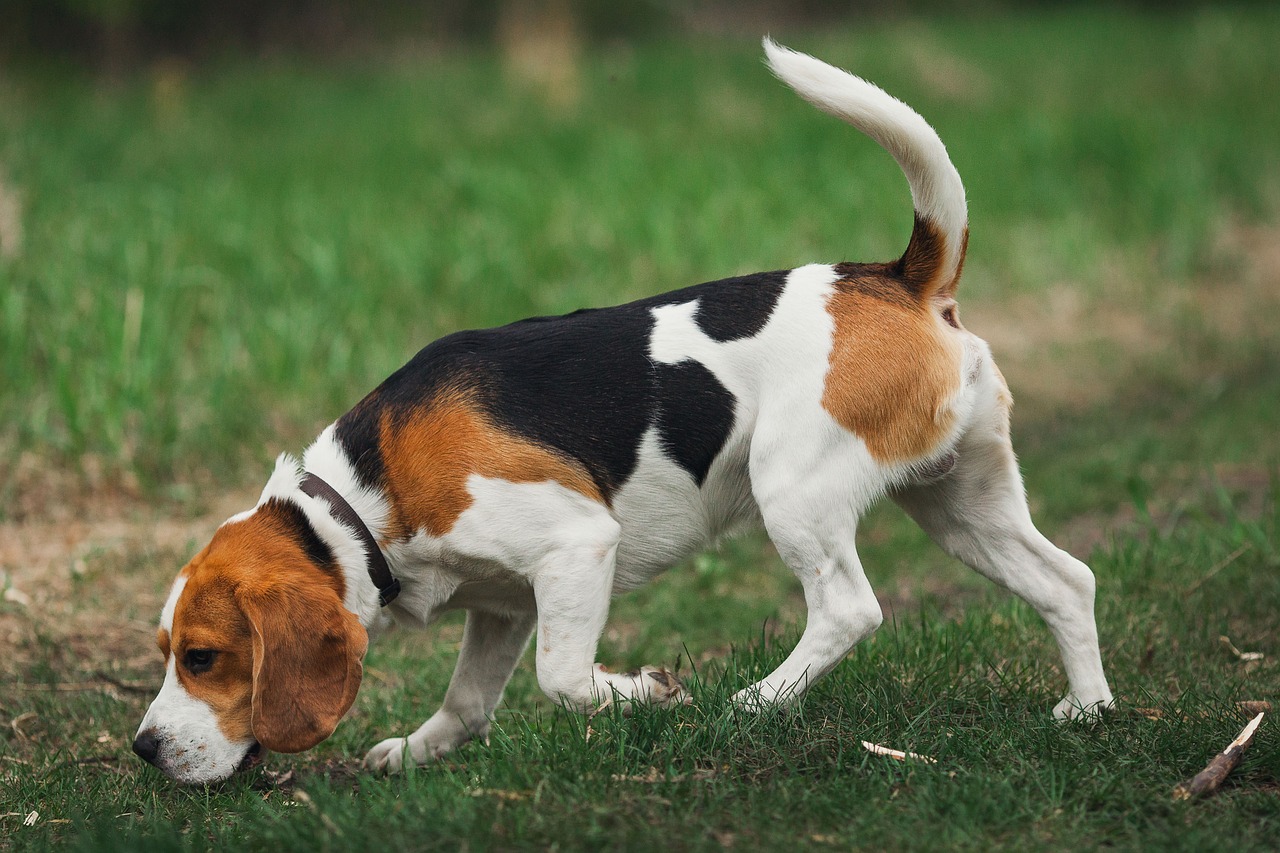
| Coat Colour | Beagles have a short, dense coat typically seen in tricolour combinations (black, white, and brown) or bicolour patterns like lemon and white or red and white, enhancing their distinctive, charming appearance. |
| Suitable for | Beagles are well-suited for active families, outdoor enthusiasts, and homes with children or other pets. Their friendly, social nature and love for exercise make them ideal for lively households. |
| Temperament | Beagles have a friendly, affectionate temperament, known for their playful and curious nature. They are social dogs, getting along well with people and other pets, though their independent streak can make training a bit challenging. Their loyalty and joyful energy make them wonderful companions, particularly for families and active individuals. |
| Prey Drive | Beagles have a strong prey drive due to their history as scent hounds. Their instinct to track scents often leads them to chase small animals, so secure environments and consistent training are essential to manage this behaviour effectively. |
The Ultimate Guide to the Beagle Dog

Introduction
The Beagle is one of the most beloved dog breeds in the United Kingdom. It is cherished for its friendly nature, compact size, and exceptional scenting abilities. Originating from ancient hunting traditions, the Beagle has evolved into a versatile companion animal, equally at home in bustling households and serene rural settings. Their expressive eyes and wagging tails make them irresistible to dog lovers. At the same time, their intelligent and curious demeanour ensures they remain engaging and delightful pets.
In this comprehensive guide, we explore every facet of the Beagle breed, from their rich history and distinctive physical traits to their temperament, training needs, and suitability for various lifestyles. Whether you are a seasoned dog owner or considering adding a Beagle to your family, this article provides an in-depth understanding to help you make an informed decision. Discover why the Beagle continues to capture hearts across the UK and how to ensure a harmonious and fulfilling relationship with this charming and energetic breed.
Table of Contents
- History of the Beagle
- Physical Appearance
- Temperament and Personality
- Training and Exercise Needs
- Health and Lifespan
- Living Conditions and Environment
- Grooming and Maintenance
- Suitability for Families
- Pros and Cons
- Height
- Weight
- Coat Colour
- Prey Drive
- Suitable For
- Final Reflections
- Frequently Asked Questions
1. History of the Beagle
The Beagle boasts a storied history that stretches back thousands of years, with its origins rooted in ancient hunting traditions. Believed to descend from small hounds used by the Greeks and Romans, the breed was further refined in medieval England for its exceptional scenting abilities. The term “Beagle” is derived from the Old French word Leigh, meaning “open throat,” which aptly describes the breed’s distinctive baying vocalisations used during hunts.
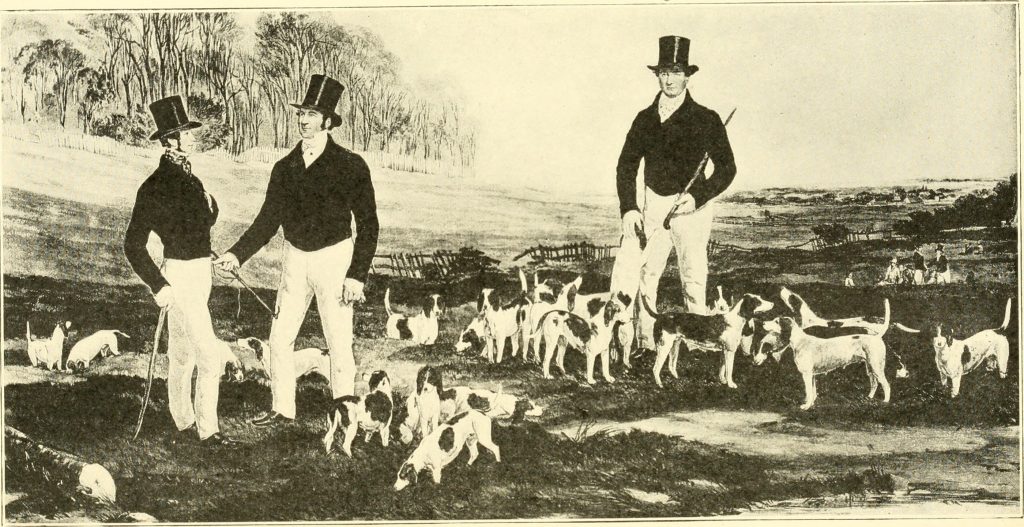
Throughout the 19th century, the Beagle gained popularity among British nobility and became a favourite in fox hunting circles due to its agility and keen sense of smell. The Beagle’s versatility was further demonstrated when explorers brought the breed to North America, where they played crucial roles in hunting and as companion animals. Today, the Beagle is celebrated worldwide, and recognised by organisations such as the Kennel Club in the UK, which has established specific breed standards to preserve the Beagle’s unique characteristics. This enduring legacy highlights the Beagle’s adaptability and unwavering appeal, making it a cherished breed across generations.
2. Physical Appearance
The Beagle is a medium-sized dog known for its compact and muscular build, which reflects its active and agile nature. Typically, males stand between 33 to 41 centimetres at the shoulder, while females are slightly smaller, ranging from 30 to 38 centimetres. Weighing between 9 to 11 kilograms, Beagles possess a sturdy frame that supports their energetic lifestyle and adeptness in tracking scents.

One of the Beagle’s most distinctive features is its large, expressive eyes, which convey intelligence and curiosity. Their long, floppy ears not only enhance their charming appearance but also aid in scent detection by trapping scents close to their nose. The Beagle’s coat is short, dense, and weather-resistant, commonly found in tricolour (black, white, and brown) or bi-colour combinations, such as lemon and white or red and white. Their well-balanced physique allows them to move swiftly and efficiently, whether navigating hunting trails or playing in a family garden. Overall, the Beagle’s physical attributes are a testament to their enduring functionality and appeal as both working dogs and beloved pets.
3. Temperament and Personality
Beagles are renowned for their friendly and sociable temperament, making them excellent companions for individuals and families alike. Their outgoing nature ensures they get along well with people, including children, and are generally amiable towards strangers and other animals. This inherent friendliness stems from their history as pack dogs, where cooperation and sociability were essential for successful hunts.

Intelligent and curious, Beagles possess a strong desire to explore their surroundings, often driven by their exceptional sense of smell. This curiosity can sometimes lead to stubbornness, especially when they are engrossed in following a scent trail. As a result, consistent and patient training is crucial to harnessing their intelligence and ensuring they respond well to commands. Despite their occasional independent streak, Beagles are eager to please their owners and thrive on positive reinforcement.
Their high energy levels necessitate ample exercise and mental stimulation to prevent boredom and destructive behaviours. Engaging activities such as scent games, agility training, and regular walks can help keep a Beagle’s mind and body active. Additionally, their affectionate nature means they seek companionship and may experience separation anxiety if left alone for extended periods. Overall, the Beagle’s balanced personality—marked by friendliness, intelligence, and energy—makes them versatile and lovable pets that enrich the lives of their owners.
4. Training and Exercise Needs
Training a Beagle requires a combination of consistency, patience, and positive reinforcement. Given their intelligent and inquisitive nature, Beagles can quickly learn commands and tricks when motivated appropriately. However, their independent streak and strong prey drive can sometimes lead to stubbornness, making it essential to establish clear and consistent rules from an early age. Enrolling in obedience classes can provide a structured environment to reinforce basic commands and improve responsiveness.
Beagles are highly energetic dogs that thrive on regular exercise to maintain their physical and mental well-being. Daily activities should include brisk walks, runs, and opportunities to explore new environments, which cater to their natural inclination to track scents. Interactive play sessions, such as fetch or tug-of-war, can also help expend their abundant energy. Additionally, incorporating scent-based games and activities can engage their exceptional olfactory abilities, providing both physical exercise and mental stimulation.
Lack of sufficient exercise and mental engagement can lead to behavioural issues, including excessive barking, chewing, and digging. Therefore, it is crucial for Beagle owners to commit to a routine that includes ample opportunities for activity and engagement. Beyond physical exercise, providing puzzle toys and interactive games can help keep a Beagle’s mind sharp and prevent boredom. By meeting their exercise and training needs, owners can foster a well-behaved and contented Beagle that is a joy to have as part of the household.
5. Health and Lifespan
Beagles are generally a healthy breed with a lifespan ranging from 12 to 15 years. Their robust constitution and active lifestyle contribute to their overall longevity, but like all breeds, they are predisposed to certain health conditions that potential owners should be aware of. Common health issues in Beagles include hip dysplasia, a hereditary condition that affects the hip joints and can lead to arthritis and mobility problems. Maintaining a healthy weight and providing regular exercise can help mitigate the risks associated with this condition.
Another prevalent health concern in Beagles is epilepsy, a neurological disorder that can cause seizures. While the exact cause of epilepsy in Beagles is not fully understood, it is believed to have a genetic component. Responsible breeding practices and genetic testing can help reduce the incidence of epilepsy and other hereditary conditions within the breed. Additionally, Beagles may experience hypothyroidism, a condition where the thyroid gland does not produce enough hormones, leading to symptoms such as weight gain, lethargy, and skin issues. Regular veterinary check-ups and early detection are key to managing and treating this condition effectively.
Beagles are also prone to ear infections due to their long, floppy ears, which can trap moisture and debris. Regular ear cleaning and maintenance can help prevent such infections. Eye problems, such as progressive retinal atrophy and cataracts, can also occur, necessitating routine eye examinations to monitor and address any issues promptly. Overall, with proper care, a balanced diet, and regular veterinary attention, Beagles can enjoy a healthy and fulfilling life, providing years of companionship and joy to their owners.
6. Living Conditions and Environment
Beagles are adaptable dogs that can thrive in a variety of living conditions, provided their exercise and social needs are met. Their compact size and moderate energy levels make them suitable for both rural and urban environments. In rural settings, Beagles can benefit from ample outdoor space to explore and exercise, aligning with their natural hunting instincts. Large gardens or proximity to parks and trails allow them to engage in activities that keep them physically and mentally stimulated.
In urban environments, Beagles can also flourish, given that their exercise requirements are adequately addressed through regular walks and play sessions. Apartments or terraced houses can accommodate Beagles, especially when owners are committed to providing sufficient daily exercise and opportunities for mental engagement. Social interaction is crucial for Beagles, as they thrive on companionship and may develop separation anxiety if left alone for extended periods. Therefore, living in a household where someone is available to spend quality time with the dog is essential for their well-being.
Beagles are highly sociable and do not do well in isolation. They enjoy being part of the family and can become depressed or anxious if neglected. Additionally, their strong prey drive means they may attempt to chase small animals if given the opportunity, so secure fencing and supervision are necessary, especially in homes with other pets. Overall, Beagles are versatile dogs that can adapt to various living environments, as long as their need for exercise, social interaction, and mental stimulation is consistently met.
7. Grooming and Maintenance
Beagles have a short, dense coat that is relatively easy to maintain, making them a low-maintenance breed in terms of grooming. Regular brushing, approximately once a week, is sufficient to remove loose hairs and keep their coat shiny and healthy. During seasonal shedding periods, more frequent brushing may be necessary to manage the increased amount of loose fur. Beagles are moderate shedders, and their grooming needs are manageable for most owners.
Bathing a Beagle should be done as needed, typically every few months or when the dog becomes visibly dirty. Using a mild dog shampoo helps preserve the natural oils in their coat and prevents skin irritation. Overbathing can lead to dryness and discomfort, so it is important to strike a balance based on the dog’s activity level and environment. Additionally, regular grooming includes trimming their nails, cleaning their ears, and maintaining dental hygiene. Long, floppy ears can trap moisture and debris, making ear cleaning essential to prevent infections.
Beagles are also known for their expressive facial features, and keeping their facial hair tidy can enhance their appearance. Regular inspections for ticks, fleas, and skin irritations are important, especially for dogs that spend a lot of time outdoors. Dental care is another crucial aspect of grooming, as Beagles are prone to dental issues such as plaque buildup and gum disease. Brushing their teeth regularly and providing dental chews can help maintain their oral health. By adhering to a consistent grooming regimen, owners can ensure their Beagle remains comfortable, healthy, and aesthetically pleasing.
8. Suitability for Families
Beagles are highly suitable for families, thanks to their friendly and affectionate nature. Their playful demeanour and patience make them excellent companions for children, fostering a strong bond between the dog and young family members. Beagles are known to be gentle and tolerant, allowing them to interact safely and happily with kids during playtime. Their sociable personality ensures they get along well with other family pets, provided proper introductions and socialization are in place.
However, potential owners should consider the Beagle’s high energy levels and strong prey drive when assessing suitability for their family environment. Active families who enjoy outdoor activities such as hiking, running, and playing fetch will find a Beagle to be a perfect fit, as the breed thrives on physical and mental stimulation. Consistent training and clear boundaries are essential to manage their stubborn tendencies and ensure they behave appropriately within the household.

Beagles are also known for their vocal nature, often expressing themselves through barking and howling, which can be a consideration for families living in close-knit communities or apartments. Effective training can help manage excessive vocalisation, but it is important to be prepared for their expressive communication style. Overall, Beagles make wonderful family pets for those who can meet their exercise, training, and social needs, providing endless joy and companionship to their loved ones.
9. Pros and Cons
Pros:
- Affectionate and Friendly: Beagles are known for their loving nature and get along well with family members and other pets.
- Intelligent and Curious: Their sharp minds make them quick learners and excellent problem solvers.
- Compact Size: Suitable for various living environments, including apartments and houses with gardens.
- Low Maintenance Coat: Their short coat is easy to groom, requiring minimal upkeep.
- Excellent Scenting Abilities: Ideal for tracking and scent-based activities, providing engaging mental stimulation.
Cons:
- High Energy Levels: Require substantial daily exercise and mental stimulation to prevent boredom and destructive behaviours.
- Stubbornness: Their independent nature can make training challenging, necessitating consistent and patient methods.
- Strong Prey Drive: May chase small animals, requiring secure fencing and supervision, especially in homes with other pets.
- Vocal Nature: Tend to bark and howl, which can be disruptive in certain living situations.
- Potential Health Issues: Prone to conditions such as hip dysplasia, epilepsy, and ear infections, requiring regular veterinary care.
Balancing these pros and cons is crucial for prospective Beagle owners to determine if the breed aligns with their lifestyle and expectations. While Beagles offer numerous positive traits, the challenges associated with their energy levels, training needs, and vocal tendencies must be carefully considered to ensure a harmonious and fulfilling relationship.
10. Height
Beagles are medium-sized dogs with a height that contributes to their balanced and sturdy appearance. Males typically stand between 33 to 41 centimetres (13 to 16 inches) at the shoulder, while females are slightly smaller, ranging from 30 to 38 centimetres (12 to 15 inches). This compact stature allows Beagles to navigate through various environments with ease, whether on hunting trails or within the confines of a family home.
Their height, combined with their muscular build, provides them with the agility and strength necessary for their traditional roles as scent hounds. Despite their relatively small size, Beagles are robust and resilient, capable of enduring long hours of tracking and active play. This proportionate height also makes them well-suited for various dog sports and activities, where their agility and speed can be showcased effectively.
Beagles’ height contributes to their versatility, making them adaptable to both active and more relaxed living situations. Their manageable size ensures they can comfortably share living spaces without being overwhelming, while still possessing the physical attributes required for their energetic and adventurous lifestyle. Overall, the Beagle’s height is a key component of their enduring popularity and functionality as both working dogs and beloved family pets.
11. Weight
The weight of a Beagle is an important aspect of their overall health and physical condition. Adult Beagles typically weigh between 9 to 11 kilograms (20 to 24 pounds), with males generally being slightly heavier than females. This weight range supports their muscular build, enabling them to perform physically demanding tasks such as tracking and hunting with ease.
Maintaining an appropriate weight is crucial for a Beagle’s well-being, as excessive weight can exacerbate health issues like hip dysplasia and joint problems. A balanced diet, regular exercise, and portion control are essential to prevent obesity, which is a common concern in this breed. Monitoring their weight through regular check-ups and adjusting their diet and activity levels as needed can help ensure they remain healthy and active throughout their lives.
Conversely, Beagles that are underweight may lack the necessary energy and strength to perform their active roles effectively. Ensuring they receive adequate nutrition to support their high energy levels is equally important. Owners should provide a diet rich in high-quality proteins, healthy fats, and essential nutrients to meet their Beagle’s dietary needs. By carefully managing their weight, Beagle owners can promote longevity and a high quality of life for their pets, allowing them to remain active and joyful companions for many years.
12. Coat Colour
Beagles are celebrated for their distinctive and attractive coat colours, which contribute to their charming appearance. The breed standard recognises several colour patterns, with tricolour and bicolour being the most common. Tricolour Beagles typically have a combination of black, white, and brown or tan markings, while bicolour Beagles may display any two of these colours, such as lemon and white or red and white.
The distribution of colours on a Beagle’s coat is also an important characteristic, with certain patterns being more desirable within the breed standard. For instance, a classic tricolour pattern often features a black saddle across the back, a white chest and blaze on the face and tan markings on the legs and muzzle. These markings not only enhance their visual appeal but also reflect the breed’s heritage as versatile hunting dogs.
Beyond aesthetics, a Beagle’s coat colour can sometimes hint at their temperament and health, although there is no definitive correlation. Maintaining the integrity of their coat through regular grooming ensures that their colours remain vibrant and their coat stays healthy. Overall, the varied and striking coat colours of Beagles add to their universal appeal, making them visually captivating as well as beloved for their amiable personalities.
13. Prey Drive
Beagles are renowned for their strong prey drive, a trait deeply ingrained in their history as scent hounds. This instinctual drive compels them to chase and follow scents, often leading them to pursue small animals such as rabbits, squirrels, and even cats. Their exceptional sense of smell and determination make them highly effective in tracking, but this same trait can pose challenges in a domestic setting.
Managing a Beagle’s prey drive requires a proactive approach to training and environment control. Secure fencing is essential to prevent them from escaping in pursuit of intriguing scents, especially in homes with other pets or in areas with abundant wildlife. Additionally, providing ample exercise and engaging activities that satisfy their scenting instincts can help mitigate their urge to chase. Scent-based games, tracking exercises, and participation in dog sports like agility or nose work can channel their prey drive into positive outlets.
Failure to adequately manage a Beagle’s prey drive can result in behavioural issues, such as relentless chasing, escaping, and potential conflicts with other animals. Consistent training, combined with a structured routine and mental stimulation, is key to ensuring that their prey drive does not lead to problematic behaviours. By understanding and addressing this inherent trait, Beagle owners can foster a well-balanced and harmonious relationship with their energetic and spirited companions.
14. Suitable For
Beagles are exceptionally versatile dogs that can thrive in a variety of environments and lifestyles, provided their specific needs are met. They are well-suited for active individuals or families who enjoy outdoor activities such as hiking, running, and playing fetch, as these activities align with the Beagle’s natural energy levels and scenting instincts. Their compact size makes them adaptable to both spacious rural homes and more confined urban living spaces, as long as they receive adequate exercise and mental stimulation.
Experienced dog owners who understand the importance of consistent training will find Beagles to be rewarding companions. Their intelligence and eagerness to please can make training sessions enjoyable and productive, provided positive reinforcement techniques are employed. Additionally, Beagles are suitable for households with other pets, particularly when proper introductions and socialisation are undertaken from a young age. Their friendly and sociable nature ensures they can coexist peacefully with other animals, making them ideal for multi-pet families.
Beagles also make excellent therapy and companion animals due to their affectionate and empathetic nature. Their ability to form strong bonds with their owners allows them to provide emotional support and companionship, enhancing the quality of life for individuals in need of a loyal and loving pet. Overall, Beagles are best suited for households that can offer the time, attention, and engagement necessary to keep them happy and healthy, ensuring a fulfilling and lasting relationship between the dog and its family.
15. Final Reflections
The Beagle is a remarkable breed that combines a rich historical legacy with a lively and affectionate temperament, making it a beloved choice for dog enthusiasts across the United Kingdom. Their distinctive physical traits, such as expressive eyes and a sturdy build, are complemented by their friendly and sociable nature, ensuring they fit seamlessly into various family dynamics and lifestyles. The Beagle’s intelligence and keen scenting abilities not only make them excellent hunting companions but also engaging pets that thrive on interaction and mental stimulation.
However, prospective Beagle owners must be prepared to meet the breed’s specific needs, including regular exercise, consistent training, and effective management of their strong prey drive. By addressing these requirements, owners can enjoy a harmonious and fulfilling relationship with their Beagle, reaping the rewards of their loyalty, playfulness, and unwavering companionship. The Beagle’s enduring popularity is a testament to their versatility and charm, making them a cherished addition to families and individuals seeking a dynamic and loving canine partner. With the right care and attention, a Beagle can bring joy, energy, and a sense of adventure to any household, embodying the perfect blend of work ethic and affectionate companionship.
Frequently Asked Questions
Q1: Are Beagles good with children?
A1: Yes, Beagles are known for their gentle and patient nature, making them excellent companions for children. Their playful and friendly demeanour ensures they interact safely and happily with young family members.
Q2: How much exercise does a Beagle need daily?
A2: Beagles require substantial daily exercise, typically around one to two hours of vigorous activity. This can include walks, runs, play sessions, and engaging in scent-based activities to keep them physically and mentally stimulated.
Q3: Do Beagles shed a lot?
A3: Beagles have a short, dense coat that sheds moderately throughout the year, with increased shedding during seasonal changes. Regular brushing can help manage loose hairs and maintain a healthy coat.
Q4: Are Beagles prone to any health issues?
A4: Beagles are generally healthy but can be prone to certain conditions such as hip dysplasia, epilepsy, hypothyroidism, and ear infections. Regular veterinary check-ups and responsible breeding practices can help manage and reduce these risks.
Q5: Can Beagles live in apartments?
A5: While Beagles can adapt to apartment living, it requires a commitment to providing ample daily exercise and mental stimulation. Owners must ensure their Beagle has sufficient opportunities to expend energy and engage in activities outside the confined space.
Q6: How do Beagles interact with other pets?
A6: Beagles are typically sociable and get along well with other pets, especially when properly socialised from a young age. However, their strong prey drive may lead them to chase smaller animals, so supervision and training are important in multi-pet households.
Q7: What is the average lifespan of a Beagle?
A7: The average lifespan of a Beagle is between 12 to 15 years, provided they receive proper care, a balanced diet, and regular veterinary attention to maintain their health and well-being.
Q8: Do Beagles require professional training?
A8: While not mandatory, professional training can be beneficial in establishing obedience and managing their independent tendencies. Consistent training using positive reinforcement methods yields the best results.
Q9: What is the best diet for a Beagle?
A9: A balanced diet tailored to their age, size, and activity level is essential. High-quality commercial dog food or a carefully prepared homemade diet can meet their nutritional needs. Consulting with a veterinarian can help determine the most appropriate diet plan.
Q10: How do Beagles behave in different climates?
A10: Beagles have a dense, weather-resistant coat that allows them to adapt to various climates, including colder environments. In hotter climates, it’s important to provide adequate shade, water, and cooling measures to prevent overheating.