Bordoodle Breed Guide: Everything You Need to Know About This Border Collie-Poodle Mix
Introduction
The Bordoodle (also known as Borderdoodle, Border Doodle, or Border Collie Poodle mix) is a hybrid dog breed resulting from a cross between a purebred Border Collie and a purebred Poodle. This mix blends the exceptional herding intelligence of the Border Collie with the Poodle’s low-shedding, curly coat and cleverness. Bordoodles are generally friendly, playful, and highly trainable dogs, inheriting some of the best qualities of both parents. They typically have an affectionate, people-oriented personality and thrive as companions to active families and individuals. Thanks to their combination of brains and loyalty, Bordoodles have been growing in popularity among those seeking an energetic yet loving family pet.
History and Origin
The Bordoodle is a relatively recent designer breed that emerged during the rise of “doodle” dogs in the late 20th century, after hybrids like the Labradoodle gained fame. There isn’t a single documented origin or creator for the Bordoodle; instead, the mix likely appeared in the 1990s or early 2000s in the United States as breeders began intentionally crossing Border Collies with Poodles. The goal was to combine the Border Collie’s renowned working intelligence with the Poodle’s hypoallergenic, low-shedding coat and friendly demeanor. This cross was also thought to introduce hybrid vigor, potentially reducing the incidence of breed-specific health issues seen in the purebreds.
Bordoodles are not recognized as an official breed by major kennel clubs like the AKC, since they are a crossbreed. However, they are acknowledged by hybrid registries such as the American Canine Hybrid Club and the Designer Breed Registry. These organizations record and track hybrid dog lineages. Over the past decade, the Bordoodle’s reputation as an intelligent and family-friendly crossbreed has grown. Many people are drawn to the idea of a “best of both worlds” dog – combining the trainability and athleticism of a Border Collie with the lower shedding coat and versatility of a Poodle. While still relatively uncommon compared to established breeds, Bordoodles have a dedicated following, and responsible breeding programs have developed in North America, Australia, and other regions to meet the demand for this lovable mix.
Appearance and Size
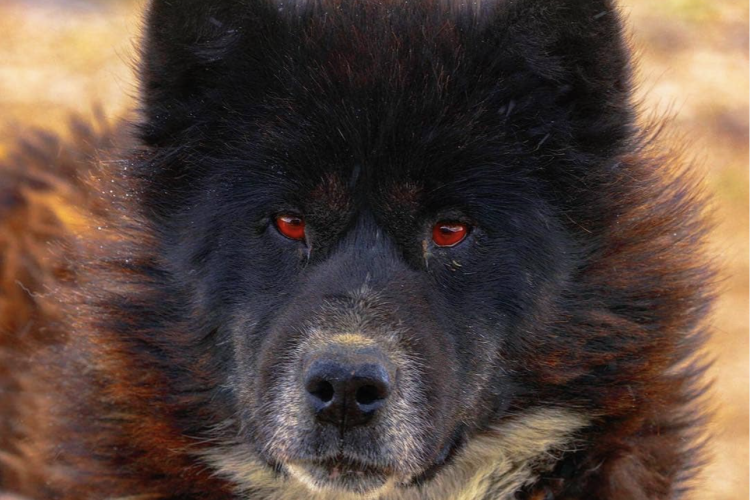
Bordoodles have a distinctive appearance that often falls between that of a Border Collie and a Poodle. They usually sport a medium-length coat that can range from wavy to curly in texture. Some Bordoodles have loose waves or a shaggy, slightly crimped look, while others (especially those with more Poodle influence or in F1b generations) can have tighter curls. A few may inherit a straighter double-coat more like a Border Collie, though wavy or curly coats are most common. Their fur is typically soft and can grow quite thick, providing a plush, fluffy appearance. Coat colors come in a wide variety. Bordoodles can be bi-color or tri-color like many Border Collies – for example, black-and-white (one of the most common), red-and-white, brown-and-white, or even tri-color combinations. They may also inherit Poodle-like solid colors (solid black, red, brown, gray, cream) or patterns such as merle and parti-color. It’s not unusual for Bordoodle puppies in the same litter to have very different colors and markings. Many puppies display the characteristic white blaze or “Irish spotting” pattern of Border Collies on their face and chest. Interestingly, a Bordoodle puppy’s coat can change as it matures – colors may deepen or lighten, and the texture might become curlier or straighter over time.

In terms of size, most Bordoodles are medium-sized dogs. The exact size can vary depending on the size of the Poodle parent (Standard or Miniature). Generally, Bordoodles stand about 15 to 22 inches (38–56 cm) tall at the shoulder and weigh approximately 30 to 60 pounds (13–27 kg) in adulthood . This puts them in a similar size range to the average Border Collie. Bordoodles from a Miniature Poodle parent tend to be on the smaller end – sometimes as small as around 20–30 pounds – whereas those from a large Standard Poodle parent can be larger, occasionally reaching 60–70 pounds. Most fall somewhere in the middle, with a sturdy, athletic build. They often have the expressive face and alert eyes of a Border Collie, and ears that are medium-sized and flop down (sometimes lifting at the base when the dog is excited, giving an adorable perky look). The tail is usually moderately bushy and carried with a slight curve. Overall, a Bordoodle is an agile, balanced dog in appearance: you can expect a shaggy or curly-coated canine that looks at home on a farm chasing sheep, but also cuddly enough to blend in on your living room rug.
Temperament and Personality
Bordoodles are celebrated for their excellent temperament. They are often described as affectionate, loyal, and incredibly intelligent dogs that form strong bonds with their families. From the Border Collie side, they inherit a keen awareness and a love of having a job to do; from the Poodle side, they get an upbeat, people-loving attitude. The result is a dog that is highly engaged with its humans. Bordoodles typically adore spending time with their owners and will enthusiastically join in family activities. They are gentle and patient with children, making them wonderful family pets in most cases . It’s common to hear Bordoodle owners praise their dog’s tolerance and playfulness with kids – they often have the energy to keep up with active children and the good nature to be careful around the little ones.
With proper socialization, Bordoodles are usually friendly toward strangers and newcomers. They tend to be curious and polite rather than aloof or aggressive. There is a protective streak in many Bordoodles, owing to their high alertness and loyalty – they may bark to announce visitors or unusual occurrences, making them effective watchdogs in the home. However, they are not typically prone to aggression; once they see there’s no threat, a well-socialized Bordoodle is likely to greet new people with a wagging tail. Early and ongoing socialization (exposing the dog to different people, places, and other animals) helps ensure they remain confident and friendly in all sorts of situations.
Bordoodles generally get along very well with other dogs and even cats. Their social nature and moderate prey drive mean they can enjoy canine playdates and cohabitate with other pets if introduced properly. In fact, many Bordoodles love having another dog companion to romp with. When it comes to smaller animals, unlike some breeds that may see cats or rabbits as prey, Bordoodles usually are more interested in play than in chasing – though individual behavior can vary. One quirky trait to watch for is their herding instinct: because of their Border Collie heritage, some Bordoodles might try to herd family members or other pets by nipping at heels or gently corralling them during play. This behavior is typically playful and can be discouraged through training if it becomes bothersome.
Overall, the Bordoodle’s personality is people-pleasing and energetic. They thrive on attention and do best in a home where they are truly part of the family. These dogs do not enjoy being left alone for long periods – they can become anxious or depressed without sufficient human interaction (as discussed later in the section on pros and cons). When given the love, training, and activity they crave, a Bordoodle is an upbeat, devoted companion known for its happy disposition and sharp mind.
Training and Intelligence
Thanks to having two of the smartest breeds as parents, the Bordoodle is an exceptionally intelligent dog. They pick up on commands and routines quickly, often showing an impressive ability to understand what you want. This high intelligence, paired with a generally eager-to-please attitude, makes Bordoodles quite trainable in the right hands. Most Bordoodles love learning – training sessions provide the mental stimulation they crave and an opportunity to earn your praise. They respond best to positive reinforcement methods, such as treats, toys, and enthusiastic praise for good behavior . Because they can be somewhat sensitive, harsh or punitive training techniques are not recommended and can backfire (causing the dog to become fearful or uncooperative). Fortunately, you’ll rarely need anything but a firm, friendly approach: Bordoodles typically want to make you happy and will try hard to figure out what you’re asking for.
That said, their high intelligence can sometimes manifest as a bit of independence or stubbornness. A Bordoodle might test boundaries or get bored with repetitive training drills. It’s not that they can’t learn something – it’s more that they may decide an activity is too dull and look for something more interesting to do! Owners should keep training sessions fun and varied to maintain the dog’s engagement. Incorporating games, toys, or agility-style exercises into training can help channel the Bordoodle’s smarts. For example, teaching them advanced tricks or giving them puzzles to solve will challenge their mind and prevent boredom. Consistency is also key: being clear and consistent with commands and expectations will help a Bordoodle understand the rules and reduce any willful moments.
Early training and socialization are important for Bordoodle puppies. As soon as you bring a Bordoodle puppy home (usually around 8–10 weeks old), it’s wise to begin basic obedience training and gently expose them to various people and environments. Puppies are like sponges at that age, and Bordoodle pups in particular will soak up lessons quickly. Early training helps prevent bad habits (like nipping or jumping up) and reinforces the bond between you and your dog. Socialization will ensure they grow up to be confident adult dogs. Because of their strong mental capacities, Bordoodles often excel in advanced training later on. Many owners pursue dog sports with their Bordoodle – agility, obedience competitions, rally, flyball, even herding trials – where these dogs can truly shine. In everyday life, a well-trained Bordoodle is attentive and mannerly. They can learn to heel on walks, come reliably when called, and perform any number of tricks or tasks. In fact, given their heritage, Bordoodles need mental stimulation as much as physical exercise, and training provides a great outlet for that. Overall, working with a Bordoodle is a rewarding experience; with patience and positive methods, you’ll find that training this breed is not only effective but also a lot of fun.
Exercise and Activity Needs
Bordoodles are an active, energetic breed that require regular exercise to stay happy and healthy. While they may not be as endlessly intense as a pure Border Collie, they still have plenty of energy to burn and won’t be content as couch potatoes. Owners should be prepared to provide a good mix of physical exercise and mental stimulation each day. As a rule of thumb, aim for a minimum of about 45 to 60 minutes of exercise daily for an adult Bordoodle. This can be broken up into a couple of walks, play sessions in the yard, or other activities – the key is that your Bordoodle gets to move around and engage with you. High-energy play like fetching a ball or frisbee, running at the dog park, or going on a jog together is very beneficial. Most Bordoodles love these activities and will gladly keep going as long as you do. In addition to structured exercise, these dogs enjoy simple playtime around the house and frequent potty-break walks which give them a chance to sniff and explore.
Because Bordoodles are so smart, mental exercise is just as important as physical. A bored Bordoodle with pent-up energy can become frustrated and might chew on things or dig holes to entertain themselves. To avoid this, incorporate interactive play and challenges into their routine. They excel at games like hide-and-seek (for example, hiding treats or toys for them to find) and puzzle toys that make them work for a reward. Many Bordoodles also enjoy dog sports – agility courses, obedience trials, flyball, or dock diving are all activities where they can channel their energy in a positive way. These not only tire them out but also reinforce their training and deepen the dog-owner bond. Even a simple game of tug-of-war or learning a new trick can go a long way to use up a Bordoodle’s mental and physical energy.
For families or individuals who are active, a Bordoodle can be an ideal companion. They are typically up for any adventure: hiking in the woods, running on the beach, maybe even swimming (a lot of Bordoodles take to water readily, thanks to the Poodle influence). On the flip side, if their exercise needs are met, Bordoodles are content to relax at home. After a good play session or long walk, they often enjoy snoozing at your feet or cuddling. This “off-switch” is something many owners appreciate – the dog will be energetic when it’s time to play, but can be calm indoors once they’ve had their exercise. Keep in mind that young Bordoodle puppies have seemingly boundless energy, but their exercise should be moderated (short, fun play sessions rather than strenuous runs) to protect their developing joints. As they grow, their stamina will increase. By adulthood, most Bordoodles fit well into an active lifestyle. However, if not given enough opportunity to burn off energy, a Bordoodle may develop behavior issues or destructive habits. Consistency is crucial: daily exercise (both body and mind) is the best way to ensure your Bordoodle remains a well-behaved and pleasant companion. In summary, this breed is best suited for owners who can dedicate time each day to physical activities and engagement – in return, you’ll have a tireless playmate and a dog that’s eager to join you on any excursion.
Grooming and Coat Care
One of the attractive features of Bordoodles is their coat, which tends to be low-shedding. Thanks to the Poodle influence, most Bordoodles shed much less than a typical Border Collie would. Some are almost non-shedding, especially in second-generation (F1b) crosses, while others might shed a small amount. This low shedding quality means you won’t find as much fur on your furniture and clothes, and it often makes Bordoodles more tolerable for people with mild pet allergies (though not all Bordoodles are completely hypoallergenic – see the FAQ for more on this). Low-shedding, however, doesn’t mean low maintenance. In fact, Bordoodles require regular grooming to keep their coat healthy and tangle-free, particularly if they have a longer or curlier coat.
- Brushing: Expect to brush your Bordoodle frequently. For a wavy or curly Bordoodle coat, brushing 2–3 times per week is the minimum to prevent matting, and daily quick brush-outs are even better for those with very curly, dense coats. Use a slicker brush or comb to work through any tangles, especially behind the ears, under the armpits, and around the tail – common spots where mats can form. Regular brushing not only deters tangles but also removes loose hair and distributes natural oils, keeping the coat soft and shiny.
- Bathing: Bordoodles only need a bath every few weeks or when they get dirty. A good schedule is typically a bath every 4–6 weeks. Use a gentle dog shampoo to avoid irritating their skin. Because Bordoodle coats can be thick, be sure to rinse out all shampoo to prevent residue. Over-bathing can dry out the coat and skin, so it’s best not to bathe too frequently unless necessary (e.g., after a muddy play session).
- Haircuts: Most Bordoodles will require periodic haircuts to keep their coat at a manageable length. Their hair continuously grows (especially in low-shedding individuals), much like human hair. Many owners take their Bordoodle to a professional groomer about every 6–8 weeks for a trim. Groomers can give a “puppy cut” or doodle clip that leaves the fur a few inches long and neat, or trim it shorter for easier upkeep. Regular haircuts help reduce matting and make daily brushing easier. If you prefer, you can learn to clip your Bordoodle’s hair at home with the right tools, but it does require patience and practice.
- Shedding: While Bordoodles are low shedders, they may blow off a bit of coat during seasonal changes (for instance, when warmer weather arrives). During those times, you might notice a slight increase in hair coming out during brushing. Overall, though, you will see far less shedding compared to many other breeds. Keep in mind that “low-shedding” is not the same as “no allergen” – Bordoodles still produce dander and saliva, which can trigger allergies in sensitive people. If having a hypoallergenic dog is crucial, spend time around the specific Bordoodle to test your reaction, since individuals can vary.
- Other Grooming Needs: In addition to coat care, remember standard dog grooming upkeep. Check and clean your Bordoodle’s ears weekly, because their floppy ears can trap moisture or wax leading to ear infections. A cotton ball with a vet-approved ear cleaner can be used to gently wipe the ear canals (never insert anything deep into the ear). Trim your dog’s nails about once a month or as needed – if you hear nails clicking on the floor, they’re too long. Regular nail trims keep your Bordoodle’s feet healthy and prevent discomfort or injury. Dental care is also important: brush your Bordoodle’s teeth several times a week, or provide dental chews, to reduce tartar buildup and maintain good oral health. Starting these grooming habits early in puppyhood will get your Bordoodle comfortable with being handled and make the process much easier for both of you.
Grooming a Bordoodle can be a time-intensive part of ownership, but it is very rewarding to see your dog look and feel its best. Many Bordoodle owners establish a routine – for example, a quick brush every evening and a thorough grooming session on weekends – to stay on top of their dog’s coat care. By keeping up with brushing and trims, you’ll prevent painful mats and ensure your Bordoodle’s coat remains soft and mat-free. Plus, grooming time can become bonding time; with patience and positive reinforcement (treats and praise during grooming), your Bordoodle can grow to enjoy the attention. In summary, expect regular coat care as part of owning a Bordoodle, and factor in grooming needs when considering this breed. The payoff is a beautiful, shaggy or curly coat that hardly sheds and a clean, comfortable dog that will draw compliments wherever it goes.
Health and Lifespan
Bordoodles tend to be healthy dogs overall, benefitting from a diverse gene pool. Crossing two breeds can introduce genetic variety that sometimes lowers the risk of certain inherited ailments – a phenomenon often called hybrid vigor. Of course, Bordoodles can still inherit health issues from either the Border Collie side or the Poodle side, so it’s important for owners to be aware of common health concerns. On average, a Bordoodle’s lifespan is about 12 to 15 years, which is consistent with the lifespan of medium-sized dogs and reflects the longevity seen in both Poodles and Border Collies. With proper care, many Bordoodles live well into their teens as active, happy pets.
Some common health issues that can affect Bordoodles include:
- Hip Dysplasia: An inherited condition where the hip joint is malformed, leading to arthritis or mobility problems. Both Border Collies and Poodles can suffer from hip dysplasia, so Bordoodle owners should be mindful of this, especially in larger individuals. Choosing a breeder who tests parents’ hips (via OFA or PennHIP certification) can reduce this risk. Keeping your Bordoodle at a healthy weight and on joint supplements if recommended by a vet can also help.
- Eye Disorders: Eye issues are present in both parent breeds. Border Collies can carry genetic conditions like Collie Eye Anomaly (CEA), and Poodles (especially Miniatures) are known to develop progressive retinal atrophy (PRA), which causes gradual vision loss . Cataracts are another possible issue in older dogs. Responsible breeders often have the parents’ eyes certified clear (CERF exam) before breeding. As an owner, watch for signs of vision problems (bumping into things, cloudiness in the eyes) and have your vet check your dog’s eyes during routine exams.
- Epilepsy: Idiopathic epilepsy (seizures with no known cause) is seen in both Border Collies and Poodles and could appear in some Bordoodles. Seizures typically start between 1–5 years of age if a dog is affected. While epilepsy can be alarming, many dogs live normal lives with medication to control the seizures. If your Bordoodle ever has a seizure, consult a veterinarian; they may perform tests to rule out other causes and discuss treatment if it becomes a recurrent issue.
- Endocrine Disorders: Poodles, particularly Standard Poodles, have predispositions to certain hormonal disorders that a Bordoodle could inherit. One is Addison’s disease (adrenal insufficiency), which can cause weakness, gastrointestinal upset, or collapse in times of stress. Another is hypothyroidism (low thyroid hormone), leading to symptoms like lethargy, weight gain, and skin/coat problems. Both conditions are treatable with daily medication once diagnosed. Regular vet check-ups and blood work in middle age can catch these issues early.
- Bleeding Disorder: An inherited clotting disorder called von Willebrand’s disease is found in Poodles and many other breeds. Dogs with von Willebrand’s have blood that doesn’t clot properly, leading to excessive bleeding from injuries or during surgeries. Good breeders test for this genetic trait. A Bordoodle with one affected parent could be a carrier; if both parents passed on the gene (rare), the pup could be affected. It’s not common in Bordoodles, but it’s a condition to be aware of. Vets can perform a coagulation test before any elective surgery if there’s concern.
- Bloat (GDV): Large, deep-chested Bordoodles (usually those with Standard Poodle size) could be at risk of bloat, or gastric dilatation-volvulus. Bloat is a life-threatening emergency where the stomach fills with gas and twists on itself. It primarily affects large breeds, but any dog with a deep chest can be susceptible. To reduce risk, feed your Bordoodle two smaller meals a day instead of one big meal, and avoid vigorous exercise right after eating. Familiarize yourself with bloat symptoms (distended abdomen, unproductive vomiting, restlessness) and seek immediate veterinary care if you suspect it.
- Allergies and Ear Infections: Bordoodles can sometimes inherit allergies – either environmental (pollen, dust, etc.) or food allergies – which may cause itchy skin, paw licking, or ear infections. Floppy ears, as mentioned, can be prone to yeast or bacterial infections if not kept clean and dry. Most allergies are manageable with dietary changes, medications, or topical treatments. If your Bordoodle shows signs of chronic itching or recurrent ear problems, consult with a vet to identify the cause.
It’s important to note that not all Bordoodles will have these issues; many are perfectly healthy throughout their lives. Working with a reputable breeder who health-tests their breeding dogs (hips, eyes, etc.) greatly increases the chance of a healthy puppy. Once you have your Bordoodle, regular veterinary care is the best way to ensure any potential problems are caught early. Yearly check-ups (or twice a year for seniors) with blood tests can monitor for conditions like thyroid problems or early kidney issues. Keeping your dog at an ideal weight, feeding a high-quality diet, and providing ample exercise will also contribute to their long-term health. Bordoodles, with their mixed heritage, often enjoy robust health and vitality. By staying informed about potential health concerns and giving them good care, you can expect your Bordoodle to be a lively, loving companion for many years.
Pros and Cons of Owning a Bordoodle
Every breed or crossbreed has its pros and cons, and the Bordoodle is no exception. Below is a balanced look at the advantages and disadvantages of owning a Bordoodle, which can help you decide if this breed aligns with your lifestyle:
Pros:
- Friendly and Gentle: Bordoodles are lovable, sweet dogs that generally have an easy-going, family-friendly nature. They rarely show aggression and tend to be very patient, making them great companions for families with children. Their tolerant and people-oriented temperament means they enjoy being around their human family and often get along well with other pets too.
- Highly Intelligent and Trainable: Bred from two of the smartest breeds, Bordoodles are extremely intelligent. They learn commands quickly and usually excel in training when positive reinforcement is used. Their eagerness to please and quick understanding can make training a rewarding activity for both dog and owner. This intelligence also allows them to pick up fun tricks or even participate in dog sports with ease.
- Low Shedding Coat: Many Bordoodles inherit a low-shedding, Poodle-like coat, which means you’ll see far less fur around the house compared to heavy shedders. This can be a big plus for people who prefer a cleaner home or have mild allergies. While not every Bordoodle is hypoallergenic, the reduced shedding and dander can make them a more suitable pet for some allergy sufferers (individual reactions may vary). Grooming is needed (as noted above), but you won’t be constantly vacuuming hair off the floor.
- Adaptable to Different Living Situations: Bordoodles are quite adaptable and can thrive in various living environments. They don’t necessarily require a large yard, as long as they get daily exercise and play. This means a Bordoodle can do well in an apartment or small house if its activity needs are met. They are generally polite indoors and can adjust to city or country life. Their medium size and moderate indoor energy level make them manageable in most homes.
- Active and Fun Companions: For active owners, a Bordoodle can be an ideal partner. They love to engage in play and exercise – whether it’s running, hiking, swimming, or playing fetch, these dogs are usually up for it. Bordoodles often have the endurance to accompany you on long walks or jogs, and they enjoy having a “job” or game to focus on. Their playful, happy-go-lucky attitude means they bring a lot of joy and laughter to day-to-day life. After an active day, they also have a cuddly side and often enjoy relaxing with their family, which gives you the best of both worlds.
Cons:
- High Exercise & Mental Stimulation Needs: Bordoodles require a substantial commitment to daily exercise and mental engagement. They have more energy and need more stimulation than the average dog. If a Bordoodle doesn’t get enough physical activity or things to occupy its mind, it can become bored and may start to exhibit destructive behaviors (like chewing or digging) or other behavior issues. This is not a dog that will be happy just lounging around all day. Owners who prefer a low-energy, low-maintenance pet might find a Bordoodle’s needs challenging to meet.
- Prone to Separation Anxiety: Bordoodles form very strong bonds with their owners and do not like being left alone for long periods. Many Bordoodles will follow their people from room to room and can become anxious or distressed if left by themselves too often. Prolonged alone time may lead to problematic behaviors like excessive barking, howling, or chewing due to stress. This breed is best suited for families where someone is home a good part of the day, or owners who can make arrangements (dog daycare, a pet sitter, etc.) to break up the dog’s alone time.
- Regular Grooming Requirements: The flip side of the Bordoodle’s low-shedding coat is that it needs regular grooming. Without frequent brushing and periodic haircuts, a Bordoodle’s coat can become matted and unruly. For owners, this means investing time in brushing several times a week and possibly budgeting for professional grooming every 1–2 months . Some people enjoy the grooming aspect, but others might find it burdensome. If you dislike grooming or paying for groomers, the Bordoodle’s coat care might be a significant downside.
- Possible Stubborn/Independent Streak: While highly trainable, Bordoodles can occasionally show a stubborn or independent streak, inherited from their working-dog lineage. If not properly stimulated, they might decide to entertain themselves or ignore commands they find pointless. Inexperienced owners might be caught off guard by this intelligent mischief. Consistent training and clear boundaries are needed; without them, a clever Bordoodle could pick up bad habits (like counter-surfing or door dashing). Patience and creativity in training will help overcome these moments, but it’s a consideration for first-time dog owners.
- Cost and Availability: As a sought-after designer breed, Bordoodle puppies can be expensive to purchase from a breeder (Pros and cons of owning a Bordoodle). Prices often reflect the demand for doodle mixes and the effort breeders put into health testing and raising puppies. Additionally, Bordoodles may not be readily available in all areas – you might have to go on a waiting list or travel to find a reputable breeder. This high initial cost (and potentially the cost of spay/neuter, initial vet bills, etc.) can be a con for many people. While adopting (rescue) could be a less expensive route, Bordoodles are still relatively rare in shelters. Prospective owners should be prepared for the financial investment of buying and caring for this breed.
By weighing these pros and cons, you can determine whether a Bordoodle fits your lifestyle. For the right home – one that is active, attentive, and prepared for grooming – a Bordoodle can be an incredibly rewarding pet. But if you know you cannot meet the exercise, companionship, or grooming needs, it might be better to consider a different breed or mix that is lower maintenance.
Is the Bordoodle Right for You?
In conclusion, the Bordoodle is best suited for owners who can commit time and energy to their dog. If you are an active individual or family looking for a smart, loving companion to join you in activities, a Bordoodle could be a great choice. They thrive in homes where they get ample exercise, plenty of mental stimulation, and abundant affection. First-time dog owners can do well with a Bordoodle as long as they educate themselves on training and care, and are ready for a high-energy pup. On the other hand, if you have a very busy schedule or prefer a more independent, low-energy pet, a Bordoodle may not be the ideal match. This breed does not enjoy being alone for long hours and can become a handful if its needs are neglected. Prospective owners should honestly assess whether they can provide the daily interaction (walks, play, training) and grooming a Bordoodle requires. If you can meet these needs, you’ll likely find that the Bordoodle’s combination of intelligence, loyalty, and fun-loving spirit makes it a wonderful addition to your household.
Frequently Asked Questions (FAQ)
Q: Are Bordoodles hypoallergenic dogs?
A: Bordoodles often inherit a low-to-non-shedding coat from the Poodle, which means they tend to produce fewer allergens (like dander) than many other breeds. This can make them a better choice for some allergy sufferers, but no dog is truly 100% hypoallergenic. While many Bordoodles have hypoallergenic traits, individuals can vary – some may still trigger allergies. If you have pet allergy concerns, it’s advisable to spend time with a Bordoodle before adopting to see how you react. Regular grooming and vacuuming can also help minimize allergens in the home.
Q: How much exercise do Bordoodles need?
A: Bordoodles need a moderate to high amount of exercise. A good guideline is to provide at least 45–60 minutes of physical activity each day. This could be a long walk or two, a jogging session, or active play like fetch in the yard. In addition to physical exercise, give them mental stimulation (training, puzzle toys, etc.) to keep their mind occupied. If a Bordoodle’s exercise needs are met, they will be calm and content at home. Without enough exercise, they can become bored and may resort to unwanted behaviors, so consistency is key.
Q: Are Bordoodles easy to train?
A: Yes, for the most part Bordoodles are very trainable. They come from two of the most intelligent breeds, so they learn commands and tricks quickly and enjoy the training process. Their eagerness to please means they respond well to positive reinforcement like treats, praise, and play. However, their intelligence also means they can get bored with too much repetition or become stubborn if training isn’t engaging. It’s important to keep training sessions upbeat and varied. Use gentle, consistent methods – harsh training can backfire with this sensitive breed. With the right approach, Bordoodles often excel in obedience and even advanced training.
Q: How big do Bordoodles get?
A: Bordoodles are medium-sized dogs on average. Typically, an adult Bordoodle will stand about 15 to 22 inches (38–56 cm) tall at the shoulder and weigh roughly 30 to 60 pounds (13–27 kg). The size can vary depending on the Poodle parent’s size. For example, a Bordoodle from a Miniature Poodle might be on the smaller end of the range (sometimes even just 20–25 pounds), while one from a large Standard Poodle could be larger (potentially 60+ pounds). Most Bordoodles end up similar in size to a Border Collie – not too small and not too big. Their build is usually lean and athletic.
Q: Are Bordoodles good with children and other pets?
A: Yes. Bordoodles are generally excellent family dogs and tend to be very good with children. They are patient and playful, which makes them great playmates for kids of all ages. As with any dog, it’s important to supervise interactions with very young children and teach kids how to treat the dog respectfully. Bordoodles also usually get along well with other dogs and can do well with cats, especially if they’re raised together or properly introduced. Early socialization helps ensure they are comfortable with other animals. Do note that some Bordoodles might exhibit mild herding behavior (like nipping at heels or trying to round up kids or other pets during play), a trait from the Border Collie side. This behavior is typically harmless and can be managed with training if it appears.
Q: Can Bordoodles be left alone during the day?
A: Bordoodles prefer company and do best in households where they aren’t left alone for long stretches. If left alone all day on a regular basis, a Bordoodle may experience separation anxiety and become stressed or destructive. They might start chewing objects, barking, or have accidents due to anxiety. If your schedule requires leaving a Bordoodle alone, it’s important to train them gradually to tolerate short absences and provide them with distractions (such as puzzle toys or chew toys). Hiring a dog walker or using doggy daycare a few times a week can also help break up long alone periods. In general, this breed is happiest when someone is around for a good part of the day. A Bordoodle is a dog that wants to be a true member of the family – they’ll not thrive if isolated or ignored for too long.