Bracco Italiano: The Ultimate Guide to Italy’s Legendary Hunting Dog
Bracco Italiano
Introduction
The Bracco Italiano, also known as the Italian Pointer, is an ancient hunting dog breed from Italy. It is often cited as the oldest European pointer, with a lineage tracing back to the 4th or 5th century BCE. Bred as a versatile gun dog, the Bracco was historically used to point and retrieve game birds for Italian nobility. In the home, this breed is gentle and affectionate, yet in the field it is tireless and athletic, reflecting its dual nature as a loving family companion and an energetic hunting partner. Bracco Italianos are large, intelligent dogs known for their friendly temperament and loyalty. They typically stand about 22–26 inches (56–66 cm) at the shoulder and weigh between 55–88 pounds (25–40 kg). With proper training and exercise, a Bracco can be an excellent pet for active owners, blending a mellow, eager-to-please attitude with an enthusiastic work ethic.
History and Origin
The Bracco Italiano has a rich history in Italy, dating back to ancient times. Cynologists consider it one of the oldest pointing breeds in the world. While the exact origins are not fully documented, historical sources from as early as the 4th–5th century BCE describe dogs of this type. It’s believed the breed resulted from crosses between the Segugio Italiano (an Italian hound) and large mastiff-like dogs, giving it both scent-hound prowess and strength. By the Middle Ages, the Bracco Italiano was well-established, and during the Renaissance period it thrived under the patronage of Italian aristocratic families such as the Medici and Gonzaga, who refined the breed for bird hunting. These dogs were highly prized by the nobility for their ability to flush and retrieve game birds, working in tandem with net hunters and falconers.
In more modern times, dedicated breeding efforts in Italy ensured the Bracco’s continuation. The first dog ever registered by the Kennel Club Italiano (founded in 1882) was a Bracco Italiano. A formal breed standard was established in 1949, and later that year the Società Amatori Bracco Italiano (Bracco Italiano Lovers Society) was formed to support the breed. The Bracco gained international recognition when it was accepted by the Fédération Cynologique Internationale (FCI) in 1956. The breed remained relatively obscure outside its homeland until the late 20th century. Bracchi Italiani began appearing in the United States in the 1990s. The American Kennel Club (AKC) accepted the Bracco into its Foundation Stock Service in 2001, and the Bracco Italiano Club of America was established in 2007 to promote the breed. In 2022 the AKC fully recognized the Bracco Italiano as its 200th registered dog breed, placing it in the Sporting Group. Today, the Bracco Italiano is still used as a versatile hunting dog in Italy and abroad, while also growing in popularity as a devoted family pet.
Physical Appearance
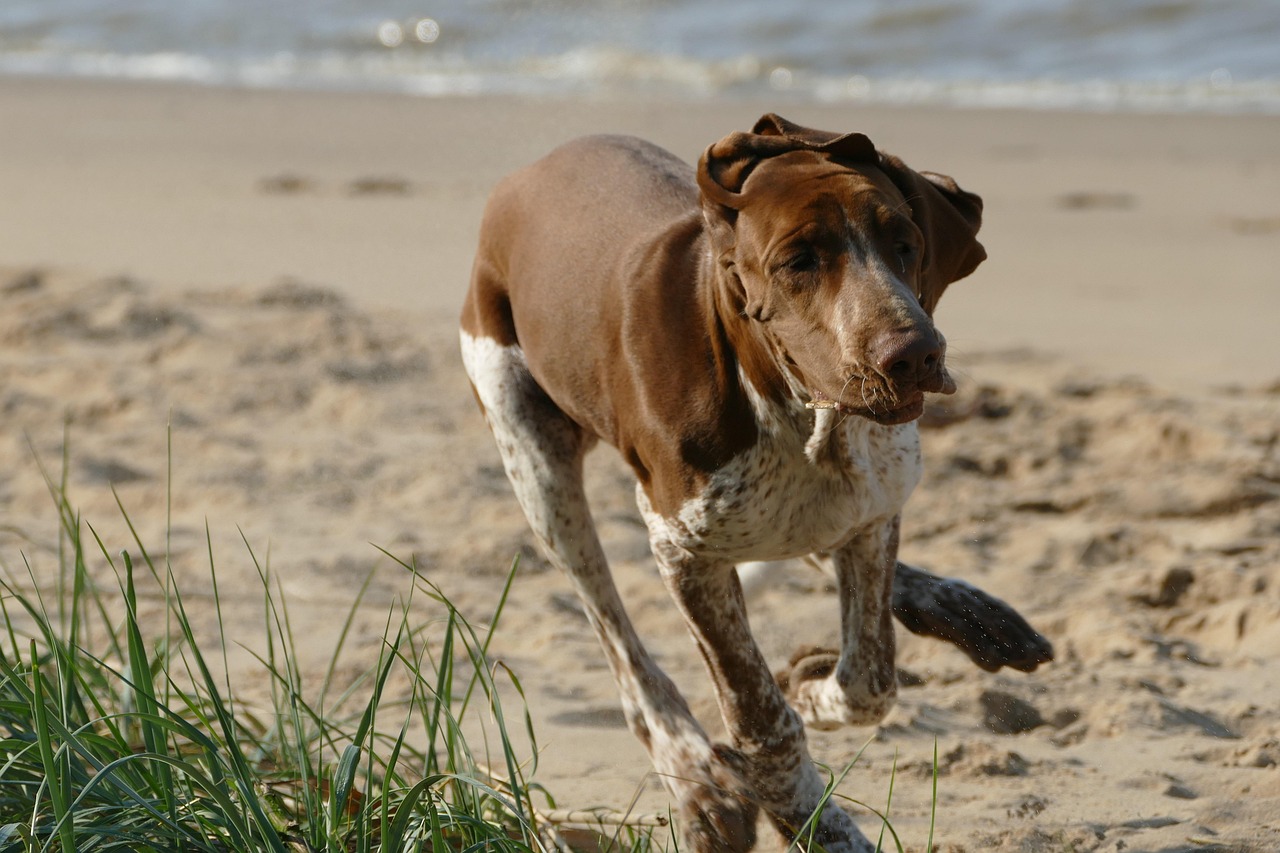
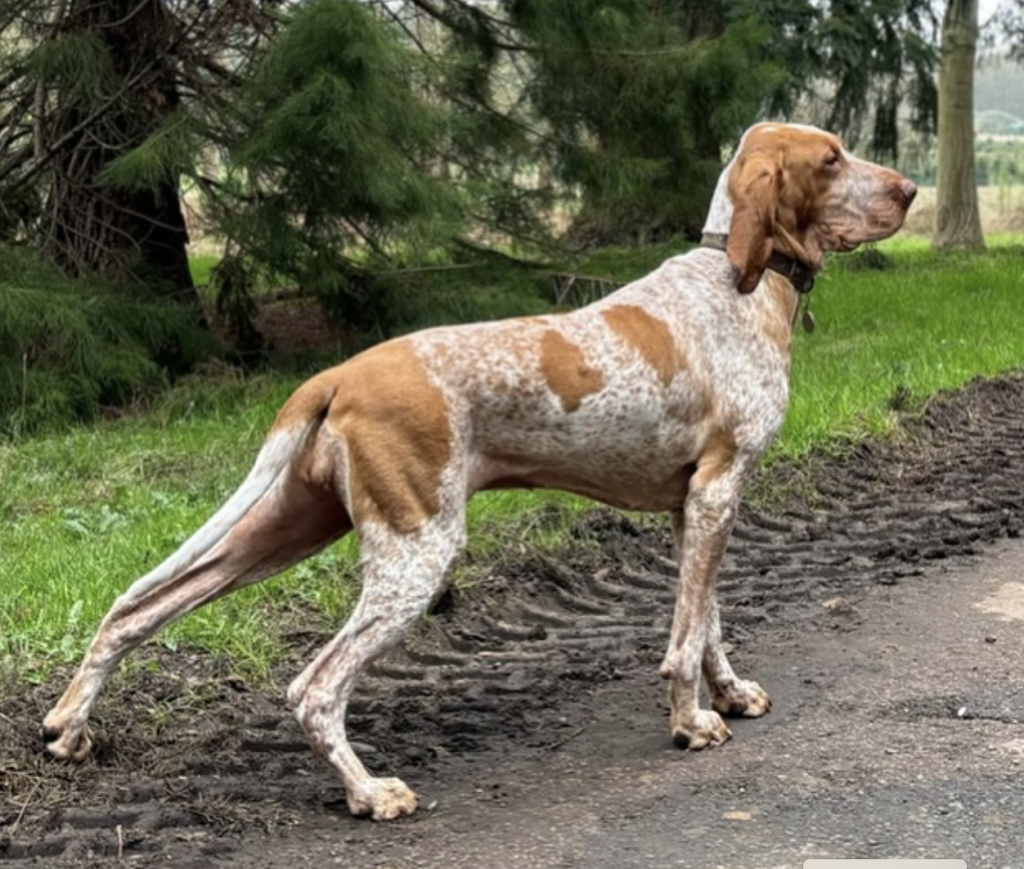
The Bracco Italiano is a large, muscular dog with a distinguished and rustic appearance. Males typically stand about 23–26 inches (58–67 cm) at the withers, and females about 22–24 inches (55–62 cm) . Weight generally ranges between 55–88 pounds (25–40 kg) for adults. The breed has a powerful build that is nearly square in proportion – the height at the withers is almost equal to the body length, giving a balanced, athletic profile. The chest is deep and the limbs are strong and lean, built for endurance in the field.
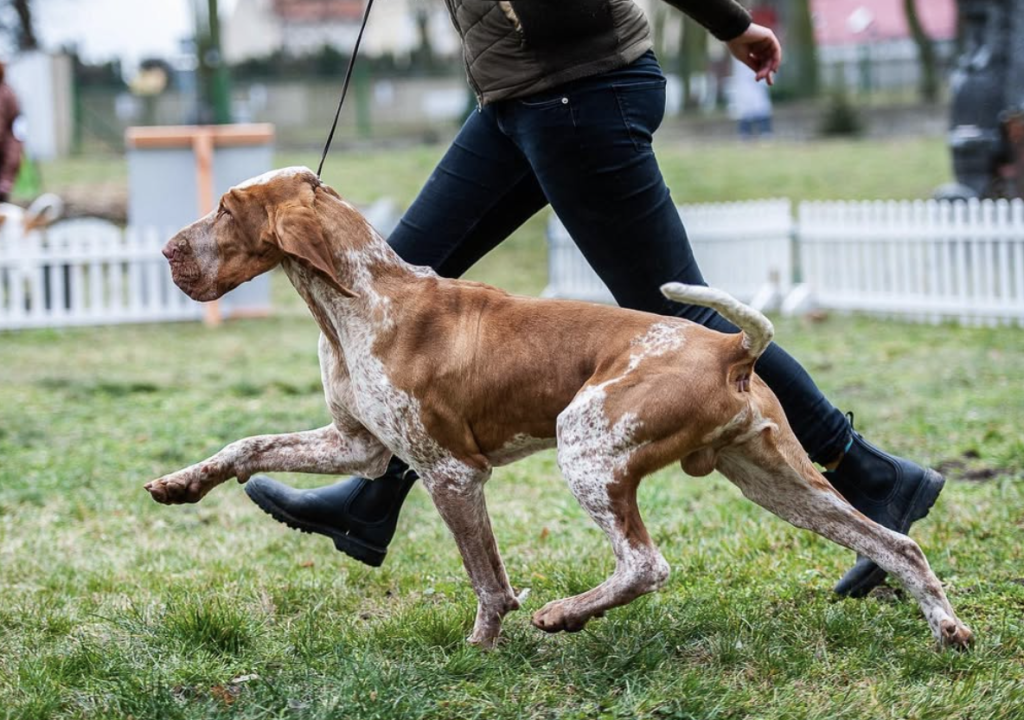
One of the most distinctive features of the Bracco is its head. The head is sizable and elongated, with a pronounced occiput and a straight or slightly Roman nose. The muzzle is broad and the upper lips are long and pendulous, hanging past the lower jaw. This gives the dog the characteristic drooping flews and a serious expression. The ears are large and low-set, reaching at least to the tip of the nose when pulled forward. They are thin and velvety in texture, hanging down close to the cheeks. The Bracco’s eyes are oval-shaped, fairly large, and convey a gentle, intelligent expression; eye color ranges from dark ochre to amber, harmonizing with the coat color.
The coat of the Bracco Italiano is short, dense, and glossy, lying close to the body. Acceptable coat colors are either solid white or white with markings of orange or chestnut (brown) in varying sizes. Many Bracchi have speckled or roaned patterns on their white areas (especially orange or brown roaning), which is also acceptable in the breed standard. The most common color combinations are white-and-orange and white-and-chestnut (liver). Black or tricolor markings are not allowed in purebred Bracchi . The face and ears often have darker pigmentation. The tail of the Bracco is thick at the base and traditionally was docked to about half its length in hunting dogs (though docking is now illegal or discouraged in many countries); when undocked, the tail is long, straight, and carried horizontally or with a slight upward curve. Overall, the Bracco Italiano’s appearance reflects its function: an agile, enduring hunter with a noble, hound-like visage and an obvious strength and grace in its movement.
.
Temperament and Personality
Bracco Italianos are renowned for their friendly and affectionate temperament. In the home environment they are gentle, loving, and form strong bonds with their human family. This breed tends to be very people-oriented – Bracchi often follow their owners from room to room and enjoy being part of every family activity. They are typically good with children, displaying patience and sweetness, especially if raised alongside them. Their amiable nature and desire for companionship make them excellent family dogs for active households. Bracco Italianos usually get along well with other dogs, and can coexist peacefully with family cats or other pets if socialized properly from a young age. They have a gentle disposition, so with early socialization they can be polite and calm around strangers too, though some may be a bit reserved at first meeting.
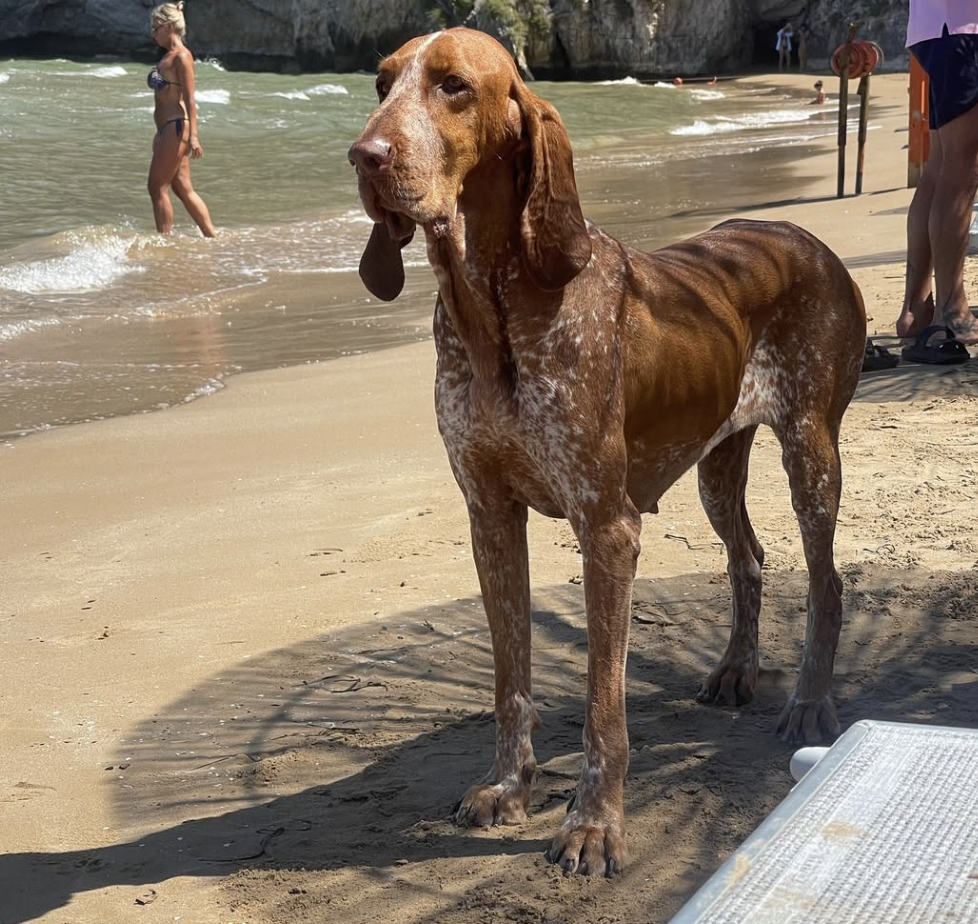
Intelligence is a hallmark of the breed – Bracco Italianos are smart, inquisitive, and eager to please, which generally makes training enjoyable. They do have an independent streak at times, a vestige of their hunting heritage, so a Bracco might show occasional stubbornness or willfulness. However, they respond very well to positive reinforcement and clear, consistent commands. Harsh discipline or rough handling can backfire, as this sensitive breed may shut down or become timid with heavy-handed training. Given their people-pleasing nature, most Bracchi are quick learners when training is made fun and rewarding. Early obedience training and socialization are important to channel their energy and ensure they grow into well-mannered adults.
As an active hunting breed, the Bracco Italiano has high energy levels and a strong drive to work. They are generally calm and relaxed indoors after they have received sufficient exercise, but if their physical and mental needs are unmet, they can become bored or restless. A bored Bracco may resort to undesirable behaviors such as chewing furniture or digging, so it’s crucial that they get plenty of activity. They have a notable prey drive and an excellent nose; when outside, a Bracco will often have its nose to the ground, following scents. Because of this, they may chase small animals (like squirrels or birds) and should be kept in a secure, fenced area or on leash unless under direct supervision. Once they catch an interesting scent, their instinct may lead them to wander off in pursuit! Despite this, Bracchi are not hyperactive or nervy – with regular exercise and attention, they are content, well-behaved dogs. They thrive on human companionship and prefer not to be left alone for long periods. Overall, the Bracco Italiano’s personality is a balance of affectionate and calm in the home, and enthusiastic and driven when working or playing outside.
Health and Care
The Bracco Italiano is generally considered a healthy breed with a robust constitution and an average lifespan of around 10–14 years. Responsible breeders in Italy and elsewhere have worked to maintain the breed’s health, but like all purebred dogs, Bracchi can be prone to certain genetic or conformation-related health issues. Hip dysplasia is one concern, as with many large breeds – this is a malformation of the hip joint that can lead to pain and arthritis. Reputable breeders will screen for hip (and sometimes elbow) dysplasia, but owners should still monitor for signs like limping or stiffness. Elbow dysplasia may also occur in the breed, affecting the front leg joints in a similar way. Another issue seen in Bracco Italianos is kidney disease, specifically a hereditary form of renal amyloidosis that has been noted in some bloodlines. This condition can lead to kidney failure in middle age. Prospective owners are advised to inquire about health testing and family history of kidney issues when obtaining a Bracco puppy.
Bracco Italianos have very long, pendulous ears, which while endearing, make them predisposed to ear infections. The folded, floppy ears create a warm, moist environment in the ear canal where yeast and bacteria can thrive. Owners should incorporate regular ear care into the grooming routine – gently cleaning the dog’s ears and ensuring they are dry after swimming or baths can help prevent infections. Signs of an ear infection include head-shaking, scratching at the ears, redness, or foul odor from the ear . Another health consideration is bloat, or gastric dilatation-volvulus (GDV), a life-threatening condition common to deep-chested breeds like the Bracco. Bloat occurs when the stomach fills with gas and twists on itself. Without immediate medical intervention, GDV can be fatal. To reduce the risk of bloat, it’s recommended to feed a Bracco multiple smaller meals rather than one large meal, and avoid vigorous exercise right around feeding times. Many Bracco owners also opt for a preventive gastropexy surgery (often done during spay/neuter) as a precaution.
Despite these potential issues, most Bracchi live healthy, active lives. Routine veterinary check-ups and health screenings (hips, elbows, kidney function, eyes) can catch problems early. Preventive care – such as maintaining a healthy weight, providing joint supplements if recommended, and keeping up with dental hygiene – will support the dog’s long-term well-being. Skin allergies can occasionally affect the breed, causing itchiness or irritation, but this is not especially common. Overall, the Bracco Italiano is a hardy breed, and with good care and exercise, they often remain vigorous into their senior years.
In terms of daily care and grooming, the Bracco’s short coat is relatively low-maintenance. They are moderate shedders: a quick brushing once or twice a week with a bristle brush or grooming glove will remove loose hair and keep the coat shiny. Their skin produces some oils, which helps repel dirt, so they only need occasional baths (over-bathing can strip these oils). One quirk of the breed is that Bracco Italianos are known to drool or slobber, thanks to their loose upper lips. Prospective owners should be prepared for a bit of drool, especially after the dog drinks water or when food is nearby. Keeping a drool towel handy is part of life with a Bracco. Besides coat care, grooming should also include regular nail trims (their fast-growing nails can crack or break if not kept short) and dental care like brushing the teeth or providing dental chews to prevent tartar build-up.
Special attention should be given to the Bracco’s ears during grooming sessions. Because their long ears can trap moisture and debris, it’s wise to check the ears weekly and clean them gently if needed. Use a vet-recommended ear cleaning solution and cotton balls; never insert swabs deep into a dog’s ear. Keeping the ears clean and dry will go a long way in avoiding infections.
When it comes to diet and nutrition, a Bracco Italiano does well on a high-quality dog food that is formulated for large, active breeds. Choose a diet appropriate to the dog’s life stage (puppy, adult, senior) and consult with a veterinarian about the right portions. Because Bracchi are deep-chested and prone to bloat, feeding should be managed carefully. It’s best to feed two smaller meals per day for an adult Bracco (rather than one big meal) and to use a slow-feed bowl if the dog tends to gulp food quickly. This helps reduce the chance of bloat by controlling the eating speed. Ensure fresh water is always available, and try to limit strenuous exercise for about an hour before and after meals. By keeping the Bracco Italiano at a healthy weight and following these feeding practices, owners can greatly mitigate health risks and keep their dog in top condition.
Training and Exercise Requirements
Training a Bracco Italiano is generally a rewarding experience, given the breed’s intelligence and willingness to please. These dogs are bright and catch on quickly, but they do have a bit of a stubborn streak, meaning they may test boundaries or get distracted, especially during adolescence. The key to training a Bracco is patience and consistency. Harsh or heavy-handed training methods are not appropriate for this sensitive breed – Bracchi have a gentle nature and respond much better to positive reinforcement techniques like praise, treats, and play as rewards for good behavior. In fact, using punishment or yelling can cause a Bracco to shut down or become fearful, undermining the training process. Instead, short, upbeat training sessions work best, keeping the dog engaged without boredom. Start training and socialization early, as soon as you bring a puppy home. Puppy classes and exposure to different people, places, and other animals will help the Bracco grow into a confident, well-mannered adult. Given their hunting background, training recall (a reliable “come” command) is especially important for Bracco Italianos, so they don’t run off after wildlife. Fortunately, with their people-pleasing personality, most Bracchi Italiani are very trainable and form a strong bond with their handler, making activities like advanced obedience, tracking, or agility possible and fun.
Exercise is absolutely essential for this breed. The Bracco Italiano was developed to hunt for long hours, so these dogs have high endurance and energy. They require significant daily exercise to stay physically and mentally satisfied. A simple walk around the block is not enough for a Bracco. Owners should be prepared to provide at least 1–2 hours of active exercise every day. This can include long brisk walks, jogging, hiking in the woods, or play sessions in a safely fenced area. Bracchi excel at activities that engage their natural instincts – they love running, swimming, and playing retrieval or scent games . Many Bracco owners involve their dogs in hunting trials, field work, or canine sports like tracking, nose work, or agility to give them a job to do. Mental stimulation is as important as physical exercise for this intelligent breed. Puzzle toys, obedience training drills, and hide-and-seek games with treats or scents around the house or yard can help keep their minds sharp. Participating in organized dog sports (such as rally obedience or agility courses) can be a great way to channel the Bracco’s energy and intelligence into a constructive outlet.
When properly exercised, the Bracco Italiano is typically calm and well-behaved indoors. They enjoy lounging with their family after a day’s activity and are not usually hyperactive. However, without sufficient exercise and stimulation, a Bracco may become bored – and a bored Bracco can get destructive (chewing, digging, or trying to entertain itself in troublesome ways). Therefore, this breed is best suited to owners who have the time and energy for regular outdoor adventures. Bracchi Italiani are happiest when they can stretch their legs and use their nose on a daily basis. Even into their senior years, most individuals remain relatively active and will appreciate routine walks and play. Providing a combination of endurance activities (like running) and nose-oriented games will keep a Bracco content. In summary, the Bracco Italiano thrives with ample exercise and engagement, and a well-exercised Bracco is a delightfully mannered and loyal companion at home.
Is the Bracco Italiano Right for You?
The Bracco Italiano can be a wonderful breed for the right owner, but it’s important to consider whether its characteristics align with your lifestyle. Pros of the breed include its affectionate and social nature – Bracchi love their families and tend to be gentle and good with kids. They are also generally quiet (not big barkers except to alert or during play) and have a calm, polite demeanor in the house after their exercise needs are met. The Bracco’s short coat is easy to groom and doesn’t carry a strong odor, which many owners appreciate. Unlike some high-strung hunting breeds, the Bracco Italiano has an off-switch and enjoys lounging with its humans. They are also highly trainable for those willing to put in the time, and their intelligence and versatility make them capable of excelling in many activities, from hunting to dog sports. If you are an active individual or family looking for a loyal, loving dog to join you on outdoor adventures, the Bracco Italiano could be a great match.
On the other hand, there are challenges or cons to be aware of. First and foremost, this high-energy breed absolutely requires plenty of daily exercise and mental stimulation. Bracco Italianos are not well-suited for apartment life or for owners with a more sedentary lifestyle. Without space to run and things to do, they will become unhappy and potentially destructive. They also can be a bit stubborn or independent, so they need an owner who will invest in consistent training and set clear rules. Novice dog owners or those unfamiliar with large working breeds might find a Bracco challenging to manage. The breed’s size (often 70+ pounds) and strength mean they can accidentally knock over small children or the elderly if not properly trained to be gentle. Additionally, as mentioned, Bracchi drool and slobber, which can be off-putting for the very house-proud person – you may find gooey strings of drool on your pants after a Bracco gives you a loving shake or rests its head on your lap. Their long ears fling water after a drink and require cleaning to prevent infections. Finally, owning a Bracco means committing to responsible ownership: you’ll need to provide lots of exercise, and budget for quality food and routine vet care (including potential health screenings).
In summary, the Bracco Italiano is best suited for owners or families who are active, outdoorsy, and experienced with dogs. A house with a securely fenced yard or access to open land is ideal for this breed to burn off energy. If you enjoy training, spending time outside every day, and including your dog in your activities, a Bracco will reward you with devotion and fun-loving companionship. However, if you have a very busy schedule, prefer a low-energy dog, or are looking for a more independent pet that doesn’t need much attention, the Bracco Italiano may not be the right choice. Prospective owners should meet Bracco Italianos in person, speak with breeders or rescue groups, and honestly assess their ability to meet this breed’s needs. For those who can accommodate them, Bracco Italianos make loyal, affectionate, and enthusiastic companions that bring a touch of Italian sporting heritage into the home.