Is the Affenpinscher the Funniest Dog Breed Ever? Discover Its Quirky Charm
Affenpinscher Dog: The Lovable Monkey Terrier
Table of Contents:
- Introduction: Meet the Affenpinscher
- History and Origins of the Affenpinscher
- Physical Characteristics and Appearance
- Temperament and Personality
- Training and Socialisation Needs
- Exercise and Activity Requirements
- Diet and Nutrition
- Health and Lifespan
- Grooming and Maintenance
- Affenpinscher as a Family Pet
- Breed-Specific Challenges and Considerations
- Adoption and Breeder Selection Tips
- How the Affenpinscher Compares to Other Toy Breeds
- Living Environment: Ideal Homes for this Breed
- Myth-Busting: Common Misconceptions about the Affenpinscher
- Conclusion: Why the Affenpinscher Might Be Your Perfect Companion
- FAQ Section
Quick Summary

The Affenpinscher is a small, toy-sized dog with a big personality. It is often referred to as the “Monkey Terrier” due to its expressive face and mischievous nature. Known for its fearless, spunky, and affectionate temperament, the Affenpinscher has become a favourite among dog enthusiasts who enjoy its lively spirit and loyal companionship.
Originally bred as a ratter in Germany, this breed has evolved into a beloved companion that thrives on human interaction. Its playful energy, intelligence, and loyalty make it an excellent choice for individuals or families looking for a small dog with a big heart. In this guide, we’ll explore everything you need to know about the Affenpinscher, from its history and characteristics to its care and temperament.
1. Introduction: Meet the Affenpinscher
The Affenpinscher is a unique breed often described as a dog with the soul of a monkey. Its name, “monkey terrier” in German, perfectly captures its mischievous and expressive nature. Despite its small stature, this toy breed has a big personality packed with courage, curiosity, and a dash of stubbornness.
This breed typically weighs between 6 to 13 pounds (2.7 to 6 kg) and stands about 9 to 11.5 inches (23 to 29 cm) tall at the shoulder. Its wiry coat and distinct facial expression give it a comical and endearing look, earning it a reputation as a true charmer. The Affenpinscher’s playful antics and affectionate nature make it a great companion for those looking for a small but spirited dog.
2. History and Origins of the Affenpinscher
The Affenpinscher’s history dates back to the 17th century in Germany, where it was initially bred as a ratting dog to keep kitchens, barns, and stables free of vermin. Its ancestors were more significant than the modern-day Affenpinscher, but selective breeding over the centuries reduced its size, transforming it into the toy breed we know today.
As the breed became more refined, its role shifted from a working dog to a beloved companion, particularly among European nobility. Its distinctive appearance and lively character won the hearts of many, leading to its recognition as a household pet by the late 19th century. The Affenpinscher eventually made its way to America and was recognised by the American Kennel Club (AKC) in 1936, solidifying its place as a cherished companion worldwide.
3. Physical Characteristics and Appearance

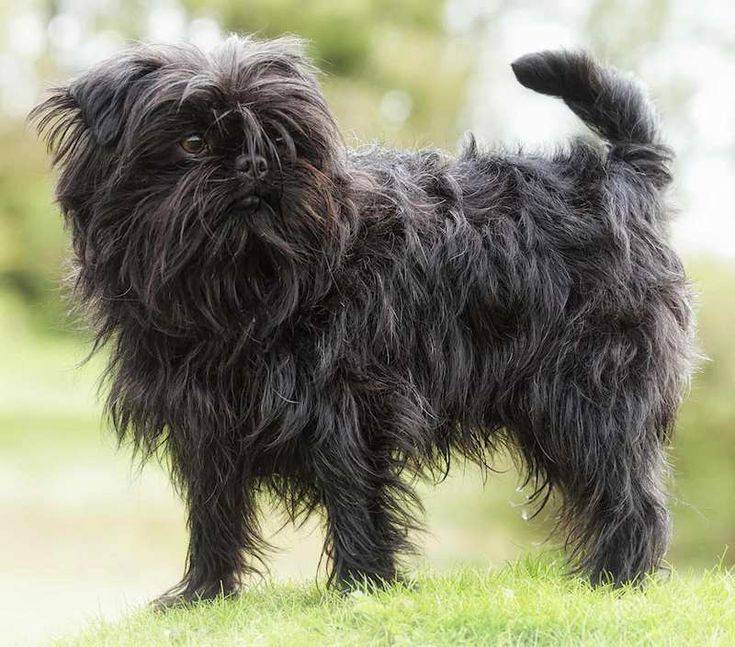
The Affenpinscher is a small, sturdy dog with a square body and a well-balanced frame. Its most notable feature is its face, often compared to a monkey due to its expressive eyes and protruding lower lip. This breed’s bushy eyebrows and beard give it a somewhat severe yet comical look that’s hard to resist.
Its coat is rough, wiry, and dense, typically coming in colours like black, grey, silver, red, and tan. The coat requires regular grooming to keep its characteristic texture and shape. Despite its toy size, the Affenpinscher has a muscular build that hints at its ratting heritage. The overall appearance of this breed is one of alertness, intelligence, and a bit of mischievous charm.
4. Temperament and Personality
Affenpinschers are known for their prominent personalities in small packages. They are fearless, curious, and always ready for adventure. This breed’s playful and energetic nature makes it a joy to have around, although it can sometimes be a bit stubborn and independent.
Affectionate and loyal to its family, the Affenpinscher forms strong bonds with its owners. It can be wary of strangers, but it shows a friendly and social side once it warms up. Despite its small size, this breed has a surprisingly bold temperament, often displaying behaviours that suggest it believes it’s much larger than it is. The Affenpinscher’s clever and sometimes cheeky behaviour will keep any household entertained.
5. Training and Socialisation Needs
Due to its intelligent yet independent nature, training an Affenpinscher can be both fun and challenging. Early socialisation and consistent training are crucial to help channel this breed’s natural curiosity and prevent it from becoming overly dominant or stubborn. Positive reinforcement techniques like treats and praise work best, as Affenpinschers respond poorly to harsh corrections.
Because of their alertness and sometimes territorial instincts, dogs can become vocal if not properly trained. Establishing a strong foundation in obedience and teaching commands like “quiet” to manage their barking is essential. Socialising them with other dogs, people, and environments from a young age helps prevent shyness or aggression in adulthood.
6. Exercise and Activity Requirements
Despite their small size, Affenpinschers are lively dogs that require regular exercise to keep them happy and healthy. About 30 to 45 minutes of daily activity meets their needs, including walks, playtime, and mental stimulation. They enjoy games that challenge their intelligence, like puzzle toys or interactive play sessions.

Affenpinschers are also quite agile and can excel in activities like agility training or obedience courses. Their playful energy means they’re always up for a game of fetch or a romp around the yard, but they’re also content to curl up on your lap once they’ve had their fill of activity.
7. Diet and Nutrition
A balanced diet is essential for keeping the Affenpinscher healthy and energetic. High-quality dry dog food formulated for small breeds is ideal, providing a suitable protein, fat, and nutrient balance. Depending on their size and activity level, they typically need around ¼ to ½ cups of food per day, split into two meals.
It’s essential to monitor their weight and adjust their food intake accordingly, as toy breeds can be prone to obesity if overfed. Including occasional treats is acceptable but should be done in moderation to avoid weight gain. Fresh water should always be available to keep your Affenpinscher hydrated and healthy.
8. Health and Lifespan
Thanks to its generally robust health, the Affenpinscher has a relatively long lifespan of 12 to 15 years. However, like all breeds, it is prone to specific health issues. Common conditions include hip dysplasia, patellar luxation (dislocated kneecap), and heart murmurs. Eye problems like cataracts or progressive retinal atrophy (PRA) can also occur as they age.
Regular vet check-ups and preventive care are crucial for maintaining their health. Genetic testing and a good breeder’s reputation can help minimise inherited disease risk. Keeping up with vaccinations, dental care, and routine screenings will ensure your Affenpinscher’s long, healthy life.
9. Grooming and Maintenance
The wiry coat of the Affenpinscher requires regular grooming to maintain its texture and prevent matting. Brushing their coat two to three times a week is recommended to keep it clean and tangle-free. Occasional trimming may be necessary to keep their facial hair neat and to maintain their distinct look.
Bathing should be done only when necessary, as frequent washing can strip their coat of natural oils. Regular ear cleaning, nail trimming, and dental care are essential to their grooming routine. Maintaining their grooming routine will help reduce shedding and keep your Affenpinscher looking its best.
10. Affenpinscher as a Family Pet
As a family pet, the Affenpinscher is a delightfully playful and loving companion. This breed is particularly suited to adults or families with older children who understand how to handle small dogs gently. They can be sensitive and sometimes intolerant of rough play, so teaching children how to interact respectfully with them is essential.
Their loyalty to their family is unmatched, and they tend to form strong bonds with their favourite people. The Affenpinscher’s curious and watchful nature also makes them excellent little watchdogs, alerting the household to unusual activity.
11. Breed-Specific Challenges and Considerations
Owning an Affenpinscher comes with some unique challenges. They have a strong-willed, independent streak, making training a task for first-time dog owners. Additionally, their tendency to be vocal can be an issue in apartments or quiet neighbourhoods.
Socialisation is crucial to curbing aggressive tendencies towards other animals or strangers. Dogs also require a good amount of mental stimulation to prevent boredom, which can lead to mischievous behaviour. Understanding these traits and being prepared to meet their needs will help ensure a happy and well-adjusted pet.
12. Adoption and Breeder Selection Tips
When considering an Affenpinscher, it is essential to choose a reputable breeder who performs health screenings on their breeding dogs. This helps reduce the risk of inherited health issues. Avoid puppy mills or breeders who cannot provide clear health information on the puppy’s parents.
Adopting a rescue organisation is also a great option. Affenpinscher-specific rescue groups can help match you with a dog that fits your lifestyle. Whether you adopt or buy, it is vital to ask the breeder or rescue about the dog’s history, health status, and temperament.
13. How the Affenpinscher Compares to Other Toy Breeds
Compared to other toy breeds, the Affenpinscher stands out for its aggressive and bold nature. Unlike the more laid-back Shih Tzu or the reserved Chihuahua, Affenpinschers have a lively and outgoing personality that often makes them the centre of attention. Their unique monkey-like expressions and wiry coats give them a distinct look.
They are also less delicate than some toy breeds, and their sturdier build makes them a bit more resilient during play. The Affenpinscher is an ideal choice for those who want a toy dog with the heart of a terrier.
14. Living Environment: Ideal Homes for this Breed
Affenpinschers adapt well to various living situations, from apartments to larger homes, as long as they receive enough attention and exercise. They do best in homes where they aren’t left alone for long periods, as they thrive on human interaction and can become anxious if isolated.
They enjoy exploring their surroundings, so a secure yard is a plus but optional. What matters most is that they live in an environment where they receive plenty of affection, mental stimulation, and a daily dose of adventure.
15. Myth-Busting: Common Misconceptions about the Affenpinscher
One common misconception about the Affenpinscher is that it is overly aggressive due to its bold nature. They are protective and alert but can be very friendly with proper socialisation. Another myth is that they require extensive grooming; while they need regular brushing, their wiry coat is relatively easy to maintain.
Many people also think their small size makes them fragile, but Affenpinschers are pretty sturdy and active, often surprising owners with their agility and endurance. Understanding these myths helps potential owners see the true nature of this spirited breed.
16. Conclusion: Why the Affenpinscher Might Be Your Perfect Companion
The Affenpinscher is a small dog with a larger-than-life personality. Its playful, loyal, and protective nature makes it an excellent companion for the right home. With its unique looks and clever character, this breed never fails to entertain and endear itself to those lucky to know it.
The Affenpinscher could be the perfect fit for families or individuals seeking a spirited, affectionate, and watchful companion. This “monkey dog” will bring joy and laughter to any household with proper care, training, and much love.
FAQ Section
Q1: Are Affenpinschers good with children?
Yes, they are good with older children who understand how to handle small dogs gently. They may not tolerate rough play.
Q2: How much exercise does an Affenpinscher need?
They need about 30 to 45 minutes of daily exercise, including walks and playtime, to keep them physically and mentally fit.
Q3: Do Affenpinschers bark a lot?
They can be pretty vocal, often barking to alert their owners to strangers or unusual sounds. Training can help manage excessive barking.
Q4: Are Affenpinschers easy to train?
They are intelligent but can be stubborn, so consistent training with positive reinforcement works best.
Q5: How long do Affenpinschers live?
Affenpinschers typically have a 12 to 15-year lifespan, with proper care contributing to their longevity.
Q6: Are Affenpinschers hypoallergenic?
They are considered hypoallergenic due to their low-shedding coat, which can be a good choice for allergy sufferers.
Q7: What health issues are common in Affenpinschers?
Common health concerns include hip dysplasia, patellar luxation, and eye problems like cataracts.
Q8: Do Affenpinschers get along with other pets?
They can get along with other pets with proper socialisation but may sometimes display dominant behaviour towards larger dogs.
Q9: What kind of grooming do Affenpinschers require?
Their wiry coat needs regular brushing, occasional trimming, routine nail clipping, ear cleaning, and dental care.
Q10: Are Affenpinschers suitable for first-time dog owners?
They can be challenging for first-time owners due to their independent nature, but with patience and consistency, they can be manageable.