Thinking of Getting an Afghan Hound? Here’s What You Need to Know!
| Characteristics | Details |
|---|---|
| Height | The Afghan Hound typically stands between 25 to 29 inches (64 to 74 cm) tall at the shoulder, with males generally being larger than females. This height, combined with their sleek and elegant build, gives them a regal and athletic appearance. |
| Weight | The Afghan Hound typically weighs between 50 to 60 pounds (23 to 27 kg), with males usually being heavier than females. Their weight complements their tall, slender frame, giving them both grace and agility. |
| Life Span | The Afghan Hound typically has a lifespan of 12 to 14 years. With proper care, including regular exercise, a balanced diet, and routine veterinary check-ups, they can enjoy a long and healthy life. Maintaining their health is crucial to ensuring they remain active and vibrant throughout their years. |
| Coat Colour | The Afghan Hound's coat comes in a wide range of colours, including black, cream, red, blue, brindle, and fawn. They can also have various combinations of these colours, with some dogs featuring striking markings. |
| Suitable For | The Afghan Hound suits active owners who can provide regular exercise and grooming. Best for experienced dog owners and homes with older children. |
| Temperament | The Afghan Hound is independent and aloof with strangers but loyal and gentle with family. Playful outdoors, calm at home. |
Afghan Hound: A Graceful and Regal Companion
Table of Contents
- Introduction: Meet the Afghan Hound
- History and Origins of the Afghan Hound
- Physical Characteristics and Appearance
- Temperament and Personality
- Training and Socialisation Needs
- Exercise and Activity Requirements
- Diet and Nutrition
- Health and Lifespan
- Grooming and Maintenance
- Afghan Hounds as Family Pets
- Breed-Specific Challenges and Considerations
- Adoption and Breeder Selection Tips
- How the Afghan Hound Compares to Other Sighthounds
- Living Environment: Ideal Homes for Afghan Hounds
- Myth-Busting: Common Misconceptions about Afghan Hounds
- Conclusion: Why the Afghan Hound Makes a Unique Companion
- FAQ Section
Quick Summary
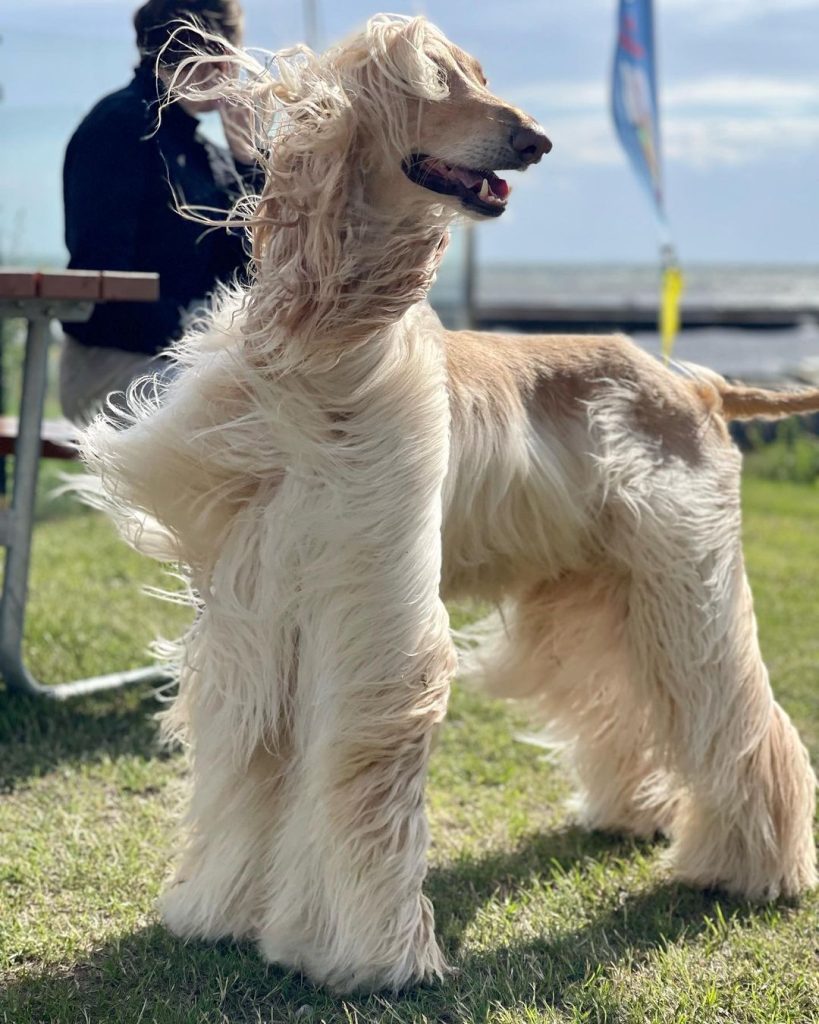
The Afghan Hound is a breed like no other, recognised worldwide for its unique beauty, flowing coat, and regal demeanour. Known for their independent yet charming personality, Afghan Hounds are one of the most ancient dog breeds, with a history that traces back thousands of years to the mountains of Afghanistan. This elegant sighthound is not only a showstopper in appearance but also possesses a loyal, sometimes aloof temperament, making it an intriguing choice for dog enthusiasts.
While the Afghan Hound requires a bit more care due to its long, silky coat and independent nature, it rewards owners with grace, loyalty, and a surprising sense of humour. From their distinct personality to their need for regular exercise, Afghan Hounds are a breed that commands attention and love, making them a delightful companion for those who appreciate their unique qualities.
1. Introduction: Meet the Afghan Hound
The Afghan Hound is a sighthound, known for its speed, agility, and remarkable beauty. With its flowing coat, exotic looks, and graceful posture, this breed has often been called the “fashion model” of the dog world. Standing at 25 to 29 inches tall and weighing between 50 to 60 pounds, the Afghan Hound is a medium-large breed that possesses a dignified, aristocratic presence.
Despite their regal appearance, Afghan Hounds are known for their playful and somewhat aloof personalities. They may appear distant at first, but they form strong bonds with their families. They enjoy both physical activities, like running, and quiet moments at home, making them a versatile companion for a variety of households.
2. History and Origins of the Afghan Hound
The Afghan Hound is one of the oldest known dog breeds, with a history that dates back thousands of years. It is widely believed that the breed originated in the rugged mountains and deserts of what is now Afghanistan, hence the name. However, some experts trace its ancestry even further back to ancient Egypt, as depictions of dogs with a striking resemblance to Afghan Hounds have been found on ancient Egyptian papyrus and tomb paintings. These elegant dogs are part of the sighthound family, bred for their keen eyesight and ability to chase prey over great distances.

In Afghanistan, the breed was highly valued by nomadic tribes and royalty alike for its hunting skills. Afghan Hounds were used to hunt a variety of game, including hares, deer, and even snow leopards, thanks to their speed, endurance, and sharp vision. The breed’s natural agility allowed it to navigate the steep and rocky terrain of the Afghan mountains with ease, making it an essential companion for hunters. Their independence and ability to make decisions while hunting without human direction were highly prized traits.
Traditionally known as “Tazi” in their native land, Afghan Hounds were seen as symbols of status and wealth, particularly among the elite. They were so revered that it is said only royalty and nobility were allowed to own these dogs in certain regions. Their thick, luxurious coat, which sets them apart from other sighthounds, developed as a form of protection against the harsh climates of Afghanistan’s high-altitude regions, including cold nights and rough terrain.
The breed was introduced to the Western world in the early 1900s, when British soldiers and diplomats stationed in Afghanistan brought these dogs back to England. The first Afghan Hounds were exhibited in the United Kingdom in the 1920s, where they quickly attracted attention due to their exotic appearance and graceful demeanour. One of the first famous Afghan Hounds in the West was “Zardin,” a dog brought from India (which was then part of the British Empire), who helped to define the breed standard in Europe.
By the late 1920s, Afghan Hounds had made their way to the United States, where they quickly gained popularity among dog enthusiasts and breeders. The American Kennel Club (AKC) officially recognised the breed in 1926, and their presence in dog shows began to grow, thanks to their striking looks and regal bearing. Afghan Hounds have been a regular feature at dog shows ever since, known for their beauty, grace, and flowing coats that captivate judges and audiences alike.
Throughout the 20th century, Afghan Hounds became synonymous with luxury and elegance. They were often associated with high fashion and were featured in advertisements, films, and magazine covers, further enhancing their status as one of the most glamorous dog breeds. Despite their show-stopping looks, the breed has maintained its ancient hunting instincts, and Afghan Hounds are still capable of incredible speed and agility.
The breed’s history is a blend of ancient utility and modern glamour. While Afghan Hounds today are often seen as companion animals and show dogs, their roots as fearless hunters in the mountains of Afghanistan remain a fundamental part of their character. Their independent nature, intelligence, and agility have been shaped by thousands of years of working in harsh environments, making them one of the most enduring and fascinating dog breeds in the world.
3. Physical Characteristics and Appearance
The Afghan Hound is instantly recognisable due to its distinctive long, silky coat and aristocratic bearing. The coat, which flows freely as the dog moves, can come in a variety of colours, including cream, black, red, blue, and brindle. Their elegant head is topped with a long, flowing topknot of hair, adding to their glamorous appearance.
In terms of body structure, Afghan Hounds are tall, slender, and athletic. They have long legs, a deep chest, and a narrow waist, making them perfectly designed for speed and endurance. Their ears are long and covered in silky hair, while their tails curl slightly upward at the end, often described as “ringed.” The combination of their physical grace and unique coat gives the Afghan Hound a look that is both regal and athletic.
4. Temperament and Personality
The Afghan Hound is known for its unique temperament, which blends independence with affection. While they may seem aloof or reserved at times, Afghan Hounds are deeply loyal and bond closely with their families. They tend to be more independent than other breeds, which means they enjoy their own space and may not always seek constant attention.
This breed can be playful and lively, showing bursts of energy and joy, especially when given the chance to run freely. However, Afghan Hounds are also known for their quiet and calm demeanour indoors, making them suitable for households that appreciate a mix of activity and relaxation.
Although they are generally gentle and well-mannered, Afghan Hounds can be a bit stubborn and may not always respond to commands right away. Their independent streak requires patience from their owners, but once they form a bond, Afghan Hounds are loving and devoted companions.
5. Training and Socialisation Needs
Training an Afghan Hound can be a bit more challenging than with other breeds due to their independent nature. Afghan Hounds are intelligent but can be stubborn and selective in their obedience, so patience and consistency are key. Positive reinforcement works best, as Afghan Hounds respond poorly to harsh training methods.
Early socialisation is essential to ensure that Afghan Hounds grow into well-rounded adults. Exposing them to a variety of people, environments, and other dogs will help them develop into confident and well-adjusted pets. Puppy classes can be especially beneficial for this breed, helping them learn commands while also interacting with other dogs and people in a controlled environment.
While they may take a bit longer to train than other breeds, Afghan Hounds are capable of learning basic commands and good behaviour with consistent effort. However, they may never achieve the same level of obedience as breeds that are more eager to please, like Golden Retrievers or Border Collies.
6. Exercise and Activity Requirements

As a sighthound, the Afghan Hound is naturally athletic and requires regular exercise to stay healthy and happy. These dogs were bred for running, and they need daily opportunities to stretch their legs and engage in high-speed activity. Ideally, Afghan Hounds should have access to a secure, fenced area where they can run freely, as their instinct to chase moving objects is strong.
A brisk walk or jog each day is essential for this breed, as well as occasional opportunities for off-lead running in a safe environment. However, while they need exercise, Afghan Hounds are not hyperactive and are content to relax at home once they’ve had their daily workout.
Because of their independent nature, Afghan Hounds should always be exercised in a fenced area or on a lead, as they may run off if they spot something interesting to chase. Without adequate exercise, Afghan Hounds can become bored, which may lead to destructive behaviour.
7. Diet and Nutrition
Feeding your Afghan Hound a balanced and nutritious diet is essential for maintaining their sleek physique and overall health. A high-quality dog food, either commercially prepared or home-cooked (with veterinary guidance), is recommended. As a large breed with an active lifestyle, Afghan Hounds benefit from a diet rich in protein to support their muscle development and energy levels.
Typically, an adult Afghan Hound requires 2 to 2.5 cups of dry dog food per day, divided into two meals. Puppies, on the other hand, need more frequent feedings to support their growth and development. Be sure to monitor your dog’s weight and adjust their portions based on activity levels, age, and health status.
Treats can be used during training but should be given in moderation to avoid weight gain. Fresh water should always be available to keep your Afghan Hound hydrated, especially after exercise.
8. Health and Lifespan
Afghan Hounds are generally healthy dogs, but like all breeds, they are prone to certain genetic conditions. Responsible breeders will screen their breeding stock for common health issues, ensuring the healthiest possible puppies. Some health conditions Afghan Hounds may be prone to include:
- Hip Dysplasia: A genetic condition where the hip joint doesn’t fit properly, leading to arthritis or mobility issues.
- Cataracts: An eye condition that can impair vision.
- Hypothyroidism: A condition where the thyroid gland doesn’t produce enough hormones, affecting metabolism and energy levels.
- Bloat: A serious condition common in deep-chested dogs where the stomach fills with gas and twists.
With proper care, regular vet check-ups, and a healthy diet, Afghan Hounds can live 12 to 14 years. Early detection of health issues, along with preventive care, will help ensure that your Afghan Hound enjoys a long and healthy life.
9. Grooming and Maintenance
One of the most striking features of the Afghan Hound is its long, silky coat, but this beautiful fur requires regular grooming to keep it looking its best. Afghan Hounds need daily brushing to prevent their coat from tangling or matting. A wide-tooth comb or slicker brush is often recommended for their fine hair. Regular bathing is also necessary to keep their coat clean, but using a mild dog shampoo will help maintain the coat’s natural oils.
While their grooming needs are high, Afghan Hounds shed less than many other breeds, making them a good option for people who prefer a cleaner home environment. However, their coat maintenance can be time-consuming, so potential owners should be prepared for the regular effort required to keep their Afghan Hound looking and feeling its best.
Nail trimming,
ear cleaning, and dental care should also be part of their regular grooming routine. Afghan Hounds’ ears, in particular, should be checked frequently to prevent infections, as their long, floppy ears can trap moisture and dirt.
10. Afghan Hounds as Family Pets
Afghan Hounds can make wonderful family pets for the right household, particularly those who appreciate the breed’s independent spirit and elegant appearance. They are gentle with children and tend to be good-natured, but they may not be as tolerant of rough play as some other breeds. For this reason, they are better suited to families with older children who understand how to interact respectfully with dogs.
While Afghan Hounds are affectionate with their families, they are not overly clingy or needy. They appreciate their space and independence but will still seek out their owners for companionship and affection. Afghan Hounds can be quite social with other dogs, particularly other sighthounds, but their strong prey drive may make them less reliable around smaller pets like cats or rabbits.
Overall, Afghan Hounds are best suited to families or individuals who have experience with dogs and can provide the exercise, grooming, and understanding that this unique breed requires.
11. Breed-Specific Challenges and Considerations
Owning an Afghan Hound comes with its set of unique challenges. Their independent nature, while charming, can make training more difficult than with other breeds. Afghan Hounds may not always be eager to follow commands, requiring patience and consistency from their owners.
Another challenge is their grooming requirements. Their long, luxurious coat needs daily attention to prevent matting, and regular baths are necessary to keep it looking its best. Potential owners should be prepared for the time commitment that comes with maintaining their Afghan Hound’s coat.
Additionally, Afghan Hounds have a strong prey drive and may be prone to chasing small animals. This makes it important to always exercise them in a secure area or keep them on a lead when outdoors. Understanding these breed-specific challenges is essential to ensuring a successful and rewarding relationship with an Afghan Hound.
12. Adoption and Breeder Selection Tips
When considering an Afghan Hound, it’s important to find a reputable breeder or consider adopting from a breed-specific rescue. Responsible breeders will provide health clearances for their dogs and ensure that the puppies are raised in a healthy, supportive environment. Avoid purchasing from puppy mills or unverified breeders, as these sources may not prioritise the health and well-being of their dogs.
If you’re looking to adopt, Afghan Hound rescue groups can help match you with a dog that suits your lifestyle. Many adult Afghan Hounds in rescue organisations are looking for loving homes, and adopting a rescue can be a rewarding experience.
When choosing a breeder or rescue organisation, always ask about the dog’s health history, temperament, and any known genetic conditions to ensure you’re making an informed decision.
13. How the Afghan Hound Compares to Other Sighthounds
The Afghan Hound shares many characteristics with other sighthounds, such as the Greyhound, Saluki, and Whippet. Like its sighthound cousins, the Afghan Hound is built for speed and has a high prey drive. However, the Afghan Hound stands out for its long, luxurious coat, which requires significantly more grooming than other sighthound breeds.
In terms of temperament, Afghan Hounds are often described as more independent and aloof compared to other sighthounds, which may be more eager to please. Afghan Hounds are known for their dignified and regal demeanour, while other sighthounds, such as the Whippet, tend to have a more laid-back, affectionate nature.
Overall, Afghan Hounds share the athleticism and hunting instincts of other sighthounds but bring a unique blend of beauty, grace, and independence to the table.
14. Living Environment: Ideal Homes for Afghan Hounds
Afghan Hounds are adaptable and can live in a variety of home environments, but they do best in homes that provide plenty of space for exercise and relaxation. A securely fenced yard is ideal for giving them the opportunity to run, as they need regular exercise to stay healthy.
While they are active outdoors, Afghan Hounds are quiet and calm indoors, making them well-suited to apartment living as long as they receive enough daily exercise. Their independent nature means they are content with some alone time, but they still enjoy the companionship of their family.
Afghan Hounds are sensitive to cold weather due to their thin skin and low body fat, so they may need a coat or blanket during colder months. Overall, they thrive in homes that offer a balance of physical activity, grooming care, and quiet relaxation.
15. Myth-Busting: Common Misconceptions about Afghan Hounds
One common misconception about Afghan Hounds is that they are too aloof to be affectionate companions. While they do have an independent streak, Afghan Hounds are capable of forming deep bonds with their families. They are affectionate in their own way and enjoy being near their loved ones, even if they don’t demand constant attention.
Another myth is that Afghan Hounds are difficult to train because they are unintelligent. In reality, Afghan Hounds are highly intelligent dogs, but their independent nature can make them seem less responsive to training. With patience, positive reinforcement, and consistency, Afghan Hounds can learn a variety of commands and behaviours.
Lastly, some people believe Afghan Hounds are fragile due to their slender build and flowing coat. However, Afghan Hounds are surprisingly robust and were originally bred to navigate harsh mountainous terrain. While they may look delicate, they are strong, athletic dogs that can handle rigorous exercise and outdoor activities.
16. Conclusion: Why the Afghan Hound Makes a Unique Companion
The Afghan Hound is a breed that offers a combination of elegance, independence, and loyalty. While their independent nature may require patience and understanding, Afghan Hounds reward their owners with grace, beauty, and companionship. Their distinctive looks, athletic abilities, and dignified personality make them a unique choice for experienced dog owners who appreciate the breed’s special qualities.
For those who are willing to invest the time and care needed to meet the Afghan Hound’s grooming and exercise needs, this breed can make a truly loyal and rewarding companion. Their blend of independence and affection ensures that Afghan Hounds will always stand out in the world of dogs.
FAQ Section
Q1: Are Afghan Hounds good with children?
Yes, Afghan Hounds are generally gentle and patient with children, although they may be better suited to households with older children who understand how to interact with dogs.
Q2: Do Afghan Hounds require a lot of grooming?
Yes, Afghan Hounds have long, silky coats that require daily brushing and regular baths to prevent tangling and matting.
Q3: How much exercise does an Afghan Hound need?
Afghan Hounds need daily exercise, including brisk walks and opportunities to run in a secure area. They were bred for speed and enjoy running.
Q4: Are Afghan Hounds difficult to train?
They can be challenging to train due to their independent nature, but with patience and positive reinforcement, they can learn commands and good behaviour.
Q5: How long do Afghan Hounds live?
The average lifespan of an Afghan Hound is 12 to 14 years.
Q6: Are Afghan Hounds good for first-time dog owners?
Due to their grooming needs and independent temperament, Afghan Hounds may not be the best choice for first-time dog owners.
Q7: Do Afghan Hounds shed a lot?
Afghan Hounds shed less than many other breeds, but their long coat requires regular grooming to prevent tangles and mats.
Q8: Can Afghan Hounds live in apartments?
Yes, Afghan Hounds can live in apartments as long as they receive enough exercise and mental stimulation. They are calm indoors but need daily activity.