Why the Alapaha Blue Blood Bulldog Is the Best Dog Breed You’ve Never Heard Of
| Characteristics | Details |
|---|---|
| Height | The Alapaha Blue Blood Bulldog typically stands between 20 to 24 inches (51 to 61 cm) tall for males, and 18 to 22 inches (46 to 56 cm) for females, measured at the shoulder. This medium-sized breed's height contributes to its sturdy and athletic build, giving it a strong, imposing presence. |
| Weight | The Alapaha Blue Blood Bulldog typically weighs between 70 to 90 pounds (32 to 41 kg) for males and 55 to 75 pounds (25 to 34 kg) for females. This weight range highlights their muscular and solid build, making them powerful yet agile dogs suited for both protection and companionship. |
| Life Span | The Alapaha Blue Blood Bulldog has a lifespan of approximately 12 to 15 years. With proper care, including a balanced diet, regular exercise, and routine veterinary check-ups, they can enjoy a long and healthy life. This lifespan is relatively long for a medium-sized breed, reflecting their overall good health and vitality. |
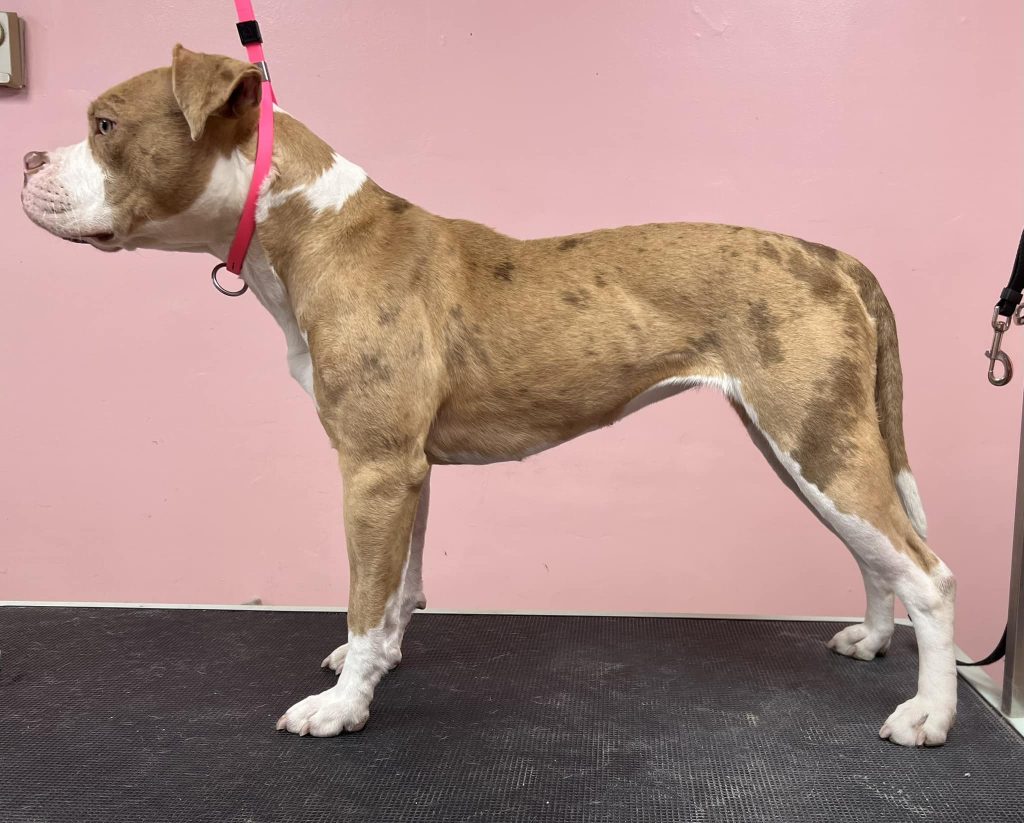
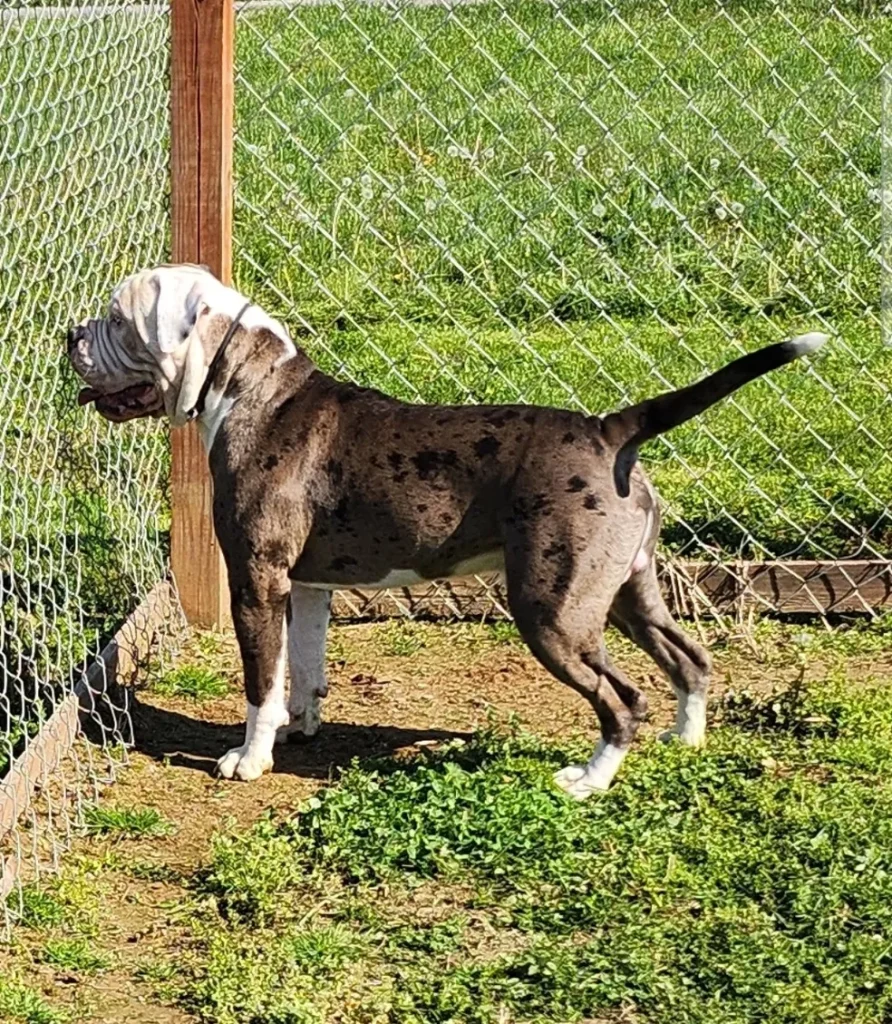
| Coat Colour | The coat comes in a variety of colours, with the most common being white with patches of brindle, blue, fawn, or black. These patches can appear in different patterns and intensities across the dog's body. Some Alapahas also have solid colour coats or merle patterns. Their short, smooth coat is easy to maintain and highlights their muscular physique |
| Suitable for | Ideal for active families and experienced owners seeking a loyal, protective companion. Thrives with consistent training, exercise, and mental stimulation. |
| Temperament | Loyal, protective, and affectionate with family, yet wary of strangers. Intelligent but stubborn, needs consistent training and early socialisation. |
Alapaha Blue Blood Bulldog: A Loyal and Unique Breed
Table of Contents:
- Introduction: Meet the Alapaha Blue Blood Bulldog
- History and Origins of the Alapaha Blue Blood Bulldog
- Physical Characteristics and Appearance
- Temperament and Personality
- Training and Socialisation Needs
- Exercise and Activity Requirements
- Diet and Nutrition
- Health and Lifespan
- Grooming and Maintenance
- Alapaha Blue Blood Bulldog as a Family Pet
- Breed-Specific Challenges and Considerations
- Adoption and Breeder Selection Tips
- How the Alapaha Blue Blood Bulldog Compares to Other Bulldog Breeds
- Living Environment: Ideal Homes for this Breed
- Myth-Busting: Common Misconceptions about the Alapaha Blue Blood Bulldog
- Conclusion: Why the Alapaha Blue Blood Bulldog Might Be Your Perfect Companion
- FAQ Section
Quick Summary
The Alapaha Blue Blood Bulldog is a rare breed known for its loyalty, protective nature, and unique appearance. Bred initially in the southeastern United States as a farm and guard dog, this breed has a muscular build, a regal demeanour, and a charming personality. Its intelligence and courage make it an excellent family companion and a reliable guardian.
However, owning an Alapaha Blue Blood Bulldog is only for some. They require consistent training, early socialisation, and plenty of exercise to thrive. This guide will take you through every detail you need about this fascinating breed, from its history and characteristics to its health and care needs. Whether you’re considering adopting one or just curious about this unique dog, you’re in the right place!
1. Introduction: Meet the Alapaha Blue Blood Bulldog
The Alapaha Blue Blood Bulldog is not your average bulldog. With a name as regal as “Blue Blood,” this breed truly stands out in appearance and personality. It hails from the United States and is prized for its strong protective instincts, loyalty, and distinctive looks. This breed is relatively rare, with only a few purebred Alapahas found worldwide, making it a sought-after companion for those who value uniqueness and devotion in their dogs.
Known for their muscular build and alert nature, these bulldogs are natural guardians. They’re often mistaken for other bulldog breeds, but their personality sets them apart—they’re incredibly affectionate with their families while being wary of strangers. If you’re looking for a dog that doubles as a loving family member and a vigilant protector, the Alapaha Blue Blood Bulldog might be your perfect match.
2. History and Origins of the Alapaha Blue Blood Bulldog
The Alapaha Blue Blood Bulldog has a history as rich and complex as its name. Originating in the Deep South of the United States, this breed traces its roots back to the 19th century, when it was primarily bred in Georgia. The breed’s name, “Alapaha,” comes from the Alapaha River region, home to the original breeding efforts. It was developed as a working dog to guard livestock and protect property, combining strength, loyalty, and a no-nonsense attitude towards intruders.
The breed’s foundation can be linked to a man named Papa Buck Lane in the 1800s, who aimed to preserve what he called the “plantation dog” lineage. The breed was initially developed from old English Bulldogs and other local bulldog-type dogs. Papa Lane aimed to create a versatile dog to herd cattle, hunt wild game, and serve as a reliable family guardian. Over time, selective breeding helped solidify the traits that make the Alapaha Blue Blood Bulldog so distinctive today—courage, intelligence, and an unyielding devotion to its owners.
Despite its long history, the breed remained relatively obscure until the late 20th century, when efforts were made to standardise it and gain recognition. While it’s still not widely known, its rarity only adds to its appeal for breed enthusiasts who appreciate its historical significance and working dog heritage.
3. Physical Characteristics and Appearance
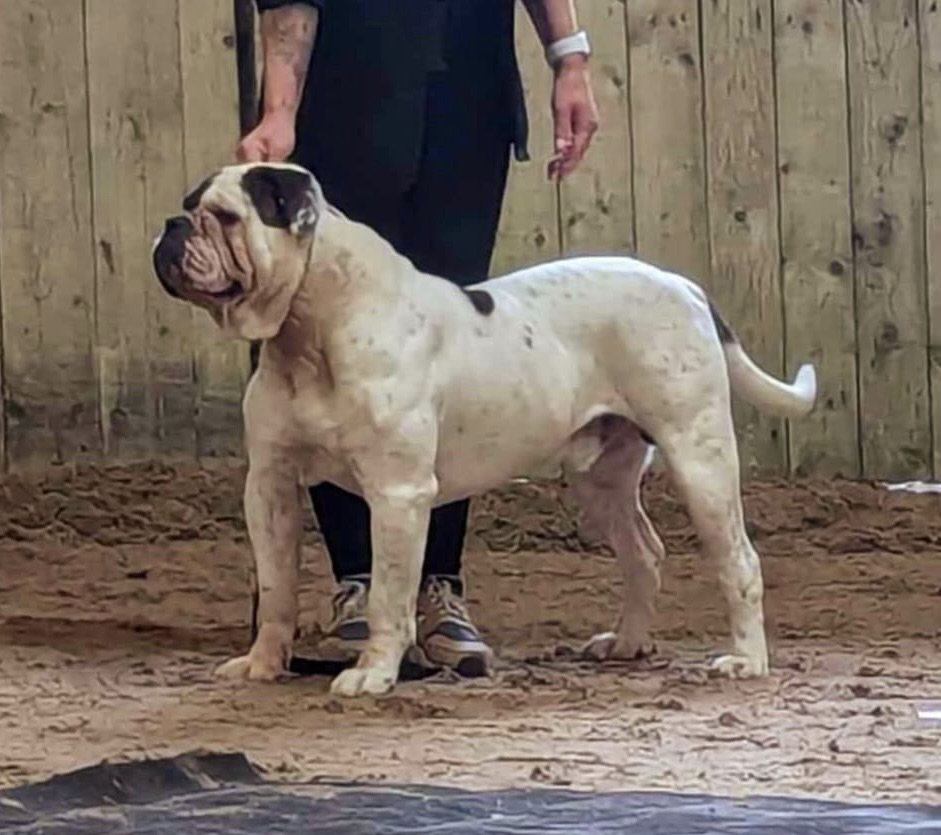
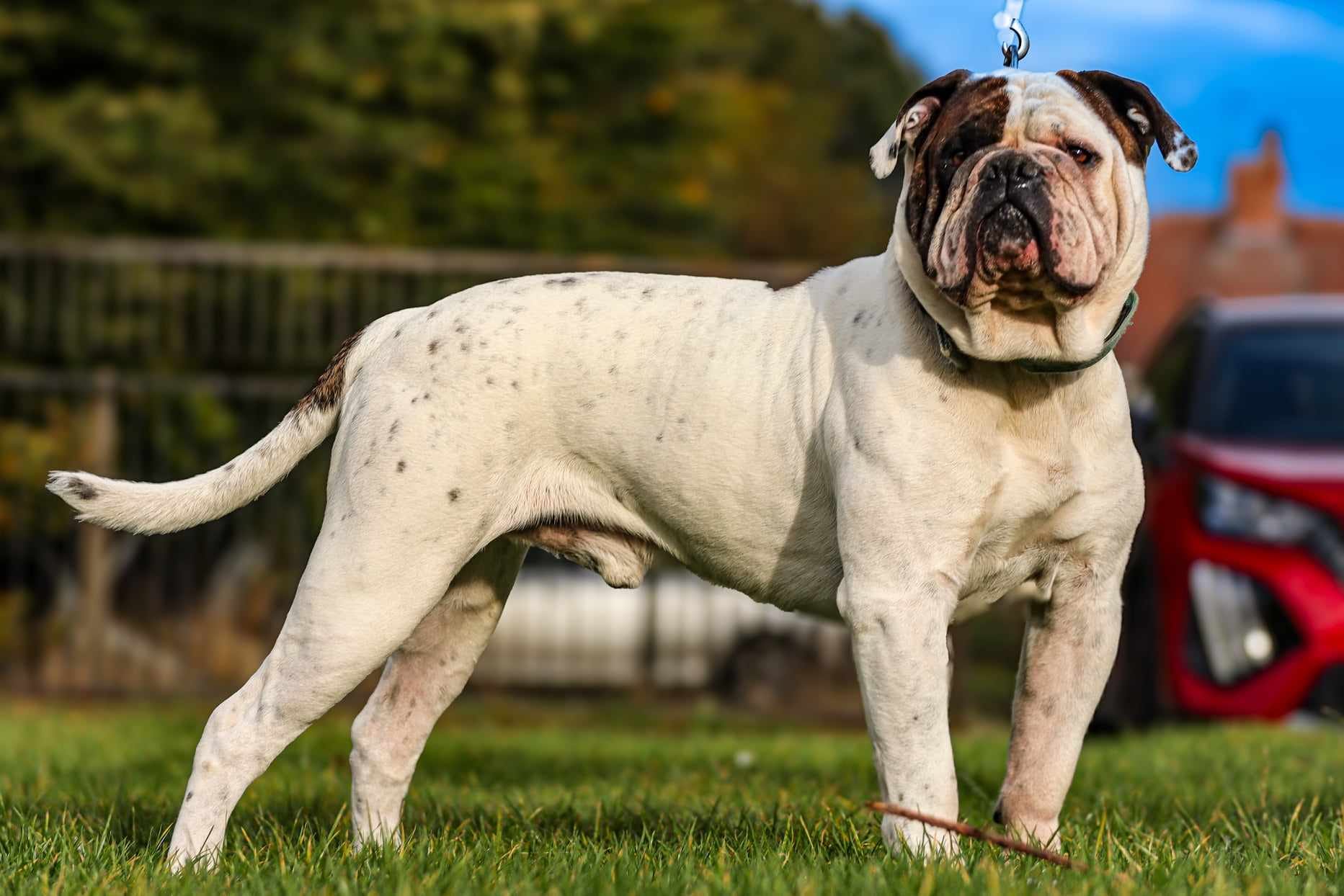
The Alapaha Blue Blood Bulldog is a powerful, medium-sized dog with a stocky build that reflects its working heritage. Males typically stand between 20 to 24 inches at the shoulder, while females range from 18 to 22 inches. Their weight can vary from 55 to 95 pounds, with males generally being more robust and muscular than females.
One of the most striking features of the Alapaha is its broad head and strong jawline, which give it a commanding presence. The eyes are usually round and can come in various colours, including blue, brown, or a combination of both, which adds a unique charm to their expression. Their coat is short, stiff, and smooth, commonly found in shades of white, brindle, or patches of colour, including brown, blue, or black. This breed’s overall appearance is intimidating and regal—a true reflection of its “Blue Blood” status.
The Alapaha’s build is athletic, and its body structure allows for agility and strength, making it an excellent working dog. Its tail is often medium in length, carried low with a slight curve, and the ears are set high on the head, typically small and slightly pointed. This combination of features gives the breed a distinctive look that differentiates it from other bulldog varieties.
4. Temperament and Personality
Despite their imposing appearance, Alapaha Blue Blood Bulldogs are known to be incredibly affectionate and loyal to their families. They are often described as “gentle giants” when it comes to their interactions with loved ones, displaying a protective yet loving nature. This breed forms strong bonds with its human family members, especially children, and is renowned for its patience and tolerance towards the younger members of the household.
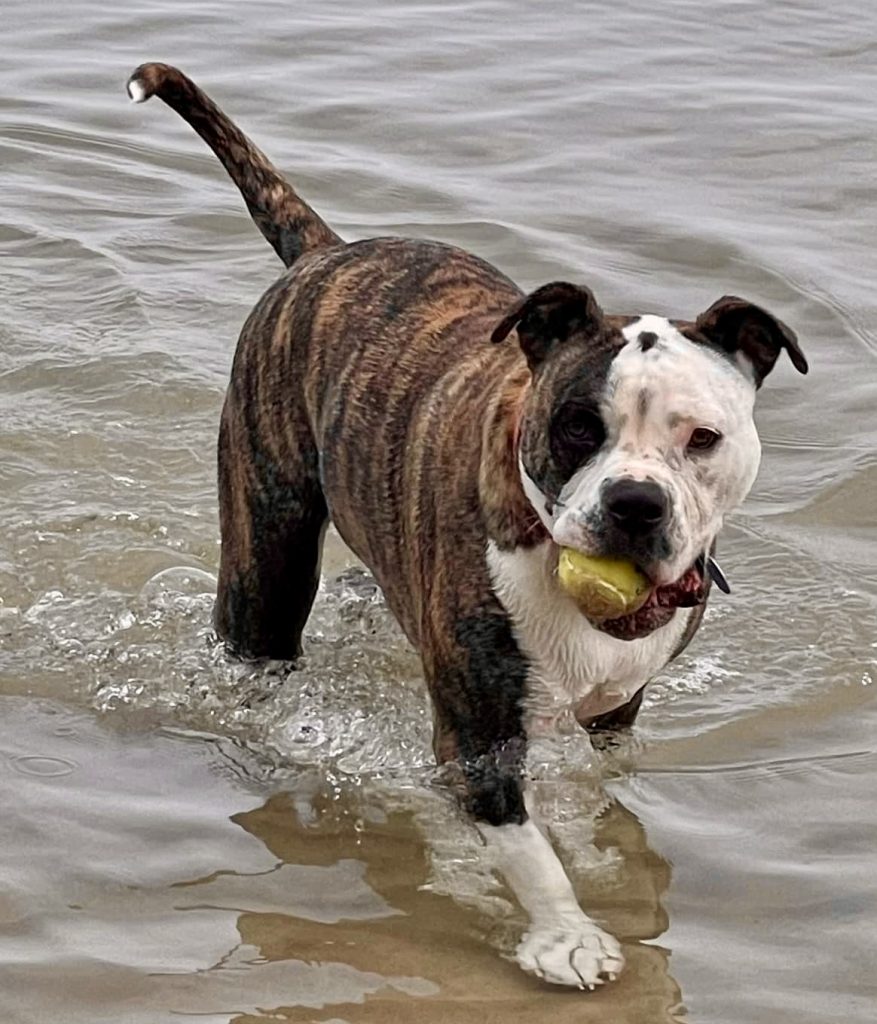
However, their protective instincts are not to be underestimated. The Alapaha has a natural guarding instinct that makes it cautious around strangers, which is why early socialisation is crucial. When properly trained, these dogs can distinguish between real threats and harmless visitors, ensuring they don’t become overly aggressive or territorial.
Their intelligence and eagerness to please also mean they respond well to positive reinforcement during training. But be warned—they can sometimes be stubborn, requiring a firm yet kind approach from a confident handler. This breed’s personality is a blend of courage, loyalty, and playfulness, making it a fantastic companion for those who understand its needs.
5. Training and Socialisation Needs
Training an Alapaha Blue Blood Bulldog requires consistency, patience, and a strong sense of leadership. These dogs are intelligent but have a streak of independence, making training challenging if not handled correctly. Starting training at a young age is crucial, as it helps channel their natural guarding instincts and curbs any undesirable behaviour.
Socialisation is another critical aspect of raising an Alapaha. Early exposure to different people, environments, and other animals helps this breed become well-rounded and adaptable. With proper socialisation, they might become more protective and wary of strangers, which could lead to behavioural issues down the road. Enrolling your Alapaha in puppy classes can be a great way to start, combining obedience training with social interactions.
The most effective approach for this breed is to use positive reinforcement techniques such as treats, praise, and playtime. Harsh training methods can lead to resistance and stubbornness, so building trust and a strong bond with your Alapaha through encouragement and rewards is essential.
6. Exercise and Activity Requirements
The Alapaha Blue Blood Bulldog is an active breed that thrives on regular exercise and mental stimulation. To keep them fit and happy, they need at least 60 to 90 minutes of physical activity each day. This can include brisk walks, jogging, playtime in the backyard, or interactive games that challenge their intelligence.
Due to their working-dog heritage, Alapahas excel in activities that engage their mind and body. Agility courses, obedience training, and scent games can all be great ways to provide them with the exercise they crave. Without enough activity, these dogs can become bored and may develop destructive behaviours as a result.
It’s also important to note that while they enjoy being active, they aren’t as hyperactive as other breeds. They appreciate a good balance between playtime and relaxation. A well-exercised Alapaha is a calm and content companion at home.
7. Diet and Nutrition
Feeding your Alapaha Blue Blood Bulldog a well-balanced diet is key to its overall health and longevity. These dogs require a diet rich in protein to support their muscle mass and energy levels. Look for high-quality commercial dog foods that list meat as the first ingredient, and avoid foods with excessive fillers like corn and soy.
Typically, an adult Alapaha needs around 2 to 3 cups of dry kibble per day, divided into two meals. The exact amount can vary depending on factors like age, weight, activity level, and metabolism. Puppies, on the other hand, require more frequent meals to support their growth and development.
Supplements such as omega-3 fatty acids can also benefit their coat and skin health, while glucosamine can support joint health, which is especially important for larger breeds like the Alapaha. Always consult your veterinarian to tailor a nutrition plan that best suits your dog’s needs.
8. Health and Lifespan
The Alapaha Blue Blood Bulldog is generally a healthy breed with a lifespan of 12 to 15 years, which is relatively long for a dog of its size. However, like all breeds, they are prone to specific health issues. Common concerns include hip dysplasia, progressive retinal atrophy (PRA), and skin allergies. Regular check-ups and preventive care can go a long way in managing these health risks.
Genetic testing for hereditary conditions is strongly recommended when selecting a breeder. Responsible breeding practices help reduce the likelihood of passing on genetic disorders. Maintaining a healthy weight through diet and exercise is crucial in preventing joint and bone problems, especially as the dog ages.
Vaccinations, dental care, and flea prevention should be part of their regular health routine. Keeping your Alapaha up-to-date with these basics will help ensure a long, healthy, and active life.
9. Grooming and Maintenance
Thanks to their short coat, the Alapaha Blue Blood Bulldog’s grooming needs are relatively low compared to other breeds. Brushing them once a week is sufficient to remove loose hair and keep their coat looking sleek. You should brush more frequently during shedding season to manage the extra hair.
Bathing should be done only when necessary, as over-bathing can strip their coat of natural oils. Their ears should be checked and cleaned regularly to prevent infections, and their nails need to be trimmed once they start clicking on the floor. Dental hygiene is also essential, so brushing their teeth a few times a week will help keep their gums healthy.
Despite their low grooming needs, regular maintenance will ensure your Alapaha looks good, feels comfortable, and is healthy. A little upkeep goes a long way in preserving their overall well-being.
10. Alapaha Blue Blood Bulldog as a Family Pet
When it comes to being a family pet, the Alapaha Blue Blood Bulldog is in a league of its own. They are incredibly affectionate and form strong bonds with all family members, particularly children. Their protective instincts make them naturally inclined to watch over their loved ones, acting as both playmates and guardians.
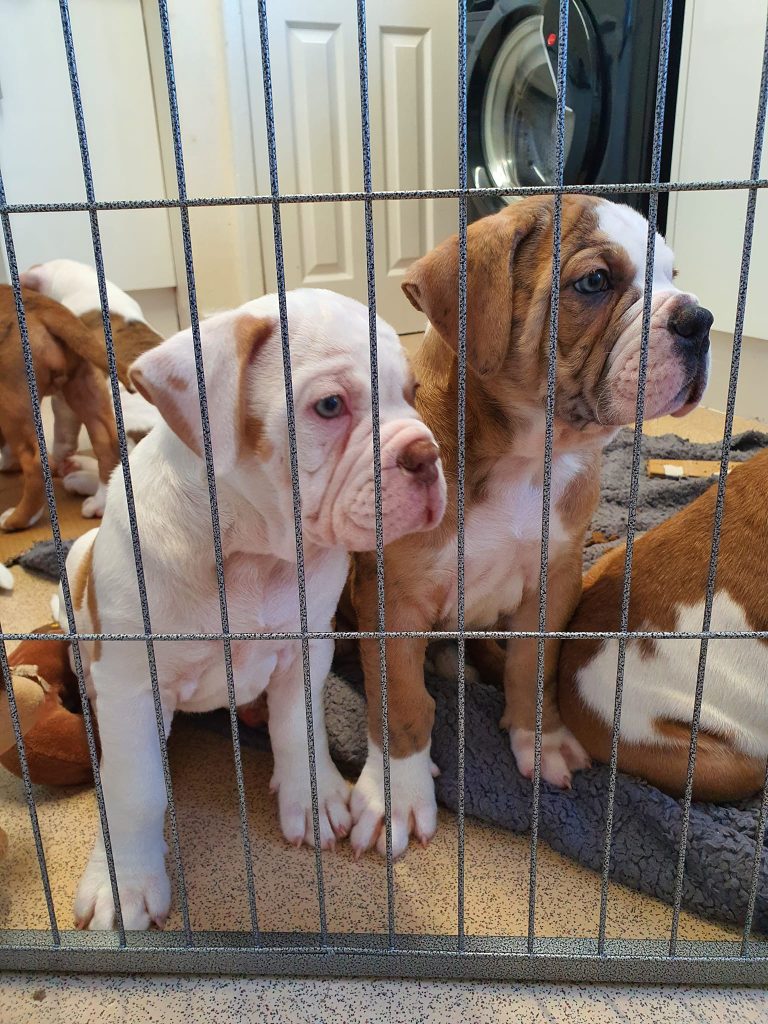
However, their natural guarding tendencies mean they can be wary of strangers and need proper introductions to new people. With the right training and socialisation, they can differentiate between friend and foe, making them a balanced companion for family life. Their loyalty and devotion make them a constant source of love and security for the household.
11. Breed-Specific Challenges and Considerations
Owning an Alapaha Blue Blood Bulldog does come with its set of challenges. Due to their guarding nature, they require an owner who can establish clear boundaries and leadership. This breed is not recommended for first-time dog owners because of their stubborn streak and need for consistent training.
They can also be quite vocal, barking to alert their family to anything unusual. While this makes them excellent watchdogs, it may be better in apartments or closely-knit neighbourhoods. Understanding and preparing for these challenges will help ensure a happy, well-adjusted dog.
12. Adoption and Breeder Selection Tips
When looking to adopt or buy an Alapaha Blue Blood Bulldog, finding a reputable breeder or a breed-specific rescue group is crucial. A good breeder will perform health tests on their dogs and provide a clean, loving environment for their puppies. Avoid puppy mills or backyard breeders who may prioritise profit over the dog’s well-being.
Consider visiting the breeder in person to meet the puppies and their parents. This will give you insight into the dogs’ temperament and the conditions they were raised in. Adoption from a rescue group can also be a rewarding experience, giving a dog a second chance at a loving home.
13. How the Alapaha Blue Blood Bulldog Compares to Other Bulldog Breeds
The Alapaha Blue Blood Bulldog stands out from other bulldog breeds due to its blend of strength, intelligence, and loyalty. While breeds like the English Bulldog are known for their laid-back nature, the Alapaha has a more alert and protective disposition. The Alapaha is slightly smaller than the American Bulldog but shares a similar drive to work and guard.
This breed’s regal appearance and unique colour patterns set it apart visually, while its temperament makes it a more versatile companion. It’s ideal for those who want a bulldog with extra flair and dedication to its family.
14. Living Environment: Ideal Homes for this Breed
The ideal living environment for an Alapaha Blue Blood Bulldog is a home with a secure yard where
They can play and patrol. They do best in suburban or rural settings with space to move and explore. While they can adapt to apartment living, ample exercise is essential to prevent boredom.
These dogs thrive in homes where they can be close to their family members, as they are not well-suited to being left alone for long periods. A house with older children or active adults is perfect for this breed, as they enjoy interactive play and mental challenges.
15. Myth-Busting: Common Misconceptions about the Alapaha Blue Blood Bulldog
One common misconception about the Alapaha Blue Blood Bulldog is that it is naturally aggressive. In reality, this breed is only protective when necessary. With the right training and socialisation, it is a gentle, loving dog that is great with children and other pets.
Another myth is that they are too high-energy to be manageable. While they require regular exercise, they are also content to relax and spend quiet time with their family once their energy needs are met. These myths often stem from a lack of understanding about their true nature and capabilities.
16. Conclusion: Why the Alapaha Blue Blood Bulldog Might Be Your Perfect Companion
The Alapaha Blue Blood Bulldog is more than just a pretty face; it’s a breed with a heart of gold and a spirit of loyalty. Its protective instincts, intelligence, and affectionate nature make it an exceptional companion for the right owner. This breed’s willingness to please and regal appearance always stand out in a crowd.
For those who value a dog that can be both a loving family member and a vigilant guardian, the Alapaha Blue Blood Bulldog offers the best of both worlds. With the proper training, socialisation, and care, they can be the perfect addition to a home that understands and appreciates their unique qualities.
FAQ Section
Q1: Are Alapaha Blue Blood Bulldogs good with children?
Yes, Alapaha Blue Blood Bulldogs are known to be excellent family dogs, especially when it comes to interacting with children. They have a natural sense of loyalty and protection, so they instinctively look out for younger family members. However, their size and strength mean that playtime should always be supervised to ensure the dog and children stay safe. Early socialisation and teaching children how to interact with the dog respectfully will help foster a positive relationship.
Q2: Do Alapaha Blue Blood Bulldogs get along with other pets?
Alapahas can coexist peacefully with other pets if introduced properly and socialised from a young age. While they have a strong guarding instinct and a natural prey drive, this doesn’t mean they can’t learn to accept other animals in the household. Early and consistent training is vital to teaching them that other pets are part of their “pack.” However, caution is advised when introducing them to small pets or unfamiliar dogs, as their protective instincts may kick in.
Q3: How much exercise does an Alapaha Blue Blood Bulldog need?
These dogs are relatively active and need at least 60 to 90 minutes of exercise daily. This can include a mix of brisk walks, jogging, fetch, agility training, or other engaging activities that challenge both their body and mind. Alapahas enjoy having a job, so incorporating tasks like obedience training or puzzle games can be a great way to meet their exercise needs. They might develop behavioural issues without sufficient exercise or become bored and destructive.
Q4: What health problems are common in this breed?
The Alapaha Blue Blood Bulldog is generally a healthy breed, but like most dogs, they can be prone to certain genetic health issues. Common health concerns include:
- Hip Dysplasia: A condition where the hip joint doesn’t fit properly, leading to arthritis or mobility issues.
- Progressive Retinal Atrophy (PRA): A degenerative eye disorder that can lead to blindness over time.
- Skin Allergies: They can be prone to allergies that cause skin irritations, which might require special diets or medications.
Regular veterinary check-ups, a balanced diet, and appropriate exercise can help manage and reduce the risk of these conditions.
Q5: Are Alapaha Blue Blood Bulldogs easy to train?
While they are brilliant and eager to please, Alapahas can also be stubborn. They need a firm but positive approach to training, with plenty of patience and consistency. The best way to encourage their cooperation is to use positive reinforcement techniques such as treats, praise, and play. It’s also important to start training early to establish good habits and curb undesirable behaviours before they become ingrained.
Q6: How much grooming does an Alapaha Blue Blood Bulldog require?
The Alapaha Blue Blood Bulldog’s grooming needs are relatively low due to its short, smooth coat. Weekly brushing will help remove loose hair and keep the coat looking clean and healthy. Bathing should be done only when necessary to avoid stripping the coat of its natural oils. Regular ear cleaning, nail trimming, and dental care are also essential parts of their grooming routine to prevent infections and maintain overall health.
Q7: What is the ideal diet for an Alapaha Blue Blood Bulldog?
A well-balanced diet rich in high-quality protein is essential for the Alapaha’s health. Look for dog foods with meat as the primary ingredient, and avoid fillers like corn, soy, or artificial additives. Puppies require a higher calorie intake focusing on growth and development, while adult dogs need a diet that maintains their energy levels and muscle mass. It’s also recommended to include supplements like omega-3 fatty acids for skin health and glucosamine for joint support, especially in older dogs.
Q8: Are Alapaha Blue Blood Bulldogs aggressive?
The Alapaha is not naturally aggressive towards humans, especially when they are adequately trained and socialised. They are protective and may appear intimidating to strangers, but they are generally gentle and loving with their families. Aggression can surface if they feel threatened or their guarding instincts are triggered. Early socialisation helps teach them to differentiate between real threats and harmless situations, reducing the likelihood of unnecessary aggression.
Q9: Can Alapaha Blue Blood Bulldogs live in apartments?
While Alapahas are not as large as some other breeds, they do better in homes with access to a yard where they can burn off their energy. They can adapt to apartment living if they receive enough daily exercise and mental stimulation, but it could be better to be cooped up in a small space for long periods. Their tendency to be vocal can also be a challenge in close-knit apartment settings.
Q10: How much do Alapaha Blue Blood Bulldogs cost?
The price of an Alapaha Blue Blood Bulldog puppy can vary widely depending on factors like breeder reputation, pedigree, and location. Generally, you can expect to pay anywhere from £1,000 to £3,000 for a well-bred puppy. When considering bringing one into your home, it’s essential to factor in additional costs such as veterinary care, grooming, training, food, and supplies.
Q11: Are Alapaha Blue Blood Bulldogs suitable for first-time dog owners?
This breed is not typically recommended for first-time dog owners due to its strong-willed nature and need for consistent training and leadership. They thrive with experienced owners who understand dog behaviour and are willing to invest the time and effort into proper training. If a novice owner is committed and seeks help from a professional trainer, it’s possible to manage, but prior experience with similar breeds is highly advantageous.
Q12: How long do Alapaha Blue Blood Bulldogs live?
Alapaha Blue Blood Bulldogs generally have a lifespan of 12 to 15 years, which is relatively long for a medium to large breed. Their lifespan can be maximised with a balanced diet, regular exercise, routine vet check-ups, and preventive care. Early detection of health issues through regular vet visits can also contribute significantly to their longevity and quality of life.
Q13: What makes the Alapaha Blue Blood Bulldog different from other bulldog breeds?
The Alapaha stands out due to its blend of strength, athleticism, protective instincts, and loving and loyal nature. Unlike the more laid-back English Bulldog, the Alapaha is more alert and active, often displaying a solid desire to guard its family. Its unique appearance, including distinctive coat patterns and eye colours, distinguishes it from other bulldog breeds.
Q14: Do Alapaha Blue Blood Bulldogs drool a lot?
Unlike some other bulldog breeds, the Alapaha does not drool excessively. They may drool slightly after drinking water or during hot weather, but it is generally minimal. This makes them a more appealing option for those who prefer a cleaner breed.
Q15: How much space do Alapaha Blue Blood Bulldogs need?
Alapahas do best in homes with a fenced yard where they can run and play freely. They enjoy having the space to roam and explore, which helps to keep their minds engaged and bodies active. Although they can adapt to smaller living spaces, it’s crucial to ensure they receive ample exercise to prevent restlessness and boredom.