Anatolian Shepherd (Turkish Mountain Dog)
| Characteristics | Details |
|---|---|
| Height | Male Anatolian Shepherds typically stand between 74 and 81 cm at the shoulder, while females are slightly smaller, ranging from 71 to 79 cm, giving them an imposing and powerful presence. |
| Weight | Male Anatolian Shepherds generally weigh between 50 and 65 kg, while females are lighter, weighing between 40 and 55 kg, maintaining a strong, muscular build ideal for their protective roles. |
| Life Span | The Anatolian Shepherd typically has a lifespan of 11 to 13 years. With proper care, diet, and regular veterinary check-ups, some can live even longer, maintaining good health into their senior years. |
| Coat Colour | Anatolian Shepherds have a short, dense coat that comes in various colours. Common coat colours include fawn with a black mask, grey fawn, red fawn, tricolour, and solid white without a mask, reflecting their working heritage. |
| Suitable For | The Anatolian Shepherd is suitable for experienced dog owners who have large, securely fenced properties. They thrive in rural environments, particularly on farms, and are excellent for families needing a dedicated livestock guardian. Additionally, they can be protective family pets but require early socialisation and firm leadership due to their independent and strong-willed nature. |
| Temperament | The Anatolian Shepherd is known for its loyal, protective, and independent temperament. Bred as a guardian, they are naturally cautious and reserved around strangers but deeply devoted to their families. These dogs are intelligent and strong-willed, often making their own decisions, which can be a challenge for inexperienced owners. Despite their serious nature, they can be gentle with children and other pets when properly socialised. Anatolian Shepherds are calm but highly alert, and their primary instinct is to protect, making them excellent watchdogs and guardians. |
Anatolian Shepherd Dog: A Noble Guardian with Ancient Roots
Introduction
The Anatolian Shepherd is a powerful, intelligent, independent dog breed known for its loyalty and protective instincts. Originating from Turkey, this breed has been guarding livestock for a long time, making it an ideal working dog for those who need protection for their flocks. While their large size and strength might seem intimidating, they are intensely loyal to their families and can be gentle giants in the right environment. However, this breed requires early socialisation and firm, consistent training to ensure it develops into a well-rounded companion.
This detailed review will explore the history, characteristics, temperament, care needs, and common concerns related to owning an Anatolian Shepherd. Whether you are considering adopting one or simply intrigued by this remarkable breed, this guide will provide valuable insights into what makes the Anatolian Shepherd unique.
Table of Contents
- History and Origin of the Anatolian Shepherd
- Physical Characteristics and Appearance
- Temperament and Personality Traits
- Training and Socialisation
- Exercise and Activity Levels
- Grooming and Maintenance
- Health and Lifespan
- Is the Anatolian Shepherd Right for You?
- Common Myths and Misconceptions
- Conclusion: The Guardian of Hearts
- FAQ Section
History and Origin of the Anatolian Shepherd
The Anatolian Shepherd’s history is fascinating and deeply rooted in the ancient pastoral cultures of Turkey and surrounding regions. As a giant breed, the Anatolian Shepherd was developed with a specific purpose: to guard and protect large flocks of livestock over vast, often challenging, terrains. Their history spans over 6,000 years, making them one of the oldest known working dog breeds.
The origins of the Anatolian Shepherd can be traced back to Asia, but it was in 11th-century Turkey that they truly began to take on the characteristics we recognise today. This region, particularly the Anatolian Peninsula, was home to nomadic shepherds who depended on hardy, reliable dogs to help protect their flocks of sheep and goats. These shepherds were often isolated, moving across the rugged, mountainous terrain with their animals, and they needed a dog that was both physically capable and mentally independent enough to guard against large predators such as wolves, bears, and even human thieves.
One of the earliest ancestors of the Anatolian Shepherd is believed to be the Kangal Dog, named after the region of Kangal in Turkey, where these dogs were first thought to have originated. While the exact lineage of the Anatolian Shepherd is still a subject of debate among historians and breed experts, it is widely accepted that these dogs are closely related to the Kangal and other large, mastiff-type breeds that populated the Middle East and Central Asia thousands of years ago.
In their early days, Anatolian Shepherds were known as Çoban köpeği, which means “shepherd dog” in Turkish. The Turkish shepherds highly valued these dogs for their strength, courage, and independent thinking. They needed to be strong enough to fend off predators but also intelligent and independent enough to make decisions independently, mainly when left alone with their flocks for long periods. These dogs lived outdoors year-round, enduring all kinds of weather, including heavy snow and scorching summer heat, and were relied upon to protect livestock without direct supervision.
The bond between the Anatolian Shepherd and its flock was so strong that the dogs were treated with great reverence. If an Anatolian Shepherd was killed, the person responsible had to compensate the owner with a measure of grain as tall as the dog itself, which was measured by hanging the deceased dog by its tail. This practice highlighted the dog’s immense value to the shepherds, as they were seen as indispensable partners in the survival of the herds.
The breeding practices surrounding Anatolian Shepherds were selective and strict. In ancient times, only the strongest, most capable dogs were allowed to breed, ensuring that each successive generation was hardy, intelligent, and loyal. Due to the vast size of the region, there were many different varieties of Anatolian Shepherds, each adapted to the specific needs and environmental conditions of their locale. These regional variations often resulted in dogs with different coat colours, sizes, and other distinguishing characteristics, but they all shared the same core traits of independence, strength, and protectiveness.
Despite their close relationship with humans, Anatolian Shepherds were not treated as pets in the traditional sense. Instead, they were working dogs through and through, bred and kept for their utility in protecting livestock. There are stories of Turkish farmers placing spiked collars around the necks of their Anatolian Shepherds to protect them from predators during confrontations, and this practice continues in some rural parts of Turkey today. In many cases, only two or three male Anatolian Shepherds would be chosen to guard a flock. At the same time, female dogs were kept closer to the settlements or villages and used primarily for breeding rather than working in the field. The selective culling of weaker puppies ensured that only the most capable and promising dogs could mature into adult working dogs.
Interestingly, Anatolian Shepherds were expected to fend for themselves when it came to food. They were seldom fed by their human counterparts and had to rely on their instincts and resourcefulness to find sustenance. Despite this, they never harmed the livestock they guarded, even in extreme hunger, demonstrating their strong bond and natural inclination to protect their charges.
The transition of the Anatolian Shepherd from an ancient working dog in Turkey to a recognised breed in the West began in the 1970s. As Turkey became more connected with the broader world, interest in this noble breed grew, particularly in the United States. The Anatolian Shepherd’s combination of intelligence, strength, and independence made it appealing to farmers and ranchers in America, where the dogs found a new role as livestock guardians. The American Kennel Club officially recognised the breed in 1995, solidifying its status in the West. Shortly after, the breed was also recognised in the UK, although it remains a relatively rare sight in Britain today.
Despite its rarity in the UK, the Anatolian Shepherd remains revered in its homeland of Turkey, where it is considered the national dog. In rural areas, the breed still serves its traditional role of guarding livestock, while in more urban settings, Anatolian Shepherds are often seen as symbols of strength and loyalty.
Today, the Anatolian Shepherd’s ancient legacy as a protector and guardian live on in Turkey and worldwide. Whether used as a working dog on a farm or as a loyal companion to a family, the Anatolian Shepherd remains a breed of great historical and cultural significance. Its 6,000-year-old legacy, forged in the harsh landscapes of the Anatolian Peninsula, continues to inspire admiration and respect from dog lovers everywhere.
Physical Characteristics and Appearance
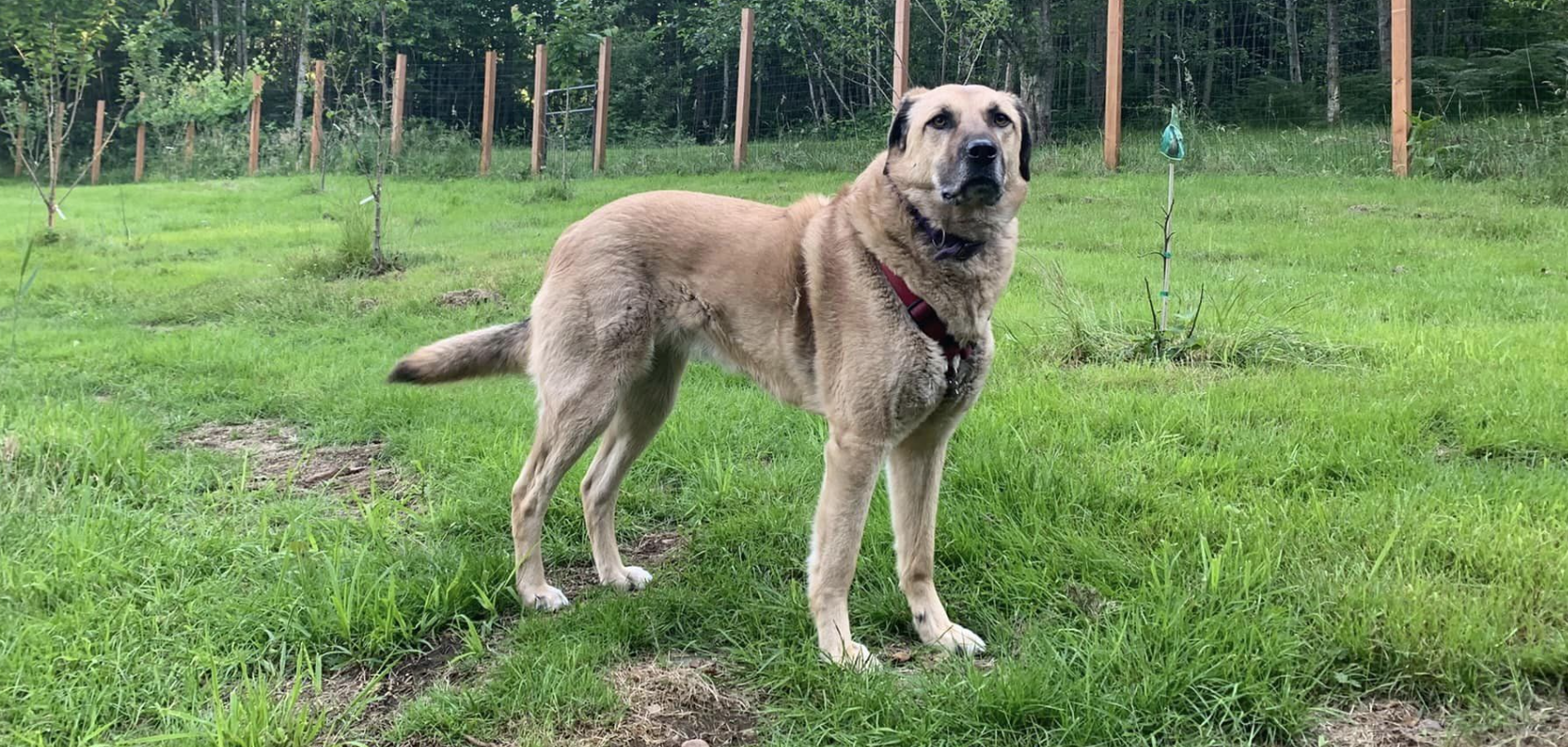
The Anatolian Shepherd is a striking and formidable mastiff-type breed, characterised by its imposing stature and muscular build. Standing tall at the withers, males typically reach 74 and 81 cm, while females are slightly smaller, measuring 71 to 79 cm. The average weight for males ranges from 50 to 65 kg, and females weigh between 40 and 55 kg. This large size, combined with their robust frame, makes them an impressive sight and contributes to their reputation as formidable guardians.
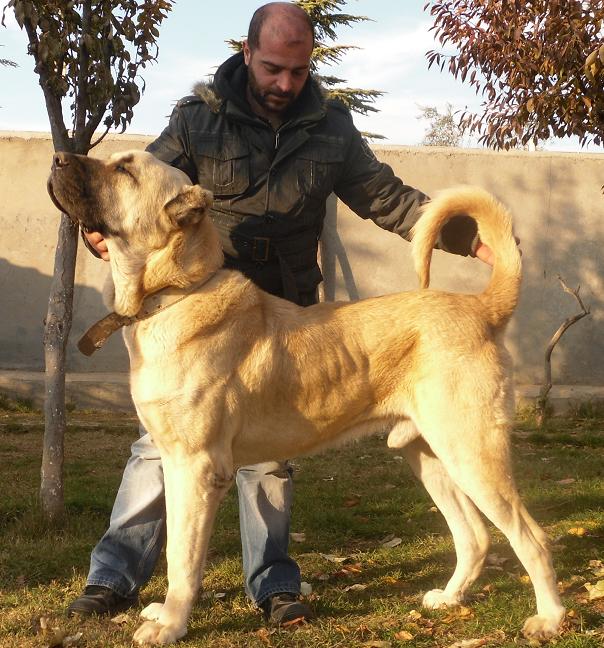
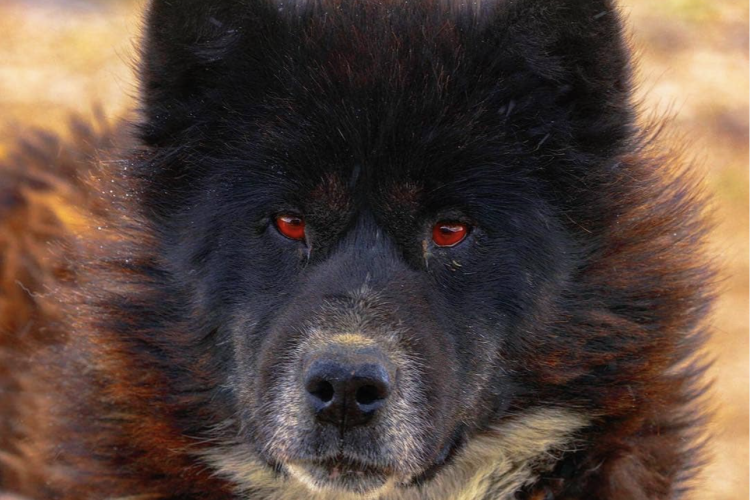
One of the most distinctive features of the Anatolian Shepherd is its large, broad head, which immediately conveys strength and authority. There is often a slight crease between the eyes and a subtle stop, giving them a serious, focused expression. The heads of male Anatolian Shepherds are generally broader than those of females, further emphasising their masculine, robust appearance. Their lips are slightly drooping, and their lips and nose are black, providing a sharp contrast to their coat, especially in those with lighter fur.
Their eyes are relatively small compared to the size of their head, giving them a calm, steady gaze. These eyes can be either golden or brown and are set wide apart and deep, framed by black rims, which adds to their penetrating expression. The overall appearance of the eyes exudes alertness and intelligence, qualities vital for their role as guardians. The ears of the Anatolian Shepherd are moderately sized, triangular, and rounded at the tips. When relaxed, these ears lie flat against the head, but when the dog becomes alert or excited, they are raised slightly higher, contributing to the dog’s attentive demeanour.
The jaw of the Anatolian Shepherd is robust, with a perfect scissor bite, meaning the upper teeth neatly overlap the lower ones. This bite is essential for a working dog, ensuring they can hold their ground when needed. The neck is another feature that contributes to their powerful presence. It is vital, muscular, and slightly arched, giving the dog an air of authority. The shoulders are well-muscled and slope nicely, creating a smooth transition to the body. The front legs are straight and well-boned, set wide apart to support the dog’s broad chest and ensure stability.
The Anatolian Shepherd’s body is muscular and well-proportioned. Its chest is deep, with well-sprung ribs, contributing to its impressive lung capacity and endurance. The dog’s top line is level, with slightly arched loins, which adds to its athleticism. The belly is neatly tucked up, which, along with its strong and well-defined limbs, gives it a sleek but powerful look suited to long hours of work in rough terrains.
The hindquarters of the Anatolian Shepherd, though slightly lighter than the forequarters, are still powerful and well-muscled. This balance allows for agility and endurance despite their large size. Their feet are strong, with well-arched toes and short nails, providing the grip and stability they need to navigate various terrains. The tail is long and set high. When the dog is relaxed, the tail hangs low with a slight wave. However, when alert or excited, the Anatolian Shepherd carries its tail high, with the tip curled up, which is especially prominent in male dogs. This high-held tail is often seen when the dog is actively guarding or on alert, emphasising their readiness to protect.
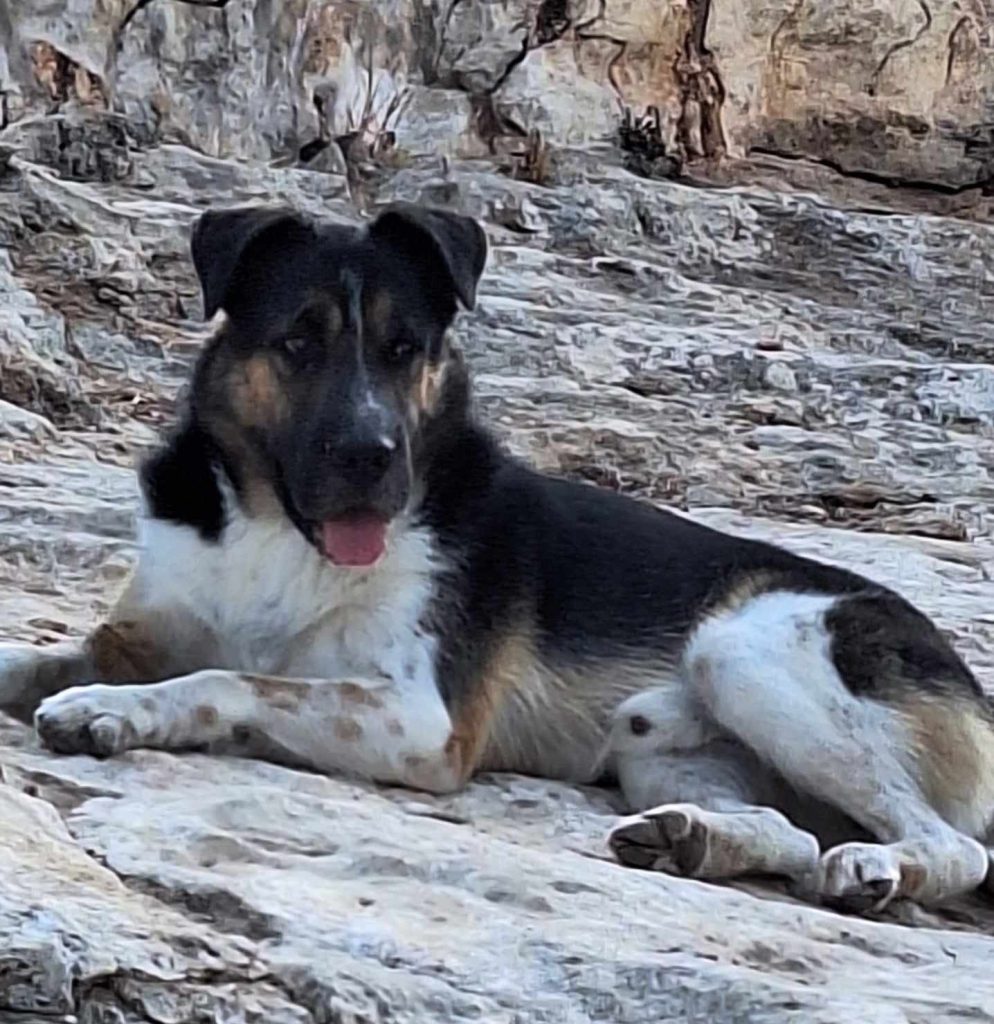
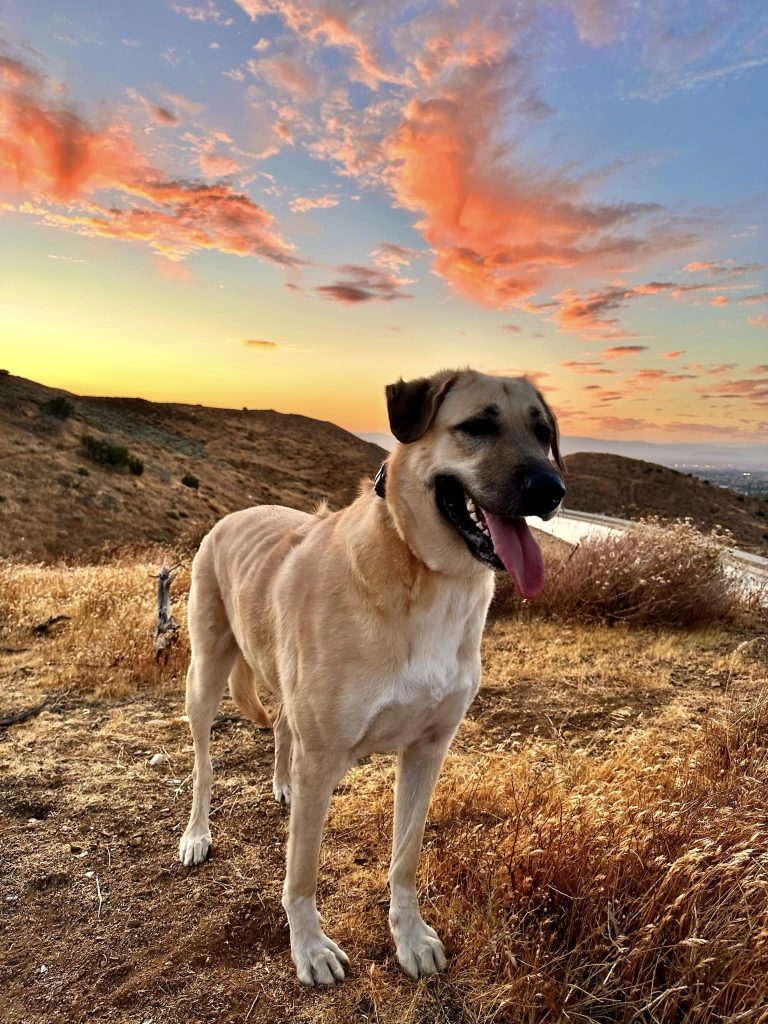
One of the Anatolian Shepherd’s key characteristics is its thick and short coat, with a dense undercoat that lies flat against the body. This double-layered coat provides excellent protection against harsh weather conditions, including extreme heat and cold, making them well-suited to their historical role as a livestock guardian in the varied climates of Turkey. The hair is slightly longer and thicker around the neck, shoulders, and tail, offering extra protection. Despite this thickness, the coat does not feature feathering on the legs or ears, giving the dog a clean, streamlined appearance. The colours of the Anatolian Shepherd’s coat can vary, with several acceptable shades, including fawn, grey fawn, red fawn, and tricolour. Some dogs have a black mask and ears, while others do not, but the breed standard equally recognises both variations. The accepted colours for Kennel Club registration include:
- Fawn with Mask
- Grey Fawn with Mask
- Red Fawn with Mask
- Tricolour
- White with No Mask
The movement and gait of the Anatolian Shepherd is another striking aspect of their physical appearance. Despite their large size, they move with a relaxed, powerful, and supple gait, demonstrating their agility and strength. They hold their heads high and straight, reflecting their confidence and authority. Their hindquarters show tremendous drive, propelling them forward with purpose. This smooth and controlled movement allows them to cover large distances efficiently, a trait essential for a working dog tasked with guarding expansive land areas.
As set out by The Kennel Club, the breed standard outlines specific criteria for the Anatolian Shepherd’s appearance. While minor deviations in height, weight, or other physical traits are acceptable, any exaggeration or departure from the breed standard that affects the dog’s overall health or ability to perform its role is frowned upon. For example, males must have both testicles fully descended into their scrotum, a common requirement in many breeds. Although slight variations in size are tolerated, the standard offers a clear guideline to preserve the breed’s health, well-being, and functional capabilities.
In conclusion, the Anatolian Shepherd’s physical appearance reflects its historical role as a working dog. Every aspect of its build, from its broad head and muscular neck to its deep chest and powerful legs, is tailored to perform the demanding tasks it was bred for. Its impressive stature and calm yet alert demeanour make it not only an effective guardian but also a visually striking breed that commands respect and admiration wherever it goes.
Temperament and Personality Traits
The temperament of an Anatolian Shepherd is defined by its centuries-old role as a guardian. This breed is naturally independent, intelligent, and fiercely protective. Their primary instinct is to watch over those they consider part of their family, whether that’s a flock of sheep or their human household.
Anatolian Shepherds are moderately affectionate like some other breeds might be. They are typically more reserved and cautious, particularly around strangers. They may be friendly but constantly assess situations before deciding whether to interact. They bond deeply with their families and will display loyalty and devotion to those they trust.
Because of their strong protective instincts, early socialisation is critical. An Anatolian Shepherd might become overly wary or territorial without proper exposure to different environments, people, and other animals. This breed thrives in an environment with clear leadership and boundaries.
Although they are generally calm and composed, Anatolian Shepherds can be stubborn. Their independent nature means they may choose to make decisions on their own, which can be a challenge during training. However, this trait also makes them excellent problem-solvers who can think on their feet in stressful situations.
Anatolian Shepherds can be gentle despite their serious demeanour, especially with children. They are patient and tolerant, and when properly trained and socialised, they can form strong bonds with young family members.
Training and Socialisation
Training an Anatolian Shepherd requires patience, consistency, and a firm but fair hand. This breed’s independent nature can sometimes make training challenging, especially for first-time dog owners. However, the Anatolian Shepherd can learn to follow commands and respect boundaries with the right approach.
Early training is essential for Anatolian Shepherds. Because of their protective instincts, they must learn to differentiate between real and perceived threats. Socialising them from a young age is one of the best ways to ensure they develop into well-adjusted adult dogs. This includes introducing them to various people, animals, and environments.
Anatolian Shepherds respond best to positive reinforcement techniques. Harsh training methods or punishment will not work with this breed and can lead to mistrust or defiance. Instead, reward-based training using treats, praise, and play will encourage them to follow commands.
It’s also important to remember that Anatolian Shepherds are natural leaders. They must understand their role in the family structure, and owners must establish themselves as the pack leader. This means something other than being domineering but providing clear rules and structure for the dog.
Because of their size and strength, leash training should begin early. Anatolian Shepherds are powerful dogs; without proper training, they can easily overpower their owner during walks. Consistent exercise will help manage their strength and ensure they remain controlled.
Exercise and Activity Levels
Despite their large size, Anatolian Shepherds do not require excessive exercise. They are not couch potatoes, either. This breed was bred to patrol large areas of land, so they enjoy having space to roam and explore.
Anatolian Shepherds do best in homes with extensive, securely fenced gardens or properties where they can move freely. They may become bored or restless if kept in smaller spaces, such as a flat. Daily walks are essential to keep them physically fit, but they don’t need intense, high-energy activities like other breeds.
Because of their natural guarding instincts, Anatolian Shepherds enjoy having a purpose. Whether protecting livestock or watching over their human family, they need to feel like they have a job. Mental stimulation is just as important as physical exercise, so activities that challenge their intelligence, such as puzzle toys or advanced training sessions, will keep them engaged and satisfied.
If you live in a rural area or have a large property, allowing your Anatolian Shepherd to patrol the grounds can be an excellent way to burn off energy while fulfilling their guarding role.
Grooming and Maintenance
Anatolian shepherds are relatively low-maintenance when it comes to grooming. Their short to medium-length coat is weather-resistant, so they don’t require frequent baths unless they get dirty.
However, their double coat does shed, especially during seasonal changes. Brushing them once or twice a week will help manage loose fur and keep their coat healthy. More frequent brushing may be necessary during shedding seasons, which typically occur in spring and autumn.
Their nails should be trimmed regularly to prevent overgrowth, and their ears should be checked for debris or signs of infection. Regular dental care, including brushing their teeth, is also essential to maintain overall health.
Health and Lifespan
Anatolian Shepherds are generally healthy dogs, but like all breeds, they are prone to specific health conditions. Some of the common health concerns in this breed include:
- Hip Dysplasia: A genetic condition where the hip joint doesn’t fit properly into the hip socket. It can lead to arthritis and mobility issues later in life.
- Elbow Dysplasia: Similar to hip dysplasia but affecting the elbow joint.
- Hypothyroidism: A condition where the thyroid gland does not produce enough hormones, leading to weight gain, lethargy, and skin issues.
- Entropion: A condition where the eyelids roll inward, irritating the eyes.
Regular veterinary check-ups and a balanced diet can help manage these risks and ensure your dog remains healthy. Anatolian Shepherds typically live between 11 and 13 years, although some may live longer with proper care.
Is the Anatolian Shepherd Right for You?
Owning an Anatolian Shepherd is a rewarding experience, but it’s not for everyone. This breed thrives in homes with space to roam and a job. The Anatolian Shepherd can be an excellent guardian and companion if you live in a rural area or have a large property.
However first-time dog owners or those not prepared for the breed’s independent nature may need help training and managing their strong protective instincts. Anatolian Shepherds need firm, consistent leadership and early socialisation to become well-rounded dogs.
If you’re looking for a loyal, intelligent, and protective dog who will unwaveringly guard your home and family, the Anatolian Shepherd could be the perfect match.
Common Myths and Misconceptions
There are several myths surrounding the Anatolian Shepherd that may deter some people from considering this breed. Let’s debunk a few of the most common ones:
- Myth 1: Anatolian Shepherds are aggressive. While they are protective, Anatolian Shepherds are not inherently aggressive. They are cautious around strangers but can be gentle and calm when properly trained and socialised.
Myth 2: They need excessive amounts of exercise. Despite their large size, Anatolian Shepherds require less training than expected. Moderate daily walks and ample space to roam will suffice. - Myth 3: They are difficult to train. While their independent nature can present challenges, Anatolian Shepherds can be well-trained with patience and positive reinforcement.
Conclusion: The Guardian of Hearts
The Anatolian Shepherd is more than just a guardian of livestock; it is a protector of hearts. With a history that spans thousands of years, this noble breed has proven its loyalty, intelligence, and courage time and again. Whether serving as a working dog on a farm or as a devoted family companion, the Anatolian Shepherd brings strength and dignity to every role it plays.
The rewards are immense for those who can meet the needs of this ancient breed. An Anatolian Shepherd will stand by your side with unwavering dedication, offering protection, loyalty, and an unbreakable bond that only a breed with such a rich history can provide.
FAQ Section
Q: Are Anatolian Shepherds good with children?
A: When properly socialised, Anatolian Shepherds can be excellent with children. They are protective and patient, though supervision is always recommended due to their large size.
Q: How much exercise do Anatolian Shepherds need?
A: Anatolian Shepherds require moderate exercise, such as daily walks and space to roam. They enjoy having a job, so mental stimulation is also important.
Q: Can Anatolian Shepherds live in a flat?
A: Anatolian Shepherds are better suited to homes with large, securely fenced gardens or rural properties due to their size and guarding instincts. Flats may not provide enough space or stimulation for this breed.
Q: Do Anatolian Shepherds bark a lot?
A: Anatolian Shepherds will bark to alert their owners of potential threats, but they are not excessive barkers. Proper training can help manage their barking.
Q: Are Anatolian Shepherds good with other pets?
A: With early socialisation, Anatolian Shepherds can get along with other pets, significantly if they are raised together. However, their guarding instincts may cause them to be wary of unfamiliar animals.