The Barbet: France’s Water-Loving Canine Companion
| Characteristics | Details |
|---|---|
| Height | Male Barbet dogs typically stand between 21 to 24.5 inches (53 to 62 cm) tall, while females are slightly smaller, measuring 19 to 22.5 inches (48 to 57 cm). Their medium size makes them an ideal companion for various living environments, from city apartments to countryside homes |
| Weight | Weight: The Barbet typically weighs between 35 to 65 pounds (16 to 29 kg), with males usually being on the heavier side compared to females. Their sturdy build contributes to their agility and strength, especially for water-related activities and outdoor adventures. |
| Life Span | The Barbet dog typically lives between 12 to 14 years. With proper care, including regular exercise, a balanced diet, and routine vet check-ups, many Barbet dogs enjoy long, healthy lives. |
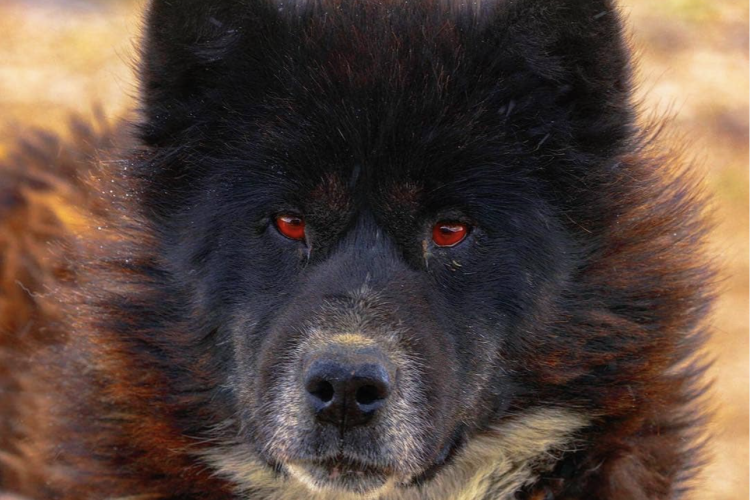
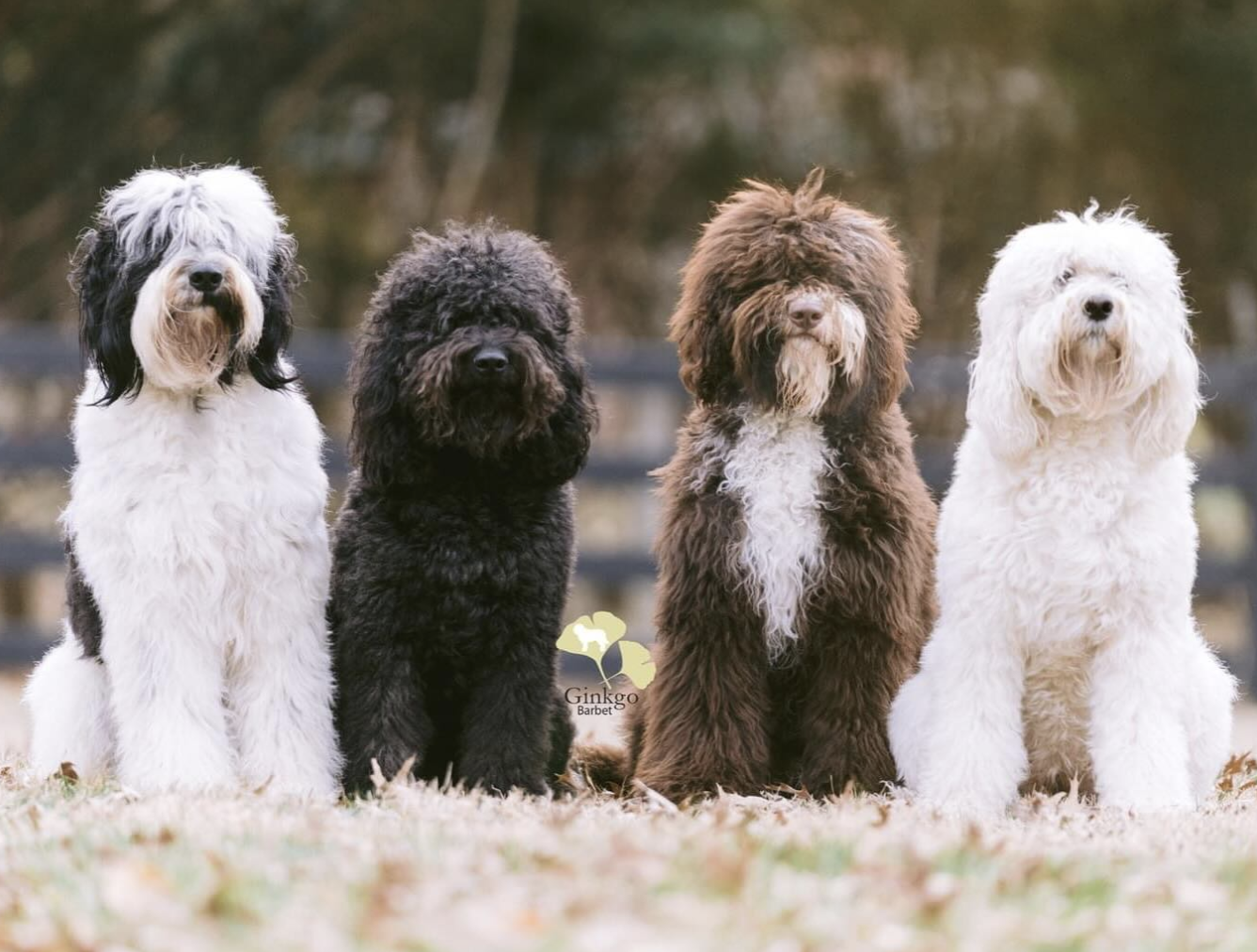
| Coat Colour | The Barbet’s coat comes in a variety of colours, including black, brown, gray, fawn, and even white. Some Barbet dogs may have patches of different shades, giving them a unique and striking appearance. Their dense, curly coat is one of their most distinctive features, designed to protect them in wet environments |
| Suitable for | Suitable for: The Barbet is ideal for active families, outdoor lovers, and those who enjoy water activities. They are great with children and other pets, making them perfect family companions. Their intelligence and trainability also suit them well for various dog sports. |
| Temperament | Temperament: The Barbet is friendly, affectionate, and intelligent. They are loyal, easy to train, and great with families. Calm indoors but playful outdoors, they adapt well to different environments with proper exercise. |
Barbet Dog: A Comprehensive Guide and Impartial Review
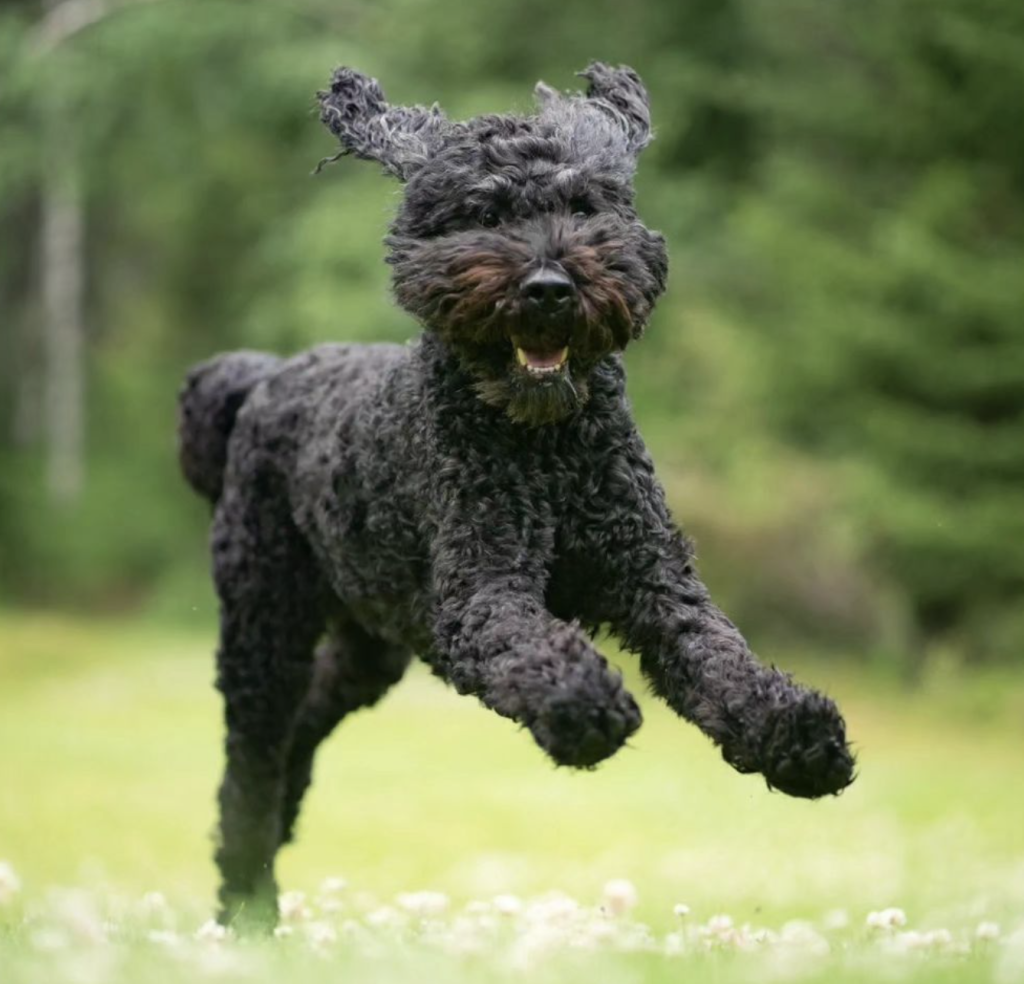
The Barbet dog, known for its friendly temperament and distinctively curly coat, is a rare yet beloved breed gaining popularity among families, dog enthusiasts, and hunters alike. Originating from France, this water-loving dog has a rich history dating back to the 16th century, when it was primarily used as a hunting companion for retrieving waterfowl. Its charming personality and unique appearance make the Barbet stand out, but is this breed the right choice for you? So, let’s explore the Barbet’s characteristics, history, care needs, and whether it’s the ideal dog for your lifestyle.
Table of Contents:
- 1. History and Origins of the Barbet
- 2. Physical Characteristics and Appearance
- 3. Temperament and Personality Traits
- 4. Training and Intelligence
- 5. Exercise and Activity Requirements
- 6. Grooming and Maintenance
- 7. Health and Lifespan
- 8. Pros and Cons of Owning a Barbet
- 9. Is the Barbet Right for You?
- 10. Conclusion: The Barbet Experience
- 11. Frequently Asked Questions (FAQ)
1. History and Origins of the Barbet
The Barbet’s roots are deep, stretching back centuries to France, which is believed to have first appeared as early as the Middle Ages. The breed was initially developed as a water dog for retrieving waterfowl during hunts. The name “Barbet” comes from the French word barbe, meaning “beard,” a reference to the dog’s characteristic facial hair. This iconic beard has remained a defining feature of the breed, along with its dense, curly coat, which helped protect it from the harsh elements during hunting excursions.
Other names the Barbet is known by
The Barbet is primarily known by its original name, but over time and in different regions, it has been referred to by various other names. These names are typically associated with its role as a water dog or retriever. Here are a few other names the Barbet may be known by:
- French Water Dog – This name refers to the Barbet’s origins and its primary function as a waterfowl retriever in France.
- Griffon d’Arrêt à Poil Laineux – This is a more technical name for the Barbet, meaning “Woolly-coated Pointing Griffon” in French. It highlights the dog’s coat type and its hunting role.
- Water Dog – A general name used to describe the Barbet’s proficiency in water, similar to other water dogs like the Portuguese Water Dog or Spanish Water Dog.
- Mud Dog – In the past, the Barbet was sometimes referred to as a “mud dog” due to its tendency to work in wet and muddy conditions, retrieving waterfowl in swamps and marshes.
These names, although less commonly used, reflect the Barbet’s historical roles and characteristics, particularly its connection to water and its curly, woolly coat.
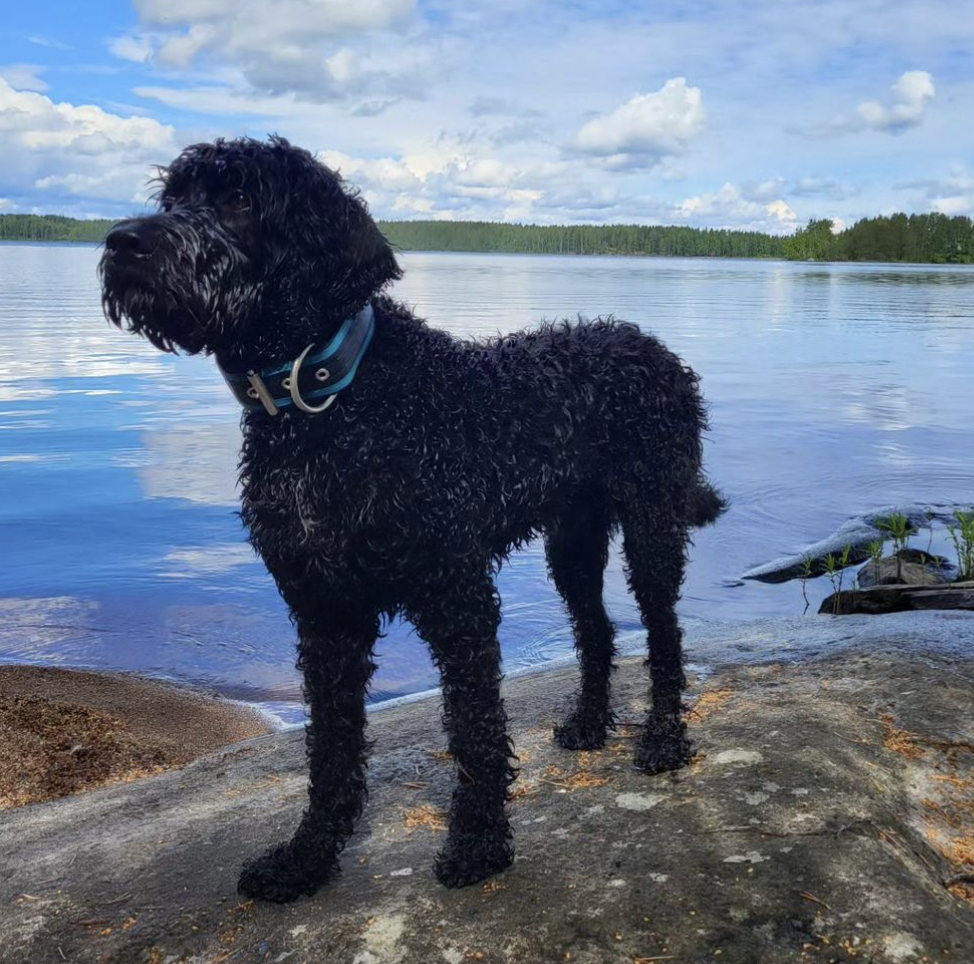
The Barbet’s history is intricately tied to that of European nobility, as the breed was favoured by royalty and hunters alike. In the 16th and 17th centuries, Barbets were often seen accompanying noblemen on hunting trips. Their ability to retrieve game from the water made them invaluable, especially in wetlands and marshes, where other dogs struggled. Barbets were bred to be resilient and hardworking, traits that remain essential to the breed today. Their adaptability to water and rugged environments made them a favourite among French hunters, and their gentle nature also made them beloved companions of the hunting field.
Beyond their practical use, Barbets appeared in various forms of art and literature, highlighting their importance in European culture. One famous depiction of a Barbet can be found in the works of 19th-century French artist Jean-Baptiste Oudry, who frequently painted Barbets alongside their owners. Barbets also appeared in French literature and poetry, reinforcing their status as working dogs and companions of the elite.
However, despite its popularity, the Barbet breed faced significant challenges in the 19th and 20th centuries. Like many European breeds, its numbers dwindled drastically during the two World Wars. The chaos and economic hardship of the time led to a sharp decline in breeding, and the Barbet was nearly driven to extinction. By the end of World War II, very few Barbets remained, and the breed was on the brink of disappearing altogether.
It wasn’t until the mid-20th century that efforts to revive the breed began in earnest. Dedicated breeders in France and other parts of Europe took on the task of restoring the Barbet population. They worked to preserve the breed’s traditional characteristics—its hunting instincts, water-resistant coat, and friendly, people-oriented nature—while ensuring a healthy and stable population. The Barbet’s resurgence can largely be credited to these passionate breeders who focused on maintaining the breed’s versatility as both a working dog and a family pet.
Over the years, the Barbet has seen a steady rise in popularity outside of France, particularly in the UK and North America. While the breed remains rare, it is gaining recognition among dog enthusiasts for its hypoallergenic coat, gentle temperament, and adaptability to various environments. The Barbet’s role has evolved from a working hunting dog to a versatile companion, excelling in various canine sports, therapy work, and, of course, as a loyal family pet.
Today, the Barbet is still considered a rare breed, but it is recognised by major kennel clubs worldwide, including The Kennel Club in the UK and the American Kennel Club (AKC). In recent years, interest in the breed has continued to grow, thanks partly to its suitability for modern family life, trainability, and low-shedding coat, which appeals to allergy sufferers. Although they are not as commonly seen as more mainstream breeds, Barbets are slowly making a name for themselves in dog-loving households, especially among those who value a breed with a rich history and a gentle, engaging personality.
The Barbet has travelled a long and winding road, from being a prized hunting dog of the French nobility to nearly disappearing after the wars and finally, being lovingly revived into the well-rounded, affectionate companion it is today.
2. Physical Characteristics and Appearance
The Barbet is a medium-sized dog, typically weighing between 16 and 27 kilograms and standing 52 to 65 centimetres tall. Its defining feature is its dense, curly coat, which covers its entire body, including the face, giving it a somewhat shaggy appearance. This coat is designed to protect the dog from cold water and harsh conditions, which was essential during hunting expeditions.
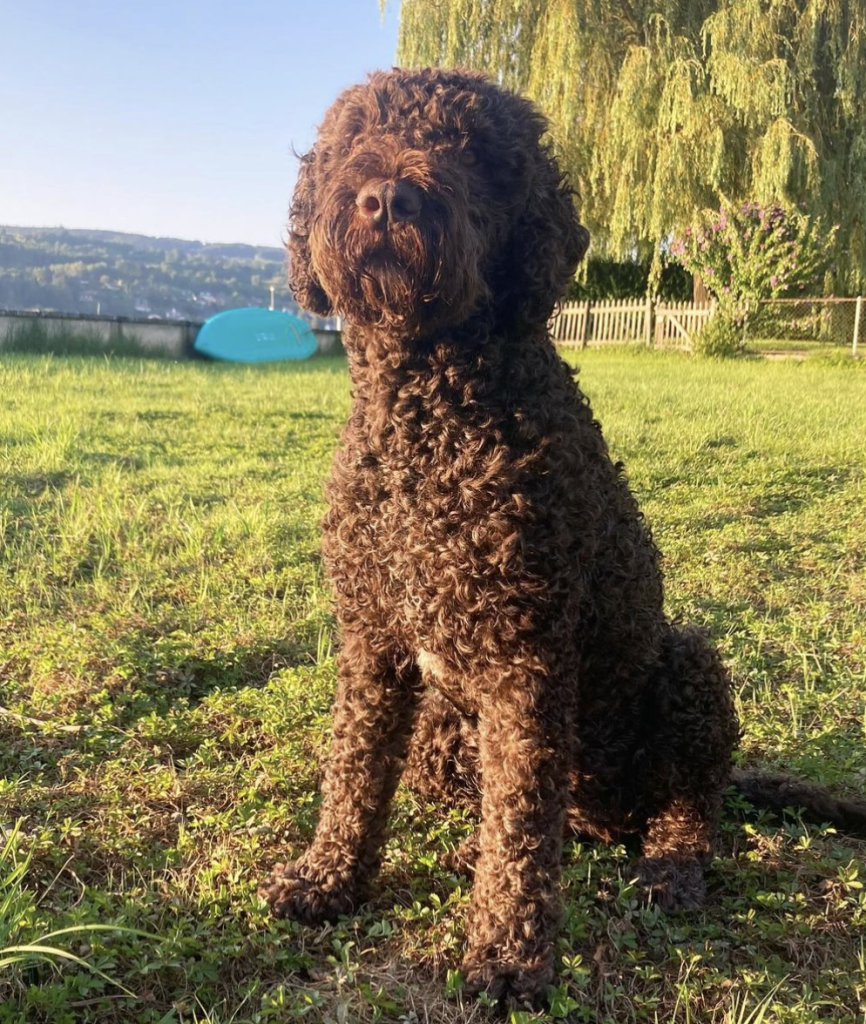
The coat’s texture can vary from wavy to tight curls, but it’s always thick and woolly, requiring regular grooming (more on that later). The Barbet has a robust, muscular build, which gives it the stamina needed for outdoor activities. Their expressive eyes, often hidden behind their facial hair, add to their affectionate and charming look.
3. Temperament and Personality Traits
Barbets are known for their friendly, affectionate, and loyal temperament. They form strong bonds with their families and are particularly good with children, making them an excellent family dog. Their patient nature also means they get along well with other pets. However, because they are people-oriented, they do not like being left alone for long periods, which can lead to separation anxiety.
This breed thrives on human interaction and is always eager to please, making them relatively easy to train. Their calm nature makes them suitable for various living environments, whether a country house with plenty of outdoor space or an apartment, as long as they exercise adequately. While they are not typically aggressive, Barbets can be reserved around strangers, but this shyness usually fades once they’ve had time to familiarise themselves with new people.
4. Training and Intelligence
Barbets are intelligent breeds with a keen desire to please. This makes them highly trainable, especially when training methods focus on positive reinforcement. They respond well to treats, praise, and play, which can make even first-time dog owners feel confident during training sessions. Due to their natural intelligence, Barbets enjoy mentally stimulating activities, such as puzzle games or learning new tricks.
Their historical role as waterfowl retrievers means they have an innate sense of focus and discipline. While they excel in obedience training, Barbets also thrive in more specialised training like agility, therapy work, or canine sports. However, their independent streak means early training and socialisation are crucial. Without it, they may develop stubborn behaviours. Luckily, their eagerness to learn usually outweighs any occasional wilfulness.
5. Exercise and Activity Requirements
Barbets have moderate to high exercise needs as a breed originally bred for hunting. While they are not overly hyper, they do require daily physical activity to stay healthy and happy. This could include long walks, runs in the park, or a fun game of fetch. Ideally, a Barbet should exercise at least an hour each day.
Their love for water is another defining trait. If you can access a beach, lake, or garden pond, you’ll quickly see the Barbet’s natural inclination to swim. Swimming satisfies their instinct and is a great, low-impact exercise, especially for older dogs. If regular swimming isn’t an option, interactive play and exploring new environments can stimulate them mentally and physically.
6. Grooming and Maintenance
One of the most unique aspects of the Barbet is its coat, which requires consistent care to avoid matting. Unlike many other dog breeds, the Barbet’s coat is hypoallergenic, which benefits people with allergies. However, that doesn’t mean it’s low maintenance. The dense, curly hair needs to be brushed several times a week to prevent tangles and mats from forming, especially after outdoor activities or swimming.
Regular trims are also necessary to maintain a manageable length, particularly around the eyes, ears, and paws. Most owners find that a professional grooming session every 6 to 8 weeks is the best way to keep their barbet tidy. Additionally, Barbets’ floppy ears make them prone to ear infections, so regular ear cleaning should be part of their grooming routine.
7. Health and Lifespan
Barbets are generally a healthy breed, lasting 12 to 14 years. However, like any breed, they are prone to specific health conditions. Some of the most common issues seen in Barbets include hip dysplasia, ear infections, and progressive retinal atrophy (PRA), a degenerative eye disorder.
Regular vet check-ups, a balanced diet, and appropriate exercise can help mitigate many of these health risks. Responsible breeders should provide health clearances for both the puppy’s parents, ensuring they have been tested and cleared for common breed-specific issues. Like all dogs, maintaining a healthy weight through proper nutrition and exercise is vital to a long, happy life.
8. Pros and Cons of Owning a Barbet
Owning any breed of dog comes with benefits and challenges, and the Barbet is no exception. As a relatively rare breed in the UK, the Barbet stands out for several reasons, but it also has specific needs that potential owners must consider. Below, we’ll explore the pros and cons of owning a Barbet, helping you decide whether this breed is right for you.
Pros of Owning a Barbet:
1. Friendly and Affectionate Personality:
One of the most significant advantages of the Barbet is its friendly and affectionate nature. This breed is known for forming strong bonds with its family members and is particularly good with children. Barbets are gentle, patient, and eager to please, which makes them a joy to have around the house. They are naturally social and thrive on human interaction, making them ideal for families who want a dog that seamlessly fits into their daily lives.
2. Hypoallergenic Coat:
The Barbet’s curly, woolly coat is hypoallergenic, a significant pro for people with dog-related allergies. While no dog is entirely hypoallergenic, the Barbet’s low-shedding coat produces fewer allergens than many other breeds, making them an excellent choice for allergy sufferers. This characteristic has contributed to the breed’s growing popularity, especially in urban settings where allergies can be a concern.
3. Intelligent and Highly Trainable:
Barbets are known for their intelligence and eagerness to learn. They respond exceptionally well to positive reinforcement training methods, such as treats and praise. Their high level of intelligence makes them quick learners, capable of mastering commands and even advanced training like agility and obedience. Barbets are also adaptable, which means they can adjust to various training environments, from a family home to more structured settings like therapy or service dog work.
4. Moderate Exercise Needs:
While Barbets are active dogs, they don’t require as much exercise as some high-energy breeds. A daily walk, playtime, or swimming (which they absolutely love) is usually sufficient to keep them healthy and happy. Their exercise needs make them suitable for rural and urban living, provided they can access outdoor spaces for regular activity. For families with moderate activity levels, the Barbet is an excellent fit.
5. Love for Water Activities:
The Barbet is the perfect companion if you’re an outdoor enthusiast who enjoys water sports or just spending time by the water. Their history as waterfowl retrievers makes them natural swimmers, and they love water. Whether swimming in lakes, rivers or even pools, Barbets excel in water-based activities. Their strong swimming ability and love for water make them great for active families who spend time by the beach or on water-based holidays.
Cons of Owning a Barbet:
1. High Grooming Requirements:
The Barbet’s dense, curly coat may be hypoallergenic, but it requires significant upkeep. Regular brushing is essential to prevent matting, which can be time-consuming. Owners should expect to brush their Barbet several times weekly, particularly after outdoor activities. Additionally, professional grooming is necessary every 6 to 8 weeks to keep the coat in good condition. Their curly hair can become tangled and matted if left unmaintained, leading to discomfort and potential skin issues. This could be a deal-breaker for people who aren’t prepared to invest time or money into grooming.
2. Prone to Separation Anxiety:
Barbets are highly social dogs that thrive on companionship, and while this makes them great family pets, it can also be a disadvantage. They don’t do well when left alone for extended periods, and this can lead to separation anxiety. Dogs with separation anxiety may develop undesirable behaviours, such as barking, chewing, or even becoming destructive when anxious. Potential owners need to consider whether their lifestyle can accommodate a breed requiring significant attention and not coping well with long hours of solitude.
3. Rarity and Cost:
Barbets are rare, especially in the UK, which can be challenging. As a result, they tend to be more expensive than more common breeds, both in terms of initial purchase price and the cost of ongoing care (such as professional grooming). The breed’s rarity can also make it challenging to find reputable breeders, and potential owners should be prepared to research thoroughly to ensure they are buying from responsible sources.
4. Potential Health Issues:
Like all dog breeds, Barbets are prone to specific hereditary health problems. Common health issues in Barbets include hip dysplasia, progressive retinal atrophy (PRA), and ear infections. Their floppy ears make them more susceptible to ear infections, especially when wet, which is typical given their love for swimming. Regular ear cleaning is essential to prevent these issues. While responsible breeding can help reduce the risk of genetic health problems, potential owners should be aware of these possible issues and budget for regular veterinary care.
5. Need for Early Socialisation and Consistent Training:
Although Barbets are generally easy to train, they require early socialisation to prevent behavioural issues later. Without proper socialisation, they can become shy or even wary of strangers. Consistent training from an early age is necessary to ensure they grow into well-adjusted adult dogs. If training is neglected, Barbets may develop stubborn or independent tendencies, which can be challenging for first-time dog owners. While not impossible, this is something to consider if you’re new to owning dogs or are unsure about committing to early training.
9. Is the Barbet Right for You?
Deciding if the Barbet is the right dog for you depends on your lifestyle and expectations. The Barbet is an excellent choice if you’re looking for a friendly, family-oriented dog with moderate exercise needs. Their intelligence and eagerness to please make training relatively easy, while their hypoallergenic coat makes them an excellent option for people with allergies. However, their grooming needs are significant, and they require a family that can spend time with them, as they do not handle isolation well.
The Barbet will fit right in if you love the outdoors, especially swimming. They are well-suited to active families who enjoy spending time outside and thrive on companionship. While they can adapt to apartment living, they do best with space to roam and play. The Barbet is a loving, loyal companion for those willing to invest in grooming and regular exercise.
Conclusion: The Barbet Experience
Owning a Barbet is a unique and rewarding experience. With their affectionate nature, intelligence, and love of water, they make excellent pets for the right owner. While they require more grooming and attention than other breeds, the bond you form with a Barbet is worth the effort. They are loyal, easy to train, and thrive in environments where they can be close to their families. Whether you’re looking for a family pet, a working dog, or a new adventure companion, the Barbet might be the perfect choice.
Frequently Asked Questions (FAQ)
1. Are Barbets good with children?
Yes, Barbets are known for being exceptionally good with children. Their gentle and patient nature makes them ideal family pets. They enjoy playing and can match younger kids’ energy levels while being calm and tolerant around toddlers. Barbets are affectionate and form strong bonds with family members, including children, which makes them a great addition to a family-oriented household. Teaching children how to interact respectfully with dogs is vital to ensure positive relationships.
2. How often should I groom my Barbet?
The Barbet’s coat requires regular grooming to prevent matting and tangling. You should brush your Barbet three to four times a week, though daily brushing is ideal, especially after outdoor activities where dirt, debris, or water might get caught in their curly fur. A professional grooming session every 6 to 8 weeks is also necessary to keep their coat in top condition. Regular trims, especially around sensitive areas like the eyes, ears, and paws, are essential to prevent discomfort. Additionally, routine ear cleaning is crucial due to their floppy ears, which can trap moisture and lead to infections.
3. Are Barbets easy to train?
Yes, Barbets are highly intelligent and eager to please, which makes them relatively easy to train. They respond best to positive reinforcement techniques such as treats, praise, and play. Their trainability means they can learn basic commands quickly and excel in advanced training, including agility, obedience, and therapy work. However, like all dogs, consistency is critical, and training early is crucial to prevent stubborn behaviours from developing. Barbets have an independent streak, so it’s essential to keep training sessions engaging and use positive methods that motivate them.
4. How much exercise does a Barbet need?
Barbets have moderate to high exercise needs. A typical adult Barbet will need at least an hour of exercise daily, including long walks, playtime in the garden, or swimming, as they love water. They are not as hyperactive as some breeds but require regular physical and mental stimulation to stay healthy and happy. Activities like hiking, fetching, and agility training are great ways to keep them engaged. If their exercise needs are met, Barbets are generally calm and content indoors, making them suitable for various living environments, including apartments (as long as there is access to outdoor space for play).
5. Do Barbets shed a lot?
No, Barbets are considered low-shedding dogs, which makes them an excellent choice for people with allergies. Their thick, curly coat traps shed hair, preventing it from falling around the house. However, their hypoallergenic coat requires frequent grooming to avoid matting. Although they don’t shed much, the grooming process will still involve removing some loose hair, especially during brushing sessions. Fewer allergens are released into the environment for allergy sufferers than high-shedding breeds. Still, regular maintenance is essential to keep their coats healthy and tangling-free.
6. Do Barbets suffer from separation anxiety?
Yes, Barbets are highly social dogs that thrive on companionship and are prone to separation anxiety if left alone for extended periods. They form strong bonds with their owners and do not cope with being isolated for long stretches. Signs of separation anxiety can include barking, destructive behaviour, or excessive pacing. If you work long hours or frequently leave the house, a Barbet might not be the best fit unless you can arrange for someone to check in on them or provide company during the day. Training them from an early age to become comfortable being alone for short periods can help alleviate anxiety, but they generally prefer the company of their human family.
7. What health issues are common in Barbets?
Like all breeds, Barbets are prone to specific health conditions. Some of the more common issues include:
Hip Dysplasia: A genetic condition where the hip joint doesn’t fit properly into the hip socket, which can lead to arthritis and mobility issues as the dog ages. Responsible breeding practices can help reduce the risk of this condition.
Progressive Retinal Atrophy (PRA) A degenerative eye disease that can eventually lead to blindness. Reputable breeders will test for PRA and provide health clearances for the puppy’s parents.
Ear Infections: Barbets, due to their floppy ears and love of water, are prone to ear infections if their ears are not cleaned regularly and properly dried after swimming.
It is essential to obtain your Barbet from a responsible breeder who conducts health testing on their breeding dogs to minimise the risk of hereditary issues. Regular veterinary check-ups and a healthy diet can help manage or prevent many health problems.
8. Are Barbets suitable for first-time dog owners?
Yes, Barbets can be a good choice for first-time dog owners, provided the owner is prepared for the breed’s grooming demands and exercise needs. Their friendly nature, intelligence, and ease of training make them manageable for first-time owners, especially if they are committed to learning about dog care and training techniques. However, potential owners should be aware that Barbets need a lot of companionship and mental stimulation, so they are best suited for someone who can dedicate time to them. Their grooming requirements can also be challenging for a novice, so being prepared to handle grooming yourself or taking your Barbet to a professional regularly is essential.
9. How long do Barbets live?
Barbets typically live 12 to 14 years, which is relatively average for medium-sized dog breeds. They can enjoy a long, happy life with proper care, including a healthy diet, regular exercise, and routine veterinary check-ups. Regular grooming and attention to potential health concerns, such as ear infections or hip dysplasia, will also contribute to their longevity. Providing your Barbet with a stimulating and loving environment can help ensure they thrive throughout their life.
10. Do Barbets get along with other pets?
Yes, Barbets generally get along well with other pets, including dogs and cats, especially if they are introduced to them early. Their friendly and social nature means they are less likely to be aggressive toward other animals, and they tend to enjoy the company of fellow pets. Proper socialisation during puppyhood is critical to ensuring they are comfortable around other animals. However, as with all breeds, it’s important to supervise interactions with smaller pets until you are confident they can co-exist peacefully.
11. Are Barbets suitable for apartment living?
Barbets can adapt to apartment living as long as they receive sufficient daily exercise and mental stimulation. They are not overly hyper indoors, so they can live in smaller spaces, provided they can access outdoor areas for walking and play. However, they do best in homes with regular opportunities to stretch their legs, run, and engage in outdoor activities. If you live in an apartment, you’ll need to commit to taking them for long walks and providing them with enough mental stimulation, such as training or interactive toys, to prevent boredom.