Basset Griffon Vendéen: The Spirited French Hound with a Heart of Gold
| Characteristics | Details |
|---|---|
| Height | The *Petit Basset Griffon Vendéen* typically stands between 34 to 38 cm at the shoulder, while the *Grand Basset Griffon Vendéen* stands slightly taller, usually between 40 to 44 cm. Both sizes share similar characteristics, with the main difference being their height and intended use for hunting different types of game. |
| Weight | The *Petit Basset Griffon Vendéen* generally weighs between 14 to 18 kg, while the larger *Grand Basset Griffon Vendéen* weighs between 18 to 20 kg. Both sizes maintain a sturdy, muscular build, but their weight difference reflects their distinct hunting purposes and body size. |
| Life Span | The life span of both the *Petit Basset Griffon Vendéen* and *Grand Basset Griffon Vendéen* typically ranges from 12 to 14 years, provided they receive proper care, regular veterinary check-ups, and a healthy lifestyle. Both breeds are generally healthy, but like all dogs, they can be prone to certain hereditary health issues that may affect their longevity. |
| Coat Colour | The coat of both the *Petit Basset Griffon Vendéen* and *Grand Basset Griffon Vendéen* comes in colours like fawn, white, black, grey, or combinations such as bicolour and tricolour. Their rough, wiry coat provides protection in harsh environments. |
| Suitable For | The *Basset Griffon Vendéen* is suitable for active families who can provide regular exercise and mental stimulation. It thrives with outdoor activities and is good with children and other pets, making it a great family companion. |
| Temperament | The *Basset Griffon Vendéen* is known for its lively, curious, and affectionate temperament. Both the Petit and Grand varieties are energetic, playful, and outgoing, making them excellent companions for active families. They are friendly and sociable, often forming strong bonds with their owners and getting along well with children and other pets. Despite their friendly nature, they can be independent and stubborn, traits inherited from their hunting background. Their high energy levels and strong prey drive make them adventurous, but they can be vocal, which may require training to manage. Overall, they are affectionate, determined, and loyal companions. |
Basset Griffon Vendéen: A Detailed Review
Table of Contents
- Introduction: Quick Summary of the Basset Griffon Vendéen
- History and Origin of the Basset Griffon Vendéen
- Physical Appearance of the Basset Griffon Vendéen
- Temperament and Personality Traits
- Training and Intelligence
- Exercise and Activity Needs
- Health and Common Issues
- Grooming and Maintenance
- Adaptability in a British Home
- Pros and Cons of Owning a Basset Griffon Vendéen
- Conclusion: The Basset Griffon Vendéen’s Timeless Charm
- Frequently Asked Questions
Introduction: Quick Summary of the Basset Griffon Vendéen
The Basset Griffon Vendéen is a versatile, energetic, and affectionate breed from France, developed initially as a hunting dog. Known for its robust, wiry coat and distinctive, somewhat scruffy appearance, this breed is available in two varieties: the Petit Basset Griffon Vendéen (PBGV) and the Grand Basset Griffon Vendéen (GBGV). Both versions have similar traits but differ in size, with the Petit being the smaller. These dogs are known for their lively, curious nature, scenting solid abilities, and lovable personalities, making them great companions for active families.
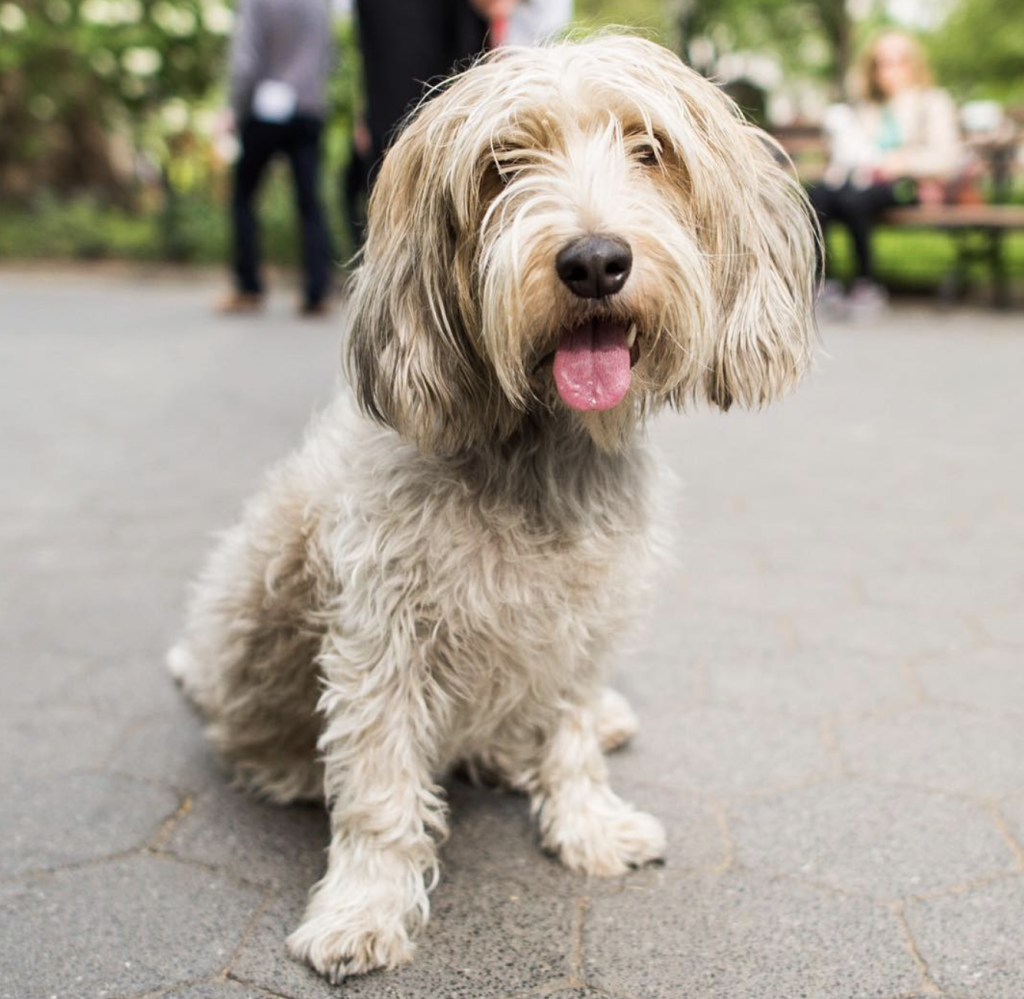
In this comprehensive review, we’ll cover the breed’s history, physical appearance, temperament, health concerns, and more to help you decide if this breed fits your lifestyle. We’ll also highlight the unique challenges and benefits of owning a Basset Griffon Vendéen, particularly for families living in the UK.
History and Origin of the Basset Griffon Vendéen
The Basset Griffon Vendéen originates in France, specifically the Vendée region on the western coast, where it was bred to hunt in rugged, difficult terrain. The breed’s name is derived from its characteristics: “Basset” refers to its short stature, “Griffon” to its rough, wiry coat, and “Vendéen” to the region of origin. It was primarily used to track small game such as rabbits and hares, where its sturdy build and determination made it ideal for pursuing prey through dense underbrush.
The breed developed over centuries, with its ancestors believed to be related to the larger Griffon-type hunting dogs that were bred down in size for specific hunting needs. French hunters valued the breed for its endurance, courage, and keen sense of smell, which allowed it to excel in challenging environments. The breed’s compact size also made it easier for hunters to keep up with them on foot.
The Basset Griffon Vendéen is divided into two varieties: the Petit Basset Griffon Vendéen and the Grand Basset Griffon Vendéen. The Petit, developed for hunting minor game, stands shorter than its Grand counterpart and is designed to hunt larger animals like deer and wild boar. Both versions gained popularity for their versatility, and today, they are cherished not only as hunting dogs but also as family companions. In recent years, their popularity has grown outside France, the UK, and other parts of Europe.
Physical Appearance of the Basset Griffon Vendéen
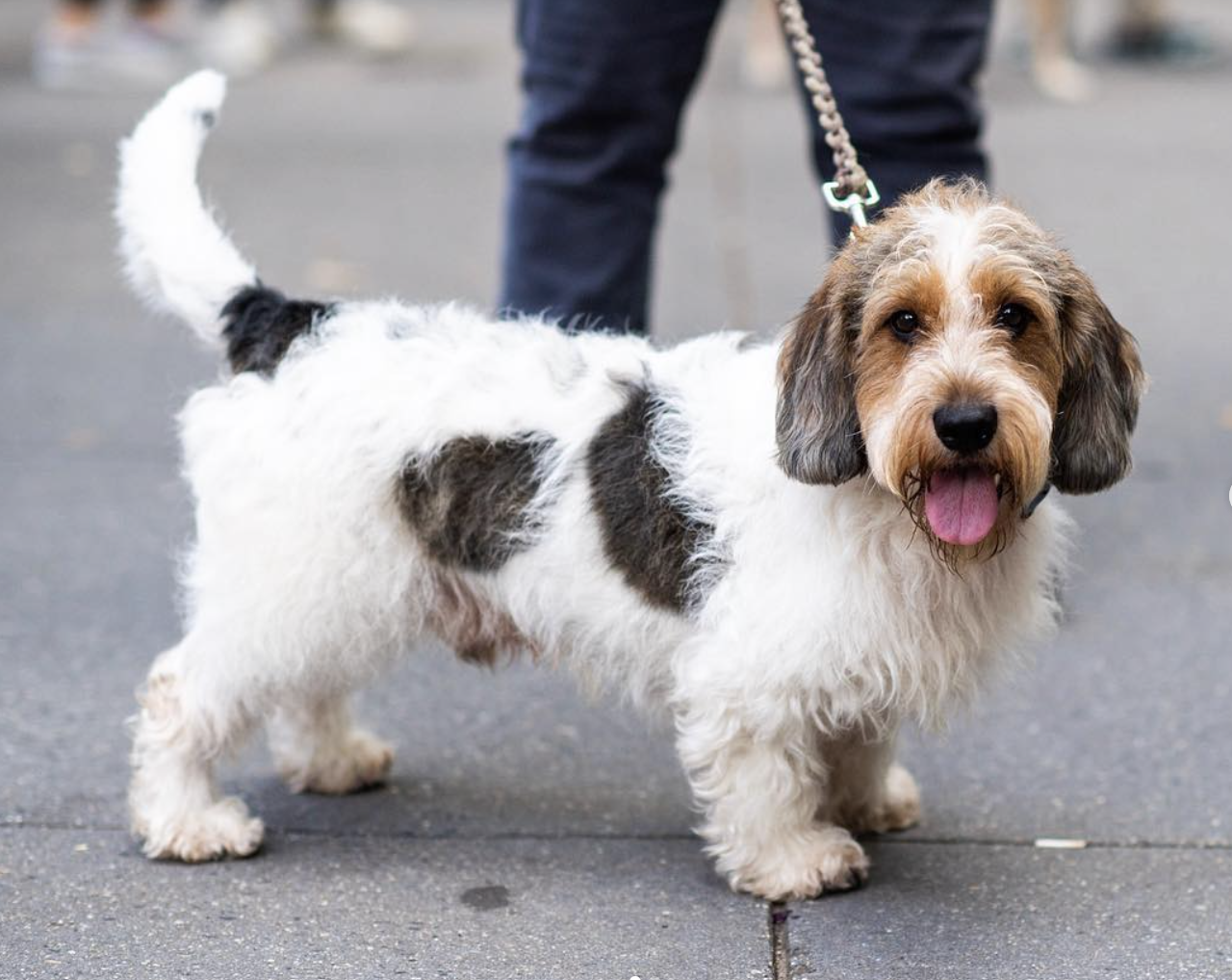
The Basset Griffon Vendéen is a small—to medium-sized breed, with the Petit variety standing between 34 and 38 cm and the Grand variety ranging from 40 to 44 cm at the shoulder. The breed’s weight varies depending on size, with the Petit generally weighing between 14 and 18 kg and the Grand ranging from 18 to 20 kg. Its long, wiry coat is one of its defining features, offering protection from the elements during hunts.
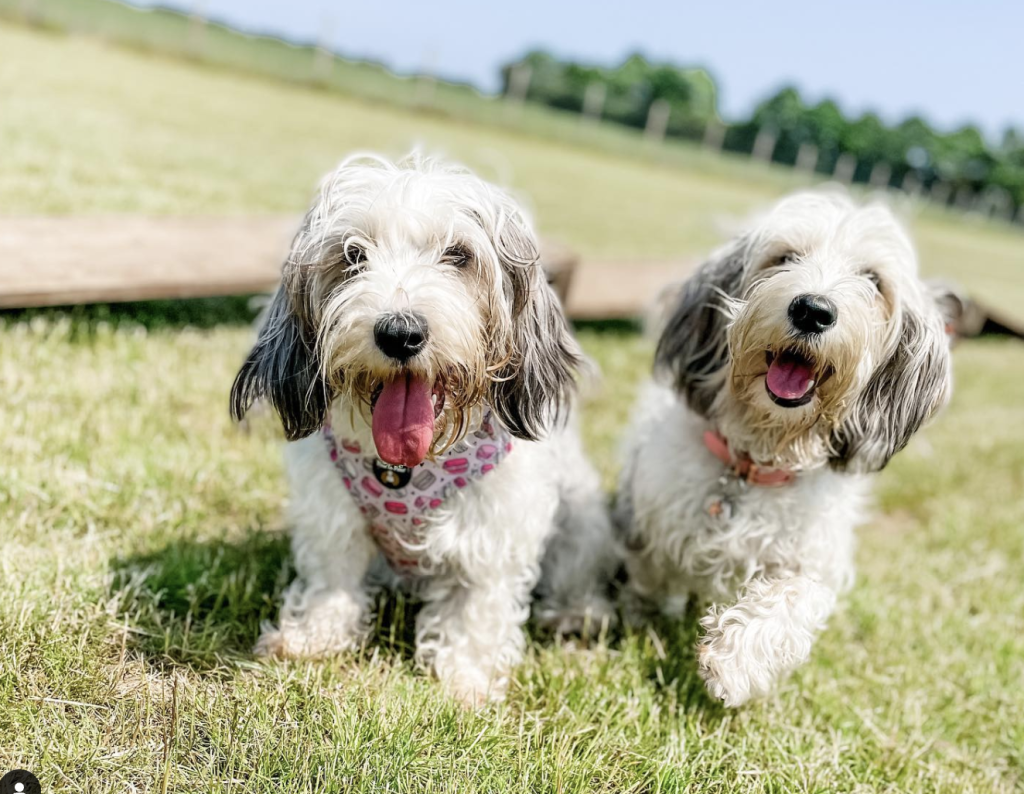
The Basset Griffon Vendéen has a rough, tousled appearance, contributing to its charming and rustic look. Its coat is typically fawn, black, or white, often with tricolour markings. The breed’s dark, soulful eyes are one of its most expressive features, giving it an intelligent, lively expression. The long, drooping ears and slightly curved tail, carried like a sabre, further enhance its distinctive look.
Its body is long and muscular, with sturdy, short legs that allow it to move confidently over rough terrain. Despite its small stature, the breed is known for its surprising endurance and agility, traits that were essential for its original role as a hunting dog.
Temperament and Personality Traits
The Basset Griffon Vendéen is known for its lively, outgoing, and affectionate temperament. It is a friendly dog that loves to be around people and is particularly good with children, making it an excellent family pet. Its playful, curious nature ensures it remains an active part of the household, always ready to explore new environments or engage in fun activities.
While affectionate and friendly, the Basset Griffon Vendéen also has a strong independent streak, a trait inherited from its days as a hunting dog. This can make it a bit stubborn sometimes, especially during training, but it can learn to follow commands with consistent guidance and patience. The breed’s intelligence and problem-solving abilities make it a great companion for those who enjoy mentally stimulating games and activities.
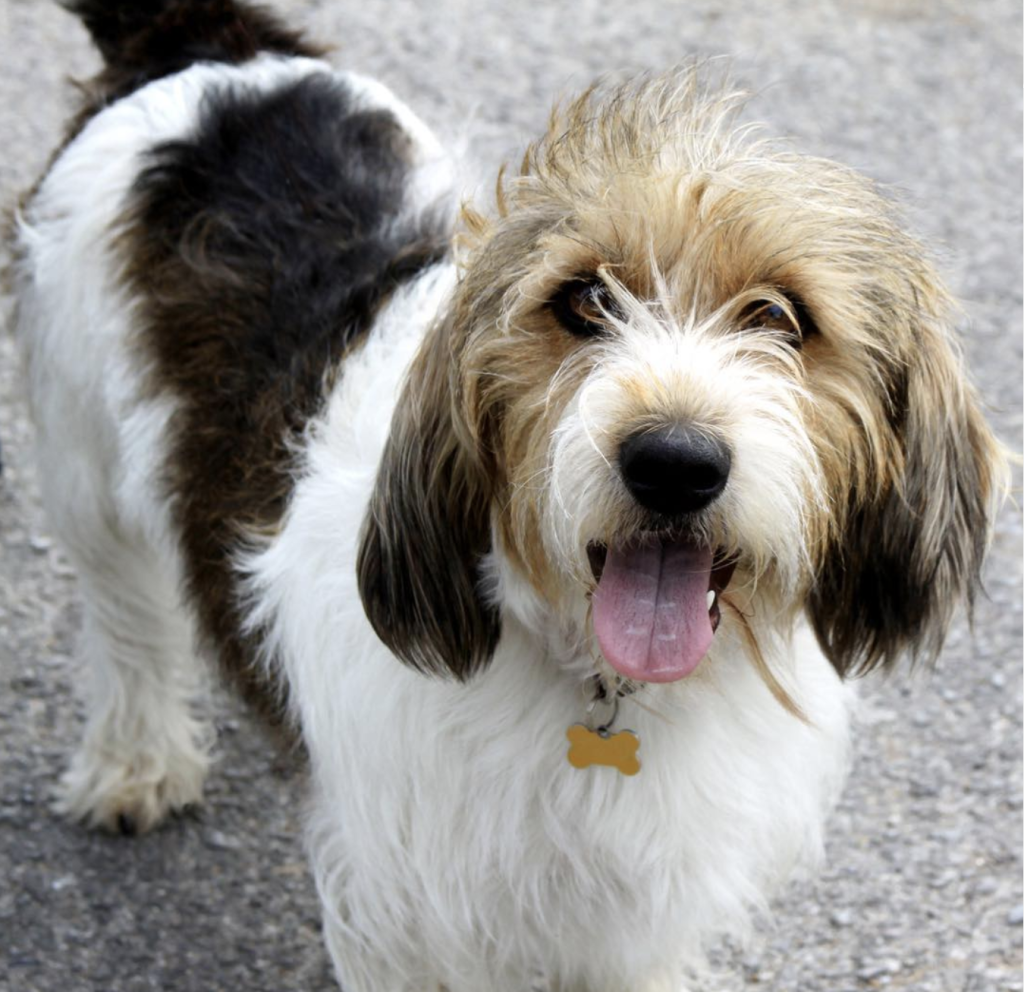
One of the breed’s most notable characteristics is its vocal nature. Basset Griffon Vendéens bark and howl, often to express excitement or alert their owners to something they find interesting. This can be both endearing and a challenge, particularly for owners living in close quarters with neighbours.
Training and Intelligence
Training a Basset Griffon Vendéen can be a rewarding experience, but it does come with its challenges. The breed is intelligent, but its independent nature sometimes makes it headstrong. As a former hunting dog, it has a strong prey drive, so training should start early, focusing on basic obedience and recall to prevent it from wandering off in pursuit of an exciting scent.
Positive reinforcement methods work best with this breed, such as using treats and praise to motivate the dog. Training sessions should be kept short and engaging to maintain the dog’s attention, as it can become bored with repetitive tasks. Early socialisation ensures the dog develops good manners and behaves well around other dogs and people.
While training a Basset Griffon Vendéen requires patience and consistency, the breed’s natural intelligence means it can learn commands and tricks quickly, especially when the training is fun and interactive.
Exercise and Activity Needs
The Basset Griffon Vendéen is an active breed that requires regular exercise to stay healthy and happy. Daily walks and opportunities for off-lead play in secure areas where the dog can safely explore are essential. Due to its history as a hunting dog, the breed has plenty of energy and enjoys activities that engage its instincts, such as scent tracking or agility courses.
Owners must provide both physical and mental stimulation, as the breed can become bored and potentially destructive if left inactive for too long. Puzzle toys, scent games, and interactive play can help keep the Basset Griffon Vendéen engaged and entertained.
Health and Common Issues
The Basset Griffon Vendéen is generally a healthy breed with a life expectancy of around 12 to 14 years. However, like all breeds, it is prone to specific health conditions. Ear infections are a common concern due to the breed’s long, floppy ears, which can trap moisture and debris. Regular ear cleaning is essential to prevent infections.
The breed can also be prone to hip dysplasia, which affects many dogs with short legs and long bodies. Responsible breeders should screen for this condition; maintaining a healthy weight will help reduce the risk. Other potential issues include eye conditions such as cataracts and progressive retinal atrophy (PRA), which can affect the dog’s vision over time.
Grooming and Maintenance
The Basset Griffon Vendéen has a coarse, wiry coat that requires regular grooming to keep it in good condition. Weekly brushing is usually sufficient to prevent matting and remove loose hairs. During shedding season, more frequent brushing may be necessary to manage the breed’s shedding. The coat may also require occasional hand stripping to maintain its texture.
Regular ear cleaning is essential, as the breed’s long ears are prone to infections. Owners should also trim the dog’s nails every few weeks and brush its teeth regularly to maintain good dental health.
Adaptability in a British Home
The Basset Griffon Vendéen is well-suited to life in a British home, whether in the countryside or a more urban setting. It is adaptable to various living environments as long as its exercise needs are met. While the breed enjoys outdoor activities and is happiest with access to a garden or park, it can also live comfortably in an apartment, provided it receives enough daily exercise.
The breed’s friendly and sociable nature makes it an excellent fit for families, particularly those with children or other pets. However, owners should be prepared for its vocal tendencies and consider this if they live close to neighbours.
Pros and Cons of Owning a Basset Griffon Vendéen
Pros:
- Friendly, affectionate, and good with children
- Low-maintenance grooming requirements
- Energetic and playful, making it a great companion for active families
- Adaptable to various living environments
- Strong scenting abilities, excellent for scent-based games
Cons:
- Can be stubborn and independent, requiring patience during training
- Prone to ear infections and hip dysplasia
- Vocal tendencies may not be suitable for apartment living
- Needs regular exercise and mental stimulation to prevent boredom
- May chase small animals due to its hunting instincts
Conclusion: The Basset Griffon Vendéen’s Timeless Charm
The Basset Griffon Vendé
én is a breed that combines charm, energy, and loyalty, making it an excellent companion for families and active individuals. Its robust build and hunting instincts uniquely combine outdoor capabilities and indoor affection. Despite its stubborn nature, the Basset Griffon Vendéen thrives as a loving and devoted pet with consistent training and care. Whether you seek a playful dog to join your outdoor adventures or a pleasant companion for your household, this breed brings a spirited and timeless charm to any home.
Frequently Asked Questions
Are Basset Griffon Vendéens suitable for first-time dog owners?
Basset Griffon Vendéens can be a good choice for first-time owners, but they require patience and commitment. This breed is known for its independent streak, which can make training a bit more challenging than some other breeds. First-time owners should be prepared to invest time in consistent training and early socialisation. Positive reinforcement methods, such as treats and praise, work best to keep them engaged. Additionally, first-time owners should understand the breed’s need for regular exercise and mental stimulation. While affectionate and friendly, they can sometimes be stubborn, requiring extra patience.
Do Basset Griffon Vendéens get along with other pets?
Basset Griffon Vendéens are generally friendly dogs and tend to get along well with other pets, particularly other dogs. Their pack-hunting heritage means they are used to working alongside other animals, making them more likely to enjoy the company of other dogs. However, like many breeds with a hunting background, they have a strong prey drive, which means they might be inclined to chase smaller animals, such as cats or rabbits. Early socialisation is crucial to help them learn to coexist peacefully with other pets in the household. Supervision is recommended when introducing them to smaller animals, especially if they are not used to living with them.
How much exercise does a Basset Griffon Vendéen need?
Basset Griffon Vendéens are moderately active dogs that require regular exercise to stay happy and healthy. At least one hour of physical activity per day, including walks, off-lead play in a secure area, and mentally stimulating activities such as scent work or tracking games, are recommended. As former hunting dogs, they enjoy activities that engage their keen sense of smell. They can become bored without enough exercise and mental stimulation, which may lead to destructive behaviours. Owners who enjoy outdoor activities like hiking will find the Basset Griffon Vendéen, an enthusiastic companion.
Are Basset Griffon Vendéens suitable for apartment living?
While Basset Griffon Vendéens can adapt to apartment living, they are best suited to homes with access to outdoor spaces where they can play and explore. Their moderate exercise requires daily walks and opportunities to engage their hunting instincts by sniffing and exploring. Ensuring they have enough mental and physical stimulation to prevent restlessness is essential in an apartment setting. Their vocal tendencies may also challenge apartment dwellers, especially in noise-sensitive areas. Training to manage their barking can help make them more suited to apartment life, but potential owners should know this characteristic.
Do Basset Griffon Vendéens shed a lot?
Basset Griffon Vendéens have a wiry coat that sheds minimally compared to other breeds. Their coat requires regular maintenance, including weekly brushing to prevent matting and to remove loose hair. During the shedding season, more frequent brushing may be necessary to keep the coat in good condition. Additionally, hand-stripping, a grooming technique used to maintain the texture of the coat, may be needed occasionally. Overall, their grooming needs are manageable, making them a low-shedding breed. Regular grooming will also help keep the dog looking tidy and prevent any potential skin issues caused by matting.
Are Basset Griffon Vendéens prone to health problems?
The Basset Griffon Vendéen is generally a healthy breed, with a life expectancy of around 12 to 14 years. However, like all breeds, they can be prone to specific health conditions. Common issues include ear infections, which can occur due to their long, floppy ears that trap moisture and debris. Regular ear cleaning is essential to prevent infections. Hip dysplasia, a common issue in dogs with long bodies and short legs, is another potential concern. Responsible breeders will screen for this condition, and maintaining a healthy weight is essential to prevent added joint stress. Eye problems, such as cataracts and progressive retinal atrophy (PRA), are also possible, so regular vet check-ups are recommended to monitor the dog’s overall health.
How vocal are Basset Griffon Vendéens?
Basset Griffon Vendéens are known for being vocal dogs. They have a distinctive bark and may also howl incredibly when excited or when they sense something interesting. This reflects their hunting background, where vocalising was used to alert hunters to the presence of game. While this can be endearing to some owners, it may be a challenge for those living near neighbours or in quiet neighbourhoods. Early training and teaching the dog when it is appropriate to bark can help manage their vocal tendencies, though some level of barking is natural for the breed.
How easy are Basset Griffon Vendéens to train?
Training a Basset Griffon Vendéen can be both rewarding and challenging. They are intelligent dogs, but their independent and sometimes stubborn nature requires consistent, patient training. Positive reinforcement works best, such as using treats, praise, and play to motivate them. It’s important to start training and socialisation early, as this helps the dog learn good manners and become comfortable around new people and environments. Because of their strong sense of smell and hunting instincts, they can be easily distracted, so training sessions should be kept engaging and varied. While they may not be as eager to please as some other breeds, they can learn commands and excel in activities like scent work or agility.
Do Basset Griffon Vendéens need a lot of grooming?
The Basset Griffon Vendéen’s wiry coat does require regular grooming, but it is not particularly high-maintenance. Weekly brushing will help keep the coat in good condition by removing dead hairs and preventing matting. Hand-stripping may be necessary occasionally to maintain the texture of the coat. Regular grooming also helps to keep the dog clean and comfortable, as the wiry coat can collect dirt and debris, especially during outdoor activities. In addition to coat care, regular ear cleaning is essential to prevent infections, and the dog’s nails should be trimmed every few weeks to avoid overgrowth.
What are the key differences between the Petit Basset Griffon Vendéen and the Grand Basset Griffon Vendéen?
The primary difference between the Petit Basset Griffon Vendéen (PBGV) and the Grand Basset Griffon Vendéen (GBGV) is their size. The Petit is more minor, standing between 34 to 38 cm at the shoulder, while the Grand is more considerable, ranging from 40 to 44 cm. Both varieties share similar characteristics in temperament, coat, and energy levels. Still, the Grand was initially bred to hunt more giant game, while the Petit was developed to hunt smaller animals. Despite their size differences, both breeds are affectionate, lively, and great companions for active families.
This expanded FAQ section provides a thorough overview of potential owners’ questions about the Basset Griffon Vendéen, helping them understand the breed’s unique traits, training needs, and suitability for different living environments.