The Beaglier: The Complete Guide to a Loving and Playful Companion
| Characteristics | Details |
|---|---|
| Height | Beagliers typically stand between 30 to 40 centimetres at the shoulder, making them a small to medium-sized breed. Their height contributes to their agility and makes them well-suited for various living environments. |
| Weight | Beagliers generally weigh between 5 to 10 kilograms, depending on their genetics and lifestyle. Their manageable weight makes them easy to handle and well-suited for families, individuals, and smaller living spaces. |
| Life Span | Beagliers have a lifespan of around 10 to 15 years. With proper care, including a balanced diet, regular exercise, and routine veterinary check-ups, they can enjoy a long and healthy life. |
| Coat Colour | Beagliers can have a variety of coat colours, often reflecting their Beagle and Cavalier King Charles Spaniel heritage. Common colours include tricolour (black, white, and tan), bicolour patterns like chestnut and white, and solid shades like ruby or lemon. Their coats are typically short to medium in length, smooth, and glossy. |
| Suitable For | Beagliers are suitable for active families, individuals, and couples who can provide companionship and regular exercise. They thrive in homes with children and adapt well to various living environments, including apartments. |
| Temperament | Beagliers have a friendly, affectionate, and playful temperament, combining the curiosity of a Beagle with the gentle nature of a Cavalier King Charles Spaniel. They are social, enjoy being around people, and form strong bonds with their families. Their adaptable and outgoing personality makes them great with children and other pets, though their occasional stubbornness can require patience during training. |
| Prey Drive | Beagliers have a moderate prey drive, inherited from their Beagle lineage. They may chase small animals like squirrels or rabbits due to their strong sense of smell and natural curiosity. Proper training and secure outdoor spaces are essential to manage their instincts and ensure safe playtime. |
The Ultimate Guide to the Beaglier Dog
Introduction

The Beaglier, a delightful crossbreed of the Beagle and the Cavalier King Charles Spaniel, has rapidly gained popularity in the United Kingdom and beyond. Combining the best qualities of both parent breeds, the Beaglier is known for its friendly disposition, moderate energy levels, and affectionate nature. These dogs are particularly well-suited to families, making them a wonderful choice for those seeking a loyal and loving companion that fits well into both active and relaxed lifestyles.
In this comprehensive guide, we explore everything you need to know about the Beaglier. From their origins and physical traits to their temperament, training requirements, and health considerations, this article covers all aspects of owning and caring for this charming breed. Whether you are a seasoned dog owner or considering your first furry friend, this guide will provide valuable insights to help you understand if the Beaglier is the right fit for your home.
Size: 50
Beagliers are small to medium-sized dogs, typically weighing between 5 to 10 kilograms. Their compact size makes them easy to handle and suitable for a variety of living spaces, including apartments.
Exercise Needs: 70
Beagliers have moderate exercise requirements, needing about 30 to 60 minutes of daily activity. They enjoy walks, playtime, and activities that engage their scenting instincts, keeping them healthy and happy.
Intelligence: 75
Beagliers are intelligent and curious, inheriting their smarts from both the Beagle and Cavalier. They enjoy learning new commands and games, especially when training is fun and engaging.
Easy to Train: 65
Beagliers can be easy to train with positive reinforcement, although their Beagle side may lead to occasional stubbornness. Consistency and patience are key to successful training.
General Health: 75
Beagliers are generally healthy, but they can be prone to conditions like heart disease (from the Cavalier side) and hip dysplasia. Regular vet check-ups and a balanced diet help maintain their health.
Day-to-Day Costs: 60
The costs of owning a Beaglier are moderate, including expenses for food, vet visits, grooming, and occasional toys. They do not require extensive equipment or specialised care.
Amount of Shedding: 60
Beagliers have a short to medium coat that sheds moderately, especially during seasonal changes. Regular brushing helps to manage shedding and keep their coat in good condition.
Friendliness: 85
Beagliers are known for their friendly and affectionate nature, making them excellent companions for families and individuals alike. They are social dogs that enjoy spending time with people and other pets.
Can be Left Alone: 50
Beagliers are prone to separation anxiety if left alone for long periods. They thrive best in homes where someone is available for companionship throughout the day or with another pet to keep them company.
Grooming Needs: 45
Beagliers have low to moderate grooming needs. Weekly brushing is typically enough to maintain their coat, with occasional baths and regular nail trimming to keep them clean and healthy.
Table of Contents
- History of the Beaglier
- Physical Appearance
- Temperament and Personality
- Training and Exercise Needs
- Health and Lifespan
- Living Conditions and Environment
- Grooming and Maintenance
- Suitability for Families
- Pros and Cons
- Height
- Weight
- Coat Colour
- Prey Drive
- Suitable For
- Final Thoughts
- Frequently Asked Questions
1. History of the Beaglier
The Beaglier, a crossbreed resulting from the mix of a Beagle and a Cavalier King Charles Spaniel, originated in Australia during the 1990s. The goal of breeding the Beaglier was to create a dog that retained the friendly and sociable nature of the Beagle, while also incorporating the gentle and affectionate temperament of the Cavalier. By blending these two breeds, breeders aimed to reduce the strong hunting instincts of the Beagle, making the Beaglier more suited for life as a companion animal.
Since then, the Beaglier has grown in popularity, especially in the UK, where their adaptable nature and manageable size have made them ideal pets for families and individuals alike. While not officially recognised by major kennel clubs as a breed, Beagliers are appreciated for their endearing qualities and have become a favourite choice among crossbreed enthusiasts. Today, Beagliers continue to thrive as charming, adaptable companions, equally happy in urban settings and countryside homes.
2. Physical Appearance
The Beaglier is a small to medium-sized dog, combining the physical traits of both the Beagle and the Cavalier King Charles Spaniel. Typically, Beagliers stand between 30 to 40 centimetres at the shoulder and weigh between 5 to 10 kilograms, making them a compact yet sturdy breed. Their build is well-proportioned, with a muscular frame that reflects their Beagle heritage while maintaining the elegance of the Cavalier.
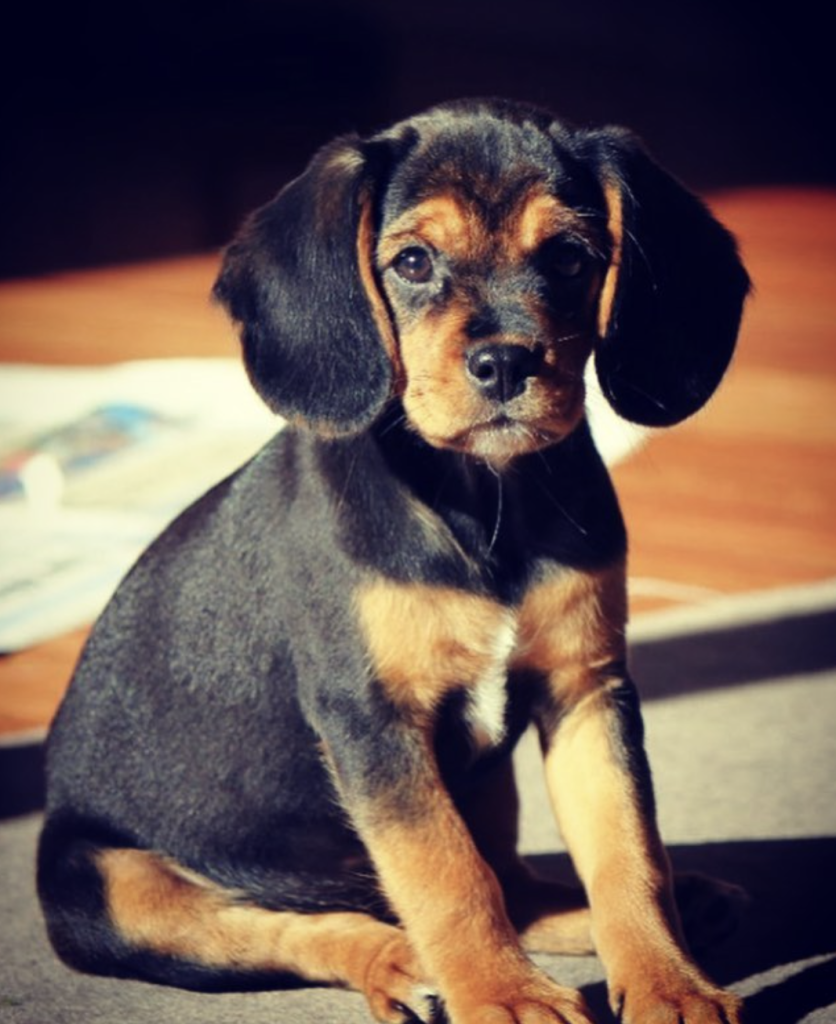
Beagliers have a moderately short, smooth coat that can come in a variety of colours, including tricolour (black, white, and tan), bicolour combinations, or even solid shades like chestnut and ruby. Their ears are soft and floppy, reminiscent of both parent breeds, and their expressive, round eyes convey intelligence and warmth. The tail is typically medium in length and often carried high, showcasing their playful and friendly nature. Overall, the Beaglier’s appearance is both endearing and functional, allowing them to thrive in various activities while maintaining a charming, approachable look.
3. Temperament and Personality
Beagliers are known for their friendly and affectionate temperament, making them ideal companions for families and individuals alike. Their blend of Beagle curiosity and Cavalier gentleness results in a dog that is both playful and eager to please. Beagliers thrive on social interaction and form strong bonds with their owners, often seeking attention and companionship.
Their temperament is generally even-keeled, allowing them to adapt well to various social situations. Beagliers are typically good with children, showing patience and enthusiasm during playtime. They also tend to get along well with other dogs and pets, provided they are socialised from an early age. However, due to their Beagle heritage, they may have a slightly independent streak, which can occasionally manifest as stubbornness, especially during training sessions.
Despite their playful nature, Beagliers are also content to relax and enjoy downtime with their families. They are not overly demanding and can adapt to quieter environments, making them suitable for households that vary in activity levels. Their balanced personality makes them a versatile breed, providing companionship, energy, and warmth in equal measure.
4. Training and Exercise Needs
Training a Beaglier can be a rewarding experience due to their intelligence and eagerness to learn. However, they do require a consistent and patient approach, especially as they can inherit some stubborn tendencies from their Beagle side. Positive reinforcement methods, such as praise, treats, and interactive play, are highly effective in encouraging desired behaviours.

Socialisation from a young age is crucial to ensure that Beagliers develop into well-mannered adult dogs. Introducing them to different environments, people, and other animals helps to build their confidence and adaptability. Basic obedience training, including commands like sit, stay, and recall, should be a priority to ensure they respond reliably, especially in outdoor settings where their curiosity may lead them to follow scents.
Beagliers have moderate exercise needs, typically requiring around 30 to 60 minutes of activity each day. This can include walks, play sessions, and engaging in scent-based games that cater to their natural instincts. While they enjoy outdoor adventures, Beagliers are equally happy playing fetch in the garden or engaging in indoor activities on rainy days. Meeting their exercise needs helps to prevent boredom and keeps them physically and mentally stimulated.
5. Health and Lifespan
Beagliers are generally a healthy crossbreed with a lifespan of around 10 to 15 years. However, like all dogs, they can be prone to certain health conditions inherited from their parent breeds. Some common health concerns in Beagliers include hip dysplasia, a genetic condition affecting the hip joints, and patellar luxation, where the kneecap dislocates from its normal position.
Heart conditions, such as mitral valve disease, are a concern inherited from the Cavalier King Charles Spaniel. Regular veterinary check-ups can help monitor their heart health and address any issues early. Additionally, Beagliers may be prone to ear infections due to their floppy ears, which can trap moisture and debris. Regular ear cleaning can help prevent infections and maintain their ear health.
While Beagliers are generally robust and active, maintaining a healthy weight through proper diet and exercise is essential to avoid strain on their joints and heart. Feeding them a balanced diet tailored to their age, size, and activity level, along with regular exercise, can contribute to their overall well-being and longevity. With attentive care, Beagliers can lead happy, healthy lives as cherished members of the family.
6. Living Conditions and Environment
Beagliers are adaptable dogs that can thrive in various living conditions, making them suitable for both city dwellers and those in rural areas. Their compact size allows them to comfortably fit into apartments or smaller homes, as long as they receive sufficient exercise and mental stimulation. A secure garden is ideal for Beagliers, allowing them to explore and play in a safe environment.

In rural or suburban settings, Beagliers enjoy having access to open spaces where they can indulge their natural curiosity and follow scent trails. However, due to their Beagle heritage, they should always be supervised when outdoors, as their strong sense of smell can lead them to wander off in search of interesting scents. A securely fenced area is crucial to prevent them from roaming.
While Beagliers are relatively tolerant of different climates, they may need extra care during extreme weather conditions. In hot weather, providing plenty of water and shade is essential to keep them cool, while in colder climates, a warm and cosy indoor space helps ensure their comfort. Overall, the Beaglier’s adaptability makes them an excellent choice for a wide range of living situations.
7. Grooming and Maintenance
Beagliers have moderate grooming needs, making them relatively easy to care for. Their coat is typically short to medium in length, smooth, and dense, requiring brushing about once or twice a week to remove loose hairs and keep it looking clean and shiny. During seasonal shedding periods, more frequent brushing may be needed to manage shedding.
Bathing should be done as needed, typically every couple of months or when the dog becomes visibly dirty. Using a mild dog shampoo helps maintain the natural oils in their coat and prevents skin irritation. Over-bathing should be avoided, as it can lead to dry skin.
Regular grooming also includes trimming their nails, cleaning their ears, and brushing their teeth. Beagliers’ floppy ears are prone to moisture build-up, so checking and cleaning them weekly can help prevent ear infections. Dental hygiene is also important, as Beagliers can be prone to plaque build-up. Providing dental chews and brushing their teeth regularly can help maintain oral health. With consistent care, Beagliers can remain clean, comfortable, and healthy.
8. Suitability for Families
Beagliers are highly suitable for families due to their friendly, affectionate, and playful nature. They get along well with children and enjoy engaging in family activities, making them ideal companions for households with younger members. Their gentle and patient temperament ensures that they are tolerant during playtime, although supervision is always recommended to ensure safety for both the dog and the children.
Their social nature means that Beagliers thrive in environments where they receive plenty of attention and interaction. They enjoy being part of the family’s daily life and may develop separation anxiety if left alone for long periods. As such, families that can spend time with their dog throughout the day are best suited to a Beaglier.
Additionally, Beagliers tend to get along well with other pets, especially if introduced gradually. Their friendly and non-aggressive temperament allows them to coexist peacefully with other dogs and even cats. With their adaptable and loving nature, Beagliers make a wonderful addition to any family looking for a devoted and engaging pet.
9. Pros and Cons
Pros:
- Affectionate and Friendly: Beagliers are known for their loving nature, making them excellent companions for families and individuals alike.
- Adaptable Size: Their compact size makes them suitable for both apartments and homes with gardens.
- Low to Moderate Grooming Needs: Their short coat is relatively easy to maintain with regular brushing.
- Playful and Active: They enjoy outdoor activities and playtime, making them great for active households.
- Good with Children and Pets: Beagliers are generally sociable and interact well with kids and other animals.
Cons:
- Prone to Separation Anxiety: Beagliers may become anxious if left alone for long periods, requiring attention from their owners.
- Moderate Shedding: They shed moderately, especially during seasonal changes, which may require additional grooming.
- Strong Prey Drive: Their Beagle ancestry means they may chase small animals, so supervision and a secure garden are important.
- Health Concerns: They can be prone to genetic health issues from both parent breeds, such as heart conditions and hip dysplasia.
- Stubbornness in Training: Their independent streak can make training more challenging, necessitating patience and consistency.
Understanding the pros and cons of owning a Beaglier helps potential owners make an informed decision about whether this breed is the right fit for their lifestyle.
10. Height
Beagliers are small to medium-sized dogs, with their height typically ranging from 30 to 40 centimetres (12 to 16 inches) at the shoulder. This compact stature makes them well-suited for various living environments, including homes with limited space.
Their height allows them to be agile and quick, making them ideal for activities like agility courses or interactive play. Despite their smaller size, Beagliers are sturdy and robust, inheriting their athleticism from the Beagle and the elegance of the Cavalier King Charles Spaniel. This balanced height is a key factor in their adaptability, allowing them to be versatile pets that can enjoy both active and relaxed lifestyles.
11. Weight
The weight of a Beaglier typically falls between 5 to 10 kilograms (11 to 22 pounds), making them a manageable size for most owners. Their weight can vary depending on their activity level, diet, and the traits inherited from their Beagle or Cavalier parent.
Maintaining a healthy weight is crucial for a Beaglier’s overall well-being. Due to their love for food, they can be prone to overeating, which may lead to weight gain if not properly managed. A balanced diet and regular exercise are essential to keep them in good physical condition. Monitoring their weight through regular vet visits ensures that they remain healthy and active, enjoying a full and vibrant life.
12. Coat Colour
The Beaglier’s coat can come in a variety of colours, reflecting the diversity of its parent breeds. Common coat colours include tricolour combinations like black, white, and tan, as well as bicolour patterns such as chestnut and white, or ruby. Their coat is typically smooth and short, providing a sleek appearance that is easy to maintain.
While some Beagliers may inherit more of the Beagle’s classic hound markings, others may exhibit the solid or blended colours of the Cavalier King Charles Spaniel. This variety in coat colour adds to the breed’s appeal, as each Beaglier can have a unique appearance. Regardless of the specific colouration, their expressive eyes and gentle features remain a defining characteristic, enhancing their overall charm.
13. Prey Drive
Beagliers possess a moderate prey drive, a trait inherited from their Beagle lineage. Their strong sense of smell and natural curiosity can lead them to follow scent trails, which may result in them chasing small animals like squirrels or rabbits.
Managing their prey drive requires consistent training and a secure environment. Teaching them reliable recall commands and providing plenty of mental stimulation can help prevent unwanted chasing behaviours. Additionally, ensuring that outdoor playtime takes place in a securely fenced area can help keep them safe. While their prey drive can be a challenge, it also makes Beagliers excellent candidates for scent-based games and activities that engage their natural instincts in a positive way.
14. Suitable For
Beagliers are well-suited for a variety of households, particularly those that can provide a loving and interactive environment. Their friendly nature makes them ideal for families, couples, or individuals who are looking for an affectionate companion. Due to their adaptable size and moderate exercise needs, they can thrive in both urban apartments and homes with access to outdoor spaces.
Active households that enjoy daily walks, playtime, and engaging activities will find a Beaglier to be a perfect match, as they love being involved in family outings. They are also suitable for homes with children and other pets, as long as socialisation is introduced from an early age. Beagliers can adapt to quieter homes as well, provided they receive ample attention and are not left alone for extended periods. With their versatile nature, Beagliers can bring joy and companionship to a wide range of living situations.
15. Final Thoughts
The Beaglier is a charming and versatile breed that offers the best of both the Beagle and Cavalier King Charles Spaniel. With their friendly disposition, moderate exercise needs, and manageable size, they make wonderful pets for a variety of households. Their playful nature and love for companionship ensure that they bring joy and warmth to those around them.
Potential Beaglier owners should be prepared to invest time in training and socialisation, as well as to provide the attention and engagement that these dogs crave. By meeting their needs and nurturing their positive traits, owners can enjoy a fulfilling relationship with their Beaglier, gaining a loyal and loving companion who thrives in both active and relaxed settings. With proper care, Beagliers can enjoy a long and happy life as cherished members of the family, making them a delightful choice for those seeking a devoted and adaptable pet.
Frequently Asked Questions
Q1: Are Beagliers good with children?
A1: Yes, Beagliers are known for their friendly and patient nature, making them great companions for children. They enjoy playtime and interaction, but supervision is recommended to ensure safety.
Q2: How much exercise does a Beaglier need?
A2: Beagliers require around 30 to 60 minutes of daily exercise, including walks, playtime, and activities that engage their scenting instincts. This helps keep them physically fit and mentally stimulated.
Q3: Do Beagliers shed a lot?
A3: Beagliers have a short, dense coat that sheds moderately throughout the year. Regular brushing helps manage shedding and keeps their coat looking clean and healthy.
Q4: Are Beagliers easy to train?
A4: Beagliers are intelligent and eager to please, making them relatively easy to train with consistent methods. However, they may exhibit some stubbornness, requiring patience and positive reinforcement.
Q5: Can Beagliers be left alone?
A5: Beagliers can experience separation anxiety if left alone for long periods. They are best suited to homes where someone is available for companionship throughout the day.
Q6: What is the average lifespan of a Beaglier?
A6: Beagliers typically live between 10 to 15 years, depending on their overall health and care. Regular veterinary check-ups and a balanced lifestyle contribute to their longevity.
Q7: Are Beagliers suitable for apartments?
A7: Yes, Beagliers can adapt to apartment living as long as they receive enough exercise and stimulation. Daily walks and playtime are essential to keep them content in smaller spaces.
Q8: Do Beagliers get along with other pets?
A8: Beagliers are generally sociable and can get along well with other dogs and pets, especially when introduced gradually and socialised from a young age.
Q9: What should I feed my Beaglier?
A9: A balanced diet of high-quality dog food, tailored to their age, size, and activity level, is best for Beagliers. Consulting with a veterinarian can help determine the ideal diet.
Q10: How can I manage my Beaglier’s prey drive?
A10: Training, using positive reinforcement techniques, and ensuring outdoor play takes place in a secure area can help manage their prey drive. Scent-based games can also provide an outlet for their instincts.