Border Collie: The Smartest Dog Breed and What It Takes to Own One
Introduction
The Border Collie is widely regarded as one of the most intelligent and energetic dog breeds in the world. Originally bred for herding sheep, these agile and highly trainable dogs have become beloved companions for active families, working professionals, and competitive dog sports enthusiasts. Their boundless energy, quick learning ability, and affectionate nature make them excellent pets for the right owner.
Border Collies are known for their unwavering loyalty, intense focus, and incredible stamina. However, they require mental and physical stimulation to thrive. If you’re considering bringing a Border Collie into your home, it’s important to understand their needs, temperament, and whether they suit your lifestyle.
This article covers everything you need to know about owning a Border Collie, including their history, personality, care needs, and training tips.
History and Origin
The Border Collie originates from the border regions between Scotland and England, where they were bred as herding dogs. The breed’s ancestors date back to the Roman Empire and Viking Age, when different working dogs were introduced to Britain. Over time, selective breeding produced the intelligent and highly responsive Border Collie we know today.

Adam Telfer, a renowned English sheepdog breeder, is credited with developing the modern Border Collie. In 1893, he bred Old Hemp, a dog that became the foundation of the breed. Old Hemp was known for his exceptional herding ability, calm demeanor, and natural instinct, unlike the more aggressive sheepdogs of the time. Farmers admired his efficient, low-stress herding style, and he sired over 200 puppies, shaping the breed’s intelligence and agility. Today, Border Collies inherit Old Hemp’s remarkable herding skills, making them the world’s top working sheepdogs. His legacy continues in herding trials and competitions worldwide.
The breed gained recognition in the 19th century, with Queen Victoria being one of its most famous admirers. Today, Border Collies are still widely used as working dogs on farms and are also popular in competitive dog sports, including agility, obedience, and flyball.
Appearance and Size
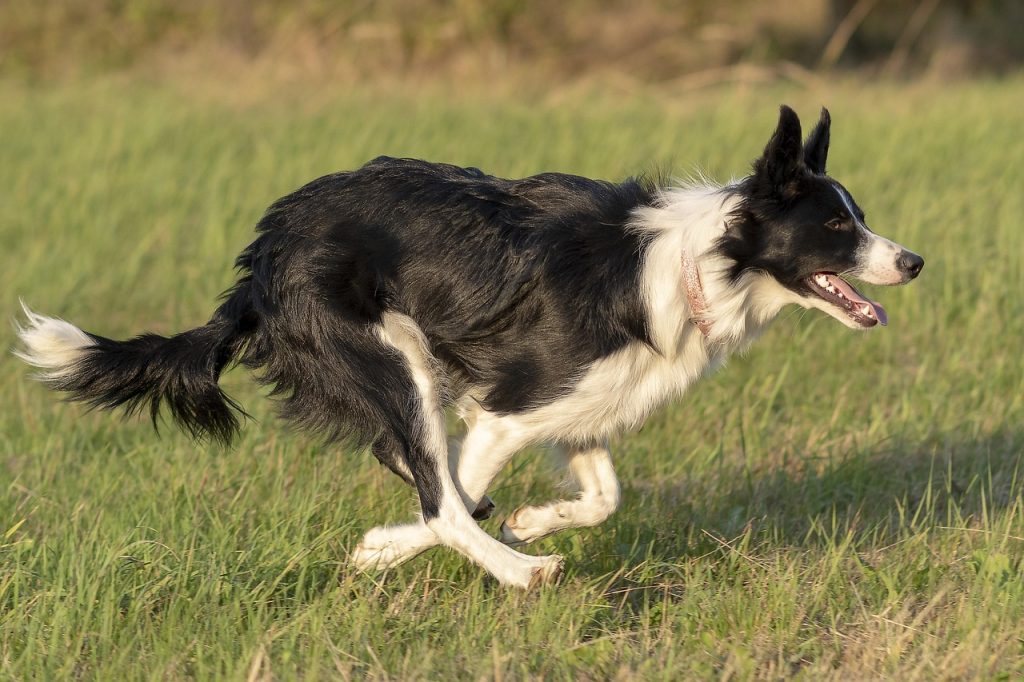
Border Collies are medium-sized dogs with a well-balanced and athletic build. Their appearance varies, but they typically have the following features:
- Height: 46-56 cm (18-22 inches)
- Weight: 14-20 kg (30-45 lbs)
- Coat Type: Can be smooth or rough, often thick and weather-resistant
- Coat Colours: Most commonly black and white, but also found in red and white, blue merle, tricolour, and sable
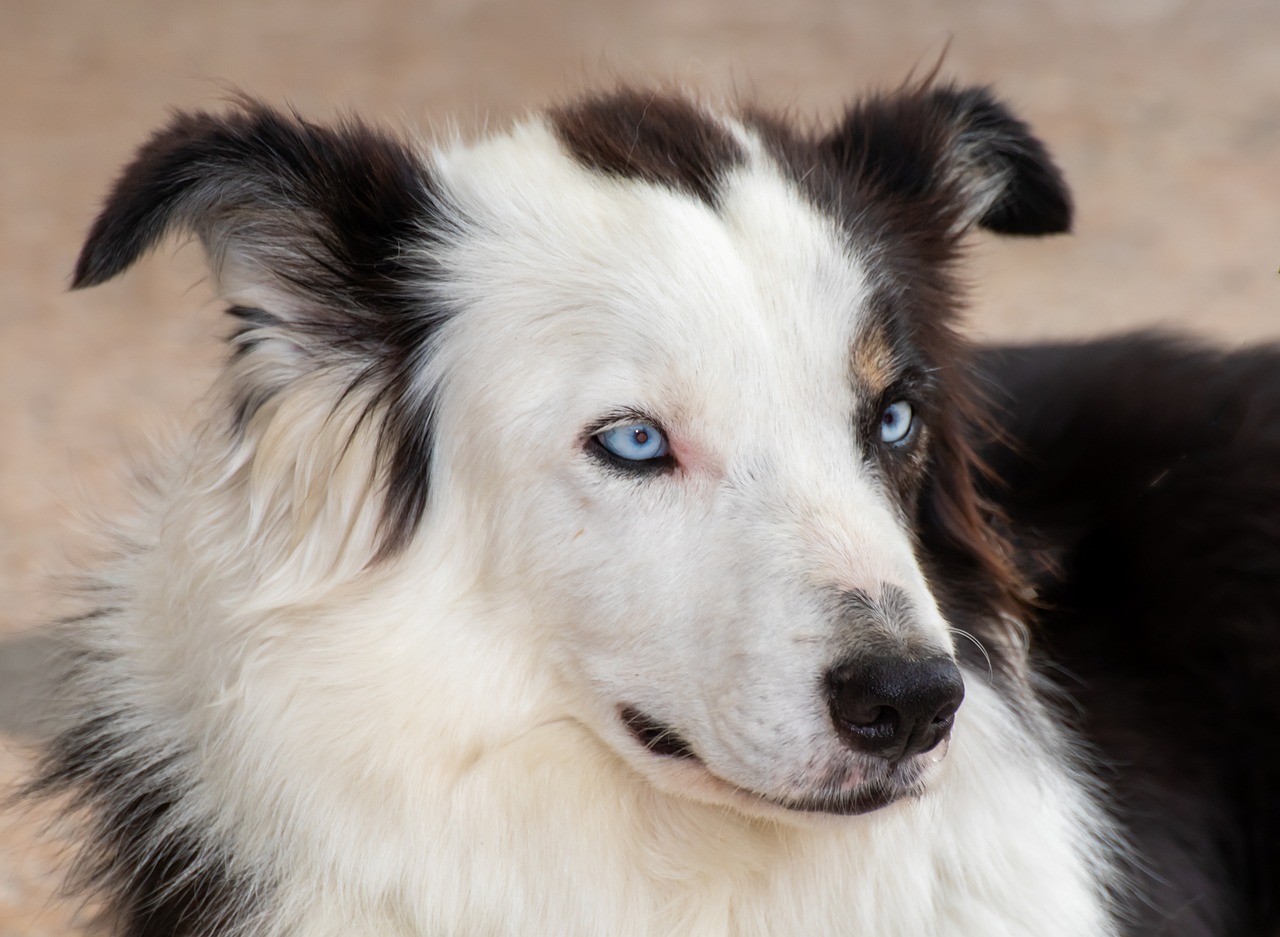
- Eyes: Often brown, but some have blue or heterochromia (one eye of each colour)
- Ears: Semi-erect or fully erect, contributing to their alert expression
Their striking appearance and intelligent gaze make them one of the most recognisable herding breeds.
Temperament and Personality
Border Collies are highly intelligent, energetic, and eager to please. They are best suited to owners who can meet their mental and physical exercise requirements.
Key Traits:
- Highly Intelligent: Ranked as the most intelligent dog breed, they can learn commands with as few as five repetitions.
- Energetic & Hardworking: Originally bred for herding, they thrive when given a job to do.
- Affectionate & Loyal: They form strong bonds with their owners but may be reserved with strangers.
- Alert & Protective: They make excellent watchdogs, though not typically aggressive.
- Independent Thinkers: While highly trainable, they can sometimes be stubborn or headstrong.
Is a Border Collie Right for You?
Border Collies excel in active households where they receive consistent training, playtime, and socialisation. If left unstimulated, they may develop destructive behaviours such as excessive barking, chewing, or herding people!
Training and Intelligence
Border Collies are one of the easiest breeds to train, but they require firm and consistent leadership. Their intelligence and eagerness to learn make them ideal for obedience training, agility, and advanced tricks.
Training Tips:
- Start Early: Begin obedience training and socialisation as puppies.
- Use Positive Reinforcement: Reward good behaviour with treats, praise, or playtime.
- Engage Their Mind: Teach complex tricks, scent games, or even competitive herding.
- Avoid Repetitive Drills: They get bored easily, so keep training sessions varied and fun.
Common Issues:
- Herding Instincts: Some Border Collies may try to herd children, other pets, or even vehicles.
- Separation Anxiety: They form strong attachments and dislike being left alone for long periods.
- High Prey Drive: They may chase small animals if not properly trained.
Consistent training and socialisation will help prevent unwanted behaviours.
Exercise and Activity Needs
Border Collies are one of the most active dog breeds and require at least 2 hours of exercise per day. Without adequate exercise, they may become frustrated, anxious, or destructive.
Great Activities for a Border Collie:
- Long walks and hikes
- Frisbee or fetch games
- Agility training (they excel in competitions)
- Obedience and trick training
- Herding trials or sheepdog training
- Canicross or running alongside a bike
This breed is not suited to a sedentary lifestyle, and owners should be prepared for their high-energy needs.
Grooming and Coat Care
Border Collies have moderate grooming needs, depending on their coat type.
Grooming Requirements:
- Brushing: 2-3 times per week to prevent tangles and reduce shedding.
- Bathing: Only when necessary (every few months).
- Ear Cleaning: Check for dirt and wax buildup weekly.
- Nail Trimming: Every few weeks to prevent overgrowth.
- Shedding: Moderate, but increases during seasonal coat changes.
Their coat is naturally weather-resistant, so they don’t require frequent bathing.
Health and Lifespan
Border Collies are generally healthy dogs, but they are prone to certain hereditary conditions.
Common Health Issues:
- Hip Dysplasia: A genetic condition affecting the hip joint.
- Collie Eye Anomaly (CEA): A hereditary eye disorder that can cause vision problems.
- Epilepsy: Some Border Collies suffer from seizures.
- Deafness: More common in merle-coloured dogs.
- Osteochondritis Dissecans (OCD): A joint condition that can cause pain and lameness.
Lifespan:
Border Collies typically live 12-15 years, with proper care, diet, and exercise helping them stay healthy.
Pros and Cons of Owning a Border Collie
Pros:
✅ Highly intelligent and easy to train
✅ Energetic and fun-loving
✅ Great for active owners
✅ Excellent working and sporting dog
✅ Loyal and affectionate
Cons:
❌ Requires LOTS of exercise
❌ Can be stubborn or independent
❌ May herd people or pets
❌ Needs mental stimulation
❌ Not suitable for small apartments
Is the Border Collie Right for You?
Border Collies are not for everyone, but if you lead an active lifestyle and want a highly intelligent, loyal companion, they could be a perfect match. They require consistent training, mental engagement, and exercise to stay happy and well-behaved.
If you’re ready to commit to their high-energy needs and training requirements, a Border Collie will reward you with unwavering loyalty, intelligence, and companionship.
Frequently Asked Questions (FAQ)
1. Are Border Collies good family dogs?
Yes, they can be, but they are best suited for families who are active and can provide mental stimulation.
2. Do Border Collies bark a lot?
They can be vocal, especially if bored or under-stimulated.
3. Can Border Collies live in apartments?
They are not ideal for apartment living unless given sufficient outdoor exercise.
4. Are Border Collies good for first-time dog owners?
Not usually. Their high energy and intelligence require experienced handling.
5. Do Border Collies get along with other pets?
Yes, with proper training and socialisation.