Borzoi: The Elegant Russian Sighthound – A Complete Owner’s Guide
Introduction
The Borzoi is a large breed of sighthound that originated in Russia, historically bred for hunting wolves. Once known as the Russian Wolfhound (a name used until 1936), the Borzoi is celebrated for its graceful, slender build and remarkable speed. Underneath its luxurious silky coat lies a powerful runner capable of sprinting up to 35–40 miles per hour. Despite their hunting prowess, Borzois are typically gentle, quiet, and dignified dogs with an almost aristocratic demeanor. They have become affectionate and loyal family companions in modern times, valued for their calm temperament and elegant appearance.
History and Origin
The Borzoi breed has its roots in 16th–17th century Russia, where it was developed by the nobility for wolf hunting on vast estates. Early Borzois resulted from crossing Arabian greyhound-type sighthounds with thick-coated Russian breeds to create a fast yet cold-tolerant. In fact, the name “Borzoi” comes from an archaic Russian word meaning “swift” or “fast,” reflecting the breed’s emphasis on speed. For centuries, Borzois were kept exclusively by Russian aristocracy – it’s noted that in the 1800s, Russian nobles maintained large packs of hundreds of Borzoi for elaborate wolf hunts. These grand hunting events often used teams of Borzois (sometimes over a hundred dogs alongside horses and handlers) to chase, corner, and hold down wolves until hunters arrived.
Because of their association with the Tsars and nobility, Borzois suffered a sharp decline after the Russian Revolution of 1917 – many dogs were tragically killed in the aftermath due to that aristocratic link. Fortunately, the breed survived thanks to prior gifts of Borzois to royal families in Europe and the export of breeding stock to England, America, and other countries in the late 19th and early 20th centuries. The first Borzoi was documented in the United States by 1889, and the breed was recognized by the American Kennel Club in 1891. The Borzoi Club of America formed in 1903 (initially as the Russian Wolfhound Club of America), and in 1936 the official English name of the breed was changed from Russian Wolfhound to Borzoi. Today’s Borzoi remains very similar in appearance to those revered in czarist Russia, and the breed’s rich heritage is evident in its noble bearing and time-honored hunting instincts.
Appearance and Size
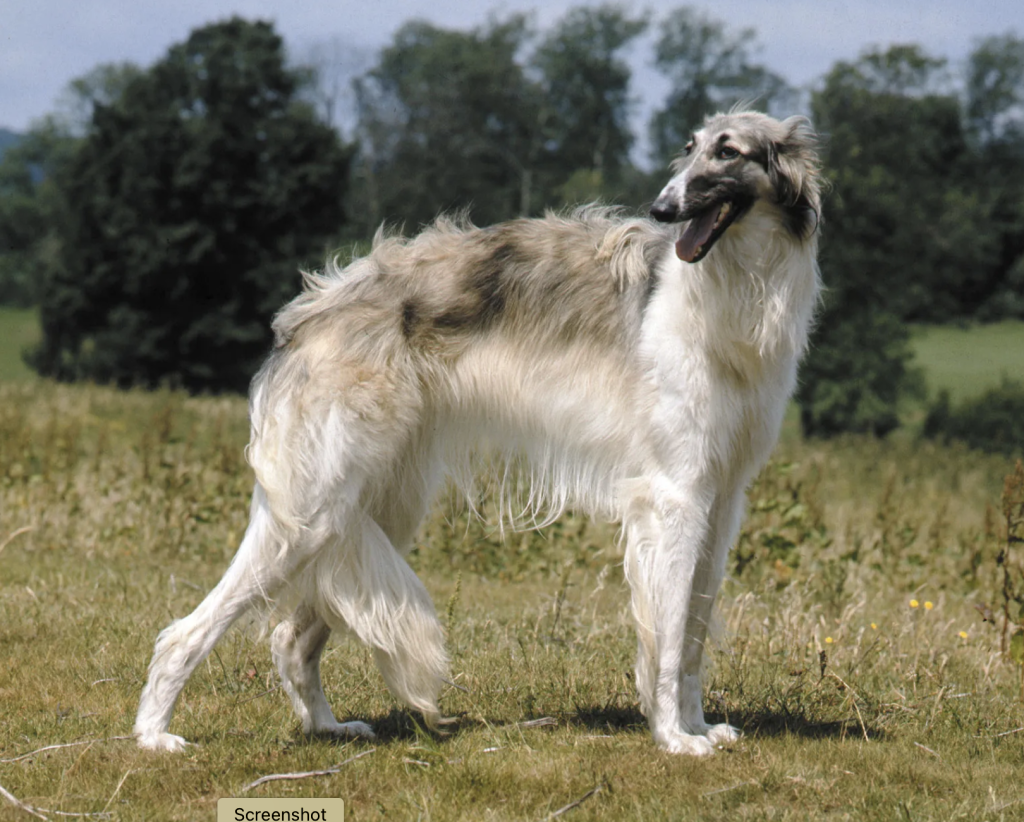
A Borzoi displaying the breed’s signature narrow head, deep chest, tucked abdomen, and silky, wavy coat. Borzois are large, elegant dogs with a greyhound-like build. Males typically stand 28–34 inches (71–86 cm) at the shoulder and weigh around 75–105 pounds, while females are slightly smaller at 26–32 inches and 60–85 pounds
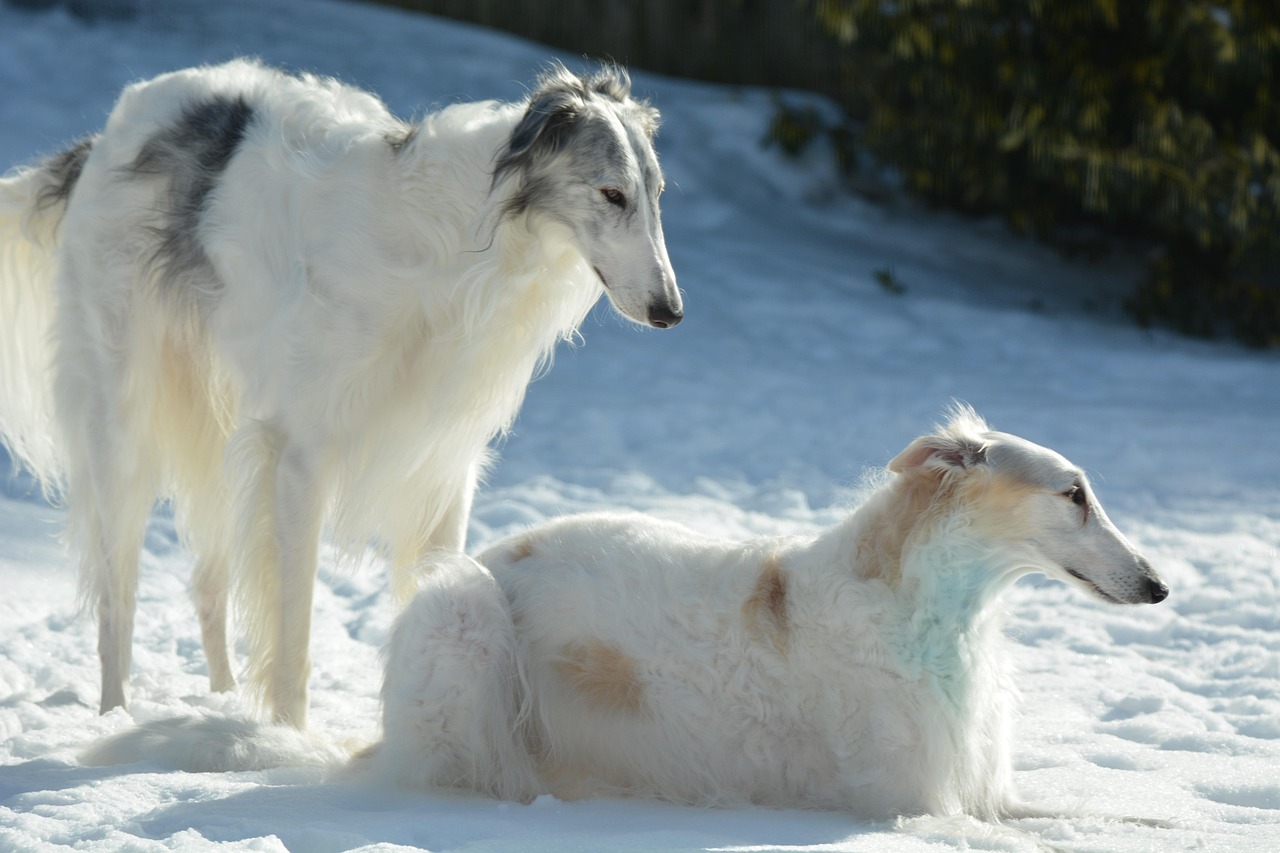
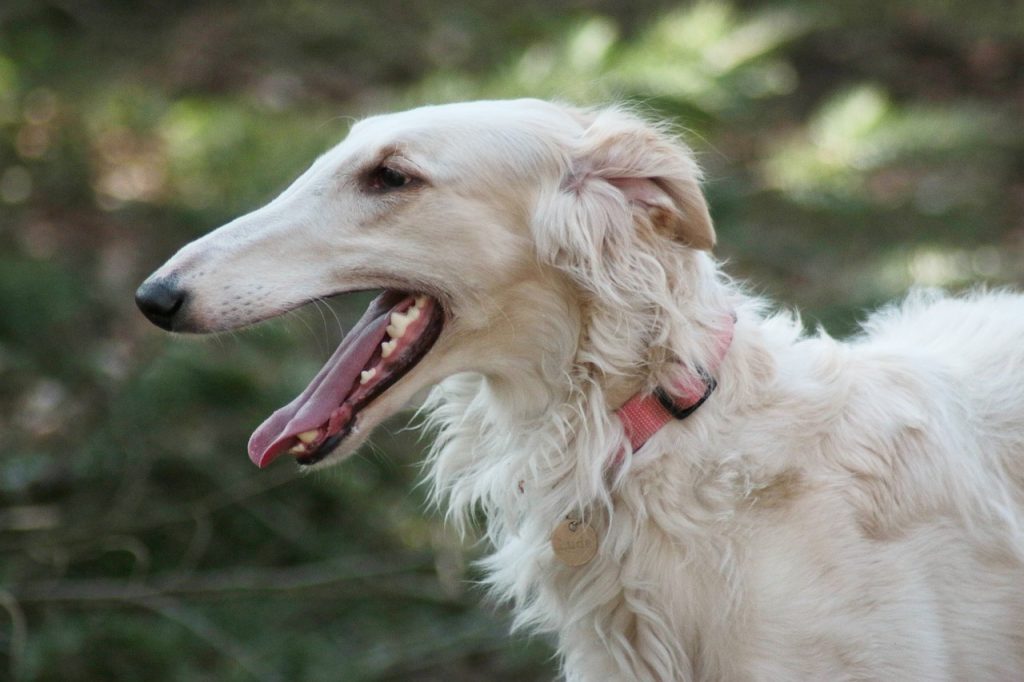
They have a distinctive athletic silhouette: a long, narrow head, small folded ears, a deep yet narrow chest, a very slim waist (tucked abdomen), and long legs built for speed. The back line is arched gracefully and leads to a long, curved tail carried low. One of the Borzoi’s most striking features is its coat. The coat is long, silky, and plush, lying flat or in gentle waves, and may form curls or feathering in places. There is often a luxurious frill of longer hair around the neck, and heavy feathering on the hindquarters and tail. Borzois come in a wide variety of colors – virtually any coat color or combination is possible. Common colors include white, gold, tan, gray, brindle or pied patterns with markings of black, tan, or brindle on a white background
Many Borzois have white base coats with darker patches, but solid or self-colored individuals also occur. In motion, a Borzoi is the picture of flowing grace and power; at rest, its refined features and feathery coat give it an aristocratic, elegant appearance that has long been admired by dog fanciers.
Temperament and Personality
The Borzoi is often described as a gentle, calm, and highly refined dog. In many ways, their demeanor is quiet and cat-like – Borzois tend to be reserved and dignified, not the type for rambunctious or rough play. They are usually very affectionate with their families, forming strong bonds with their owners and enjoying cuddle time and companionship
With strangers, Borzois can be polite but somewhat aloof or shy at first; they typically warm up slowly, showing devotion mainly to those they know and trust. Aggression is not a common trait in the breed – Borzois are more likely to step away from boisterous people or animals than to confront them.
In a family setting, Borzois are good with well-behaved children and are generally considerate and patient. They adore a calm household routine. However, due to their large size and sensitive nature, they may not tolerate rough handling – young kids should be supervised to ensure they don’t climb on or hit the dog, as a Borzoi might either withdraw or knock a small child over if startled. With other dogs, Borzois are usually peaceful and get along well, especially if socialized early. They can coexist with cats and other small petsindoors if raised with them and taught to recognize them as family. That said, Borzois have a very strong prey drive (owing to their sighthound heritage) and will instinctively chase small animals that run. Outdoors, a running cat, squirrel, or rabbit can trigger their chase instinct in a split second. For this reason, caution is needed when Borzois are around unfamiliar small pets, and introductions should be managed carefully (preferably when the dog is a puppy).
Overall, the Borzoi temperament is often described as sweet-natured, serene, and independent. They are highly intelligent dogs, but also quite independent-minded and sometimes stubborn, which is a hallmark of many sighthounds. They do not constantly seek attention or approval; instead, Borzois may quietly relax in the same room as you, content just to be near their family. They thrive on human companionship and may become unhappy if left alone for long hours every day. In fact, Borzois are known to “pine” or become anxious when separated from their owners for extended periods – they prefer having someone around or another dog as company. Despite their independent streak, these dogs are sensitive at heart: they respond to gentle treatment and can be quite emotionally tuned-in to their owners. Loud voices or harsh reprimands will upset a Borzoi; they do best with calm, positive interactions. When well cared for, a Borzoi is an extremely loyal and loving companion that combines the quiet grace of a cat with the devotion of a dog.
Training and Intelligence
Training a Borzoi requires patience, consistency, and a good sense of humor. While very smart, Borzois are selective learners – they can learn commands readily, but they may decide when or if those commands are worth obeying. In formal obedience rankings, Borzois are not typically stars, simply because they are easily bored by repetitive tasks and lack the eager-to-please attitude of some other breeds. This doesn’t mean they are untrainable; on the contrary, Borzois can master a wide range of skills and even compete in obedience or agility trials, but motivation is key. They respond best to training that keeps sessions short, fun, and varied to hold their interest. Positive reinforcement methods – using gentle encouragement, treats, and praise – are absolutely essential with this breed. Harsh corrections or forceful training will backfire, as the Borzoi is a sensitive soul; they may shut down or become even more stubborn if they feel mistreated or overwhelmed.
It’s often said that Borzois have an “what’s in it for me?” attitude toward training. They can be quiet and well-mannered indoors, but also a bit strong-willed or aloof during training sessions. Consistency helps – establish firm but kind rules and stick to them. Use a calm, upbeat tone of voice, and be patient when a Borzoi seems distracted. Because these hounds were bred to work at great distances from people (chasing game on open plains), they are accustomed to independent decision-making, which explains their sometimes obstinate streak. Many owners find that obedience training a Borzoi requires creativity; incorporating games, lure-based play (like chasing a flirt pole or lure coursing activity), and making the dog think training is their idea can yield better results. High-value food rewards can be very persuasive for a Borzoi – they do enjoy treats and this can compensate for their lack of natural eagerness to obey.
Early socialization is particularly important for Borzois. From puppyhood, they should be exposed to different people, places, and other animals.
Proper socialization will help ensure they grow up to be confident rather than overly timid or reactive. A young Borzoi can benefit from puppy kindergarten classes and basic obedience courses that focus on positive interactions with other dogs and owners. This lays the groundwork for a more obedient adult dog. Additionally, one of the biggest training challenges with Borzois is recall (coming when called). Due to their prey drive, if a Borzoi spots something sprinting in the distance, their sighthound instinct might overpower even the best training. For safety, most Borzois should not be trusted off-leash in unfenced areas, no matter how well trained, as they may bolt after a moving target before recalling any command. Instead, practice recall in securely fenced areas and use a leash or long line in open spaces. Many owners channel the breed’s chasing instinct into lure coursing, a dog sport that simulates the hunt by having dogs chase a mechanically operated lure. Interestingly, Borzois excel in such sports and can also do well in agility or rally obedience – they can learn complex tasks when motivated and when training is made into a game. In summary, training a Borzoi is certainly possible and rewarding, but it requires understanding the breed’s independent nature and working with it, rather than against it.
Exercise and Activity Needs
Despite their large size and hunting background, Borzois are not a high-endurance, hyperactive breed. In fact, they are often nicknamed “45-mph couch potatoes.” Daily exercise is important for a Borzoi, but it usually can be met with a moderate amount of activity. Aim for around 30 to 60 minutes of exercise per day as a baseline
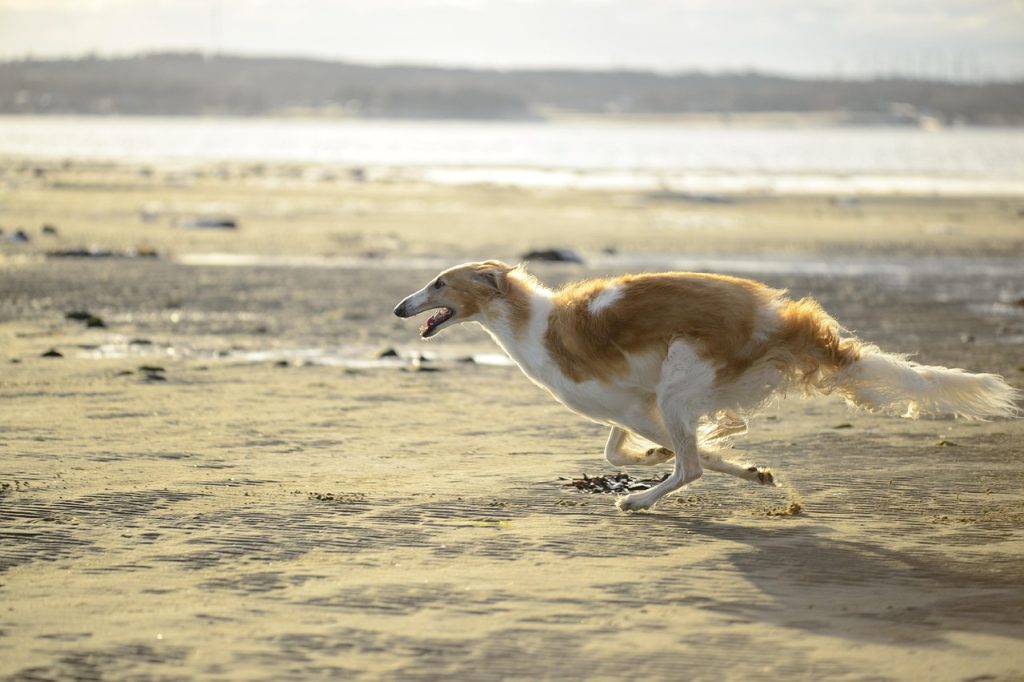
This can include one or two long walks and some free play time. Most Borzois appreciate a chance to stretch their legs with a good run a few times a week. They are sprinters rather than distance runners – their favorite activity is often a quick, all-out zoom around a large fenced area or dog park, after which they are content to relax.
A securely fenced yard is ideal for allowing a Borzoi to gallop safely, since these sighthounds will chase anything that moves and they run fast. When not in a securely enclosed area, Borzois must be kept on leash for their own safety. A Borzoi focused on pursuing prey may ignore calls to come and can cover a lot of ground quickly, which is dangerous near roads. For this reason, a tall fence (they are capable jumpers) and vigilant supervision are key if you let a Borzoi off-leash. In terms of specific exercise, long daily walks are excellent for this breed. Borzois enjoy walks where they can sniff and see the sights, though they will likely perk up and try to bolt if a small animal crosses the path. They also tend to love running games – many Borzois do well in lure coursing events or enjoy chasing after toys in a large yard.
Play fetch in a very secure area can work, although not all Borzois have a strong retrieve drive. Interactive play like tug-of-war or play-wrestling with another dog companion can also burn energy if the Borzoi is inclined. Additionally, mental stimulation can help tire a Borzoi out. Puzzle feeders, training sessions, or scent games in the yard can engage their mind on days when vigorous running isn’t possible. It’s worth noting that Borzois mature slowly; as puppies and adolescents, they have spurts of energy but also need lots of rest and shouldn’t be over-exercised while their bones and joints are developing.
When their exercise needs are met, Borzois are extremely calm and lazy indoors. They have no problem snoozing for hours on a soft bed or couch after a good run. In fact, an adult Borzoi will typically lounge around most of the day if given a decent walk. Because of this laid-back nature, Borzois do surprisingly well in urban or apartment living provided they get their daily exercise. They are not prone to constant activity indoors and are usually quiet (low barkers) and unobtrusive in the home
However, living in an apartment with a Borzoi means the owner must be diligent in giving regular walks and opportunities to run in safe areas. Borzois also handle cold weather very well (they were bred for Russian winters) and generally love to romp in the snow.
Hot weather, on the other hand, can be tough on them due to their thick coat – exercise should be moderated on very warm days, and they’ll appreciate access to shade and water. Always avoid exercising a Borzoi right after meals, as their deep chest makes them susceptible to bloat (more on that in the Health section). In summary, a Borzoi’s exercise needs are moderate: a good daily walk and occasional sprint suffices to keep them healthy and happy. They are athletic but not hyper, and they adapt their energy to the activity level of their household.
Grooming and Coat Care
The Borzoi’s long, silky coat is beautiful but requires regular maintenance. Grooming a Borzoi is not difficult, but it does demand consistency to keep the coat in good condition. A thorough brushing at least once a week is usually recommended. The coat is prone to tangling or forming mats, especially in areas like behind the ears, under the legs (armpits), and in the feathering on the thighs and tail. Using a pin brush or slicker brush to gently work through these areas will remove loose hairs and prevent matting. During most of the year, a weekly brushing session can last 15–20 minutes, focusing on detangling and removing shed undercoat. Borzois have a soft undercoat that will “blow out” (shed heavily) about once a year – typically in the spring as the weather warms. Unspayed females may also shed intensely after each heat cycle.
During these high-shed periods, you may find tumbleweeds of Borzoi fur around the house and will need to brush more frequently (several times a week, or even daily for a short time) to keep up with the shedding. The good news is that while Borzois do shed a lot, their fur is not particularly oily or smelly, so regular brushing usually keeps them clean and odor-free. They are not considered hypoallergenic – the profuse shedding can be an issue for allergy sufferers.
In addition to brushing, occasional baths are part of Borzoi care. Thanks to the dirt-shedding nature of their coat, a Borzoi typically doesn’t develop a strong doggy odor and thus only needs a bath once every month or two (or as needed if the dog gets into mud or something smelly)
When bathing such a large dog, ensure you rinse out all shampoo thoroughly from that thick coat. Many owners use a blow-dryer on a cool setting to help dry the long fur after a bath, as it can otherwise stay damp for quite a while. Trimming foot hair is another grooming task unique to Borzois – they grow long fur between the paw pads and toes, which can be trimmed regularly to prevent slipping on smooth floors and to keep debris from accumulating. Nails should be trimmed regularly (usually every few weeks) because long nails can splay the Borzoi’s toes or cause discomfort. Given the breed’s size, starting nail trims early in puppyhood will help a Borzoi accept the handling. Check and clean the ears periodically; although Borzois aren’t especially prone to ear infections, any dog can develop issues if the ears get dirty or moist. Their ears lie flat to the head, so wipe the outer ear and just inside with a vet-approved cleaner if you notice dirt. Dental care is also important – aim to brush the dog’s teeth a few times a week to prevent tartar buildup (or provide dental chews as a supplement).
When grooming a Borzoi, it’s a good idea to use the time to perform a quick general health check. Look over the skin for any irritation or parasites, check that the eyes are clear, and feel along the body for any lumps or signs of soreness. This hands-on attention not only keeps the Borzoi looking its best but also reinforces your bond with the dog. Many Borzois enjoy the grooming process if introduced positively – it becomes an affectionate routine. In summary, coat care involves consistent brushing and seasonal shedding management, basic hygiene care for nails, teeth, and ears, and an occasional bath. With these routines, a Borzoi’s coat will stay silky and magnificent. Owners should be prepared for a certain amount of fur around the home (especially during shedding season), but otherwise Borzois are fairly low-maintenance for a long-haired breed – their coat resists dirt and they generally keep themselves quite clean.
Health and Lifespan
Borzois are generally a healthy breed, but like all purebred dogs, they have some predispositions to certain health issues. On average, a Borzoi has a lifespan of about 10 to 12 years, with some living to 14 or 15 with good care. This lifespan is a bit shorter than smaller breeds, in part because Borzois are large dogs and large breeds tend to age faster. Ensuring a Borzoi stays lean, fit, and gets regular veterinary checkups can help maximize their years. One of the most significant health risks for Borzois is bloat, also known as gastric dilatation-volvulus (GDV).
Bloat is a life-threatening condition common to deep-chested breeds: the stomach can fill with gas and twist on itself, cutting off blood supply. Without immediate treatment, GDV can be fatal. Owners of Borzois should educate themselves on bloat symptoms (such as unproductive retching, a swollen abdomen, restlessness, and signs of pain) and take precautions like feeding two smaller meals a day instead of one large meal
It’s also wise to avoid vigorous exercise right before or after meals. Some Borzoi owners even opt for a preventive gastropexy surgery (tacking the stomach to the body wall) when the dog is young to greatly reduce the risk of GDV.
Another health concern in the breed is heart disease, particularly dilated cardiomyopathy (DCM). In DCM, the heart muscle becomes enlarged and weakened. Borzois, like several giant breeds, appear to have a higher incidence of DCM which can lead to heart failure. Regular vet checkups that include listening to the heart and possibly performing echocardiograms can help catch cardiomyopathy early. Some Borzois may develop heart murmurs that need monitoring.There is ongoing research into the breed’s cardiac health to better understand and manage this issue.
Bone and joint conditions can also occur. Borzois are generally lean and not as prone to hip dysplasia as heavier breeds, but it does exist in the breed. Hip dysplasia (malformed hip joint) and elbow dysplasia have been reported. Reputable breeders screen their breeding stock with hip and elbow X-rays to minimize this risk. Additionally, osteochondritis dissecans (OCD), a developmental orthopedic condition where cartilage separates from bone (often in shoulders), is seen occasionally in fast-growing Borzoi puppies. Careful nutrition and not over-exercising a Borzoi when young can help reduce OCD risks. Osteosarcoma (bone cancer), unfortunately, is a concern in many large breeds including Borzois.Owners should be aware of any persistent lameness or swelling on the limbs and consult a vet, as those can be signs of this aggressive cancer. While not extremely common, it’s one of the more serious diseases to watch for as Borzois get older.
In terms of eye and other genetic conditions, Borzois can inherit progressive retinal atrophy (PRA), an eye disorder that causes gradual vision loss. Responsible breeders often have their dogs’ eyes certified and DNA-tested for known markers to avoid passing on PRA. Borzois do not typically suffer from the myriad of ailments that plague some other breeds – for example, skin allergies, idiopathic epilepsy, or thyroid disorders are not especially prevalent in Borzois (though they can occur in individuals as in any breed). A unique quirk of sighthounds, including Borzois, is their sensitivity to anesthesia and certain drugs. Owing to their low body fat and unique metabolism, Borzois may metabolize barbiturates and other anesthetics more slowly, leading to prolonged recovery times. Veterinarians experienced with sighthounds will adjust protocols (using modern anesthetics and careful dosing) to ensure safe procedures. It’s a good idea for owners to remind any vet treating their Borzoi about this sensitivity.
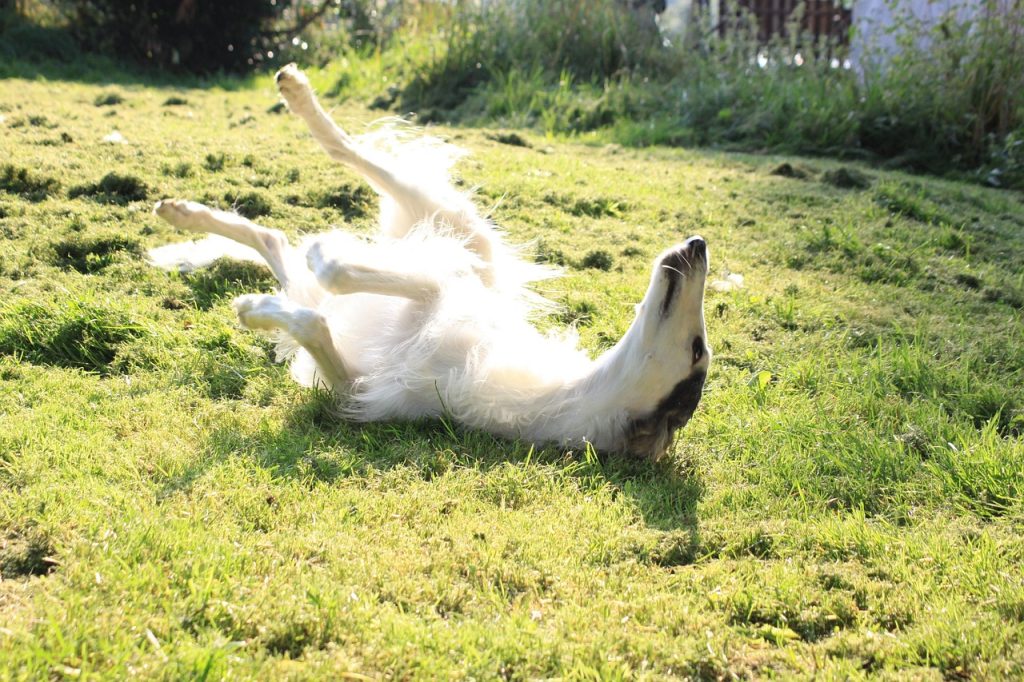
Preventative care goes a long way: regular veterinary check-ups, keeping up with vaccinations and parasite prevention, and maintaining a healthy weight through proper diet and exercise will help a Borzoi lead a robust life. Dental health should not be overlooked; periodontal disease is common in all dogs, and brushing the dog’s teeth can prevent complications that might affect overall health. Many of the health issues in Borzois can be managed or mitigated with early detection. For instance, if a Borzoi is diagnosed with mild hip dysplasia, joint supplements and low-impact exercise can keep them comfortable for years. If a heart issue is detected early, medications can support heart function. On the whole, Borzois are considered a relatively healthy breed – a survey by the Borzoi Club of America noted that most disorders seen frequently in other breeds are only infrequently observed in Borzois.
Prospective owners should still be prepared for the potential health costs that come with a large dog, and should ensure they get a Borzoi from a breeder who health-tests for genetic issues. With good care, these noble hounds often remain active and youthful well into their senior years, providing their families with a decade or more of love and companionship.
Pros and Cons of Owning a Borzoi
Pros:
- Gentle and Quiet: Borzois are known for their calm and laid-back demeanor. They are typically quiet dogs that bark infrequently, making them well-suited for a peaceful home environment. Their gentle, polite nature means they aren’t usually troublemakers around the house – most are content to lounge gracefully for a good part of the day.
- Affectionate and Loyal: With their own families, Borzois can be very loving. They form strong bonds with their owners and often enjoy snuggling or resting their head in your lap. They are affectionate without being clingy, offering a nice balance for someone who wants a loving but not overly needy pet. Many owners describe them as sensitive and intuitive companions.
- Low Indoor Energy: Despite their athletic ability, Borzois have relatively low exercise requirements compared to other large breeds. A good daily walk and the occasional run will usually satisfy them, and then they are happy to be couch potatoes. They are generally mannerly indoors – not hyper or destructive – making them easier to live with in a normal household setting.
- Clean and Odor-Free: Borzois tend to be fastidious like cats. They don’t have a strong doggy odor and will groom themselves a bit. They also have minimal drooling. Their long coat, while it does shed, naturally sheds dirt when dry, so you won’t constantly have a muddy dog. Regular brushing keeps them looking great with relatively modest effort.
- Elegant and Unique: There’s no denying the eye-catching beauty of a Borzoi. Owners often take pride in the breed’s regal, elegant appearance and the attention their dog draws on walks. If you appreciate aesthetics, the Borzoi’s flowing coat and graceful movement are a joy. They also come in many colors, giving some variety.
- Good with Other Dogs: Borzois are typically amiable with other dogs and enjoy canine companionship. They are not usually dog-aggressive. Having another calm dog in the home can help keep a Borzoi company, and Borzois often enjoy playing and running with dog friends, especially other sighthounds who share their love of sprinting.
Cons:
- Independent and Stubborn: Training a Borzoi can be a test of patience. They are intelligent but independently minded, which means they often won’t obey commands unless they see a good reason to. Novice owners or those expecting instant obedience may find this frustrating. Borzois require gentle, persistent training; their stubborn streak and sensitivity to harsh treatment can make training a challenge.
- High Prey Drive: As sighthounds, Borzois have a very strong instinct to chase moving creatures. This can be a major drawback for owners with cats, rabbits, or other small pets – a Borzoi may view these as prey if not raised alongside them. Even if they live peacefully with your indoor cat, they might still chase other animals outdoors. Off-leash walks are generally unsafe unless in a fenced area, and a securely fenced yard is a must to prevent escape when their chase instinct kicks in.
- Regular Grooming & Shedding: Borzois come with a lot of hair. They are heavy shedders, especially during seasonal coat blows. Owners must be prepared for dog hair on clothes and furniture. Their long coat also needs routine brushing to avoid mats. While not as labor-intensive as some breeds (e.g., poodles that need haircuts), Borzoi owners do invest time each week in grooming. If you’re looking for a wash-and-go dog or are very house-proud about hair, this could be a con.
- Large Size & Space Needs: A Borzoi is a giant breed in height, if not always in weight. Their great size means they need room to move around without knocking things over. In small apartments or crowded homes, they can be a bit impractical – their tails can sweep coffee tables clean. Transport can also be an issue; a Borzoi barely fits in a small car. They need ample space in a vehicle and a comfortable spot at home to stretch out. Very small children can be accidentally bumped or toppled by a Borzoi’s size.
- Not Suited to Long Hours Alone: Borzois bond closely with their people and may suffer if left alone all day. They are not very tolerant of being alone for extended periods, and some can develop separation anxiety or destructive behavior due to boredom or loneliness. Prospective owners who work full-time away from home should have a plan (like a dog walker or doggy daycare) to meet the Borzoi’s social needs.
- Potential Health Costs: As a large breed, Borzois can come with higher food and healthcare costs. They eat a substantial amount (though they are slim, so they don’t eat as much as a heavy Mastiff, for example). Veterinary care for large dogs (surgeries, medications, preventative treatments) often costs more due to their size. Additionally, breed-specific health issues like bloat or orthopedic injuries can result in significant vet bills. Prospective owners need to be financially prepared.
- Shorter Lifespan: While Borzois can live to 12 or beyond, their median lifespan is on the shorter side, around 10 years. It’s an emotional consideration that owning a large dog means saying goodbye sooner on average than you would with a small dog. This may be a factor for some people when choosing a breed.
In weighing pros and cons, remember that every Borzoi is an individual. Many of the breed’s challenges can be managed with knowledge and proper care, while their best traits shine brightest with loving ownership. For the right person or family, the Borzoi’s advantages – their grace, companionship, and gentle nature – far outweigh the difficulties of training or grooming. But it’s crucial to be aware of the potential drawbacks to ensure this breed fits your lifestyle.
Is the Borzoi Right for You?
Bringing a Borzoi into your life can be a rewarding experience for the right owner. This breed tends to do best with people who appreciate an independent, somewhat aristocratic canine personality. If you are looking for a velcro dog that will follow every command instantly or play fetch for hours, a Borzoi is probably not the ideal choice. However, if you want a calm, well-mannered companion who will lounge quietly by your side, yet still has the athleticism to join you for a run or hike, the Borzoi could be a great match.
Living space is an important consideration. Borzois are large and need room to move comfortably. They can adapt to apartment living (thanks to their quiet nature and low indoor activity), but only if you are committed to providing sufficient exercise outside the apartment. Ideally, a home with a securely fenced yard is recommended so your Borzoi can have safe off-leash zoomies. Urban Borzoi owners should scope out enclosed dog parks or secure fields where their hound can occasionally run free. Remember that no matter where you live, a Borzoi must be leashed outdoors unless in a fenced area – if you envision taking your dog to open unfenced areas or on off-leash hikes, a Borzoi’s prey drive could make that difficult.
Consider your family and other pets. Borzois can be excellent family dogs for households with older children or only adults. They are typically gentle with kids, but small toddlers can inadvertently provoke a Borzoi (through rough play) or be knocked down due to the dog’s size. If you have very young children, you’ll need to supervise interactions closely and perhaps wait until your kids are a bit older and calmer. For families with other pets, Borzois generally get along with other dogs. With cats, it greatly helps if the Borzoi is raised from puppyhood with a cat – many Borzois live peacefully with indoor cats that stand their ground. Very small pets like rabbits or guinea pigs could be at risk around a sighthound, so think carefully if you have those. It’s not impossible, but you’d need to keep them safely separated and never let a Borzoi interact unsupervised with what it might perceive as prey.
Think about your lifestyle and expectations. Borzois flourish in a calm, stable environment. They are well-suited to owners who are somewhat experienced with dogs or willing to learn about the special considerations of a sighthound. First-time dog owners have successfully owned Borzois, but it requires doing homework on positive training methods and canine behavior. If you value having a dog that is different from the rest, the Borzoi certainly stands out – their elegance and unique temperament attract many. They are often a good fit for people who have quieter lifestyles; for example, individuals or couples who enjoy walks, appreciate art and beauty (the Borzoi often appears in art for its looks), and want a dog that is a polite housemate. They’re also a lovely choice for older owners, as long as the person can manage a large dog physically. Borzois are calm enough to be great companions for retirees, provided arrangements are made for someone stronger to help if the dog decides to pull hard on leash (training and the right equipment can mitigate this).
Time commitment is another factor. You’ll need to dedicate time to daily walks, weekly grooming, and of course, loving interaction. Borzois do not demand constant attention – they’re not typically nuisances – but they do need affection and company. If you work long hours and there’s often no one at home, a Borzoi might not be ideal unless you can enlist dog walkers or have doggy daycare a few times a week. On the flip side, if you are home a lot and want a peaceful companion to share your space, a Borzoi will happily snooze nearby as you read or work.
Training and patience are key considerations in determining if this breed is right for you. A Borzoi will test your patience during training with their slow-to-respond attitude. If you enjoy training and find it rewarding to win over a dog’s cooperation with gentle methods, you’ll likely get along well with a Borzoi. If you expect quick results or have a very rigid training style, you might find the Borzoi’s independent nature frustrating.
Finally, assess your comfort with the practical aspects: Can you handle a dog that might weigh 80–100 lbs and stand nearly 3 feet tall at the shoulder? Are you okay with dog hair in the house and regular brushing sessions? Can you afford the food (a Borzoi eats a few cups of quality kibble a day, more when growing) and potential vet bills? If the answer is yes and you resonate with the Borzoi’s temperament, then this breed could be a wonderful addition to your life. Owning a Borzoi is often described as having a living piece of art – they are noble, serene companions who will enrich your home with their quiet grace and occasional bursts of thrilling athleticism. For those who fall in love with the breed, Borzois are addictive; many owners stick with Borzois for life due to the breed’s unique charm.
In summary, the Borzoi is right for you if you want a gentle giant with an independent spirit, you can provide exercise in a safe area, you’re prepared for grooming and a bit of quirkiness in training, and you value a calm, devoted companion. If you meet these criteria, you’ll likely find the Borzoi to be an incredibly rewarding pet, offering elegance, affection, and a touch of Russian nobility to your household.
Frequently Asked Questions (FAQ)
Q: Are Borzois easy to train?
A: Not particularly. Borzois are intelligent but have an independent streak, which can make training a challenge. They don’t have the strong desire to please that some breeds do, so obedience training requires patience and positive reinforcement. Harsh methods do not work well with this sensitive breed. With gentle, consistent training, Borzois can learn commands and good manners – but expect training to take more time compared to easily trainable breeds. Short, fun sessions and tasty rewards will yield the best results. Don’t be discouraged if your Borzoi seems stubborn or uninterested at times; this is normal for the breed. Many Borzois eventually excel in activities like lure coursing or agility, especially when training is made into a game they enjoy.
Q: Do Borzois need a lot of exercise? Are they high energy dogs?
A: Borzois have moderate exercise needs, but they are not high-energy dogs overall. They do require daily exercise to stay healthy – typically at least a 30- to 45-minute walk each day. In addition, they love the opportunity to run freely in a safely enclosed area a few times a week. That said, Borzois are quite lazy and mellow indoors. After a good run or walk, they are content to lounge around for hours. They prefer a couple of sprinting sessions or long walks over constant activity. So, while you should be able to commit to daily walks (and occasional vigorous exercise), you won’t find yourself with a hyperactive dog bouncing off the walls. In fact, adult Borzois are often less demanding in terms of exercise than many smaller, more energetic breeds. Just be mindful: because they are sprinters, when they do run, it’s impressive – you’ll want to have them on leash or in a fenced area for those bursts of speed to keep them safe.
Q: Are Borzois good with children and family life?
A: In the right circumstances, yes, Borzois can be wonderful family dogs. They are generally gentle, calm, and affectionate with their family members including well-behaved children. A Borzoi will usually be very patient with kids who are calm and kind. However, Borzois do not enjoy rough play or a lot of noise and chaos. Families with very young or active children need to supervise interactions because a Borzoi might be uneasy with loud, sudden behaviors (and their large size poses a risk of accidental knock-downs).
It’s best if children are taught to be gentle – no pulling ears or climbing on the dog. Borzois often bond strongly with all members of their household, and can be quite loyal to “their” kids, often choosing to quietly lie near them. In a calm family environment, Borzois thrive and show a lot of love. They’re also typically polite to visitors, though they might not actively engage with strangers, sometimes preferring to observe from a comfortable spot.
Q: Will a Borzoi get along with my other pets (for example, cats or small dogs)?
A: Borzois usually get along well with other dogs in the household, especially if they are of similar temperament. They tend to be sociable with other canines and often enjoy having a dog companion. With cats, it can vary. Many Borzois live peacefully with cats indoors, particularly if they are raised together from puppyhood and the cat is confident around dogs In these cases, the Borzoi often recognizes the cat as part of the family pack. However, a running cat (or any small, running animal) may trigger a Borzoi’s chase instinct, even if it’s the same cat they ignore in the house. Caution is advised: introductions should be gradual, and you should supervise their interactions until you’re certain your Borzoi understands the cat is not to be chased. Very small pets like rabbits, rodents, or birds are generally not a safe mix with Borzois, given the breed’s strong prey drive – the risk of the dog seeing them as quarry is high. If you do have such pets, keep them securely separated. In summary, Borzois can coexist with other pets, but early socialization and careful management are key. Always err on the side of safety and never leave a Borzoi unsupervised with a small animal until you’re extremely confident in their relationship.
Q: Can a Borzoi live in an apartment or urban setting?
A: Yes, a Borzoi can adapt to apartment or city life as long as their needs are met. Borzois are quiet indoors and relatively inactive when not exercised, so they won’t typically disturb neighbors with lots of barking or running around. The main challenge is providing sufficient exercise in an urban environment – you’ll need to commit to multiple walks each day and, ideally, find a safe fenced area (like a dog park or enclosed field) a few times a week so your Borzoi can run at full speed. Many city-dwelling Borzoi owners successfully keep them in apartments, noting that their dogs mostly love to sleep on the couch and don’t mind the smaller living space, provided they get their outings
petmd.com. You should also consider the logistics: a Borzoi is a large dog to have in tight quarters, and things like stairs or elevators must be navigated (some Borzois may need encouragement to use stairs, especially as they age). Additionally, in cities, always leash your Borzoi – the city sights (and pigeons or squirrels!) will tempt that chase reflex. So, while a house with a yard is easier, apartment living is entirely feasible if you’re a dedicated owner. Just make sure you’re ready for those daily walks rain or shine, since there’s no backyard to let them loose.
Q: How much grooming do Borzois require, and do they shed a lot?
A: Borzois have a long, silky double coat that does shed. You will need to groom them regularly, but it’s not as intensive as some might think. Brushing your Borzoi thoroughly about once a week will keep their coat in good shape and minimize tangles. They shed year-round in small amounts and do a big “coat blow” usually once annually (often in spring) where they shed heavily for a few weeks. During those heavy shedding periods, more frequent brushing (even daily quick brushing) will help manage the fur around the house. Yes, you should expect to find dog hair on your floors and clothing – Borzois are definitely heavy shedders, especially seasonally. Investing in a good vacuum is wise. On the plus side, their coat has very little odor and dirt brushes out easily when dry, so you won’t need frequent baths. A bath every month or two is usually enough unless the dog gets into something messy.
After baths, be prepared for a lot of wet fur – it takes time to dry that coat. Don’t forget about nail trimming and dental care as part of grooming; nails should be kept short (trimmed roughly every 3-4 weeks) and teeth brushed a few times a week if possible. To sum up, grooming a Borzoi is moderate effort: regular brushing is a must and shedding is a fact of life, but many owners find it manageable and even enjoy the bonding time spent grooming their Borzoi.
Q: What health issues do Borzois have, and how long do they live?
A: Borzois are generally healthy dogs, but there are a few health issues to be aware of. The most serious concern is bloat (gastric torsion), due to their deep chest – this is a life-threatening condition where the stomach twists, so owners must be vigilant for it and may even opt for preventative surgery. Heart disease, such as dilated cardiomyopathy, has been observed in the breed at higher rates so regular vet check-ups for heart health are important. Orthopedic issues like hip dysplasia or osteochondritis dissecans occur occasionally, though breeders try to screen for these. Eye conditions like progressive retinal atrophy (PRA) can appear, but are not extremely common. Borzois are also very sensitive to anesthesia and certain drugs so an experienced vet is crucial for surgical procedures. On average, Borzois live about 10 to 12 years.
Some live longer (up to 13–14 years), especially if they avoid major health problems. Keeping your Borzoi lean, giving them appropriate exercise, and providing good preventative vet care (dental care, heartworm prevention, etc.) will help maximize their lifespan. Always get a Borzoi from a reputable source that health tests their breeding dogs – this can reduce the risk of inherited conditions. Overall, many Borzois live long, full lives, and serious health issues are relatively uncommon. But as with any large breed, it’s wise to be financially prepared for the possibility of emergencies or treatments as they age.