Bouvier des Flandres: The Stalwart Working Dog with a Gentle Soul
Introduction
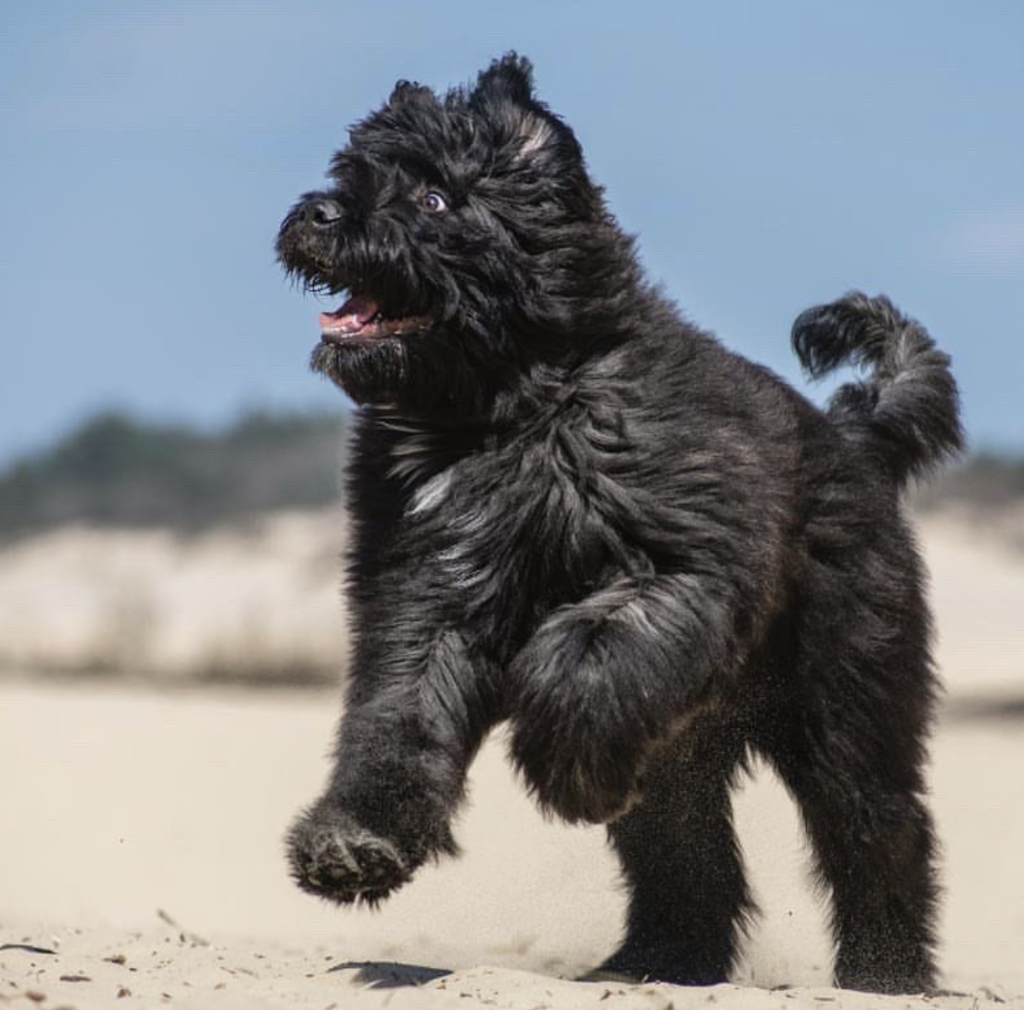
The Bouvier des Flandres is a large herding dog breed that originated in the Flanders region of Belgium. Bred as an all-purpose farm dog, the Bouvier was traditionally used for cattle droving, sheep herding, and even pulling carts. This rugged breed is known for its imposing size, shaggy coat, and distinctive beard and mustache, which give it a bushy, tousle-coated appearance. Bouviers are loyal, intelligent, and protective by nature, making them excellent watchdogs and guardians of home and livestock. They are strong-willed dogs that thrive under experienced ownership – owners who can devote the time, training, and space needed for such a high-energy working breed . For those prepared to meet their exercise and grooming needs, the Bouvier des Flandres can be a devoted and even-tempered companion.
History and Origin
The Bouvier des Flandres was developed in the farming communities of Belgium (Flanders) – an area that also extends into parts of France – around the late 19th and early 20th centuries. In French, the breed’s name literally means “cow herder of Flanders,” reflecting its original purpose. Farmers and cattle merchants needed one hard-working dog breed that could do it all on the farm, rather than maintaining several specialized dogs. Early Bouviers were used to herd cattle, pull carts loaded with milk or produce, guard homesteads, and even churn butter on the farm. Monks at the Ter Duinen monastery in Flanders were among the first to standardize the breed by crossing imported Irish wolfhounds and Scottish deerhounds with local farm dogs, producing a strong, weather-resistant dog suited for heavy work.
During World War I, the Bouvier des Flandres gained a reputation as a brave working dog on the battlefields. Bouviers were enlisted to carry messages, pull ambulance litters, and perform other military duties. The war took a devastating toll on the breed – many dogs were lost in battle and the breed nearly went extinct during that time. Fortunately, a few dedicated fanciers gathered surviving Bouviers and bred them in neighboring countries (notably France and the Netherlands) to revive the lineage. The breed again served heroically in World War II, which once more put it in peril, but continued efforts by breeders ensured the Bouvier’s survival.
The first breed standard for the Bouvier des Flandres was drawn up in 1912 in Europe. The breed spread beyond its home region in the 1920s, arriving in North America and other parts of the world. The American Kennel Club (AKC) recognized the Bouvier des Flandres in 1929, with the first dogs registered in the U.S. in the early 1930s. A unified French-Belgian breed standard was established in 1936, and the Fédération Cynologique Internationale (FCI) – the international kennel federation – adopted an official standard by 1965. Today, the Bouvier is recognized by major kennel clubs worldwide and continues to be valued not only as a working farm dog, but also as a loyal family companion, service dog, and protector.
Physical Appearance and Characteristics
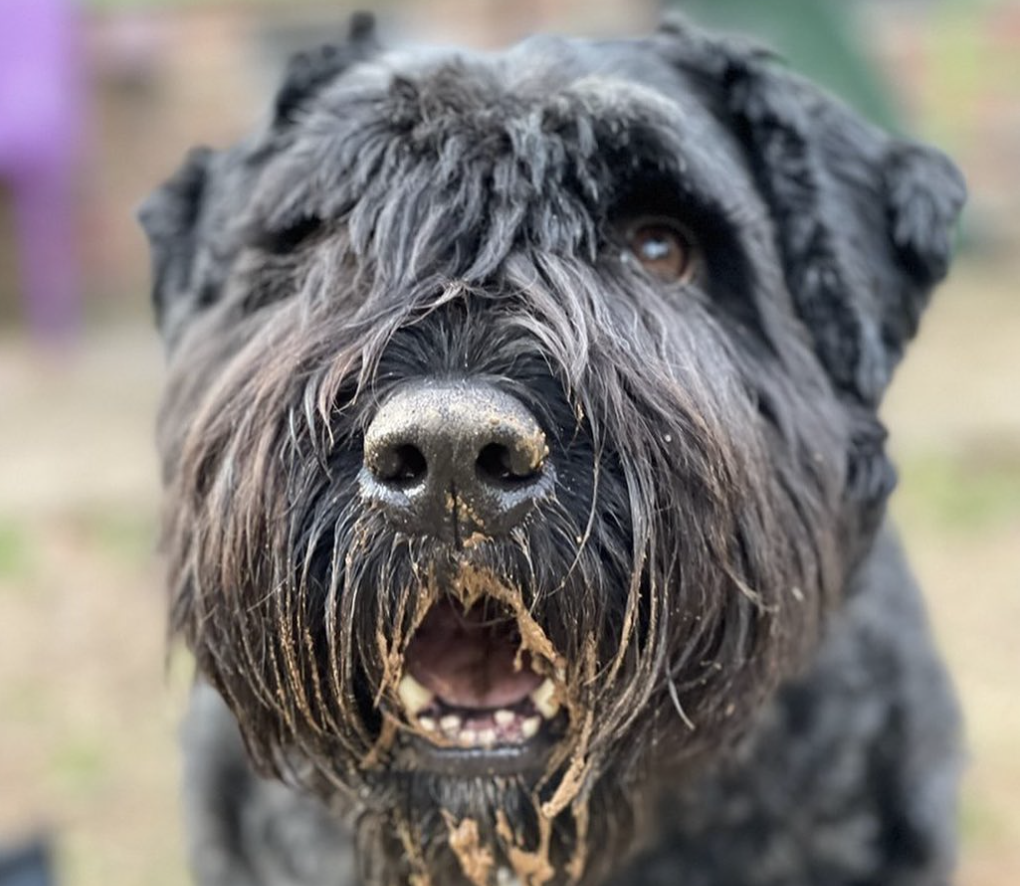
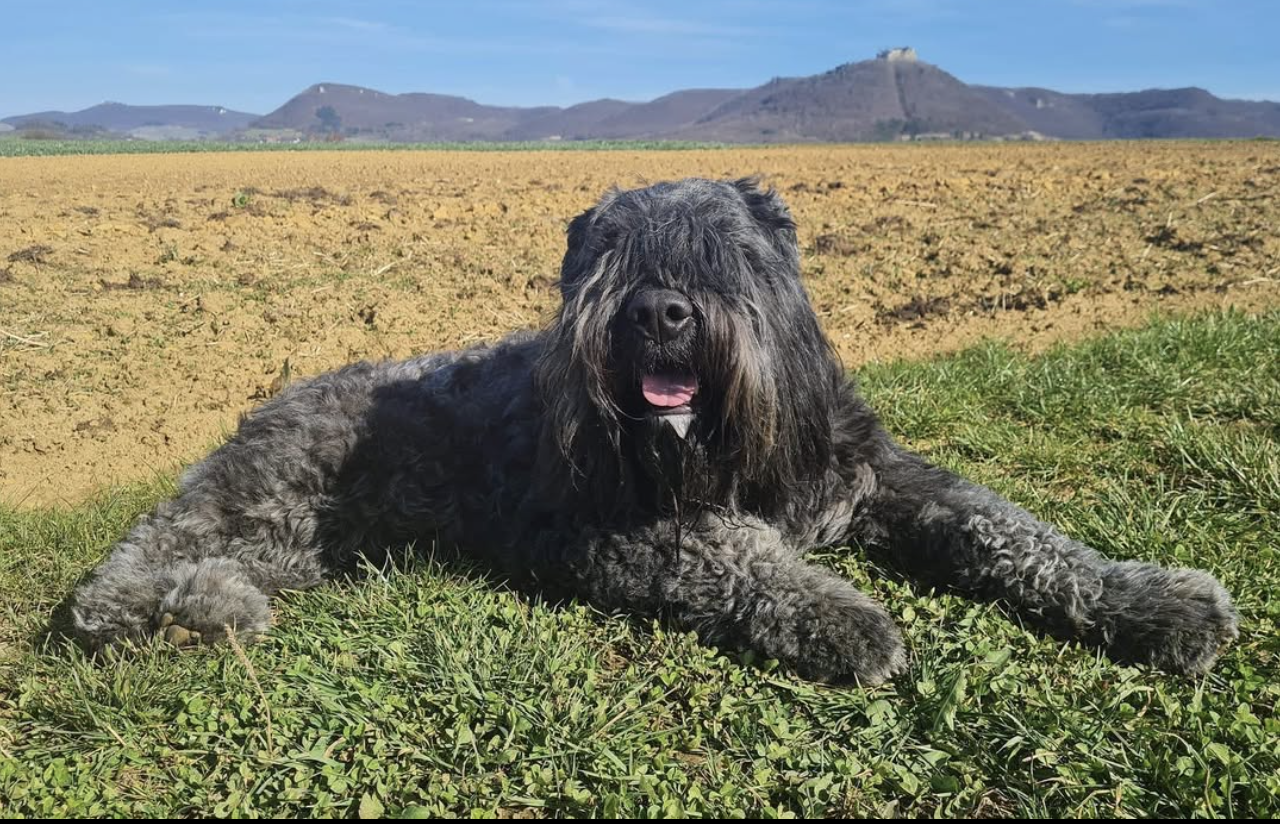
The Bouvier des Flandres is a large, powerfully built dog with a rugged and hearty appearance. Males typically stand between 24–27.5 inches (61–70 cm) at the shoulder and weigh in the range of 75–110 pounds, while females are slightly smaller at 22–26 inches and 60–80 pounds. Despite their burly and barrel-chested build, Bouviers should not appear clumsy – they carry their weight with agility and balance. They have a broad head accented by a heavy beard and mustache, giving them a distinguished, “old-man” look. The eyes are dark and alert, often partially hidden under bushy eyebrows and forelock. The ears are set high; traditionally ears were cropped to stand erect and the tail was docked short for working purposes, though in many modern countries these practices are now banned or discouraged (most Bouviers today have natural drop ears and a natural full tail).
One of the most defining features of the Bouvier is its coat. Bouviers have a thick double coat consisting of a harsh, wiry outer coat and a fine, dense undercoat. This weatherproof coat was designed to protect the dog from harsh working conditions and inclement weather in Flanders. The coat hair is medium-long, with a rough, tousled texture. Common colors include fawn (tan), black, gray, brindle, or pepper-and-salt (gray grizzled); a small white star on the chest is acceptable, but large white markings are discouraged. The overall look is that of a strong, hardy dog covered in a mantle of tousled fur. Bouviers are often described as “low shedding” or hypoallergenic-friendly – in reality they do shed, but much of the loose hair gets trapped in the dense undercoat rather than dropping to the floor. This means shedding is not as obvious, but it also leads to mats if the coat is not groomed regularly. In motion, a Bouvier has a free, powerful gait with good reach and drive, covering ground efficiently. Their general demeanor and posture convey strength and confidence.
Temperament and Personality
The Bouvier des Flandres is celebrated for its even-tempered yet fearless personality. Well-bred and well-raised Bouviers tend to be calm, sensible, and extremely devoted to their families. They form strong bonds with their owners and often have a desire to stay nearby, keeping a watchful eye on their “flock” or household. This natural loyalty, paired with a protective instinct, makes them excellent guard dogs – a Bouvier will not hesitate to defend loved ones if a genuine threat arises. However, in everyday situations they are generally gentle and affectionate companions. They are usually good with children, being patient and tolerant, though their large size means supervision is important to prevent accidental knock-downs during play. Early socialization and training teach the Bouvier how to interact politely, but their inherent stability often shines through as they are neither overly excitable nor nervous by nature.
Intelligence is a hallmark of the breed. Bouviers are highly intelligent and trainable, capable of learning complex tasks and remembering commands for a long time. They often excel in obedience, agility, herding trials, and other dog sports due to their combination of brains and brawn. That said, Bouviers do have an independent streak and strong will, a remnant of their working heritage where they often had to think for themselves. They respond best to positive reinforcement and firm, consistent guidance rather than harsh corrections. In training, they can become bored with excessive repetition – a Bouvier may obey a command a few times but will lose interest if drilled endlessly on the same exercise. Keeping training sessions fun and varied helps keep their attention. When properly motivated, they learn quickly and enthusiastically.
With strangers, Bouviers are typically aloof and reserved. They are not a breed that greets every newcomer with wagging tails and sloppy kisses. Instead, a Bouvier will often stand back and observe a new person quietly. With their family and people they trust, they can be quite sociable and sometimes even clownish, but with outsiders they maintain a dignified distance until they discern there is no threat. Early socialization – exposing the dog to a wide range of people, places, and other animals as a puppy – is crucial to ensure this natural wariness does not develop into shyness or over-protectiveness. A well-socialized Bouvier should accept strangers in the home once the owner has welcomed them, though the dog may never be overtly friendly. They have a strong sense of territory and family, and they take their guardian role seriously.
Bouviers generally get along with other pets in the household if raised together and properly introduced. Many live peaceably with other dogs and cats, especially if the Bouvier is taught from puppyhood to co-exist and not treat smaller animals as things to herd. Due to their herding drive, some Bouviers may attempt to herd or boss around other dogs or children by nudging or nipping – this behavior should be gently discouraged and redirected. With unfamiliar dogs, Bouviers can be assertive; they are not usually the type to back down if challenged. Proper socialization and training in manners will help ensure a Bouvier is polite with other dogs and does not become aggressive. Overall, the breed’s temperament can be summarized as loyal, brave, and protective with loved ones, yet calm and sensible when properly trained. They do not fully mature (mentally and physically) until around 2–3 years old, so prospective owners should be prepared for an extended puppy/adolescent phase where consistent training is required. Once matured, a well-raised Bouvier des Flandres is an extremely reliable and steadfast companion.
Health and Common Concerns
The Bouvier des Flandres is a hardy breed with a decent lifespan for a dog of its size. On average, Bouviers live about 10–12 years, with some reaching into their early teens. Thanks to the breed’s agricultural working origins, they are generally robust dogs. However, like all purebred dogs (especially large breeds), they are prone to certain health issues. Prospective owners should be aware of these common health concerns and ensure their Bouvier comes from health-tested lines.
Hip dysplasia is one of the most common issues in Bouviers and other large breeds. This is an inherited condition where the hip joint is malformed and can lead to arthritis and pain over time. Reputable breeders screen their breeding dogs with hip X-rays to reduce the incidence of dysplasia in puppies. Even so, some Bouviers may develop hip or elbow dysplasia as they age, so maintaining a healthy weight and providing joint supplements as recommended by a vet can help support joint health.
Another concern is eye problems. Bouviers des Flandres are somewhat prone to hereditary eye conditions such as cataracts (opacity of the lens causing vision impairment) and glaucoma (increased eye pressure that can lead to blindness). Regular veterinary eye exams can catch these problems early. Cataracts can often be surgically removed if they significantly affect vision, while glaucoma may require ongoing medication or surgery to manage. Responsible breeders often have eye exams (CERF tests) done on their dogs to screen for inherited eye disease.
Because of the Bouvier’s deep chest and large size, bloat is a serious health concern. Bloat, or gastric dilatation-volvulus (GDV), is a life-threatening condition in which the stomach fills with gas and twists on itself, cutting off blood flow. This can happen very suddenly and requires emergency surgery. Owners of deep-chested breeds like the Bouvier should be aware of bloat symptoms (distended abdomen, unproductive vomiting, restlessness) and take preventive measures. Feeding two or more smaller meals per day instead of one large meal, and avoiding vigorous exercise right before or after eating, can help reduce the risk of bloat . Some owners also elect to have a preventative tacking of the stomach (gastropexy) performed during the dog’s spay/neuter, which can greatly reduce GDV risk.
Other health issues seen in Bouviers include hypothyroidism (underactive thyroid gland), which can cause weight gain, low energy, and skin problems – it is usually managed well with daily medication. Orthopedic issues like cruciate ligament tears in the knee can occur, especially in active dogs during agility or rough play. A neurological condition called laryngeal paralysis (affecting the throat nerves) has been noted in some Bouviers, as have instances of subaortic stenosis (a congenital heart defect) , though these are less common than the big three concerns of hips, eyes, and bloat. Overall, the breed does not suffer an exceptionally long list of ailments, but hip dysplasia, bloat, and cataracts/glaucoma are the issues most frequently mentioned by breed experts.
One interesting trait of Bouviers is their high pain tolerance. They were bred to work through discomfort, and as a result they may not show obvious signs of pain or injury. An owner must be observant and proactive with veterinary checkups, since a Bouvier might continue to romp around despite developing arthritis or might not whine if they have an ear infection, for example. Regular vet visits, including orthopedic evaluations and eye checks especially as the dog enters middle age, are important to catch any problems early.
Maintaining optimal health for a Bouvier des Flandres involves a combination of good preventive care and lifestyle management. It’s important to feed a high-quality diet (appropriate for large-breed dogs) to support their joints and overall condition. Keeping a Bouvier at a healthy lean weight will minimize stress on their hips and heart. Ensure they get plenty of exercise to keep muscles toned (supporting their joints) but avoid overexertion on hard surfaces while they are still growing. As mentioned, feeding multiple small meals and using a slow-feed bowl if the dog tends to gulp food can help prevent bloat. Owners should also establish a relationship with a veterinarian who is familiar with large breeds. With attentive care, many Bouviers remain energetic and active well into their senior years.
Training and Exercise Needs
Training a Bouvier des Flandres is both a rewarding and necessary endeavor – this big, bright dog truly needs direction in life. Given their intelligence and working background, Bouviers are usually eager to have a job and please their owner, but they also have an independent mind. The best approach is to start training and socialization from puppyhood, as soon as you bring your Bouvier home. Early obedience classes are highly recommended to establish good manners and respect for the handler while the dog is still of manageable size. Bouviers respond very well to positive reinforcement methods – praise, treats, and play as rewards. Harsh or heavy-handed training is likely to backfire with this breed, as they are sensitive to their owner’s tone and may become stubborn or defensive if treated roughly. Keep training sessions upbeat and vary the exercises to prevent boredom, since repetition can cause a Bouvier to lose interest. Because they learn quickly, many Bouviers will pick up basic commands (sit, down, come, etc.) after just a few repetitions. The challenge is keeping their advanced brains engaged – incorporating advanced obedience moves, agility drills, herding games, or even trick training can tap into their intelligence and keep them stimulated.
An untrained, under-socialized Bouvier can be a handful, given the breed’s size and guarding instincts. Proper socialization is just as important as obedience. Introduce your Bouvier puppy to all sorts of people (men, women, children) in positive settings, as well as friendly dogs and other animals, car rides, busy streets, and so on. This extensive socialization will help the naturally cautious Bouvier grow up confident and unruffled by new situations. It also teaches them to distinguish normal scenarios from truly suspicious ones, sharpening their ability to be discerning guardians. Ongoing training into adulthood – such as advanced obedience or dog sports – is encouraged, because Bouviers thrive when they have ongoing “work” or learning to do. Many Bouvier owners pursue activities like herding trials, tracking, Schutzhund (protection sport), rally obedience, or agility with their dogs. These activities not only provide an outlet for the dog’s energy but also reinforce obedience skills and the bond between dog and owner.
When it comes to exercise, the Bouvier des Flandres has high needs. Don’t be fooled by their sometimes placid, lumbering appearance – this breed was developed to work hard all day and still has plenty of stamina. A Bouvier typically requires a minimum of one to two hours of exercise daily to stay physically and mentally fit. Ideally, this would be split between walks and more vigorous activities. A simple walk around the block is not enough for a Bouvier. They love long brisk walks, jogging or running by your side, hiking on trails, and vigorous play sessions in a safely enclosed area. Having a fenced yard where a Bouvier can romp freely is a big plus (they thrive on being able to stretch their legs), but they also need human interaction during exercise – they want to be playing with you, not just left outside alone. Games like fetch or Frisbee can be great fun, though keep sessions reasonable to avoid joint strain in a young dog. Many Bouviers also enjoy having a “job” to do; pulling a cart or carrying a dog backpack on a hike can give them a sense of purpose.
In addition to physical exercise, mental stimulation is crucial for this intelligent breed. Bored Bouviers will find their own entertainment, which could involve herding the family’s children or pets, or getting into mischief around the house. Provide puzzle toys, obedience drills, or scent games (like hiding treats for them to sniff out) to engage their mind. A busy Bouvier is a happy Bouvier. Training time can double as mental exercise – teaching new commands or tricks regularly will tire their brain in a good way. Try to establish a routine that includes both structured exercise and free play. For example, a morning jog or vigorous play, some training or puzzle time midday, and a long evening walk can help keep a Bouvier well-exercised and content.
It’s also worth noting the importance of leadership with this breed. Bouviers need a confident, consistent owner who sets rules and boundaries kindly but firmly. If a Bouvier senses that you are not in command, they may attempt to make their own decisions or even become a bit bossy (they might, for instance, block the door or herd family members, thinking they know best). However, once they respect you as their leader, they are very obedient and eager to work in partnership. Regular training practice and clear expectations help reinforce this relationship. Many owners find that attending periodic refresher obedience courses or participating in dog sport clubs keeps their Bouvier’s skills sharp. In sum, expect to invest substantial time each day in training or exercising your Bouvier des Flandres – it will repay you by being a well-behaved, happy dog that’s a joy to live with.
Grooming and Care
Grooming a Bouvier des Flandres is a significant commitment due to the breed’s abundant coat. Bouviers have a double coat that is low-shedding but prone to matting, so regular upkeep is necessary to keep them comfortable and looking their best. The coarse outer fur and soft undercoat tend to trap dirt and dead hair, meaning the coat will form tangles if not brushed frequently. Weekly brushing is the minimum requirement , but many owners find that a thorough brushing two or three times a week is beneficial. Use a pin brush or slicker brush to work through the coat in sections, and a wide-tooth comb to gently tease out any mats or tangles. It’s important to brush all the way down to the skin, not just the surface, given how dense the fur is – this means brushing the legs, belly, tail, and the shaggy beard and face furnishings as well. Be prepared for a lot of hair to come out in the brush; even though Bouviers don’t shed profusely onto your furniture or clothes, you will remove plenty of loose undercoat during grooming sessions.
In addition to brushing, Bouviers require regular trimming to keep their coat neat and manageable. Pet Bouviers (as opposed to show dogs) are often kept in a trimmed coat for easier maintenance. Generally, a scissoring or clipping every 6–8 weeks is recommended. This involves trimming the hair around the feet (to prevent slipping and collecting mud), tidying up the body coat to a couple of inches in length, and neatening the beard and eyebrows. Many owners take their Bouvier to a professional groomer for this clip every few months, unless they learn to do it themselves. The traditional look leaves the beard long and the eyebrows bushy, but in pet grooming some owners prefer to shorten these slightly for easier care (beard can get very messy). Speaking of which, the Bouvier’s facial furnishings need special attention – that trademark beard will soak up water and food. It’s wise to wipe or wash the beard frequently (even daily) to keep it clean and free of odor. Some owners keep a small towel handy to wipe the dog’s face after meals and drinks. Overly long hair around the eyes may need trimming to avoid irritating the eyes or obstructing vision.
Beyond coat care, the Bouvier’s general grooming and hygiene needs are similar to other dogs. Check and clean the ears on a weekly basis, especially since Bouviers have drop ears that can trap moisture. Gently wipe the ear interior with a vet-approved ear cleaner or a soft cloth; this helps prevent ear infections. The breed’s eyes should be kept clean – wipe any discharge from the corners of the eyes, and make sure hair isn’t poking into the eyeball. Given the breed’s predisposition to certain eye issues, monitoring their eye health during grooming is a good habit. Dental care is also important: brush your Bouvier’s teeth with a dog toothpaste several times a week to prevent tartar buildup and gum disease, or provide dental chews as recommended by your vet. Nail maintenance is a must; these are big, heavy dogs and overly long nails can splay the toes or cause discomfort. Trim the nails about once a month (or as needed) – if you can hear them clicking loudly on the floor, they likely need a trim. Many Bouviers wear their nails down naturally with exercise, but the dewclaws (if not removed) and some nails may still need cutting.
Bathing a Bouvier is an occasional task – thankfully they do not need frequent baths, as their coat naturally repels dirt to some degree. A bath every few months or when the dog truly gets dirty or smelly is sufficient. Over-bathing can strip the coat of its natural oils and soften the harsh texture too much. When you do bathe a Bouvier, use a good quality dog shampoo and be prepared for a long rinse – that thick coat holds shampoo, so rinsing thoroughly is important to avoid any residue. After a bath, ensure the coat is completely dried and brushed out to prevent mats (you may even need a high-velocity dryer to blow out the coat if doing grooming at home).
Proper diet and nutrition also play a role in a Bouvier’s care. Feed a balanced, high-protein diet appropriate for a large breed. As puppies, Bouviers should ideally eat a large-breed puppy formula, which is designed to support slow, steady growth (rapid growth can exacerbate orthopedic issues). Once adult, a switch to a quality adult formula for large breeds keeps them in good condition. Typically Bouviers do well on two meals per day (splitting their daily portion into morning and evening feeds) . Avoid free-feeding or letting them eat huge meals in one sitting, partly to prevent bloat and partly to maintain a healthy weight. Monitor their weight and body condition; you should be able to feel their ribs under the coat with light pressure. Because they are an active breed, they may consume a significant amount of food, but each dog’s needs will vary with metabolism and activity level. Consult with your veterinarian to determine the proper amount to feed your Bouvier, and adjust if you notice weight gain or loss.
Lastly, ensure your Bouvier gets routine veterinary care as part of their overall care. Yearly check-ups (or twice a year for seniors) will keep vaccinations up to date and allow your vet to monitor for any developing health issues. Preventative medications for heartworm, fleas, and ticks should be given as recommended in your region. With good food, plenty of exercise, and diligent grooming, a Bouvier des Flandres can remain a picture of robust health and striking beauty.
Pros and Cons of Owning a Bouvier des Flandres
Like any breed, the Bouvier des Flandres comes with its advantages and challenges. It’s important to consider these pros and cons to determine if this breed fits your lifestyle.
Pros:
- Loyal and Protective: Bouviers form deep bonds with their families and are naturally protective, which makes them excellent watchdogs and devoted family guardians. They will reliably watch over your home and loved ones.
- Calm and Even-Tempered: In the home, a well-trained Bouvier is typically calm, quiet, and dignified. They are generally not hyperactive indoors and tend to bark only when necessary (usually to alert), which can be a plus for owners who want a dog that isn’t constantly noisy.
- Intelligent and Trainable: This breed’s high intelligence means they can learn a wide variety of commands and tasks. Bouviers excel in obedience, agility, herding, and other dog sports, and they enjoy having a job to do. For experienced handlers, their trainability and versatility are a huge pro.
- Low-Shedding Coat: Although high-maintenance in grooming, the Bouvier’s coat sheds very little around the house. They produce less dander than many heavy-shedding breeds, which some people with mild allergies appreciate. You won’t find heaps of hair on your furniture.
- All-Weather Hardiness: Bred to work outdoors, Bouviers handle cold and wet weather with ease. Their tough coat and sturdy constitution make them great companions for outdoor enthusiasts – they won’t flinch at a hike in the rain or a romp in the snow.
Cons:
- Extensive Grooming Needs: The flip side of that low-shed coat is that it requires a lot of grooming. Owners must be prepared to brush the dog weekly (at least) and invest time or money in regular coat trims. Neglecting the coat will result in mats and an unhappy dog.
- High Exercise Requirements: Bouviers are not content to be couch potatoes. They need plenty of exercise every day to stay healthy and well-behaved. This means a substantial time commitment for walks, play, and training. Busy owners or those seeking a low-energy dog may find this a challenge
- Not Ideal for First-Time Owners: The Bouvier’s size, strength, and strong-willed nature can be difficult for inexperienced owners to manage. These dogs do best with confident, experienced owners who can provide consistent training and leadership. A timid or inconsistent handler might end up with a disobedient or unruly Bouvier.
- Large Size and Space Needs: As a big, active dog, the Bouvier really benefits from a home with ample space. They are not particularly well-suited to cramped apartments or very small yards. Their size can also make them harder to control, transport, or accommodate when traveling.
- Strong Protective Instinct: While their guarding instinct is a pro for many, it can become a con if not properly managed. A poorly socialized Bouvier might be overly suspicious or reactive around strangers or other dogs. Owners must commit to early and ongoing socialization to channel this protectiveness appropriately and prevent any aggressive tendencies
- Health Considerations: Potential owners should be aware of the breed’s health issues (like hip dysplasia, bloat, and cataracts). The possibility of high veterinary expenses, specialized diets, or preventive surgeries (for bloat, for instance) can be considered a drawback. Ensuring you have a good breeder and planning for pet insurance or vet costs is wise.
In weighing these pros and cons, remember that every dog is an individual. A well-bred, well-trained Bouvier des Flandres can showcase all the breed’s best qualities and few of the negatives, but it requires the right owner commitment to get there.
Is the Bouvier des Flandres Right for You?
Bringing a Bouvier des Flandres into your life can be an incredibly rewarding experience for the right person or family. This breed offers unwavering loyalty, intelligence, and a gentle but courageous spirit. However, potential owners must be realistic about what it takes to live with a Bouvier. If you are considering this breed, ask yourself the following: Can you provide ample exercise, extensive grooming, and confident training? If the answer is yes, you may be well-suited to own a Bouvier.
Expect a Bouvier des Flandres to be an active part of your daily life. This is not a dog to simply leave in the backyard or home alone all day. Bouviers want to be by your side, whether you’re doing chores, going for a drive, or just watching TV in the evening. They thrive in a home where they are included as a family member. An ideal home for a Bouvier would be one with a secure yard or nearby open space to run, and owners who enjoy outdoor activities like walking, jogging, or hiking. Families with older children often do well with Bouviers, as the dog will happily play and watch over the kids (just supervise so play doesn’t get too rough due to the dog’s size). With younger small children, caution is needed simply because a Bouvier can accidentally bump or bowl them over. In terms of other pets, a Bouvier can fit into a multi-pet household if properly introduced and socialized, but be mindful that their herding instincts might need managing around small animals.
If you live in an apartment or have a very sedentary lifestyle, the Bouvier des Flandres is likely not the best choice. They are relatively calm indoors, but only if they’ve gotten enough exercise. A bored or under-exercised Bouvier can become destructive (chewing, digging) or develop behavior problems. Also, consider the climate – Bouviers handle cold well but can overheat in very hot climates due to their heavy coat, so hot-weather owners need to take precautions (provide AC, avoid midday exercise, keep coat groomed thinner). Time commitment is a big factor: not only time for exercise, but time for grooming every week and training, especially in the first couple of years.
For those who do commit to meeting the breed’s needs, a Bouvier des Flandres will reward you with a steadfast, even-tempered companion. With proper training and socialization, Bouviers become confident and mannerly, content to relax with their family when off-duty. They often have an almost human-like depth to their personality – owners frequently describe them as wise, observant, and in tune with their household. You will have a quiet guardian who lounges at your feet, a playful partner for adventures, and an affectionate friend who may nudge you for an ear scratch with their bearded snout. The effort you put in – from puppy training to hours of grooming – will be repaid many times over in devotion and companionship. As one expert aptly put it, if you invest the time to socialize and train a Bouvier des Flandres, “you’ll be rewarded with an even-tempered, serene, and loyal family companion.” In summary, the Bouvier des Flandres can be the perfect dog for an experienced owner or active family that appreciates a tough yet tender, always faithful canine friend. With the right environment and care, this breed truly lives up to its heritage as a courageous working dog and loving protector.