Briard: A Canine Connoisseur of Herding and Devotion
Introduction
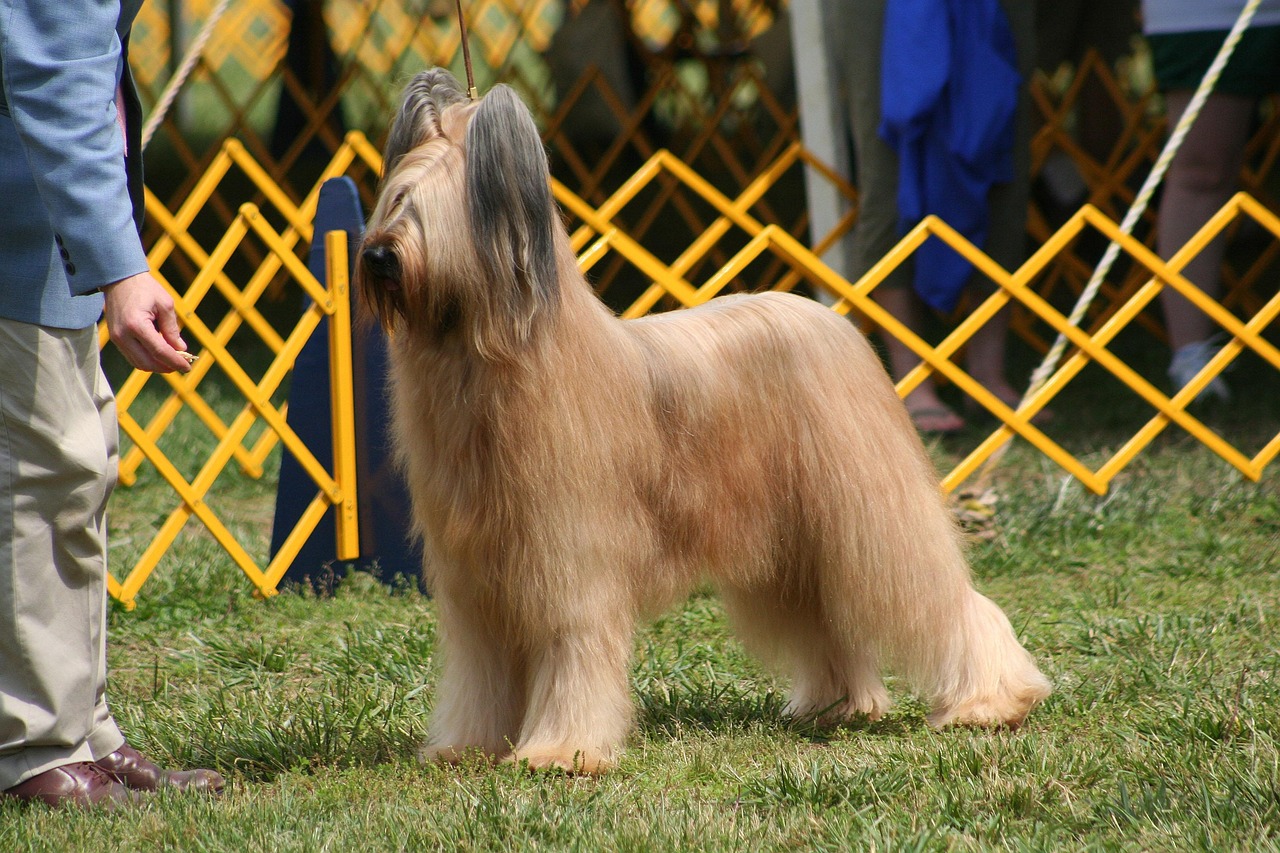
The Briard is a large, intelligent, and loyal herding dog originally from France. Known for its long, wavy coat and expressive face, this breed has been a trusted working dog and family companion for centuries. Traditionally used for herding sheep and protecting livestock, the Briard is now valued for its trainability, affectionate nature, and versatility in various canine activities.
With a strong protective instinct and high energy levels, the Briard requires an active lifestyle and consistent training. This breed is well-suited for experienced dog owners who can provide leadership, socialization, and plenty of exercise.
History and Origin
The Briard is believed to date back as early as the 8th century, with written records mentioning large sheepdogs in France. By the 14th century, medieval tapestries and paintings depicted Briard-like dogs working alongside shepherds.
This breed was originally called “Chien Berger de Brie” (Shepherd Dog of Brie) and was bred to herd and protect livestock from predators such as wolves. The Briard’s protective instincts made it popular among French farmers and noblemen alike.
During World War I, Briards were widely used as messenger dogs, search-and-rescue dogs, and medical assistants on the battlefield. Their intelligence, loyalty, and resilience made them invaluable during wartime. Despite suffering a population decline after the wars, dedicated breeders helped restore the breed’s numbers and maintain its working abilities.
Today, the Briard remains a rare but highly regarded breed, recognized by major kennel clubs such as the Fédération Cynologique Internationale (FCI), the American Kennel Club (AKC), and The Kennel Club (UK). It is still used as a herding dog, though it is increasingly popular as a family companion and service dog.
Physical Appearance
The Briard is a large, well-proportioned dog with a distinctive long coat and a strong, muscular build.
Size and Build:
- Height: 22–27 inches (55–69 cm) at the shoulder.
- Weight: 55–100 pounds (25–45 kg), with males being larger.
- Body: Sturdy, well-muscled, and slightly longer than tall.
Coat and Colors:
- The long, wavy double coat protects against harsh weather and rough terrain.
- Coat colors include black, fawn, grey, and tawny, with some dogs having darker markings.
- Puppies are often born dark and lighten as they grow.
Facial Features:
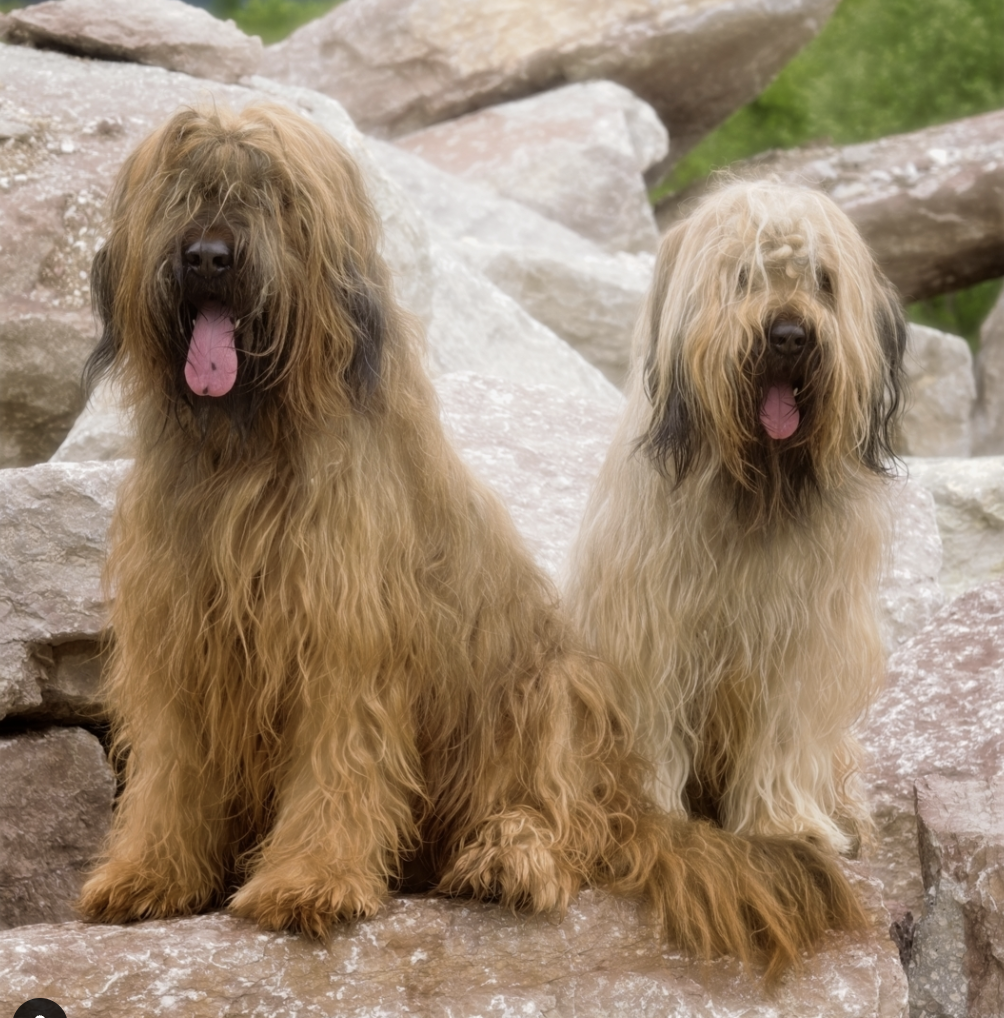
- The Briard has a distinctive beard, mustache, and long eyebrows that give it a unique, expressive look.
- The ears are naturally drop ears but are sometimes cropped in countries where the practice is allowed.
- The tail is long and feathered, with a distinctive hook at the tip, known as the “J-hook”.
Temperament and Personality
The Briard is known for its loyal, protective, and intelligent nature. It is a breed that forms strong bonds with its family and thrives when given a clear role and purpose.
Key Personality Traits:
- Loyal and Protective – The Briard is naturally wary of strangers but deeply devoted to its family.
- Intelligent and Trainable – Highly responsive to training but requires firm, consistent leadership.
- Energetic and Playful – Needs daily exercise and mental stimulation to stay happy.
- Affectionate but Independent – Enjoys being around its family but has a strong working drive.
- Good with Children and Pets – If socialized early, they can be gentle and loving companions.
Due to their protective instincts, early socialization and consistent training are crucial to prevent excessive guarding behaviors.
Health and Care
The Briard is a generally healthy breed, but like all dogs, it is prone to certain genetic health conditions.
Common Health Issues:
- Hip Dysplasia – A genetic condition affecting the hip joint, leading to arthritis.
- Progressive Retinal Atrophy (PRA) – An eye condition that can cause vision loss.
- Gastric Dilatation-Volvulus (Bloat) – A life-threatening condition common in deep-chested breeds.
- Ear Infections – Due to their long, floppy ears, regular ear cleaning is essential.
Lifespan:
The Briard has an average lifespan of 10–12 years. With proper care, many live even longer.
Grooming Needs:
The Briard’s coat requires regular maintenance to prevent tangles and matting.
✅ Brushing at least 3 times per week to keep the coat free of debris.
✅ Bathing every 6–8 weeks as needed.
✅ Ear checks and cleaning to prevent infections.
✅ Regular nail trimming to avoid overgrowth.
Training and Exercise Requirements
The Briard is an intelligent and active breed that requires structured training and plenty of exercise.
Training Needs:
- Early training and socialization are essential to manage their guarding instincts.
- Positive reinforcement techniques work best, as the Briard is sensitive to harsh corrections.
- They excel in obedience, herding trials, and agility sports.
Exercise Requirements:
Briards have high energy levels and need at least 1–2 hours of exercise per day.
✅ Long daily walks or jogs
✅ Off-leash play in a secure area
✅ Interactive games and training sessions
✅ Herding or dog sports to satisfy their working instincts
Without enough exercise, the Briard may become bored and develop destructive behaviors.
Is the Briard Right for You?
Before choosing a Briard, it’s important to assess whether its temperament and needs align with your lifestyle.
Pros:
✅ Highly loyal and protective – A great family watchdog.
✅ Intelligent and trainable – Eager to learn and work.
✅ Good with children and other pets – When socialized early.
✅ Energetic and playful – Great for active households.
Cons:
❌ High grooming requirements – Needs frequent brushing.
❌ Requires plenty of exercise – Not ideal for a sedentary lifestyle.
❌ Strong-willed nature – Needs firm, consistent training.
❌ Can be wary of strangers – Early socialization is essential.
If you are an active owner who enjoys training and outdoor activities, the Briard can be a fantastic companion. However, if you prefer a low-maintenance, independent dog, this breed may not be the best choice.
Conclusion
The Briard is a loyal, intelligent, and hardworking breed with deep roots in French history. Originally bred for herding and protection, it remains an excellent working dog and family companion.
With proper training, socialization, and exercise, the Briard is a devoted and affectionate companion that thrives in active households. If you are looking for a high-energy, protective, and loving dog, the Briard could be the perfect breed for you! 🚀