Bullmastiff: A Powerful and Protective Breed for Experienced Owners
Introduction
The Bullmastiff is a large and powerful English breed of dog originally developed as a guard dog to help gamekeepers protect estates from poachers. It was created by crossing the English Mastiff with the Old English Bulldog, combining the size and strength of the Mastiff with the speed and tenacity of the Bulldog. The result is a strong, muscular dog with a solid build and a short muzzle. Bullmastiffs are known for their intelligence, loyalty, and protective nature. They are often described as “fearless and confident, yet docile,” embodying a dependable family companion and guardian.
History and Origin
In 19th-century England, large country estates faced a serious poaching problem. Gamekeepers needed a brave and reliable dog to track down and subdue poachers trespassing on their land. Mastiffs were strong but too slow, and Bulldogs (of that era) were ferocious but not large enough, so breeders began crossing the two. These crosses produced the Bullmastiff, a dog that combined the Mastiff’s power with the Bulldog’s determination – able to track quietly, cover short distances quickly, and pin a poacher without mauling. The Bullmastiff proved so effective at this work that it earned the nickname “Gamekeeper’s Night Dog,” reflecting its role of patrolling in the dark.
Early gamekeepers often preferred brindle-coated Bullmastiffs because the dark, striped coat provided camouflage at night. As the breed gained popularity beyond game parks, fawn (tan) coats with a black mask became more common. The Bullmastiff’s success as an estate guardian led to formal recognition as a distinct breed in the early 20th century – the UK’s Kennel Club accepted it in 1924, and the American Kennel Club in 1933. Since then, Bullmastiffs have transitioned from gamekeepers’ assistants to loyal family guard dogs around the world, valued for their protective instincts and dependable nature.
Physical Appearance
Bullmastiffs are impressively large and muscular dogs. They typically stand about 24 to 27 inches (61–69 cm) at the shoulder and weigh roughly 100 to 130 pounds (45–59 kg) in adulthood. Males are usually at the higher end of this range, with females being slightly smaller. The breed has a broad, deep chest and a powerful, stocky build that exudes strength. Despite their bulk, Bullmastiffs should appear symmetrical and athletic, not overly lanky or overly massive.
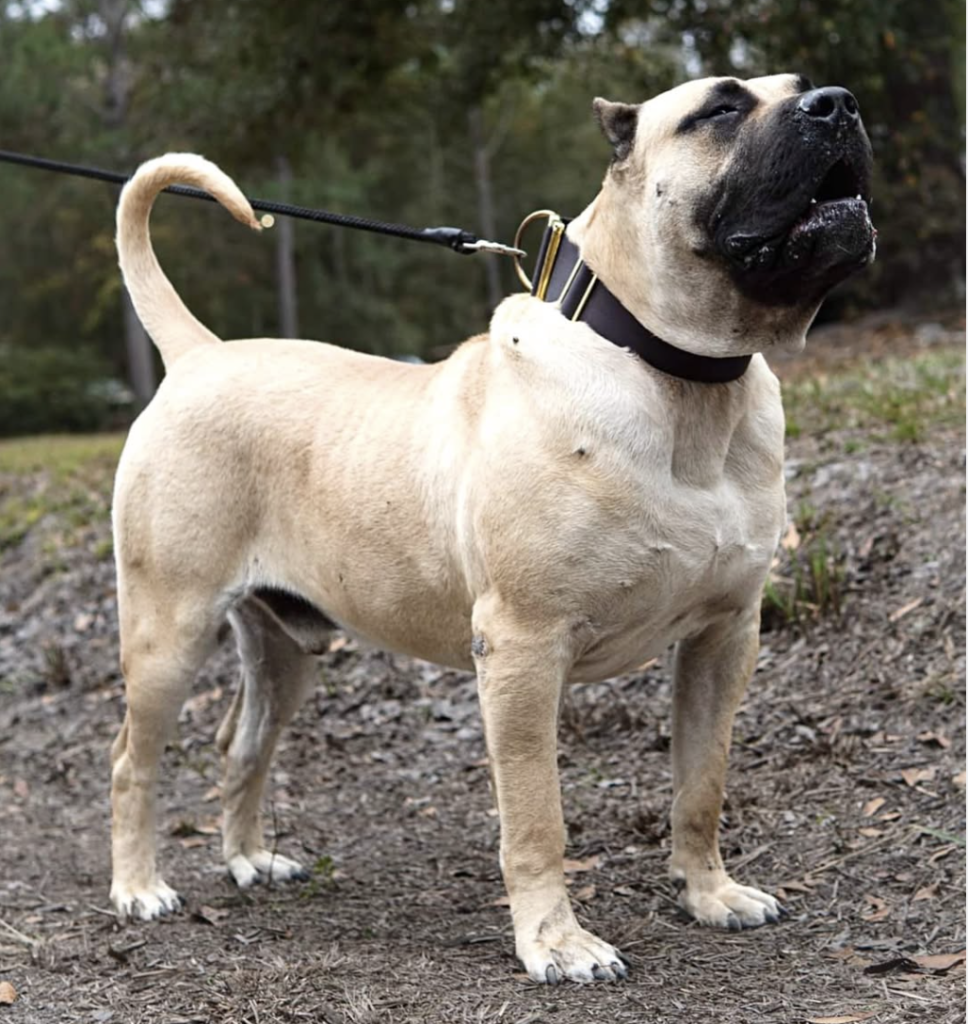
The head of a Bullmastiff is one of its distinctive features – it is broad and square-shaped with a well-developed jaw. They have a relatively short muzzle (the Bullmastiff is a brachycephalic breed), and a broad black nose. A black “mask” covers the muzzle area, fading toward the eyes, which gives the breed a stern, watchful expression. The eyes are dark hazel or brown, set apart, and medium in size, conveying an alert and intelligent expression. Their ears are V-shaped, folded, and carried close to the cheeks; they are typically darker in color, blending with the mask.
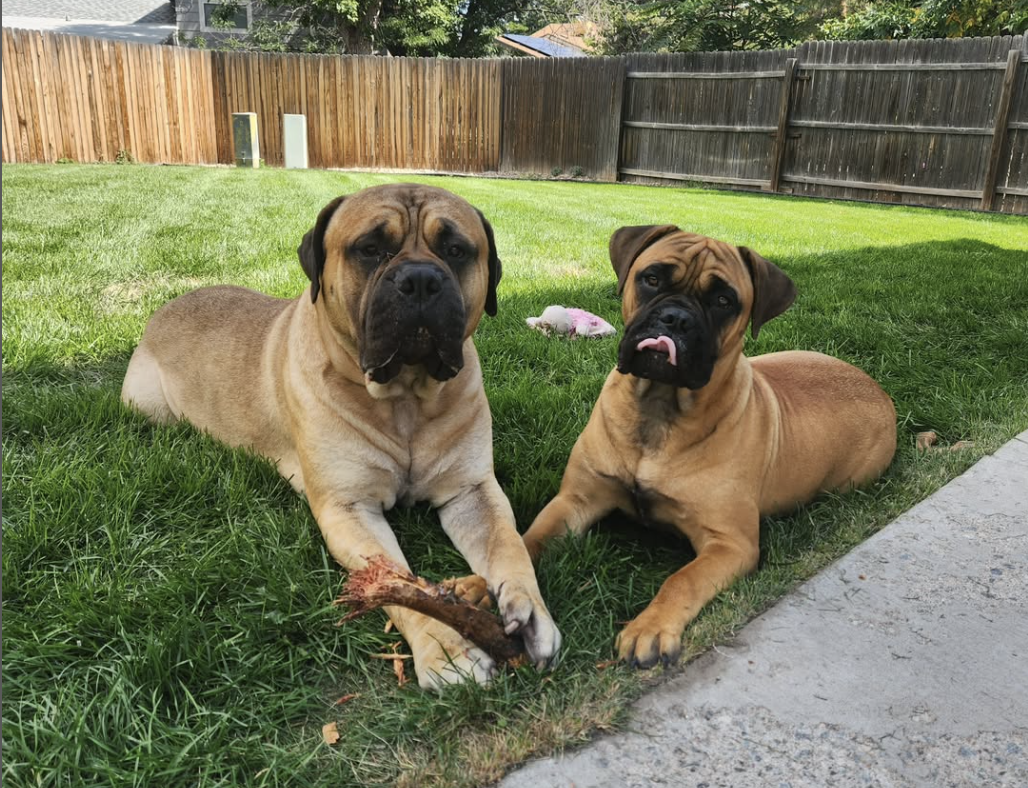
The coat is short, dense, and weather-resistant, lying flat against the body. Common coat colors in Bullmastiffs include fawn, red, or brindle, often accompanied by the characteristic black mask on the face. Brindle Bullmastiffs have black stripes over a fawn or red base, giving a tiger-striped pattern. A small white patch on the chest is the only white marking allowed by the breed standard – otherwise the coat is solid. Thanks to the short coat, Bullmastiffs have a sleek appearance and are relatively low-maintenance in terms of grooming (as discussed in a later section).
Temperament and Personality
Bullmastiffs have a reputation for being protective yet affectionate. Bred as guardians, they are naturally possessive, territorial, and loyal – traits which made them excellent estate protectors. In the home, a well-socialized Bullmastiff is calm, gentle, and extremely devoted to its family. They tend to form strong bonds and are often especially patient and loving with children of the household. Owners frequently describe them as gentle giants. However, because of the dog’s great size and protective instinct, interactions with young kids should always be supervised to prevent accidental knocks or any over-protectiveness from the dog. Proper training can ensure the Bullmastiff understands that boisterous play or rough behavior with children is not allowed.
With strangers, Bullmastiffs can be reserved and wary. They have an innate sense of who does and doesn’t belong on their property. If an unfamiliar person approaches, a Bullmastiff will often remain watchful and may position itself between the stranger and its family. In general they are not quick to bark or attack without reason – the breed is known for a confident, quiet demeanor. A typical Bullmastiff will stand its ground and deter an intruder by presence alone, only acting defensively if a real threat is perceived. That said, early and ongoing socialization is absolutely critical for this breed. From puppyhood, Bullmastiffs should be gently exposed to a variety of people, places, and other animals. This helps them learn to distinguish normal situations from truly suspicious ones. A well-socialized Bullmastiff can be accepting of welcomed guests, especially if it sees that its owner trusts the newcomer. Once the owner warmly greets a visitor, a stable Bullmastiff should also relax and may even become friendly or indifferent. Without adequate socialization, however, the breed’s natural wariness can turn into shyness or unwarranted aggression, so it’s vital to raise them with positive interactions.
In terms of other pets, Bullmastiffs often do well with animals they are raised with. Many will peacefully accept a family cat or smaller dog if introduced at an early age, as the Bullmastiff’s mellow, docile side comes through at home. However, they can be unfriendly toward strange dogs encountered outside. Same-sex aggression or dominance toward other large dogs is not uncommon in this breed, particularly among unneutered males. Careful socialization and control are important when meeting new dogs. It’s wise for Bullmastiff owners to be cautious at dog parks or in off-leash situations unless they are confident in their dog’s behavior. Overall, with people and pets they know, Bullmastiffs are usually tolerant and good-natured; with unknown dogs or strangers, they tend to be watchful and will step up to protect their loved ones if needed.
Another aspect of Bullmastiff personality is their independent and somewhat stubborn streak. They are intelligent dogs, but not as overtly eager-to-please as some other breeds. This means training requires patience and consistency (covered more in the Training section). Bullmastiffs respond best to confident owners who set clear rules. When raised with firm but fair guidance, the Bullmastiff’s natural bravery and loyalty make it an excellent family companion with a stable, loving temperament.
Health and Care
Like many large breeds, the Bullmastiff has a relatively short lifespan, averaging around 8 to 10 years. Most Bullmastiffs are healthy dogs, but they do have several known health issues that prospective owners should be aware of. Joint problems are a primary concern: hip dysplasia and elbow dysplasia are common in the breed and can lead to mobility issues or arthritis as the dog ages. Reputable breeders will screen for these conditions, but owners should still monitor their Bullmastiff for any signs of lameness or discomfort. Eye disorders such as entropion (inward-turning eyelids) and progressive retinal atrophy (degenerative eye disease) are seen in Bullmastiffs as well. Additionally, Bullmastiffs have a higher tendency towards certain cancers, including lymphoma and mast cell tumors. Another serious health risk is bloat (gastric dilatation-volvulus), a condition where the stomach fills with gas and twists – this is life-threatening and requires immediate veterinary care. Because Bullmastiffs have deep chests, they are predisposed to bloat more than some breeds. Owners should familiarize themselves with bloat symptoms and take precautions (like avoiding heavy exercise right after meals, and feeding two smaller meals a day instead of one large meal.
Despite being a brachycephalic (short-muzzled) breed, the Bullmastiff generally does not suffer from severe breathing problems; most breathe normally during everyday activities. However, they can be sensitive to heat and humidity. It’s important to not over-exert a Bullmastiff on very hot days and always provide access to shade and water, as they prefer cooler temperatures overall. Keeping a Bullmastiff at a healthy weight will also improve its comfort and longevity – obesity can worsen joint issues and put extra strain on the heart and lungs. Regular vet checkups, a balanced diet, and moderate exercise (as detailed below) will go a long way in maintaining your Bullmastiff’s health.
Grooming a Bullmastiff is relatively straightforward. Their short coat does not mat and only sheds at a moderate level. A good once-a-week brushing with a rubber curry or bristle brush is usually enough to remove loose hairs and keep the coat shiny. Bullmastiffs are not heavy shedders year-round, though they will shed more seasonally. Bathing is only needed occasionally (perhaps a few times a year) or when the dog gets dirty, since the coat naturally repels dirt to an extent. One thing owners must be prepared for is drool – many Bullmastiffs have loose jowls and will slobber, especially after eating or drinking. Keeping a cloth handy to wipe the dog’s mouth can help keep drool off your floors and furniture. The face has some wrinkles, so it’s wise to clean and dry the folds (particularly around the muzzle and lips) to prevent irritation or infection. Routine care like nail trimming (due to their weight, long nails can be uncomfortable), ear cleaning, and dental hygiene should be maintained as with any dog.
Dietary needs for a Bullmastiff are substantial – this breed loves to eat and can go through a large bag of quality dog food in a month. It’s important to feed a high-quality, balanced diet formulated for large or giant breeds. Large-breed formulas have the right nutrient balance to support bones and joints. Bullmastiff puppies, in particular, should be fed a specially formulated large-breed puppy diet until they reach maturity (around 18–24 months old) to ensure slow, steady growth. Rapid weight gain in a giant breed puppy can stress developing joints, so a controlled-calorie puppy food is recommended. Adult Bullmastiffs typically do well on a diet of 2-3 measured meals per day (to prevent overeating and reduce bloat risk) totaling the appropriate calories for their size and activity level. Monitor your Bullmastiff’s weight and body condition; these dogs can be prone to obesity if overfed or under-exercised. Treats should be given in moderation (and factored into daily calories) because extra weight can exacerbate hip and elbow problems. With proper nutrition and care, a Bullmastiff can remain in good condition throughout its life.
Training and Exercise Needs
Training a Bullmastiff from an early age is essential given the breed’s size and strong-willed nature. Bullmastiffs are intelligent and capable of learning many commands, but they also have an independent streak that can make them appear stubborn. The key is to use positive reinforcement and consistency. These dogs respond best to reward-based training – praise, treats, and affection for good behavior – paired with firm, consistent rules. Harsh or forceful training methods are not only unnecessary, but can be counterproductive; a Bullmastiff will simply become stubborn or uncooperative if treated roughly. Instead, establish yourself as a confident, calm leader and use patience. Short, fun training sessions work better than long, repetitive drills, as Bullmastiffs can get bored with too much repetition. Start obedience training early in puppyhood (basic commands like sit, stay, come) and continue to reinforce them throughout adolescence. Given their size, a well-trained Bullmastiff is a much safer and happier companion, so invest time in training from the start.
Early socialization is just as important as obedience training. Expose your Bullmastiff puppy to a variety of environments, people (including children), and other dogs in a controlled, positive way. Puppy classes and play dates can be very helpful for teaching the young Bullmastiff to be comfortable around others. Socialization helps curb over-protectiveness and ensures your dog grows up confident rather than fearful or aggressive. It teaches the Bullmastiff to differentiate normal situations from threats. An adult Bullmastiff that has been well socialized and trained will be confident and reliable – able to accompany you out in public, interact appropriately with friendly strangers, and respond to your commands even amidst distractions.
When it comes to exercise, Bullmastiffs have moderate needs. Despite their large size and working background, they are not an extremely high-energy breed. In fact, adult Bullmastiffs are quite mellow and make calm house dogs as long as they get a basic amount of daily exercise. Aim for at least one or two moderate walks per day (about 20–30 minutes each) to keep your Bullmastiff in shape. Most Bullmastiffs enjoy a good walk sniffing around the neighborhood or a play session in the yard. Many also like short hikes or even jogging for brief stints – but keep in mind they are not built for long-distance running or strenuous endurance activities. Short bursts of activity suit them better than marathon sessions. Always pay attention to your Bullmastiff’s breathing and energy level during exercise, especially in warm weather. Because of their heavy build and short muzzle, they can overheat more easily than a leaner breed. It’s best to exercise them in the cooler parts of the day in summer, and ensure they have water available. Bullmastiffs actually prefer cooler temperatures and may be more animated on a chilly day than a hot one.
In addition to physical exercise, give your Bullmastiff some mental stimulation to prevent boredom. This could be ongoing obedience training practice, learning new tricks, or interactive toys/puzzles with treats. Even simple activities like scent games (hiding treats for the dog to find using its nose) tap into their natural abilities and tire them out mentally. Since Bullmastiffs were bred to work closely with humans, they generally like participating in activities with their owners. Some Bullmastiffs can excel in obedience trials, tracking events, or even agility (albeit at their own pace!) – these activities can be a fun way to bond and exercise your dog. However, most owners will find that a Bullmastiff is content with fairly routine exercise: daily walks, some playtime, and lots of relaxation time indoors with the family. The important thing is to keep them fit and well-behaved: a Bullmastiff that has had its exercise and training is more likely to be a calm, pleasant companion, whereas a bored, untrained Bullmastiff can become destructive or hard to handle due to its sheer size. By meeting their exercise needs and reinforcing training throughout life, you’ll have a well-mannered protector who can accompany you with confidence.
Is the Bullmastiff Right for You?
Owning a Bullmastiff is a big commitment – literally and figuratively. This breed can be a wonderful companion for the right owner, but it’s not suited to every household. Below are some pros and cons to consider if you’re thinking about bringing a Bullmastiff into your life:
Pros:
- Loyal and Protective: Bullmastiffs form deep bonds with their families. They are natural guardians who will defend home and loved ones instinctively (often deterring intruders just by their presence). This loyalty and courage makes them excellent watchdogs and protectors.
- Gentle Family Companion: Despite their imposing look, a well-socialized Bullmastiff is gentle and calm with its family. They are typically great with children (patient and tolerant of kids’ antics) when properly introduced and supervised. Their affectionate, docile side means they enjoy being close to their people, often lounging at your feet.
- Quiet and Docile Indoors: Bullmastiffs are generally quiet dogs that don’t bark excessively. Indoors, they tend to be mellow and well-behaved, content to relax for much of the day. They do not require constant exercise, so they can adapt to a relatively laid-back lifestyle. This calm demeanor can make them suitable for homebodies or those in quieter neighborhoods.
- Low Grooming Needs: The short coat of a Bullmastiff is easy to care for and doesn’t shed heavily. They don’t need fancy haircuts or extensive grooming routines – a weekly brushing and the occasional bath will suffice. This makes keeping them clean fairly simple (aside from wiping up drool).
Cons:
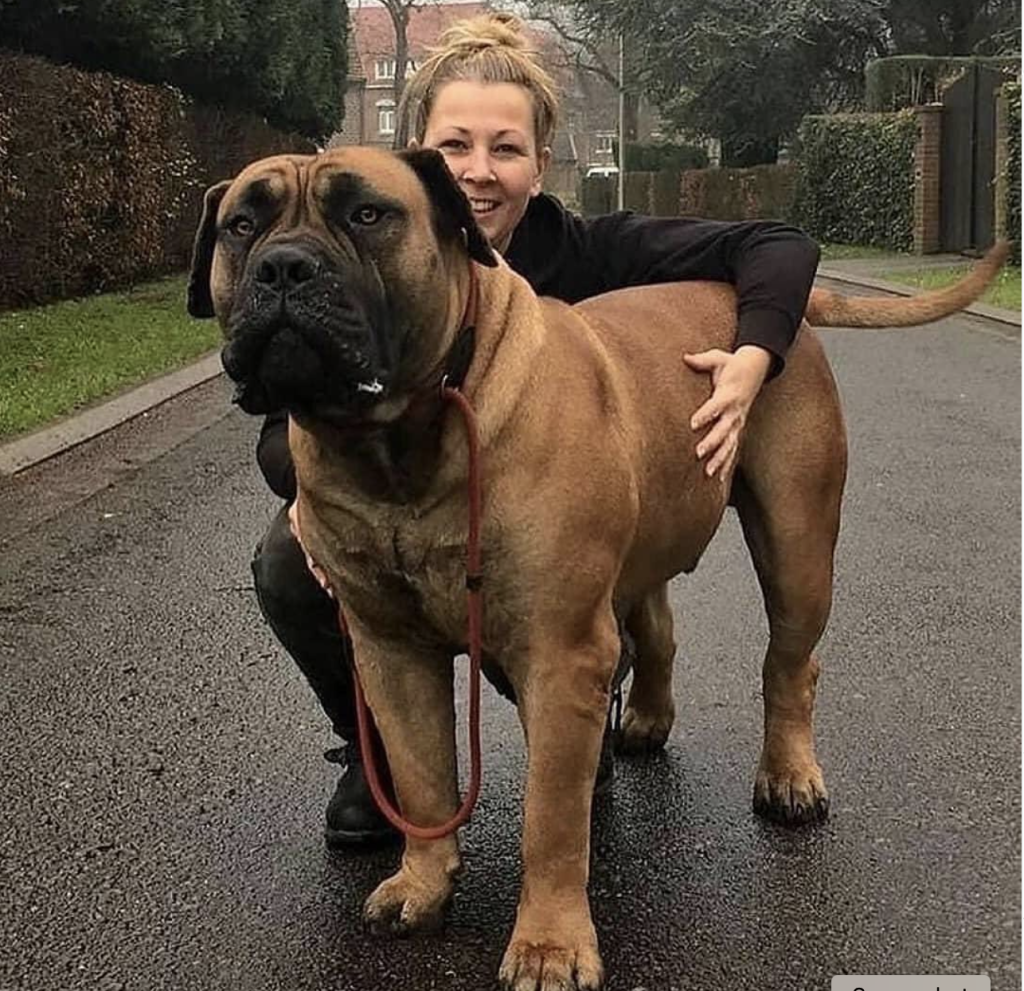
- Very Large Size: An adult Bullmastiff is a big, powerful dog, which can pose challenges. They can accidentally knock over small children or frail adults, and they require space to move around comfortably. Their size also means higher costs for food, supplies, and potential medical care. Accommodating a 100+ pound dog (from car travel to finding space in your home) is something to plan for.
- Strong-Willed Nature: Bullmastiffs are strong-willed and independent, which can be difficult for first-time or timid dog owners to manage. They require confident leadership and consistent training. If a Bullmastiff senses its owner is not in control, it may try to make its own rules. This breed is not for everyone – an untrained or disobedient 120-pound dog can be problematic. Prospective owners must be prepared to invest time in training and socialization and to be firm and patient.
- Potential Aggression Without Proper Handling: Due to their guarding instincts, Bullmastiffs can become aggressive toward strangers or other dogs if not properly socialized and controlled. You cannot expect a Bullmastiff to be friendly with everyone by default; they need guidance to learn appropriate behavior. Dog park interactions or inviting new guests require oversight. Owners who want a very sociable, easygoing dog with all strangers might find this breed too restrictive.
- Health and Lifespan: Unfortunately, Bullmastiffs have a shorter average lifespan (~8–10 years) and are prone to certain health problems (joint issues, cancer, bloat, etc.). Vet bills can be high for a large breed. Emotionally, it can be hard knowing your gentle giant may only be part of the family for under a decade. Prospective owners should be ready for the financial and emotional responsibilities that come with big dogs.
- Drooling and Mess: If you are very house-proud, be aware that Bullmastiffs drool quite a bit. You may find slobber on floors, furniture, and your clothes. They also tend to snore due to their short muzzle. While many owners find these quirks endearing, not everyone is tolerant of the mess. Their flatulence (gas) can occasionally be an issue too – something to keep in mind for the sensitive-nosed.
- Exercise Needs in a Big Package: Bullmastiffs don’t need excessive exercise like a hyperactive breed would, but their size means they do require a commitment to daily walks and play. If neglected, their energy can manifest in unwanted ways. They are also not very portable – taking a Bullmastiff on vacation or a long road trip can be challenging, as few hotels or cars easily accommodate such a large dog.
Ideal Owner and Home: Bullmastiffs thrive with owners who understand the breed’s balance of gentleness and power. The best owner is someone who can provide love and affection yet remain firm and consistent in discipline, establishing themselves as the clear pack leader. If you are confident, patient, and willing to train and socialize your dog from day one, a Bullmastiff can be a rewarding pet. They are generally not recommended for very timid or first-time owners who may be overwhelmed by the breed’s size and strength.
In terms of living space, a house with a fenced yard is ideal for a Bullmastiff to stretch out and patrol. They enjoy having an outdoor area to roam, even if they won’t be extremely active out there. That said, Bullmastiffs can adapt to apartment or city living if their exercise needs are met daily and they have a comfortable indoor environment. Because they are usually quiet and calm indoors, they won’t wreak havoc in a small apartment – but you will need to make time for walks and be okay with a very large dog sharing your living quarters. Bullmastiffs do well in either suburban, rural, or urban settings as long as they’re with their family; they mainly just need enough space to move comfortably and a safe place to relieve themselves. Keep in mind that some residential areas or landlords may have restrictions on large or guardian breeds, so always check local regulations if you rent or live in a restricted community.
Ultimately, bringing a Bullmastiff into your home should be a carefully considered decision. If you value a devoted, protective companion and are prepared for the responsibility – including training, socializing, handling a powerful dog, and managing potential health issues – then the Bullmastiff could be a great match. These dogs are loving and loyal to a fault, and in the right home, they truly shine as gentle family guardians. Prospective owners who meet the challenge will find the Bullmastiff to be an affectionate, courageous, and unforgettable canine friend.