Caledonian Wolfalike
Caledonian Wolfalike – A Wolf-Like Dog Breed Guide
Introduction to the Caledonian Wolfalike
Ever dream of owning a dog that looks like a wolf but acts like a loving family pet? Meet the Caledonian Wolfalike. This rare breed is bred to have the majestic appearance of a wolf while keeping the gentle, domesticated temperament of a dog. Caledonian Wolfalikes are large, striking canines that turn heads with their wild looks, yet they tend to be friendly and loyal with their human “pack.” In this guide, we’ll explore everything you need to know about the Caledonian Wolfalike – from its origin and traits to what life is like with one of these wolf-like companions.
Breed Origin and Development
The Caledonian Wolfalike’s story is tied to the broader history of wolf-like dogs in the U.K. The movement began with breeders aiming to create dogs that resembled wolves using northern breeds. In the 1980s, Northern Inuit Dogs were developed in Britain by mixing breeds like the Siberian Husky, Alaskan Malamute, and German Shepherd (with possibly a dash of Samoyed or similar breeds. These efforts produced wolfish-looking dogs without any actual wolf blood.
The Caledonian Wolfalike itself emerged from enthusiasts of the Utonagan (a wolf-like breed derived from those Northern Inuit dogs). In 2007, a group of British Utonagan fans organized a club to strengthen and document their breed’s development. This club was originally called the British Utonagan Association, and its members were dedicated to refining the dogs’ health, appearance, and consistency. Over time, their work evolved into what we now know as the Caledonian Wolfalike, under the guidance of the Caledonian Wolfalike Association (CWA). The name “Caledonian” nods to Scotland’s heritage, reflecting the breed’s UK roots.
By introducing new bloodlines and carefully selecting for a wolfy look and good temperament, these breeders shaped the Caledonian Wolfalike into a distinct type. Today, the breed remains unrecognized by major kennel clubs (being a specialty or “designer” breed), but it has a devoted following among wolfdog enthusiasts. Each Caledonian Wolfalike is typically registered with the CWA or the International Wolfalike Companion Registry to keep track of its pedigree and health testing.
Appearance and Physical Traits
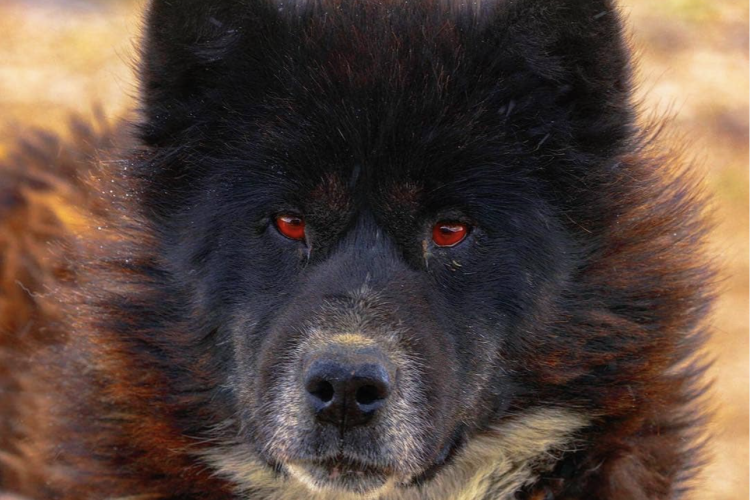
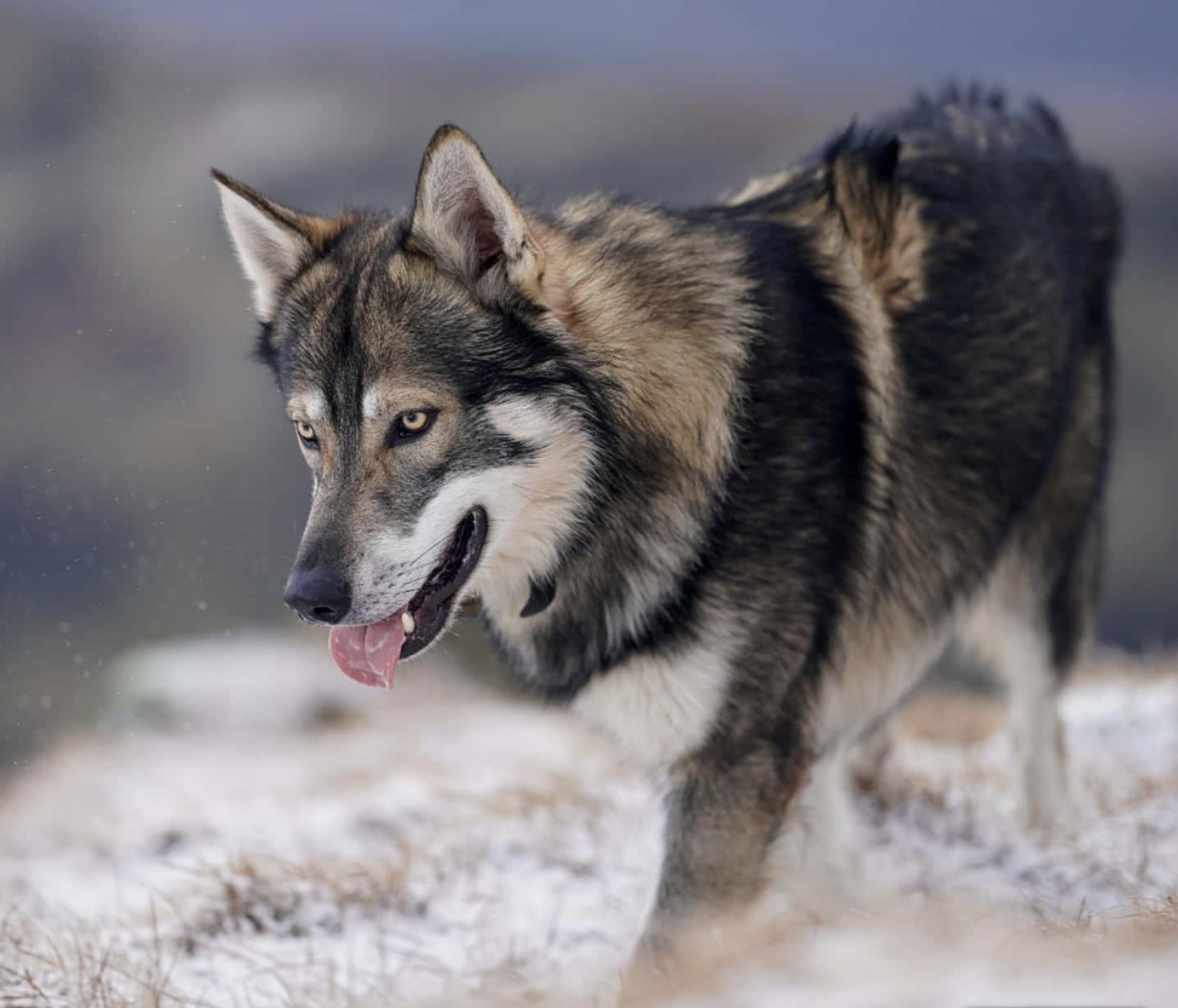
In appearance, the Caledonian Wolfalike could easily be mistaken for a wild wolf at first glance. Large and athletic, these dogs have an impressive stature. Adults often stand about as tall as a German Shepherd or larger – males can reach the upper end of the large-breed scale (around 26–30 inches at the shoulder) and females a bit smaller (roughly 24–28 inches). Weight can vary, but many Caledonian Wolfalikes weigh in the range of 30–45 kg (65–100 lbs), with some heavy-boned individuals topping that range. They have a balanced, muscular build that’s built for endurance. Despite their size, they should not appear clumsy or overly bulky; instead they carry themselves with the agile, loping gait reminiscent of a wild wolf. Their tails are straight, long, and bushy, usually carried low with a gentle curve – never tightly curled over the back like some spitz breeds. Overall, their body proportions and movement give an impression of natural wilderness grace.

Coat and colors: As a wolf-like dog, the Caledonian Wolfalike sports a dense double coat. In winter, they grow a thick, insulating undercoat that gives them a plush, fluffy appearance; in summer, they shed down to a sleeker, lighter coat. This double-coat helps them tolerate cold climates well (you’ll find your Wolfalike loves frosty weather). Coat colors tend to mimic those seen in wolves: common shades include gray sable, silver, grizzled black, and brown tones. Many have the classic “wolf mask” facial markings – lighter fur around the muzzle and eyes contrasted with darker shading on the cheeks or forehead. White patches can appear on the face or chest, and some dogs may be a rich biscuit or cream color, but extreme colors (like very red or solid black) are less typical.
Their ears are medium-sized, upright and pointed, contributing to the alert wolfish expression. The eyes are usually brown or amber; piercing blue eyes are rare in this breed (since blue eyes come from Husky lineage, breeders often avoid it to maintain the authentic wolf look). When you gaze into a Caledonian Wolfalike’s face, you’ll notice a keen, intelligent expression and a resemblance to a wolf – it’s what these dogs were bred for! Despite the wild appearance, there’s a warmth and softness in their eyes that hints at their gentle nature.
In summary, the Caledonian Wolfalike is a head-turner. From the tip of its black nose to the end of its furry tail, everything about this dog’s appearance says “wolf,” even though it’s 100% domestic dog at heart. Prospective owners should be prepared for strangers to stop and ask about their striking “wolf” dog – owning a Caledonian Wolfalike means you’ll get used to lots of curious looks and questions!
Temperament and Behavior
Don’t let the fierce look fool you – Caledonian Wolfalikes are generally affectionate, social, and even-tempered companions. Breeders have worked hard to ensure these dogs have loving, pet-friendly personalities. In the home, a Wolfalike is typically gentle and patient, often bonding strongly with its family. They are usually great with children, forming protective but good-natured relationships (though, as with any big dog, supervision with very young kids is important to prevent accidental knock-overs). When properly socialized, a Caledonian Wolfalike tends to be welcoming or at least polite with visitors, often more likely to lick a stranger’s hand than to growl.
They do not make the best guard dogs in terms of aggressiveness – most are too friendly to pose a real threat – but their imposing size and wolf-like appearance can serve as a deterrent to intruders. These dogs are intelligent and curious. They love to learn new things and solve problems, sometimes even outsmarting their owners with cheeky behavior. That said, Wolfalikes also have an independent streak; they may decide to “test” whether you really mean a command, or act a bit aloof and pretend not to hear you if they’re bored. Owners often joke that their Wolfalike is “selectively deaf” at times or has a mind of its own. This isn’t stubbornness out of meanness – it’s just a reflection of their smart, sometimes mischievous nature.
One key aspect of Caledonian Wolfalike behavior is their strong pack instinct. In the wild, wolves stick with their pack, and in your home, your Wolfalike sees your family as its pack. They are happiest when they are included in all family activities, whether it’s curling up at your feet during movie night or trotting alongside you on a hike. Separation anxiety can be an issue if these dogs are left alone for long periods regularly. A Caledonian Wolfalike does not thrive as an “outdoor only” dog or isolated in a kennel – it wants to be part of the family. Many owners find that having a second dog (or more) is beneficial; Wolfalikes love canine companionship and often do best when they have another dog buddy to play with. They can certainly live as a single dog if you dedicate plenty of time and attention to them daily.
But be warned: a bored or lonely Wolfalike can become destructive – chewing furniture, digging carpets, or finding other creative ways to entertain itself in your absence. This breed has a decent prey drive as well. Some individuals may get along fine with the family cat, especially if raised together from puppyhood, but others might always view smaller pets (cats, rabbits, guinea pigs) as something to chase. Early training and supervision are crucial if you have smaller animals in the home. In general, prey drive varies from dog to dog. It’s wise to assume your Wolfalike may have at least some instinct to pursue fleeing critters – so a secure yard and leash in unenclosed areas are musts.
In everyday life, Caledonian Wolfalikes are typically playful, friendly, and loyal. They often get along well with other dogs (they enjoy having a “pack” and usually play exuberantly). With their family, they tend to be loving goofballs – you might find your big, wolfy dog trying to sit in your lap or nudging your arm for more petting. They can be vocal, too: many Wolfalikes “talk” or howl softly to express excitement, much like a Husky might, and they will alert bark if something is unusual, though they’re not incessant barkers. Overall, the breed’s temperament is one of a devoted, sociable companion. When you bring a Caledonian Wolfalike into your life, you’re gaining a four-legged family member who wants nothing more than to be with you, whether that’s joining you on adventures or just hanging out at home.
Living with a Caledonian Wolfalike (Home & Family)
Living with a Caledonian Wolfalike is a lifestyle as much as it is pet ownership. These dogs do best in a home where they have adequate space and plenty of engagement. Apartment living is not ideal for a Wolfalike – it’s not impossible, but you’ll need to be extremely committed to providing exercise if you don’t have a yard. Preferably, a Wolfalike should live in a house with a secure, sizable yard where it can romp and stretch its legs daily. A six-foot fence around the yard is highly recommended, as some Wolfalikes are agile jumpers or climbers when the mood strikes. They’re also quite strong and clever, so ensure gates are secure (you don’t want your wolfish friend going on solo neighborhood tours!). Within the home, expect your Caledonian Wolfalike to want to be wherever you are.
They love to claim a spot on your chair (often convinced they’re a lapdog despite their size) or at least lie at your feet. It’s cute when a 10 kg puppy snuggles on the sofa, but remember that puppy will grow into a 40+ kg adult – so set household rules early about furniture if it’s a concern! Many owners do allow these dogs on furniture and don’t mind the cuddles; just be ready for a big, furry bed-hog if you share your bed with a Wolfalike. Crate training is useful for times when you’re out, both for the dog’s safety and to prevent mischief. A properly introduced crate gives them a “den” to relax in and can keep them from accidentally redecorating your living room when left alone.
In terms of family life, Caledonian Wolfalikes are happiest in an active family. They adore children and generally have the patience and gentleness to be great family dogs. That said, because of their size and energy, they tend to be a better match for families with older kids (or younger kids who are dog-savvy). A rambunctious Wolfalike might bowl over a toddler without meaning any harm. With the right guidance, though, they can be wonderful “big siblings” to kids – joining in games of fetch, walking to the park, and offering plenty of snuggles. They also tend to accept other dogs readily, especially if raised with them. If you already have a dog, a Wolfalike pup will usually integrate well and enjoy having a playmate.
With cats, as mentioned, it really depends on the individual’s prey drive and how carefully you manage introductions. Some Wolfalikes live peacefully with indoor cats (knowing the cat is part of their family pack), while others may never be fully trustworthy around small animals. Always use caution and never leave them unsupervised with a pet rabbit or guinea pig – those might just look too much like prey to resist.
One thing to keep in mind is that a Caledonian Wolfalike thrives on company and inclusion. These dogs want to be inside with the family, not isolated in the backyard. They enjoy routine and knowing that when you load up the car for a weekend trip, they’re coming along! If your lifestyle often keeps you away from home for long hours or involves a lot of travel where dogs can’t come, a Wolfalike may get depressed or anxious. However, if you work from home or can bring your dog on outings, you’ll find your Wolfalike an incredibly devoted companion.
They are the kind of dog that will follow you from room to room, just to be near. In essence, living with a Caledonian Wolfalike means sharing your life with a true companion. It’s not a breed that will be happy just fed and left alone – they want to participate in your daily activities. For those who welcome that level of involvement, it’s extremely rewarding. Owners often say having a Wolfalike is like having a bit of the wild in your home, combined with the love of man’s best friend. It’s a unique and fulfilling experience for the right family.
Exercise and Mental Stimulation Needs
If you’re considering a Caledonian Wolfalike, be prepared for lots of exercise – this breed is not a couch potato! These dogs have high energy and stamina, thanks to their working-breed heritage (huskies, shepherds, etc.). A daily exercise routine is a must to keep a Wolfalike healthy and happy. Plan on at least 1-2 hours of active exercise per day once your dog is full-grown. This can include long walks, jogs, hiking in the woods, or vigorous play sessions in a fenced area. Many Caledonian Wolfalikes love to run off-leash, but only do this in safely enclosed areas or when you have excellent voice control, as their curiosity could lead them to wander.
They make fantastic hiking or trail-running partners – their endurance and love of nature make them ideal companions for outdoorsy owners. Some owners also train their Wolfalikes in canicross (running while the dog pulls in a harness) or skijoring in winter, to channel that energy. Essentially, if you enjoy outdoor adventures, this breed will happily join you every step of the way. On the flip side, if you prefer short strolls around the block, a Wolfalike will likely become bored and restless. Regular exercise not only burns off their physical energy but also helps keep their mind relaxed. A tired Wolfalike is a well-behaved Wolfalike! Without sufficient activity, these dogs can develop behavioral problems like excessive howling, digging, or chewing due to pent-up energy.
It’s important to note that puppies and young adolescents have special exercise needs. Like other large breeds, Wolfalike puppies shouldn’t be over-exercised while their bones and joints are still developing. A good rule of thumb is about 5 minutes of structured exercise per day per month of age (up to twice a day). For example, a 4-month-old pup can handle roughly 20 minutes of walk or play at a time. Avoid high-impact activities (like jumping or long-distance running) until the dog is at least 18 months old and mostly done growing.
This helps prevent stress on growing joints and bones. Once mature, they can run and play much more intensively. Always build up endurance gradually – you wouldn’t run a marathon without training, and neither should your dog. Pay attention to their signals; even energetic Wolfalikes can get tired or overheat, especially in warm weather, since their thick coat isn’t ideal for high heat. Exercise in the cooler parts of the day during summer and always have water available for your dog.
Mental stimulation is just as crucial as physical exercise for a Caledonian Wolfalike. These are intelligent, inquisitive dogs, and they can become bored if their minds aren’t engaged. Along with your daily walks and runs, give them tasks or puzzles to do. Food-dispensing toys, treat puzzles, or obedience training sessions work wonders to occupy that active mind. Many Wolfalikes enjoy learning new commands or even advanced tricks – it taps into their intelligence and also reinforces the bond with their owner. You can also involve them in canine sports or activities for mental engagement: for instance, obedience trials, agility courses (after they’re grown), nosework (scent games), or tracking exercises.
Some owners hide treats or toys around the house or yard and let the dog “hunt” for them, which satisfies their natural curiosity and sniffing instincts. Interactive play like tug-of-war or hide-and-seek with their favorite toy can also tire them out mentally. Remember, a Wolfalike that’s been both physically and mentally exercised is far less likely to develop problem behaviors. Without something to do, they’ll invent their own entertainment – which often involves mischief! So plan to dedicate time each day not just to wear out your Wolfalike’s legs, but also to challenge its brain. This balanced approach to exercise will keep your Caledonian Wolfalike content, calm, and wonderfully well-adjusted.
Grooming and General Care
One look at the Caledonian Wolfalike’s luxurious coat, and you can guess that grooming will be a part of your routine. Like many double-coated breeds, Wolfalikes are heavy shedders, especially during seasonal change. Typically, they “blow” their coat twice a year – usually in spring and autumn – which means they shed massive amounts of their undercoat all at once. During these periods, be prepared for your house to be decorated in fur! You’ll find fluffy tufts of hair coming off your dog with the lightest touch, and those tufts will tumbleweed across your floors. Investing in a good vacuum cleaner (and perhaps a robot vacuum for daily maintenance) is highly recommended for Wolfalike owners. To manage the shed, daily brushing during the heavy shed season is a must.
A slicker brush or undercoat rake can help remove the loose fur efficiently. Outside of the shedding seasons, Caledonian Wolfalikes still shed on a smaller scale year-round, so a thorough brushing 1-2 times a week will keep their coat in good shape and minimize loose hair. Regular brushing also prevents tangles and mats from forming, especially around the ruff (neck area) and hindquarters where the fur is longest. The good news is that despite all that fur, Wolfalikes tend to have a clean coat that doesn’t have a strong doggy odor. They often have some natural oils that help dirt fall off when the coat dries, much like a Siberian Husky. This means you won’t need frequent baths – usually a bath every few months or only as needed if the dog gets into something muddy or smelly is sufficient. Over-bathing can strip the coat of those natural oils, so don’t go overboard. When you do bathe them, be prepared for the epic shake (you might end up as wet as the dog!) and for the drying time – that thick coat can take a while to fully dry unless you use a high-velocity dryer.
General care for a Caledonian Wolfalike is similar to other large breeds. Nail trimming should be done regularly (about every 3-4 weeks) because long nails can break or cause discomfort, especially given their weight. Some Wolfalikes wear down their nails naturally if they get a lot of outdoor exercise on varied terrain, but always check and trim as needed. Ear care is important too: their ears stand upright which allows good air flow, but you should still check weekly for any dirt buildup or signs of irritation. Clean the ears gently with a vet-approved ear cleaner if you notice wax or debris (never poke deep into the ear canal). Dental care shouldn’t be forgotten – ideally brush your Wolfalike’s teeth a few times a week to prevent tartar buildup, or provide dental chews as a supplement. Starting these grooming habits early when your dog is a puppy will make it much easier, as a full-grown Wolfalike can be strong-willed if they’re not used to nail clipping or tooth brushing. Make grooming a positive experience with treats and praise.
Because of their thick coat, Caledonian Wolfalikes handle cold weather with ease. They will happily romp in the snow like a polar wolf, and you’ll probably have trouble convincing them to come back inside! In hot weather, however, you need to watch for overheating. Never shave the coat – the double coat actually insulates against heat as well as cold. Instead, provide lots of fresh water and shade, and avoid strenuous exercise during heat waves. Many Wolfalikes love to have a shallow kiddie pool in the yard to splash or lie in during summer to cool off. They also appreciate cool tile floors or air conditioning. Keep an eye out for signs of heat stress (panting heavily, drooling, lethargy) and always ensure they can cool down.
Lastly, part of general care is routine health check-ups. We’ll discuss health more in the next section, but as a caretaker you should routinely feel over your dog’s body for any unusual lumps, bumps, or injuries during grooming sessions. This breed’s thick fur can sometimes hide skin issues or parasites like ticks, so regular hands-on inspection is wise. Overall, grooming and care for a Caledonian Wolfalike is a commitment – you will spend a fair amount of time with brush in hand and vacuum at the ready – but it’s also a great way to bond with your dog. Many Wolfalikes enjoy the attention during grooming time. With consistent care, your wolfish friend will not only look magnificent, but also stay healthy and comfortable in their skin (and fur!).
Health and Lifespan
Caledonian Wolfalikes are generally robust and healthy dogs, thanks in part to their diverse genetic background. Unlike some purebreds that have been heavily inbred, Wolfalikes benefit from the mix of various breeds (Husky, Malamute, German Shepherd, etc.), which can reduce the incidence of hereditary issues. That said, as a large breed, there are certain health concerns to be mindful of. Hip dysplasia and elbow dysplasia – malformations of the joints – can occur in wolfalike breeds, just as in GSDs or Malamutes. Responsible breeders take this seriously and will have the parents’ hips and elbows x-rayed and scored before breeding to minimize passing on these conditions. If you’re obtaining a Caledonian Wolfalike puppy, it’s important to ask the breeder about health tests: reputable breeders will gladly share hip/elbow scores, eye exam results, and DNA tests for known genetic issues.
Eye health is another focus; there have been instances of issues like cataracts or Progressive Retinal Atrophy (PRA) in some wolfalike lines, so breeders often have ophthalmologist exams done on breeding dogs each year. Additionally, since German Shepherd is in their heritage, some Wolfalikes might carry the gene for Degenerative Myelopathy (DM), a neurological condition, so DNA testing and avoiding at-risk pairings is prudent. Overall, if you ensure you get your dog from health-screened lineage, the risk of serious genetic problems is relatively low.
The lifespan of a Caledonian Wolfalike is fairly long for such a large dog. On average, these dogs live around 12 to 15 years, with some reaching even older. This is similar to the Tamaskan (another wolf-like breed), which typically lives 14-15 years on average. Of course, lifespan can vary depending on the individual’s health, diet, and exercise throughout life. Providing good care can help your Wolfalike reach the upper end of that range. It’s not unusual for a well-cared-for 12-year-old Wolfalike to still be active and playful, though they may start slowing down a bit.
As they age, joint supplements (like glucosamine and chondroitin) can be beneficial to keep their hips and elbows comfortable. Regular veterinary check-ups (at least annually, and bi-annually for seniors) will help catch any emerging health issues early. Large breeds can be prone to bloat (gastric torsion), a life-threatening condition where the stomach twists, so owners should be aware of its signs (distended abdomen, unproductive retching, restlessness) and seek emergency vet care if suspected. To mitigate bloat risk, it’s advised to feed multiple smaller meals rather than one big meal, and avoid heavy exercise immediately before and after eating.
In terms of everyday health, keep your Wolfalike up to date on standard vaccinations and parasite prevention (flea/tick and heartworm medication if those are concerns in your area). Their thick coat can make spotting ticks harder, so be diligent if you live in a tick-prone region. Fortunately, many Caledonian Wolfalikes have hardy constitutions and rarely get ill if properly cared for. They can tolerate cold weather without issue, and they don’t tend to have the brachycephalic (short-nosed) breathing problems seen in some breeds. Obesity can become an issue if they’re overfed and under-exercised (as with any dog), so maintaining a lean, fit body condition will help avoid extra stress on their joints and heart. Watch their weight and adjust food intake if you notice them getting pudgy – you should be able to feel their ribs under a light layer of flesh and see a defined waist when looking from above.
In summary, the Caledonian Wolfalike is a hearty breed with a life expectancy into the low to mid teens. By choosing a puppy from health-tested parents, feeding a quality diet, and providing plenty of exercise and veterinary care, you maximize your furry friend’s chances of a long, healthy life. Many owners are pleased to find their “wolfy” dog remains spry and engaged well into old age. There’s nothing quite like the sight of a grizzled, elder Wolfalike with a face frosted with white fur, still trotting faithfully by your side after a decade or more of adventures together – a testament to the breed’s vitality and the loving care you’ve invested.
Feeding and Nutrition
Feeding a Caledonian Wolfalike is all about fueling a big, active canine. These dogs will typically consume a substantial amount of food each day, but as with any dog, quality matters more than quantity. You’ll want to feed a high-quality dog food that’s appropriate for large, active breeds. As puppies, Wolfalikes should be on a large-breed puppy formula or an all-life-stages diet that is formulated for large breeds. Large-breed puppy foods have controlled calcium and calorie levels to ensure slow, steady growth – this is important to avoid stressing their joints or causing them to grow too quickly. A fast-growing large-breed puppy can be at higher risk for orthopedic issues, so it’s better to keep them lean and properly nourished rather than overfed. Follow your breeder or vet’s guidance on how much to feed a pup; usually, the daily ration is split into 3 meals for younger puppies (up to about 5-6 months), then 2 meals a day as they get older. Multiple meals are also better for digestion and reduce the risk of bloat compared to one large meal a day.
Adult Caledonian Wolfalikes will eat a lot, but exactly how much can vary based on their size and activity level. An active 45-kg male might eat 4-5 cups of high-calorie kibble per day, whereas a smaller or more sedentary Wolfalike might maintain on 3 cups – every dog’s metabolism is different. The key is to monitor your dog’s body condition and adjust portions accordingly. It’s easy to overfeed because those big eyes will beg for more treats, but remember: you should always be able to feel the ribs under a light layer of fat, and see that your dog has a waist. If you notice your Wolfalike getting too fluffy (and not just in fur!), cut back a little on the food or increase exercise. What you feed can be kibble, wet food, a raw diet, or a combination – each owner has their own preference, and Wolfalikes, like other dogs, can do well on a range of diets as long as they are nutritionally balanced.
Premium large-breed dog foods often contain joint supplements (glucosamine) and quality protein sources which can be beneficial. Some owners of wolf-like breeds opt for a raw diet or BARF diet (Biologically Appropriate Raw Food) to mimic a more “natural” feeding approach. If you go this route, do so under guidance to ensure it’s balanced (with the right calcium/phosphorus ratios, organ meats, etc.). It’s not necessary to feed raw, though – plenty of Caledonian Wolfalikes thrive on high-quality kibble. You can also incorporate fresh foods like cooked lean meats, eggs, or fish occasionally as treats or toppers, which many dogs appreciate.
Because Wolfalikes are energetic, they benefit from a diet rich in animal protein to maintain muscle mass. Look for foods where a meat (or fish) is the first ingredient. Healthy fats are important too, for that thick coat and for sustained energy – Omega-3 and Omega-6 fatty acids (from fish oil or flaxseed, for example) help keep their skin and coat in top condition, so diets that include these or adding a fish oil supplement can be a good idea. Avoid overfeeding treats – it’s easy to spoil such a good dog, but treats should make up no more than 10% of the daily calorie intake to prevent weight gain. Use kibble from their meal allocation or healthy low-calorie treats (like carrot sticks or small bits of cooked chicken) for training rewards. Also be cautious about giving too many calcium-rich chews or supplements beyond what’s in a balanced diet, especially during puppyhood, as excessive calcium can affect bone development.
Another aspect of feeding is ensuring fresh water is always available. This breed can have a big fur coat and be active, so they need to stay hydrated. You might notice your Wolfalike drinks a lot after exercise or on hot days – this is normal. Just make sure their water bowl is filled with clean water daily (or consider an automatic water fountain for pets). Some Wolfalikes like to play in their water bowl (that inner Husky coming out!) so a heavy, tip-proof bowl is helpful.
Lastly, be mindful of bloat risk as mentioned in the health section. To recap: feeding two smaller meals a day instead of one huge meal, using a slow-feed bowl if your dog tends to gulp food quickly, and having a calm period before and after meals (no rough play or hard exercise right around eating time) are wise precautions. It’s also a good practice to periodically reassess your Wolfalike’s diet as they age. Seniors may need fewer calories or a diet that’s easier to digest, whereas a young adult in their prime might need a high-protein performance food if they’re very active. Consult with your vet if you’re unsure about your dog’s ideal diet. With proper nutrition, your Caledonian Wolfalike will have the energy for all your adventures and a beautiful coat that truly shines with health.
Training and Socialization
Training a Caledonian Wolfalike is both a fun and essential part of raising this breed. These dogs are highly intelligent and often pick up new commands quickly – sometimes they’ll seem to learn basic obedience almost intuitively. However, they also have a dash of stubborn independence, so consistent training from an early age is key to harnessing their smarts in a positive way. As puppies, Caledonian Wolfalikes are typically eager to please and very food-motivated, which is great for training. Start with the basics as soon as you bring your puppy home: sit, down, stay, come, leash walking, etc. Using positive reinforcement methods (treats, praise, and play as rewards) will yield the best results, as these dogs respond much better to gentle guidance than to harsh corrections. In fact, if you try to be very heavy-handed, a Wolfalike might shut down or become even more headstrong. Keep training sessions short and fun – puppies have short attention spans, and even adults will lose interest if drilled for too long.
Socialization is just as important as obedience training. Expose your Wolfalike pup to a variety of people, places, sounds, and other animals during that critical socialization window (around 8 to 16 weeks of age). This helps ensure they grow up to be confident and friendly rather than shy or overly wary. Luckily, many Wolfalikes are naturally outgoing, but you still want to reinforce that by positive experiences. Puppy classes are an excellent way to combine training and socialization. In a puppy class, your Caledonian Wolfalike will learn how to behave around other dogs and strangers, and you’ll learn training techniques – plus it provides mental stimulation, which as we discussed, they need a lot of. Early training will also help curb mouthiness (puppies love to nip in play) and teach good manners like not jumping up on people.
As your Wolfalike matures, continue to challenge them with more advanced training or dog sports. These dogs can excel in obedience trials if you’re into competitive training – they are capable of learning a wide vocabulary of commands. Some can even be trained for agility (just ensure they’re old enough to jump to prevent injury). Agility training can be a great outlet for their energy and intelligence, and many Wolfalikes enjoy the obstacle courses after they’ve physically matured.
Recall training (teaching your dog to reliably come when called) is particularly important for a wolf-like breed. Since their prey drive might kick in if they see a deer or rabbit, you want a rock-solid recall if you ever plan to have them off-leash. Start recall training early with high-value treats and make coming to you the most rewarding and fun thing in the world for your dog. Practice in various environments, gradually adding distractions. Many Wolfalikes can indeed learn to be trusted off-leash in safe areas, but it takes consistent practice – and it’s something you should reinforce throughout the dog’s life. Training is not a “one and done” task; if you don’t use it, you lose it. So keep your Wolfalike’s mind engaged with ongoing learning. This could be as simple as teaching new tricks every few weeks or as involved as formal training classes periodically.
One quirk to be prepared for is that Wolfalikes, especially during adolescence (around 8 months to 2 years), can go through a “stubborn teenager” phase. They might suddenly “forget” commands they used to know or test boundaries to see what they can get away with. This is normal developmental behavior. Stay patient and consistent – don’t give up on training just because your previously angelic pup starts ignoring you now and then. Continue to reinforce the rules and keep training upbeat. Use that intelligence: if your dog is acting out from boredom, increase mental stimulation and exercise. It’s often said that a tired dog is a good dog, and it’s very true for Wolfalikes. Give their energy a productive outlet through training and play, and you’ll see much better behavior.
Socialization should also continue into adulthood. Regularly visiting dog-friendly parks, having play-dates with other friendly dogs, and exposing them to different environments will keep your Wolfalike well-adjusted. Although they usually love other dogs, always supervise initial interactions and be mindful that as an intact adolescent, a Wolfalike (especially males) might encounter challenges with other dominant dogs. Neutering at an appropriate age (consult with your vet on timing, often after full growth) can sometimes help with reducing hormonal behavior, though training and socialization are still the main factors in ensuring a sociable adult dog.
Lastly, consistency and leadership are crucial. A Caledonian Wolfalike is smart enough to know if you’re enforcing rules or not. Set house rules (for example: not jumping on people, waiting before dashing out doors, not begging at the table) and stick to them. All family members should be on the same page so the dog doesn’t get mixed messages. These dogs are not hard to train if you are consistent; in fact, they usually thrive on the guidance. They want to please you; they just sometimes want to please themselves too! By establishing a loving but firm leadership, where you guide them with trust and respect, your Wolfalike will mature into a wonderfully well-behaved companion. Many owners take pride in how well their imposing wolfy dog listens to them and interacts politely with others – it’s a testament to the breed’s trainability and the owner’s dedication. In short, put in the training time early on, and you’ll be rewarded with a lifetime of enjoyment with a polite, happy, and responsive canine friend.
Pros and Cons of Owning a Caledonian Wolfalike
Owning a Caledonian Wolfalike is a big decision that comes with wonderful rewards and notable challenges. It’s important to consider both the pros and cons to decide if this wolf-like breed is the right match for your life. Here’s a rundown of the advantages and disadvantages of living with a Caledonian Wolfalike:
Pros:
- Stunning Appearance: Caledonian Wolfalikes are undeniably gorgeous. Their wolf-like looks are striking and unique, which means you’ll have a truly eye-catching companion. If you’ve always been fascinated by wolves, having a dog that mirrors that wild beauty is a dream come true.
- Loyal and Loving: Despite their wild looks, these dogs are total sweethearts with their families. Wolfalikes form deep bonds with their owners and often have an almost pack-like loyalty to their humans. They are affectionate and love to be by your side, providing incredible companionship and emotional reward to their owners.
- Good Family Dogs: With proper socialization, Wolfalikes can be excellent family pets. They are generally gentle with children and can get along with other dogs. They want to be part of the family activities and usually have a friendly, playful demeanor that makes them great playmates for older kids (and adults!).
- Intelligent and Trainable: Caledonian Wolfalikes are smart dogs. They can learn a wide range of commands and tricks, and many enjoy the training process – especially if it’s made fun and rewarding. Their intelligence also makes them very engaging pets; they have personalities and quirks that will keep you entertained.
- Active Lifestyle Buddies: If you’re an active person, this breed will happily join you on all sorts of adventures. They make fantastic hiking, jogging, and camping partners. Their endurance and enthusiasm for the outdoors means you’ll never be lonely on a long walk in the woods. They motivate you to stay active and enjoy nature together.
- Generally Healthy and Long-Lived: Thanks to careful breeding and diverse genetics, Wolfalikes don’t suffer from a lot of extreme health problems. With good care, they often live into their early to mid teens, giving you many years of memories. Their hybrid vigor can mean fewer vet issues compared to some purebreds (though this is not a guarantee, it’s a positive trend).
- Not Aggressive by Nature: For a dog of this size and look, it’s a pro that they are not typically aggressive. You likely won’t have to worry about unprovoked aggression toward people if your Wolfalike is well-socialized. They can be gentle giants – impressive, yet usually amiable.
- Community and Support: As a rare breed, Caledonian Wolfalike owners often form tight-knit communities or clubs. This means you can find a supportive network of fellow owners and breeders to share advice, tips, and playdates. It’s a bit like joining an exclusive club of wolfdog enthusiasts, which can be fun if you enjoy connecting with others who love the breed.
Cons:
- High Exercise Needs: This is not a low-energy dog. One of the biggest cons is the time commitment for exercise. Wolfalikes need significant daily activity; skipping walks or park time isn’t really an option without consequences. If you don’t lead an active lifestyle or have the time to devote to exercising your dog every single day, a Wolfalike will be a handful. Boredom from lack of exercise can lead to destructive behavior.
- Requires Space (Not Apartment-Friendly): Caledonian Wolfalikes are large and energetic, so they really do best in a home with room to roam. A small apartment in the city can be tough on this breed unless you are exceptionally diligent in providing outdoor exercise and stimulation. They can adapt to smaller living spaces only with sufficient outdoor time, but ideally, they flourish in a house with a yard.
- Heavy Shedding and Grooming: Be prepared to deal with a lot of fur. As mentioned, Wolfalikes shed heavily and will coat your home in hair, especially during seasonal sheds. Keeping up with grooming and cleaning is a con for the neat-freak: you’ll need to vacuum often and endure tumbleweeds of fur. If you have allergies or an aversion to dog hair on your clothes and furniture, this is a serious consideration.
- Not Good for Long Periods Alone: These dogs thrive on companionship and may develop separation anxiety or destructive habits if left alone for long hours regularly. If you work very long days away from home and can’t provide company (either human or another dog), a Wolfalike can become unhappy and potentially howl or chew in your absence. They’re best suited for people who can include them in daily life or have someone at home much of the time.
- Training Can Be Challenging at Times: While intelligent, Wolfalikes aren’t push-button obedient. Their independent streak can be a con for inexperienced owners. You’ll need patience and consistency in training. They might ignore commands if they see something more interesting or if training sessions become dull or too harsh. In other words, they’re not as instantly compliant as some breeds bred solely for obedience – you have to earn their respect and keep training interesting.
- Large Size and Strength: Handling a big, powerful dog has its drawbacks. When a 40-50 kg Wolfalike decides to pull on the leash or jump up, you feel it. This breed can be quite strong, so they require an owner who is capable of managing a large dog physically or committed to training them not to pull. Their size also means they’ll take up more space in your car, your house, and might accidentally knock things (or people) over if exuberant.
- Limited Availability and Cost: As a rare breed, finding a Caledonian Wolfalike puppy from a reputable breeder can be challenging. You may end up on a waitlist, and the cost of puppies can be quite high due to the rarity and the extensive health testing breeders usually invest in. There is also the challenge of distance – you might have to travel far to get your puppy. Adopting a rescue Wolfalike is possible but very uncommon since the breed is still not widespread.
- Public Perception and Legal Considerations: Because they look like wolves, sometimes Wolfalike owners face awkward public perceptions. Neighbors or strangers might assume your dog is part wolf or even a wild animal. You might have to educate people that it’s a dog and safe. In some areas, there could be legal restrictions or homeowners insurance issues for wolf-like or “wolfdog” breeds (even if your Wolfalike has no actual wolf content). This varies by region, but it’s something to be aware of. At the very least, be prepared for lots of questions when out in public.
- Commitment to Ongoing Socialization: To ensure a well-rounded adult dog, you can’t slack on socialization. This isn’t exactly a negative – it’s part of responsible ownership for any dog – but Wolfalikes especially benefit from continued exposure to new experiences. If a Wolfalike doesn’t get enough socialization or is handled poorly, their natural shyness could turn into fearfulness. So owners must be proactive and confident in guiding their pup through the world. It’s a time investment that some might see as a con.
In conclusion, the Caledonian Wolfalike is a remarkable breed best suited for owners who can embrace its needs. The pros – beauty, loyalty, intelligence, and that one-of-a-kind companionship – are truly special. But the cons – significant time for exercise, grooming, training, and the challenges of a large, pack-oriented dog – mean they are not the right fit for everyone. If you have the dedication, space, and lifestyle to accommodate a Wolfalike, you’ll find it an incredibly rewarding experience to share your life with such an extraordinary dog. However, if you’re unsure about meeting their needs, it’s wise to consider whether a lower-maintenance breed might be better. Owning a Caledonian Wolfalike is a long-term commitment, but for those who are prepared, it’s like having a piece of the wild as your best friend – and that’s pretty amazing.