Canaan Dog: Living History
Canaan Dog: The Ancient Breed of Israel
Introduction to the Canaan Dog
The Canaan Dog is a medium-sized, ancient breed with a legacy that traces back thousands of years. Renowned as the national dog of Israel, this breed was developed from semi-wild “pariah dogs” native to the Middle East As a result of its desert heritage, the Canaan Dog is hardy, intelligent, and highly adaptable. Although celebrated in its homeland, it remains relatively rare worldwide (with only a few thousand in existence, making it a special find for enthusiasts. Friendly and devoted with its family yet aloof with strangers, the Canaan Dog offers a unique combination of loyal companionship and independent spirit. In this article, we’ll explore everything you need to know about the Canaan Dog – from its ancient origins and characteristics to care requirements, temperament, and the pros and cons of owning one.
History and Origins of the Canaan Dog
Ancient Origins in the Middle East
The Canaan Dog’s story begins in antiquity. Dogs of this type have lived in the Middle East since biblical times. In fact, the breed’s Hebrew name, Kelev K’naani, literally means “Canaan Dog,” hinting at its roots in the land of Canaan (ancient Israel/Palestine). Archaeological evidence backs up its ancient origins: excavations in Israel uncovered the Ashkelon dog cemetery containing about 700 dog skeletons remarkably similar to modern Canaan Dogs. These finds date to around the Persian Empire period, suggesting that the dogs were revered and possibly kept as sacred animals in those times. Additionally, tomb drawings from as early as 2200 BCE depict dogs with prick ears and curled tails – strikingly akin to the Canaan Dog’s appearance. For centuries, these hardy dogs survived as semi-feral camp guardians and herders for desert-dwelling peoples. Bedouin tribes, for example, employed similar dogs to guard their camps and flock herds, capitalizing on the canines’ vigilance and survival instinct. Through millennia of natural selection in harsh desert conditions, the Canaan Dog evolved into a wily, athletic animal perfectly suited to its environment.
Rediscovery and Breed Development in Israel
The modern history of the Canaan Dog is as fascinating as its ancient past. By the early 20th century, many of these dogs still roamed the Negev desert and other remote areas, living independent of direct human control. In the 1930s, Dr. Rudolphina Menzel – an animal behaviorist and cynologist – took a keen interest in these free-living desert dogs. In 1935, as conflict loomed and the Jewish Haganah defense forces needed tough, reliable service dogs, Dr. Menzel was tasked with developing a local working breed Rather than use established foreign breeds, she turned to the native pariah dogs she had observed. Dr. Menzel captured and tamed a number of these resilient canines, finding them highly adaptable and surprisingly quick to domesticate. She began a focused breeding program, officially naming the breed “Canaan Dog,” and supplied Israel’s military with dogs trained for tasks such as sentry duty, mine detection, and message delivery. During World War II, Canaan Dogs proved their worth serving as messengers and land-mine detectors in the Middle East, reportedly outperforming mechanical detection devices in finding mines.
After the war, the breed’s versatility shone in civilian roles as well. Dr. Menzel trained Canaan Dogs as guide dogs for the blind (establishing a guide dog school in 1949) and some aided the Red Cross in search-and-rescue operations. By 1953 the Israel Kennel Club had recognized the Canaan Dog as an official breed, using the standard that Dr. Menzel wrote. The breed slowly began to spread beyond Israel’s borders in the ensuing decades. Notably, in 1965 a pair of breed enthusiasts imported four Canaan Dogs to the United States, laying the foundation for the Canaan Dog Club of America and the breed’s introduction in the West. The American Kennel Club eventually recognized the Canaan Dog in 1997, and other major kennel clubs around the world followed suit. Despite this recognition, Canaan Dogs remain uncommon – even in 2024 they ranked near the bottom of AKC’s registration list, reflecting their rarity. Today’s Canaan Dogs are essentially the descendants of those desert survivors that Dr. Menzel “rediscovered” and domesticated. Ongoing efforts by dedicated breeders (particularly in Israel and abroad) strive to preserve the breed’s unique genetic heritage. On occasion, breeders have even sought out new foundation stock from the dwindling desert dog population to keep the gene pool healthy. The result is a breed that is truly a living piece of history – a direct link between the dogs of the Biblical era and the modern canine companion.
Canaan Dog Appearance and Physical Characteristics
In appearance, the Canaan Dog is often described as a “wild-type” or natural-looking dog – nothing exaggerated, just the sturdy features needed for desert survival. They are medium-sized and square-proportioned, meaning their body length is about equal to their height at the shoulder. Males stand roughly 20–24 inches (50–61 cm) at the shoulder and weigh about 45–55 pounds (20–25 kg), while females are slightly smaller at 19–23 inches and 35–45 pounds. The overall build is athletic but not overly heavy; these dogs are agile and graceful, able to change direction or speed quickly – an asset when navigating rough terrain.
The head is wedge-shaped with moderately broad skull and a tapering muzzle. A hallmark trait is the Canaan’s erect ears, which are relatively low-set on the skull, of medium size with a broad base and slightly rounded tips. Their eyes are dark and almond-shaped, imparting an alert, intelligent expression. The tail is set high and carried curled over the back, especially when the dog is excited or on the move. This curled tail and erect ear look often causes people to compare the Canaan Dog’s appearance to that of other Spitz-type or wild canids.
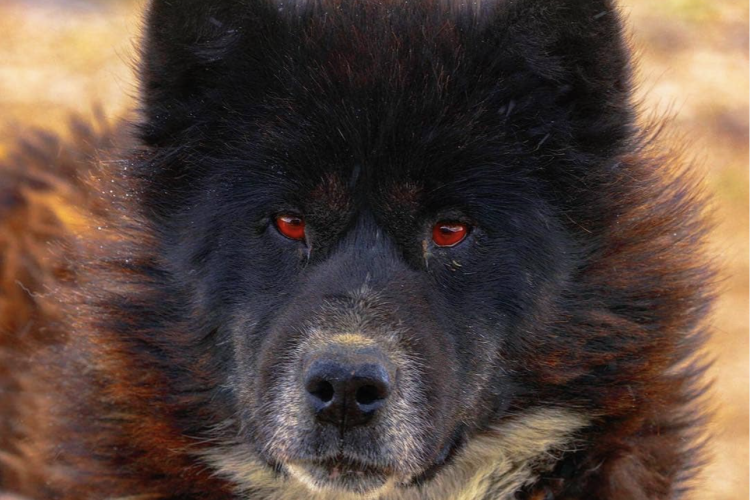
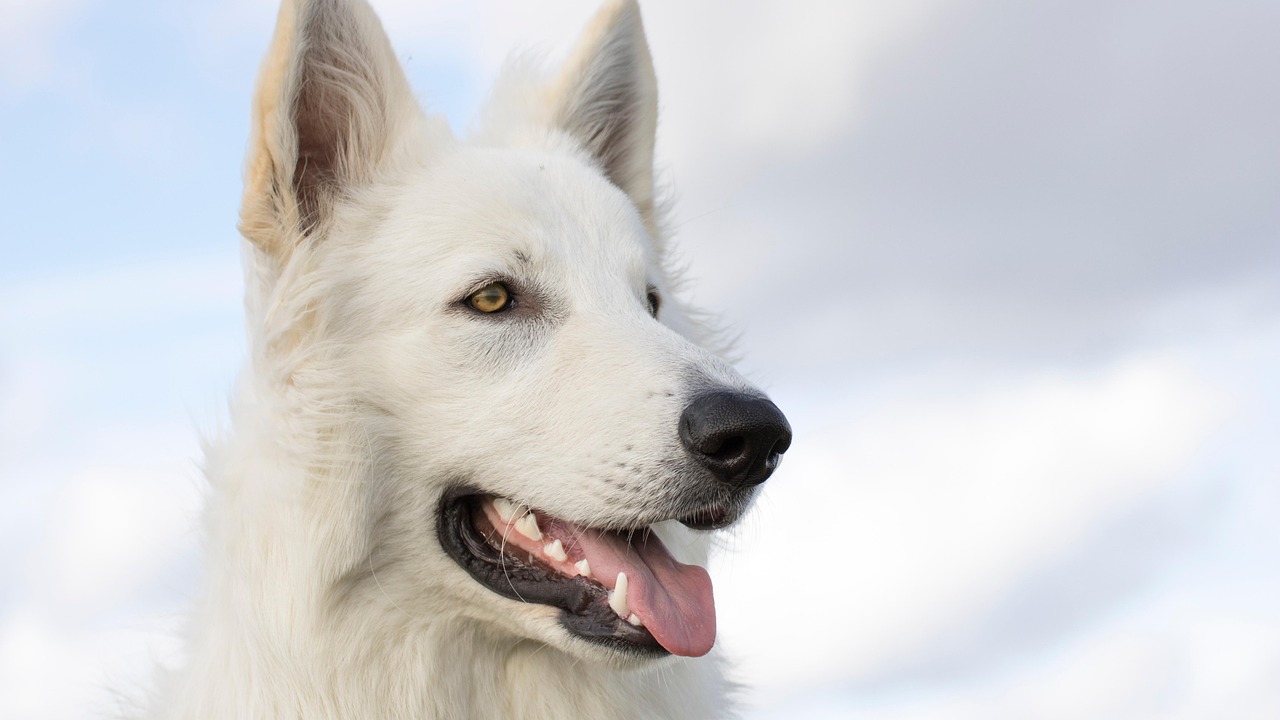
The coat of the Canaan Dog is a dense double coat, perfectly suited to extreme climates. The outer coat is straight, harsh, and lies flat against the body, ranging from short to medium length. Beneath it is a softer, profuse undercoat that varies with the seasons – thicker in winter and sparser in the summer. Thanks to this undercoat, Canaans tolerate both hot and cold temperatures well. Coat color is quite variable. Many Canaan Dogs are a sandy beige or red-brown color, but others can be black, cream, liver, or patched with white. In fact, the breed comes in “all shades of brown and red, from black to cream,” often with white markings or even a white coat with colored patches. A distinctive mask (usually white or black) on the face is seen in some individuals and is permitted in the breed standard. Overall, their coloration tends to provide natural camouflage in desert surroundings. While Canaans may sometimes resemble more common breeds like a small German Shepherd, the breed standard emphasizes the unique traits that set them apart – for instance, their square body shape, less angulated hindquarters, and shorter gait. In essence, the Canaan Dog looks like what it is: a tough, no-frills desert dog – medium in size, hardy in build, with a keen and observant expression.
Canaan Dog Temperament and Behavior
The Canaan Dog’s temperament is shaped by its history as a survivor and guardian in the desert. These dogs are alert, watchful, and intelligent, with a strong instinct to guard their territory. With their families, Canaan Dogs are typically devoted, gentle, and loyal, often forming deep bonds with their owners. They tend to be docile and even affectionate with those they know and trust. Many owners describe them as very loving with family members, happily fitting into the household pack.
When it comes to strangers, however, Canaan Dogs are usually aloof and wary. They are not the type of dog to run up to every new person with wagging tail; rather, they will stand at a cautious distance, observing. This natural distrust of strangers is part of their watchdog heritage – they were bred to be vigilant and quick to react to anything unusual. Importantly, a well-bred and well-socialized Canaan should be suspicious without being outright aggressive. In other words, they will bark to alert you of intruders or unfamiliar activity (making them excellent alarm dogs), but they should not attack or bite without serious provocation. In fact, breed experts note Canaans are strongly defensive but not aggressive by default. Once a Canaan Dog sees that their owner welcomes a newcomer, they usually settle down – but they may still keep a watchful eye on the “guest” until fully comfortable.
A notable aspect of Canaan Dog behavior is their territorial nature. By around two years of age, most Canaans become quite possessive of their home and yard. They will likely patrol the fence line and are not shy about voicing their disapproval if something seems amiss. This makes them superb watchdogs – you will never have a stranger sneak up unannounced. However, it also means owners should be prepared for some frequent barking. The breed has a reputation for being vocal, and they will sound off at unfamiliar sounds, wildlife encroaching, or anything they perceive as a potential threat. The good news is that Canaans are not typically nuisance barkers without cause; they are not considered “yappy” for no reason, especially if their mental and physical needs are met. Boredom or lack of stimulation, though, can increase alert barking, as an under-engaged Canaan might find everything worth announcing.
Another trait stemming from their wild ancestry is a certain degree of independence and intelligence. Canaan Dogs are very smart – they can problem-solve and think for themselves, which is why they survived on their own for so long. They are often savvy and confident in their behavior. However, this intelligence comes with a streak of stubbornness. Canaans are not slavish people-pleasers; instead, they tend to have a “what’s in it for me?” attitude about training and commands (more on training in a later section). If a Canaan Dog doesn’t respect a handler or see the point of an exercise, it may well decide to ignore instructions. For this reason, the breed is generally recommended for experienced dog owners who can provide firm, consistent leadership. A Canaan Dog will quickly take charge if it senses its owners are pushovers. In a home with confident leadership and clear rules, these dogs thrive and are very responsive; in a home without guidance, they might attempt to set their own rules.
When properly socialized from a young age, Canaan Dogs can do well with children and can live harmoniously with other pets. They are usually gentle with kids in their own family and will often treat them as part of their pack. That said, because of their herding background and territorial instinct, they may try to herd running children or be reserved with kids they don’t know. Early exposure to respectful children can help ensure they accept kids as friends rather than something to worry about. With other dogs, Canaan Dogs can be selective: they often get along with dogs of the opposite sex or those they are raised with, but may show same-sex aggression or dominance, especially with unneutered dogs of the same gender. Proper socialization and training can mitigate this, teaching the Canaan Dog to tolerate and play nicely with canine buddies. Smaller pets such as cats or rodents might trigger a Canaan Dog’s prey drive – in the wild these dogs had to hunt small game to survive. Many Canaans can learn to accept a household cat if raised with it, but they might still chase strange cats or wildlife outside. Caution and supervision with non-canine pets are advised unless the dog has been well-socialized to them from puppyhood.
In summary, the Canaan Dog’s personality is a blend of loyal family companion, vigilant watchdog, and independent thinker. They tend to be calm and content at home when all is well, but always ready to spring into action if something unusual arises. They love their family deeply, often following their people around at home and preferring to be wherever their humans are (they are not a dog that does well relegated to the backyard with minimal interaction). Yet, they are not overly needy or clingy – their independent streak means they can handle being alone for reasonable periods, though they will happily patrol the home in your absence. For those looking for a dog that is loving but not fawning, protective but not hair-trigger aggressive, and smart but sometimes stubborn, the Canaan Dog can be an incredibly rewarding breed.
Living with a Canaan Dog: Lifestyle and Family Compatibility
Bringing a Canaan Dog into your home means welcoming a devoted but sometimes strong-willed family member. In the right environment, Canaan Dogs integrate wonderfully into domestic life. They bond closely with their owners and enjoy being part of daily activities. Family life with a Canaan Dog is generally harmonious, as long as the dog understands its place in the “pack.” Early training in the home and establishing consistent rules will help your Canaan Dog see you and your family members as the leaders. Once that hierarchy is clear, Canaans are very respectful and eager to cooperate with their family’s routine. They are known to be gentle and affectionate with their own people, often choosing a favorite person (or the whole family) to shadow from room to room. Their moderate size and clean habits make them suitable indoor dogs – they usually behave well inside, especially if given enough exercise, and are not prone to hyperactive or destructive antics as long as their needs are met.
When it comes to home environment, the Canaan Dog is quite adaptable. This may surprise some, given their background in wide-open deserts, but remember they survived by being versatile. They can do well in both houses with yards and in apartments or urban settings, provided they get sufficient exercise each day. In an apartment, a Canaan Dog will typically be calm and well-behaved indoors – they are not incessant pacers or high-strung – but they will need regular outings to stretch their legs and satisfy their curiosity. A fenced yard is certainly a bonus for this breed, as it gives them a space to run and play freely. If you do have a yard, it should be securely fenced; Canaan Dogs are territorial and will patrol their boundary, and a secure fence will keep them from wandering off after wildlife or perceived intruders. The good news is that Canaans are not known for escaping or roaming far from home on their own. Their inherent sense of territory often keeps them close by – they want to guard their home, not run away from it. Still, a bored or under-exercised dog might test a fence or try digging, so it’s best to ensure they have outlets for their energy.
Canaan Dogs can handle various climates. Thanks to their double coat, they tolerate heat and cold well. They enjoy being outside in the snow as much as lounging in the sun. However, they should always have access to shelter from extreme weather and shouldn’t be left out in scorching heat or freezing cold without a way to escape the elements (common sense for any dog). Many Canaans love having an outdoor job, whether it’s supervising the yard, accompanying you on hikes, or even doing farm duty like herding or guarding livestock. Their background as herding and camp dogs means they have an instinct to keep an eye on things, so they often enjoy having a “territory” to watch over, even if it’s just your backyard or the living room windowsill.
In a family setting, a well-socialized Canaan Dog gets along with children and can be quite protective of them (sometimes considering the kids as part of its flock to guard). If you have kids, it’s important to teach them how to interact respectfully with the dog – no teasing, no pulling ears or tail – and to supervise interactions as with any breed. Canaans generally won’t tolerate rough handling from strangers or rambunctious outside children, but they can be very patient with their children. Early exposure to kids of various ages will help a Canaan Dog be calm and accepting of the noise and sudden movements that come with children. Because Canaan Dogs are alert and sometimes sensitive to loud or sudden events, a very chaotic household could be stressful for them unless they are acclimated. They thrive in a household that has a steady routine; they like to know who belongs on the property and what usual daily activities are. They will notice if anything is out of the ordinary.
When guests come over, expect your Canaan Dog to announce their arrival with barking. It’s a good practice to introduce your dog properly to visitors. Many Canaans, once they see the visitor is welcomed by their owner, will cautiously accept the newcomer and may even come over to investigate or sniff. They typically won’t be the type to immediately solicit petting from a stranger, but given time (and perhaps a treat or two), they may warm up and include the guest in their mental “okay, you’re not a threat” list. Let your friends know not to force affection on the dog; allow the Canaan Dog to approach on its own terms. With repeated positive experiences, your Canaan will learn to handle visitors politely, though likely always with a bit of reserve.
Another aspect of living with a Canaan Dog is noise management – as noted, they will bark at things that concern them. If you live in close quarters (like an apartment or townhome), it’s wise to train a “quiet” command early on or find ways to redirect barking, to keep good relations with neighbors. The positive side is that their barking is purposeful; they are essentially communicating that something is up. Many owners appreciate the sense of security a Canaan Dog provides. Their keen senses will pick up on approaching people or strange noises well before you notice them. In a suburban or rural home, this makes them excellent deterrents to trespassers or pests. In an apartment, it means you will always know when the delivery person is at the door!
Overall, living with a Canaan Dog is most rewarding for an owner who understands the breed’s blend of independence and loyalty. They do not need constant coddling – in fact, they prefer a confident leader to follow – but they absolutely need companionship and mental engagement. Leave a Canaan Dog alone in a backyard 24/7 with minimal interaction, and you’ll likely end up with an unhappy dog that barks excessively or becomes anxious. Bring a Canaan Dog into your home and treat it as a family member – with plenty of exercise, training, and affection – and you’ll have a devoted, well-mannered, and even cuddly companion at home, and a vigilant guardian when duty calls.
Exercise and Mental Stimulation Needs
As a breed forged in the deserts and used to roaming and working, the Canaan Dog has moderate to high exercise needs. This is not a breed content to be a couch potato all day – they thrive on activity and mental challenges. That said, they are not as hyperactive as some herding or working breeds; their energy level is active but not extreme, striking a nice balance for many owners. In practice, a healthy adult Canaan Dog will require around an hour or more of exercise per day. This can be split between walks, playtime, and training sessions. The breed is quite versatile in how you meet their exercise needs, as long as it’s consistent.
Daily walks are a must. Aim for at least one or two good walks every day. A brisk walk around the neighborhood allows your Canaan Dog to stretch its legs and also satisfies their curiosity by exposing them to new smells and sights (important mental stimulation). Many Canaan Dogs also make excellent jogging partners – their moderate size and athletic build mean they can keep up with a human runner with ease. Just be sure to build up distance gradually and avoid running in extreme heat, as with any dog. Aside from walks, free play in a securely fenced area is ideal. Canaans love to run, do quick sprints or chase a ball in a yard or dog park (provided they are well-socialized with other dogs at the park). They have a playful side and often enjoy games like fetch, tug-of-war, or chasing after dog toys. Interactive play with their owner not only exercises their body but also reinforces your bond.
Mental exercise is just as important for this intelligent breed. Bred to think independently, Canaan Dogs appreciate having their brains engaged. Incorporate training exercises or problem-solving games into their routine. Short training sessions that teach new commands or tricks can tire them out mentally. Puzzle toys or food-dispensing toys are great for times when the dog has to be alone – they keep the dog occupied figuring out how to retrieve the treat, which can stave off boredom. Because Canaan Dogs can become bored with repetition, vary their activities if possible. One day, a long hike; another day, a visit to a new park; another, a training session or a game of hide-and-seek with treats in the house. Variety will keep your Canaan Dog mentally sharp and less likely to become mischievous out of boredom.
This breed also excels in many canine sports and jobs, which can be a fantastic way to meet both exercise and mental needs. Owners have successfully trained Canaan Dogs in agility, obedience competitions, rally, tracking, nose work, and herding trials. Agility in particular can be a great outlet – Canaan Dogs are agile and quick learners, and they often enjoy the obstacle course as it channels their energy and intelligence into a fun task. Herding trials can tap into their natural instincts if you have access to such activities (some Canaan Dogs, despite being generations removed from the desert, still herd beautifully with minimal training). Even if you’re not into formal sports, consider involving your Canaan Dog in any “job” around the home: they can help carry a dog backpack on hikes, for example, or participate in advanced obedience drills that give them a sense of purpose.
Keep in mind that without sufficient exercise, a Canaan Dog may develop behavioral issues. Under-exercised Canaans can become restless, anxious, or resort to unwanted behaviors like chewing objects, digging holes, or excessive barking. These are signs that the dog has pent-up energy or boredom. Fortunately, the solution is straightforward – increase their physical and mental activities, and you’ll usually see those behaviors subside. On the flip side, a well-exercised Canaan Dog is typically calm and content at home. After a good run or training game, they’re happy to lounge at your feet or play with a chew toy while you relax.
For puppies and young Canaan Dogs, exercise needs are a bit different. Very young pups have lots of energy in spurts but shouldn’t be over-exercised (their growing joints need care). Several short play sessions a day and gentle walks are better than very long sessions for a puppy. As they grow, you can gradually increase activity. Be cautious with high-impact exercise (like jogging) until the dog is physically mature, usually around 12-15 months old. Also, because young Canaan Dogs are so smart, starting obedience training and socialization early will help tire them out and establish good behavior.
Lastly, remember to exercise the mind along with the body. A Canaan Dog that has puzzle toys, interactive play, and training in its life will be much happier than one that just gets a walk and then is ignored. These dogs were independent problem solvers in the wild, so giving them safe problems to solve (like learning a new command or figuring out a treat puzzle) goes a long way. With the right balance of physical exercise and mental stimulation, a Canaan Dog will be a well-behaved, enjoyable companion – one who’s content to snooze through the evening after a day of satisfying work and play.
Grooming and General Care for Canaan Dogs
One pleasant surprise for many Canaan Dog owners is how low-maintenance the breed’s grooming needs are. These dogs are naturally very clean – almost cat-like in their cleanliness – and have little to no “doggy odor”. Their double coat sheds dirt and debris well, so you won’t find them staying grimy for long. In many cases, once dried, mud and dirt just brush right out of their fur. This makes grooming relatively easy compared to some other breeds.
Coat care: The Canaan Dog’s coat is short to medium in length and lies flat, which means it doesn’t tend to mat or tangle. A simple brushing once or twice a week is usually enough to keep the coat healthy and remove loose hairs. Use a slicker brush or comb that can reach the undercoat. Regular brushing will also help distribute the natural oils in their skin, keeping the coat glossy. Do note that Canaan Dogs are seasonal heavy shedders. Typically, they will “blow” their undercoat once or twice a year (often in spring and/or fall). During these periods of heavy shedding, you’ll notice tufts of undercoat coming out and much more hair around the house. Brushing them daily during shedding season can greatly reduce the tumbleweeds of fur and help the dog transition to the new coat more comfortably. Aside from those seasonal molts, shedding the rest of the year is moderate. Having a good vacuum or lint roller on hand is a wise idea, but many owners find the Canaan’s shedding quite manageable – especially compared to longer-haired breeds.
Bathing: Because Canaan Dogs don’t have much odor and their coat naturally repels dirt, they do not require frequent baths. In fact, over-bathing can strip the coat of its natural oils. A bath once every few months or only as needed (for instance, if the dog rolled in something smelly) is sufficient for most Canaans. When you do bathe, use a gentle dog shampoo. Some Canaans enjoy water and might play in sprinklers or shallow pools, which is fine – just ensure their ears dry well after any water play to prevent moisture buildup.
Nails, Ears, and Teeth: General care for a Canaan Dog is similar to other breeds. Their nails should be trimmed regularly, typically every 3-4 weeks, unless they wear them down naturally through activity. Long nails can be uncomfortable and risk splitting, so keep an eye on them. Many dogs dislike nail trims, so it’s good to acclimate your Canaan to paw handling and nail trimming from puppyhood using positive rewards. Check their ears weekly for any signs of redness, dirt, or odor (which could indicate an infection). The Canaan’s ears are erect and get good air flow, so they aren’t particularly prone to ear infections, but it’s still wise to be watchful. Clean the ears with a vet-approved ear cleaner if you see wax buildup – and only clean the visible parts, never inserting anything deep into the ear canal without veterinary guidance. Dental care is also important: brush your Canaan Dog’s teeth with a dog-specific toothpaste a few times a week if possible. Regular chewing on safe chew toys or dental treats can help keep tartar at bay too. Good oral hygiene will prevent dental disease and keep those teeth clean well into the dog’s senior years.
Overall cleanliness: As mentioned, Canaans tend to keep themselves clean. You might observe your dog licking its paws or coat to groom, much like a cat. This is normal behavior. They also generally don’t have a strong dog odor even when wet. Many owners report their Canaan will happily lounge on the couch and not leave that “dog smell” behind that some breeds do. That said, if your dog gets into something messy or has that “doggy smell”, a bath and a diet check (sometimes food can affect coat condition and odor) may help.
Living conditions and care: Canaan Dogs can live outdoors or indoors, but they truly prefer being wherever their family is. They can handle outdoor living in moderate climates thanks to their weather-resistant coat, but they also make wonderful house dogs who enjoy the comforts of home. Ideally, provide your Canaan Dog with a soft bed or crate indoors where they can retreat and relax. Crate training is useful for this breed – not only for house-training as a puppy, but also to give them a safe den. Many Canaan Dogs come to appreciate their crate as a personal space. Just ensure it’s never used as punishment, only as a positive, comfortable zone.
Exercise and coat care intersection: After outdoor adventures, always check your Canaan Dog for ticks, burrs, or foxtails in the coat, especially if you’ve been hiking in fields or woods. Their short coat doesn’t collect as many debris as a long-haired dog would, but their bushy tail and pants (rear thigh fur) could pick up some hitchhikers. A quick once-over after outside playtime keeps them clean and prevents any parasites from latching on. Flea and tick prevention as recommended by your vet is a good idea, particularly if you live in an area where those are a problem.
Health maintenance: General care also means routine veterinary care. Canaan Dogs are robust, but they still require regular vet check-ups – usually annually for adults, and more often for puppies and seniors. Keep them up to date on vaccinations, and use heartworm prevention if advised in your region. Given the breed’s overall healthiness (discussed more in the next section), you won’t have a lot of special medical routines, but staying on top of preventative care will ensure your Canaan Dog remains in top shape.
In summary, grooming a Canaan Dog is a fairly easy task. Weekly brushing and the occasional bath will keep them looking sharp. Combine that with standard nail trims, ear checks, and dental care, and you have a dog that is easy to maintain. This ease of grooming, along with their clean nature, makes the Canaan Dog a great choice for owners who want a relatively fuss-free coat. Just be prepared for heavier sheds seasonally – but even then, a bit of extra brushing does the trick. Many people find that the grooming routine with a Canaan Dog is an enjoyable bonding time, as the dogs often like the attention and the feel of being brushed. It’s one more way to strengthen the connection with this loyal breed.
Health and Lifespan of the Canaan Dog
One of the many advantages of the Canaan Dog is its overall health and hardiness. Having evolved through natural selection with minimal human intervention, this breed does not suffer from the plethora of genetic health issues that plague some purebred dogs. In fact, the Canaan Dog is often cited as being “one of the healthiest breeds around”, with a robust constitution and few inherent problems. Of course, no breed (and indeed no individual dog) is completely free of health concerns, but prospective owners can generally expect a Canaan Dog to be a strong, long-lived companion.
The typical lifespan of a Canaan Dog is around 12 to 15 years, which is quite respectable for a medium-sized dog. Many Canaans remain active and youthful well into their senior years, especially when kept at a healthy weight and given regular exercise. Their natural, unexaggerated build contributes to their longevity – they don’t have the extreme features that sometimes cause health issues in other breeds (for example, they aren’t flat-faced, overly large, or excessively tiny).
While generally healthy, there are a few medical conditions to be mindful of in the breed. Responsible breeders test for these to ensure they are not passing on any genetic predispositions:
- Hip Dysplasia: This is a common orthopedic issue in many dog breeds, including medium and large dogs. Hip dysplasia occurs when the hip joint is malformed, leading to joint laxity and eventually arthritis. In Canaan Dogs, hip dysplasia is not rampant but it can occur. Affected dogs might show signs like limping or difficulty rising after rest. Ethical breeders often screen parent dogs with hip X-rays (OFA or similar) to ensure they have healthy hips before breeding. Keeping your Canaan Dog at a lean weight and providing moderate exercise (avoiding excessive impact on growing puppies) can help minimize the risk or severity of hip issues. Should a Canaan develop hip dysplasia, treatments range from weight management and joint supplements to surgery in severe cases.
- Patellar Luxation: This is a condition where the kneecap (patella) can slip out of its groove, causing temporary lameness or a “skipping” gait. It’s more common in small breeds, but has been noted occasionally in Canaan Dogs. According to the British Canaan Dog Society, patellar luxation is uncommon in the breed, but they still recommend breeders check for it. Most Canaan Dogs will never experience this, but if they do, mild cases can be managed (sometimes the kneecap slips back into place on its own), and severe cases might need surgical correction.
- Eye Conditions: Progressive Retinal Atrophy (PRA) is a genetic eye disorder reported in some Canaan Dog lines. PRA causes a dog’s vision to degenerate over time, eventually leading to blindness. It typically starts with night blindness (difficulty seeing in low light) and can progress to daytime vision loss. There is currently no cure for PRA, but affected dogs usually adapt well to vision loss since it occurs gradually. Responsible breeders may have genetic tests done for PRA to avoid breeding carriers. Aside from PRA, routine eye exams can help catch other eye issues (like cataracts) early. Fortunately, Canaan Dogs do not have a high incidence of many eye diseases, but keeping an eye (no pun intended) on their ocular health as they age is prudent.
- Hypothyroidism and Other Ailments: A few Canaan Dogs might develop hypothyroidism (an underactive thyroid), which can lead to symptoms like weight gain, lethargy, and skin/coat problems. This is generally treatable with daily medication. Overall, hypothyroidism is not especially prevalent in Canaans compared to some other breeds, but it’s seen occasionally. Autoimmune thyroiditis (an immune-related thyroid issue) has been noted by some breed clubs as something to watch for. Another rare issue could be von Willebrand’s disease (vWD), a bleeding disorder, but again this is not common in the breed. Routine blood tests can identify thyroid levels or clotting issues if suspected.
It’s important to emphasize that most Canaan Dogs live out their lives with no serious genetic health problems. Regular veterinary checkups are key to catching any developing issues early. A yearly exam can include checking joints, eyes, bloodwork, and overall condition. Because Canaan Dogs are so athletic and energetic, one might not realize if subtle issues are brewing – they tend to not show pain until necessary (a survival instinct from the wild). So preventive vet care is your best tool.
Owners should also keep their Canaan Dog on preventive care such as heartworm prevention (in regions where heartworm exists) and flea/tick prevention as needed. Dental health, as mentioned before, can impact overall health – dental disease can affect organs – so don’t neglect teeth cleaning.
Feeding a high-quality diet and keeping your dog in good physical shape will also go a long way to ensuring a healthy life. Obesity is one thing that can shorten any dog’s lifespan and increase the risk of many diseases (including joint problems), so maintaining a lean, fit body condition is very important for a Canaan Dog’s health.
In summary, the Canaan Dog is a robust and healthy breed with a life expectancy of around 12-15 years. While they can experience some of the common canine ailments (like hip dysplasia or eye issues) on occasion, there are no widespread devastating genetic diseases in the breed. By obtaining a puppy from health-tested parents and providing routine care, exercise, and good nutrition, you greatly stack the odds in favor of your Canaan Dog living a long, vigorous, and healthy life. Many owners of Canaans report their dogs only needing vet visits for routine care and the odd injury or illness, rather than chronic conditions – a testament to the breed’s natural vitality.
Feeding and Nutrition for Canaan Dogs
Feeding your Canaan Dog a balanced, nutritious diet is essential to keep them thriving. Fortunately, Canaan Dogs don’t have any special or unusual dietary requirements – they do well on the same high-quality diets that benefit most medium-sized, active breeds. The key is to ensure the food is appropriate for their life stage, size, and activity level.
Type of food: A Canaan Dog should be fed a high-quality dog food that meets the standards of the Association of American Feed Control Officials (AAFCO). Whether you choose a commercial kibble, a canned diet, a raw or home-cooked diet, make sure it’s well-balanced. Many owners opt for premium dry kibble formulated for active breeds, which provides a good mix of protein, fats, and carbohydrates. Look for a food that has real meat as the first ingredient and avoid diets that are heavy in fillers or artificial additives. Some Canaan Dogs might do well on grain-inclusive diets, while others thrive on grain-free – it often depends on the individual; there’s no one-size-fits-all. The breed as a whole does not commonly suffer from food allergies, but of course individual dogs can have sensitivities. If you notice any signs of food intolerance (itchy skin, digestive upset), work with your vet to identify a suitable diet.
Life stage feeding: Puppies, adults, and seniors have different needs. Canaan Dog puppies should be fed a puppy-formulated diet (or an all-life-stages food that is approved for puppies) to ensure they get the extra protein, calories, and nutrients needed for growth. Typically, breeders will send a puppy home with guidance on what the puppy has been eating; continue that diet initially to avoid stomach upset, then gradually transition if you plan to switch foods. Adult Canaan Dogs (12 months to about 7 years) should be on an adult maintenance diet. Senior Canaans (around 7+ years, depending on the dog) might benefit from a senior diet which is often lower in calories and has joint support supplements like glucosamine added. However, if your senior is still very active and in great shape, they may do fine continuing on regular adult food with portion adjustments.
Meal frequency: It’s recommended to feed adult Canaan Dogs in two meals per day, one in the morning and one in the evening. This helps with digestion and energy distribution, and it can reduce the risk of gastric issues like bloat (even though bloat is more common in deep-chested large breeds, it’s still wise to avoid feeding any dog a huge single meal). Puppies will need more frequent feeding – usually three to four smaller meals per day when they’re under 6 months, gradually reducing to two meals by about a year old. Feeding on a consistent schedule also helps with house-training and routine.
Portions and monitoring weight: The exact amount to feed your Canaan Dog can vary widely based on the dog’s size, metabolism, and activity level. Always start by checking the feeding guidelines on your dog food bag as a reference, then adjust as needed. A highly active Canaan that’s doing a lot of exercise may burn more calories and need a bit more food. A more sedentary Canaan might need less to prevent weight gain. It’s important to monitor your dog’s body condition and weight regularly. You should be able to feel your Canaan Dog’s ribs easily but not see them prominently. If you notice your dog getting a bit plump (loss of a waistline, ribs hard to feel), reduce the food intake or increase exercise. Canaan Dogs in proper fit condition will have a defined tuck at the waist and you can feel ribs under a light fat cover. Because the breed tends to be active, obesity isn’t extremely common, but any dog can gain weight if overfed. Treats count too – be mindful of how many extras you give, and incorporate them into the daily calorie count.
Treats and table scraps: Treats can be great for training (and Canaan Dogs can be food-motivated, making treats useful during obedience lessons). Use healthy treats in moderation. Small pieces of lean meat, commercially made training treats, or even some kibble from their daily portion can work as rewards. Try not to overdo high-fat or high-sugar treats. As for table scraps, it’s generally best to avoid feeding from the table to prevent begging behavior and potential digestive upset. Certainly never give toxic foods like chocolate, onions, grapes/raisins, or xylitol-sweetened products. Stick to dog-safe fruits or veggies (like carrot sticks or apple slices) if you want to give “people food” treats, and always in moderation.
Water: Always have fresh, clean water available to your Canaan Dog. Active dogs especially need to hydrate. If your Canaan has been exercising heavily, ensure they get water breaks but don’t let them gulp enormous amounts all at once (to avoid stomach upset). After intense exercise, let them cool down a few minutes before drinking freely.
Special diets and supplements: Generally, a healthy Canaan Dog on a well-balanced diet does not require supplements. In fact, giving unnecessary supplements can sometimes do more harm than good. However, some owners choose to supplement with things like fish oil (omega-3 fatty acids) for coat and joint health, or glucosamine/chondroitin for joint support, especially as the dog ages. If you decide to use supplements, discuss it with your veterinarian to ensure the dosages are appropriate. For example, fish oil can be beneficial for skin and inflammation, and many dog foods now include it. Probiotics are another supplement some owners use to promote gut health, which can be helpful if your dog has a sensitive stomach.
Home-cooked or raw diets: A number of owners successfully feed their dogs home-prepared meals or raw diets. Canaan Dogs can do well on these diets given their hardy constitution, but it’s absolutely critical to ensure nutritional completeness. Consult with a veterinary nutritionist to formulate a home-cooked or raw diet, or use established recipes that have been vetted for nutritional balance. The diet should have appropriate calcium:phosphorus ratios, the right vitamins and minerals, etc. If done incorrectly, home diets can lead to deficiencies or excesses over time, which could harm your dog’s health. If you’re not inclined to go through that effort, a high-quality commercial food is perfectly fine and often the safest bet.
In summary, feeding a Canaan Dog isn’t difficult – they thrive on a standard quality dog diet and don’t typically have finicky appetites. Many will actually have good self-regulation; you might find your Canaan doesn’t inhale food in seconds, but rather is a moderate eater (though this varies by individual). Keep them on a schedule, watch their body condition, and adjust portions as needed throughout their life. With proper nutrition, your Canaan Dog will have the fuel to stay active, the nutrients to keep that beautiful coat shiny, and the overall health to enjoy life to the fullest. If ever in doubt about how or what to feed, your vet can provide guidance tailored to your specific dog’s needs.
Training and Socialization of Canaan Dogs
Training a Canaan Dog can be both a rewarding and challenging experience. As a breed noted for intelligence and independence, Canaans are highly trainable in the sense that they can learn quickly – but only if they want to learn and respect the trainer. The key to success is starting early, using positive methods, and staying consistent. Equally important is comprehensive socialization from puppyhood, which will shape your Canaan Dog into a well-adjusted adult.
Start early with socialization: Socialization is absolutely crucial for Canaan Dogs, given their natural wariness of strangers and new situations. From the time you bring a Canaan puppy home (usually around 8-10 weeks old), begin gently exposing them to the wide world. This means meeting different types of people (men, women, children, people in hats, people of various ethnicities – anything your dog might find “unusual” later if not encountered early) and friendly dogs of various sizes. It also means experiencing different environments: busy city streets, quiet parks, car rides, noises like vacuum cleaners and doorbells, etc. The goal is to ensure the puppy has mostly positive experiences or neutral exposures during the critical socialization window (up to about 4 months old, though it should continue beyond). A well-socialized Canaan Dog will be much less likely to overreact out of fear or suspicion when it encounters new things as an adult. Puppy classes or kindergarten are fantastic for socialization – they allow your pup to meet other pups and people in a controlled setting and often include supervised play sessions, which are great for learning canine manners. Continue socialization into adolescence (which for Canaans, as noted, can include a fear period around 9-12 months where they might become extra cautious). During that phase, don’t coddle fears but rather calmly and positively introduce new stimuli to show your dog there’s nothing to worry about. Make encounters fun with treats and praise. Even adult Canaan Dogs benefit from ongoing socialization – take them out and about regularly so they remain confident and adaptable.
Basic obedience training: Start training basic commands early – simple cues like sit, down, stay, come, and leash walking. Canaan puppies are quite smart and can learn these within a few weeks of consistent practice. Use positive reinforcement methods (treats, toys, praise) because Canaans do not respond well to harsh or forceful training. In fact, if they are met with severe corrections or anger, many will shut down or become more defiant. They have a bit of a proud streak, so earning their trust and cooperation is much more effective than trying to dominate them through punishment. The good news is, Canaans often enjoy training when it’s presented as a game or challenge. Keep sessions short and upbeat – for example, 10-15 minutes of practice at a time – to prevent them from getting bored. Repeating the exact same drill over and over will make a Canaan lose interest, so mix things up. You might find that your Canaan Dog is a star pupil for a few minutes, then suddenly decides “I’ve done this, moving on now.” That’s okay; end on a high note and train again later rather than forcing the issue in that moment.
Establish leadership and boundaries: As mentioned, Canaan Dogs need to see their owner as a competent leader. This doesn’t mean being a bully; it means setting rules and sticking to them. For instance, if you don’t want the dog on the furniture, enforce that consistently from day one – don’t sometimes allow it and sometimes not. If you ask the dog to sit before meals or before going out the door, do that every time so it becomes routine. Canaans actually appreciate knowing the rules and their place in the family pack. If the humans are inconsistent pushovers, a smart Canaan will conclude that they should call the shots. This can lead to issues like ignoring commands or guarding resources. Prevent that by being gently firm and clear. Many trainers recommend NILIF (Nothing In Life Is Free) with independent breeds: the dog must perform a simple command (like “sit”) to earn anything it wants (food bowl, treat, play, etc.). This reinforces polite behavior and respect.
Advanced training and activities: Once you’ve covered the basics, Canaan Dogs are very capable of learning advanced commands and even specialized tasks. As their history shows, they’ve done everything from herding to bomb detection. You can teach your Canaan Dog to play games like hide-and-seek (hiding toys or treats for them to find taps into their tracking instinct), or advanced tricks which really exercise their mind. Many Canaan Dogs excel in obedience trials and rally when the training is made interesting. Their independent nature means they aren’t as slavishly precise as, say, a Border Collie might be in obedience, but with the right handler they can certainly hold their own in competition. Agility training is another great way to further obedience in a fun way – running through an agility course requires off-leash control and following cues, but it never gets boring for the dog because it’s so dynamic. Training for agility or other dog sports can strengthen your communication with your Canaan Dog tremendously.
Handling potential behavior issues: With good training, Canaan Dogs are generally well-behaved. But there are a few quirks owners might need to address:
- Barking on command: Since Canaans tend to bark at perceived intruders, teach a “Quiet” command. Do this by first teaching “Speak” (trigger a bark, then reward), then introduce “Quiet” by rewarding when the dog stops barking on cue. This way, you have a way to turn off the alarm when you’ve acknowledged it. It won’t eliminate barking – and you wouldn’t want to, as it’s part of their nature – but it can make it controllable.
- Digging or Chewing: If a Canaan Dog is bored, digging can happen (they naturally dig dens or search for rodents). Provide a designated dig spot (like a sandbox) if this is an issue, and redirect them there. Chewing is usually managed by supplying plenty of chew toys and keeping them exercised. Puppies will chew during teething, so have appropriate chew items and puppy-proof your home.
- Recall (Coming when called): Because of their independent streak and potentially strong prey drive, a rock-solid recall is important for Canaan Dogs. Practice recall daily, using high-value treats and lots of praise. Start on leash or long-line in distraction-free areas and gradually up the difficulty (more distractions, longer distance). Make coming to you the best thing that could happen. Avoid off-leash situations in unsafe areas until you are quite sure of your dog’s recall, and even then remain cautious – if a rabbit darts off, a Canaan Dog might still give chase despite training. It’s their nature, so always prioritize safety over assumptions of obedience.
Training with other dogs or pets: If you have other animals, include the Canaan Dog’s interactions with them as part of training. Teach the Canaan how to appropriately greet other dogs, not to be pushy or bully smaller dogs, etc. If you have cats, supervise and train impulse control – use commands like “leave it” or “stay” to discourage chasing. Many Canaans can cohabit with cats especially if raised together, but they should never be left unsupervised with small pets until trust is built.
Not for novices? While Canaan Dogs are not the easiest first-time dog due to their independent and sometimes dominant nature, this doesn’t mean a novice owner couldn’t succeed. It simply means that a novice will need to be extra diligent in learning about dog training, possibly enrolling in obedience classes, and perhaps working with a trainer familiar with primitive or Spitz breeds. If you’re a first-time dog owner drawn to the Canaan Dog, be prepared to invest time and consistency in training – the payoff will be worth it when you have a well-mannered companion. But if you know you want a very easygoing, instantly obedient breed, a Canaan might not be the best match for a beginner.
To wrap up, training and socializing a Canaan Dog is all about channeling their intelligence and instinct into positive outlets. Use encouragement and rewards, avoid heavy-handed discipline, and make training a part of daily life rather than a chore. Canaan Dogs are proud and discerning – when they respect you, they will work with you wholeheartedly and can even be quite eager to learn. They just don’t respond to anyone they view as unfair or inconsistent. With patience and persistence, you’ll find your Canaan Dog can learn almost anything and will grow into a confident, well-socialized adult that you can take anywhere. The combination of early socialization and ongoing training truly unlocks the best version of the Canaan Dog’s temperament, allowing their natural loyalty, intelligence, and steadiness to shine.
Pros and Cons of Owning a Canaan Dog
Like any breed, the Canaan Dog comes with its own set of advantages and challenges. It’s important to consider these pros and cons to determine if this breed is a good fit for your lifestyle and expectations.
Pros of Owning a Canaan Dog
- Loyal and Devoted Family Dog: Canaan Dogs form strong bonds with their owners. They are affectionate and gentle with their families, often great with well-behaved children in their household. Once you earn a Canaan’s trust, you have a loving companion for life.
- Excellent Watchdog and Protector: With their natural alertness and territorial instinct, Canaans are outstanding watchdogs. They will vigilantly guard your home and immediately alert you to anything unusual. Their mere presence and confident stance can be a deterrent to would-be intruders. Yet, they are not typically aggressive without cause, which means they watch and warn but are measured in action.
- Intelligent and Trainable: These dogs are very smart and can learn a wide array of commands and tasks. They have succeeded in activities ranging from obedience and agility to search-and-rescue and service work. When training is done right (with positive methods), Canaans respond well and can excel in complex tasks. Their intelligence also means they have a personality – they can be quite amusing in how they think through problems.
- Clean and Low Odor: Canaan Dogs are known for being a clean breed with minimal doggy smell. They groom themselves and keep their coats in good condition. They also have low grooming needs (weekly brushing is usually enough) and do not require fancy clipping or trimming.
- Adaptable to Different Living Situations: Despite being a breed with working roots, Canaans are adaptable. They can live in apartments or houses, city or country, as long as they get adequate exercise. They adjust their activity level to some extent – meaning they can be calm indoors and don’t bounce off the walls when they’ve been properly exercised. Their medium size also makes them easier to manage in a household than very large breeds.
- Hardy and Healthy: Canaan Dogs are generally robust and free of many genetic health problems. They often enjoy a long lifespan of 12-15 years with relatively few issues. Vet bills for chronic conditions are typically lower with this breed, and they recover well from injuries thanks to their tough, resilient nature.
- Moderate Energy (Manageable Exercise Needs): While they do need daily exercise, they are not as incessantly demanding as some high-energy breeds. A good daily walk and some play or training time will usually keep a Canaan Dog satisfied. They have endurance but also know how to relax at home after exercise, making them a pleasant housemate.
- Weather Tolerant: Their all-weather double coat allows them to be comfortable in heat and cold. You won’t need to worry much about special gear for winter (except in extreme cold) or them overheating quickly (just use common sense). They can join you on a variety of outdoor adventures year-round.
- Distinctive and Historic Breed: As one of the oldest known breeds, owning a Canaan Dog is like owning a piece of history. For enthusiasts, there’s pride in preserving and appreciating a breed that dates back to ancient times. Plus, you’ll likely be one of the few in your area with this breed – they are a conversation starter and a point of fascination for many dog lovers who have never seen one in person.
Cons of Owning a Canaan Dog
- Reserved and Aloof with Strangers: If you’re looking for a dog that is instantly friendly with every stranger, the Canaan Dog is not that breed. They are naturally wary of people outside their family circle. This can be managed with socialization, but you should expect your Canaan to always remain a bit standoffish with new people. It may take time for them to accept friends or extended family, and some visitors might interpret the dog as unfriendly (even though they’re simply being neutral and watchful).
- Barking Tendency: Canaan Dogs bark to communicate and to alert. They have a voice and will use it when they think it’s necessary, which can be frequently if not trained otherwise. This can be a con in a close neighborhood or apartment setting if not properly managed. Owners need to work on command training to control excessive barking and ensure the dog is not bored (since boredom can lead to more barking). Complete silence should not be expected from this breed.
- Independent and Sometimes Stubborn: Their intelligence comes with a strong will. Canaan Dogs are independent thinkers and will not blindly follow orders if they see no point. Training can thus be challenging for inexperienced owners or those expecting total obedience at all times. You might face stubborn moments where the dog tests boundaries or decides to ignore a command. This requires patience, consistency, and sometimes creativity in training. They’re not as immediately compliant as some more people-pleasing breeds.
- Not Ideal for First-Time Dog Owners: Because of their independence and need for a firm leader, Canaans are often recommended for people who have some prior dog experience. A timid or inconsistent owner could end up with a Canaan that develops behavior problems (like trying to dominate, or becoming fearful). If it’s your first dog, be prepared to invest a lot of time learning about training and possibly working with professional trainers to ensure you bring out the best in your Canaan.
- Dog Aggression Potential: Some Canaan Dogs, particularly males, can be aggressive or dominant toward other dogs of the same sex. They may not always appreciate unfamiliar dogs, especially if the other dog is pushy. Socialization helps, but even so, a Canaan might never be a “dog park free-for-all” kind of dog. Careful introductions are needed, and you might have to manage encounters with other dogs to avoid scuffles. Households with multiple dogs should match personalities and possibly opposite sexes to minimize conflicts.
- High Prey Drive: Thanks to their pariah dog heritage, many Canaans have a strong prey drive. They may chase squirrels, rabbits, or cats. This means off-leash reliability can be a challenge – a Canaan might take off after a critter despite training. It also means caution is needed around smaller pets like cats, rabbits, or guinea pigs. Some Canaans can learn to live with indoor cats, but outdoor cats or quick-moving animals can trigger their instinct to pursue. This trait demands vigilance and possibly constant use of a leash in unsecured areas.
- Seasonal Shedding: While easy to groom, Canaan Dogs do shed heavily during season changes. In those periods, your home will have a lot of fur floating around if you don’t keep up with brushing. For people very sensitive to dog hair, this could be a drawback. Regular cleaning and grooming are needed to manage the shed. They are not hypoallergenic.
- Rarity (Hard to Find and Expensive): Ironically, the breed’s rarity can be a downside for an aspiring owner. Finding a reputable breeder might take time, and you may end up on a waiting list for a puppy. Puppies can also be relatively expensive due to their scarcity (often in the range of $1500–$2000 or more, depending on lineage). There are very few rescue Canaans since the population is small, so rescue/adoption might be rare (though occasionally older dogs might need homes). If your heart is set on a Canaan Dog, be prepared to be patient and possibly travel or have a puppy shipped from a distant breeder.
- Needs Ample Socialization and Ongoing Training: This is a breed that you really can’t “skip” the socialization or training with. A poorly socialized Canaan Dog could become overly fearful or even fear-aggressive. An untrained one could be unruly or overly bossy. They require an investment of effort especially in the first couple of years. For someone without the time or willingness to do so, a Canaan Dog could develop into a problematic pet. In other words, they’re not as low-effort as some very easygoing breeds when it comes to behavior.
In weighing these pros and cons, consider your own lifestyle. If you value a quiet home with few visitors and want a devoted dog who will guard the house and go on adventurous hikes with you – and you have the experience or willingness to train an independent-minded dog – the Canaan Dog’s pros likely outweigh the cons. You’ll get a healthy, clean, loyal companion that’s truly unique. On the other hand, if you have a very social household with many strangers coming and going, or if you desire a dog park social butterfly, or you aren’t sure about being a firm leader, then the Canaan’s cons might pose real challenges.
For many, the Canaan Dog’s attributes of loyalty, intelligence, and history are deeply appealing, and the challenges are just part of the journey of owning this remarkable breed. They are not the dog for everyone – and that’s perfectly fine. Those who do choose to share their life with a Canaan Dog often become enthusiasts for the breed, charmed by the dog’s character and grateful for the enduring partnership these dogs offer.
Conclusion
In conclusion, the Canaan Dog is a one-of-a-kind breed that brings together ancient heritage and modern companionship. Owning a Canaan Dog means having a piece of living history by your side – a dog whose ancestors trotted alongside nomads and watched over biblical flocks, and who today will just as faithfully watch over your home and family. With their medium build, erect ears, and curled tail, they certainly look the part of a hardy desert dog, but they also fit comfortably into the lives of loving families around the world.
This breed offers loyalty, intelligence, and versatility in spades. Canaan Dogs can be loving pets, diligent watchmen, playful buddies, and steadfast adventure partners all at once. They do best with owners who appreciate their independent nature and meet it with patient, consistent guidance. In return, the Canaan Dog will respect and adore their humans deeply. Yes, they may test your wit at times – perhaps by eyeing a stranger with suspicion or pretending not to hear the recall command when engrossed in an interesting smell – but these moments are balanced by the many instances of pride you’ll feel when your Canaan makes a wise decision on its own or learns a new command that showcases its sharp mind.
For those considering adding a Canaan Dog to their family, remember that early socialization and ongoing training are keys to unlocking the best behavior in this breed. Provide them with plenty of exercise to channel their energy, a job or purpose to engage their mind, and lots of love (on their terms – they may not always want cuddles, but they thrive knowing they belong). If you put in the effort, you’ll be rewarded with a canine companion that is devoted, alert, and utterly unique among dog breeds.
In a world where many breeds have been shaped and reshaped by human fancy, the Canaan Dog stands out as a breed shaped primarily by nature and necessity. This has given it a robust body and mind, and a temperament that, with the right nurturing, becomes a loyal friend like no other. Whether you are drawn by their history, their protective instinct, or their clean, moderate look, the Canaan Dog is sure to fascinate you and steal your heart with its earnest, amber-eyed gaze. For the right owner, a Canaan Dog can truly be the dog of a lifetime – an ancient guardian turned beloved family member.