Why Dachshunds Are More Than Just Cute Sausage Dogs!
| Characteristic | Details |
|---|---|
| Height | Dachshunds typically stand between 20 to 23 cm (8 to 9 inches) at the shoulder for standard sizes and 13 to 18 cm (5 to 7 inches) at the shoulder for miniature varieties. |
| Weight | Standard Dachshunds usually weigh between 7 to 14 kg (16 to 32 pounds), while miniature Dachshunds typically weigh up to 5 kg (11 pounds). |
| Life Span | Dachshunds typically have a lifespan of 12 to 16 years, although with proper care and a healthy lifestyle, some can live even longer. |
| Coat Colour | Dachshunds come in a wide variety of coat colours, including red, black and tan, chocolate, cream, blue, fawn, and combinations like dapple, brindle, and piebald. These diverse colours and patterns add to their unique and charming appearance. |
| Suitable for | Dachshunds are suitable for families, singles, and seniors, as well as apartment living, due to their small size and adaptable nature. They thrive in households that can provide plenty of attention, moderate exercise, and mental stimulation, making them perfect for those seeking a loyal and affectionate companion. |
| Temperament | Dachshunds have a bold, curious, and lively temperament. They are loyal and affectionate with their families but can be stubborn and independent at times. Despite their small size, they are brave and protective, often acting as watchdogs. Their playful and energetic nature makes them both entertaining and devoted companions. |
Dachshund: The Adorable and Determined Little Hunter
Table of Contents
- Introduction: Meet the Dachshund – A Big Personality in a Small Package
- History and Origins: From Hunting Dog to Household Favourite
- Physical Characteristics: The Unique Look of a Dachshund
- Temperament and Personality: A Brave and Loyal Companion
- Training and Intelligence: Clever but Sometimes Stubborn
- Exercise and Activity Needs: Keeping Your Dachshund Fit and Happy
- Health and Lifespan: Caring for Your Dachshund’s Well-being
- Grooming Requirements: Maintaining That Distinct Coat
- Dachshunds in Family Life: A Loyal Member of the Pack
- Dachshunds with Other Pets: A Balancing Act of Social Skills
- Conclusion: A Small Dog with a Big Heart
- FAQ: Dachshund Queries Answered
Introduction: Meet the Dachshund – A Big Personality in a Small Package
The Dachshund, often called the “Sausage Dog,” is a breed that packs a lot of personality into its small frame. Known for its distinctive long body, short legs, and lively nature, the Dachshund is a favourite among dog enthusiasts worldwide. Despite their small size, Dachshunds have a bold and determined spirit, making them entertaining and loyal companions.
In this detailed review, we’ll explore everything that makes the Dachshund unique, from its fascinating history to its distinctive traits, personality, care needs, and more. Whether you’re considering adopting a Dachshund or are simply curious about this charming breed, this guide will give you all the insights you need to understand why Dachshunds are such beloved pets.
History and Origins: From Hunting Dog to Household Favourite
The Dachshund’s origins can be traced back to 15th-century Germany, where they were bred to be hunting dogs specifically designed for tracking and hunting small game like badgers, rabbits, and other burrow-dwelling animals. “Dachshund” means “badger dog” in German, reflecting their primary purpose of pursuing and flushing badgers from their dens.

Dachshunds were bred with long bodies and short legs, allowing them to enter narrow tunnels and dig into burrows while maintaining agility and strength. Over the years, different sizes of Dachshunds were developed to hunt a variety of prey. Standard-sized Dachshunds were used for larger games like badgers, and smaller versions, known as miniature Dachshunds, were used for hunting smaller animals like rabbits.
In the 19th century, Dachshunds began to gain popularity beyond Germany, making their way into homes across Europe and America as companion animals. Their charismatic personality and unique appearance soon made them favourites as hunters and household pets. Today, Dachshunds are cherished as family dogs and are widely recognised for their loyalty, courage, and playful disposition.
Physical Characteristics: The Unique Look of a Dachshund
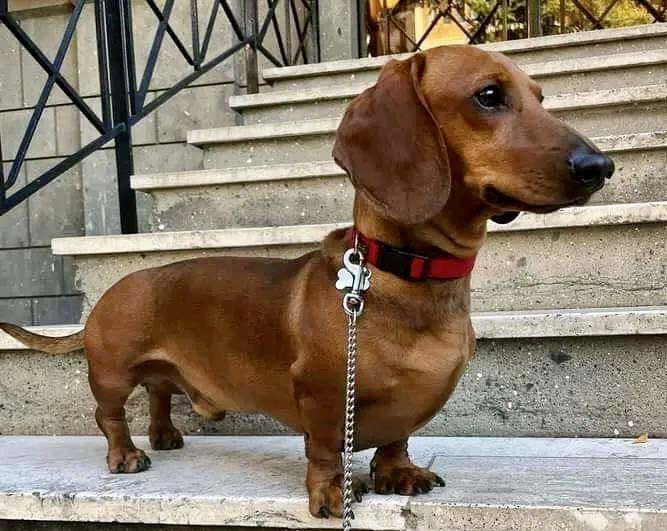
Dachshunds are famous for their long bodies and short, sturdy legs, a body shape that has earned them the nickname “Sausage Dog.” Their distinctive appearance is charming and practical, allowing them to navigate through tight tunnels while hunting. They come in three coat varieties: smooth, long-haired, and wire-haired, each offering a unique texture and appearance.

The standard Dachshund typically stands 20 to 23 cm (8 to 9 inches) tall and weighs between 7 to 14 kg (16 to 32 pounds), while the miniature variety is more minor, standing 13 to 18 cm (5 to 7 inches) and weighing up to 5 kg (11 pounds). Dachshunds come in various colours, including black, chocolate, red, cream, and patterns like dapple and piebald.
Their expressive eyes and long, drooping ears give them a curious yet endearing look, while their muscular build and confident stance highlight their readiness for action. Despite their small size, Dachshunds have a sturdy and athletic appearance that speaks to their hunting lineage.
Temperament and Personality: A Brave and Loyal Companion
Dachshunds are known for their bold and lively personality, often described as having a lion’s heart in a small dog’s body. They are curious, intelligent, and fiercely loyal to their families, which makes them excellent companions. Dachshunds are also known for their playful nature and love of engaging in games and activities, making them a delightful addition to any household.
One of the standout traits of the Dachshund is its bravery and determination. They are not easily intimidated, a characteristic that served them well during their hunting days. This boldness can sometimes translate into a stubborn streak, especially when they have set their minds on something. However, their loyalty and devotion to their family often shine through, making them incredibly affectionate pets.

Dachshunds are also known to be quite vocal, using their bark to alert their owners to anything unusual. Their protective instincts make them excellent watchdogs, although their small size and friendly nature mean they are more likely to warn of danger than to confront it.
Training and Intelligence: Clever but Sometimes Stubborn
Dachshunds are brilliant dogs with a keen sense of awareness and curiosity. They are quick learners and enjoy the mental stimulation that training provides. However, their intelligence is paired with a streak of independence and stubbornness, which can sometimes make training a challenge. They were bred to think on their while hunting, so they may occasionally test their boundaries during training sessions.
The key to training a Dachshund is consistency and positive reinforcement. They respond well to rewards like treats, praise, and playtime, which help motivate them to follow commands. Early training and socialisation are crucial to ensure they grow into well-behaved adults, as their stubborn nature can lead to unwanted behaviours if not addressed early.
Despite their independent streak, Dachshunds are eager to please their owners when they see the benefit. Engaging them in fun training activities and keeping sessions short and engaging will help maintain their focus and enthusiasm.
Exercise and Activity Needs: Keeping Your Dachshund Fit and Happy
Dachshunds may be miniature, but they are energetic dogs that require regular exercise to stay healthy and happy. They need at least 30 to 60 minutes of daily exercise, including walks, playtime, and interactive games that challenge their minds. Their hunting background means they enjoy sniffing, digging, and tracking scents.

Despite their short legs, dachshunds love to be active and happily join in on family activities like walks or playing in the garden. However, avoiding activities involving excessive jumping or high-impact movements is essential, as their long spine can be prone to injury. Instead, focus on low-impact exercises that keep them moving without straining their back.
Regular exercise helps keep Dachshunds physically fit and prevents boredom, which can lead to behavioural issues like chewing or excessive barking.
Health and Lifespan: Caring for Your Dachshund’s Well-being
Dachshunds have a lifespan of 12 to 16 years, making them one of the longer-living dog breeds. However, they are prone to specific health issues, particularly due to their unique body shape. The most common health concern for Dachshunds is intervertebral disc disease (IVDD), a condition that affects their spine and can lead to pain or mobility problems.
Other potential health issues include:
- Hip dysplasia: Abnormal hip joint development leading to arthritis.
- Obesity: Dachshunds can quickly gain weight, exacerbating their spinal issues.
- Dental problems: Regular dental care is essential to prevent tooth decay due to their tiny mouths.
Regular veterinary check-ups, a balanced diet, controlled exercise, and maintaining a healthy weight are crucial for preventing these conditions and ensuring your Dachshund’s long, happy life.
Grooming Requirements: Maintaining That Distinct Coat
Dachshunds come in three different coat types—smooth, long-haired, and wire-haired—each with its own grooming needs. Smooth-coated Dachshunds require minimal grooming, with weekly brushing to keep their coat shiny and healthy. Long-haired Dachshunds need more frequent brushing to prevent tangles and mats, while wire-haired varieties require occasional trimming and more intensive brushing to maintain their unique texture.

All Dachshunds benefit from regular ear cleaning, nail trimming, and dental care to prevent infections and ensure overall health. Bathing should be done as needed, depending on their activity level and coat type, using a dog-specific shampoo to avoid skin irritation.
Dachshunds in Family Life: A Loyal Member of the Pack
Dachshunds make excellent family pets, known for their loyal and affectionate nature. They bond closely with their owners and enjoy being involved in family activities. Their playful and curious disposition makes them great companions for older children who understand how to handle small dogs with care.
While they are loving and devoted, Dachshunds can be a bit wary of strangers at first, which is a trait that highlights their protective instincts. They quickly warm up once they know the newcomer poses no threat, becoming friendly and interactive.
Their small size and adaptability also mean they can fit into different living environments, whether a flat in the city or a house with a garden, as long as they get their daily exercise and mental stimulation.
Dachshunds with Other Pets: A Balancing Act of Social Skills
Dachshunds have a mixed reputation for getting along with other pets. However, they tend to be friendly with other dogs.
**, especially if socialised from a young age, their hunting instincts may sometimes lead them to chase smaller animals like cats or rodents. Early socialisation and training are essential to ensure they understand how to behave around other pets.

Dachshunds thrive best in a household where they are appropriately introduced to other animals, and their interactions are supervised until they learn to get along. With patience and the right approach, Dachshunds can coexist peacefully with other pets and even become affectionate towards them.
Conclusion: A Small Dog with a Big Heart
Dachshunds are a breed like no other—small in stature but big in personality. Their unique combination of courage, loyalty, playfulness, and determination makes them a delightful companion for any dog lover. Whether as a family pet, a watchdog, or a best friend, Dachshunds offer a lifetime of love and devotion wrapped in a compact, charming package.
With the proper care, training, and attention to their needs, Dachshunds will fill your life with joy, laughter, and endless affection. Their endearing quirks and unwavering loyalty ensure that they will always hold a special place in the hearts of those who welcome them into their homes.
FAQ: Dachshund Queries Answered
1. Are Dachshunds good with children?
Dachshunds are generally good with children, especially when properly socialised and trained from a young age. They tend to form strong bonds with family members, including kids, and their playful nature makes them great companions for older children who know how to treat small dogs gently. However, due to their small size and delicate backs, teaching younger children to handle them carefully is essential. Supervision is always recommended when Dachshunds interact with very young kids to prevent accidental injuries from rough play.
2. How much exercise does a Dachshund need?
Dachshunds need about 30 to 60 minutes of exercise each day to stay healthy, fit, and mentally stimulated. Their activity should include a mix of walks, interactive play, and mental challenges to keep their sharp minds engaged. While they love to run and play, avoiding exercises involving jumping from high places or intense agility training to protect their long spines from injury is essential. Regular, moderate exercise helps prevent obesity and reduces the risk of common back problems in this breed.
3. Do Dachshunds bark a lot?
Yes, Dachshunds are naturally vocal dogs. They were bred as hunting dogs with a strong instinct to alert their owners to anything unusual, so they often bark at noises, strangers, or even when excited. While their barking makes them excellent watchdogs, it can become excessive if not properly managed. Training your Dachshund with commands like “quiet” or redirecting their attention to more positive behaviour can help control unnecessary barking.
4. Are Dachshunds easy to train?
Dachshunds are intelligent but can be a bit stubborn, which can sometimes make training a challenge. They have an independent streak, a trait inherited from their hunting background, where they must make quick decisions independently. Positive reinforcement techniques, such as treats, praise, and play, work best to motivate them during training sessions. Consistency and patience are key when training Dachshunds, and starting from a young age can help establish good habits.
5. What health problems are common in Dachshunds?
Dachshunds are prone to a few health issues due to their long bodies and short legs. The most common problem is intervertebral disc disease (IVDD), a condition that affects the spinal discs and can lead to pain, paralysis, or mobility issues. They are also susceptible to obesity, which can exacerbate back problems, as well as conditions like hip dysplasia, dental issues, and patellar luxation (dislocation of the kneecap). Regular vet check-ups, a healthy diet, and proper exercise are crucial to keeping these issues at bay.
6. Are Dachshunds good with other pets?
Dachshunds can be good with other pets if they are properly socialised. They tend to get along with other dogs, especially if introduced gradually and with positive reinforcement. However, their strong prey drive may make them inclined to chase smaller animals like cats, rabbits, or rodents. Supervised introductions and consistent training can help Dachshunds learn to coexist peacefully with other pets, making them a friendly addition to a multi-pet household.

7. How often should you groom a Dachshund?
The grooming needs of a Dachshund depend on its coat type. Smooth-coated Dachshunds require minimal grooming, with weekly brushing to keep their coat shiny. Long-haired Dachshunds need more frequent brushing, about three to four times a week, to prevent tangles and mats. Wire-haired Dachshunds require regular brushing and occasional trimming to maintain their coat’s texture. Regardless of coat type, all Dachshunds benefit from routine ear cleaning, nail trimming, and dental care to support overall health.
8. How long do Dachshunds live?
Dachshunds typically live 12 to 16 years, although with proper care, some can live even longer. Ensuring a balanced diet, regular exercise, and routine veterinary care can significantly enhance their quality of life and longevity. Keeping them at a healthy weight is especially important to reduce the risk of back problems and other health issues.
9. Are Dachshunds prone to separation anxiety?
Yes, Dachshunds can be prone to separation anxiety due to their strong bond with their owners and desire for companionship. They love to be close to their family members and can become anxious or stressed if left alone for long periods. Symptoms of separation anxiety may include excessive barking, destructive behaviour, or house soiling. To prevent this, gradually train your Dachshund to be comfortable alone, provide interactive toys to keep them occupied, and avoid making a big fuss when you leave or return home.

10. Do Dachshunds shed a lot?
Dachshunds do shed, but the amount depends on their coat type. Smooth-coated Dachshunds tend to shed the least, while long-haired Dachshunds and wire-haired Dachshunds may shed more, especially during seasonal changes. Regular grooming and brushing can help control shedding and keep their coats in good condition. Maintaining a healthy diet with Omega-3 fatty acids can promote healthy skin and reduce shedding.
11. Are Dachshunds good apartment dogs?
Dachshunds can be excellent apartment dogs if their exercise needs are met. Their small size and adaptability make them well-suited to indoor living, but they require regular walks and mental stimulation to prevent boredom. They also tend to be vocal, which can be managed with training to avoid disturbing neighbours. Plenty of toys and activities to keep them entertained will help them adjust to apartment life.
12. What is the best diet for a Dachshund?
Dachshunds benefit from a balanced diet that supports their energy levels and overall health. High-quality dog food with a good mix of protein, healthy fats, and complex carbohydrates is ideal. Monitoring their food intake is essential to prevent obesity, as excess weight can strain their spine and joints. Regular mealtimes with controlled portions and minimal treats are recommended to maintain a healthy weight.
13. Can Dachshunds swim?
While some Dachshunds enjoy swimming, their long bodies and short legs make it more challenging than other breeds. They are not natural swimmers, so if you introduce your Dachshund to water, always supervise them closely and use a dog life jacket to ensure their safety. With patience and gentle encouragement, some Dachshunds may learn to enjoy a swim, but it’s best not to force them into it.

14. Are Dachshunds good watchdogs?
Yes, Dachshunds are known to be excellent watchdogs despite their small size. They have a keen sense of hearing and are naturally alert to their surroundings, making them quick to bark at unusual noises or movements. Their protective instincts and courage often lead them to act as guardians of their home, alerting their family to potential threats or strangers.
15. What colours do Dachshunds come in?
Dachshunds come in various colours, including black, red, chocolate, cream, tan, blue, and fawn. They also have several coat patterns, such as dapple, piebald, brindle, and sable. This wide range of colours and patterns adds to their unique appearance and charm, making each Dachshund visually distinctive.