Golden Retrievers: The Ultimate Loyal Companion – Discover What Makes Them So Special!
| Characteristics | Details |
|---|---|
| Height | Golden Retrievers typically stand between 56 to 61 cm (22 to 24 inches) for males and 51 to 56 cm (20 to 22 inches) for females at the shoulder. |
| Weight | Golden Retrievers typically weigh between 30 to 34 kg (65 to 75 lbs) for males and 25 to 30 kg (55 to 65 lbs) for females. |
| Life Span | Golden Retrievers typically have a lifespan of **10 to 12 years**, though with proper care, some may live even longer. |
| Coat Colour | Golden Retrievers have a distinctive coat that ranges in colour from light cream to dark golden, with variations in shades of gold being the most common. |
| Suitable for | Golden Retrievers are suitable for families, service roles, therapy work, active individuals, and homes with children or other pets, due to their friendly, gentle, and adaptable nature. |
| Temperament | Golden Retrievers have a temperament that is friendly, loyal, and eager to please. They are gentle, patient with children, highly social, and get along well with other pets, making them ideal family companions. Their intelligence and calm nature also make them well-suited for service and therapy roles. |
Golden Retriever: The Ultimate Family Companion
Table of Contents
- Introduction: A Golden Treasure
- History and Origins: From the Highlands of Scotland
- Golden Retriever Physical Traits: The Classic Look
- Temperament and Personality: A Heart of Gold
- Training and Intelligence: The Quick Learner
- Exercise and Activity Levels: Energising the Golden
- Health and Lifespan: Caring for Your Retriever
- Golden Retriever Grooming: Maintaining the Coat
- Golden Retrievers with Families: The Ideal Companion
- Golden Retrievers and Other Pets: A Friendly Relationship
- Conclusion: A Timeless Breed
- FAQ: Golden Retriever Queries Answered
Introduction: A Golden Treasure

The Golden Retriever is often regarded as one of the most beloved dog breeds worldwide, and it’s not hard to see why. With their friendly disposition, boundless energy, and striking golden coats, Golden Retrievers have captured the hearts of dog lovers for decades. Whether for their family-friendly nature or versatile role in various professions, such as therapy and service dogs, they continue to earn their place in homes and hearts.
This review will delve into the Golden Retriever’s rich history, physical traits, personality, and more. By the end of this guide, you’ll see why this breed has a well-earned reputation as an all-time favourite, especially for families and individuals seeking a loyal, intelligent, and affectionate companion.
History and Origins: From the Highlands of Scotland
The Golden Retriever’s captivating history dates back to the mid-19th century when it was first bred in the Scottish Highlands. At that time, the nobility in Scotland, including Lord Dudley Marjoribanks (later known as Lord Tweedmouth), were avid sportsmen, mainly focused on hunting game birds like grouse and partridge. However, the rugged terrain of the Highlands presented challenges for hunting dogs. The landscape was filled with marshes, rivers, and dense underbrush, making it difficult for existing breeds to retrieve game from land and water effectively. Lord Tweedmouth sought to develop a dog breed that could efficiently perform these tasks, resulting in the foundation of the Golden Retriever.
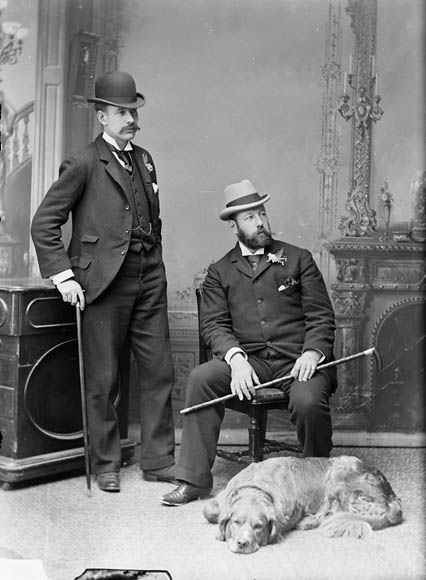
Lord Dudley Marjoribanks, later known as Lord Tweedmouth, is credited with creating the Golden Retriever breed. In 1865, he purchased a yellow retriever named Nous, born from a litter of black Wavy-Coated Retrievers. Lord Tweedmouth sought to breed a dog adept at retrieving game on both land and water. He crossed Nous with Belle, a Tweed Water Spaniel, known for her retrieving skills. This pairing marked the foundation of the Golden Retriever breed. Over the years, Lord Tweedmouth refined the breed, developing the intelligent, friendly, and versatile dog we recognise today as the Golden Retriever.
The official story began in 1868 when Lord Tweedmouth purchased a yellow-coloured retriever named “Nous.” Nous came from a litter of black Wavy-Coated Retrievers, a popular breed in England then. Black was dominant, and yellow or golden pups were considered less desirable. However, Lord Tweedmouth saw potential in Nous and aimed to enhance its retrieving abilities while creating a new type of dog that could endure the Scottish weather and landscape.
To accomplish this, Lord Tweedmouth crossed Nous with a Tweed Water Spaniel named “Belle.” The Tweed Water Spaniel was known for its resilience in water and keen sense of retrieving. This first mating laid the foundation for the Golden Retriever. Subsequent pairings with other breeds, such as the Bloodhound and Irish Setter, developed the breed’s distinct traits — the golden coat, keen nose, intelligence, and retrieving solid instincts.
In his meticulous breeding records, Lord Tweedmouth kept detailed notes on the development of the Golden Retriever, striving to enhance the breed’s versatility in the field. He aimed to create a dog that excelled in retrieving both in water and on land, with a gentle mouth for carrying the game without damage. Lord Tweedmouth developed a resilient, gentle, athletic, calm, intelligent, and highly trainable dog by mixing the best traits from various breeds.
Golden Retrievers were primarily used for hunting and retrieving games during their early years, and their talents didn’t go unnoticed. By the early 20th century, the breed’s abilities spread beyond the hunting grounds. As society modernised, Golden Retrievers began to excel in other areas, such as obedience, agility, and, most importantly, as companion animals. Their friendly, pleasant demeanour made them excellent pets, and they quickly garnered attention for their family-friendly nature.
The Golden Retriever was officially recognised as a breed by The Kennel Club in the UK in 1913 under the name “Retriever — Yellow or Golden.” A few years later, in 1925, the American Kennel Club (AKC) also recognised the breed. By this time, the Golden Retriever had made its way across the Atlantic to North America, where it quickly gained popularity. Its rise in the United States can partly be attributed to prominent figures like Gerald R. Ford and Oprah Winfrey, both of whom owned Golden Retrievers, further cementing the breed’s status as a beloved family pet.
Through the decades, the Golden Retriever has grown into one of the world’s most popular dog breeds, consistently ranking among the top choices for families, therapy dog roles, and service animals. Its origins in Scotland may be humble, but its impact has been profound, touching the lives of countless people across the globe. Lord Tweedmouth’s vision of creating the ultimate hunting companion has flourished into a breed renowned for its intelligence, versatility, and loving and gentle nature.

Today, Golden Retrievers continue to excel in their original purpose of retrieving games and in more modern roles. They are widely used in search and rescue operations, as therapy dogs in hospitals and schools, and even as guide dogs for the visually impaired. Their adaptable nature and deep desire to bond with humans make them a breed that transcends time, remaining as relevant and beloved as they were when they first graced the Scottish moors over a century ago.
Golden Retriever Physical Traits: The Classic Look
Golden Retrievers are renowned for their medium-to-large size and their iconic dense, golden coat, which can range in shades from light cream to dark golden, giving the breed its distinct appearance. Their double coat serves a practical purpose, offering protection from harsh weather while being water-resistant—a nod to their origins as hunting dogs.
Males typically stand between 56 to 61 cm at the shoulder and weigh around 30 to 34 kg, while females are slightly smaller, standing between 51 to 56 cm and weighing 25 to 30 kg. Their muscular, athletic build contributes to their robust appearance, which pairs well with their lively, friendly expression. With dark eyes, a broad head, and a muscular neck, Golden Retrievers embody both elegance and power.
Temperament and Personality: A Heart of Gold
Golden Retrievers are often described as having a personality as golden as their coats. Their temperament is a key reason why they are such a popular breed worldwide, adored by families, service dog handlers, and dog enthusiasts alike. Whether as loyal companions, capable working dogs, or playful pets, their temperament consistently shines through as their most cherished trait. From their cheerful disposition to their unshakeable loyalty, Golden Retrievers genuinely have hearts of gold.

Friendly and Social Nature
Golden Retrievers are famously known for their outgoing and friendly nature. They are social dogs that love to be around people and other animals, often making fast friends wherever they go. Unlike some breeds that can be aloof or wary of strangers, Golden Retrievers thrive on human interaction and are generally open and trusting of new people. Whether a guest is visiting the home or a passerby on a walk, Golden Retrievers will likely greet them with wagging tails and warm enthusiasm.
Their naturally friendly disposition also makes them fantastic therapy and emotional support dogs. Golden Retrievers excel when required to provide comfort and companionship, whether visiting hospital patients or assisting individuals with emotional difficulties. Their gentle, non-judgmental nature makes them easy to bond with, and their eagerness to please ensures they are constantly seeking ways to improve the well-being of those around them.
Affectionate and Loving Companions
Golden Retrievers are affectionately known as “velcro dogs” because they bond closely with their human families. They thrive on love and affection, always seeking to be close to their loved ones, whether it’s by sitting at their feet, following them around the house, or cuddling on the couch. This breed does not do well with isolation and prefers to be in the company of their family members at all times. Their affectionate nature makes them an ideal breed for families, especially those with children, as they are patient and gentle with little ones.
Their innate desire to connect with humans can also be seen in their propensity to perform acts of affection. Whether offering a nuzzle, resting their head on your lap, or giving you a friendly lick, Golden Retrievers always seek ways to express their love. This level of devotion and attachment is one of the reasons why they make such excellent therapy dogs. They can sense human emotions and are quick to comfort those in distress, offering a calming and reassuring presence that is invaluable in challenging situations.

Loyal to the Core
One of the most defining traits of a golden retriever is its unwavering loyalty. Once they bond with their family, they are committed to life. This loyalty extends to their human family members and other pets in the household, creating a strong sense of companionship. Their protective instincts, although gentle, mean that they will be there to watch over children or other vulnerable family members, ensuring everyone feels safe and secure.
Despite their loving nature, Golden Retrievers are alert dogs who will notify their owners if something seems amiss. While not typically aggressive or territorial, they have a keen sense of their surroundings and can make excellent watchdogs, alerting their family to unusual activity. Their friendly nature often outweighs their protective instincts, but their loyalty ensures that they will always be attentive to the needs of their loved ones.
Playful and Energetic
Golden Retrievers are known for their playful spirit, which they maintain well into adulthood. They never seem to lose their zest for life as they grow older. Their boundless energy makes them excellent companions for active individuals or families who enjoy outdoor activities. Whether playing a game of fetch, swimming in a lake, or going on a long hike, Golden Retrievers are always eager to be involved in the fun. Their athleticism and enthusiasm for play make them a joy to watch, and their participation in outdoor activities further strengthens the bond between dog and owner.

Their love for play and gentle mouth make Golden Retrievers particularly adept at games of fetch, a nod to their heritage as retrieving dogs. They will happily chase after a ball or toy for hours, delighting in the opportunity to engage with their owners. This playful nature also makes them fantastic pets for households with children. Golden Retrievers love playtime excitement and are gentle enough to handle the occasional rough and tumble that can come with young children.
Intelligent and Eager to Please
Golden Retrievers rank among the most intelligent dog breeds, evident in their ability to learn quickly and follow commands. This intelligence and their eagerness to please make them incredibly easy to train. From basic obedience to more complex tricks, Golden Retrievers excel in training scenarios because they thrive on positive reinforcement. Their intelligence makes them excellent candidates for various societal roles, such as guide dogs for the visually impaired, therapy dogs, or search and rescue dogs.
Unlike some independent breeds, Golden Retrievers are highly motivated by human approval. They are always looking to make their owners proud, whether it’s by performing a task correctly or simply following house rules. This eagerness to please is a significant asset during training, as Golden Retrievers respond exceptionally well to praise, treats, and attention. As a result, they often stand out in competitive obedience trials and agility courses, showcasing their quick thinking and trainability.
Gentle and Patient with Children
Golden Retrievers are widely recognised as one of the best breeds for families with children, mainly due to their patience and gentle demeanour. They intuitively understand how to behave around children, often showing extra care and restraint when playing with younger family members. Their calm and tolerant nature means they are unlikely to react negatively to the occasional rough play or overexcited behaviour that children might display.

Additionally, Golden Retrievers are protective without being overbearing, making them the perfect balance of a gentle companion and a loyal guardian. Their friendly, trustworthy nature ensures that parents feel comfortable knowing that their Golden Retriever will be their children’s reliable friend and playmate. This patience extends not just to children but to elderly family members and other pets, further proving the breed’s well-rounded temperament.
Sociable with Other Pets
Another testament to their adaptable personality is their ability to get along well with other pets. Golden Retrievers are sociable animals, not just with humans but other dogs and animals. Their friendly, non-aggressive nature ensures they can integrate well into households with other pets, whether cats, dogs, or smaller animals. Early socialisation is critical, but with their naturally friendly disposition, Golden Retrievers often quickly bond with other pets.
Their non-territorial behaviour means that they are less likely to engage in conflicts with other animals. They tend to welcome new additions to the household with open paws, making them particularly suited to multi-pet homes, where harmony between animals is essential.
Golden Retrievers embody the qualities that many people seek in a canine companion. Their warm, affectionate, and loyal nature makes them a joy to be around, while their intelligence and eagerness to please ensure they are constantly learning and growing. Whether as a faithful family pet or a hardworking service dog, Golden Retrievers consistently demonstrate why they are considered one of the best all-around breeds in the world. Their heart of gold shines through in every aspect of their personality, making them not just pets but cherished members of the family.
Training and Intelligence: The Quick Learner
Golden Retrievers are intelligent dogs whose eagerness to please makes training relatively easy. They excel in obedience training and are often used as guide dogs, therapy dogs, and search-and-rescue operations due to their trainability and sharp minds.
Positive reinforcement works wonders with this breed; they respond well to praise, treats, and playtime as rewards. Early socialisation and training are crucial to help Golden Retrievers develop good manners and adjust well to different environments. Their intelligence also means they thrive in advanced training scenarios, such as agility courses and retrieving games, keeping them mentally stimulated and satisfied.
Exercise and Activity Levels: Energising the Golden
Golden Retrievers are an active breed, and they require a considerable amount of daily exercise to stay happy and healthy. On average, they need at least 1 to 2 hours of daily activity. Whether it’s a brisk walk, a jog, or a swim, Golden Retrievers love activities that engage their minds and bodies.
These dogs were bred for stamina and endurance, so they enjoy outdoor adventures and thrive in environments where they can run and explore. Regular exercise keeps them physically fit and helps prevent boredom, which can lead to destructive behaviour in some dogs.
Health and Lifespan: Caring for Your Retriever
Golden Retrievers generally live 10 to 12 years, though with proper care, some live even longer. However, like all breeds, they are prone to specific health issues; prospective owners should be aware of these. Common health concerns in Golden Retrievers include hip dysplasia, elbow dysplasia, cataracts, and certain heart conditions. Regular vet check-ups, a balanced diet, and consistent exercise can help manage these risks.
Cancer is also a prevalent issue in Golden Retrievers, with some studies indicating that they have a higher-than-average risk for certain types of cancer compared to other breeds. Responsible breeders should conduct health screenings to minimise the likelihood of hereditary conditions, and owners should be vigilant in their dog’s healthcare routine.
Golden Retriever Grooming: Maintaining the Coat
Golden Retrievers are known for their luxurious double coats, which require regular grooming to keep them looking their best. Their coat sheds moderately throughout the year, with more significant shedding during seasonal changes. Brushing their coat at least twice weekly will help minimise shedding and prevent mats and tangles from forming.

Bathing is recommended once a month or as needed, especially if they’ve been exploring the outdoors. Cleaning their ears, trimming their nails, and brushing their teeth should also be part of the regular grooming routine to ensure they remain healthy and comfortable.
Golden Retrievers with Families: The Ideal Companion
Golden Retrievers are one of the top choices for families due to their gentle, patient, and affectionate nature. They form strong bonds with all household members, including children, and are known for their protective yet loving behaviour. Their size and energy make them perfect playmates for children, while their calm temperament makes them equally suited to quieter family members.

These dogs are often called “people pleasers” because they thrive on companionship and enjoy being involved in family activities. Whether playing fetch, swimming, or simply curling up at your feet, Golden Retrievers are always eager to be part of the action.
Golden Retrievers and Other Pets: A Friendly Relationship
Golden Retrievers typically get along well with other animals, including cats and dogs. Their friendly and non-aggressive nature allows them to adapt quickly to multi-pet households. With proper introduction and early socialisation, they can soon form positive relationships with other pets in the home.
Their playful and non-territorial behaviour makes them less likely to engage in conflicts with other animals, further enhancing their reputation as ideal pets for families with multiple pets. Golden Retrievers’ sociable nature also extends to other dogs at the park, making them fantastic companions during outings.
Conclusion: A Timeless Breed
Golden Retrievers have consistently proven to be one of the best breeds for families, professionals, and individuals. Their friendly demeanour, intelligence, and versatility make them a well-rounded choice for any dog lover. Whether you’re looking for a loyal family pet, a companion for outdoor adventures, or a trainable service dog, the Golden Retriever checks all the boxes.
Their unwavering devotion to their families, combined with their playful and affectionate nature, has solidified their place in the hearts of dog enthusiasts worldwide. The Golden Retriever is an undeniable choice for those seeking a companion who truly embodies love, loyalty, and joy.
FAQ: Golden Retriever Queries Answered
Golden Retrievers are a beloved breed, but potential owners often have numerous questions about their care, behaviour, and specific needs. This expanded FAQ section will address common queries about the Golden Retriever, covering exercise requirements, training tips, health concerns, and more.
1. How much exercise does a Golden Retriever need?
Golden Retrievers are an energetic and active breed, so they require significant exercise to stay healthy and happy. On average, adult Golden Retrievers need between 1 and 2 hours of exercise per day. This can include a mix of activities such as brisk walks, jogging, swimming, playing fetch, or interactive games that stimulate their natural retrieving instincts.
Puppies and younger Golden Retrievers have bursts of energy, but their exercise should be more controlled to avoid putting too much strain on their growing joints. Short, frequent play sessions are ideal for puppies, gradually increasing the length and intensity as they mature.
In addition to physical exercise, Golden Retrievers also benefit from mental stimulation. Interactive toys, puzzle games, or training sessions that challenge their intelligence are great ways to keep their minds sharp and prevent boredom, which can sometimes lead to undesirable behaviours such as chewing or digging.
2. Are Golden Retrievers good with children?
Yes, Golden Retrievers are famously excellent with children. Their gentle, patient, and friendly nature makes them ideal companions for families with kids of all ages. They are known for their high tolerance and playful spirit, often forming strong bonds with children and becoming loving protectors.
Golden Retrievers are calm and composed, even in potentially chaotic environments that involve excited children. Their innate ability to assess situations means they can tone down their play when interacting with toddlers or younger children, displaying remarkable patience. Additionally, they enjoy the energy and companionship that children bring, often engaging in long play sessions without tiring quickly.
However, it’s always essential to supervise interactions between dogs and very young children. Teaching children how to properly approach and interact with dogs, such as avoiding pulling on their ears or tail, will help foster a respectful relationship between the child and the Golden Retriever.
3. Do Golden Retrievers shed a lot?
Yes, Golden Retrievers are moderate to heavy shedders. They have a double coat that sheds year-round, with more noticeable shedding during the spring and autumn seasons as they transition between their winter and summer coats. The undercoat, which is soft and dense, sheds heavily during these periods, leading to increased fur around the home.
To manage shedding, it’s essential to brush your Golden Retriever’s coat at least twice a week. Daily brushing may be necessary during peak shedding seasons to remove loose hair and prevent mats or tangles from forming. Regular brushing will also help distribute the natural oils in their coat, keeping their fur healthy and shiny.
While you can’t eliminate shedding, you can reduce it by maintaining a consistent grooming routine and vacuuming regularly to keep fur from accumulating on furniture and floors.
4. What are common health problems in Golden Retrievers?
Golden Retrievers are generally healthy dogs, but like all breeds, they are prone to specific health issues. Some of the most common health concerns in Golden Retrievers include:
- Hip and Elbow Dysplasia: These are hereditary conditions where the hip or elbow joints do not form properly, leading to pain, stiffness, and mobility issues over time. Responsible breeders often test their breeding dogs for these conditions to reduce the risk in puppies.
- Heart Conditions: Golden Retrievers risk developing heart issues such as subvalvular aortic stenosis (SAS), a condition that affects the heart’s aortic valve. Regular check-ups with a veterinarian can help monitor heart health.
- Cataracts: Golden Retrievers can develop cataracts, which cause cloudiness in the lens of the eye and may lead to vision problems or blindness if left untreated. Routine eye examinations are recommended, especially as the dog ages.
Hypothyroidism:** This is a condition in which the thyroid gland does not produce enough hormones, leading to symptoms such as weight gain, lethargy, and skin issues. Once diagnosed by a vet, hypothyroidism can be managed with medication.
- Cancer: Unfortunately, Golden Retrievers have a higher incidence of certain types of cancer, such as lymphoma and hemangiosarcoma. Research is ongoing to understand why this breed is particularly susceptible, but regular vet visits and early detection play a crucial role in treatment.
While these conditions may sound concerning, regular veterinary care, a balanced diet, and proper exercise can help ensure that your Golden Retriever leads a long and healthy life.
5. Are Golden Retrievers easy to train?
Yes, Golden Retrievers are considered one of the easiest dog breeds to train due to their intelligence and eagerness to please. They naturally desire to follow commands and enjoy learning new tasks, making them highly receptive to training. This is one of the reasons why Golden Retrievers are often used as guide dogs, therapy dogs, and service dogs.
When training a golden retriever, using positive reinforcement techniques, such as praise, treats, and playtime as rewards, is essential. Harsh methods or punishment can damage the bond between the dog and the owner and may lead to fear or anxiety. Golden Retrievers thrive in environments where they feel safe, loved, and encouraged to succeed.
Consistency is vital in training. Regular, short training sessions that focus on obedience, socialisation, and fun activities will keep your Golden Retriever mentally stimulated and eager to learn. Starting training early, preferably as a puppy, will help develop good habits and prevent behavioural issues from forming.
6. How long do Golden Retrievers live?
The average lifespan of a Golden Retriever is 10 to 12 years, though some may live longer with proper care and a healthy lifestyle. Golden Retrievers tend to stay active and energetic well into their senior years, but as they age, they may become more susceptible to health issues such as arthritis, cancer, or heart problems.
To maximise their lifespan, it’s essential to maintain a balanced diet, exercise regularly, and schedule annual vet check-ups to monitor their health. Early detection of health issues can lead to more effective treatments and improve their quality of life.
Owners can also help extend their Golden Retriever’s lifespan by managing their weight, as obesity is a common issue that can lead to more severe health problems, such as joint pain, diabetes, and heart disease.
7. Are Golden Retrievers good with other pets?
Golden Retrievers are generally very sociable and friendly dogs, which makes them excellent companions not only for humans but also for other pets. Whether they live with other dogs, cats, or even smaller animals, Golden Retrievers tend to be welcoming and gentle.
With proper socialisation, a Golden Retriever can learn to live harmoniously with other pets in the household. Early introductions, especially during puppyhood, help them adapt to different animals’ presence and establish positive interactions.
Their non-aggressive nature makes them less likely to engage in dominance disputes, and they often enjoy the companionship of other animals, especially dogs. Golden Retrievers are also known to play gently with smaller pets, such as cats, though supervision is always recommended during interactions between different species.
8. What is the best diet for a Golden Retriever?
Golden Retrievers benefit from a high-quality, balanced diet that provides them with the nutrients they need to stay healthy and energetic. Their diet should include a good mix of protein, healthy fats, carbohydrates, and essential vitamins and minerals. Many owners choose to feed their Golden Retrievers a combination of dry kibble and wet food, while some opt for raw or home-cooked meals under the guidance of a veterinarian.
Portion control is essential with Golden Retrievers, as they can be prone to overeating, which can lead to obesity. It’s crucial to measure their food portions according to age, weight, and activity level and avoid giving too many treats or table scraps.
Puppies will have different dietary requirements than adult or senior Golden Retrievers. Puppy food is formulated with higher protein and fat content to support their growth and development. At the same time, senior dogs may benefit from lower-calorie diets to manage their slower metabolism and reduce strain on their joints.
9. Do Golden Retrievers bark a lot?
Golden Retrievers are not typically excessive barkers, but they will bark to alert their owners of something unusual or to express excitement. They tend to bark when someone approaches the house or when they want attention, but they are generally not known for being a noisy breed.
Proper training and socialisation can help manage unnecessary barking. Teaching them commands such as “quiet” or “enough” from an early age can prevent excessive vocalisation. Because they are intelligent and eager to please, Golden Retrievers usually respond well to these training techniques.
10. Can Golden Retrievers live in apartments?
Golden Retrievers can live in apartments, but they are an active breed and will need regular exercise to stay happy and healthy in smaller living spaces. As long as their exercise needs are met through frequent walks, trips to the park, or outdoor play sessions, they can adapt to apartment living. However, it’s important to ensure they have enough mental stimulation and activity to prevent boredom, as Golden Retrievers can become restless or destructive if they don’t get enough physical and mental exercise.
Their friendly and sociable nature makes them good apartment dogs in terms of behaviour. Still, potential owners should ensure access to nearby parks or walking trails to fulfil their exercise requirements.