Meet the Canadian Eskimo Dog: Loyal Companion of the Frozen North
Canadian Eskimo Dog: Everything You Need to Know
The Canadian Eskimo Dog, also known as the Qimmiq, is an ancient breed that has lived alongside Indigenous peoples in the Arctic for thousands of years. Robust, brave, and incredibly loyal, these dogs have historically been essential partners for survival in the harshest climates.
In this guide, we’ll explore everything from their fascinating history to how they fit into modern homes, giving prospective owners and dog lovers alike the information they need.
History and Origin
Canadian Eskimo Dogs are among the oldest purebred dogs in North America. Originally bred by Inuit communities, these dogs have been pulling sleds, hunting seals, and providing companionship for more than 4,000 years.
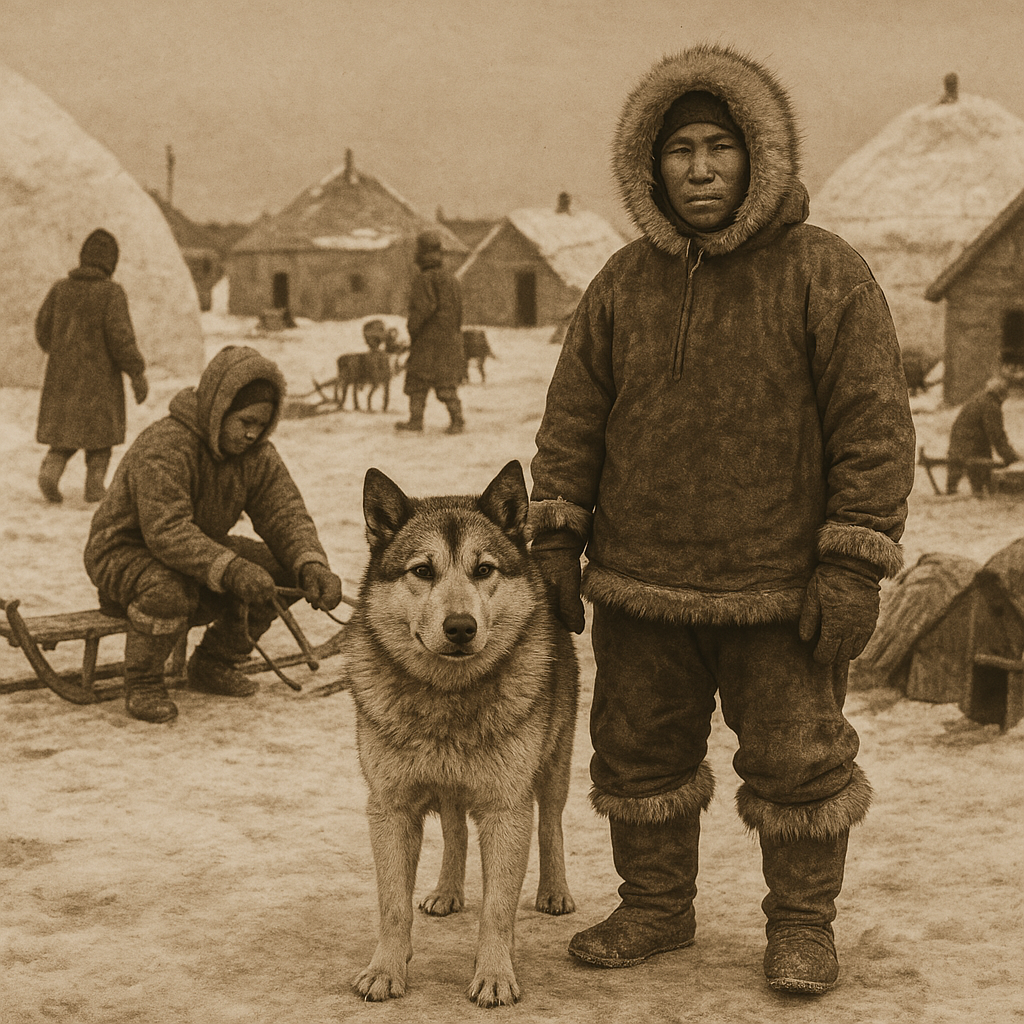
They were critical for survival, enabling people to hunt and travel across icy terrain. However, during the 20th century, their population drastically declined due to modern technology replacing sled dogs, along with disease and cross-breeding.
Thankfully, conservation efforts in recent decades have begun to bring this magnificent breed back from the brink of extinction.
Appearance and Physical Traits
The Canadian Eskimo Dog is a powerful, medium-to-large dog. Males usually weigh between 30 and 40 kilograms (66–88 pounds), while females weigh slightly less at 18–30 kilograms (40–66 pounds).
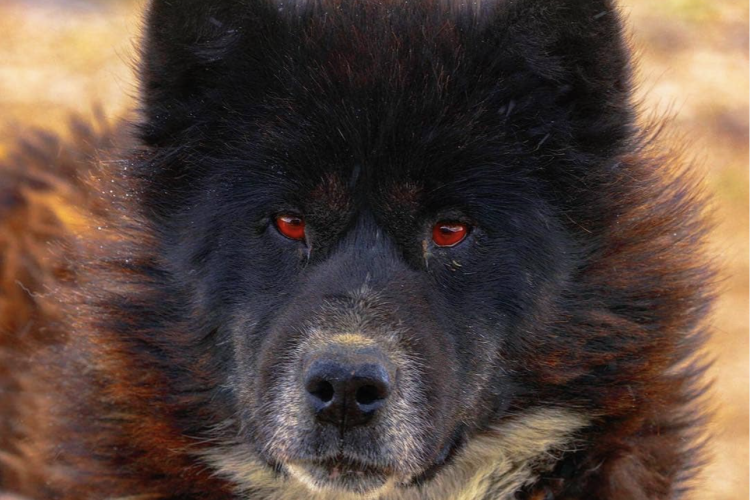
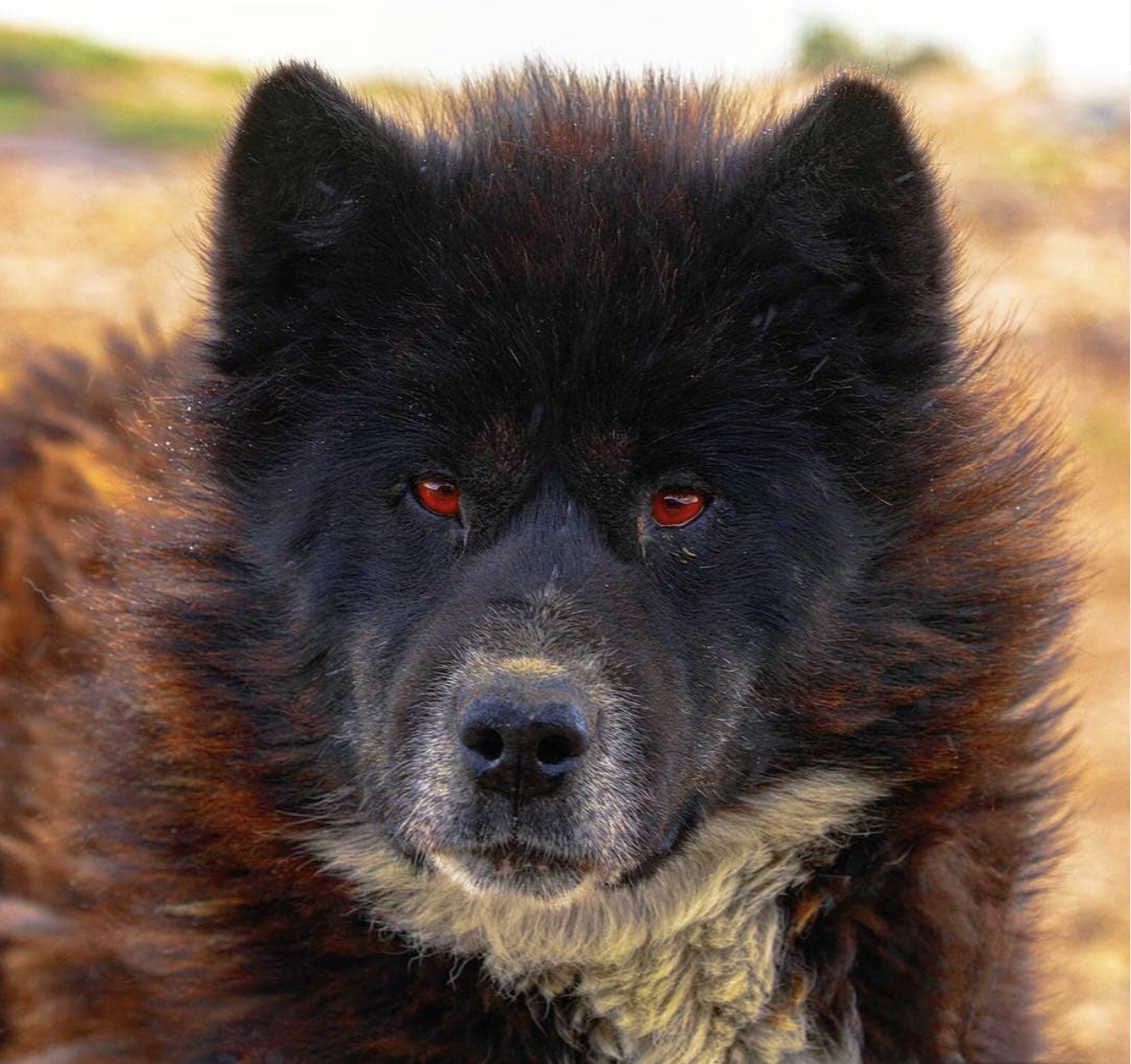
Their thick double coat provides excellent insulation against extreme cold, with colours ranging from pure white, black-and-white, grey, brown, or red. They often have unique markings and striking eyes, typically brown or amber, giving them an alert and intense expression.

With erect, triangular ears, a bushy tail curled over their back, and a muscular build, these dogs radiate strength and endurance.
Temperament and Personality
Canadian Eskimo Dogs are intelligent, brave, and fiercely loyal to their family. Because of their working history, they are highly energetic and need plenty of daily exercise.
These dogs are naturally pack-oriented, forming deep bonds with their family members, but they may be reserved or cautious around strangers. They are alert and protective, making them effective watchdogs.
However, their strong-willed and independent nature means they may sometimes test boundaries. Consistent and firm, yet gentle, leadership from their owners helps them become obedient and trustworthy pets.
Living with a Canadian Eskimo Dog
Canadian Eskimo Dogs are happiest in active households with plenty of space. A home with a securely fenced yard or access to open spaces is ideal. They are not suited to apartment living due to their size and high exercise requirements.
They thrive in colder climates, and while they can adapt to warmer environments, owners must ensure ample shade and fresh water are available, especially in hot weather.
As pack animals, they prefer being around people and other dogs, and can suffer from loneliness if left alone frequently.
Exercise and Activity Requirements
Regular, vigorous exercise is essential for Canadian Eskimo Dogs. They were bred to run long distances and have impressive stamina. Daily exercise routines should include activities like:
- Long walks or jogs
- Hiking trips
- Sled-pulling or carting (where practical)
- Interactive play and games
If these dogs do not get enough exercise, they can become bored and destructive. Mental stimulation is also vital, so providing training, puzzles, or challenging games helps keep them content.
Grooming and Care
Thanks to their thick, insulating coat, Canadian Eskimo Dogs require regular grooming. They shed heavily twice a year, and during these periods, daily brushing is necessary to manage the fur.
Outside of shedding seasons, weekly brushing usually suffices to keep their coat healthy and free from mats. Occasional baths will help keep them clean, but avoid bathing too frequently to protect their coat’s natural oils.
Regularly check their ears, nails, and teeth to maintain overall health.
Training and Socialisation
Training a Canadian Eskimo Dog requires patience and consistency. These dogs are intelligent but independent, which can make them challenging for inexperienced dog owners.
Early training and socialisation are crucial. Expose your puppy to different environments, people, and animals from a young age. Positive reinforcement works best, as harsh training methods can make them stubborn or distrustful.
Obedience training should focus on clear, firm commands and rewarding good behaviour. With proper training, Canadian Eskimo Dogs can excel at obedience, agility, and other dog sports.
Health and Lifespan
Canadian Eskimo Dogs are generally hardy and healthy, thanks to generations of natural selection. The typical lifespan for this breed is around 10–15 years, which is good for a medium-to-large dog.
However, like many breeds, they can be prone to some genetic conditions, including:
- Hip Dysplasia: A common condition in larger dogs affecting hip joints.
- Eye Disorders: Regular check-ups can catch conditions like cataracts or progressive retinal atrophy early.
- Bloat: A dangerous condition where the stomach twists; avoid feeding immediately before or after vigorous exercise.
Regular veterinary check-ups, a balanced diet, and proper exercise will help your Canadian Eskimo Dog live a long, happy life.
Feeding and Nutrition
Feed your Canadian Eskimo Dog a high-quality diet suited to their age, size, and activity level. These dogs expend a lot of energy and thus need a nutrient-rich, protein-focused diet.
Adult dogs generally eat two meals a day, while puppies require more frequent feeding. Always provide fresh water, and be cautious of overfeeding to avoid obesity. Adjust portions as needed based on your dog’s activity and metabolism.
Pros and Cons of Owning a Canadian Eskimo Dog
Before deciding if this breed is right for you, consider the pros and cons:
Pros:
- Extremely loyal and devoted
- Excellent watchdog and protector
- Intelligent and trainable
- Great for active, outdoorsy owners
- Generally healthy and hardy
Cons:
- Requires extensive daily exercise
- Can be stubborn or challenging to train
- Heavy seasonal shedding
- Needs plenty of space, not suitable for apartment life
- May be reserved with strangers, requiring good socialisation
Conclusion
The Canadian Eskimo Dog is a remarkable breed, steeped in history and ideally suited for active, experienced dog owners who appreciate a loyal and energetic companion. With consistent training, ample exercise, and love, these resilient dogs can be incredible lifelong companions, sharing adventures and becoming treasured family members.
If you are prepared for the responsibilities of this powerful breed, you’ll gain a loving partner who embodies strength, endurance, and devotion—an incredible tribute to their historical role as indispensable partners of Arctic communities.