The Cairn Terrier – Comprehensive Breed Guide & Care Tips
Introduction: The Cairn Terrier is a small yet spirited dog breed from Scotland with a big personality and a heart of gold. Famous for portraying Toto in The Wizard of Oz, the Cairn Terrier has charmed families for decades. Bred as a working terrier to hunt pests among rocky cairns (stone piles), this hardy little dog is friendly, curious, and always up for an adventure. In this comprehensive guide, we’ll explore everything from the Cairn Terrier’s history and traits to care needs and whether this breed is the right fit for you.

History and Origin of the Cairn Terrier
The Cairn Terrier hails from the Scottish Highlands and the Isle of Skye, where it was developed centuries ago as one of Scotland’s original working terriers. These dogs earned their keep by fearlessly flushing out foxes, rats, and other vermin from piles of stones called “cairns” on farms. In fact, the breed’s name comes from this job of bolting prey from cairns. Early Cairn Terriers were valued for their courage, tenacity, and intelligence rather than looks, and they needed to be tough and clever to work the rugged terrain.
By the late 19th and early 20th century, Scottish terriers began to be classified into distinct breeds. The Cairn Terrier was initially shown under names like “Short-haired Skye Terrier” or “Prick-eared Skye” around 1909, but fanciers of the Skye Terrier objected. As a result, the breed was officially renamed the Cairn Terrier, gaining recognition with The Kennel Club (UK) in 1912. Around this time, related breeds like the West Highland White Terrier and the Scottish Terrier were also being established from similar stock. The Cairn Terrier is considered the breed that stayed closest to those original working terrier roots, retaining the hardy build and bold spirit of its ancestors.
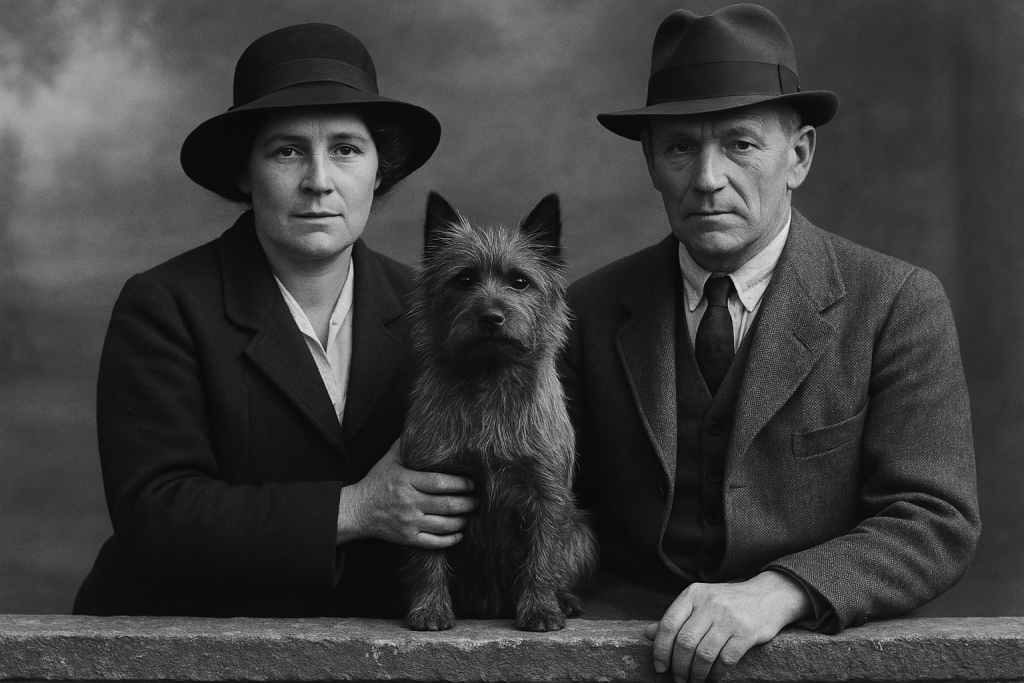
A fun historical tidbit: a Cairn Terrier named Terry (stage name “Toto”) stole hearts in the 1939 film The Wizard of Oz, showcasing the breed’s lovable and brave nature on the big screen. This Hollywood appearance introduced countless people to the Cairn Terrier and solidified its reputation as a spirited, loyal little dog.
Cairn Terrier Appearance and Breed Standards
The Cairn Terrier may be small in stature, but it gives the impression of a big dog in a small package. Adult Cairns stand roughly 9–10 inches (23–25 cm) tall at the shoulder and typically weigh about 13–14 pounds (6–7 kg). Don’t let that small size fool you – this breed is sturdy and well-muscled, built to scramble over rocks and dig with vigor. In fact, many Cairns have large feet with thick pads and strong nails, ideal for digging, and a solid neck and shoulders for pulling out prey.
Breed characteristics: A Cairn Terrier has a shaggy, weather-resistant double coat. The outer coat is wiry and coarse to the touch, while underneath lies a soft, dense undercoat that insulates against harsh weather. This protective coat gives Cairns a slightly tousled, natural look. They have a broad head with a foxy expression, dark, intelligent eyes, and small pointed ears that stand erect. The tail is short to medium in length, carried high in a jaunty manner but not curled over the back.

Colors: Cairn Terriers come in a variety of coat colors and patterns. You’ll commonly see shades of cream, wheaten (pale tan), red, gray, silver, or brindled combinations of these. Brindling (dark streaks or flecks in the coat) is especially common and interestingly, a brindle Cairn’s coat may change color over time – many brindle pups darken as they mature. Solid black or very dark gray Cairns occur as well, though pure white Cairn Terriers are not seen; white-coated puppies from Cairn lines were historically separated into the West Highland White Terrier breed. Overall, all colors are considered attractive in the breed, and a Cairn’s exact hue often changes slightly with age, making each dog’s coat unique.
In terms of appearance, the ideal Cairn Terrier should look alert and ready for action. They have a mischievous spark in their eyes and an energetic posture (head and tail up) that reflects their confident personality. Because of their minimal size but maximum attitude, many owners joke that the Cairn is a big dog trapped in a small dog’s body – they are portable and lap-sized, yet never fragile or meek. This sturdy build and “game” expression are part of the breed’s charm, making the Cairn Terrier equally endearing as a family companion and a hardy little working dog.
Temperament and Personality Traits
Spunky, curious, and bold – the Cairn Terrier’s personality is as big as the hills of its homeland. These dogs are known for being independent-minded yet friendly, with an abundance of courage and affection. A Cairn is often described as happy and busy, always finding something to investigate or some mischief to manage. Don’t be surprised to find your Cairn Terrier sniffing around every nook and cranny of the yard; their instinct to explore and hunt is deeply ingrained. In fact, Cairns love having a place to dig and roam, which harkens back to their days rooting out vermin in the countryside.
Despite their independent streak, Cairn Terriers are very people-oriented dogs. They tend to be confident and outgoing with strangers and enjoy being part of the family pack. Most Cairns are friendly with everyone they meet, greeting both friends and newcomers with a wagging tail (they aren’t aloof or suspicious by nature). They also have a playful, even clownish side – expect your Cairn to entertain you with silly antics, zoomies around the living room, or pouncing on toys with gusto. Their joie de vivre often continues well into their senior years; Cairn Terriers are long-lived and tend to remain active and playful into their teens.
However, like many terriers, Cairns have a strong will and a mind of their own. They are smart (sometimes too smart) and can be a bit stubborn about doing things on their own terms. For example, a Cairn puppy might cuddle in your lap for a few minutes, but soon they’ll wriggle free to go explore something more interesting. This independent nature means they won’t be clinging to you 24/7 – they love you, but they also love adventure! It’s important that a Cairn Terrier learns early on that you are in charge; otherwise, these clever little dogs will cheerfully run the household themselves if given the chance. Fortunately, their loyalty and love for attention help balance their independence. A well-raised Cairn will be affectionate and loyal, often following family members from room to room out of curiosity and the desire to be where the action is.
Alert and vocal: As a bonus (or a challenge), Cairn Terriers make excellent little watchdogs. They are very alert and will bark to announce visitors, strange noises, or anything they think you should know about. Some Cairns can be barky, especially if bored or not trained to curb excessive noise. On the bright side, this means they’ll alert you to any trouble; the downside is you may need to train the “Quiet” command to prevent nuisance barking. Their bark is surprisingly loud for their size – remember, they were bred to work by sounding the alarm to flush out prey.
Sensitive and loving: Cairn Terriers form strong bonds with their human families. They thrive on attention and can exhibit a lot of tenderness and affection. Many enjoy snuggling or curling up beside you on the couch – especially after they’ve had their fill of exercise for the day. It’s often said that Cairns have an “inborn affinity for children,” indicating they generally adore kids and have the patience to be good family dogs (more on that in a later section). They are also quite adaptable to different living situations, whether it’s a city apartment or a country farm, as long as they get enough interaction and activity.
One thing a Cairn Terrier does not enjoy is being left alone with nothing to do. These dogs are social butterflies and do best when they are part of the daily family action. A Cairn left home alone for long hours regularly can become unhappy and may resort to undesirable behaviors (like digging up the rug or barking at the window) to entertain themselves. If you work full-time, you’ll want to ensure your Cairn gets a midday walk or some company, or provide lots of toys and enrichment to keep them occupied. In summary, the Cairn Terrier’s temperament is a delightful mix of feistiness, friendliness, and fun. With proper guidance and plenty of love, this little terrier will fill your life with laughter and loyal companionship.
Grooming Needs and Maintenance Tips
One of the appealing features of the Cairn Terrier is that they are relatively low-maintenance in terms of grooming. Their shaggy, weatherproof coat doesn’t require extensive fussing, but it does benefit from regular care to keep your Cairn looking and feeling their best. Here’s an overview of Cairn Terrier grooming needs and some helpful maintenance tips:
- Brushing: Plan to brush your Cairn Terrier’s coat about once a week to remove loose hair and prevent tangles. Use a good quality pin brush or slicker brush that can get through their wiry topcoat to the undercoat. Regular brushing keeps the coat healthy and distributes natural oils. The good news is Cairn Terriers don’t shed much – you’ll notice only minimal shedding compared to many other breeds. In fact, because they shed so little, Cairns are often considered a hypoallergenic breed, which can be better for people with mild dog allergies. (No dog is 100% allergen-free, but low-dander, low-shed breeds like the Cairn tend to cause fewer reactions.
- Bathing: Thanks to their dirt-resistant coat, Cairn Terriers don’t need frequent baths. In most cases, a bath every few months (or only when the dog gets truly dirty) is sufficient. Over-bathing can strip the coat of its natural oils, so it’s best to bathe sparingly. When you do bathe your Cairn, use a gentle dog shampoo formulated for hard or wiry coats to help maintain the coat’s texture. Always dry them thoroughly, and remember to clean and dry their ears after baths to prevent moisture buildup (which can cause infections).
- Hand-Stripping (Coat Maintenance): Many Cairn Terrier owners and groomers opt to hand-strip the coat a couple of times a year. Hand-stripping is a grooming technique where the dead hairs are plucked out by hand or with a stripping tool, rather than cutting the hair. This sounds odd, but it maintains the coat’s wiry texture and color better than clipping does. The Cairn Terrier Club of America (CTCA) recommends occasional hand-stripping sessions to remove dead fur from the undercoat and keep the coat tidy. It’s not as painful as it might seem – only loose, dead hairs are removed. If you aren’t up for hand-stripping yourself, you can have a groomer familiar with terriers do this. Clipping the coat (with scissors or clippers) is also an option for pet Cairns and will give a neat look, though the coat may become softer and lighter in color over time if only clipped. In any case, regular brushing is the most important routine for coat care.
- Trimming: Even with a rough-and-ready coat, a Cairn Terrier benefits from a little trimming in certain areas. The fur around the eyes should be kept trimmed so it doesn’t irritate their eyes or block vision. You can carefully trim bangs or long hairs on the face – this helps your Cairn see better and gives them that perky, alert expression. Also, check their paw pads for excess hair; trimming the hair between the pads can give them better traction and cleaner feet. Additionally, like all dogs, nails should be trimmed regularly (about once a month or as needed) to keep their feet healthy and prevent overgrowth. If you can hear nails clicking on the floor, it’s time for a trim. Many owners also brush their Cairn’s teeth with dog toothpaste a few times a week to promote good dental health (small breeds can be prone to dental tartar).
- Ears: Cairn Terriers have small upright ears that don’t tend to get as dirty as floppy ears might, but you should still check them weekly. Gently clean the ears with a vet-approved ear cleaner or a damp cotton ball (never stick swabs down into the ear canal). Keeping the ears clean and dry will help prevent ear infections – a quick wipe after baths or after the dog plays in water is a good habit.
Tip: Start grooming your Cairn Terrier from a young age so they get used to being handled. Spend a few minutes each week gently brushing them, touching their paws, and checking ears and teeth. With treats and praise, grooming time can become a pleasant bonding routine. A well-acclimated Cairn will actually enjoy the attention during grooming sessions rather than putting up a fight.
Overall, grooming a Cairn Terrier is not very demanding. A weekly brush-out, occasional bath, and a bit of trimming here and there will keep your Cairn looking like the classic scruffy yet adorable terrier that they are. Plus, the low-shedding coat means you won’t be constantly sweeping up hair – a nice bonus for housekeepers! By keeping up with basic grooming, you’ll ensure your Cairn Terrier stays comfortable, healthy, and looking spiffy.
Exercise Requirements and Activity Levels
The Cairn Terrier may be small, but this breed is bursting with energy and enthusiasm. These dogs have moderate to high exercise needs for their size and absolutely thrive on activity. In other words, a Cairn Terrier is not a couch potato – expect to give them daily exercise and plenty of playtime to keep them happy and well-behaved.
At a minimum, your Cairn Terrier will need a good walk every day. A brisk 20-30 minute walk (on-leash) is ideal to burn off energy and satisfy their curiosity about the neighborhood. From the Cairn’s point of view, the longer the walk, the better! These little guys are surprisingly sturdy and can go for longer distances than you might expect. They make great hiking or strolling companions, trotting alongside you with that jaunty terrier gait. Always use a leash or keep them in a safely fenced area, as their urge to chase anything that moves is legendary (more on that below).
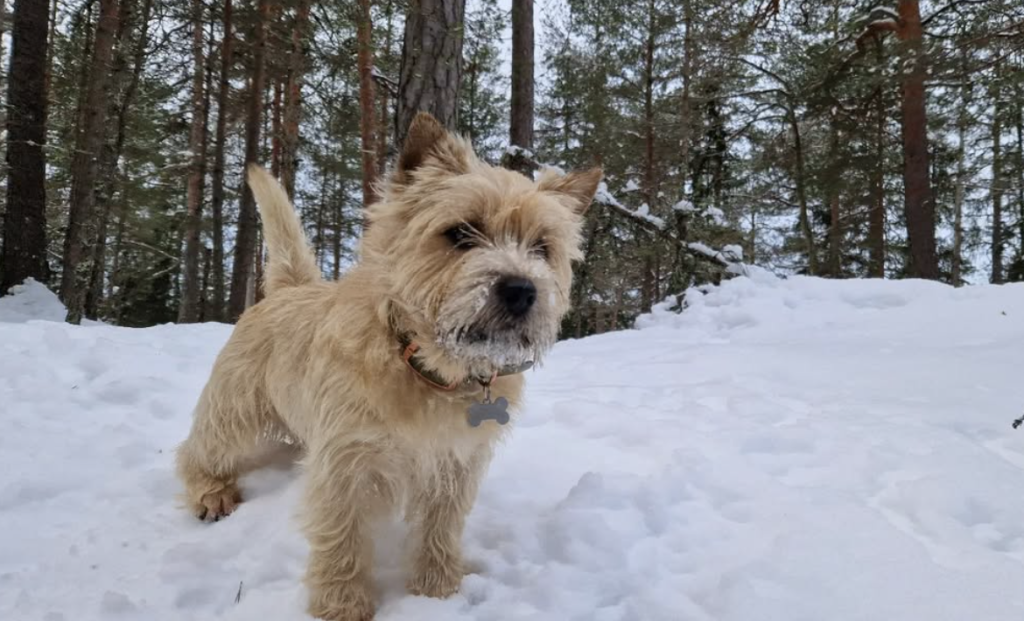
In addition to walks, play sessions are a must. Cairn Terriers love to play fetch, chase balls, and tug toys. Throwing a ball in the backyard or in a hallway can work off a lot of their energy. In fact, their natural ball-playing talent is something you can take advantage of – many Cairns will happily chase a toy and bring it back, giving you an easy way to exercise them at home. Interactive games like fetch or even hide-and-seek (hiding treats or toys for them to find) engage both their body and mind.
Because Cairns are quite intelligent, they also need mental stimulation to prevent boredom. Puzzle toys, treat-dispensing toys, or learning new tricks can keep their busy brains occupied. A bored Cairn Terrier can become destructive or noisy – for example, digging up flowerbeds or barking for entertainment. Providing plenty of acceptable outlets for their energy will curb those unwanted behaviors. Many Cairn owners designate a sandbox or a certain part of the yard where the dog is allowed to dig, which can be a great way to let them satisfy that instinct without wrecking your garden.
Off-leash play: If you have a fenced yard, your Cairn will love dashing around off-leash. Just be sure the fence is secure and cannot be dug under, as these terriers might try to tunnel out if they smell a critter on the other side. Supervision is important; leaving a Cairn Terrier alone in the yard for long periods is not recommended, as they could get into trouble or attempt an escape in pursuit of a squirrel. Also, never tie out a Cairn Terrier in an unfenced area and leave them – their boldness could attract confrontation with a larger dog, and they’d have no way to get free.
Outdoor adventures: Cairn Terriers are quite adaptable and will eagerly join you in various activities. They often enjoy hiking, and their small size means you can even pick them up if needed on tough trails. Some Cairns also take to activities like agility courses, earthdog trials (simulated burrow hunting), or even dog sports like flyball or rally. Their agility and energy make them suited for canine sports, which can be a fantastic way to burn energy and build your bond. For instance, Cairns have been known to excel in agility competitions, using their quick wits and speed to navigate obstacle courses. They also have a surprisingly strong swimming instinct – a few even enjoy dock diving or splashing in shallow water, though not all Cairns are water lovers.
In summary, plan on giving your Cairn Terrier at least 30 minutes to an hour of exercise each day. This can be broken into multiple sessions (a walk plus playtime, for example). On days when the weather is bad or you can’t go out, make sure to compensate with indoor games and training to tire them out. A well-exercised Cairn is a well-behaved Cairn; if they receive ample physical and mental activity, they are much less likely to develop behavior problems.
Tip: Take advantage of the Cairn Terrier’s playful nature by teaching them fun games. Many Cairns love to learn tricks – teaching your dog to roll over, play dead, or perform a funny dance not only impresses your friends, it also provides great mental stimulation. Short training games can tire a dog out almost as much as a long walk, so they’re perfect for days when indoor activity is necessary.
Training Advice and Intelligence
Training a Cairn Terrier is an interesting mix of ease and challenge: these dogs are highly intelligent and learn quickly, but they also have a stubborn streak and an independent mind. With the right approach, your Cairn can master a wide repertoire of commands and tricks – just be prepared to be patient, consistent, and a little bit creative in your training methods.
Bright but independent: Cairn Terriers are very smart little dogs, scoring high in intelligence among terrier breeds. They pick up new commands at a good pace, especially when there’s motivation (like treats or a favorite toy). In fact, there is very little a Cairn Terrier cannot learn if their owner takes the time to teach them. That said, they are not slavishly obedient by nature – unlike some breeds that live to please, the Cairn has a mind of his own. They were bred to work independently, making decisions while hunting without always waiting for human direction. This means that while they can learn obedience, they may also ask, “What’s in it for me?” or decide a squirrel is more interesting than your cue to “come.”
Training approach: The key to training a Cairn Terrier is to use positive reinforcement and keep training fun. Harsh punishments or forceful methods do not work well for this breed – they are quite sensitive and will either shut down or simply ignore overly harsh correction. Instead, reward good behavior with praise, treats, or play, and use a firm but friendly approach to correction. Consistency is crucial; Cairns will test boundaries, so everyone in the family should enforce the same rules. For example, if you don’t want your Cairn on the couch, never allow “just this once,” or you’ll send mixed signals. Firm, loving, and consistent discipline from day one will show your Cairn that you are in charge (in a benevolent way) and prevent them from thinking they run the show.
Start early: Begin training and socialization as early as possible – basic obedience training can start around 8 weeks old for a Cairn puppy. These young terriers are like sponges, ready to absorb new experiences. Enroll in a puppy kindergarten or obedience class to help your Cairn learn foundational commands (sit, stay, come, down) and to socialize with other dogs and people. Early socialization will ensure your Cairn grows up to be a confident, well-mannered adult. Expose them in a positive way to different environments, sounds, and situations. This can help curb any tendencies toward excessive barking or timidity.
House training: Housebreaking a Cairn Terrier is usually manageable if you stay consistent. Crate training is highly recommended for this breed. Cairn Terriers actually do well with crates because it taps into their denning instinct – a crate can become a safe, cozy spot for them. Use the crate when you can’t supervise your puppy, and establish a routine for outdoor potty breaks. Cairns are fairly quick learners, but be patient and reward them for going outside. Never harshly scold for accidents; a firm “no” and taking them out to the right spot is enough.
Teaching recall and leash training: One of the more challenging commands for a Cairn Terrier is “come” when called – especially if they’ve spotted a critter. Because of their strong prey drive, it is nearly impossible to train a Cairn Terrier to resist the urge to chase squirrels, rabbits, and other fleeing animals. This means you should always keep them on a leash or in a fenced area when outside. You can certainly practice recall in safe, enclosed spaces to improve their responsiveness, but even a well-trained Cairn might ignore you if a rabbit darts by. For leash training, use positive methods to teach your Cairn not to pull. Terriers can be determined pullers if they catch a scent. A front-clip harness can help discourage pulling without causing pain. Regular leash walks with enforced rules (no pulling, no lunging) will channel their energy and make walks more pleasant.
Addressing barking: As mentioned, Cairn Terriers can be vocal. It’s wise to train a “quiet” command early on. When your Cairn is barking, calmly acknowledge (“Thank you, I see it”) and then redirect their attention, or use a command like “quiet” and reward the moment they stop barking. Never yell at a barking dog – they often think you’re just barking along with them! Instead, reward silence. Providing enough exercise and mental stimulation will also naturally reduce excessive barking due to boredom.
Obedience and tricks: Thankfully, Cairns love a challenge and often enjoy training sessions that feel like a game. Keep sessions short and engaging, as these dogs can get bored with too much repetition. Mix up training drills with play breaks. Many Cairn Terriers excel in agility, rally obedience, or earthdog trials, which take advantage of their agility and hunting instincts. These activities double as training and exercise. A Cairn also might love learning fun tricks – their quick wits and eagerness (when treats are involved) can make them great little performers. It not only impresses guests but also keeps their mind busy.
Social manners: If raised and socialized properly, Cairns are generally polite with people. Continue to reinforce polite behavior like not jumping up on people (teach “off” or ask for a sit when greeting), and discourage nipping during play (puppies may nip in play; a yelp and stopping play teaches bite inhibition). Given their confidence, some Cairns might try to dominate other dogs or be bossy, but early socialization and training can moderate this. If you have multiple dogs, supervise their interactions at first and train good sharing habits with toys and food.
Tip: Make training fun by turning it into a game. For example, you can hide treats around a room and use the command “find it” – your Cairn will have a blast using his nose and brain to search, and it reinforces listening to you. Keeping training positive and varied will harness the Cairn Terrier’s intelligence in wonderful ways, resulting in a well-behaved dog that still has its charismatic spark.
Common Health Issues and Lifespan
The Cairn Terrier is generally a hardy and healthy breed. In fact, these dogs often live a long life – typically around 12 to 15 years, and many even reach their late teens with proper care. Thanks to their working-dog heritage, Cairns aren’t overbred for extreme physical traits, which contributes to their robust health. However, like all breeds, they can be prone to certain hereditary or common conditions. Prospective owners and current Cairn parents should be aware of the following common health issues seen in the breed:
- Eye Problems: Cairn Terriers can develop eye issues such as cataracts (clouding of the eye lens) and Progressive Retinal Atrophy (PRA). Cataracts are often age-related and can be corrected with surgery if they significantly impair vision. PRA is a genetic condition that causes a gradual loss of vision leading to blindness, and unfortunately, there is no cure for PRA. Responsible breeders usually screen for eye problems to avoid passing on these conditions. Some Cairns may also inherit a condition called ocular melanosis, a serious eye disorder seen in the breed. It’s important to have your Cairn’s eyes checked regularly by a vet or veterinary ophthalmologist, especially if you notice any vision changes or cloudiness.
- Orthopedic Issues: Patellar luxation (slipping kneecaps) is a relatively common issue in small dogs, including Cairn Terriers. A dog with patellar luxation may occasionally “skip” or hold up a hind leg if the kneecap slips out of place. Mild cases can be managed, but severe cases might require surgery. Less commonly, Cairns could experience hip or elbow dysplasia, developmental conditions affecting the joints. While dysplasia is more prevalent in larger breeds, it can occur in smaller dogs too. Keeping your Cairn at a healthy weight and providing joint supplements (if recommended by your vet) can help reduce strain on their joints.
- Hormonal/Endocrine Disorders: Cairn Terriers have a predisposition to certain hormonal imbalances. One is Hypothyroidism, where the thyroid gland under-produces hormones, leading to symptoms like lethargy, weight gain, hair loss, and skin problems. Hypothyroidism is usually managed with daily medication. Another condition is Cushing’s Disease (hyperadrenocorticism), where the adrenal glands produce too much cortisol. Signs can include excessive drinking and urination, hair loss, and a pot-bellied appearance. Cushing’s typically affects middle-aged or senior dogs and can be managed with medication or other therapies. Regular blood work for senior dogs can catch these issues early.
- Liver Shunts: Cairn Terrier puppies are occasionally born with a portosystemic shunt, or “liver shunt,” a congenital defect where blood bypasses the liver instead of detoxifying through it. A puppy with a liver shunt may fail to thrive, show neurological signs (like seizures or disorientation), or have digestive issues. Treatment can involve special diets or surgery. Good breeders perform screenings or vet checks on puppies to catch this. While not extremely common, liver shunts are a known issue in the breed to be aware of.
- Allergies and Skin Conditions: Cairn Terriers can be prone to allergies, which might manifest as skin itchiness, rash, or ear infections. Allergies can be environmental (like pollen, grass, dust mites) or food-related. If your Cairn is licking their paws a lot, scratching, or getting recurrent ear/skin infections, consult your vet about the possibility of allergies. They may recommend dietary changes or medications to manage the condition. The breed’s harsh coat usually protects the skin well, but you should watch for excessive dryness or irritation. Regular grooming (brushing and not over-bathing) helps keep their skin healthy by distributing oils.
In addition to the above, all dogs should have routine veterinary care: regular check-ups, dental care, and vaccinations as recommended. Dental health is important for Cairns – like many small breeds, they can develop tartar and dental disease if their teeth aren’t cared for. Periodic teeth cleanings and at-home brushing help prevent this.
On the whole, the Cairn Terrier’s lifespan of 13–15 years means you can enjoy many years with your furry friend. To give them the best chance at a long, healthy life, keep your Cairn in good shape (proper diet and exercise to prevent obesity) and work with a vet to monitor for any of the health issues mentioned. Many Cairns remain spry and youthful well into their senior years – it’s not unusual to see an older Cairn Terrier still trotting happily on daily walks or playing with toys like a puppy. By being proactive about their health, you’ll help your Cairn live the fullest life possible.
Diet and Nutrition Guidelines
Feeding your Cairn Terrier a healthy, balanced diet is vital to their well-being. Proper nutrition keeps their coat in good condition, fuels their high energy, and can even help prevent health issues. Here are some diet and nutrition guidelines for Cairn Terriers:
- High-Quality Dog Food: Choose a high-quality commercial dog food that meets the nutritional standards of the Association of American Feed Control Officials (AAFCO) for your dog’s life stage . Whether you opt for dry kibble, wet food, or a combination, the food should be formulated for a small breed’s needs. Many brands offer small-breed dog formulas which have smaller kibble size and tailored nutrients. Cairn Terriers, being active little dogs, do well on diets that are rich in protein and have a moderate fat content for energy. Always check that the food is appropriate for your dog’s age (puppy, adult, or senior). Puppies, for example, need more protein and calories than an adult maintenance diet provides.
- Portion Control: Measure your Cairn’s food portions to avoid overfeeding. It’s easy for small dogs to gain weight if given too much food, and Cairn Terriers love to eat and beg for treats. Follow the feeding guidelines on your dog food packaging as a starting point, but remember those are general suggestions. You may need to adjust based on your Cairn’s activity level and body condition. Most adult Cairn Terriers only need somewhere around 1/2 to 3/4 cup of dry food per day, split into two meals (morning and evening), but this can vary by product and individual metabolism. Monitoring their weight and body condition is the best way to know if you’re feeding the right amount – you should be able to feel their ribs easily but not see them prominently. If your Cairn starts to get pudgy, cut back a little on food. If they’re very active and seem a bit thin, increase food slightly. When in doubt, consult your veterinarian for personalized feeding advice.
- Meal Frequency: It’s generally recommended to feed two meals a day for adult Cairn Terriers – once in the morning and once in the evening. This helps keep their energy levels stable and digestion regular. Avoid free-feeding (leaving food out all day), as it can make it hard to track intake and can encourage overeating. Cairn Terrier puppies will need more frequent feeding: usually three meals a day when under 6 months old. By about 6 months to a year, you can transition to two meals daily. Consistent meal times also aid in housetraining and routine.
- Treats and Extras: Those bright, pleading Cairn Terrier eyes will surely be begging for treats, but be careful not to overindulge. Treats should make up no more than ~10% of your dog’s daily calorie intake. It’s easy for the calories from small treats to add up in a 14-pound dog. Limit dog biscuits or high-calorie treats to just a few a day (the CTCA suggests no more than 2–3 small biscuits daily) . Instead of lots of store-bought treats, you can use healthy alternatives like small bits of carrot or apple (no seeds) as training rewards. Avoid feeding table scraps, as human food is often too fatty or seasoned for dogs and can upset their stomach. In particular, never give foods toxic to dogs (like chocolate, grapes, onions, etc.). Cairns have a tendency to become overweight if indulged – they are quite adept at begging, so you’ll need to stand firm for their own good.
- Water: Always have fresh, clean water available for your Cairn Terrier. Due to their activity level, they’ll need to hydrate frequently. Check the water bowl a few times a day to ensure it’s full and clean. If you feed dry kibble, water intake is especially important.
- Special Diets and Supplements: Generally, a healthy Cairn on a quality dog food won’t need supplements – they will get all necessary nutrients from a complete diet. However, some Cairns with specific health issues might benefit from supplements (for example, a joint supplement for a dog with patellar luxation, or fish oil for skin health). Always talk to your vet before adding any supplements to your dog’s diet. If your Cairn Terrier has food allergies or sensitivities, your vet may advise a special hypoallergenic diet. Otherwise, stick to balanced commercial foods or a properly formulated home-cooked diet guided by veterinary nutritionists.
Tip: Keep an eye on your Cairn Terrier’s weight and body shape as you feed them. Small dogs can gain weight quickly without owners realizing it. Feel for your dog’s ribs and observe their waistline every few weeks. If you notice extra padding, gradually reduce portion sizes or increase exercise. Preventing obesity is much easier than trying to diet an overweight dog, and it will save your Cairn from weight-related health problems. A fit Cairn Terrier will live a longer, healthier life.
By following sensible nutrition guidelines – quality food, measured portions, and limited treats – your Cairn Terrier will be well-fueled for all their terrier activities without packing on extra pounds. Mealtime is also a great opportunity for training (you can ask for a “sit” or other simple command before putting down the dish) and for reinforcing your bond. Most Cairns are quite food-motivated and will look forward to their meals with gusto!
Is the Cairn Terrier a Good Family Dog?
If you’re considering adding a Cairn Terrier to your household, you’ll be happy to know that Cairn Terriers often make excellent family dogs. They generally adore human companionship and can get along wonderfully with children and adults alike. Here are some reasons the Cairn Terrier can be a great choice for families:
- Affectionate and Playful: Cairn Terriers are affectionate with their families and love to be included in activities. They have a playful, sometimes clownish nature that can keep kids entertained. A Cairn will readily join children in games, whether it’s playing fetch in the yard or just romping around the living room. Their high energy level actually matches well with kids’ natural energy – they can play tag or chase a ball and tire each other out. These dogs remain rambunctious playmates for kids well into their adulthood. Many owners note that their Cairns seem to have a special bond with kids, perhaps due to the breed’s history of living closely with families on farms. In the CTCA’s words, Cairn Terriers “seem to have an inborn affinity for children.”
- Sturdy Small Dog: Unlike some toy breeds that are very delicate, the Cairn Terrier is small but sturdy. They typically weigh around 14 pounds – big enough to not be easily injured by a child’s inadvertent roughness, yet small enough that even younger kids (with supervision) can handle them or play fetch without being overpowered. Their toughness means they can handle the hustle and bustle of family life; loud noises or active play are less likely to faze them. In fact, Cairns usually forgive the accidental bumps and stepped-on toes that come with kids, showing a generous and tolerant spirit. Of course, very young children must still be gentle and supervised, but it’s reassuring that a well-socialized Cairn Terrier is not overly fragile or likely to snap without serious provocation.
- Adaptable and Sociable: Cairn Terriers are quite adaptable and tend to fit into many living situations – they’re just as happy in a city apartment as in a house with a big yard, as long as they get enough attention and exercise. For families, this means a Cairn can adjust to your lifestyle. They are also sociable creatures; a Cairn will usually consider themselves another member of the family, wanting to be involved in every gathering or activity. They’re the kind of dog that will follow the kids to their bedrooms, sit by you during family movie night, and generally want to be where their people are. This breeds strong family bonds and many heartwarming moments. They are also known to be friendly with visitors, so your children’s friends coming over will likely be greeted by a curious, wagging Cairn (and perhaps a few barks hello).
- Trainable (with Family Involvement): For a family dog, it’s important that all members can participate in care and training. Cairn Terriers, despite their independence, can be trained by consistent family involvement. They often respond well to children (for instance, a child can easily help teach the dog tricks, with adult guidance), and the dog will learn to mind the kids as well as the adults if the rules are consistently reinforced. In other words, Cairns recognize all members of the family as their “pack”, not just one person. This makes them less likely to be one-person dogs; they’ll happily interact with everyone. However, it also means they’ll expect attention from everyone!
A Cairn Terrier does have a few requirements to be a truly good family dog. They need training and boundaries – an untrained Cairn could be a handful (imagine a little dog with a big ego running amok). But with proper training, they have lovely manners. They also need adequate exercise, so a family that is fairly active or willing to play with the dog daily is ideal. Perhaps most importantly, they crave company. A Cairn Terrier isn’t a dog to stick in the yard or leave alone for long stretches; they want to be with their family. If your household has someone around for much of the day, or you can devote time after work and school to the dog, a Cairn will be content. They often bond strongly and become very loyal to their family unit.
Supervision with Kids: As with any breed, interactions between dogs and young children should always be supervised. Cairn Terriers are generally tolerant and friendly, but no dog should be subjected to tail-pulling or ear-tugging. Teach children how to properly pet and respect the dog (no disturbing them while eating or grabbing them roughly). The good news is Cairns usually love kids, so any issues are more likely to come from the child’s side (e.g., toddler accidentally hurts the dog). With supervision and teaching on both sides, they can be a fantastic combo. Many Cairns and kids become inseparable pals – running around together and snuggling up at nap time.
In summary, the Cairn Terrier is usually a good family dog for families that can meet its needs. They bring a lot of joy, humor, and affection to the household. Whether you have older kids who want a playful companion or younger children to grow up alongside a furry friend, the Cairn’s adaptable, friendly nature often shines in a family setting. Just be ready for a bit of terrier mischief and plenty of playtime!
Living with Other Pets and Children
Children: As discussed, Cairn Terriers tend to get along well with children and thrive in a family environment. If you have kids, especially younger ones, it’s wise to establish some ground rules for both the dog and the children. Teach your kids to approach the dog calmly, pet gently, and not tease or overwhelm the dog. In turn, teach your Cairn Terrier from puppyhood to be gentle with kids, not to jump up too roughly and to tolerate handling. Supervise interactions with kids under about 6 years old – this ensures that play doesn’t get too boisterous on either side, and it prevents any accidental nips or ear pulls. Cairn puppies have sharp little teeth and may nip during play, so redirecting that behavior early is key. It often helps to give the puppy a safe space (like a crate or puppy pen) where they can retreat for downtime, since even the most child-friendly pup needs breaks. The CTCA notes that “puppies need time away from even the best-behaved children” for rest, and a crate can provide a secure spot for that.
As children grow, they often form a special bond with the family Cairn Terrier. These dogs have the energy to keep up with active kids and the affection to snuggle with them at night. A Cairn can be a child’s best friend, sharing adventures and secrets. Just remind your kids that a dog is a living creature with feelings – Cairns are sturdy but should never be sat on or treated like a toy. With mutual respect, a Cairn Terrier and children can be wonderful companions. Many owners report that their Cairn seems to instinctively understand to be more careful around toddlers, and then amps up the play with older kids, showing how attuned they are to different family members.
Other Dogs: Cairn Terriers usually enjoy the company of other dogs, especially if properly socialized. In multi-dog households, Cairns often get along well and will play with their canine siblings. They are not a breed that needs another dog – they’re quite happy being the only dog and soaking up all the attention – but they typically do fine with others. If introducing a Cairn to an existing dog (or vice versa), do so gradually and in neutral territory if possible. Cairns can sometimes have a bit of a bossy or bold personality (they don’t always realize how small they are), so supervise initial interactions to ensure the Cairn isn’t pestering a larger dog or being overwhelmed by a more boisterous dog.
Within the household “pack,” a Cairn Terrier will establish a hierarchy just as any dog will. They might get along best with a dog of the opposite sex, as same-sex pairs of terriers can occasionally have dominance squabbles. However, this is not a hard rule – many Cairns happily live with other terriers or dogs of the same sex. It comes down to individual personality. Proper socialization and training to share toys and space will go a long way. Note that Cairns, being terriers, might not back down if another dog challenges them, so it’s up to the owners to keep the peace and not let play escalate to fights. Feeding dogs separately and avoiding high-value toy conflicts can prevent spats. Overall, though, Cairn Terriers are described as friendly with other dogs when socialized, and they often enjoy having a canine playmate.
Cats: Whether a Cairn Terrier can live with cats really depends on the individual dog and the cat. By nature, Cairn Terriers have a strong prey drive towards small fleeing creatures. A running cat could trigger them to chase. That said, many Cairns coexist peacefully with cats that stand their ground or those they are raised alongside. If you have a resident cat and bring home a Cairn Terrier puppy, the puppy can learn to respect the cat as part of the family (and often the cat will teach the puppy some manners with a swat or two!). Supervision is important initially. Make sure the cat has safe escape routes or high perches to get away from an overzealous puppy. Use baby gates or crates to separate when you can’t supervise.
Cairns often do well with indoor cats especially if introduced young – they may even become buddies, seen cuddling together during nap time in many households. However, an unfamiliar cat coming into the yard might still be chased vigorously. If you’re introducing an adult Cairn to a cat, proceed with caution and slow introductions using leashes and barriers, as the dog may see the cat as prey until proven otherwise. Spruce Pets notes that Cairns “often do well with other dogs or cats when socialized consistently.” Socialization is the keyword – expose the Cairn to cat smells and controlled interactions, rewarding calm behavior. Many Cairns can learn the cat is a friend, not foe. Just remember that outdoors, all bets are off; a Cairn that peacefully cohabits with the family cat may still chase strange cats out of the yard due to instinct.
Small Pets (Rabbits, Rodents, Birds): This is where a Cairn Terrier’s high prey drive can be a real issue. Animals like hamsters, guinea pigs, rabbits, ferrets, or pet birds are likely to be viewed as prey, not family, by a Cairn Terrier. It’s strongly advised not to leave a Cairn alone with such small pets, and introductions (if any) should be extremely cautious. Even a well-behaved Cairn might have trouble resisting the squeak and scurry of a rodent. The Spruce Pets cautions that because of their ratter heritage, special care should be taken around small animals like hamsters or rodents, as Cairns have an instinct to chase and possibly harm them. If you keep these types of pets, ensure their enclosures are secure and out of the dog’s reach. Some families successfully have both, but they never physically intermingle the two – the dog learns the cage is off-limits. It’s just important to acknowledge that, in the Cairn Terrier’s mind, a rabbit or gerbil is likely equivalent to the quarry they once hunted.
Living harmoniously: In a multi-pet household, management and training are key. Use baby gates to create cat-only zones or small pet safe rooms that the Cairn can’t access. Teach the Cairn a solid “leave it” command to disengage from chasing the cat or poking around the bird cage. Always supervise interactions with smaller animals. With other dogs and cats, focus on positive associations – give treats and praise when the dog is calm around the other pet. Similarly, make sure resident pets get their share of attention so no one feels jealous.
In summary, Cairn Terriers can cohabit very happily with children and other dogs, and many live with cats as well (especially if they grow up together). Their social, friendly nature works in their favor here. The main caution is with tiny pets that resemble prey, where the relationship can be more challenging. Always evaluate your individual dog’s temperament. If a Cairn is raised to respect other pets and children, they typically become a beloved part of a multi-pet family. Their big personality just means you might occasionally have to remind them not everything is a chase toy!
Pros and Cons of Owning a Cairn Terrier
Every breed has its advantages and challenges. To help you decide if a Cairn Terrier is the right dog for you, let’s break down the key pros and cons of owning this breed:
Pros of the Cairn Terrier
- Friendly and Family-Oriented: Cairn Terriers are generally great with families. They are friendly, affectionate, and playful with their people, including kids, making them wonderful family dogs when properly trained and socialized. Their loyal and fun-loving nature means they bond closely with their owners and often get along well with other dogs, too.
- Adaptable to Various Lifestyles: This breed is highly adaptable. Cairns are small enough for apartment living and do well in urban settings, yet hardy and active enough to enjoy country or suburban life. They don’t need a huge yard as long as they get daily exercise, and they can thrive in many environments – from city condos to farms – as part of the family.
- Low Shedding & Easy Grooming: Cairn Terriers have a low-shedding coat, which means less hair around the house and often fewer issues for allergy sufferers. They are considered somewhat hypoallergenic because they produce minimal dander. Grooming is not overly demanding; a weekly brush and occasional trim/strip will keep them looking good. They don’t require extensive professional grooming like some high-maintenance breeds do.
- Small but Sturdy (Portable): At ~14 pounds, a Cairn Terrier is easy to handle – you can pick them up if needed and they’re portable for travel. Yet they are also sturdy and tough, not a fragile lapdog. This nice balance means they can accompany you on adventures (and fit in smaller spaces) but can also roughhouse a bit during play without much risk.
- Intelligent and Entertaining: Cairns are smart cookies. They learn commands and tricks quickly and excel in activities like agility or obedience with the right training. Their intelligence, combined with a curious and sometimes mischievous nature, makes them very entertaining companions – there’s never a dull moment with a Cairn! They’re keen problem-solvers and will keep you on your toes (often in a good way). Many owners find their Cairn’s personality to be full of charm and amusing quirks.
- Alert Watchdog: Despite their small size, Cairn Terriers are alert and will warn you of any strangers or unusual activity. They have a protective instinct and a bark that will make you think they’re bigger than they are. As a result, they can serve as an effective little watchdog, alerting the family to visitors or potential intruders (and then usually greeting them as friends).
- Generally Healthy & Long-Lived: Cairn Terriers tend to be a healthy breed with a long lifespan (often 13–15+ years). They don’t have extreme physical features that lead to chronic issues (like snub-nosed breathing problems, etc.). With good care, many Cairns stay active well into old age, giving you a long companionship.
Cons of the Cairn Terrier
- Tendency to Bark: Cairn Terriers can be vocal dogs. They will bark at noises, animals, or just to get your attention. Without training, some Cairns may develop a habit of excessive barking. This can be managed with proper training and enough exercise (a tired dog barks less), but if you live in a noise-sensitive area or dislike barking, this trait is an important consideration.
- Strong Prey Drive (Chasing Instinct): Bred as vermin hunters, Cairns have a natural instinct to chase small animals – whether it’s squirrels, rabbits, or the neighbor’s cat. This means you must be cautious with them off-leash (they may bolt after a critter) and vigilant if you have smaller pets. Their prey drive can make recall training challenging. It’s a con if you’re looking for a dog you can reliably walk off-leash or if you have free-roaming small pets.
- Digging and Mischief: That same terrier drive can result in digging behaviors. Cairn Terriers love to dig, and if left unsupervised in a yard, they might create holes in short order. They may also get into other mischief due to their curiosity (like investigating your cupboards or climbing onto tables if something smells interesting). You’ll need to terrier-proof your yard and keep an eye on them – providing appropriate outlets (like a sandbox or lots of toys) can mitigate this. Still, their tendency for mischief is something to be aware of.
- Independent/Stubborn Streak: Training a Cairn can require patience because they have an independent and sometimes stubborn temperament. They are not as inherently eager to please as some breeds. Without consistent, firm training, a Cairn might decide to make their own rules. For first-time dog owners or those wanting an instantly obedient dog, this could be a drawback. They need a dedicated owner who will put in the time to train with positive methods and not give up when the dog is being headstrong.
- High Energy – Needs Exercise: While their small size might suggest a lapdog, Cairns are quite high-energy and require daily exercise and mental stimulation to stay happy. They are not content to lounge all day – if bored, they will find ways to entertain themselves (often not in ways you’d like). This is a con if you prefer a low-energy pet. Potential owners must be ready for daily walks, playtime, and interaction. If you have a very sedentary lifestyle or are away from home frequently with no time to exercise the dog, a Cairn could develop behavior issues from pent-up energy.
- May Not Enjoy Being Alone: Cairn Terriers form strong bonds and don’t love being left out of family activities. If left alone for long hours, they might develop separation anxiety or destructive habits (excessive barking, chewing) out of boredom or stress. Homes where someone is around much of the day, or where the dog at least gets a break in the middle of the day, are better for this breed. If you work long days and cannot provide companionship or breaks, a Cairn could be unhappy – this is worth considering, as it can be a challenge for busy professionals.
- Not Suitable With Small Pets: As noted, if you have pet rabbits, rodents, or birds, a Cairn Terrier is usually not the ideal breed to have around them. Managing their prey drive in such scenarios is difficult – this could be seen as a “con” for multi-pet households of that nature. Likewise, their strong personality might be too much for very timid resident dogs or cats who don’t stand up for themselves.
In conclusion, owning a Cairn Terrier can be an incredibly rewarding experience for the right person or family. They offer a ton of love, character, and companionship in a small, cute package. Their pros – like being family-friendly, adaptable, low-shedding, and fun – often outweigh the cons as long as you are prepared for their terrier tenacity. The cons mainly revolve around their energy and instincts: barking, chasing, digging, and stubbornness can all be managed with proper training, exercise, and care, but they do require an owner who is engaged and patient.
If you’re looking for a lively, affectionate dog that will keep you entertained and fit right into an active household, the Cairn Terrier could be a perfect match. On the other hand, if you prefer a quiet, low-energy pet or one that will always obey without question, you might find a Cairn to be a bit of a handful. By understanding these pros and cons, you can make an informed decision. With the right expectations and commitment, a Cairn Terrier will undoubtedly enrich your life with their spirited personality and loyal heart, proving the old saying that “big surprises come in small packages!”