The Ultimate Basset Hound Guide: Everything You Didn’t Know (But Should)!
| Characteristics | Details |
|---|---|
| Height | Basset Hounds typically stand about 30 to 38 cm (12 to 15 inches) tall at the shoulder, making them a low-to-the-ground breed ideal for scent tracking. |
| Weight | Basset Hounds usually weigh between 20 to 29 kg (45 to 65 pounds), with males generally being on the heavier end of the range compared to females. |
| Life Span | Basset Hounds have a lifespan of around 10 to 12 years, although with proper care, some can live up to 14 years or more. |
| Coat Colour | Basset Hounds typically have a short, dense coat that comes in a variety of colours, most commonly tricolour (black, white, and brown), bicolour (lemon and white or red and white), and occasionally black and white. |
| Suitable for | Basset Hounds are suitable for families, individuals, and seniors who are looking for a laid-back, affectionate companion that gets along well with children, other dogs, and even cats, making them ideal for households of all sizes, including those with less active lifestyles. |
| Temperament | Basset Hounds are known for their friendly, gentle, and easy-going temperament, combined with a stubborn streak and a playful side; they are loyal, affectionate, and great with kids, but they can be independent thinkers who require patience during training. |
Table of Contents
- Introduction: Why We Love the Basset Hound
- Origins and History of the Basset Hound
- Physical Characteristics: The Unique Look of a Basset Hound
- Temperament and Personality: The Basset’s Heart of Gold
- Training and Intelligence: How Smart is a Basset Hound?
- Exercise Needs Couch Potato or Energetic Companion?
- Health and Lifespan: Common Issues and Care Tips
- Dietary Needs: What to Feed Your Basset Hound
- Grooming and Maintenance: Keeping Your Basset Looking Sharp
- Living with a Basset Hound: Compatibility with Families and Pets
- The Basset Hound as a Working Dog: More Than Just a Couch Ornament
- Common Myths About Basset Hounds Debunked
- Pros and Cons of Owning a Basset Hound
- Alternative Breeds to Consider If You Love the Basset Hound
- Our Final Thoughts: Why the Basset Hound Might Be Your Perfect Companion
- FAQ Section: Common Questions About Basset Hounds
Introduction: Why We Love the Basset Hound
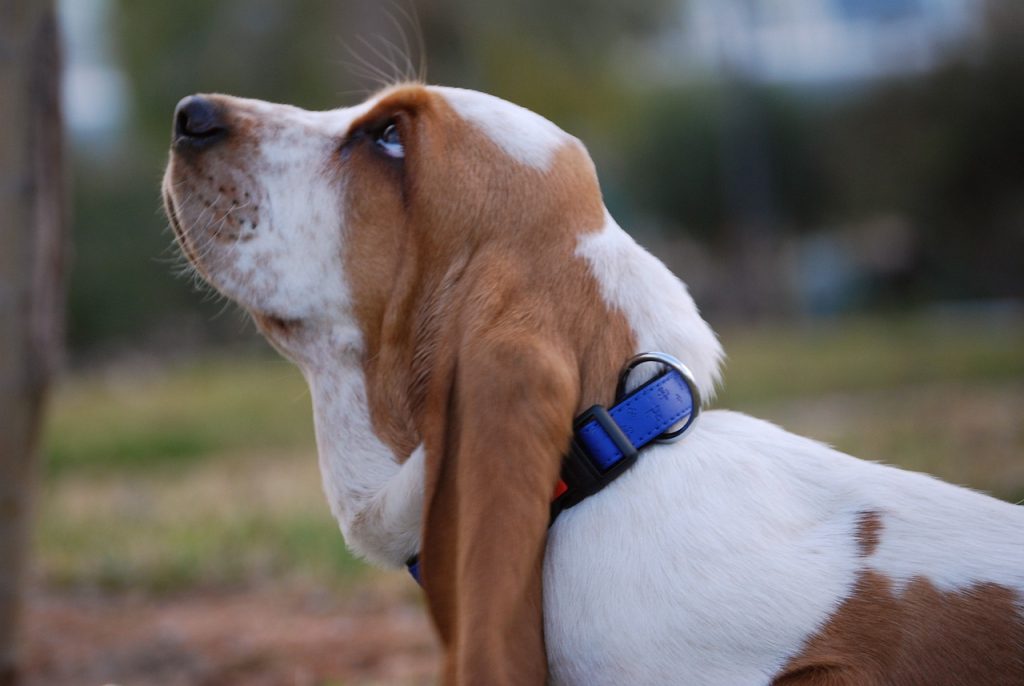
The Basset Hound is more than just a dog; it’s a legend wrapped in floppy ears, a sad face, and a heart full of love. If you’ve ever wondered what it’s like to have a best friend who’s always up for a cuddle, has a nose for adventure, and can charm you with just a glance, you’re about to meet your perfect match. Despite their laid-back, almost lazy appearance, these dogs are packed with character, loyalty, and a good dash of humour.
In this article, we’ll dig deep (pun intended) into everything you need to know about the Basset Hound. We’ll cover everything from their historical roots in France to their quirky behaviours and stubborn streaks. And yes, we’ll even touch on the not-so-glamorous side of owning a Basset Hound (think drool and some very vocal howls). By the end, you’ll know whether this charming breed is the right fit for your home. Spoiler alert: if you’re a fan of laid-back pets with a stubborn but sweet side, you’re in for a treat.
2. Origins and History of the Basset Hound

The story of the Basset Hound is as captivating as the breed itself. These dogs can trace their lineage back to the late 16th century in France, where monks developed them at the Abbey of St. Hubert. The name “Basset” comes from the French word “bas,” meaning “low,” a fitting description of their short stature. Originally bred for hunting small game, particularly rabbits and hares, their keen sense of smell and low-to-the-ground build made them perfect for tracking in dense underbrush.
A Breed Built for Tracking
Basset Hounds belong to the scent hound family, sharing a lineage with the Bloodhound, another famous tracker. Their sense of smell is second only to the Bloodhound’s, which makes them incredibly skilled at following a trail. This powerful nose, combined with their slow pace, allowed hunters to keep up with them on foot, making them an ideal companion for leisurely hunts.
Rise in Popularity in England and Beyond
The breed’s popularity spread to England in the 19th century, where they were refined into the Basset Hound we recognise today. They caught the eye of the English aristocracy, including Queen Alexandra, who owned several Bassets herself. The breed was later introduced to the United States in the early 20th century, becoming a favourite in hunting circles and eventually a family pet.
The American Kennel Club (AKC) officially recognised the Basset Hound in 1935, and since then, they have been a staple in both the show ring and popular culture. From commercials to cartoons, these dogs have charmed their way into the hearts of many with their expressive faces and unique appearance.
The Cultural Impact of the Basset Hound
Basset Hounds have even found their way into entertainment and advertising. Remember Hush Puppies shoes? That iconic dog logo is none other than a Basset Hound, symbolising comfort and reliability. Their laid-back personality and distinctive looks have made them a favourite subject in television and film, often portraying a comical, droopy-faced companion.
The breed’s history is a testament to their versatility and enduring charm. From French hunting trails to English estates and Hollywood sets, the Basset Hound has made quite the journey. It’s no wonder they remain one of the most beloved breeds today, combining a rich history with an irresistible personality.
3. Physical Characteristics: The Unique Look of a Basset Hound

When it comes to appearance, the Basset Hound is one of the most recognisable dog breeds in the world. Their short legs, long ears, and soulful eyes make them utterly unforgettable, almost like a cartoon character come to life. But don’t let their droopy demeanour fool you; their look is purpose-built for function, not just charm.
The Signature Features
The Basset Hound’s most striking features are their long, floppy ears and loose skin. Those ears aren’t just for show—they serve a purpose in hunting by sweeping up scents from the ground, guiding those powerful odours straight to their extraordinary nose. Speaking of noses, did you know that a Basset Hound has around 220 million scent receptors? That’s about 40 times more than humans have, giving them a nose that’s almost supernatural in its ability to detect and follow a trail.
Their bodies are low-slung and sturdy, with a heavy bone structure that makes them surprisingly powerful despite their short stature. The breed standard usually measures them at about 30–38 cm (12–15 inches) tall at the shoulder, but don’t let that fool you into thinking they’re small dogs. These pups can weigh between 20–29 kg (45–65 pounds), which is pretty hefty for their height!
Those Droopy Eyes
One look at a Basset Hound’s eyes, and you’ll see what seems like an eternal sadness, but this droopy expression is another characteristic that adds to their charm. Their eyes are usually a shade of brown, and the droopiness can help protect their eyes from twigs and brush when they’re on the hunt. It also gives them that look of vulnerability that makes you want to spoil them rotten—believe me, they know how to work it!
The Coat and Colour Variations

Basset Hounds have a short, dense coat that is easy to maintain but surprisingly weather-resistant. Their fur can come in a variety of colours, with the most common being tricolour (black, white, and brown), lemon and white, and red and white. Their markings can vary greatly, adding to the uniqueness of each dog. You might even say that no two Basset Hounds are exactly alike!
The Build That’s Made for Hunting
While they might look like they’d prefer lounging on the couch (and they often do), the Basset Hound’s physical structure is perfect for tracking. Their short legs keep them close to the ground, making it easier to pick up scents, while their muscular build provides the endurance needed for a long day of trailing game. That heavy bone structure isn’t just for show—it’s essential for pushing through thick underbrush when they’re hot on the trail.
The Basset Hound’s appearance is not just about aesthetics; it’s a tribute to the breed’s history and purpose. Each feature, from their droopy eyes to their sagging skin, plays a role in their ability to excel as one of the best scent hounds in the world.
4. Temperament and Personality: The Basset’s Heart of Gold
If you’re looking for a dog that’s equal parts lovable, stubborn, and delightfully quirky, then the Basset Hound is your dream companion. These dogs are famous for their easy-going nature, but don’t let that laid-back attitude fool you—they can be as stubborn as a mule when they want to be! Their personality is a mix of loyalty, patience, and a little bit of a mischievous streak, making them one of the most endearing breeds to have around.

Laid-Back Yet Playful
The Basset Hound is the epitome of a low-energy dog when lounging around the house, often taking the role of a professional couch potato. However, get them outside with a scent trail to follow, and they can suddenly turn into an entirely different dog—focused, determined, and surprisingly energetic. It’s this contrast between lazy and lively that makes them so charming and unpredictable.
Bassets love a good play session, but they also know how to take it easy when it’s time to relax. They’re not the type of dog to demand constant attention or exercise, so they’re perfect for someone looking for a more relaxed companion. Their sense of humour and tendency to get into harmless mischief can bring a lot of laughter into a household.
The Social Butterfly
One thing’s for sure: Basset Hounds are incredibly social dogs. They bond strongly with their families and tend to get along well with children and other pets. Their patience and gentle nature make them a great match for kids, as they’re tolerant and rarely aggressive. They might give you a stubborn look if you ask them to do something they’re not interested in, but they’re never mean-spirited.
When it comes to strangers, Bassets can be a bit aloof at first, but once they warm up, they’re as friendly as can be. Don’t expect them to be great guard dogs; they might bark to alert you to someone’s presence, but they’re more likely to greet an intruder with a wagging tail than a growl.
A Stubborn Streak a Mile Wide
Now, let’s talk about that stubborn streak because, honestly, it’s as much a part of their charm as their floppy ears. Training a Basset Hound can be a test of patience; they’re highly intelligent but also very independent thinkers. If they don’t see the point in a command, they might just decide it’s not worth their time to obey. That doesn’t mean they’re not smart—quite the opposite, in fact! They just like to do things on their own terms.
This stubbornness is often mistaken for laziness or lack of intelligence, but in reality, it’s just their way of expressing their unique personality. A little motivation, usually in the form of treats or praise, goes a long way in convincing them to play along with your training efforts.
The Emotional Sensitivity of a Basset Hound
Despite their stubborn exterior, Basset Hounds are incredibly sensitive dogs. They pick up on the emotions of their owners and can become quite upset if they sense they’ve disappointed you. They thrive on positive reinforcement and can become withdrawn if scolded too harshly. Their empathy is one of the reasons they make such great therapy dogs, offering comfort and companionship to those in need.
Their emotional nature also means they don’t do well when left alone for long periods. If you have a busy lifestyle that keeps you out of the house for extended hours, a Basset might not be the best fit. They can develop separation anxiety, which may lead to excessive barking or destructive behaviour if they’re not given enough attention.
The Basset Hound’s temperament is a beautiful blend of affection, playfulness, and just the right amount of stubborn charm. They’re the kind of dog that will make you laugh, challenge your patience, and steal your heart all in the same day.
5. Training and Intelligence: How Smart is a Basset Hound?
When it comes to intelligence, the Basset Hound often gets a bad rap, but let’s set the record straight—they’re a lot smarter than they let on. In fact, their intelligence is often hidden behind a curtain of stubbornness and independence that can drive even the most experienced dog trainers a bit bonkers. They’re not your typical “yes-man” kind of dog, and that’s what makes them so interesting and, honestly, a little bit cheeky.
The True Nature of Basset Hound Intelligence
Basset Hounds were bred to work independently, trailing scents for long distances without much direction from their human counterparts. This history has shaped them into free thinkers, more concerned with following their noses than following orders. Their stubborn streak isn’t a sign of low intelligence; it’s a sign of a dog that thinks for itself and isn’t easily swayed by commands that don’t make sense to them.
Unlike breeds that are eager to please and do as they’re told, Basset Hounds tend to weigh their options. If they don’t see an immediate benefit (like a tasty treat), they might just pretend they didn’t hear you. This can make it a challenge for them to train, but it also means they have a unique way of problem-solving that’s all their own.
Training Tips: Patience is Your Best Friend
Training a Basset Hound requires a truckload of patience, consistency, and, most importantly, a sense of humour. These dogs respond best to positive reinforcement methods like treats, praise, and a gentle touch. Harsh training techniques will only make them dig their heels in deeper—literally and figuratively.
Here are some training tips that can help bring out the best in your Basset Hound:
- Keep Sessions Short and Fun: Bassets have a short attention span, so aim for training sessions that last no more than 10 to 15 minutes. Keep it light-hearted and fun to keep them engaged.
- Use High-Value Rewards: Ordinary kibble might not cut it for this breed. Use their favourite treats or even pieces of cooked chicken to really get their attention.
- Stay Consistent: Consistency is key with Basset Hounds. They need clear commands and routines to understand what is expected of them.
- Incorporate Scent Games: Since Bassets are scent-driven dogs, using nose work and scent games as part of their training can keep them mentally stimulated and more willing to cooperate.
The Power of Nose Work

One of the best ways to engage a Basset Hound’s intelligence is through scent work. This taps into their natural instincts and allows them to use their incredible sense of smell to solve problems or find hidden treats. Activities like hide-and-seek with their favourite toys or treats can keep them mentally sharp and satisfy their tracking instincts.
Scent training also helps to channel their energy into a productive activity. Since their breed is built for sniffing out game, engaging them in activities that require them to use their nose will make them feel more fulfilled and less likely to engage in unwanted behaviours.
Common Training Challenges
One of the biggest challenges with training a Basset Hound is overcoming their selective hearing. They often act like they didn’t hear you, especially if they’re engrossed in following a scent. Another hurdle is their tendency to get bored quickly, which means they might decide to do something else in the middle of a training session, like lie down for a nap.
To overcome these challenges, it’s crucial to keep training sessions varied and exciting. Use games, toys, and different types of rewards to maintain their interest. And remember, training a Basset Hound is more about winning their cooperation than demanding obedience.
Training a Basset Hound might not be a walk in the park, but with the right approach, it can be a rewarding journey. Their intelligence might be hidden behind a stubborn façade, but once you crack the code, you’ll see just how clever these dogs truly are.
6. Exercise Needs: Couch Potato or Energetic Companion?
The Basset Hound is often mistaken for a lazy dog because of their droopy expression and love of lounging around, but don’t be fooled—they do have a surprising amount of energy when the mood strikes! This breed’s exercise needs are more moderate than high, but regular physical activity is still crucial to keep them happy and healthy.
Finding the Balance
Basset Hounds are best described as “active when necessary.” They’re not the kind of dogs that need a marathon run to burn off energy, but they do require daily walks to stay in shape and prevent boredom. Ideally, a Basset Hound should get about 30 to 60 minutes of exercise a day. This can be split into two walks, with some playtime or mental stimulation thrown in for good measure.
What makes Bassets unique is their tendency to go from 0 to 60 in a split second when they catch a whiff of an interesting scent. Once they’re on the trail of something, they become completely focused and can cover a surprising amount of ground at a brisk pace. It’s in these moments that their hunting heritage truly shines through.
Favourite Activities for a Basset Hound
Exercise with a Basset Hound doesn’t have to be intense, but it should be engaging. Here are some activities that most Bassets enjoy:
- Scent Games: Use their exceptional nose to your advantage by hiding treats or toys and encouraging them to sniff them out. This not only exercises their body but also stimulates their mind.
- Leisurely Walks: Bassets love a good walk where they can take their time exploring and sniffing everything in their path. It’s more about the quality of the walk than the distance covered.
- Short Play Sessions: While they might not fetch like a Border Collie, Bassets do enjoy short bursts of playful activity, especially with their favourite human or a canine buddy.
- Interactive Toys: Puzzle toys and treat-dispensing gadgets can keep a Basset Hound entertained for hours, satisfying their curiosity and love for food-driven challenges.
The Importance of Leashed Walks
One critical aspect to remember with Basset Hounds is their nose-driven nature. Once they catch a scent, they’ll follow it without a second thought, which can lead them into dangerous situations if they’re not on a leash. Always walk your Basset Hound on a lead or in a securely fenced area to prevent them from wandering off in search of their next olfactory adventure.
The Risks of Inactivity
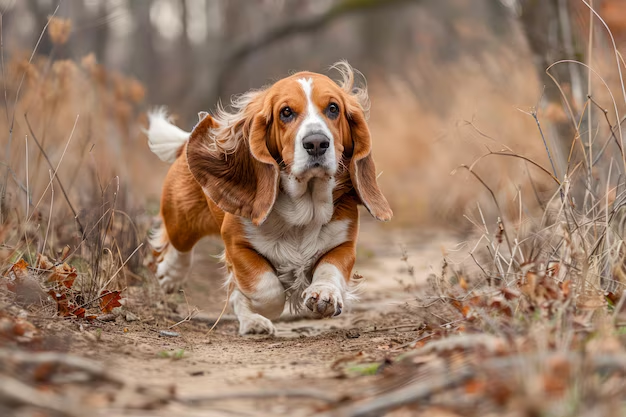
Due to their low-energy reputation, Basset Hounds are prone to becoming couch potatoes if they’re not given the right encouragement. Without sufficient exercise, they can easily gain weight, which puts extra strain on their short legs and long back, leading to potential health issues like joint pain or even spine problems. Regular exercise helps keep their weight in check, strengthens their muscles, and reduces the risk of obesity-related health conditions.
Tailoring Exercise to Your Basset Hound’s Needs
Every Basset Hound is different, and their energy levels can vary depending on their age, health, and personality. Younger Bassets may be more energetic and require more frequent activity, while older dogs might be content with a couple of short, leisurely walks. Always pay attention to your dog’s behaviour; if they seem restless or start digging around the house, it might be their way of saying they need more physical or mental stimulation.
The key to keeping a Basset Hound happy is striking the right balance between activity and relaxation. They enjoy their downtime just as much as their playtime, but a daily dose of exercise will keep them in good shape, both physically and mentally.
7. Health and Lifespan: Common Issues and Care Tips
Like all breeds, Basset Hounds have their own set of health challenges, but with the right care and attention, they can live a happy and relatively healthy life. On average, Basset Hounds have a lifespan of about 10 to 12 years, which is pretty typical for dogs of their size. Knowing the common health issues they may face and how to prevent them can help you ensure your Basset stays by your side for as long as possible.
Common Health Issues in Basset Hounds
Basset Hounds are generally a robust breed, but they are prone to certain health conditions due to their unique body structure and genetics. Here are some of the most common issues to be aware of:
- Obesity: Bassets are known for their love of food, and with their naturally low-energy lifestyle, they can quickly pack on the pounds. Keeping a close eye on their diet and ensuring they get regular exercise is essential to prevent obesity, which can lead to a host of other health problems.
- Hip Dysplasia and Elbow Dysplasia: This is a genetic condition where the joints don’t fit into the hip or elbow sockets properly, leading to pain and mobility issues. Regular exercise and maintaining a healthy weight can help reduce the risk, but it’s also wise to get your Basset checked by the vet for early signs.
- Bloat (Gastric Dilatation-Volvulus): Bloat is a serious condition where the stomach twists and traps gas, causing it to swell. It can be life-threatening if not treated immediately. To reduce the risk, feed your Basset smaller, more frequent meals and avoid vigorous exercise immediately after eating.
- Ear Infections: Those iconic long ears may be adorable, but they can also be a magnet for moisture, dirt, and bacteria. Regular ear cleaning is a must to prevent infections, which are common in this breed due to their floppy ear structure.
- Intervertebral Disc Disease (IVDD): Due to their long spine and short legs, Basset Hounds are at risk for spinal issues like IVDD, which can cause back pain and even paralysis. Avoid activities that involve jumping from high surfaces, and always support their back when lifting them to prevent strain on their spine.
Routine Care for a Healthy Basset
Proactive care can make a world of difference when it comes to preventing many of these health issues. Here are some tips to keep your Basset Hound in peak condition:
- Regular Vet Check-ups: Annual or bi-annual visits to the vet can help catch any health issues early before they become serious problems.
- Healthy Diet and Portion Control: Feeding your Basset a balanced diet with controlled portions is crucial to avoid obesity. Consult your vet for the best food recommendations based on your dog’s age, activity level, and overall health.
- Daily Exercise: As mentioned earlier, a combination of moderate exercise and mental stimulation is key to keeping your Basset fit and preventing weight gain.
- Ear Cleaning Routine: Clean your Basset’s ears weekly with a vet-approved ear cleaner to prevent infections. Keep their ears dry and check for any signs of redness or foul odours.
- Dental Hygiene: Regular teeth brushing is important to prevent periodontal disease, which can affect not just their teeth and gums but also their overall health.
Genetics and Breeding Considerations
If you’re looking to get a Basset Hound from a breeder, make sure they perform health screenings on their breeding dogs for common conditions like hip dysplasia and IVDD. Ethical breeders will always prioritise the health and temperament of their dogs over the aesthetics of the breed.
Adopting a rescue Basset Hound can also be a wonderful option, and rescue organisations often provide information on the dog’s health history, giving you a clearer idea of any existing conditions they might have.
Lifespan and Quality of Life
With the right care, a Basset Hound’s lifespan can often exceed 12 years, and some even make it to 14 or older. The key is to focus on maintaining their quality of life through a balanced diet, regular exercise, and preventive healthcare. While genetics play a significant role in their lifespan, a loving home environment filled with attention and care can make a huge difference in their overall well-being.
Taking care of a Basset Hound’s health is a commitment, but it’s one that pays off in years of loyalty, companionship, and those lovable, droopy eyes that will never fail to melt your heart.
8. Dietary Needs: What to Feed Your Basset Hound
Feeding your Basset Hound the right diet is crucial to their overall health and well-being. With their love for food and a tendency to gain weight, it’s important to find the right balance between satisfying their hunger and keeping them in good shape. Understanding their nutritional needs will help you keep that waistline in check while still ensuring they get all the essential nutrients for a long, healthy life.
Understanding the Nutritional Needs of a Basset Hound
Basset Hounds require a diet that is well-balanced in protein, fats, carbohydrates, vitamins, and minerals. As medium-sized dogs with a moderate activity level, they do best on a diet that supports their energy needs without overloading them with excess calories.
- Protein: High-quality protein is essential for maintaining muscle mass, especially since Basset Hounds have a solid, muscular build. Look for dog foods that list real meat, like chicken, beef, or fish, as the first ingredient.
- Fats: Healthy fats are necessary for energy and to support their skin and coat health. Omega-3 and Omega-6 fatty acids are particularly beneficial, helping to keep their coat shiny and their skin supple.
- Carbohydrates: While carbs provide quick energy, they should come from wholesome sources like sweet potatoes, brown rice, or oats to avoid unnecessary fillers that can lead to weight gain.
- Vitamins and Minerals: A balanced diet should include essential vitamins and minerals to support bone health, immune function, and overall metabolism. Ingredients like leafy greens and antioxidant-rich fruits are a good addition to their diet.
Portion Control: Keeping the Pounds Off
One of the biggest challenges with a Basset Hound is their voracious appetite. These dogs love to eat and will happily polish off any extra food they can find, even if it means raiding the kitchen bin! To prevent obesity, it’s crucial to stick to a feeding schedule and portion sizes that match their activity level.
- Age-Appropriate Feeding: Puppies need to be fed three to four times a day with food specifically formulated for their growth needs. Adult Basset Hounds do well with two meals a day, which helps to prevent bloating and manage their energy levels.
- Calorie Intake: The average adult Basset Hound typically needs around 900 to 1,100 calories per day, depending on their weight, activity level, and overall health. Adjust their portion sizes accordingly if they gain or lose weight too quickly.
- Avoiding Table Scraps: No matter how much they beg with those sad, droopy eyes, resist the urge to feed your Basset Hound table scraps. Human food can be high in fat and salt, leading to unnecessary weight gain and digestive issues.
Choosing the Best Dog Food for Your Basset Hound
Selecting the right dog food can make a big difference in your Basset’s health and longevity. Here’s what to look for:
- High-Quality Ingredients: Choose dog food that has high-quality protein sources like meat, poultry, or fish. Avoid foods that list by-products, fillers, or artificial preservatives as primary ingredients.
- Formulated for Size and Age: Make sure the food is appropriate for your Basset’s size, age, and health condition. Senior dogs, for example, may benefit from lower-calorie formulas that include joint-supporting ingredients like glucosamine.
- Limited Ingredient Diets: If your Basset Hound has any food sensitivities or allergies, a limited ingredient diet can help identify and eliminate triggers while still providing complete nutrition.
Hydration is Key
Basset Hounds, like all dogs, need a steady supply of fresh water to stay hydrated. Their short noses mean they might not be as efficient at cooling themselves down as other breeds, so keeping them well-hydrated is essential, especially after exercise. Make sure their water bowl is always full and within easy reach.
Treats and Snacks: A Balancing Act
Let’s face it—Basset Hounds will do just about anything for a treat, which makes them easy to train but also prone to overindulgence. Use treats sparingly, and opt for healthy options like carrot sticks, apple slices (without seeds), or specially formulated low-calorie dog treats. Treats should make up no more than 10% of their daily calorie intake to avoid tipping the scale.
Foods to Avoid
Some foods can be toxic or harmful to dogs, including Basset Hounds. Here are a few to keep far away from their bowl:
- Chocolate
- Grapes and raisins
- Onions and garlic
- Avocados
- Caffeinated drinks
These foods can cause serious health issues, from digestive upset to organ failure, so it’s best to stick to dog-friendly snacks only.
Feeding your Basset Hound a balanced diet isn’t just about keeping them trim—it’s about giving them the best chance at a long, happy life. With the right food and feeding practices, you can help your furry friend stay fit, energetic, and full of that playful spirit we all love.
9. Grooming and Maintenance: Keeping Your Basset Looking Sharp
Basset Hounds may have a reputation for being low-maintenance in the grooming department, but don’t be fooled—they still need regular attention to keep their coats and those famous droopy features in top condition. The good news is that grooming a Basset Hound is relatively straightforward, and with the right routine, you can keep your Basset looking (and smelling) its best without too much hassle.
Coat Care: Short but Mighty
Basset Hounds have a short, dense coat that’s smooth to the touch. While their fur isn’t prone to matting, they do shed consistently throughout the year, with a couple of heavier shedding periods in the spring and autumn. To manage the shedding and keep their coat shiny, brushing them at least once or twice a week with a grooming mitt or a soft bristle brush is ideal.
- Brushing: Regular brushing helps remove loose hair, dirt, and dander while distributing the natural oils that keep their coat healthy and glossy. It also reduces the amount of hair you’ll find on your furniture and floors!
- Bathing: Basset Hounds are not the most odour-free dogs, partly due to their loose skin and tendency to get into messy situations. A bath every 4 to 6 weeks (or whenever they get particularly dirty) should suffice. Use a gentle dog shampoo to avoid drying out their skin, and always rinse thoroughly to prevent residue.
Taking Care of Those Ears
One of the most iconic features of the Basset Hound is their long, floppy ears, but those beautiful ears can also be a breeding ground for bacteria and yeast if not properly maintained. Regular ear care is crucial to prevent infections, which are common in this breed due to the lack of airflow to the ear canal.
- Weekly Ear Cleaning: Clean your Basset’s ears once a week using a vet-approved ear cleaner. Gently wipe the inside of their ears with a cotton ball, but avoid using cotton swabs, which can push debris further into the ear canal.
- Drying the Ears: After any bath or swim, make sure their ears are thoroughly dried to prevent moisture buildup, which can lead to infections.
Eye Care: The Droopy Factor
Those soulful, droopy eyes might be one of their most endearing traits, but they also require some extra care. Basset Hounds are prone to a condition called ectropion, where the lower eyelids droop outward, which can cause their eyes to dry out or become irritated.
- Daily Eye Wiping: Gently wipe away any discharge from the corners of their eyes with a clean, damp cloth. This helps prevent any buildup that could lead to infections or irritations.
- Watch for Redness or Swelling: If you notice persistent redness, swelling, or excessive tearing, it’s best to consult your vet, as these can be signs of an eye infection or other issues.
Dental Care: Keeping Those Teeth Sparkling
Dental hygiene is often overlooked, but it’s crucial for a Basset Hound’s overall health. Regular brushing not only keeps their teeth clean but also prevents gum disease and bad breath, which is common in this breed.
- Brushing Their Teeth: Aim to brush your Basset’s teeth at least two to three times a week using a dog-specific toothbrush and toothpaste. Starting this routine when they’re a puppy can make it easier to manage as they get older.
- Dental Treats and Chews: Dental chews can be a great supplement to their oral care routine, helping to reduce plaque and tartar buildup. However, these should not replace regular brushing.
Nail Trimming: Short and Sweet
Because Basset Hounds are not the most active dogs, their nails may not wear down naturally and can grow quite long if not regularly trimmed. Overgrown nails can cause discomfort or even lead to joint issues over time.
- Monthly Nail Trimming: Trim their nails about once a month or whenever you hear them clicking on the floor. Use a dog-specific nail clipper, and be careful not to cut too close to the quick, which can cause pain and bleeding.
- Paw Care: Regularly check their paw pads for any cuts, cracks, or foreign objects. Keep the fur between their toes trimmed to prevent matting or irritation.
Managing the Basset Hound Smell
Let’s be honest—Basset Hounds have a bit of a reputation for being on the smellier side. This is largely due to their oily skin, which can give off a distinctive doggy odour. Regular baths, a proper diet, and consistent ear cleaning can help manage the smell, but you’ll never completely eliminate it (and honestly, it’s part of their charm!).
Grooming your Basset Hound might require a bit of effort, but the payoff is a clean, healthy, and happy dog. Plus, these grooming sessions are a great way to bond with your Basset, and they’ll enjoy the extra attention as much as you enjoy keeping them looking their best.
10. Living with a Basset Hound: Compatibility with Families and Pets
Basset Hounds are renowned for their easy-going nature and love of companionship, making them one of the best breeds to have in a family setting. Whether you have young children or other pets or live alone, this breed’s adaptability and friendly demeanour often make them a perfect fit. Let’s dive into what life with a Basset Hound is really like and how they blend into different family dynamics.
A Perfect Family Dog
Basset Hounds have a natural affinity for children, which is one of their most endearing traits. Their patience, gentle nature, and calm demeanour make them excellent playmates for kids of all ages. They rarely show signs of aggression and are more likely to just walk away if they’re not in the mood to play rather than snap or growl.
- Tolerant and Gentle: Bassets are sturdy dogs with a lot of patience, which means they’re less likely to be bothered by the pokes and prods that often come from small children. However, it’s still important to teach kids how to interact with dogs respectfully to avoid any accidental roughness.
- Loyal Companions: They form strong bonds with their human families and can be very protective in their own way, even if they’re more likely to lick an intruder than scare them off. Their loyalty makes them a comforting presence for anyone who needs a four-legged friend who’s always there.
Compatibility with Other Pets
If your household already includes other dogs or even cats, a Basset Hound is likely to fit right in without much fuss. Their sociable nature extends beyond just people, and they generally get along well with other animals when introduced properly.
- Dogs: Basset Hounds enjoy the company of other dogs, and they tend to do well in multi-dog households. Their laid-back attitude means they’re not overly dominant or territorial, which makes them great playmates for other breeds. A canine companion can also help keep them active and mentally stimulated.
- Cats: Surprisingly, Basset Hounds usually do well with cats as well. They’re not as prey-driven as some other breeds despite their hunting background. With a proper introduction, they can become best buddies with your feline friends, often curling up together for naps.
- Small Pets: Due to their scent-hound nature, it’s wise to be cautious if you have smaller pets like rabbits or hamsters. While Bassets are generally gentle, their instinct to track and chase can sometimes kick in. Always supervise their interactions and provide proper boundaries to keep all your pets safe.
Apartment Life or Big Backyards?
The good news is that Basset Hounds are quite adaptable when it comes to living spaces. They can do well in both apartments and larger homes as long as they get their daily dose of exercise and mental stimulation.
- Apartment Living: Because they’re relatively low-energy indoors, Bassets can thrive in an apartment setting. Just make sure they get a couple of good walks each day to keep their minds and bodies active and be prepared for a little bit of howling now and then. They can be vocal when they’re bored or excited, which might be something to consider if you have close neighbours.
- Homes with Yards: Basset Hounds will happily explore a fenced yard if you have one, using their powerful nose to investigate every square inch. However, make sure the fence is secure, as their tracking instincts can lead them to follow a scent trail right out of the garden if given the chance.
Attention Seekers: Handling Separation Anxiety
Basset Hounds are not the most independent breed. They thrive on human companionship and can suffer from separation anxiety if left alone for long periods. This can lead to excessive barking or destructive behaviour when they’re bored or lonely.
- Solutions for Separation Anxiety: If your lifestyle means you’re out of the house a lot, consider hiring a dog walker or setting up a pet-sitting arrangement. Leaving puzzle toys or interactive feeders can also keep their minds occupied while you’re away.
- Bonding Time: Bassets are happiest when they’re with their people, whether it’s cuddling on the couch or following you from room to room. They love being involved in family activities and need a lot of affection and attention to keep their spirits up.
Travel Companions
Although they can be a bit stubborn, Basset Hounds often make good travel companions. They’re usually content as long as they’re close to their family, and they enjoy the adventure of new smells and sights. Just be sure to plan for regular breaks if you’re on a long journey, as their short legs mean they need frequent stops to stretch.
Living with a Basset Hound is a joy when you understand their needs and quirks. They’re sweet, loyal, and endlessly entertaining, fitting seamlessly into a wide range of households. With their love for family and friendly disposition towards other pets, a Basset Hound isn’t just a pet—they’re a devoted member of the family.
11. The Basset Hound as a Working Dog: More Than Just a Couch Ornament
Despite their laid-back, easy-going nature, the Basset Hound is much more than just a lazy couch companion. These dogs have a proud heritage as working dogs, bred specifically for their incredible tracking abilities. While they may seem like they belong curled up on your sofa, Basset Hounds are true scent hounds with a nose for adventure and a keen instinct for trailing game.
A Nose That Knows
Basset Hounds were originally bred in France to hunt small game, especially rabbits and hares. Their sense of smell is second only to that of the Bloodhound, making them exceptional trackers. With about 220 million scent receptors in their nose (compared to a human’s measly 5 million), these dogs can follow a scent trail that’s days old with incredible precision.
- Ground-Scenting Experts: Unlike some breeds that track by air scent, Basset Hounds are ground-scenting specialists. Their low stature and long ears are perfect for keeping their nose close to the trail, while their loose skin helps trap scent particles, enhancing their tracking ability.
- Hunting in Packs: Historically, Basset Hounds were used in packs to hunt alongside hunters on foot. Their slow and methodical pace made them ideal for tracking the game without spooking it, giving hunters plenty of time to catch up.
Modern-Day Roles for Basset Hounds
While they’re not as commonly used in hunting today, Basset Hounds still have plenty of opportunities to put their skills to good use in modern settings. Many Bassets now work in roles that take advantage of their tracking abilities in more controlled environments.
- Search and Rescue: Basset Hounds can be trained for search and rescue operations due to their excellent scent-tracking skills. They are particularly effective in situations that require locating a scent trail on the ground, making them valuable in missing-person searches.
- Therapy Dogs: Thanks to their calm demeanour and loving nature, Basset Hounds also excel as therapy dogs. They bring comfort and companionship to people in hospitals, nursing homes, and rehabilitation centres, where their gentle presence can be incredibly soothing.
- Detection Work: Although not as common as other breeds in detection work, some Basset Hounds have been successfully trained to detect substances like drugs or explosives. Their powerful noses and focused tracking ability make them well-suited to these tasks when properly trained.
Competitive Scent Work and Trials
Basset Hounds are a natural fit for scent work competitions, which have become popular as a way to channel their tracking instincts in a fun and structured way. In these events, dogs are tasked with locating specific scents hidden in various environments, a challenge that plays to the Basset’s greatest strengths.
- Nose Work Trials: These trials test a dog’s ability to find and identify scents, usually essential oils like birch or anise, hidden in containers, vehicles, or outdoor settings. Basset Hounds thrive in these activities as they get to engage their sense of smell in a focused and rewarding way.
- Field Trials: For a more traditional experience, some enthusiasts still participate in field trials where Basset Hounds track and trail small game like rabbits. These events highlight the breed’s historical role as a hunting companion and allow them to showcase their tracking skills in a natural environment.
Mental Stimulation: Keeping the Mind Sharp
Even if you don’t plan on hunting or entering competitions with your Basset Hound, it’s essential to provide them with plenty of mental stimulation to keep their intelligent minds engaged. Scent games, puzzle toys, and interactive feeders are great ways to challenge their problem-solving skills and keep them mentally sharp.
- Scent Games at Home: You can easily set up scent games at home by hiding treats around the house or garden and encouraging your Basset to sniff them out. This kind of activity not only keeps them entertained but also taps into their natural abilities as a scent hound.
Why a Job Matters to a Basset Hound
Giving a Basset Hound a “job” to do, whether it’s in a professional setting or just a fun game at home, helps prevent boredom and reduces the likelihood of unwanted behaviours. When these dogs don’t have an outlet for their energy and intelligence, they can become mischievous, finding ways to entertain themselves that might not always align with your idea of fun!
While they may have a reputation as laid-back lapdogs, the Basset Hound’s true nature is that of a dedicated worker with a passion for scent-tracking. Even today, their skills can shine in various roles, proving that they are far more than just charming faces with floppy ears.
12. Common Myths About Basset Hounds Debunked
Basset Hounds, with their droopy eyes and long ears, are often the subject of many myths and misconceptions. While some of these myths are harmless and even humorous, others can lead to misunderstandings about what it’s like to live with this unique breed. Let’s clear the air and debunk some of the most common myths about Basset Hounds so you can know what’s fact and what’s pure fiction.
Myth 1: Basset Hounds Are Lazy
Fact: While Basset Hounds do love a good nap (and who can blame them?), they’re far from lazy when there’s something to do—especially if it involves their nose. These dogs were bred for hunting, and they can be surprisingly energetic and determined when on the scent of something interesting. They do have a laid-back demeanour, which can sometimes be mistaken for laziness, but give them a sniff-worthy trail to follow, and you’ll see just how active they can be!
Myth 2: Basset Hounds Are Not Smart
Fact: This myth is probably rooted in their stubborn streak, but the truth is that Basset Hounds are quite intelligent. Their problem-solving skills, especially when it comes to scent tracking, are top-notch. They were bred to think independently while on the hunt, which means they don’t always obey commands if they don’t see the point. This doesn’t mean they lack intelligence—it just means they’re smart enough to question authority from time to time!
Myth 3: Basset Hounds Are Difficult to Train
Fact: Training a Basset Hound does require patience, consistency, and a good sense of humour, but it’s far from impossible. They are food-motivated and respond well to positive reinforcement methods. The key is to make training fun and engaging. If you can turn it into a game or a scent-based activity, your Basset Hound will be much more likely to participate willingly.
Myth 4: Basset Hounds Don’t Need Much Exercise
Fact: While Basset Hounds aren’t marathon runners, they do need regular exercise to stay healthy and prevent obesity. A couple of brisk walks each day, along with some interactive playtime, will keep them in good shape. Ignoring their exercise needs can lead to weight gain, which can exacerbate their tendency to develop joint and back problems. So, even though they’re content to lounge around, a daily dose of physical activity is a must.
Myth 5: Basset Hounds Are Too Smelly
Fact: It’s true that Basset Hounds have a natural doggy odour due to their oily skin, which helps protect them in the field. However, this smell can be managed with regular grooming and baths. Proper ear care and a balanced diet also play significant roles in reducing any unwanted odours. They may never smell like a bouquet of roses, but with the right care, their odour can be kept to a minimum.
Myth 6: Basset Hounds Are Only Good for Hunting
Fact: Basset Hounds are much more versatile than just being hunting dogs. They make wonderful family pets and therapy dogs and even do well in roles like search and rescue due to their incredible sense of smell. Their friendly and gentle nature makes them a great addition to households with kids and other pets, proving they have plenty of talents outside the hunting grounds.
Myth 7: Basset Hounds Are Aggressive
Fact: Quite the opposite, actually! Basset Hounds are known for their gentle and friendly disposition. They are incredibly tolerant and patient, especially with children and other animals. Aggression is not a common trait in this breed, and if a Basset Hound does show aggressive behaviour, it’s usually due to poor training or mistreatment, not a fault of their temperament.
Myth 8: Basset Hounds Can’t Be Left Alone
Fact: While Basset Hounds do prefer to be around their family and can suffer from separation anxiety, they can be trained to tolerate some alone time. The trick is to gradually get them used to being on their own by creating a comfortable space with toys, puzzles, and comforting smells to make their solo time more enjoyable. Regular exercise before you leave can also help them settle down more easily.
Myth 9: Basset Hounds Are Not Good with Other Pets
Fact: Basset Hounds generally get along very well with other pets, including dogs and cats. Their easy-going nature and pack mentality mean they are usually happy to have other animals around. Proper introductions are always recommended, but most Bassets will quickly warm up to their new companions.
Myth 10: Basset Hounds Are Hard to Housebreak
Fact: Like with any breed, housebreaking a Basset Hound takes patience and consistency. It’s not that they’re incapable of learning where to go; they just need a routine and clear guidance. Using positive reinforcement and a consistent schedule will go a long way in training them to understand the house rules.
Clearing up these myths about Basset Hounds helps paint a clearer picture of what these dogs are really like. They may have their quirks and challenges, but at the end of the day, they’re loyal, loving companions with a unique blend of personality traits that make them truly one-of-a-kind.
13. Pros and Cons of Owning a Basset Hound
Basset Hounds are undeniably charming with their droopy faces and endearing personalities, but like any breed, they come with their own set of pros and cons. Understanding the highs and lows of life with a Basset Hound will help you decide if this breed is the right fit for your lifestyle. Let’s take a balanced look at what it’s really like to share your home with one of these unique dogs.
Pros of Owning a Basset Hound
- Laid-Back and Easy-Going
- Basset Hounds are known for their relaxed and calm nature. They’re more than happy to chill out on the couch with you, making them ideal for families who enjoy a quieter lifestyle. Their laid-back attitude means they’re not as demanding of constant exercise as more high-energy breeds.
- Great with Children and Other Pets
- These dogs are naturally gentle and patient, which makes them excellent companions for kids. Their friendly disposition also means they tend to get along well with other dogs and even cats, fitting easily into multi-pet households.
- Low to Moderate Exercise Needs
- If you’re not the most active person, a Basset Hound could be a good match. They need regular walks to stay healthy, but they’re not going to be dragging you out for runs every day. Their exercise requirements are manageable and perfect for people who enjoy moderate activity.
- Affectionate and Loyal
- Basset Hounds form strong bonds with their families and are very affectionate. They love to be around their people, offering lots of cuddles and loyalty. Their loving nature makes them wonderful companions who genuinely enjoy spending time with you.
- Incredible Sense of Smell and Tracking Skills
- If you enjoy scent-based games or want to participate in nose work competitions, a Basset Hound’s keen sense of smell will impress you. Their natural talent in tracking makes them stand out, whether it’s in a game of hide-and-seek or professional scent work.
- Unique Appearance and Personality
- Let’s face it: Basset Hounds have a look that’s hard to resist. Those droopy ears, soulful eyes, and low-to-the-ground bodies are as charming as they come. Their quirky, sometimes stubborn personalities also add a lot of character to their presence in the household.
Cons of Owning a Basset Hound
- Stubborn and Independent Nature
- Basset Hounds are notorious for their stubborn streak, which can make training a challenge. They like to do things on their own terms and often need extra motivation to obey commands. Patience and a good sense of humour are essential when training a Basset.
- Prone to Health Issues
- Due to their body structure, Basset Hounds are susceptible to certain health problems like hip dysplasia, ear infections, and spinal issues. They also tend to gain weight easily if not properly managed, which can exacerbate these health concerns. Regular vet visits and a healthy diet are crucial.
- Tendency to Howl and Bark
- Basset Hounds are known to be vocal, and they’re not shy about letting you know how they feel. Their deep, baying bark can be quite loud, which might not be ideal if you live in an apartment or have close neighbours. They often howl when they’re bored or lonely, so keeping them entertained is important.
- Shedding and Grooming Needs
- While their coats are short, Basset Hounds do shed quite a bit, and they have a distinct doggy odour due to their oily skin. Regular grooming, including brushing and ear cleaning, is essential to keep them looking and smelling fresh. Their grooming needs might be more than you expect from a short-haired breed.
- Not Great for Guarding
- If you’re looking for a guard dog, the Basset Hound might not be your best choice. They’re more likely to greet strangers with a wagging tail than with a warning bark. Their friendly nature makes them better suited to being family companions than protectors.
- Separation Anxiety
- Basset Hounds can suffer from separation anxiety if left alone for long periods. They’re social dogs that thrive on human interaction, so a lonely Basset can become destructive or excessively vocal. If you have a busy schedule, it’s important to arrange for company or entertainment for your dog.
Weighing the Pros and Cons
The decision to get a Basset Hound should be based on a realistic understanding of both the breed’s strengths and their challenges. They are loving, loyal, and undeniably charming, but they also require patience and attention to their health and training needs. If you’re looking for a low-key, affectionate dog that’s great with kids and doesn’t need a marathon run every day, the Basset Hound might just be the perfect fit for your family.
Balancing the pros and cons will help ensure that you and your Basset Hound are a match made in doggy heaven, setting the stage for a happy and fulfilling relationship.
14. Alternative Breeds to Consider If You Love the Basset Hound
While the Basset Hound has a unique set of traits that make them irresistible, they may not be the perfect match for everyone. If you love the Basset Hound’s look and temperament but are considering other options, there are a few breeds with similar characteristics that might also win your heart. Let’s take a look at some alternatives that share qualities like loyalty, a laid-back attitude, or that iconic hound appearance.
1. Beagle
- Similarities: Like the Basset Hound, Beagles are scent hounds with a strong tracking instinct and a curious nature. They share the same floppy ears and soulful eyes, but they’re a bit more compact and agile.
- Differences: Beagles tend to be more energetic and playful compared to Bassets, requiring more exercise to burn off their high energy levels. They’re also less prone to health issues like hip dysplasia, making them a bit lower maintenance in that department.
2. Bloodhound
- Similarities: Bloodhounds are the ultimate scent hounds, with a tracking ability even more powerful than the Basset Hound. They also have the same droopy skin, long ears, and an almost melancholic expression that is hard to resist.
- Differences: Bloodhounds are significantly larger and require much more exercise to keep them physically and mentally stimulated. They also need a firm hand in training due to their size and strength.
3. Dachshund
- Similarities: Dachshunds share the Basset Hound’s long body and short legs, as well as their stubborn yet affectionate personality. They come in both short-haired and long-haired varieties, providing some grooming flexibility.
- Differences: While Dachshunds are also prone to back issues like Basset Hounds, they are generally more energetic and independent. Their smaller size makes them more suitable for apartment living, and they tend to be a bit more vocal.
4. Cavalier King Charles Spaniel
- Similarities: Cavaliers share the Basset Hound’s gentle and affectionate temperament, making them wonderful companions for families and individuals alike. They are also known for their love of cuddles and their loyal nature.
- Differences: These spaniels are much smaller and more delicate in build compared to Basset Hounds. They are more active indoors and less prone to the same droopy-eyed expressions, but they still possess a charming look that melts hearts.
5. Clumber Spaniel
- Similarities: Clumber Spaniels are similar in size and have a laid-back attitude that matches the Basset Hound’s vibe. They also have droopy eyes and a soft expression that gives them a slightly forlorn look.
- Differences: Clumber Spaniels tend to be more active than Basset Hounds and require a bit more grooming due to their thicker coat. They are also less stubborn during training but need a lot of mental stimulation to keep them entertained.
6. Petit Basset Griffon Vendéen (PBGV)
- Similarities: The PBGV shares the Basset Hound’s heritage as a scent hound, complete with a strong tracking instinct and a sturdy build. They are friendly, cheerful dogs with a similar stubborn streak that requires patience in training.
- Differences: PBGVs are more energetic and lively compared to Bassets. They have a rougher, wiry coat that requires more grooming, but they are generally more agile and playful, making them great for active households.
7. English Bulldog
- Similarities: English Bulldogs share the Basset Hound’s laid-back personality and love of lounging around the house. They are also incredibly loyal and make excellent companions, especially for people looking for a lower-energy dog.
- Differences: Bulldogs have a shorter lifespan and a different set of health concerns, mainly related to their breathing and skin. They’re also more prone to heat sensitivity and need careful monitoring during exercise.
8. Coonhound (Various Types)
- Similarities: Coonhounds, like the Basset Hound, are part of the hound group and possess exceptional tracking skills and a love for following scents. They are also loyal and affectionate, making them great companions.
- Differences: Coonhounds are typically much more energetic and need a lot more exercise and space to run. They can be a bit more challenging for novice owners due to their high energy and strong prey drive.
Choosing the Right Alternative
If you love the Basset Hound but are unsure if they fit your lifestyle, these alternative breeds offer a range of options that share similar traits. Consider your living situation, activity level, and grooming preferences when making your choice. Each of these breeds has its own unique charm, and you’re sure to find one that matches your needs without straying too far from the qualities you admire in the Basset Hound.
The right breed for you will depend on how much time you can dedicate to training, exercise, and grooming, as well as how much you value characteristics like stubbornness, loyalty, and an iconic hound appearance. Whether you choose a Basset Hound or one of these alternatives, you’re in for a lifetime of love, loyalty, and plenty of tail-wagging moments.
15. Our Final Thoughts: Why the Basset Hound Might Be Your Perfect Companion
Choosing a dog is a big decision, and the Basset Hound is one of those breeds that stands out for its unique blend of charm, stubbornness, and endless affection. While they might not be everyone’s cup of tea, for those who appreciate a laid-back companion with a surprising sense of humour and a nose that never quits, the Basset Hound can be the ideal match.
The Good, the Droopy, and the Adorable
Basset Hounds are a breed with a heart as big as their ears. Their loyal nature, gentle temperament, and patience make them excellent family pets, especially in households with children or other animals. They bring joy to their families with their expressive faces and often comical antics, reminding us that sometimes, life is best approached with a little stubbornness and a lot of love.
These dogs aren’t for everyone, particularly if you’re looking for a highly trainable breed that obeys commands on a dime. But if you can embrace their quirks, understand their need for regular exercise despite their low-key vibe, and laugh off their occasional howls and stubborn moments, then the Basset Hound might be the perfect furry friend to add to your home.
More Than Just a Pretty Face (and Ears)
Basset Hounds are so much more than their iconic droopy faces and long ears. They have a rich history as working dogs, a deeply loyal nature, and an undeniable charisma that makes them irresistible. Sure, they require some patience in training and a bit of effort in grooming, but the rewards far outweigh the challenges. Their devotion to their family and their sweet, silly personalities make them an unforgettable addition to any household.
Ultimately, the decision to welcome a Basset Hound into your life should be made with careful consideration of their unique needs and characteristics. If you’re ready for a dog that will make you laugh, challenge your patience, and love you unconditionally, then the Basset Hound might just be the perfect companion for you.
16. FAQ Section: Common Questions About Basset Hounds
1. Are Basset Hounds good apartment dogs?
- Yes, Basset Hounds can adapt well to apartment living due to their moderate exercise needs and laid-back nature. However, they do need daily walks and mental stimulation to keep them happy and prevent boredom.
2. Do Basset Hounds shed a lot?
- Basset Hounds do shed, but their short coat makes it manageable with regular brushing. They shed moderately throughout the year and may experience heavier shedding during seasonal changes.
3. Are Basset Hounds difficult to train?
- They can be a bit stubborn, which makes training a challenge, but it’s not impossible. Positive reinforcement methods, patience, and consistency are key to successfully training a Basset Hound.
4. How much exercise does a Basset Hound need?
- Basset Hounds require about 30 to 60 minutes of exercise per day, including walks and playtime. While they enjoy lounging, regular physical activity is important to prevent obesity and keep them healthy.
5. What health problems are common in Basset Hounds?
- Common health issues include hip dysplasia, obesity, ear infections, and spinal problems like Intervertebral Disc Disease (IVDD). Regular vet check-ups and a healthy diet can help manage these risks.
6. Are Basset Hounds good with children?
- Absolutely! Basset Hounds are gentle, patient, and tolerant dogs, making them great companions for children. They are known for their affectionate nature and their ability to bond well with kids.
7. How vocal are Basset Hounds?
- Basset Hounds are quite vocal and have a distinctive howl or “bay.” They tend to bark or howl when they’re bored, excited, or following a scent, so they may not be the best choice for a very quiet household.
8. Can Basset Hounds be left alone for long periods?
- Basset Hounds prefer to be with their people and can suffer from separation anxiety if left alone for too long. It’s best to arrange for a companion or some form of entertainment if you’re going to be away for extended periods.
9. Do Basset Hounds drool a lot?
- Yes, Basset Hounds are known to drool, especially when they’re excited or see food. Keeping a drool rag handy and maintaining good oral hygiene can help manage this aspect of their behaviour.
10. How long do Basset Hounds typically live?
- The average lifespan of a Basset Hound is around 10 to 12 years, although with proper care, a healthy diet, and regular exercise, some can live up to 14 years or more.
This FAQ section wraps up our deep dive into the world of Basset Hounds. If you’re still on the fence about bringing one into your life, consider their lovable quirks, loyal nature, and how much they’ll make you smile even on your toughest days.