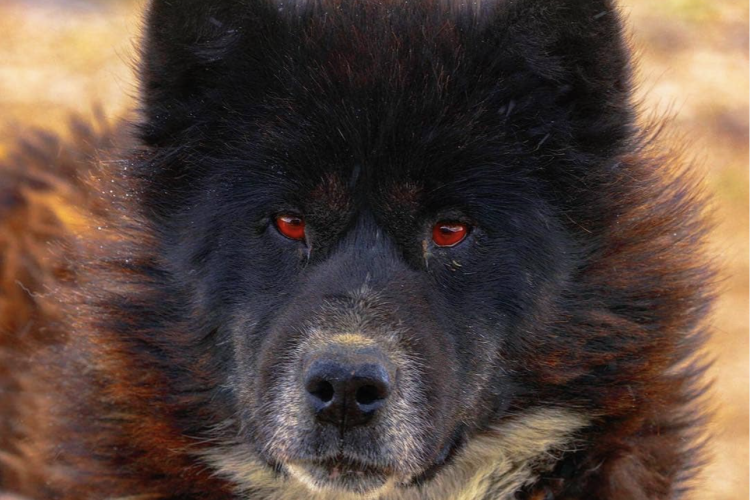
Wild, Feral, Tame, or Domestic? Discover the Surprising Differences in Animal Behaviour
Wild, Feral, Tame, and Domestic: Understanding the Differences Between the Four Terms
Table of Contents
- Introduction: Understanding Wild, Feral, Tame, and Domestic Animals
- What Does It Mean for an Animal to Be Wild?
- Feral Animals: A Closer Look at Reverted Domesticity
- Tame Animals: The Human Connection
- Domestic Animals: A Long History of Human Companionship
- Comparing Wild, Feral, Tame, and Domestic Animals
- How Do Animals Transition Between These Categories?
- The Role of Humans in Animal Behavior and Classification
- Conservation Efforts and the Impact on Wild and Feral Populations
- Misconceptions About Tame and Domestic Animals
- Ethical Considerations in Managing Wild, Feral, and Domestic Animal Populations
- Final Thoughts: Appreciating the Complexities of Animal Behavior
- FAQ Section
Introduction: Understanding Wild, Feral, Tame, and Domestic Animals
The animal kingdom is vast and diverse, and how animals interact with humans and their environments is equally complex. Four key terms often arise in understanding animal behavior and classification: wild, feral, tame, and domestic. Each term describes a different relationship between animals and humans, and recognizing the distinctions between these categories is crucial for better understanding animal behaviour, care, and conservation efforts.
In this detailed article, we will explore the meaning of these four terms, discuss how animals fit into these classifications, and examine humans’ role in shaping these categories. Whether you are a pet owner, wildlife enthusiast, or simply curious about animal behaviour, this guide will offer insight into the fascinating world of animal interactions and relationships.
1. What Does It Mean for an Animal to Be Wild?
When we think of wild animals, we often imagine creatures roaming freely in nature, untouched by human influence. Wild animals live in their natural habitats, where they have evolved to survive and thrive without human intervention. They are independent of humans for food, shelter, and survival, relying on their instincts and natural behaviours to navigate their environment.
Natural Habitat and Survival
Wild animals are born and raised in natural habitats, such as forests, deserts, oceans, and grasslands. They have developed the skills to hunt, forage, and protect themselves from predators. Wild animals do not rely on humans for food or care, unlike domestic animals. Instead, they are part of the broader ecosystem, vital in maintaining biodiversity and ecological balance.
Human Interaction with Wild Animals
While wild animals live independently of humans, they may occasionally come into contact with human populations. These interactions can be peaceful, such as when animals are observed in the wild, or conflict-driven, such as when wild animals encroach on human settlements. It is important to remember that wild animals, regardless of their appearance, are not accustomed to human handling and may react defensively if approached.
Examples of Wild Animals
Some examples of wild animals include lions, tigers, elephants, wolves, and eagles. These animals are adapted to their environments and do not rely on human intervention for survival.
2. Feral Animals: A Closer Look at Reverted Domesticity
Feral animals occupy a unique category between wild and domestic. A feral animal was once domesticated or descended from domesticated ancestors but has returned to a wild state. Unlike truly wild animals, feral animals have been influenced by humans at some point in their lineage, but they now live independently and have adapted to survive in the wild.
The Process of Rewilding
Feral animals are often the result of domesticated animals being released or escaping into the wild. Over time, they may lose their dependence on humans for food and shelter, reverting to behaviours that help them survive independently. This process, known as “rewilding,” can take generations, and feral animals may exhibit wild and domestic traits.
Challenges Faced by Feral Animals
Feral animals often face significant challenges in the wild. Because they were initially bred for domestication, they may need to gain some of the survival skills of wild animals. Additionally, feral animals can disrupt local ecosystems, especially if they are not native. Feral cats, for example, are known to impact bird populations in certain regions by hunting native species.
Examples of Feral Animals
Feral cats, dogs, and horses are common examples of feral animals. These animals may form colonies or herds and live independently of humans, but they still retain some traits of their domesticated ancestors.
3. Tame Animals: The Human Connection
A tame animal has been habituated to human presence and handling, usually through repeated positive interactions. Unlike wild or feral animals, tame animals are comfortable around humans and may even seek out human attention or care. However, it is essential to note that a tame animal is not necessarily domesticated.
Taming Through Socialization
Taming an animal typically involves building trust between the animal and humans. This can be achieved through socialization, training, and positive reinforcement. Wild animals can sometimes be tamed, primarily if raised in captivity or regularly exposed to human care. However, the taming process does not change the animal’s genetic makeup; even a tame animal may still exhibit some wild behaviours.
Temporary or Long-Term Taming
Taming can be temporary or long-term, depending on the species and the circumstances. For example, an elephant in a wildlife reserve may be tamed for conservation or educational purposes, but it remains a wild animal that could exhibit instincts if released into the wild.
Examples of Tame Animals
Tame animals can include species such as birds of prey used in falconry, big cats in wildlife sanctuaries, or exotic animals kept in zoos. Even though they are accustomed to human interaction, they remain fundamentally wild animals.
4. Domestic Animals: A Long History of Human Companionship
Domestic animals have undergone a long process of selective breeding, resulting in animals that are genetically adapted to live alongside humans. Unlike tame animals, which can still retain wild traits, domestic animals have been bred specifically for traits compatible with human life, such as docility, friendliness, and dependence on humans for food and care.
The Process of Domestication
Domestication has taken thousands of years, beginning with the early domestication of wolves, which eventually became dogs. Through selective breeding, humans have shaped domestic animals’ behaviour, appearance, and temperament to meet specific needs, such as companionship, work, or food production. Over generations, domestic animals have become genetically distinct from their wild ancestors.
Reliance on Humans
Domestic animals rely on humans for survival, whether for food, shelter, or medical care. They often cannot survive in the wild without human intervention, as they have lost many of the instincts and behaviours necessary for independent survival.
Examples of Domestic Animals
Examples of domestic animals include dogs, cats, cattle, horses, chickens, and pigs. These animals have been bred to thrive in human-controlled environments and have developed a range of traits that make them suitable for different roles in human society.
5. Comparing Wild, Feral, Tame, and Domestic Animals
Understanding the differences between wild, feral, tame, and domestic animals can help us better appreciate the complexity of animal behaviour and our relationships with them.
Wild vs. Feral
The critical difference between wild and feral animals is their origin. Wild animals have never been domesticated, while feral animals have reverted to a wild state after living in captivity or being descended from domesticated ancestors. Wild animals fully adapt to their natural environment, while feral animals may struggle with survival or disrupt ecosystems due to their domestic lineage.
Tame vs. Domestic
While tame animals are comfortable around humans, they are not genetically domesticated. Tame animals may retain their wild instincts and revert to wild behaviour in certain situations. In contrast, domestic animals have been bred for specific traits that make them dependent on humans, and they are generally more predictable and safe to handle.
6. How Do Animals Transition Between These Categories?
Animals can transition between these categories depending on their environment and circumstances. For example, a domestic cat that escapes and lives in the wild may become feral over time. Similarly, a wild animal raised in captivity could become tame through consistent human interaction. Understanding these transitions helps explain the fluidity of animal behaviour and the role humans play in shaping their lives.
7. The Role of Humans in Animal Behavior and Classification
Human intervention is critical in determining whether an animal is wild, feral, tame, or domestic. Humans influence how animals behave and interact with their surroundings through domestication, taming, and even abandonment. This has positive and negative implications, as it can lead to the creation of loyal companions or the disruption of ecosystems when feral animals are introduced into non-native environments.
8. Conservation Efforts and the Impact on Wild and Feral Populations
Conservation efforts often focus on preserving wild animal populations while managing feral animal issues. For instance, feral cats and dogs can threaten native wildlife, leading to conflicts in conservation areas. At the same time, preserving wild habitats is essential for maintaining biodiversity and preventing species extinction.
9. Misconceptions About Tame and Domestic Animals
One common misconception is that tame animals are the same as domestic animals. While both categories involve animals that are comfortable around humans, tame animals are not genetically adapted to human environments like domestic animals. Another misconception is that feral animals can quickly return to domesticated life, which is often not.
The case after generations of living in the wild.
10. Ethical Considerations in Managing Wild, Feral, and Domestic Animal Populations
Managing wild, feral, and domestic animal populations raises critical ethical questions. For instance, how should we handle the presence of feral animals in urban environments? Should wild animals be tamed or domesticated for human purposes? These questions are complex and require balancing animal welfare, conservation efforts, and human interests.
11. Final Thoughts: Appreciating the Complexities of Animal Behavior
Understanding the differences between wild, feral, tame, and domestic animals helps us appreciate each type of animal’s unique behaviours and roles in nature and human society. These categories are not rigid; animals can transition between them based on their environment and human interactions. By recognizing the distinctions between these terms, we can foster a deeper appreciation for the animals we encounter, whether in the wild, our homes, or conservation settings.
12. FAQ Section
Q: Can a feral animal become domesticated again?
A: Feral animals, especially those that have been wild for multiple generations, may struggle to re-adapt to domestic life. However, with time and proper care, some feral animals, such as cats, can become accustomed to human companionship again.
Q: Is taming a wild animal the same as domesticating it?
A: No, taming involves habituating a wild animal to human presence, while domestication involves selective breeding over generations to create an animal genetically adapted to living with humans.
Q: Can a domestic animal survive in the wild?
A: Most domestic animals would struggle to survive in the wild, relying on humans for food, shelter, and protection. Some may adapt to feral life, but many will face significant challenges in a wild environment.
Q: Are all pets considered domestic animals?
A: Most common pets, such as dogs and cats, are domestic animals. However, some exotic pets, like reptiles or birds, may still be considered wild or tame rather than fully domesticated.
Q: How do conservation efforts address feral animal populations?
A: Conservation efforts often aim to control feral animal populations to protect native wildlife and ecosystems. This can involve trapping, neutering, and relocating feral animals or providing sanctuaries.