Essential Guide to Successfully Litter Training Your Kitten: Tips and Best Practices
Litter Training a Kitten: The A Step-by-Step Guide
Table of Contents
- Introduction: The Importance of Litter Training
- Why Early Litter Training is Crucial
- How to Choose the Right Litter and Litter Box
- Types of Litter
- Selecting the Right Litter Box
- Setting Up the Ideal Litter Box Environment
- Location, Location, Location
- Size and Accessibility
- Sequential Guide to Litter Training Your Kitten
- Introducing the Kitten to the Litter Box
- Creating a Routine
- Rewarding Good Behavior
- Common Litter Training Problems and Solutions
- Kitten Peeing Outside the Litter Box
- Kittens Peeing on Furniture
- Dealing with Odors and Hygiene Issues
- Litter Box Maintenance and Hygiene Tips
- Cleaning the Litter Box
- How Often to Change Litter
- Preventing Smells
- Transitioning to Different Litter Types or Boxes
- Switching Litter Brands
- Moving to a New Location
- Challenges of Litter Training Multiple Kittens
- Setting Up Multiple Litter Boxes
- Dealing with Territorial Behavior
- Troubleshooting Litter Box Avoidance
- Health Problems
- Stress and Anxiety
- Environmental Factors
- Conclusion: Ensuring Long-Term Success with Litter Training
- FAQs: Frequently Asked Questions
Introduction: The Importance of Litter Training
Litter training is one of the most crucial tasks when welcoming a new kitten into your home. A well-trained kitten can distinguish between a clean, harmonious household and one plagued with constant accidents and frustration. While kittens are generally quick learners, litter training does require time, patience, and consistency. This guide aims to help new kitten owners navigate the litter training process step-by-step, covering everything from choosing the suitable litter and box to dealing with everyday challenges, such as kittens peeing on furniture.
With the proper techniques, you can create a smooth and positive training experience for you and your kitten, ensuring they develop good habits early on and feel comfortable using their litter box. Litter training helps your kitten develop proper bathroom habits. It strengthens the bond between you and your pet as you work together towards this important goal.
Why Early Litter Training is Crucial
Starting litter training as early as possible is critical to long-term success. Like human babies, Kittens are in a developmental stage where they learn best through repetition and positive reinforcement. Litter training is most effective between 3 and 4 weeks of age, as this is when kittens typically begin to explore their environment more actively and show signs of needing to relieve themselves outside their sleeping area.
Early litter training also helps prevent bad habits from forming. If a kitten isn’t introduced to a litter box early enough, it may start peeing in inappropriate places like furniture, carpets, or corners, making it harder to correct this behavior later on. The sooner your kitten understands where it is supposed to go, the easier it will be to prevent accidents.
How to Choose the Right Litter and Litter Box
Choosing the right litter and litter box is one of the most important steps in successfully training your kitten. With so many options available, it is essential to pick the right combination to suit your kitten’s needs.
Types of Litter
There are various types of litter on the market, and finding the right one depends on your kitten’s preferences and any allergies or sensitivities. Here’s a breakdown of the most common types:
- Clumping Clay Litter: Popular for its convenience, clumping litter forms tight clumps when wet, making it easy to scoop out waste. However, some kittens may have sensitivities to dust from clay litter, and ingesting clumping litter can be harmful.
- Non-Clumping Clay Litter: While this litter doesn’t form clumps, it can still absorb moisture well. Non-clumping litter may require more frequent changes to prevent odour buildup.
- Silica Gel Crystals: Silica litter absorbs moisture well and effectively controls odors, but some kittens may not like the texture of the crystals on their paws.
- Natural or Biodegradable Litter: Made from materials such as corn, pine, or recycled paper, natural litter is a more eco-friendly option. However, some types may not clump as well as traditional clay litter.
Selecting the Right Litter Box
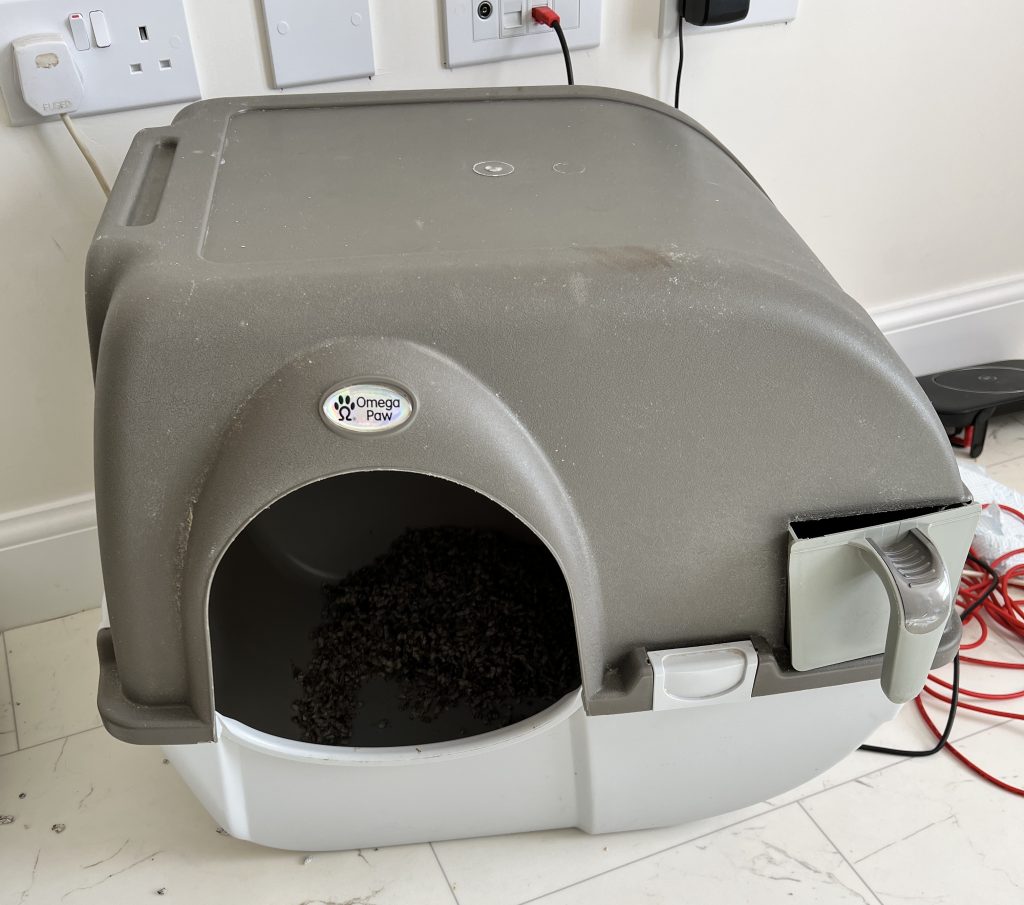
The size and type of litter box you choose are equally important. Kittens need a box that is easy to access and has low sides so they can easily climb in and out. Depending on your preferences, you can find open trays, covered litter boxes, or self-cleaning ones. However, when training a kitten, it’s best to start with a simple, open box, as they may initially feel trapped or confused by covered boxes.
Location, Location, Location
The litter box’s location can make or break your kitten’s training experience. Kittens prefer a quiet, low-traffic area where they can do their business peacefully. Avoid placing the box near their food and water bowls, as cats generally dislike relieving themselves near their eating area.
Also, ensure the box is easily accessible at all times. If your home is large or has multiple floors, you may want to place a litter box on each level to encourage use and prevent accidents.
Size and Accessibility
A litter box that is too large or has high sides can be intimidating for a kitten. Ensure the box is the right size for your kitten’s current age and size. As your kitten grows, you can upgrade to a larger box. If necessary, consider cutting down the sides of a plastic box to make it easier for your kitten to get in and out.
Step-by-Step Guide to Litter Training Your Kitten
Training your kitten to use the litter box takes time and patience. Below is a detailed step-by-step guide to ensure successful litter training.
Introducing the Kitten to the Litter Box
Once you bring your kitten home, immediately introduce them to the litter box. Gently place them in the box after meals or naps, as kittens often need to relieve themselves after eating or sleeping. If they begin to sniff around or scratch the litter, that’s a good sign—they recognise the box as a place to go.
You may also need to place your kitten in the box several times daily to reinforce the habit. Most kittens will naturally understand what to do, especially if they have previously been around a mother cat or other litter-trained cats.
Creating a Routine
Consistency is vital in litter training. Stick to a schedule by regularly placing your kitten in the litter box—typically after meals, naps, or play sessions. The more often you guide them to the litter box, the quicker they will understand that it’s the right place to go.
If your kitten accidentally relieves itself outside the litter box, calmly clean the area and avoid punishing it. Instead, reinforce positive behavior by gently guiding it back to the litter box.
Rewarding Good Behavior
Positive reinforcement works wonders when it comes to litter training. When your kitten successfully uses the litter box, reward them with gentle praise or a small treat. Over time, your kitten will associate the litter box with positive experiences, making them more likely to continue using it.
Common Litter Training Problems and Solutions
Even with proper training, some kittens may struggle with litter box usage. Understanding the common problems and how to address them will help prevent accidents and keep your kitten on track.
Kitten Peeing Outside the Litter Box
Kittens may pee outside the litter box for several reasons, including stress, a medical condition, or unfamiliarity with the box. Ensure the box is clean, easy to access, and placed in a comfortable, quiet location.
Kittens Peeing on Furniture
If your kitten has started peeing on furniture, it could be due to anxiety, territorial marking, or disliking the litter box’s location or cleanliness. To resolve this, clean the area thoroughly with enzymatic cleaners to remove any lingering scent. You can also use deterrents like aluminium foil or double-sided tape on furniture, as kittens dislike the texture. Consider providing additional litter boxes in different areas of the house, especially if the kitten has trouble reaching the current box.
Dealing with Odors and Hygiene Issues
Keeping the litter box clean prevents odours and encourages regular use. Scoop the litter box at least once a day and change the litter entirely once a week. If odours persist, try switching to a more absorbent litter or adding a baking soda-based odour control product.
Litter Box Maintenance and Hygiene Tips
Maintaining a clean litter box is crucial in ensuring your kitten continues using it regularly.
Cleaning the Litter Box
Make it a habit to scoop the litter box at least once daily. Cats are naturally clean animals, and they may avoid using a dirty litter box, which can lead to accidents.
How Often to Change Litter
The frequency of litter change depends on the type you are using. A weekly change is sufficient for clumping litter, while non-clumping litter must be replaced more frequently. Be sure to clean the box with mild soap and water when you change the litter to prevent bacterial growth.
Preventing Smells
To prevent odours, you can sprinkle a layer of baking soda at the bottom of the litter box before adding fresh litter. Also, place the litter box in a well-ventilated area to minimize the buildup of ammonia smells.
Transitioning to Different Litter Types or Boxes
As your kitten grows, you may want to switch to a different litter type or a larger box. Transitioning will help prevent any confusion or stress.
Switching Litter Brands
When switching litter brands, mix the old and new litter types gradually. Start by mixing 75% of the old litter with 25% of the new litter and gradually increase the new litter’s proportion over time. This helps your kitten adjust to the change without refusing to use the box.
Moving to a New Location
If you need to move the litter box to a new location, do it slowly. Start by moving the box a few feet daily so your kitten can get used to the new spot without being overwhelmed. Avoid placing the litter box in areas with high foot traffic or noise, as this can make your kitten anxious and reluctant to use it.
Challenges of Litter Training Multiple Kittens
If you’re training more than one kitten, you must make additional preparations to ensure success.
Setting Up Multiple Litter Boxes
A good rule of thumb is to have one litter box per kitten plus an additional box. This prevents competition for litter boxes and minimizes the chances of territorial behaviour. Place the boxes in separate areas of the house to give each kitten space.
Dealing with Territorial Behavior
Suppose one kitten starts guarding a litter box or preventing the others from using it. In that case, you may need to separate the kittens temporarily or add more litter boxes in different locations. Territorial behaviour is standard but can be managed with enough space and resources for each kitten.
Troubleshooting Litter Box Avoidance
There could be underlying issues if your kitten consistently avoids the litter box.
Health Problems
Medical issues such as urinary tract infections (UTIs), bladder stones, or constipation can cause litter box avoidance. If your kitten suddenly stops using the box or seems uncomfortable urinating, consult a vet immediately.
Stress and Anxiety
Kittens can also avoid the litter box due to stress or anxiety, especially if there have been recent changes in the household. Loud noises, new pets, or moving the litter box can trigger stress-related avoidance.
Environmental Factors
Ensure the litter box is in a location where your kitten feels safe. Suppose the area is too noisy, busy, or exposed. In that case, your kitten may seek a quieter, more private location to relieve themselves.
Conclusion: Ensuring Long-Term Success with Litter Training
Litter training your kitten is essential to raising a well-adjusted and happy cat. By choosing the suitable litter and box, setting up a comfortable environment, and using consistent training methods, you can help your kitten develop lifelong healthy habits. Be patient and understanding, as accidents will happen during the learning process. With time and effort, you’ll have a fully litter-trained kitten that will keep your home clean and stress-free.
FAQs: Frequently Asked Questions
Q: How long does it take to train a kitten?
A: The time it takes to litter train a kitten varies, but most kittens can be fully trained within a few weeks if consistent methods are used. Start training your kitten when you bring them home for the best results.
Q: My kitten is peeing on the furniture. What should I do?
A: If your kitten is peeing on furniture, ensure the litter box is clean, accessible, and in a quiet location. Use an enzymatic cleaner to remove the urine smell from the furniture, and consider using a deterrent like double-sided tape or foil to prevent further accidents.
Q: How many litter boxes do I need if I have multiple kittens?
A: Ideally, you should have one litter box per kitten plus one extra. This reduces competition for boxes and ensures each kitten has a comfortable place to relieve themselves.
Q: What should I do if my kitten refuses to use the litter box?
A: If your kitten refuses to use the litter box, check for medical issues and ensure the box is clean, accessible, and in a suitable location. If the problem persists, consult a veterinarian for further advice.
Q: How do I keep the litter box from smelling?
A: Scoop the litter box daily, change the litter weekly, and use baking soda or other odour-control products to keep smells at bay. Placing the box in a well-ventilated area will also help minimize odours.
With the right approach, litter training your kitten can be a smooth, positive experience for you and your new pet. The key is consistency, patience, and a comfortable environment where your kitten can thrive.