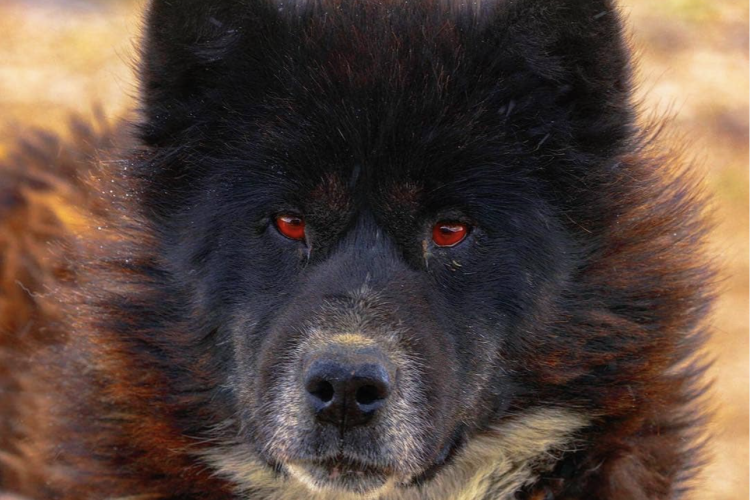
Cane Corso: A Loyal, Intelligent, and Fearless Protector
Introduction
The Cane Corso (pronounced “KAH-nay KOR-so”), also known as the Italian Mastiff, is a large Italian breed of mastiff originally developed for guarding and working purposes. This breed is known for its powerful, muscular build and its intelligent, protective temperament . The name “Cane Corso” comes from Latin and roughly translates to “bodyguard dog,” reflecting the breed’s historic role as a protector of home and family . Despite its imposing presence, a well-trained and socialized Cane Corso can be a loyal and affectionate family companion.
History and Origin
The Cane Corso’s ancestry traces back to ancient Roman war dogs of the Molossian type. After the fall of the Roman Empire, these dogs continued to thrive in rural Italy as versatile farm guardians, livestock protectors, and hunting partners capable of tackling large game like wild boar. The breed’s name, which can be translated as “guardian of the courtyard,” highlights its traditional role of patrolling farms and estates. World War I and World War II – along with economic changes in mid-20th-century Italy – led to a severe decline in Cane Corso numbers, and the breed nearly vanished by the 1970s. Enthusiasts in Italy began dedicated revival efforts in the late 1970s and early 1980s, breeding from the few surviving Corsos to bring the line back from near extinction. Thanks to these efforts, the Cane Corso regained a stable population and eventually earned official recognition. The Italian Kennel Club (ENCI) recognized the breed in 1994, and the Fédération Cynologique Internationale (FCI) followed with provisional acceptance in 1996. The Cane Corso received full FCI recognition in 2007 and was admitted to the American Kennel Club in 2010. Since then, the breed has risen rapidly in popularity worldwide as both a formidable guard dog and a loyal companion.
Physical Appearance

The Cane Corso is a large and athletic dog with a powerful, rectangular build. Males typically stand about 24–28 inches (62–70 cm) at the shoulder and weigh between 100–110 pounds, while females are slightly smaller at roughly 23–26 inches and 90–100 pounds. It has a broad chest and a large, wide head with a square muzzle and strong jaw. The ears are naturally drop (floppy), but historically they have often been cropped to stand upright, and the tail is typically docked short in regions where these practices are legal. The Cane Corso’s coat is short, dense, and glossy. Acceptable colors include solid black, various shades of gray (often referred to as “blue”), fawn (light tan to red), and red, and many individuals exhibit brindle patterns (dark striping on a lighter background) in any of these colors. Minor white markings on the chest or toes are permissible. Overall, the breed’s imposing appearance—with its muscular physique and alert expression—clearly reflects its strength and working heritage.
Temperament and Personality
The Cane Corso is known for a protective and confident nature that reflects its heritage as a guardian dog , as well as a deep loyalty to its family. It is deeply devoted to those it knows, often bonding strongly with its owners and showing affectionate, gentle behavior toward family members. Corsi are typically calm and reserved, tending to be quiet and observant of their surroundings rather than boisterous. However, they are naturally wary of strangers and can be aloof or suspicious when unfamiliar people approach their territory.
This breed’s instinct to take charge means that early and extensive socialization as a puppy is critical to ensure a well-balanced adult dog. With proper training and positive experiences, a Cane Corso can learn to be accepting of welcome guests and can coexist with other dogs and pets, especially if raised alongside them. They are very intelligent and generally respond well to a confident, consistent owner. In the right hands, the Cane Corso is an extremely loyal and reliable companion, but if mishandled or inadequately trained, its dominant tendencies can lead to behavioral issues.

Around children, a well-socialized Cane Corso can be gentle and protective, but due to the dog’s great size and strength, supervision is always advised. They tend to do best with older children who know how to behave respectfully around dogs; a rambunctious Cane Corso may be too overwhelming for very young kids simply because of its size and energy. The breed can also cohabit with other pets if introduced and socialized early, though adult Cane Corsos – especially males – may have difficulty accepting other large dogs of the same sex in the household. By nature, Cane Corsos have an independent streak and a serious, dignified demeanor. They are not the type of dog to immediately greet strangers with wagging tails and kisses; instead, they remain watchful and will step forward to protect if they perceive a threat. This steadfast, somewhat reserved personality is balanced by a profound devotion to family. A Cane Corso will often position itself near its owners, keeping an eye on everything. In the proper environment, this breed’s combination of vigilance and affection makes it an excellent guardian and family dog for owners who understand its mindset.
Health and Care
The Cane Corso is generally a healthy breed, but like most large dogs it is prone to certain hereditary health issues. Hip dysplasia (malformation of the hip joint) is a common concern, as are other orthopedic problems like elbow dysplasia and patellar luxation. Responsible breeders will screen for these conditions. Cane Corsos are also somewhat predisposed to eye disorders such as entropion and ectropion (eyelid abnormalities) and nictitans gland prolapse (cherry eye), as well as skin conditions like demodectic mange (demodicosis). Another serious health risk in this breed is gastric dilatation-volvulus, or bloat, a life-threatening condition in which the stomach fills with gas and can twist on itself . Owners of deep-chested breeds like the Cane Corso often take preventive steps to minimize bloat risk – for example, feeding two or three smaller meals per day instead of one large meal, and avoiding vigorous exercise immediately before or after meals. Overall, the Cane Corso’s lifespan is around 9–12 years, which is typical for a dog of its size.
Proper care and routine maintenance can help ensure a Cane Corso remains in good health. Nutrition is especially important during puppyhood: Cane Corso puppies should be raised on a high-quality, large-breed puppy diet that moderates their growth rate, which helps reduce the risk of joint problems as they mature. Keeping the dog at a healthy weight through balanced diet and exercise will further alleviate stress on its joints. Regular veterinary check-ups are recommended to catch any health issues early, and owners should be aware of the signs of common ailments in the breed (such as lameness for dysplasia or eye irritation for ocular issues). Preventive measures like hip and elbow evaluations, and optionally a prophylactic gastropexy surgery (to secure the stomach and prevent torsion) when the dog is young, can be discussed with a vet.
In terms of grooming and general care, Cane Corsos are relatively low-maintenance. Their coat is short and only requires minimal grooming – a quick brushing about once a week to remove loose hair and keep the coat shiny, plus occasional bathing as needed. The breed does shed, though typically only moderately; they may shed more heavily with the change of seasons. Other routine care includes trimming the nails (as their strong nails can grow fast), cleaning the ears, and brushing the teeth to maintain good dental health. Cane Corsos are not known for having a strong “doggy odor,” and over-bathing should be avoided to preserve the natural oils in their skin. Some Cane Corsos may drool, especially large males with loose jowls, but generally they drool less than some other mastiff breeds. Overall, with a healthy lifestyle that includes good food, exercise, and regular care, a Cane Corso can be a hardy and vibrant dog.
Training and Exercise Requirements
Training and socialization are essential from an early age for a Cane Corso, given this breed’s size and strong will. Obedience training should begin in puppyhood (as early as 8–10 weeks old) to instill good manners and ensure the young Corso learns to be comfortable with different people and environments. Cane Corsos are intelligent and generally eager to please, which makes them quite trainable, but they also have an independent, assertive streak that requires a firm and consistent approach from the owner. Using positive reinforcement methods is crucial — Cane Corsos respond far better to praise, treats, and play as rewards for good behavior than to harsh corrections. In fact, despite their tough appearance, they are a sensitive breed that does not thrive under heavy-handed training. It’s important for the owner to establish clear leadership and set boundaries; if a Cane Corso senses weak or inconsistent authority, it may try to assert itself and push the limits. Puppy training classes and ongoing socialization outings (to experience different people, dogs, and places) are highly recommended to channel the Cane Corso’s natural confidence into well-mannered behavior.
Regular exercise is very important to keep a Cane Corso fit and mentally satisfied. This breed has a moderate energy level overall, but as a working dog, it benefits greatly from having a job to do or activities to engage its mind and body. At a minimum, an adult Cane Corso should get a couple of good walks each day (for example, 30–45 minutes each) along with opportunities to run or play in a secure area. They enjoy many activities that challenge them physically and mentally. Cane Corsos often excel in canine sports or tasks such as agility courses, obedience trials, tracking and scent work, and even protection sports or advanced training exercises. Many also enjoy swimming or accompanying their owners on hikes. Interestingly, this breed is typically not as interested in fetch or toy play as some other breeds – most Cane Corsos are not natural retrievers and may quickly lose interest in repetitive ball-chasing. Instead, they thrive when learning new skills or given purposeful tasks. Mental stimulation (puzzle toys, obedience training sessions, etc.) is just as important as physical exercise to prevent boredom in this intelligent dog. Without adequate exercise and engagement, a Cane Corso can become bored and may resort to unwanted behaviors like digging, chewing, or excessive pawing out of frustration. Given their strength and size, having a fenced yard where they can safely burn off energy is ideal. However, a Cane Corso can adapt to apartment living if its exercise needs are rigorously met every day. A tired Cane Corso is generally a calm and content one, lounging with the family after a day of activities.
Is the Cane Corso Right for You?
The Cane Corso is a rewarding yet demanding breed that is best suited for owners with the time, experience, and environment to manage a large, protective dog. Prospective owners should carefully consider the pros and cons before bringing a Cane Corso into their home. On the positive side, Cane Corsos are incredibly loyal and form strong bonds with their families. They are naturally protective and serve as capable guardians without any special training – their mere presence and vigilance can be a deterrent to intruders. Their intelligence and working drive mean they can excel in obedience and other activities, and when properly trained and socialized, they are confident and even-tempered. Cane Corsos are also generally quiet and observant, not prone to excessive barking or hyperactivity. For an owner seeking a dedicated, imposing guard dog that is also a loving family companion, the Cane Corso can be an ideal choice.
However, owning this breed comes with significant responsibilities. A Cane Corso’s size and strong protective instincts mean that diligent training and socialization are absolutely required to shape them into well-mannered adults. This is not a breed for first-time dog owners or those unwilling to invest considerable time in training and leadership. Without proper guidance, a Cane Corso could become unmanageable or develop aggressive tendencies, so consistent rules and obedience work are a must. An owner must be confident in handling a powerful dog – for example, leash training is crucial so that even a full-grown Corso will walk politely without pulling (these dogs are strong enough to accidentally topple an unprepared handler). Households with very small children or frail individuals should exercise caution, as an exuberant Cane Corso could accidentally knock someone down during play. They also may not be suitable for homes with existing large dogs of the same sex, due to possible dominance issues. Space and exercise are important factors as well: while a Cane Corso doesn’t need a huge property, it does best with a fenced yard or at least daily opportunities to stretch its legs. They can live in smaller homes or apartments if sufficiently exercised, but a cramped or sedentary life will not suit this breed. They should not be relegated to solitary outdoor life Cane Corsos strongly prefer to be near their human family and will be happiest spending time indoors with the people they love. If your lifestyle requires you to be away from home for long hours or travel frequently, this breed may become anxious or destructive; Cane Corsos do best with owners who can give them plenty of attention and inclusion in daily activities.
In conclusion, the Cane Corso can be a wonderful dog for the right owner. The ideal owner is a confident, consistent leader who understands canine behavior and is committed to training and socializing their dog throughout its life. If you are looking for a gentle, low-maintenance dog or a casual couch potato, the intense and imposing Cane Corso might not be the best fit. But for those who desire a devoted, intelligent, and protective companion – and who are prepared to meet the breed’s needs – the Cane Corso offers loyalty and guardianship in abundance. In the right hands, this Italian mastiff thrives as both a vigilant protector and a loving, gentle family member, living up to its name as the ultimate “bodyguard dog.”