This Gorgeous Cat Breed Is Taking Over Homes – Here’s Why the Himalayan Cat Is So Popular!
The Himalayan Cat: A Detailed Review
Table of Contents:
- Introduction: The Himalayan Cat – A Beautiful Blend of Grace and Elegance
- History of the Himalayan Cat
- Appearance: Striking Features That Captivate
- Personality: A Gentle and Affectionate Companion
- Health and Longevity: Ensuring a Healthy Life for Your Himalayan
- Grooming and Maintenance: Keeping the Himalayan Cat’s Coat in Top Condition
- Diet and Nutrition: Feeding the Himalayan Cat for Optimal Health
- Living with a Himalayan Cat: A Loyal and Engaging Companion
- Breeding and Availability: Finding the Right Himalayan for Your Home
- Conclusion: The Himalayan Cat – A Fluffy Gem of Feline Grace
- FAQ: Your Questions Answered
1. Introduction: The Himalayan Cat – A Beautiful Blend of Grace and Elegance
The Himalayan cat, a cross between the Persian and Siamese breeds, is known for its striking appearance and sweet temperament. With its beautiful colour-point coat, expressive blue eyes, and fluffy fur, the Himalayan cat is an ideal choice for anyone looking for a calm and affectionate companion. Whether lounging on the couch or gently interacting with family members, the Himalayan cat brings elegance and warmth to any home.
This review will explore everything that makes the Himalayan cat unique, from its origins and appearance to its health and care needs. With its unique blend of beauty and gentleness, the Himalayan is a favourite among cat lovers worldwide. As we delve into this breed’s characteristics and requirements, you’ll discover why it is such a beloved and sought-after companion.
2. History of the Himalayan Cat
The history of the Himalayan cat is a fascinating tale of purposeful crossbreeding. The goal was to create a feline that would combine the best characteristics of two highly admired breeds: the Persian and the Siamese. The journey to develop this striking breed took several decades, and the result was a cat known for its beautiful, colour-point coat and calm, affectionate nature. Let us explore the milestones that shaped the Himalayan cat into the breed we know and love today.
Early Attempts at Crossbreeding
The concept of crossbreeding Persian and Siamese cats dates back to the 1920s and 1930s. Breeders were drawn to the idea of merging the Persian’s luxurious, long coat and sweet temperament with the Siamese’s stunning colour points and piercing blue eyes. However, these early efforts in Europe and the United States did not yield immediate success, as breeders struggled to consistently produce offspring that exhibited the desired traits of both parent breeds.
One of the earliest documented attempts occurred in Sweden in the 1920s, when breeders sought to create a long-haired Siamese cat. Though abandoned, the project paved the way for future breeding programs to refine the Himalayan breed’s distinctive look.
The Breakthrough in the 1930s and 1940s
A significant breakthrough came in the 1930s when Dr. Clyde Keeler, a Harvard medical researcher, and Virginia Cobb, a noted breeder, embarked on a breeding program to create a long-haired Siamese. Their goal was to study the effects of genetics on coat colour and pattern, but their work inadvertently laid the foundation for the Himalayan breed. Keeler and Cobb succeeded in producing kittens that exhibited the long fur of the Persian and the colour-point markings of the Siamese. However, their efforts were interrupted by World War II, and further development of the breed was put on hold.
Official Recognition and Establishment of the Breed
After the war, interest in crossbreeding Persian and Siamese cats resumed, particularly in the United States and the United Kingdom. In the 1950s, dedicated breeders picked up where their predecessors had left off. The breeding efforts were more structured this time, focusing on consistency in coat length, body structure, and colour points. By carefully selecting Siamese cats with the desired colour points and Persian cats with a lush, long coat, breeders successfully established a cat that embodied the traits of both breeds: the Himalayan.
The breed was named “Himalayan” after the rabbit, which shares similar colour-point markings on its ears, face, paws, and tail. These points result from a genetic mutation that causes temperature-sensitive albinism, meaning the more excellent parts of the body (such as the extremities) develop darker pigmentation.
In 1957, the Cat Fanciers’ Association (CFA) recognized the Himalayan as a separate breed. This was a significant milestone, solidifying the breed’s place in pedigreed cats. Over time, other major cat registries, including The International Cat Association (TICA) and the American Cat Fanciers Association (ACFA), followed suit.
The Evolution of the Himalayan Cat
In the early years of Himalayan breeding, some organizations considered the Himalayan a distinct breed, separate from the Persian and Siamese. However, as the breed developed, the line between Himalayan and Persian cats became increasingly blurred. This was partly due to breeders’ desire to refine the Himalayan’s physical characteristics to align more closely with the Persian standard, particularly regarding body structure and facial features.
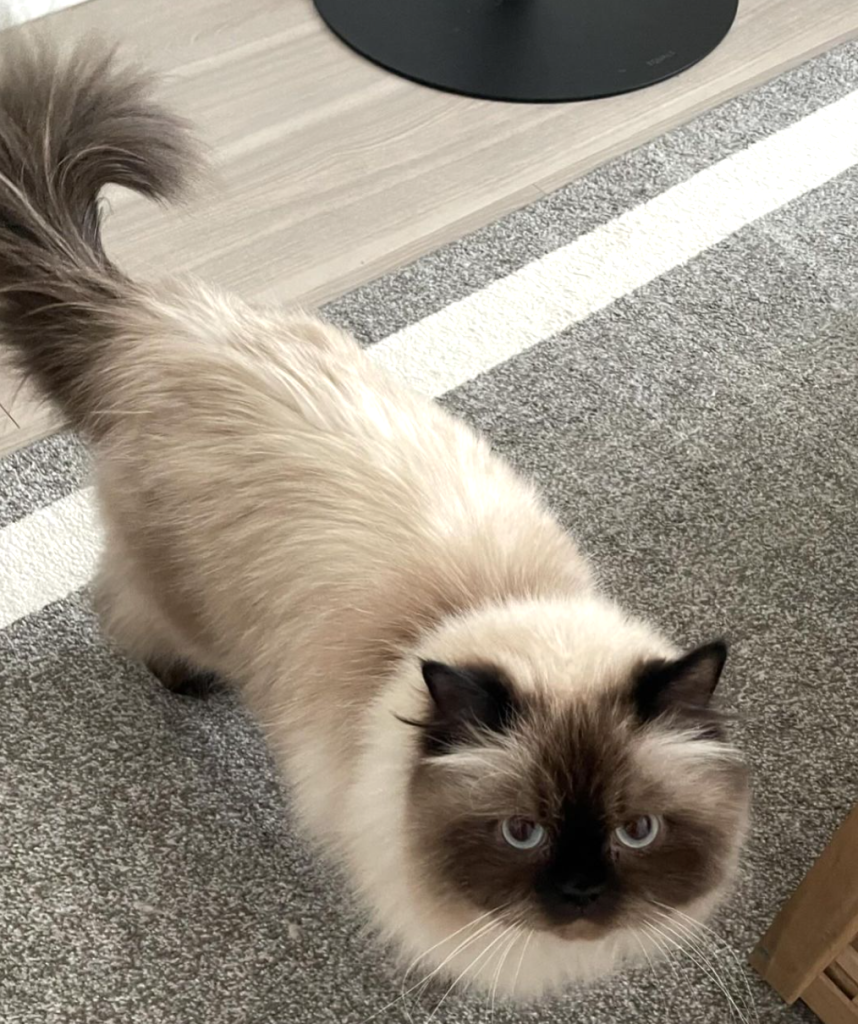
By the 1980s, the Himalayan had become widely regarded as a color-point variety of the Persian rather than a separate breed. Some cat registries, like the CFA, reclassified the Himalayan as part of the Persian breed category, while others continued to recognize it as a distinct breed. This classification difference remains a point of debate among cat fanciers today. Regardless of its classification, the Himalayan remains a unique and cherished breed with a loyal following.
The Himalayan in Modern Times
Today, the Himalayan cat is beloved for its stunning appearance, easy-going nature, and affectionate personality. Its luxurious coat and striking colour points make it popular among cat lovers and breeders. However, because of its Persian ancestry, the Himalayan also inherited some of the Persian’s physical traits, including the flat (brachycephalic) face. While aesthetically pleasing to many, this trait can lead to particular health concerns, such as respiratory issues and eye problems, which conscientious breeders work to minimize.
Despite these challenges, the Himalayan continues to be a popular breed among cat enthusiasts. Its popularity is extreme in the United States, where it enjoys widespread recognition and appreciation. Breeders and owners celebrate the breed’s gentle temperament and stunning looks, and the Himalayan remains a favourite in cat shows and competitions worldwide.
In summary, the Himalayan cat’s history is one of careful crossbreeding and refinement, combining the best qualities of two iconic breeds: the Persian and the Siamese. From its early beginnings in genetic experiments to its recognition as a beloved breed, the Himalayan has evolved into a stunningly beautiful and affectionate companion. Whether regarded as a distinct breed or part of the Persian family, the Himalayan’s rich history and striking appearance make it one of the feline’s most adored and iconic cats.
3. Appearance: Striking Features That Captivate
The Himalayan cat is renowned for its stunning appearance, a perfect blend of the best traits from the Persian and Siamese breeds. With its long, plush coat and colour-point markings, this breed stands out in any room. The Himalayan’s luxurious fur requires attention and care, but the reward is a cat that looks as graceful as it feels.
The Coat
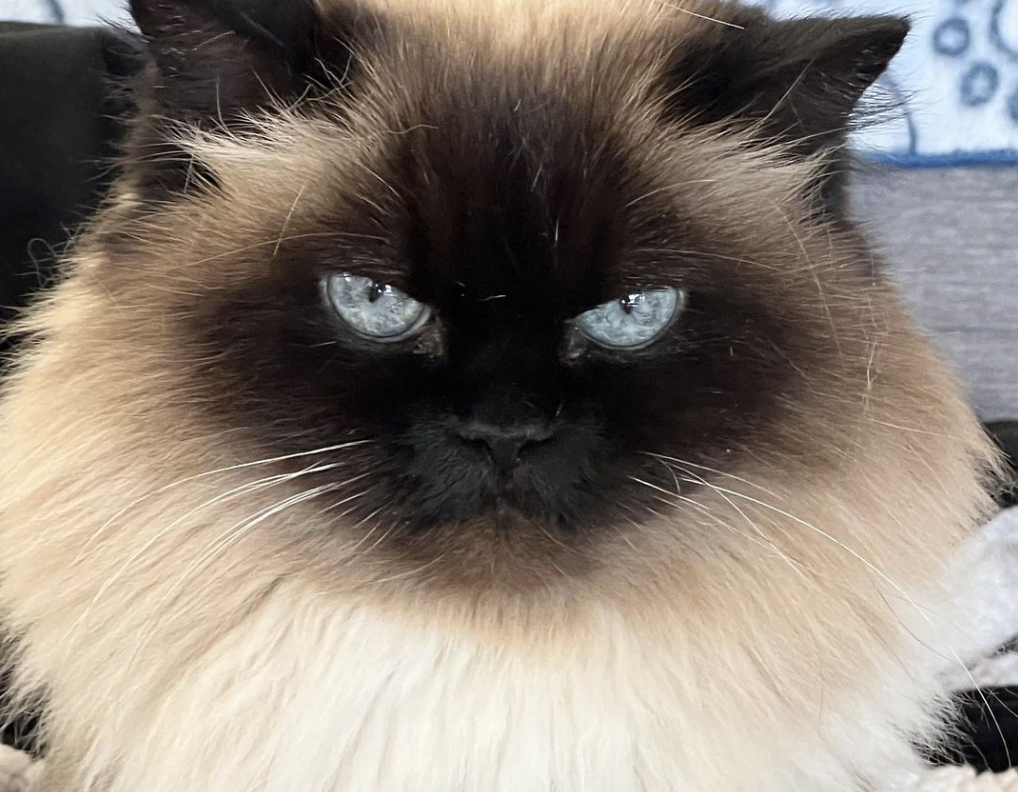
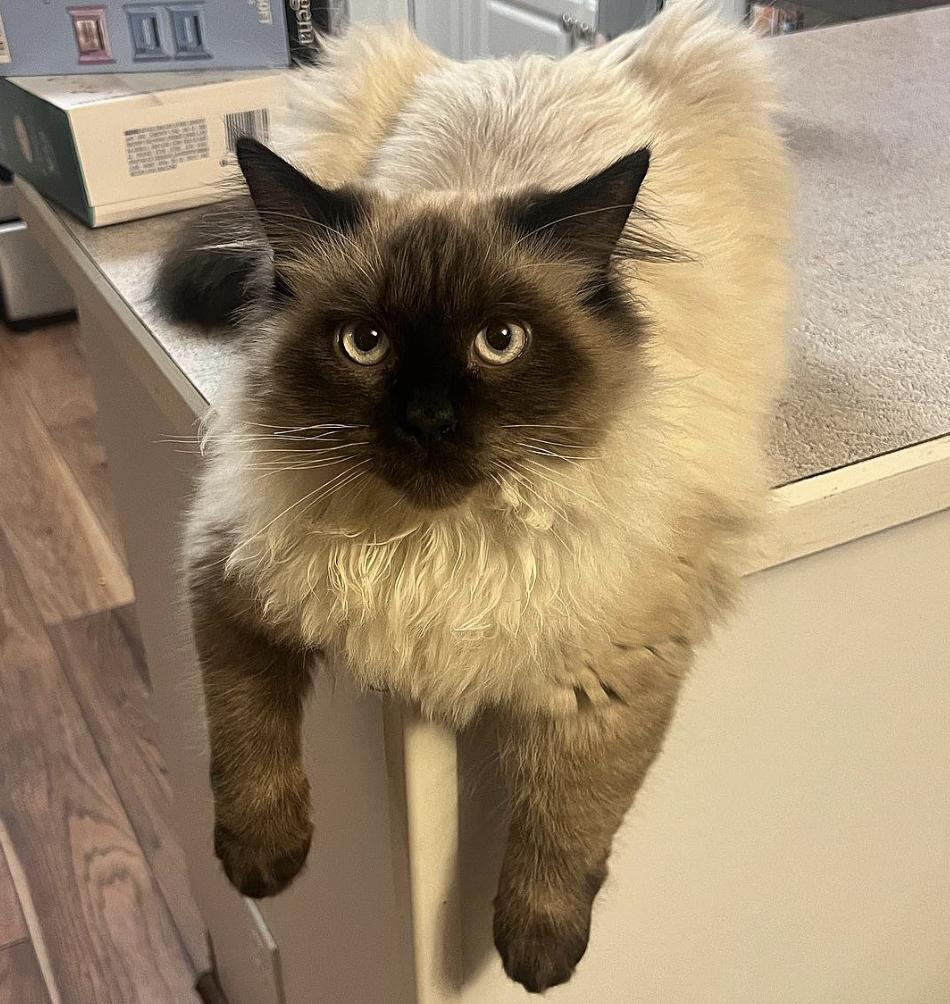
The Himalayan’s coat is its most recognizable feature. It is long and thick, covering the entire body in soft fur. The colour-point markings on the ears, face, paws, and tail come in various shades, including seal, blue, chocolate, lilac, and flame. These striking points contrast beautifully with the cat’s creamy or white body, giving it a distinctive, elegant look.
Eye Color
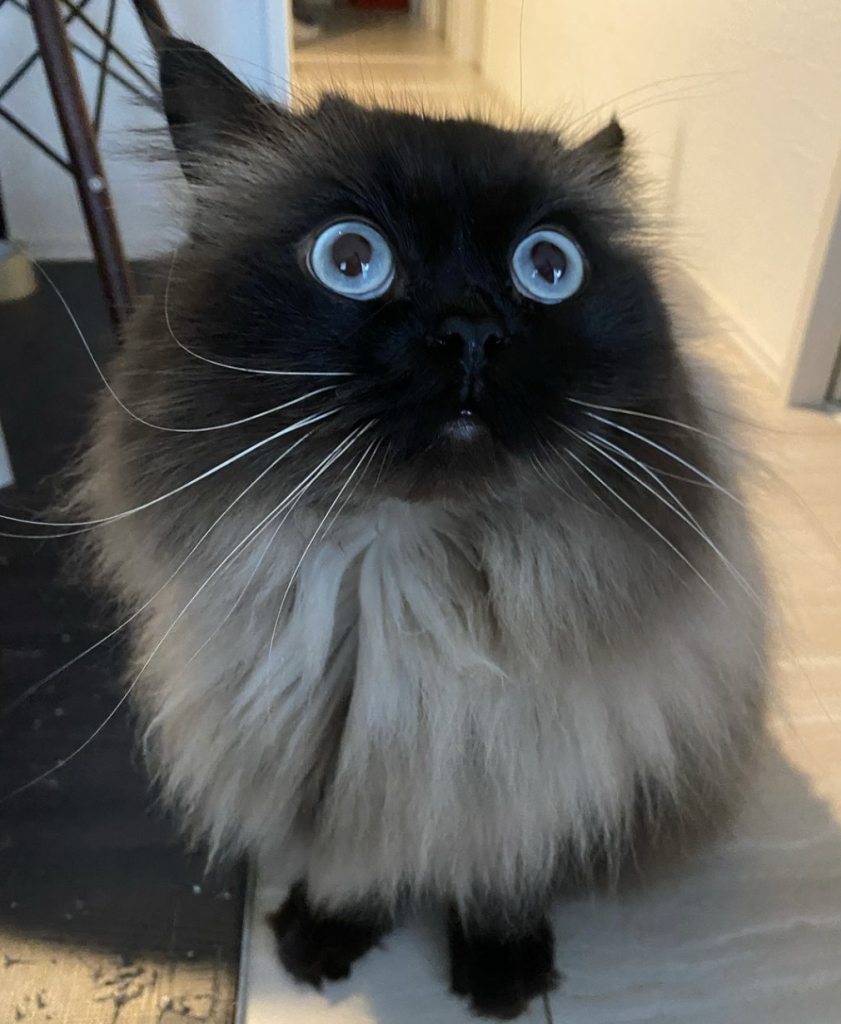
The Himalayan’s captivating blue eyes are another hallmark of the breed, inherited from its Siamese ancestry. The eyes are large, round, and expressive, giving the cat an almost human-like gaze that many find irresistible. The intensity of the blue varies, but most Himalayan cats have vibrant, deep-blue eyes that add to their allure.
Body Structure
The Himalayan cat has a sturdy, medium-to-large build, with a broad chest and muscular body. It can actually be quite difficult to see the body structure because of all the fur! Despite its solid frame, the breed carries itself with grace and poise. The head is round with full cheeks, and the nose is short, giving the breed a flat-faced appearance similar to the Persian. Its small, rounded ears and bushy tail complete the picture of feline elegance.
4. Personality: A Gentle and Affectionate Companion
The Himalayan cat is as loving and affectionate as it is beautiful. Known for its calm and laid-back nature, this breed is an excellent choice for families, singles, or the elderly. While they enjoy human companionship, Himalayans are moderately demanding of attention. Instead, they have a sweet, gentle temperament that makes them easy to live with.
Friendly and Social
Himalayans are social cats that enjoy being around their human family members. They are known to form strong bonds with their owners and can often be found lounging nearby or seeking gentle affection. Though not as active or vocal as Siamese cats, Himalayans still enjoy interactive play and are always up for a cuddle.
Quiet and Relaxed
One of the most endearing traits of the Himalayan cat is its calm demeanour. They are not hyperactive cats, preferring to relax and observe their surroundings. This makes them ideal companions for people who prefer a quieter, more serene home environment. Himalayans enjoy sitting in cosy spots, watching the world go by with their large, expressive eyes.
Intelligent and Curious
While they are calm, the Himalayas are also quite intelligent and curious. They enjoy exploring their environment and will happily investigate new spaces or toys. However, they do so composedly, never displaying the mischievous or destructive behaviour that some other breeds might exhibit. This balance of curiosity and calmness makes the Himalayan an ideal indoor cat.
5. Health and Longevity: Ensuring a Healthy Life for Your Himalayan
The Himalayan cat is generally a healthy breed, but like all purebred cats, it is prone to certain health issues that potential owners should be aware of. With proper care, regular veterinary check-ups, and attention to specific health needs, Himalayan cats can live long, happy lives.
Common Health Issues
One of the most common concerns for Himalayan cats is related to their flat-faced (brachycephalic) structure, which can lead to breathing difficulties. This trait, inherited from the Persian, can cause issues such as snoring, laboured breathing, or susceptibility to respiratory infections. Additionally, their large, round eyes are prone to tear staining and potential eye infections, so regular cleaning is necessary.
Himalayans may also be prone to dental issues, such as gingivitis and polycystic kidney disease (PKD), which is more common in Persian-based breeds. Regular dental care and routine vet check-ups can help mitigate these risks.
Lifespan
Himalayan cats typically live between 9 to 15 years or more with proper care, a healthy diet, and regular exercise. Ensuring they maintain a healthy weight, receive regular grooming, and have a stimulating environment will contribute to their overall health and longevity.
6. Grooming and Maintenance: Keeping the Himalayan Cat’s Coat in Top Condition
The Himalayan’s long, luxurious coat requires regular grooming to keep it pristine. While grooming a Himalayan cat may seem like much work, it is essential to prevent matting, maintain the coat’s health, and keep the cat comfortable.
Brushing
Due to their long fur, Himalayans need to be brushed daily. Use a high-quality brush or grooming comb to work through the thick layers of fur, ensuring no tangles or mats form. Regular brushing also helps remove loose fur, reducing the amount of shedding in the home.
Bathing
Regular baths benefit Himalayan cats by keeping their coat clean and free of oils. While cats are typically excellent self-groomers, a monthly bath can help maintain the coat’s silky texture and reduce any potential dirt build-up.
Eye Care
Due to their large, round eyes, Himalayans may experience tear staining. Regular cleaning around the eyes with a damp, soft cloth can prevent staining and potential infections. This extra step ensures that your Himalayan remains comfortable and keeps their eyes bright and healthy.
7. Diet and Nutrition: Feeding the Himalayan Cat for Optimal Health
A balanced, nutritious diet is critical to maintaining the health and vitality of a Himalayan cat. High-quality cat food that balances protein, fat, and carbohydrates is essential to meeting these needs.
Protein-Rich Diet
Himalayan cats thrive on a diet rich in animal protein, which helps maintain their muscular build and supports overall health. Look for cat food with meat, such as chicken, turkey, or fish, as the primary ingredient. Avoid foods with fillers like corn, wheat, or soy, as these can lead to weight gain or digestive issues.
Portion Control
Since Himalayan cats are not as active as other breeds, monitoring their food intake is essential to prevent obesity. Stick to portion-controlled feeding, and avoid leaving food out all day. You can also provide treats in moderation, but be mindful of overfeeding.
8. Living with a Himalayan Cat: A Loyal and Engaging Companion
Living with a Himalayan cat is a joyful experience. Their calm, affectionate nature makes them ideal companions for almost any household. Whether you live in a busy family home or a quiet apartment, Himalayans are adaptable and content to live in various environments.
Ideal for Families
Himalayan cats are gentle and tolerant, making them excellent companions for families with children. They enjoy being petted and often follow their owners around the house, seeking attention. Their relaxed nature makes them less likely to react negatively to children, making them a perfect addition to a family home.
Suitable for Singles and Seniors
For individuals living alone, Himalayans are loyal companions who provide warmth and affection without being overly demanding. Their quiet demeanour and love of lounging make them ideal pets for those seeking a calm, loving feline friend.
Due to the Himalayan’s popularity, finding a reputable breeder is crucial to ensure the cat’s health and well-being. Responsible breeders will perform health screenings on their cats to ensure they are free from genetic disorders.
Breeder Ethics
Before purchasing a Himalayan kitten, do thorough research to find a breeder who follows ethical breeding practices. Ethical breeders will be transparent about their breeding methods, provide health certificates, and offer advice on how to care for the breed.
Adoption Considerations
If you are not set on buying from a breeder, consider adopting a Himalayan from a rescue or shelter. Many purebred cats, including the Himalayans, find their way into shelters, and adopting is a rewarding way to give a cat a second chance at a loving home.
10. Conclusion: The Himalayan Cat – A Fluffy Gem of Feline Grace
The Himalayan cat is a breed that offers a beautiful blend of Persian elegance and Siamese charm. With its striking color-point coat, captivating blue eyes, and calm, loving temperament, the Himalayan makes a perfect companion for families, singles, or anyone seeking a loyal feline friend. Their gentle nature and luxurious appearance ensure that they stand out as one of the most adored cat breeds in the world.
Whether you are drawn to their beauty or their affectionate personality, the Himalayan cat will provide endless love and companionship to those lucky enough to share their home with one. With proper care, attention, and love, the Himalayan is a fluffy gem of feline grace that will enrich your life for many years.
11. FAQ: Your Questions Answered
Q: Are Himalayan cats high maintenance?
A: Yes, due to their long, luxurious coat, Himalayans require regular grooming, including daily brushing and occasional baths, to prevent matting and keep their fur healthy.
Q: Are Himalayan cats good with children?
A: Yes, Himalayan
Q: Are Himalayan cats good with children?
A: Yes, Himalayan cats are known for their gentle and tolerant nature, making them excellent companions for families with children. They enjoy being petted and are typically patient, which makes them a good fit for households with younger kids.
Q: Do Himalayan cats have any common health problems?
A: Himalayan cats are prone to certain health issues due to their flat-faced (brachycephalic) structure, such as breathing difficulties and tear staining. They can also be susceptible to dental problems and polycystic kidney disease (PKD). Regular vet check-ups and preventive care are essential to ensure their well-being.
Q: How often should I groom my Himalayan cat?
A: Himalayan cats require daily brushing to keep their long fur free of tangles and mats. Regular baths (about once a month) and eye cleaning will help maintain their coat’s health and overall appearance.
Q: Are Himalayan cats vocal?
A: Himalayans are generally quiet cats. While they communicate with soft meows and purrs, they are not as vocal as breeds like the Siamese. Their calm, serene nature makes them perfect for quieter households.
Q: Can Himalayan cats live in apartments?
A: Yes, Himalayan cats adapt well to apartment living. They are calm, low-energy cats that do not require much space. They will thrive in any living environment as long as they have a cosy spot to relax and plenty of attention from their owners.