Meet the Japanese Bobtail: The Cat Breed Bringing Luck and Love to Every Home!
This Cat’s Unique Tail Will Blow Your Mind – Meet the Japanese Bobtail!
The Japanese Bobtail cat is a breed rich in history and culture, widely recognised for its unique and iconic short, pom-pom-like tail. Originating in Japan, this elegant feline is cherished in its homeland and globally adored for its charming personality, intelligent nature, and distinct appearance. Often associated with good fortune, the Japanese Bobtail has long been a symbol of prosperity and happiness, mainly seen in the famous Japanese figurine of the Maneki-neko, or “beckoning cat”.
In this detailed review, we’ll explore every aspect of this captivating breed, from its fascinating history to its physical traits and temperament. We will dive into the breed’s care needs, training potential, health concerns, and tips on ensuring that a Japanese Bobtail lives a happy and fulfilling life. A joyous and celebratory look at this beautiful cat, this article serves as an all-encompassing guide for anyone interested in adopting, caring for, or learning more about the Japanese Bobtail.
Table of Contents
- History and Origins
- Physical Characteristics
- Personality and Temperament
- Care and Grooming Requirements
- Health and Common Conditions
- Training and Intelligence
- Living Environment and Social Needs
- Feeding and Nutrition
- Japanese Bobtail as a Family Pet
- Conclusion: The Charming Spirit of the Japanese Bobtail
- Frequently Asked Questions (FAQ)
1. History and Origins
The Japanese Bobtail has a long and revered history in Japan, dating back over 1,000 years. Its distinct appearance, particularly the short, pom-pom-like tail, is deeply ingrained in Japanese culture and folklore. The breed is thought to have arrived in Japan from China or Korea, where it quickly became a favourite of Japanese nobility. Over time, the Japanese Bobtail was celebrated for its physical beauty and association with good fortune and happiness.
One of the most famous cultural symbols linked to the Japanese Bobtail is the Maneki-neko, or “beckoning cat”. These figurines, often seen in shops and homes, are thought to bring prosperity and good luck to their owners. These iconic statues depict the Japanese Bobtail’s distinctive tail and graceful posture.
In the 1960s, the breed was introduced to the West, where it slowly gained recognition, particularly among cat fanciers in the United States and Europe. Today, the Japanese Bobtail is a globally appreciated breed, though it still retains a special place in Japanese culture.
2. Physical Characteristics
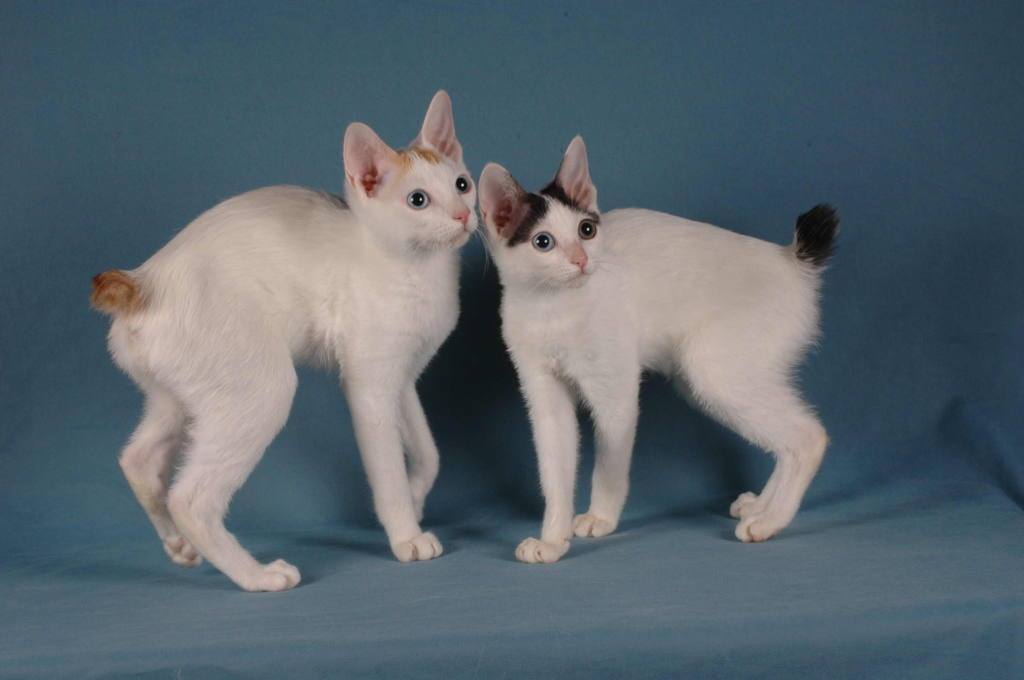
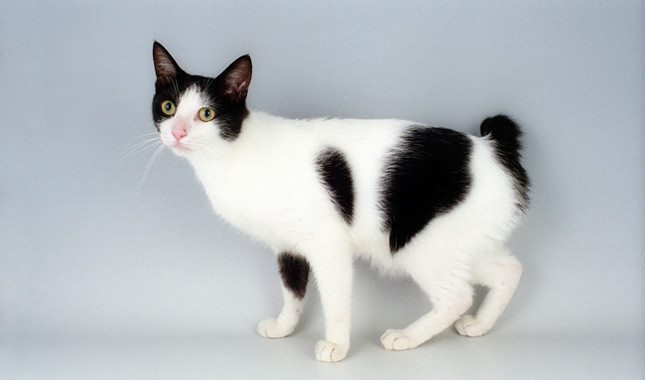
The most distinctive feature of the Japanese Bobtail is, of course, its unique tail. Unlike most cats, whose tails are long and flexible, the Japanese Bobtail has a short, kinked tail that resembles a pom-pom. This characteristic sets the breed apart from all other domestic cats, giving it a playful and striking appearance.
In addition to its tail, the Japanese Bobtail has a slender yet muscular body, with long legs contributing to its graceful and athletic nature. Its face is triangular, with large, expressive eyes and high cheekbones that give it a regal yet friendly appearance. The breed comes in short- and long-haired varieties with soft and silky coats. They can be found in various colours and patterns, though the mi-ke (meaning “three fur colours”) is the most iconic, often appearing in calico patterns.
Their medium-sized frame makes them agile and athletic, perfect for leaping onto high surfaces or exploring their environment curiously.
3. Personality and Temperament
One of the Japanese Bobtail’s most beloved traits is its engaging and friendly personality. These cats are known for being highly social and love to interact with their human companions. Unlike some breeds that can be more reserved, the Japanese Bobtail thrives on attention and enjoys being the centre of activity in the home. They are excellent companions, often seeking affection and playtime, making them ideal pets for families and individuals.
Moreover, Japanese Bobtails are incredibly intelligent and curious. They love puzzles, interactive toys, and games that stimulate their minds. Their playful nature and intelligence make them easy to train and a joy to live with. The Japanese Bobtail is always ready for a challenge, whether learning tricks or navigating obstacles.
Despite their active personalities, they are also known to be gentle and calm, especially around children or other pets. Their balanced temperament makes them suitable for households of all types, from bustling families to quieter homes.
4. Care and Grooming Requirements
Regarding grooming, Japanese Bobtails are relatively low-maintenance compared to other breeds, particularly in their short-haired form. Their coat is soft and silky, and they tend to shed less than many other cats, which is a plus for those concerned about allergies or cleanliness. A weekly brushing session is sufficient to keep their coat healthy and shiny.
The long-haired variety, however, may require a bit more attention, especially during shedding seasons. Regular brushing will help prevent tangles and matting, ensuring their coat remains soft and debris-free.
Aside from coat care, the Japanese Bobtail needs regular nail trims, ear cleanings, and dental hygiene. Like all cats, they benefit from brushing their teeth regularly and their nails clipped to prevent overgrowth.
5. Health and Common Conditions
The Japanese Bobtail is generally a healthy breed with a long lifespan, often between 12 and 16 years or more. Thanks to careful breeding practices, the breed is not prone to many genetic issues affecting other cats. However, as with all pets, regular veterinary check-ups are essential to ensure they remain healthy.
One of the only health concerns associated with the breed is the potential for spinal issues due to its short tails. The unique structure of their tails may occasionally lead to spinal deformities, although this is rare in well-bred individuals. Nevertheless, it is always a good idea to monitor your cat’s mobility and consult a vet if you notice any discomfort.
Routine vaccinations, flea control, and a healthy diet will help keep your Japanese Bobtail happy and healthy throughout its life.
6. Training and Intelligence
Japanese Bobtails are highly intelligent cats, making them one of the easiest breeds to train. Their curiosity and eagerness to engage with their environment mean they can quickly learn commands and tricks and even navigate more complex tasks like solving puzzle toys or following obstacle courses.
One of their standout traits is their love for playing fetch. This dog-like behaviour adds to their charm, as many owners report hours of entertainment spent tossing toys for their Bobtail to retrieve. Their high level of intelligence also means they can be leash-trained, making them ideal companions for outdoor adventures or walks in the park.
However, like all cats, they retain a strong sense of independence. Training should always be done using positive reinforcement and plenty of patience, as these cats respond well to praise and treats.
7. Living Environment and Social Needs
The Japanese Bobtail thrives in various environments, from apartments to larger homes. Its adaptable nature makes it suitable for living in city and rural areas as long as it receives adequate mental and physical stimulation.
These cats are highly social and enjoy being part of a family. They form strong bonds with their owners and can become lonely or bored if left alone for long periods. For this reason, it is important to provide them with enough companionship, whether from humans or other pets, to keep them happy and entertained.
Interactive toys, climbing trees, and exploring spaces are all excellent ways for Japanese bobtails to enrich their living environment. A Japanese Bobtail is happiest when it can satisfy its curiosity and playfulness.
8. Feeding and Nutrition
A balanced diet is crucial for keeping a Japanese Bobtail healthy and energetic. As with all cats, they thrive on a high-protein, meat-based diet. It’s essential to provide them with quality cat food that meets their nutritional needs, focusing on foods that contain a good balance of protein, fat, and carbohydrates.
Maintaining a regular feeding schedule and monitoring their weight will also ensure they remain in peak physical condition. As these cats are naturally active, they typically do not struggle with obesity, but it’s always essential to provide portion-controlled meals and fresh water.
9. Japanese Bobtail as a Family Pet
Japanese Bobtails make excellent family pets. Their friendly and sociable nature means they get along well with children, other cats, and even dogs. Their love for playtime and gentle temperament make them well-suited for households with kids, as they can handle the attention and interaction without becoming overwhelmed.
Moreover, their intelligence and adaptability make them a good choice for first-time cat owners and experienced pet parents. Whether you’re looking for a playful companion or a calm lap cat, the Japanese Bobtail is versatile enough to meet the needs of many families.
10. Conclusion: The Charming Spirit of the Japanese Bobtail
The Japanese Bobtail stands out as a breed for its unique appearance, engaging personality, and rich cultural heritage. This cat embodies elegance, playfulness, and intelligence that few breeds can match. The Japanese Bobtail brings joy and companionship to homes worldwide, whether as a symbol of good luck or a cherished family pet.
11. Frequently Asked Questions (FAQ)
Q1: How long do Japanese Bobtail cats typically live?
A: Japanese Bobtail cats have an average lifespan of 12 to 16 years, although some may live longer with proper care and a healthy lifestyle.
Q2: Are Japanese Bobtails good with children and other pets?
A: Japanese Bobtails are known for their friendly and sociable nature, making them excellent companions for families with children or other pets.
Q3: Do Japanese Bobtails require a lot of grooming?
A: Japanese Bobtails are relatively low-maintenance. The short-haired variety requires minimal grooming, while the long-haired type may need regular brushing to prevent tangles.
Q4: What is unique about the Japanese Bobtail’s tail?
A: The Japanese Bobtail’s tail is short and pom-pom-like due to natural genetic mutations, giving it a distinct and unique appearance compared to other cats.
Q5: Are Japanese Bobtails easy to train?
A: Yes, Japanese Bobtails are highly intelligent and trainable. They enjoy learning tricks and can even be leash-trained, making them one of the more trainable cat breeds.