The Asian Cat: The Exotic Feline That’s Stealing Hearts with Beauty and Intelligence!
Asian Cat Breed: A Comprehensive Review
Table of Contents
- Introduction: The Asian Cat at a Glance
- History and Origins
- Physical Characteristics
- Temperament and Personality
- Health and Lifespan
- Grooming and Maintenance
- Suitability as a Family Pet
- Interaction with Children and Other Pets
- Training and Intelligence
- Living Environment
- Diet and Nutrition
- Common Health Concerns
- Breeding and Costs
- Final Thoughts: The Charm of the Asian Cat
- FAQ Section
Introduction: The Asian Cat at a Glance
The Asian cat breed, often overshadowed by its more popular cousins like the Siamese and Burmese, is a true hidden gem in the feline world. These cats are elegant, graceful, and highly personable, making them an ideal choice for many cat lovers. With their exotic appearance and charming personalities, they offer the perfect combination of beauty, intelligence, and affection. Known for their affectionate nature, they thrive in human company and form strong bonds with their families.
In this review, we will explore everything there is to know about the Asian cat breed, from their fascinating history to their health, temperament, and suitability as family pets. Whether you’re considering adopting one or simply curious about this captivating breed, this guide will provide an in-depth understanding of what makes the Asian cat such a wonderful companion.
1. History and Origins
The Asian cat breed has a relatively modern origin, which traces back to the United Kingdom in the 1980s. This breed was developed by crossing the Burmese with other domestic cats, such as the British Shorthair. The goal was to create a cat with the sleek, elegant body of a Burmese but with a wider variety of coat colors and patterns. The result was the Asian, a stunning and diverse breed with a rich combination of traits.
Though the breed’s development is relatively recent, its roots are deeply intertwined with Burmese history. Many Asian cats exhibit similar traits to Burmese cats in their physical build and temperament, but their coat diversity sets them apart. Their development was an intentional effort to broaden the gene pool of the Burmese breed and to introduce more coat colors and patterns without compromising on their cherished temperament and personality.
The breed was officially recognized in the UK, where it has gained a strong following. Today, the Asian cat is well-loved by enthusiasts for its beauty and affectionate nature. Although not as widely recognized outside of Europe, this breed is growing in popularity globally.
2. Physical Characteristics
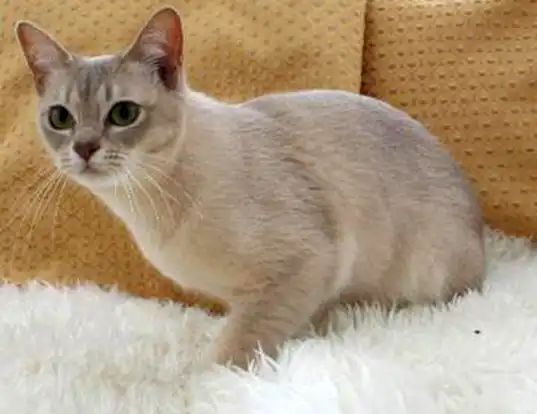
One of the most striking aspects of the Asian cat breed is its appearance. These cats are medium-sized and boast an elegant, athletic body that reflects their Burmese lineage. Their muscular yet graceful physique allows them to move with fluidity and precision, a quality that sets them apart from other domestic breeds.
Head and Facial Features
The Asian cat has a wedge-shaped head with well-defined cheekbones, giving it a refined and regal look. Their almond-shaped eyes are typically large and expressive, often a striking shade of green or gold that adds to their overall allure. The ears are medium to large and slightly rounded at the tips, set wide apart, contributing to their alert and inquisitive expression.
Coat and Colors
What truly sets the Asian cat apart from its Burmese relative is the range of coat colors and patterns. While Burmese cats are primarily found in solid colors, Asians come in a wide array, including tabby, shaded, and smoke varieties. The coat itself is short, sleek, and close-lying, requiring minimal grooming while maintaining a glossy appearance. Some popular colors include chocolate, lilac, caramel, and silver, giving these cats a diverse and striking appearance.
Body and Build
The Asian cat’s body is both elegant and athletic. They possess a medium frame that is both lightweight and muscular, allowing them to be agile yet strong. Their legs are proportionate to their body, with dainty oval-shaped paws. The tail is of medium length and tapers to a rounded tip, contributing to their overall balance and symmetry.
3. Temperament and Personality
The Asian cat is known for its winning personality, which combines the best traits of its Burmese ancestors with a more adaptable, easygoing nature. These cats are highly sociable and thrive on interaction with their human companions. If you’re seeking a cat that will greet you at the door and be involved in every aspect of your life, the Asian cat is an excellent choice.
Affectionate and Loving
One of the key characteristics of the Asian cat is its affectionate nature. These cats form strong bonds with their families and are known to be particularly attached to their owners. They crave human interaction and will often follow their owners around the house, looking for opportunities to cuddle or be close. This makes them ideal pets for those who want a close and loving relationship with their feline companion.
Playful and Energetic
Despite their regal appearance, Asian cats are playful and energetic. They enjoy interactive play and are known for their curious and adventurous nature. They love to explore their surroundings and can often be found perched on high surfaces, observing the world below. Their intelligence and playful disposition mean they require regular mental stimulation to keep them happy and healthy.
Adaptable and Social
One of the breed’s most appealing traits is its adaptability. Unlike some cats that may become stressed by changes in their environment, the Asian cat is relatively easygoing. They adapt well to new surroundings and are generally not fazed by busy households. They also tend to get along well with other pets, including both cats and dogs, making them an excellent choice for multi-pet households.
4. Health and Lifespan
Asian cats are generally healthy and robust, a testament to their well-managed breeding programs. On average, they live between 12 and 15 years, although many can live well into their late teens with proper care. Regular veterinary check-ups, a balanced diet, and plenty of exercise will go a long way in ensuring your Asian cat leads a long, healthy life.
Common Health Concerns
Although the Asian cat is a relatively healthy breed, there are a few health conditions to be aware of. Some of these conditions are inherited from their Burmese ancestors, while others are general health concerns that affect many domestic cats. Potential health issues include:
- Obesity: Like many active and food-loving breeds, Asian cats can be prone to weight gain if not given the proper diet and exercise.
- Dental Issues: Regular dental care is important for this breed, as they can be susceptible to gum disease and other oral health problems.
- Heart Conditions: Some Asian cats may be prone to heart conditions such as hypertrophic cardiomyopathy (HCM). Regular veterinary check-ups can help detect any potential issues early.
Preventive Care
Preventive care, including regular veterinary visits, vaccinations, and parasite control, will keep your Asian cat in optimal health. Ensuring they stay at a healthy weight through a balanced diet and regular exercise is also essential in preventing obesity and related conditions.
5. Grooming and Maintenance
The Asian cat’s short, sleek coat is one of the easiest to care for. Unlike long-haired breeds that require frequent grooming, the Asian’s coat is relatively low-maintenance. A quick brush once or twice a week is usually sufficient to keep their coat in top condition.
Coat Care
The breed’s coat lies close to the body and is short, which means it rarely mats or tangles. However, regular brushing will help remove loose hair and keep their coat glossy. During shedding seasons, which typically occur in the spring and fall, you may need to brush them a little more frequently to manage excess hair.
Bathing
Bathing an Asian cat is not usually necessary, as they are fastidious self-groomers. However, an occasional bath can help maintain their coat’s shine, especially if they’ve gotten into something dirty. When bathing, it’s essential to use a cat-friendly shampoo to avoid irritating their skin.
Nail Clipping and Dental Care
Regular nail trimming is recommended for Asian cats, especially if they are indoor cats. This will help prevent their nails from becoming too long or getting snagged on furniture. Additionally, dental care is important, as this breed can be prone to dental issues. Regular brushing and providing dental treats can help keep their teeth and gums healthy.
6. Suitability as a Family Pet
Asian cats make excellent family pets due to their friendly, affectionate, and social nature. They thrive in homes where they can interact regularly with people, making them an ideal choice for families who spend a lot of time at home or have children.
Interaction with Family Members
Asian cats are known for forming strong bonds with all members of the family, not just one person. This makes them a good choice for larger households where they can receive attention from multiple people. Their playful nature also makes them great companions for children, as they enjoy interactive games and will often join in family activities.
Companionship Needs
These cats do not do well when left alone for extended periods. If you have a busy household where someone is usually home, the Asian cat will be content. However, if you’re away for long hours during the day, it may be a good idea to have another pet, such as another cat, to keep them company.
7. Interaction with Children and Other Pets
The Asian cat’s sociable and friendly nature makes it an excellent choice for families with children or other pets. They are known to be patient and gentle with children, making them a suitable pet for families with young kids.
Playful with Children
Asian cats are playful and enjoy interacting with children. Their intelligence and energy make them a perfect match for kids who want to engage in active play. They are generally patient and tolerant of children, but like all cats, it’s important to teach
children to be gentle and respectful of the cat’s boundaries.
Good with Other Pets
In addition to being good with children, Asian cats typically get along well with other pets. Their social nature means they are usually accepting of other cats and even dogs. Introducing an Asian cat to other pets should be done slowly and with care, but they are generally adaptable and will form bonds with other animals in the household.
8. Training and Intelligence
Asian cats are highly intelligent, which makes them relatively easy to train. They are quick learners and can be taught a variety of tricks, commands, and behaviors. This intelligence also means they need mental stimulation to stay happy, so providing toys and engaging activities is important.
Training Capabilities
With patience and consistency, Asian cats can be trained to perform a range of commands, including sitting, fetching, and even walking on a leash. Positive reinforcement, such as treats and praise, works well with this breed, as they respond best to rewards rather than punishment.
Mental Stimulation
Because of their intelligence, Asian cats need plenty of mental stimulation to prevent boredom. Puzzle toys, interactive games, and regular playtime are all great ways to keep them mentally engaged. They are also known to enjoy exploring their environment, so providing them with climbing towers, scratching posts, and other forms of enrichment is highly recommended.
9. Living Environment
Asian cats are adaptable and can thrive in a variety of living environments, from large houses to small apartments. As long as they have plenty of opportunities for mental and physical stimulation, they can be happy in almost any home setting.
Indoor vs. Outdoor
While Asian cats can adapt to living indoors, they also enjoy outdoor time if it’s safe and supervised. Indoor living is often recommended for this breed to keep them safe from potential dangers like traffic and predators. However, providing them with an enclosed outdoor space or taking them for walks on a leash can give them the opportunity to explore the outdoors safely.
Environmental Enrichment
If your Asian cat lives indoors, it’s important to provide them with plenty of enrichment to keep them stimulated. Cat trees, scratching posts, toys, and window perches are all great ways to give your cat a stimulating environment. They also appreciate interactive play with their owners, so make sure to set aside time each day to engage with your cat.
10. Diet and Nutrition
Asian cats require a balanced diet to maintain their health and energy levels. Like all cats, they are obligate carnivores, meaning they need a diet high in animal-based proteins to thrive.
High-Quality Cat Food
A high-quality, protein-rich cat food is essential for the health of an Asian cat. Whether you choose dry kibble, wet food, or a combination of both, make sure the food is specifically formulated for cats and contains high levels of meat protein. Avoid foods that are high in fillers like corn or soy, as these do not provide the necessary nutrients for your cat.
Portion Control
Portion control is important for Asian cats, as they can be prone to overeating. Feeding your cat measured portions based on their weight and activity level can help prevent obesity, which is a common health concern in this breed. It’s also important to provide fresh water at all times to keep your cat hydrated.
11. Common Health Concerns
Although generally healthy, the Asian cat breed can be prone to a few health issues. Awareness of these potential health problems can help you take preventive measures and ensure your cat remains healthy throughout its life.
Hypertrophic Cardiomyopathy (HCM)
One of the most common heart conditions seen in Asian cats is hypertrophic cardiomyopathy (HCM), a disease that causes thickening of the heart muscle. Regular veterinary check-ups can help catch this condition early and manage it with medication if necessary.
Obesity
As mentioned earlier, obesity is a concern for Asian cats, especially those that do not get enough exercise. Ensuring they maintain a healthy weight through portion control and regular activity is key to preventing this condition.
Dental Disease
Asian cats can also be prone to dental disease, which can lead to more serious health issues if left untreated. Regular dental care, including brushing and professional cleanings, can help prevent this.
12. Breeding and Costs
Breeding Asian cats requires careful consideration to maintain the health and integrity of the breed. Reputable breeders follow strict guidelines to ensure the kittens they produce are healthy and free from genetic defects.
Cost of an Asian Cat
The cost of an Asian kitten can vary depending on the breeder, but on average, you can expect to pay between £400 and £800 for a well-bred kitten. Cats from show lines or with particularly rare coat colors may command higher prices. It’s important to buy from a reputable breeder who tests for genetic conditions and prioritizes the health and well-being of their cats.
13. Final Thoughts: The Charm of the Asian Cat
In summary, the Asian cat breed offers a delightful blend of intelligence, beauty, and affection. With their striking appearance, diverse coat colors, and captivating personalities, they are an excellent choice for cat lovers seeking a loyal and loving companion. Their adaptability and social nature make them well-suited to a variety of households, including those with children and other pets.
For those who want a cat that will be an integral part of the family, always ready for a cuddle or a play session, the Asian cat is an outstanding choice. Their gentle and affectionate temperament ensures that they form deep bonds with their owners, making them a cherished member of any household.
14. FAQ Section
Q: Are Asian cats hypoallergenic?
A: No, Asian cats are not hypoallergenic. However, their short coats may produce fewer allergens compared to long-haired breeds, which can be beneficial for people with mild allergies.
Q: How much exercise does an Asian cat need?
A: Asian cats are active and playful, so they require regular exercise and mental stimulation. Providing toys, climbing trees, and engaging in interactive play will help keep them happy and healthy.
Q: Do Asian cats get along with other pets?
A: Yes, Asian cats are generally sociable and get along well with other pets, including cats and dogs, as long as they are properly introduced.
Q: Can Asian cats be left alone during the day?
A: While Asian cats prefer company and may not enjoy being left alone for long periods, they can adapt if they have enough toys and stimulation. Having another pet for companionship can also help if you’re away for extended periods.
Q: Are Asian cats good for first-time cat owners?
A: Yes, their friendly and adaptable nature makes Asian cats a great choice for first-time cat owners. They are relatively easy to care for and form strong bonds with their families.