Why the Gorgeous Balinese Cat Could Be the Perfect Feline Companion You’ve Been Missing!
Balinese Cat: A Comprehensive and In-Depth Review
Table of Contents
- Introduction: The Balinese at a Glance
- History and Origins
- Physical Characteristics
- Temperament and Personality
- Health and Lifespan
- Grooming and Maintenance
- Suitability as a Family Pet
- Interaction with Children and Other Pets
- Training and Intelligence
- Living Environment
- Diet and Nutrition
- Common Health Concerns
- Breeding and Costs
- Final Thoughts: The Elegant Charm of the Balinese
- FAQ Section
Introduction: The Balinese at a Glance
The Balinese cat, often called the long-haired Siamese, is an elegant and affectionate breed with a striking appearance. Known for its silky, flowing coat and stunning blue eyes, the Balinese has become a favourite among cat lovers seeking beauty and intelligence in one package. Despite their aristocratic look, these cats are friendly, playful, and deeply bonded to their families. They thrive on human companionship and are perfect for those looking for a loving, loyal pet.
This detailed review will explore everything you need to know about the Balinese cat breed. From their history and physical traits to their temperament and health, we’ll cover all the essential information to help you decide whether the Balinese fit your home. Whether you’re already a fan of this breed or are considering adopting one, this guide will offer insight into why the Balinese is one of the most cherished cat breeds worldwide.
1. History and Origins
The Balinese cat breed has a fascinating history that intertwines with the well-known Siamese. In fact, the Balinese are often considered a long-haired variation of the Siamese, sharing many of the same traits but with one significant difference—their longer coat. The breed’s origins can be traced back to the 1940s in the United States, where long-haired kittens occasionally appeared in Siamese litters.
At first, breeders regarded these long-haired kittens as anomalies. They did not focus on developing them as a distinct breed. However, by the 1950s, a few dedicated breeders recognized the potential of these graceful cats. They began selectively breeding them to maintain their long coats while preserving the Siamese-like characteristics. The result was the Balinese, named after the graceful dancers of Bali due to their elegance and fluid movements.
Official recognition came in the 1960s, when the breed gained popularity, especially in the United States and Europe. Today, the Balinese cat is recognized by various cat associations, including the Cat Fanciers’ Association (CFA) and The International Cat Association (TICA). While still considered somewhat rare compared to other breeds, the Balinese has developed a substantial following thanks to its beauty, intelligence, and affectionate nature.
2. Physical Characteristics
The Balinese is a lovely cat that shares many physical traits with the Siamese but stands out due to its long, silky coat. These medium-sized cats have a slim, athletic build that gives them an air of grace and elegance.
Coat and Colors
One of the Balinese cat’s most defining features is its long, luxurious coat. Unlike other long-haired breeds, the Balinese coat is single-layered, meaning it lacks the dense undercoat typically associated with heavy shedding and matting. The coat is fine and silky and flows naturally over the body, giving the cat a sleek yet elegant appearance.
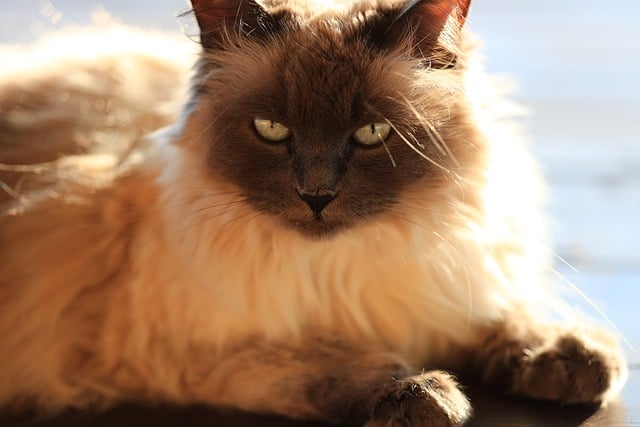
Balinese cats have the same colour points as Siamese cats: seal, blue, chocolate, and lilac. These points are found on the face, ears, tail, and legs, while the rest of the body is a lighter colour. The contrast between the body colour and the point colouration is one of the breed’s most beautiful characteristics.
Head and Facial Features
The Balinese cat has a wedge-shaped head with large, triangular ears set wide apart, adding to its regal look. Its almond-shaped eyes are always brilliant blue, contrasting beautifully with its coat colour. The long, straight nose and chiselled jawline give the Balinese a sleek, elegant, striking, sophisticated profile.
Body and Build
Balinese cats have a slim, muscular body, long, slender legs, and a tail that tapers to a fine point. Despite their delicate appearance, these cats are surprisingly strong and agile. Their movements are graceful and fluid, much like the dancers named after. Their elegant build, luxurious coat, and piercing blue eyes make the Balinese one of the most visually stunning cat breeds.
3. Temperament and Personality
While the Balinese cat is undoubtedly beautiful to look at, their personality truly wins over cat lovers. These cats are known for being affectionate, intelligent, and highly social, making them the perfect companion for families and individuals alike.
Affectionate and Loyal
Balinese cats form strong bonds with their human companions. They are known for being incredibly affectionate and loyal, often following their owners around the house and seeking attention. Unlike some more independent breeds, the Balinese thrives on human interaction and will become a close companion to those who give them the love and attention they crave.
Vocal and Expressive
Like their Siamese relatives, Balinese cats are known for being vocal. They have a distinct voice and are not shy about expressing their feelings. Whether they want food, attention, or just some company, their melodious voice will let you know. However, their vocalizations are typically softer and less demanding than the Siamese’s, making them a bit more laid-back in this regard.
Playful and Energetic
Balinese cats are highly active and playful. They enjoy interactive games and toys and are known for their agility and athleticism. They are natural climbers and love to explore high perches, making cat trees and shelves ideal additions to their environment. Their playful nature makes them an excellent choice for families with children or other pets, as they are always up for a game.
Intelligent and Curious
This breed is also highly intelligent and curious. Balinese cats enjoy solving puzzles, learning tricks, and exploring their surroundings. Their intelligence makes them easy to train, and many owners find that their Balinese quickly learn to follow commands or perform tricks. This breed is mentally stimulating and thrives in environments that provide opportunities for exploration and interaction.
4. Health and Lifespan
Balinese cats are generally healthy, with a lifespan ranging from 12 to 20 years. They inherit many of the same health traits as the Siamese, and with proper care, they can live long, healthy lives.
Common Health Issues
Although the Balinese are a healthy breed, a few genetic conditions can affect them. These include:
- Progressive Retinal Atrophy (PRA): This genetic condition can lead to blindness. Responsible breeders test for this condition, so getting your cat from a reputable breeder is important.
Respiratory Issues: Due to their wedge-shaped heads, some Balinese cats can be prone to respiratory issues, though these are not typically severe. - Amyloidosis: This condition affects the liver and occurs in Siamese and related breeds like the Balinese.
Regular Veterinary Care
Routine veterinary care, including vaccinations, parasite control, and annual check-ups, will help keep your Balinese cat healthy. Since these cats generally maintain low health, keeping up with preventive care and feeding them a balanced diet will ensure a long, happy life.
5. Grooming and Maintenance
Despite their long, luxurious coats, Balinese cats are surprisingly low-maintenance in grooming. Their single-layered coat doesn’t mat or tangle easily, making them much easier to care for than other long-haired breeds.
Brushing and Coat Care
A weekly brush is usually sufficient to keep the Balinese cat’s coat in top condition. This will help remove loose hairs and keep their coat shiny and soft. You may brush them more frequently during shedding season to prevent excess hair from accumulating around the home.
Bathing
Balinese cats are generally clean and do not require frequent baths. However, if necessary, you can bathe them using a gentle, cat-specific shampoo. Dry them thoroughly after a bath to prevent them from getting cold.
Nail Clipping and Dental Care
Regular nail trimming is recommended, especially for indoor cats who may not naturally wear down their nails. Additionally, dental care is essential for Balinese cats, as they can be prone to dental issues. Brushing their teeth and providing dental treats can help maintain good oral health.
6. Suitability as a Family Pet
The Balinese cat’s affectionate, playful, and social nature makes it an excellent choice for families. They form close bonds with their owners and are known for being loyal and loving companions.
Great with Families
Balinese cats thrive in family settings, with plenty of interaction and activity. Due to their playful and gentle nature, they are especially good with children. These cats enjoy playing with kids and are typically patient, making them a good choice for households with younger children.
Adaptability
Balinese cats are adaptable and can fit into a variety of living situations. Whether you live in a large house or a small apartment, the Balinese will adjust as long as they receive plenty of attention and mental stimulation. They are also social animals, so they do best in homes where someone is usually around to interact with them.
7. Interaction with Children and Other Pets
Balinese cats are not only great with children, but they also get along well with
Other pets, making them a versatile choice for multi-pet households.
Playful with Children
Balinese cats love to play, which makes them ideal companions for children. They are patient and gentle, so they can handle the excitement and energy of having kids in the house. However, as with any pet, it is important to teach children to handle the cat gently and respectfully.
Compatibility with Other Pets
Balinese cats are naturally social and typically get along well with other cats and even dogs. If properly introduced, Balinese cats can coexist peacefully with other pets. Their outgoing personality means they are likely to form friendships with other animals in the household, provided they are treated kindly.
8. Training and Intelligence
Balinese cats are known for their high intelligence, which makes them easy to train and keeps them mentally engaged.
Training Capabilities
Due to their intelligence and curiosity, Balinese cats can be trained to follow basic commands, such as sit, come, or fetch. Positive reinforcement techniques, such as using treats and praise, work well with this breed. They are also quick learners, which makes them a joy to train.
Mental Stimulation
Balinese cats need plenty of mental stimulation to stay happy and healthy. Puzzle toys, interactive games, and exploring new environments are all great ways to engage your Balinese cat’s mind. They also enjoy solving challenges and will appreciate any toys that allow them to use their intelligence.
9. Living Environment
Balinese cats are highly adaptable and can thrive in various living environments, whether in a large house or a smaller apartment.
Indoor vs. Outdoor
Balinese cats are generally as happy as indoor cats. While they enjoy exploring their surroundings, keeping them indoors is safer to protect them from potential dangers like traffic, predators, or diseases. If you want your Balinese to experience the outdoors, consider providing them with a secure outdoor space, such as a catio or supervised garden time.
Environmental Enrichment
Providing plenty of environmental enrichment is important for keeping a Balinese cat happy indoors. Cat trees, scratching posts, and interactive toys are all essential for keeping them mentally and physically engaged. Since they enjoy climbing and exploring, vertical space is also important in their living environment.
10. Diet and Nutrition
A balanced diet is vital to keeping your Balinese cat healthy and energetic. Like all cats, they are obligate carnivores, meaning they need a diet of animal-based protein.
High-Quality Cat Food
It’s essential to feed your Balinese high-quality cat food specifically formulated for their nutritional needs. Both wet and dry food can be suitable if they contain the necessary nutrients, such as protein, vitamins, and minerals. Avoid foods with excessive fillers, like corn or soy, as these do not provide much nutritional value.
Portion Control
Balinese cats are active, but they can still be prone to weight gain if overfed. To prevent obesity, it’s important to monitor portion sizes and avoid overfeeding. Fresh water should always be available to keep your cat hydrated.
11. Common Health Concerns
The Balinese cat is generally healthy, but like all breeds, it can be prone to specific health conditions.
Progressive Retinal Atrophy (PRA)
This genetic condition can lead to blindness in affected cats. Responsible breeders test for PRA to reduce the risk of passing this condition to their kittens.
Respiratory Issues
Due to their wedge-shaped heads, some Balinese cats may be prone to minor respiratory issues. However, these are typically mild and do not affect the cat’s quality of life.
Amyloidosis
This condition affects the liver and can be found in Siamese and Balinese cats. Regular veterinary check-ups and a healthy lifestyle can help catch potential health concerns early.
12. Breeding and Costs
Breeding Balinese cats requires knowledge and responsibility to avoid passing on genetic health conditions like PRA.
Cost of a Balinese Cat
The price of a Balinese kitten can vary depending on the breeder and the kitten’s pedigree. You can expect to pay between £500 and £1,000 for a Balinese kitten. Cats from champion lines or with rare coat colours may command higher prices.
13. Final Thoughts: The Elegant Charm of the Balinese
In conclusion, the Balinese cat is an exceptional breed, offering beauty and brains in one elegant package. Their affectionate nature, intelligence, and striking appearance make them ideal choices for cat lovers seeking a companion who will become an integral part of the family. Whether looking for a playful pet to entertain your children or a loyal companion to snuggle up with, the Balinese cat will fill your home with love and joy.
14. FAQ Section
Q: Are Balinese cats hypoallergenic?
A: While no cat is entirely hypoallergenic, Balinese cats produce less Fel d 1 protein, making them a better option for people with mild cat allergies.
Q: Do Balinese cats shed a lot?
A: Balinese cats have a single-layered coat, so they tend to shed less than other long-haired breeds. Regular brushing helps manage shedding.
Q: Are Balinese cats good with children?
A: Balinese cats are known for their playful and gentle nature, making them excellent companions for children.
Q: Can Balinese cats be left alone during the day?
A: While Balinese cats thrive on companionship, they can be left alone for short periods as long as they have toys and activities to keep them entertained.
Q: How much exercise does a Balinese cat need?
A: Balinese cats are active and playful, so regular playtime and interactive toys are important to keep them physically and mentally stimulated.