“Discover Why the Birman Cat is the Perfect Mix of Elegance and Affection!
Birman Cat: A Comprehensive and In-Depth Review
Table of Contents
- Introduction: The Birman at a Glance
- History and Origins
- Physical Characteristics
- Temperament and Personality
- Health and Lifespan
- Grooming and Maintenance
- Suitability as a Family Pet
- Interaction with Children and Other Pets
- Training and Intelligence
- Living Environment
- Diet and Nutrition
- Common Health Concerns
- Breeding and Costs
- Final Thoughts: The Timeless Elegance of the Birman
- FAQ Section
Introduction: The Birman at a Glance
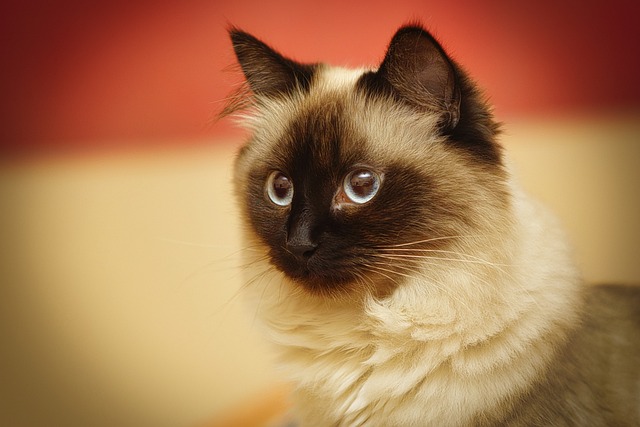
The Birman cat, often called the “Sacred Cat of Burma,” is a beautiful and enchanting breed known for its gentle nature, striking appearance, and affectionate personality. With their silky coat, sapphire-blue eyes, and distinctive white “gloves” on their paws, Birman cats are undeniably captivating. Their calm and friendly temperament makes them ideal companions, whether you’re an individual seeking a loving pet or a family looking for a gentle, child-friendly feline.
This comprehensive review will explore every aspect of the Birman breed. From their fascinating history to their physical characteristics, personality, and health needs, this guide thoroughly explains why the Birman cat is such a beloved and treasured breed. Whether you’re considering adopting a Birman or are simply curious about this remarkable cat, this review will provide all the details you need to appreciate its charm.
1. History and Origins
The Birman cat’s origins are shrouded in mystery and legend, which only adds to its allure. According to legend, the Birman cat originated in the temples of Burma (modern-day Myanmar), where they were considered sacred companions to temple priests. These cats were believed to carry the souls of departed priests to the afterlife, and their distinct appearance was considered a divine blessing.
While this legend adds a mystical touch to the breed’s story, the Birman’s modern history is a little more grounded. The breed made its way to Europe in the early 20th century, with the first known pair of Birman cats arriving in France. These cats quickly captured the hearts of breeders and cat enthusiasts alike. Sadly, the breed nearly went extinct during World War II. Still, dedicated breeders worked tirelessly to revive it, cross-breeding Birmans with other long-haired breeds like Persians and Siamese to preserve their unique characteristics.
The Birman breed was officially recognized in the 1960s, and since then, it has gained popularity worldwide, particularly in the UK, Europe, and North America. Today, the Birman is a beloved companion known for its beauty, grace, and friendly disposition.
2. Physical Characteristics
The Birman cat is undeniably striking, with its unique features that make it stand out from other long-haired breeds. Everything about the Birman speaks of elegance and poise.
Coat and Colors
One of the most recognizable features of the Birman is its semi-long, silky coat. Unlike some long-haired breeds, the Birman’s coat doesn’t mat easily, making it relatively low-maintenance compared to other long-haired cats. The coat feels soft and has a lovely, lustrous quality that enhances the breed’s overall appearance.
Birmans are colour-pointed, which means that the colour of their ears, face, tail, and legs is darker than the rest of their body. Common colour points include seal, blue, chocolate, and lilac. These rich, contrasting points stand out beautifully against their lighter-coloured bodies, giving them a distinctive look.
Distinctive “Gloves”
Perhaps the most unique feature of the Birman cat is its white “gloves.” These gloves are the pure white markings on each cat’s paws, adding to its regal appearance. The gloves are a standard requirement in the Birman breed standard, and their symmetry is an essential factor in judging show cats.
Eyes and Facial Features
Another hallmark of the Birman breed is its large, expressive eyes. Their deep sapphire-blue colour is mesmerizing and striking, giving the Birman an almost otherworldly appearance. The head is broad and rounded, with a Roman-shaped nose that adds to their distinctive profile. The ears are medium-sized and set far apart, giving the Birman a balanced and harmonious appearance.
Body and Build
Birmans are medium-to-large cats with a strong, muscular build. Despite their muscularity, they maintain a graceful, elegant posture. Their bodies are long and well-proportioned, with sturdy legs and a full, bushy tail that adds to their beauty.
3. Temperament and Personality
If you’re looking for a gentle, loving, and easy-going cat, the Birman is an excellent choice. These cats are known for their friendly personalities and deep affection for their human companions.
Affectionate and Loving
Birmans are incredibly affectionate cats that form strong bonds with their families. Unlike some more independent breeds, Birmans love to be around their humans and will follow them from room to room. They enjoy sitting on laps, snuggling in bed, and participating in family activities. This breed thrives on companionship and will seek affection and attention from their owners.
Calm and Gentle
One of the standout traits of the Birman cat is its calm and gentle nature. These cats are rarely aggressive and are known for their patient demeanour, making them excellent companions for families with children or elderly individuals. They are not overly demanding and have a peaceful temperament that makes them ideal for quiet, relaxed homes.
Playful but Not Hyperactive
While Birmans enjoy playing, they are not as hyperactive as other breeds. They love interactive toys and games but also enjoy quiet moments of relaxation. This balance of playfulness and calmness makes them an excellent choice for families who want an active cat without the high-energy demands of some other breeds.
Social and Friendly
Birmans are highly social cats that get along well with other pets and people. They are not shy or standoffish, so they welcome guests and get along well with other cats or dogs. Their friendly and approachable nature makes them a joy in any household.
4. Health and Lifespan
Birmans are generally healthy cats aged 12 to 16, though many live even longer with proper care. Like all breeds, they can be prone to certain health issues that prospective owners should be aware of.
Common Health Concerns
While the Birman is generally a robust breed, there are a few genetic conditions and health issues that they can be predisposed to, including:
Hypertrophic Cardiomyopathy (HCM)**: This heart condition can affect Birmans, leading to thickening of the heart muscle. Regular check-ups with your vet can help monitor for this condition.
- Kidney Disease: Birmans, like many cats, can be prone to kidney issues, especially as they age. Regular vet visits are essential to monitor their kidney health.
Obesity: Although Birmans are not as hyperactive as some other breeds, they can be prone to weight gain if not given enough exercise or overfed. A balanced diet and regular play can help prevent obesity-related issues.
Preventive Care
Routine veterinary visits, vaccinations, and regular check-ups are essential for keeping your Birman in good health. Ensuring they are fed a high-quality diet, providing opportunities for exercise, and maintaining their dental hygiene will ensure they live a long and happy life.
5. Grooming and Maintenance
Despite their long, silky coat, Birmans are relatively low-maintenance compared to other long-haired breeds. Their coats tend to resist matting and don’t require as much grooming as breeds with thicker undercoats.
Brushing and Coat Care
A weekly brushing is usually enough to keep your Birman’s coat looking healthy and shiny. During shedding seasons, typically in spring and autumn, you may want to brush them more frequently to manage loose hair. The lack of an undercoat means that Birmans are less prone to tangling and matting, making them easier to groom than other long-haired breeds.
Bathing
Birmans are naturally clean cats and generally do not require regular baths. However, if necessary, an occasional bath with a mild, cat-friendly shampoo can help keep their coat in top condition. Dry them thoroughly after a bath to prevent them from getting cold.
Nail Clipping and Dental Care
As with all cats, regular nail trimming is essential to prevent their nails from becoming too long or sharp. Additionally, dental care should be noticed, as Birmans can be prone to dental issues. Brushing their teeth and providing dental treats can help maintain good oral hygiene.
6. Suitability as a Family Pet
Birmans are known for being incredibly family-friendly cats. Their affectionate, calm, and patient nature makes them an excellent choice for households with children, seniors, or pets.
Great with Families
Birmans thrive in family environments where they receive much attention and love. They are known for being patient and gentle with children, which makes them an excellent addition to families with young kids. Their friendly and social nature means they enjoy being part of the family and will often seek out affection from all members of the household.
Adaptability
Birmans are adaptable cats that can adjust to different living situations. Whether you live in a busy family home or a quieter, more relaxed environment, the Birman will fit in seamlessly. They are not easily stressed by changes or new people, making them well-suited to households with guests or other pets.
7. Interaction with Children and Other Pets
Birmans are gentle and patient, making them ideal companions for children and other pets. They are also known for being tolerant and friendly, making them a perfect choice for multi-pet households or homes with kids.
Good with Children
Birmans are excellent with children due to their calm and patient demeanour. They are not prone to scratching or aggressive behaviour, even when handled by younger kids. Their playful side means they enjoy engaging in games with children, but they are also content to sit quietly with a child who needs a calm companion.
Compatibility with Other Pets
Birmans are social cats that typically get along well with other animals, including cats and dogs. They are not territorial or aggressive, which makes them well-suited for homes with multiple pets. Proper introductions and a little patience will ensure that your Birman gets along well with any other animals in the household.
8. Training and Intelligence
Birmans are intelligent cats that enjoy interacting with their owners. They can be trained to follow commands or perform tricks.
Training Capabilities
While Birmans are not as demanding as some high-energy breeds, they are intelligent and can be trained with patience and positive reinforcement. They enjoy games that challenge their minds, and many Birmans can learn basic commands, such as sit or come, with some practice.
Mental Stimulation
Birmans need mental stimulation to stay happy and healthy. Providing puzzle toys, interactive games, and opportunities for exploration can help keep their minds engaged. They enjoy spending time with their owners and appreciate activities that allow them to interact and bond.
9. Living Environment
Birmans are adaptable cats that thrive in various living environments, from spacious houses to smaller apartments.
Indoor vs. Outdoor
While some cats may enjoy outdoor time, keeping your Birman indoors is generally safer. This protects them from potential dangers like traffic, predators, or diseases. If you want to allow your Birman to explore the outdoors, consider providing them with a secure outdoor space or supervised garden time.
Environmental Enrichment
Providing plenty of environmental enrichment is necessary to keep a Birman happy indoors. Cat trees, scratching posts, and interactive toys will help keep them mentally and physically engaged. They are naturally curious cats and will appreciate an environment that allows them to explore and interact.
10. Diet and Nutrition
A balanced diet is essential for keeping your Birman healthy and energetic. Like all cats, Birmans are obligate carnivores, requiring a diet rich in animal-based protein.
High-Quality Cat Food
It is essential to feed your Birman a high-quality commercial cat food formulated for its nutritional needs. Whether you choose wet food, dry food, or a combination of both, ensure the food contains high levels of animal protein and essential vitamins and minerals. Avoid foods with excessive fillers, like corn or soy, as they do not provide much nutritional value.
Portion Control
Because Birmans can be prone to obesity, it’s essential to monitor their food intake and avoid overfeeding. Stick to recommended portion sizes based on their weight and activity level. Fresh water should always be available to keep your cat hydrated.
11. Common Health Concerns
While Birmans are generally healthy cats, potential owners should be aware of a few common health concerns.
Hypertrophic Cardiomyopathy (HCM)
HCM is a heart condition that can affect some Birman cats, causing thickening of the heart muscle. Regular veterinary check-ups can help detect and manage this condition early with appropriate care.
Kidney Disease
Like many cats, Birmans are prone to kidney disease, especially as they age. Regular vet visits and monitoring their health can help catch potential kidney issues early.
Obesity
Because Birmans are not overly active cats, they can be prone to weight gain if overfed or not given enough exercise. A balanced diet and regular play sessions can help prevent obesity-related health problems.
12. Breeding and Costs
Breeding Birman cats requires dedication and responsibility to avoid passing on genetic conditions like HCM.
Cost of a Birman Cat
The price of a Birman kitten can vary depending on the breeder and the kitten’s pedigree. You can expect to pay between £400 and £800 for a Birman kitten. Cats from champion lines or with exceptionally symmetrical markings may command higher prices. Buying from a reputable breeder who tests for genetic conditions and prioritizes their cats’ health is essential.
13. Final Thoughts: The Timeless Elegance of the Birman
The Birman cat is a breed that combines beauty, elegance, and an incredibly loving nature. Its striking appearance, with its blue eyes and distinctive white gloves, is only matched by its affectionate, friendly personality. Whether you’re looking for a gentle companion to snuggle with or a family-friendly cat that gets along with children and other pets, the Birman is a wonderful choice. With proper care, attention, and love, these cats will bring endless joy and companionship to any home.
14. FAQ Section
Q: Are Birman cats hypoallergenic?
A: No, Birman cats are not hypoallergenic. However, their low-maintenance coat may produce fewer allergens than other long-haired breeds.
Q: Do Birman cats shed a lot?
A: Birmans have a semi-long coat, but they tend to shed less than other long-haired breeds because they lack an undercoat. Regular brushing helps manage shedding.
Q: Are Birman cats good with children?
A: Birman cats are known for their gentle and patient nature, making them excellent companions for children.
Q: Can Birman cats be left alone during the day?
A: Birmans are social cats that prefer companionship but can handle being left alone for short periods as long as they have toys and activities to keep them engaged.
Q: How much exercise does a Birman cat need?
A: While Birmans are not hyperactive, they still enjoy playtime and should be given regular opportunities to exercise through interactive games and toys.