The Bombay Cat: The Sleek Mini-Panther That Will Steal Your Heart!
Bombay Cat: A Detailed and Comprehensive Review
Table of Contents
- Introduction: The Bombay Cat at a Glance
- History and Origins
- Physical Characteristics
- Temperament and Personality
- Health and Lifespan
- Grooming and Maintenance
- Suitability as a Family Pet
- Interaction with Children and Other Pets
- Training and Intelligence
- Living Environment
- Diet and Nutrition
- Common Health Concerns
- Breeding and Costs
- Final Thoughts: The Enchanting Allure of the Bombay Cat
- FAQ Section
Introduction: The Bombay Cat at a Glance
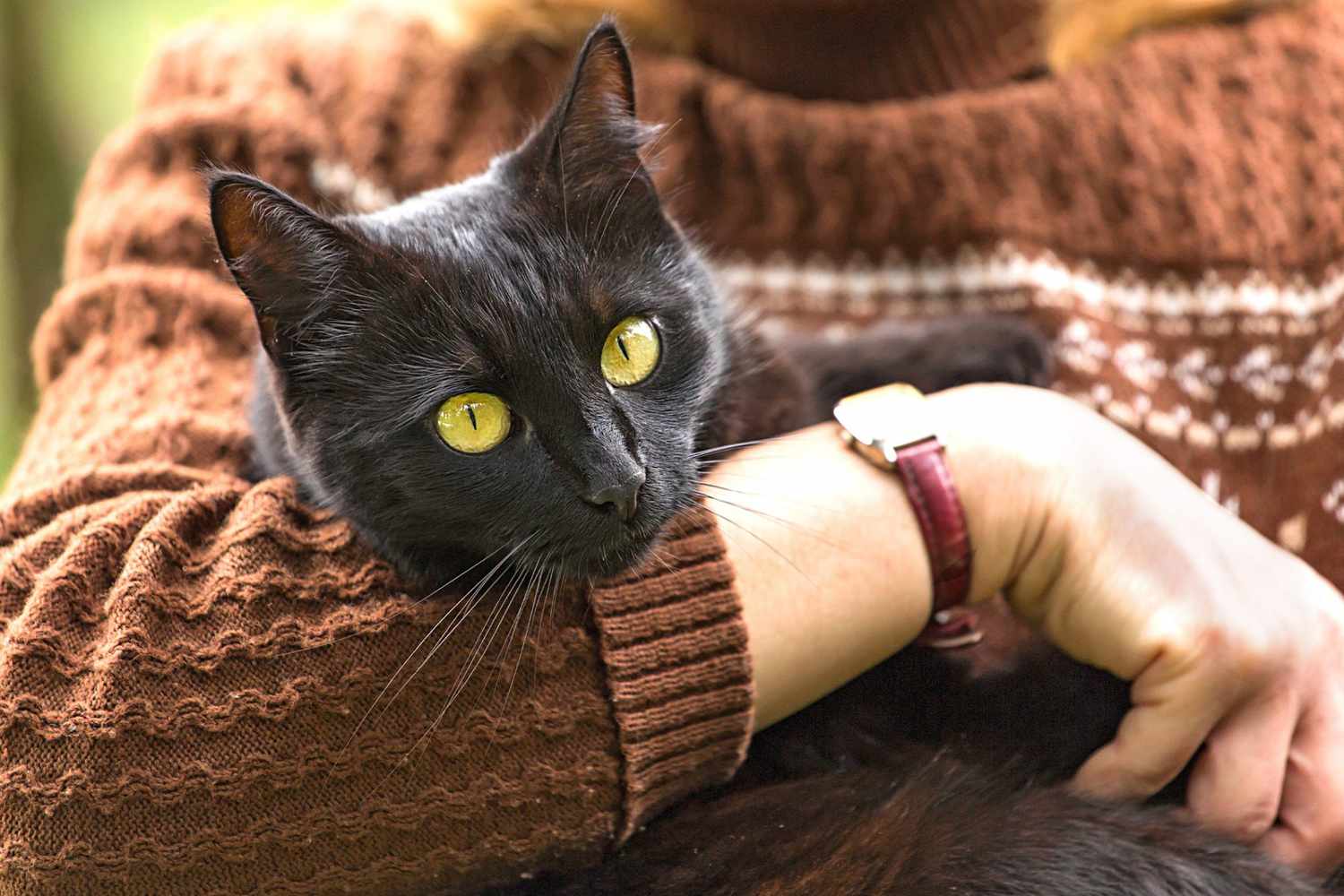
The Bombay cat is a sleek, elegant, and captivating breed that brings a touch of mystery and charm into any household. With its striking jet-black coat and piercing golden eyes, the Bombay cat is often called a “mini-panther,” making it an extraordinary and unique companion. Despite their wild appearance, these cats are known for their affectionate, easygoing, and social nature, making them a favourite choice among families and individuals alike.
In this in-depth review, we will explore all aspects of the Bombay cat, from its fascinating history and iconic physical traits to its temperament, health, and overall suitability as a pet. Whether you are curious about adding a Bombay to your home or wish to learn more about this stunning breed, this guide will provide you with everything you need to know to fully appreciate the Bombay cat.
1. History and Origins
Despite its name, the Bombay cat does not actually originate from the city of Bombay (now Mumbai) in India. Instead, the breed was developed in the United States in the 1950s by a breeder named Nikki Horner. Horner’s goal was to create a domestic cat that resembled the sleek and exotic black panther of the wild jungles of India. Horner developed a breed with a deep, glossy black coat and copper-golden eyes reminiscent of a miniature panther by selectively breeding American Shorthairs with Burmese cats.
The Cat Fanciers’ Association (CFA) officially recognised the breed in 1976. It has since gained popularity among cat lovers for its striking appearance and loving personality. While still considered a relatively rare breed, the Bombay cat has a dedicated following due to its exotic looks and friendly temperament.
Today, Bombay is regarded as an actual “designer cat,” bred to perfection with a blend of wild beauty and domestic charm. Despite their exotic origins, they are well-suited to indoor living and have become beloved pets in households worldwide.
2. Physical Characteristics
The Bombay cat is known for its sleek, panther-like appearance, which makes it one of the most visually stunning cats in the feline world. Bombay’s look is intentional, with each feature contributing to its exotic and captivating aesthetic.
Coat and Colour
The Bombay’s short, close-lying coat is its most defining feature. It is jet-black, with a glossy sheen that gives it an almost mirror-like finish in the light. The coat is so dark and rich that it often looks like liquid velvet, creating a smooth and polished appearance. The black coat extends to the nose and paw pads, completing the breed’s “mini-panther” look.
Eyes
In contrast to its dark coat, the Bombay cat’s eyes are bright and vivid, typically a rich shade of copper or gold. The large, expressive eyes stand against the black fur, giving the cat an almost mesmerizing gaze. This striking contrast between the black coat and golden eyes is one of the breed’s most alluring characteristics.
Body and Build
The Bombay cat is a medium-sized cat with a muscular yet graceful build. It has a solid, compact body that is well-proportioned, making it agile and athletic. Despite its sleek appearance, Bombays are surprisingly heavy for their size, thanks to their firm, muscular build. Their legs are medium length, with rounded paws complementing their overall structure. The tail is straight and tapers to a rounded tip, balancing the cat’s overall shape.
Head and Facial Features
The Bombay cat has a rounded head with a short muzzle, giving it a soft, rounded profile. The ears are medium-sized and set wide apart, with slightly rounded tips. The overall look is balanced and harmonious, with no sharp angles or harsh lines.
3. Temperament and Personality
While the Bombay cat may look like a miniature panther, its personality is far from wild. In fact, Bombays are known for their affectionate, social, and easygoing nature, making them excellent companions for individuals and families.
Affectionate and Loving
Bombay cats are incredibly affectionate and enjoy being close to their human companions. They are often described as “velcro cats” because they follow their owners around the house and seek attention. They love to cuddle, sit on laps, and snuggle in bed, making them perfect for those who want a close and loving bond with their pet.
Social and Friendly
Bombays are highly social cats that thrive on interaction. They get along well with people and are friendly with strangers, making them excellent pets for social households. Unlike some breeds that can be more independent, Bombay prefers to be involved in everything their owners do. Whether sitting on your lap while you work or curling up beside you on the couch, these cats love being part of the action.
Playful and Curious
While Bombays are affectionate and enjoy lounging with their owners, they also have a playful side. They are curious and enjoy exploring their surroundings, playing with toys, and engaging in interactive games. Their intelligence and curiosity mean they need regular mental stimulation to stay happy. Puzzle toys, feather wands, and laser pointers are all great ways to entertain a Bombay.
Adaptable and Easygoing
One of the Bombay cat’s best traits is its adaptability. They can adjust to various living situations, whether it’s a bustling family home or a quieter apartment. They are not easily stressed by changes in their environment and tend to be calm, confident cats. This makes them well-suited to households with children, other pets, or frequent visitors.
4. Health and Lifespan
Bombay cats are generally healthy and robust, spanning 12 to 16 years. However, like all breeds, they can be prone to certain health conditions that owners should be aware of.
Common Health Concerns
Bombays, like their Burmese ancestors, may be predisposed to a few genetic health issues, including:
Respiratory Issues**: Due to their short muzzles, some Bombay cats may be prone to respiratory issues, particularly in hot or humid weather. While this is usually not a severe problem, ensuring they have a relaxed, well-ventilated environment is essential, especially during the warmer months.
- Hypertrophic Cardiomyopathy (HCM): This is a heart condition that can affect Bombay cats, leading to the thickening of the heart muscle. Regular veterinary check-ups can help detect and manage this condition early.
- Obesity: Bombays have a muscular build, but they can be prone to weight gain if overfed or if they do not get enough exercise. A balanced diet and regular playtime are essential to maintaining their health.
Preventive Care
To ensure your Bombay cat remains healthy, it’s important to schedule regular veterinary check-ups, keep up with vaccinations, and provide a balanced diet. Preventive care, including dental hygiene and weight management, will go a long way in keeping your Bombay happy and healthy for many years.
5. Grooming and Maintenance
The Bombay cat’s sleek coat is beautiful and easy to care for. Their short, glossy fur requires minimal grooming, making them a low-maintenance breed.
Coat Care
Bombays do not require frequent brushing because their coat is short and lies close to the body. Weekly brushing will help keep their coat shiny and loose hair-free. Bombays tend to shed less than other cats, making them a good option for people who prefer a low-shedding breed. Regular brushing also helps distribute the natural oils in their coat, keeping it smooth and healthy.
Bathing
Bombay cats are fastidious groomers and rarely require baths. However, if they get dirty or need a bath, it’s essential to use a gentle, cat-friendly shampoo. Be sure to dry them thoroughly afterwards to prevent them from getting cold.
Nail Clipping and Dental Care
Regular nail trimming is recommended for Bombay cats, especially if they are kept indoors and do not wear down their nails naturally. Additionally, dental care is essential for maintaining oral health. Brushing their teeth regularly and providing dental treats can help prevent gum disease and other dental issues.
6. Suitability as a Family Pet
Bombay cats make excellent family pets thanks to their friendly, affectionate, and adaptable nature. They thrive in households where they can receive plenty of attention and affection.
Good with Families
Bombays are known for their ability to form strong bonds with their human families. They are particularly well-suited for families with children, as they are gentle, tolerant, and playful. Their social and easygoing nature makes them a perfect companion for households with multiple family members, as they enjoy interacting with everyone.
Affectionate Companions
Bombay is an ideal choice if you’re looking for a cat that will be a constant companion. These cats love being involved in family activities and often follow their owners around the house. They enjoy sitting on laps, snuggling, and being close to their humans, making them a perfect fit for anyone seeking an affectionate, loyal pet.
7. Interaction with Children and Other pets
Bombay cats are highly social and generally get along well with children and other pets, making them ideal for multi-pet households or families with kids.
Good with Children
Bombay cats are gentle and patient, making them excellent companions for children. They enjoy playing and interacting with kids and are typically tolerant of the noise and activity of family life. As always, teaching children how to handle pets gently and respectfully is essential to ensure positive interactions.
Compatibility with Other Pets
Bombay cats are known for getting along well with other cats and dogs, provided they are appropriately introduced. Their social nature means they enjoy the company of other pets and will often form close bonds with them. Slow introductions and proper supervision can help ensure that your Bombay cat gets along with other animals in the household.
8. Training and Intelligence
Bombay cats are intelligent, curious, and quick learners, making them easy to train and enjoyable to engage with.
Training Abilities
Bombays are highly trainable and can learn a variety of commands and tricks. Positive reinforcement techniques, such as using treats and praise, work well with this breed. Many Bombay cats can learn to fetch, come when called, or even walk on a leash. Their intelligence and eagerness to please make training sessions fun and rewarding for the cat and the owner.
Mental Stimulation
To keep your Bombay mentally stimulated, it’s essential to provide interactive toys, puzzle feeders, and opportunities for exploration. These cats enjoy activities that challenge their intelligence and thrive in environments that allow them to use their natural curiosity and problem-solving skills. Regular playtime and engagement are essential for keeping a Bombay cat happy and mentally stimulated.
9. Living Environment
Bombay cats are adaptable and can thrive in various living environments, making them an excellent choice for apartments and larger homes.
Indoor Living
While Bombay cats enjoy exploring their surroundings, they are typically well-suited for indoor living. Their calm and adaptable nature means they can easily adjust to smaller living spaces, such as apartments, as long as they receive enough attention and mental stimulation. If you live in a larger home, they will also appreciate having more space to explore.
Environmental Enrichment
Providing plenty of environmental enrichment is important to keeping your Bombay happy indoors. Cat trees, scratching posts, and interactive toys are essential for keeping them entertained. Bombays enjoy climbing and perching, so vertical spaces like shelves or cat trees can help satisfy their natural instincts.
10. Diet and Nutrition
Bombay cats require a balanced diet of animal-based protein to maintain their muscular build and overall health.
High-Quality Cat Food
It is essential to feed your Bombay cat a high-quality commercial cat food formulated for its nutritional needs. Both wet and dry food can be suitable as long as they contain high levels of protein and essential nutrients. Avoid foods with excessive fillers, like corn or soy, as these do not provide much nutritional value.
Portion Control
Bombay cats can be prone to weight gain, so it’s essential to monitor their food intake and avoid overfeeding. Please stick to the recommended portion sizes based on their weight and activity level. Fresh water should always be available to keep your cat hydrated.
11. Common Health Concerns
While Bombay cats are generally healthy, potential owners should be aware of a few common health concerns.
Respiratory Issues
Due to their short muzzles, some Bombay cats may be prone to respiratory problems, especially in hot or humid weather. To prevent breathing difficulties, it’s important to keep them in a cool, well-ventilated environment.
Hypertrophic Cardiomyopathy (HCM)
This heart condition can affect some Bombay cats, leading to thickening of the heart muscle. Regular veterinary check-ups can help detect and manage this condition early.
Obesity
Bombay cats can be prone to weight gain, especially if they are overfed or do not get enough exercise. A balanced diet and regular play sessions are essential for maintaining a healthy weight.
12. Breeding and Costs
Breeding Bombay cats requires knowledge and responsibility to avoid passing on genetic health conditions like HCM.
Cost of a Bombay Cat
The price of a Bombay kitten can vary depending on the breeder and the kitten’s pedigree. On average, you can expect to pay between £400 and £700 for a well-bred Bombay kitten. Cats from champion lines or with particularly desirable traits may command higher prices. It’s essential to buy from a reputable breeder who tests for genetic conditions and prioritizes their cats’ health.
13. Final Thoughts: The Enchanting Allure of the Bombay Cat
In conclusion, the Bombay cat is exceptional, combining exotic beauty with an affectionate, easygoing personality. Their sleek, panther-like appearance and loving nature make them the perfect choice for families, individuals, and multi-pet households. Whether you’re looking for a playful companion, a lap cat, or a social pet that gets along well with others, the Bombay cat will undoubtedly bring joy, companionship, and a touch of elegance to your home.
14. FAQ Section
Q: Are Bombay cats hypoallergenic?
A: No, Bombay cats are not hypoallergenic. However, their short coat may produce fewer allergens than some long-haired breeds.
Q: Do Bombay cats shed a lot?
A: Bombay cats have short coats and tend to shed less than other cats, making them a low-maintenance option for those concerned about shedding.
Q: Are Bombay cats good with children?
A: Yes, Bombay cats are known for their gentle and friendly nature, making them excellent companions for children.
Q: Can Bombay cats be left alone during the day?
A: While Bombay cats prefer companionship, they can be left alone for short periods if they have toys and activities to keep them entertained.
Q: How much exercise does a Bombay cat need?
A: Bombay cats are playful and active, so regular playtime and interactive toys are important to keep them mentally and physically stimulated.