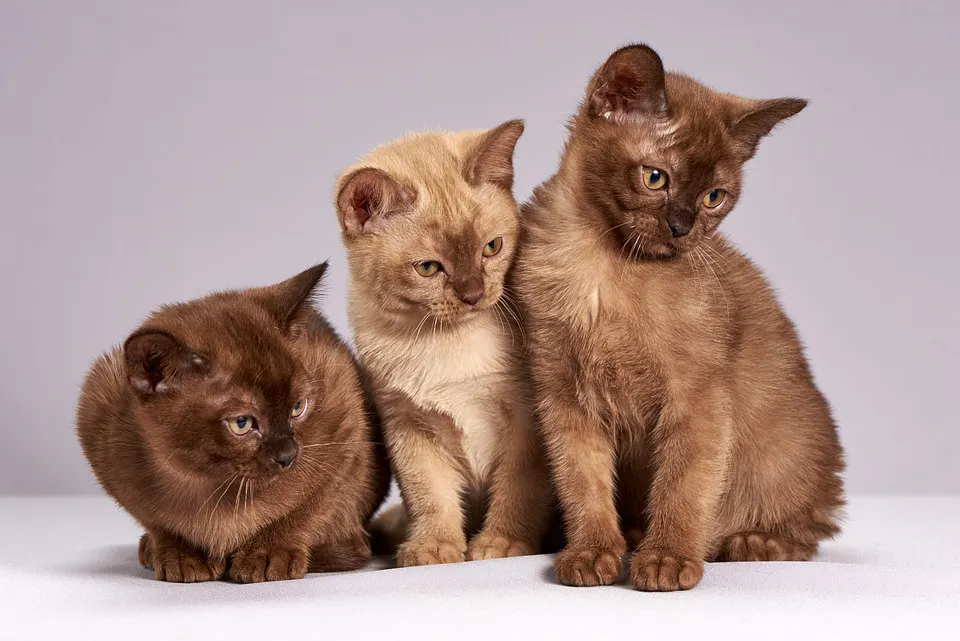
The Burmese Cat: The Perfect Blend of Charm, Intelligence, and Devotion!
Burmese Cat: A Comprehensive and Detailed Review
Table of Contents
- Introduction: The Burmese Cat at a Glance
- History and Origins
- Physical Characteristics
- Coat and Colors
- Temperament and Personality
- Health and Lifespan
- Grooming and Maintenance
- Suitability as a Family Pet
- Interaction with Children and Other Pets
- Training and Intelligence
- Living Environment
- Diet and Nutrition
- Common Health Concerns
- Breeding and Costs
- Final Thoughts: The Ever-Charming Burmese
- FAQ Section
Introduction: The Burmese Cat at a Glance
The Burmese cat is a striking and affectionate breed known for its sleek coat, muscular build, and expressive, large eyes. Originally from Southeast Asia, the Burmese have evolved into one of the most beloved feline companions, admired for their playful nature and deep connection with their human families. Unlike more independent breeds, the Burmese thrives on interaction and loves being the centre of attention, making it a favourite choice for families and individuals alike.
This review delves into the Burmese cat’s unique characteristics, rich history, and outstanding companion qualities. Whether you are considering adopting a Burmese or are curious about this remarkable breed, this guide will provide you with everything you need to know to appreciate its charm and allure.
1. History and Origins
The history of the Burmese cat is rich and fascinating. It spans centuries in Southeast Asia, where these cats were highly revered. Known as the “Copper Cat” in Burma (modern-day Myanmar), monks considered the breed sacred and kept it in temples. Burmese cats were prized not only for their beauty but also for their close association with royalty and nobility.
In the 1930s, the breed’s journey to the Western world began when Dr. Joseph Thompson, an American naval officer, imported a small brown cat named Wong Mau from Burma to the United States. Wong Mau, the foundation cat of the modern Burmese breed, had a striking resemblance to the Siamese but with a more solid and muscular build. Breeders soon discovered that Wong Mau was genetically different from Siamese cats. They developed a distinct line through selective breeding, which would later become the Burmese we know today.
The Cat Fanciers’ Association (CFA) officially recognised the breed in 1936. Since then, the Burmese have gained popularity worldwide. While the breed’s original brown (sable) colour remains, the most iconic Burmese cats are now available in a variety of colours, all of which maintain the breed’s signature sleek coat and charming personality.
2. Physical Characteristics
The Burmese cat is a medium-sized, muscular breed with a sleek, compact body and a strikingly elegant appearance. Its every aspect exudes strength, grace, and balance, making it a visually stunning cat to behold.
Body and Build
Burmese cats are known for their muscular, compact bodies. Despite their relatively small size, they are surprisingly heavy when picked up due to their solid build. They have a broad chest, well-developed shoulders, and muscular legs, giving them an athletic yet refined appearance. Their legs are proportional to their body size, and their paws are oval-shaped and compact.
Head and Facial Features
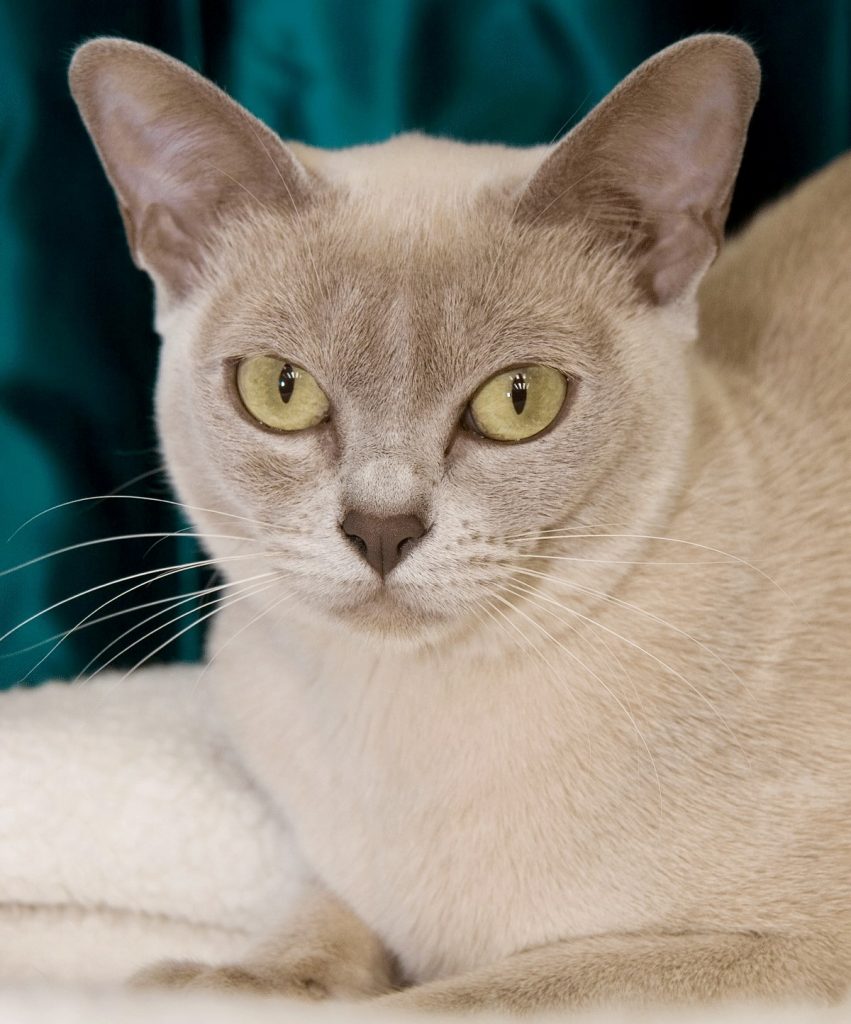
The Burmese has a rounded head with a short, broad muzzle. Their head is well-proportioned, with full cheeks and a firm, rounded chin. One of the breed’s most defining features is its large, expressive eyes, which are set wide apart and give the cat an alert and intelligent look. The eyes are typically a striking shade of gold or amber, and their wide, almond shape adds to the breed’s overall elegance.
Ears
The Burmese cat’s ears are medium in size, set wide apart on the head, and slightly rounded at the tips. The ears are positioned to give the cat an alert expression, further enhancing its curious and intelligent demeanour.
Tail
The Burmese tail is straight and medium in length, tapering to a rounded tip. It complements the cat’s overall balanced and muscular body structure.
3. Coat and Colors
The Burmese cat’s coat is short, sleek, and glossy. It lies close to the body and enhances the breed’s muscular frame. Despite its short length, the coat is soft and luxurious to the touch and requires minimal grooming to maintain its shine.
Coat Colors
While the Burmese were initially recognised in their iconic sable colour, selective breeding has developed several other accepted coat colours. These include:
- Sable: The classic deep, rich brown coat that defines the Burmese breed.
- Champagne: A warm, beige colour that gives the cat a lighter, more delicate appearance.
- Blue: A soft, silvery-grey colour that enhances the cat’s sleek, smooth coat.
- Platinum: A pale, frosty-gray coat with hints of lilac, giving the cat an ethereal appearance.
The Burmese breed’s coat colours are solid, with no markings or patterns. The cat’s glossy coat appears almost liquid-like as it moves, making it one of the breed’s most admired features.
4. Temperament and Personality
One of the most endearing qualities of the Burmese cat is its warm, affectionate personality. Burmese cats are known for forming strong bonds with their human companions. They are often described as “velcro cats” because they follow their owners around the house and seek constant attention.
Affectionate and Loyal
Burmese cats are incredibly loving and enjoy being close to their family members. They thrive on human interaction and will often seek out affection through cuddles, lap time, and gentle head butts. This breed is known for its loyalty and will usually form a close bond with one or two household members. However, they are friendly and affectionate with everyone.
Playful and Curious
Despite their loving nature, Burmese cats are also highly playful and energetic. They enjoy interactive toys, games of fetch, and puzzle feeders that challenge their intelligence. Their curiosity often leads them to explore their surroundings, making them excellent household companions and providing plenty of stimulation and playtime.
Sociable and Friendly
Burmese cats are amiable and get along well with other pets and people. They are not shy or reserved and enjoy meeting new people, making them an excellent choice for families who entertain guests frequently. Their friendly and outgoing nature makes them well-suited for multi-pet households, as they generally get along well with other cats and dogs.
5. Health and Lifespan
The Burmese cat is generally a healthy and robust breed, with an average lifespan of 15 to 18 years. However, like all breeds, they can be prone to certain health conditions, and owners must be aware of these potential issues.
Common Health Issues
While the Burmese are generally healthy, there are a few genetic health concerns that can affect the breed:
- Burmese Head Defect: This genetic condition can cause deformities in the skull of affected kittens. Responsible breeders test for this condition to prevent it from being passed on to future generations.
Corneal Dermoid: Some Burmese cats may develop a condition where a portion of skin with hair grows on the surface of the cornea. Surgery is required to remove the dermoid, and while it is not life-threatening, it can cause discomfort if left untreated. - Obesity: Burmese cats love to eat, and their stocky build makes them prone to weight gain if their diet is not managed correctly. Regular exercise and portion control are essential to keeping a Burmese cat at a healthy weight.
Preventive Care
Routine veterinary care, including regular check-ups, vaccinations, and dental care, will help keep your Burmese cat healthy. Because they tend to gain weight, monitoring their diet and providing plenty of opportunities for physical activity is essential.
6. Grooming and Maintenance
The Burmese cat’s short, sleek coat requires minimal grooming to keep it looking its best. This low-maintenance aspect makes them an ideal choice for busy owners who may not have time for intensive grooming sessions.
Coat Care
Weekly brushing with a soft or grooming glove will help remove loose hair and keep the coat smooth and glossy. Because their coats are so short, they shed very little, making them relatively clean cats to have in the home.
Bathing
Burmese cats are generally clean animals and do not require regular baths. However, if they get into something dirty or sticky, an occasional bath with a gentle cat shampoo may be necessary. Always dry them thoroughly after a bath to prevent them from getting chilled.
Nail Clipping and Dental Care
Like all cats, Burmese cats need regular nail trimming to prevent their claws from becoming too long or sharp. Additionally, dental care is essential for preventing gum disease and other oral health issues. Regular brushing and dental treats can help keep your Burmese cat’s teeth in good condition.
7. Suitability as a Family Pet
Burmese cats are excellent family pets due to their affectionate, playful, and sociable nature. They form close bonds with their families and are gentle enough to be around children.
Great with Families
Burmese cats are ideal for families of all sizes. They are patient and gentle with children and enjoy playing interactive games. Their playful nature keeps them entertained, and they are known for tolerating young children’s energy and enthusiasm.
Perfect for Singles or Couples
Burmese cats also make great companions for singles or couples who want an affectionate, loyal pet. Their love of attention and ability to form strong bonds make them.
A constant presence in the home, offering companionship and affection throughout the day.
8. Interaction with Children and Other Pets
The Burmese cat’s friendly and outgoing nature makes it a great addition to households with children and other pets.
Good with Children
Burmese cats are gentle and patient with children. They are playful enough to engage in games with kids but calm enough to be a reassuring presence. As with any pet, teaching children how to handle cats gently and respectfully is essential to ensure positive interactions.
Compatibility with Other Pets
Burmese cats generally get along well with other pets, including cats and dogs. Their friendly nature means they are unlikely to be territorial or aggressive, and they often form close bonds with other animals in the household. Proper introductions and patience will help ensure your Burmese cat adjusts well to living with other pets.
9. Training and Intelligence
Burmese cats are brilliant and enjoy activities that challenge their minds. They are quick learners and can be trained to perform basic tricks or commands.
Trainability
Burmese cats respond well to positive reinforcement, such as treats and praise, making them relatively easy to train. Many Burmese cats can learn to fetch, sit, or even come when called. They enjoy interactive toys that require problem-solving and are always eager to engage in play.
Mental Stimulation
Providing mental stimulation is essential for keeping your Burmese cat happy and healthy. Puzzle toys, interactive games, and activities that challenge their intelligence will keep them mentally engaged and prevent boredom.
10. Living Environment
Burmese cats are highly adaptable and thrive in various living environments, from large homes to small apartments.
Indoor vs. Outdoor
While Burmese cats can enjoy outdoor time if it is safe, they are generally best suited to indoor living. Their curious and adventurous nature can sometimes lead them into dangerous situations outdoors, so it is important to keep them safe inside or in a secure outdoor space like a patio.
Environmental Enrichment
To keep your Burmese cat happy indoors, provide plenty of environmental enrichment. Cat trees, scratching posts, interactive toys, and climbing structures will help satisfy their instincts to climb, explore, and play.
11. Diet and Nutrition
A balanced diet is essential for keeping your Burmese cat healthy and maintaining their muscular build.
High-Quality Cat Food
Burmese cats should be fed high-quality commercial cat food rich in animal-based protein. Both wet and dry food can be suitable if they contain the necessary nutrients to support your cat’s health and energy levels. Avoid foods with excessive fillers, like corn or soy, as these do not provide much nutritional value.
Portion Control
Because Burmese cats can be prone to weight gain, it is important to monitor their food intake and avoid overfeeding. Stick to recommended portion sizes based on your cat’s weight and activity level, and make sure fresh water is always available.
12. Common Health Concerns
While Burmese cats are generally healthy, there are a few common health concerns that owners should be aware of.
Burmese Head Defect
This genetic condition can cause deformities in the skull of affected kittens. Reputable breeders test for this condition to ensure it is not passed on to future generations.
Corneal Dermoid
Some Burmese cats may develop corneal dermoid, a condition where the skin with hair grows on the cornea. Surgery is required to remove the dermoid, but it is not life-threatening.
Obesity
Burmese cats are prone to weight gain if they are overfed or not given enough exercise. Monitoring their diet and providing plenty of opportunities for physical activity can help prevent obesity-related health issues.
13. Breeding and Costs
Breeding Burmese cats requires careful attention to their health and genetic background.
Cost of a Burmese Cat
The price of a Burmese kitten can vary depending on the breeder and the kitten’s pedigree. On average, you can expect to pay between £500 and £1,200 for a well-bred Burmese kitten. Cats from champion lines or with rare coat colours may command higher prices. Buying from a reputable breeder who tests for genetic health conditions is essential.
14. Final Thoughts: The Ever-Charming Burmese
In conclusion, the Burmese cat is a breed that offers the perfect combination of affection, playfulness, and elegance. Its sleek, muscular body and expressive eyes make it a striking companion. At the same time, its warm, friendly personalities ensure it forms strong bonds with its human family. Whether looking for a loving lap cat or a playful, interactive pet, the Burmese cat will bring joy and companionship to your home for years.
15. FAQ Section
Q: Are Burmese cats hypoallergenic?
A: No, Burmese cats are not hypoallergenic. However, their short coat produces less shedding than long-haired breeds, which may help reduce allergens.
Q: Do Burmese cats shed a lot?
A: Burmese cats have short, sleek coats that shed minimally. Regular brushing will help manage any shedding.
Q: Are Burmese cats good with children?
A: Yes, Burmese cats are gentle, patient, and playful, making them excellent companions for families with children.
Q: Can Burmese cats be left alone during the day?
A: Burmese cats prefer companionship and can become lonely if left alone for long periods. They thrive in homes where they receive plenty of attention.
Q: How much exercise does a Burmese cat need?
A: Burmese cats are playful and energetic, so regular playtime and interactive toys are important to keep them physically and mentally stimulated.