The British Shorthair: A Regal Companion with Timeless Charm
| Characteristics | Details |
|---|---|
| Height | The height of a British Shorthair cat typically ranges from 12 to 14 inches (30 to 35 cm) at the shoulder. |
| Weight | 7 to 17 pounds (3.2 to 7.7 kg), with males generally being larger than females. Males usually weigh between 9 to 17 pounds (4 to 7.7 kg), while females tend to weigh between 7 to 12 pounds (3.2 to 5.4 kg) |
| Life Span | 12 to 20 years, with many living into their late teens when given proper care. Their longevity is often attributed to their robust health and low susceptibility to genetic diseases |
| Coat Colours | The British Shorthair comes in a wide range of coat colors, including solid blue, black, white, red, cream, and lilac, as well as tabby, bicolor, tortoiseshell, and colorpoint patterns |
| Suitable For | The British Shorthair is suitable for a wide range of households, including families with children, singles, and even the elderly |
| Temperament | The British Shorthair is known for its calm, independent, and easygoing temperament. |
The British Shorthair Cat: A Comprehensive Guide
Table of Contents
- Introduction: A Majestic British Icon
- History and Origin
- Appearance: The Plush and Adorable Look
- Temperament: Calm, Loving, and Independent
- Health and Lifespan: A Robust Breed with Few Concerns
- Grooming and Care: Low-Maintenance but Lovable
- Feeding and Nutrition: Providing for Your British Shorthair
- Training and Intelligence: Clever and Adaptable Cats
- British Shorthairs as Family Pets: Perfect for All Ages
- Conclusion: The British Treasure in Every Home
- FAQ: Your British Shorthair Questions Answered
1. Introduction: A Majestic British Icon
The British Shorthair is one of the world’s most cherished and popular cat breeds. It is the quintessential British cat known for its iconic round faces, plush fur, and calm demeanour. Its striking good looks and sweet and laid-back personality have endeared it to families and individuals alike. In this review, we’ll dive deep into everything there is to know about this remarkable breed, from its history and appearance to its health and care and what makes it such a wonderful companion.
If you’re considering bringing a British Shorthair into your home, or if you already own one and want to understand your feline friend better, this detailed guide is designed to offer you everything you need to know. We’ll cover their origin, appearance, temperament, and much more so you can truly appreciate what makes this breed stand out.
2. History and Origin
The British Shorthair has a rich history that dates back thousands of years. Believed to have originated from cats brought to Britain by Roman soldiers, this breed adapted to the local climate and thrived over time. These early cats were prized for their hunting abilities, helping keep rodent populations under control. Over the centuries, the breed evolved naturally, becoming more robust.
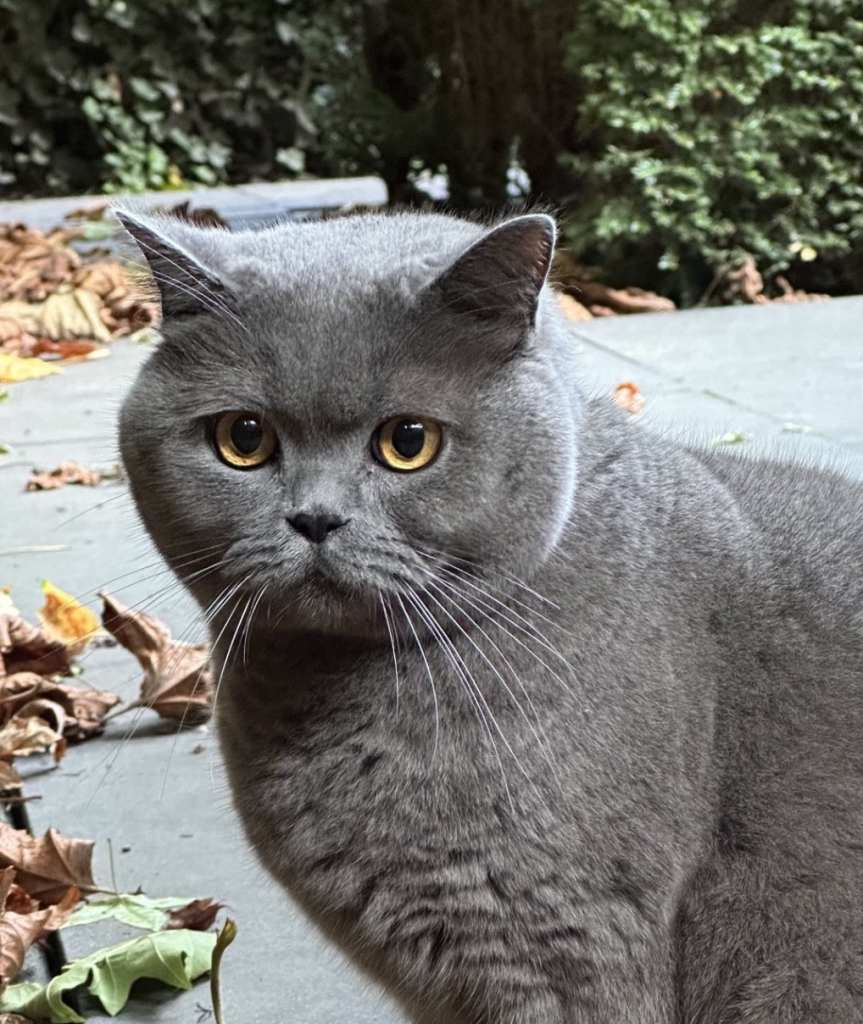
By the late 19th century, cat fanciers in Britain began to recognize the British Shorthair as a distinct breed. They admired the cat’s sturdy build, luxurious coat, and calm demeanour. Harrison Weir, a prominent figure in the world of cat breeding, was instrumental in formally establishing the breed’s standard. The British Shorthair quickly gained popularity, especially the blue-coloured variety, now known as the “British Blue.”
In the 20th century, the breed faced challenges due to the two World Wars, which significantly reduced the population. However, dedicated breeders worked tirelessly to preserve the breed, and through crossbreeding with other cats, such as the Persian, the British Shorthair’s popularity surged once again. Today, they are one of the most recognized and beloved cat breeds worldwide.
3. Appearance: The Plush and Adorable Look
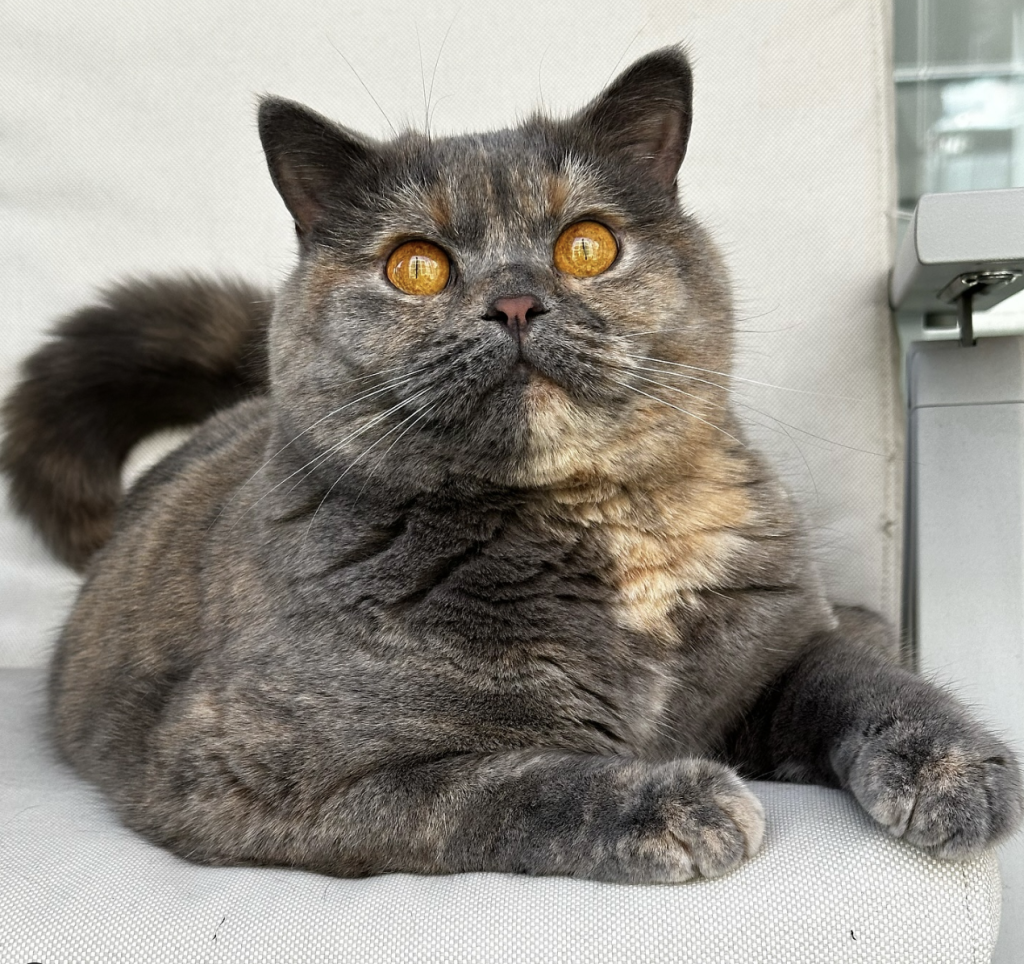
The British Shorthair is instantly recognizable due to its distinctive physical features. They are medium to large-sized cats with a strong and muscular build. Their faces are round, with full cheeks, a broad forehead, and wide-set, round eyes that give them an adorable, almost teddy-bear-like appearance. The ears are small and rounded, contributing to their overall roundness.
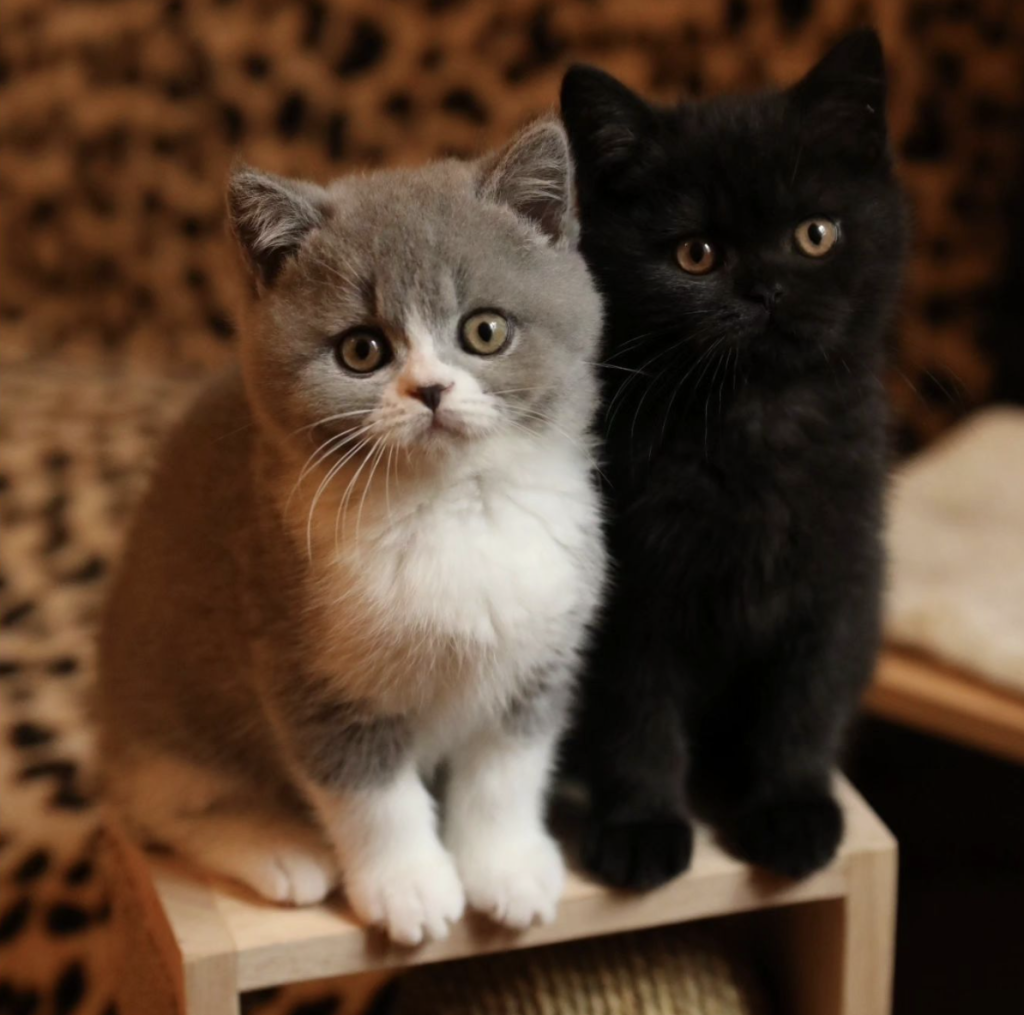
The most defining feature of the British Shorthair is its plush coat. The fur is short but dense, with an incredibly soft, velvety texture. Their coats come in a variety of colours and patterns, though the British Blue (solid blue-grey) is the most iconic. Other colours include black, white, cream, and tabby or bi-coloured patterns. Each colour variation only enhances the breed’s appeal.
In terms of size, males tend to be larger than females, weighing 9 to 17 pounds, while females typically weigh 7 to 12 pounds. Their solid build and muscular frame give them an air of strength, yet their soft fur and gentle demeanour make them irresistibly cuddly.
4. Temperament: Calm, Loving, and Independent
One of the reasons the British Shorthair has captured the hearts of so many is its wonderfully balanced temperament. These cats are known for being calm, affectionate, and independent. British Shorthairs are content with a relaxed lifestyle, unlike some more active breeds. They enjoy lounging around the house, observing their surroundings with a serene expression, and not overly demanding attention.
However, while they may not be as vocal or energetic as other breeds, they are incredibly loving and form strong bonds with their owners. British Shorthairs are known for being loyal companions who often follow you from room to room to be near you. They are particularly good with children and other pets, making them ideal family cats.
These cats are not overly clingy, which makes them perfect for busy households. They are pretty independent and can entertain themselves, but they still appreciate affection and will happily curl up next to you for some quiet time. Their calm demeanour also makes them great for apartment living, as they don’t require large spaces to feel content.
5. Health and Lifespan: A Robust Breed with Few Concerns
British Shorthairs are generally a healthy and robust breed. Thanks to their natural evolution and genetic heritage, they tend to have fewer health issues than some other pedigree cats. With proper care and regular veterinary check-ups, these cats can live long, healthy lives, often reaching 14 to 20 years of age.
That said, like all breeds, British Shorthairs are prone to certain health conditions. Some can develop hypertrophic cardiomyopathy (HCM), a heart condition that affects the thickening of the heart muscles. Regular screenings and check-ups can help detect this condition early.
Another common health concern for British Shorthairs is obesity. Due to their naturally stocky build and laid-back lifestyle, they can be prone to gaining weight if their diet is not properly managed. Owners should provide a balanced diet and ensure their cat gets enough exercise to maintain a healthy weight.
6. Grooming and Care: Low-Maintenance but Lovable
One of the many perks of owning a British Shorthair is its low-maintenance grooming needs. Their short, dense coat doesn’t require the same level of care as that of a long-haired breed. However, regular brushing is still recommended to remove loose hair and prevent matting, especially during shedding seasons. A weekly brushing session is usually sufficient to keep their coat looking healthy and shiny.
British Shorthairs are generally clean cats and don’t require frequent baths. Most British Shorthairs do a great job of grooming themselves. Nevertheless, checking their ears, eyes, and teeth regularly ensures they are clean and infection-free.
Their calm nature makes them relatively easy to groom, and many owners find that their British Shorthairs actually enjoy the process. Regular grooming sessions also offer a wonderful opportunity to bond with your cat.
7. Feeding and Nutrition: Providing for Your British Shorthair
British Shorthairs have a hearty appetite, and given their stocky build, it’s essential to provide them with a well-balanced diet that meets their nutritional needs without overfeeding. An ideal diet includes high-quality cat food that balances protein, fats, and carbohydrates.
Owners should be mindful of portion control, especially as British Shorthairs can be prone to obesity if overfed or don’t get enough exercise. Monitoring your cat’s weight and adjusting its food intake as needed is essential. Regular play sessions can also help keep them in good shape.
Additionally, providing fresh water at all times is crucial to maintaining your cat’s health. While British Shorthairs aren’t particularly prone to kidney issues, good hydration is essential for preventing potential health problems.
8. Training and Intelligence: Clever and Adaptable Cats
The British Shorthair may have a laid-back demeanour, but don’t be fooled—they are intelligent cats capable of learning tricks, commands, and even solving puzzles. While they aren’t as boisterous as some breeds, they have a playful side and enjoy interactive toys that stimulate their minds.
Training a British Shorthair is generally easy because of its calm and adaptable nature. They respond well to positive reinforcement and can be taught to use scratching posts and litter boxes and even perform simple tricks. The key is patience and consistency, as these cats prefer a slower pace.
Many British Shorthair owners find that their cats quickly pick up routines. They thrive on structure and will often adapt to the daily rhythms of your household, whether it’s meal times or playtime.
9. British Shorthairs as Family Pets: Perfect for All Ages
If you’re looking for a cat that fits seamlessly into a family setting, the British Shorthair is an excellent choice. These cats are known for their friendly and easy-going personalities, making them excellent companions for people of all ages, from young children to seniors.
British Shorthairs are particularly good with children. Their calm and gentle demeanour means they tolerate a child’s energetic nature. They are patient and not easily startled, which makes them less likely to scratch or bite. Additionally, their independent nature means they don’t mind spending time alone, which can benefit a busy household.
Another advantage is their ability to get along with other pets. British Shorthairs typically coexist well with other cats and dogs, especially if introduced properly and gradually. They are social creatures but appreciate their space, making them versatile pets that can adapt to various family dynamics.
10. Conclusion: The British Treasure in Every Home
The British Shorthair is truly a treasure of a breed, combining an adorable appearance with a calm and loving temperament. Whether you’re a first-time cat owner
Or an experienced one, the British Shorthair’s easy-going nature and low-maintenance care make them a perfect addition to any home. Their plush, velvety coats, round faces, and loyal companionship have captured the hearts of many, and they continue to charm everyone they meet.
Owning a British Shorthair is a rewarding experience. They offer love, companionship, and a unique blend of independence and affection. As guardians of the household, they observe everything with quiet wisdom, adding a sense of calm and stability to their lives. If you’re looking for a breed that brings joy without demanding too much, the British Shorthair is undoubtedly the right choice.
11. FAQ: Your British Shorthair Questions Answered
Q: Are British Shorthairs suitable for first-time cat owners?
A: Absolutely! British Shorthairs are one of the best breeds for first-time owners due to their calm, affectionate, and low-maintenance nature.
Q: Do British Shorthairs need a lot of exercise?
A: While they enjoy playtime, British Shorthairs are not overly active. Regular interactive play sessions are enough to keep them happy and healthy.
Q: Are British Shorthairs prone to any specific health problems?
A: British Shorthairs are generally healthy but prone to hypertrophic cardiomyopathy (HCM) and obesity. Regular vet check-ups can help manage these risks.
Q: Can British Shorthairs live in apartments?
A: Yes! British Shorthairs adapt well to apartment living due to their calm and independent nature.
Q: How long do British Shorthairs live?
A: With proper care, British Shorthairs can live between 14 and 20 years, making them long-term companions.