Discover the Chartreux: The Rare Blue Beauty Captivating Cat Lovers Everywhere!
| Characteristics | Details |
|---|---|
| Height | 12-16 inches |
| Weight | 9-11 pounds |
| Life span | 11-15 years |
| Coat Colours | Shades of blue or gray |
| Ideal for | Individuals or small families seeking a calm, low-maintenance pet |
| Personality | Friendly, affectionate, playful, and gentle |
The Chartreux Cat: A Comprehensive Guide to France’s Gentle Blue Gem
Table of Contents
- Introduction: A French Feline Wonder
- History and Origin
- Appearance: The Iconic Blue Coat and Round Face
- Temperament: Gentle, Quiet, and Loyal
- Health and Lifespan: A Healthy, Hardy Companion
- Grooming and Care: Minimal Effort, Maximum Reward
- Feeding and Nutrition: Keeping the Chartreux Happy and Healthy
- Training and Intelligence: Smart, Adaptable, and Independent
- Chartreux as Family Pets: A Perfect Companion for All
- Conclusion: The Timeless Elegance of the Chartreux
- FAQ: Your Chartreux Questions Answered
1. Introduction: A French Feline Wonder
The Chartreux cat, with its iconic blue-grey coat, round face, and golden eyes, has captivated cat lovers for centuries. These faithful companions are known for their gentle demeanour, quiet presence, and loyal nature. Originating from France, the Chartreux is often considered one of Europe’s oldest and most beloved breeds.
This detailed review will explore every facet of this extraordinary breed, from its rich history to its lovable temperament and why it makes an ideal family pet. Whether you’re considering adopting a Chartreux or already have one, this guide will provide insights into their unique characteristics and needs. Let’s dive into the world of the Chartreux cat and discover why it’s a breed like no other.
2. History and Origin
The Chartreux cat’s history is as rich as its plush blue coat. One of the oldest cat breeds in the world, the Chartreux is believed to have originated in France, where it became cherished for its hunting prowess and charming personality. Though the exact origins remain somewhat mysterious, it’s thought that these cats may have been brought to France by Carthusian monks from the Middle East, hence the breed’s association with the famous Chartreuse monasteries.
In the 16th century, the Chartreux became known for its exceptional hunting skills, helping to keep homes, farms, and monasteries free from rodents. Their robust bodies, sharp reflexes, and independence made them valuable assets. Still, it was their loving temperament that truly endeared them to humans. They lived alongside the French people for centuries, often called “the smiling cat” due to their distinctive facial expressions.
The breed gained significant attention in the 1920s when French cat breeders took an interest in preserving the Chartreux’s unique characteristics. Efforts were made to standardize the breed, focusing on its plush blue-grey coat, golden eyes, and stocky build. After facing near extinction during World War II, dedicated breeders worked tirelessly to revive the breed. Today, the Chartreux is recognized and celebrated worldwide for its calm demeanour, beautiful appearance, and long-standing history.
3. Appearance: The Iconic Blue Coat and Round Face
The Chartreux cat is instantly recognizable due to its distinctive appearance. This medium to large-sized cat has a strong, muscular build with broad shoulders and a deep chest, which gives it an athletic yet compact appearance. Despite their robust structure, Chartreux cats are incredibly graceful and agile.
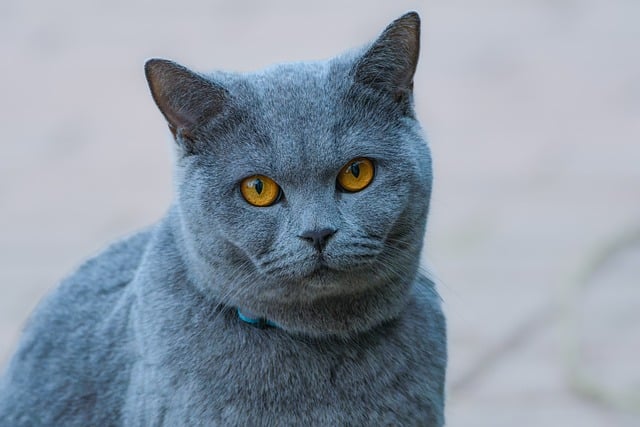
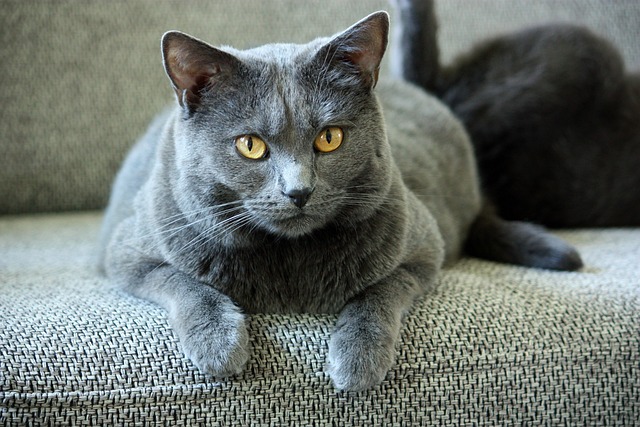
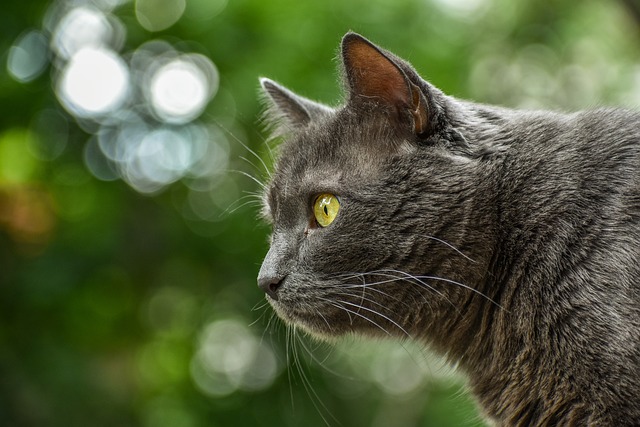
Their most defining feature is their short, dense coat, which is always a striking shade of blue-grey. The coat has a woolly texture, is incredibly soft, and is almost like a plush toy. This blue hue can range from light grey to deep slate blue, but the richness of the colour is always consistent. Interestingly, the texture of their coat is due to a double layer of fur, which provides insulation and adds to their unique, velvety feel.
The Chartreux’s face is also notable, with its rounded head, full cheeks, and slightly upturned mouth that gives it a perpetual “smile.” Its eyes are large and round and often come in copper, gold, or orange shades, providing a beautiful contrast to its blue-grey coat. Their expressive face and soft coat give the Chartreux an endearing, almost teddy-bear-like appearance.
Their ears are small and set high on the head, adding to the overall rounded shape of the cat’s profile. Their legs, though slender, are muscular, supporting their solid frame. The tail is proportionate to their body, thick at the base and tapering to a rounded tip. All these features contribute to the Chartreux’s unique and charming appearance, making them one of the most recognizable cat breeds in the world.
4. Temperament: Gentle, Quiet, and Loyal
The Chartreux cat is known for its calm, quiet, and affectionate personality. Unlike some other cat breeds, it is not overly vocal and tends to communicate with soft chirps or purrs rather than loud meows. This makes it a great choice for households where a quieter pet is preferred. Though it may not be as vocal, Chartreux cats are still very expressive and often use body language to communicate with their human companions.
One of the most endearing traits of the Chartreux is their loyalty. Once they bond with their owner, they remain devoted and follow their favourite person from room to room. They love being near their humans, whether sitting beside you on the couch or lying at your feet. Despite this attachment, they are not demanding cats and are perfectly content with quiet companionship rather than constant attention.
Chartreux cats are also known for their playful yet gentle nature. They enjoy interactive play but are not overly energetic or destructive. Their playful streak lasts well into adulthood, making them enjoyable companions for many years. They are also patient, which makes them great pets for families with children or other pets.
This breed is often described as “dog-like” in its behaviour. They are intelligent and observant and can be trained to respond to commands or even fetch toys. While they may enjoy periods of solitude, they also appreciate companionship and are known to greet their owners at the door with a friendly rub or purr.
5. Health and Lifespan: A Healthy, Hardy Companion
The Chartreux cat is generally a healthy and robust breed known for its longevity and resilience. Thanks to careful breeding practices and a solid genetic heritage, the Chartreux is not prone to many hereditary health issues affecting some other purebred cats. With proper care, regular veterinary check-ups, and a balanced diet, these cats can live long, healthy lives, often reaching 12 to 16 years of age or even longer.
While the breed is considered hardy, there are a few health conditions that owners should be aware of. One of the most common issues seen in Chartreux cats is patellar luxation, where the kneecap slips out of place. While this can cause discomfort, it is generally manageable with proper veterinary care and, in severe cases, surgery.
Like all cats, Chartreux cats can also be prone to dental issues, so regular brushing and routine dental check-ups are essential to maintain their oral health. Additionally, due to their naturally stocky build, it’s necessary to monitor their weight, as they can be prone to obesity if overfed or under-exercised.
Overall, the Chartreux is a low-maintenance breed when it comes to health, and with the right care and attention, it can be a delightful, long-term companion.
6. Grooming and Care: Minimal Effort, Maximum Reward
One of the many reasons the Chartreux cat is a beloved breed is its relatively low-maintenance grooming needs. Despite their plush, dense coat, these cats do not require extensive grooming to keep them looking their best. Their short double coat does not mat easily, and they are moderate shedders, making weekly brushing more than sufficient to remove loose hair and keep their fur soft and healthy.
During seasonal shedding, particularly in spring and fall, you should increase the frequency of brushing to prevent excess hair around the house. Using a grooming mitt or a soft-bristled brush will help maintain their coat without causing any discomfort.
The Chartreux is also known for being fastidious about cleanliness and grooming themselves regularly. Baths are rarely necessary unless the cat gets into something foul. However, as with all cats, regular care should be given to their nails, ears, and teeth. Keeping their nails trimmed and their ears clean will help prevent infections, and regular brushing their teeth can reduce the risk of dental disease.
Because Chartreux cats are so cooperative and calm, grooming is often a pleasant experience for both the cat and its owner. These grooming sessions can also be a great opportunity to bond with your cat and reinforce the strong connection that Chartreux cats are known for.
7. Feeding and Nutrition: Keeping the Chartreux Happy and Healthy
Feeding a Chartreux cat is straightforward, as they have no specific dietary requirements outside of the general nutritional needs of any healthy cat. A high-quality cat food, rich in protein and low in carbohydrates, is ideal for maintaining their muscular physique and overall health. Look for food that lists meat or fish as the primary ingredient, as cats are obligate carnivores and thrive on animal-based proteins.
Because the Chartreux has a naturally stocky build, monitoring their weight closely and avoiding overfeeding is essential. While they are not as prone to obesity as some other breeds, their love of food, combined with a more laid-back lifestyle, can make them susceptible to weight gain if not properly managed. Measuring their food portions and avoiding excessive treats will help keep them at a healthy weight.
Additionally, fresh water should always be available, as hydration is crucial for maintaining kidney and urinary tract health. Some cats prefer running water, so a cat water fountain may be an excellent option to encourage them to drink more frequently.
It’s also recommended that you consult your veterinarian for dietary advice specific to your cat’s age, weight, and activity level. Providing the right balance of nutrients will ensure that your Chartreux cat remains healthy and active throughout its life.
8. Training and Intelligence: Smart, Adaptable, and Independent
The Chartreux cat is not only affectionate and loyal but also intelligent and highly adaptable. This breed is known for its keen observational skills and quick learning of new routines and behaviours. While they are not as hyperactive as other breeds, Chartreux cats enjoy mental stimulation. They can be taught simple tricks or commands, such as fetching a toy or coming when called.
Training a Chartreux is a rewarding experience, as they respond well to positive reinforcement techniques like treats, praise, and affection. Their gentle nature and patience make them easy to train, whether using a scratching post, litter box training, or learning to interact with other pets and people.
One of the standout qualities of the Chartreux is their adaptability. Whether you live in a bustling household or a quiet apartment, this breed easily adjusts to its environment. They are not easily stressed by changes in routine or new surroundings, making them an excellent choice for individuals or families with dynamic lifestyles.
Though independent and can entertain themselves, Chartreux cats enjoy interactive playtime, particularly puzzle toys or games that challenge their minds. Regular mental and physical stimulation will keep your Chartreux happy and prevent boredom-related behaviours.
9. Chartreux as Family Pets: A Perfect Companion for All
Thanks to its gentle, calm, and loving nature, the Chartreux is an ideal family pet. These cats are known for their affectionate behaviour toward their human companions, often forming strong bonds with every household member. While they are exceptionally loyal to one person, they are generally friendly with everyone. They can quickly adapt to life in a busy family setting.
Chartreux cats are lovely with children due to their patient and tolerant nature. They are not aggressive or easily irritated, which makes them an excellent match for families with young children who may not yet understand the importance of being gentle with pets. They also get along well with other pets, whether it’s other cats or even dogs, provided proper introductions are made.
Their quiet demeanour makes them excellent companions for people who prefer a peaceful household. Unlike some more vocal breeds, Chartreux cats are content to sit quietly in the background, offering companionship without the demand for constant attention. This makes them ideal for seniors or individuals who cannot engage in high-energy activities.
The Chartreux cat is a perfect match for various households. It offers love, companionship, and a sense of calm to anyone lucky enough to share their home with this beautiful breed.
10. Conclusion: The Timeless Elegance of the Chartreux
The Chartreux cat is a breed that combines elegance, loyalty, and charm. With their striking blue-grey coats, round faces, and quiet, affectionate nature, these cats are more than just pretty faces—they are devoted companions that bring joy and tranquillity to any home. Whether looking for a playful, intelligent cat or a calm and loyal friend, the Chartreux offers the best of both worlds.
Their adaptability, low-maintenance grooming needs, and healthy constitution make them a fantastic choice for families, individuals, and seniors. The Chartreux cat has stood the test of time, earning its place as one of the most cherished breeds in the world. Owning a Chartreux is more than just having a pet—it’s having a lifelong companion who will love you unconditionally.
11. FAQ: Your Chartreux Questions Answered
Q: Are Chartreux cats hypoallergenic?
A: While no cat is truly hypoallergenic, the Chartreux’s short, dense coat may produce fewer allergens than other breeds.
Q: How often should I groom my Chartreux?
A: Weekly brushing is sufficient to keep their plush coat in great condition, but you may want to increase frequency during shedding seasons.
Q: Are Chartreux cats vocal?
A: Chartreux cats are known for being quiet and rarely meowing, but they occasionally “chirp” or purr to communicate with their owners.
Q: Can Chartreux cats live in apartments?
A: Chartreux cats adapt well to apartment living due to their calm demeanour and relatively low activity levels.
Q: How long do Chartreux cats live?
A: With proper care, Chartreux cats can live between 12 to 16 years, with some reaching even longer lifespans.
Q: Do Chartreux cats get along with other pets?
A: Chartreux cats are known for their friendly and tolerant nature, making them great companions for other cats and even dogs.