10 Reasons the Cornish Rex Cat Will Charm You (and Take Over Your Living Room!)
| Characteristics | Details |
|---|---|
| Height | 8-12 inches |
| Weight | 6-10 pounds |
| Lifespan | 10-15 years |
| Colours | Red, blue, black, white, cream, brown, cinnamon, chestnut, chocolate, seal, lavender, fawn, frost, platinum, champagne. |
| Suitable For | Any family or single person household |
| Temperament | Energetic, very curious, and loving |
Cornish Rex: The Elegant, Curly-Coated Wonder
Quick Summary
The Cornish Rex is a standout breed in the feline world, known for its sleek, curly coat and playful personality. Unlike most cats, the Cornish Rex lacks guard hairs, giving it a soft, almost velvet-like texture. It’s a breed that thrives on human interaction and craves attention. With its distinctive look and active, social nature, the Cornish Rex has earned a place in the hearts of cat lovers worldwide. This detailed review will explore every facet of the Cornish Rex, from its history and unique characteristics to its temperament, grooming needs, and suitability as a family pet.
This article delves deep into the Cornish Rex’s history, its fascinating personality traits, and why this breed is perfect for people looking for a friendly, affectionate companion. We’ll also cover their health, grooming, and living requirements, ensuring you have everything you need to know before bringing a Cornish Rex into your home.
Table of Contents
- Introduction to the Cornish Rex
- Origins and History
- What Makes It Unique
- Physical Characteristics
- Distinctive Curly Coat
- Sleek, Elegant Body
- Large Ears and Expressive Eyes
- Personality and Temperament
- Playful Nature
- Social Butterflies
- Affectionate and Loyal Companions
- Grooming and Maintenance
- Low-Shedding Breed
- Coat Care and Grooming Tips
- Health and Lifespan
- Common Health Issues
- Lifespan Expectations
- Living with a Cornish Rex
- Ideal Home Environment
- Compatibility with Families and Other Pets
- Adopting a Cornish Rex
- Things to Consider Before Adoption
- Finding a Reputable Breeder or Rescue
- Why the Cornish Rex is a Great Choice
- Final Thoughts: A Curly-Coated Joy
- FAQ Section
1. Introduction to the Cornish Rex
Origins and History
The Cornish Rex was first discovered in Cornwall, England, in the 1950s. The breed accidentally came about when a litter of barn kittens was born with one unusually curly-coated kitten. This kitten, named Kallibunker, became the foundation for the breed we now know as the Cornish Rex. The breed’s signature curly coat results from a genetic mutation, and breeders worked carefully to preserve this trait while expanding the gene pool.
Though initially a rare breed, the Cornish Rex gained popularity for its unique appearance and charming personality. Today, it’s beloved by cat enthusiasts across the globe, recognized for its distinct combination of style and substance.
What Makes It Unique
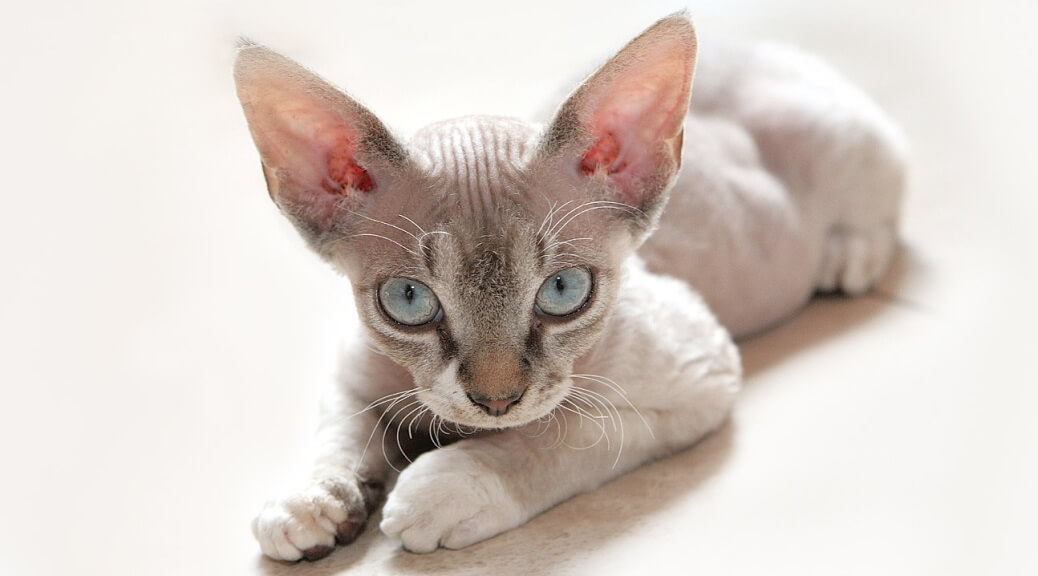
The Cornish Rex stands out for many reasons, but perhaps the most noticeable is its fur. While most cats have three types of hair in their coats—guard hairs, awn hairs, and down hairs—the Cornish Rex only has down hairs. This makes its coat incredibly soft and curly, often compared to velvet. Aside from its unique fur, the Cornish Rex is also famous for its egg-shaped head, large ears, and slender, muscular body.
2. Physical Characteristics
Distinctive Curly Coat
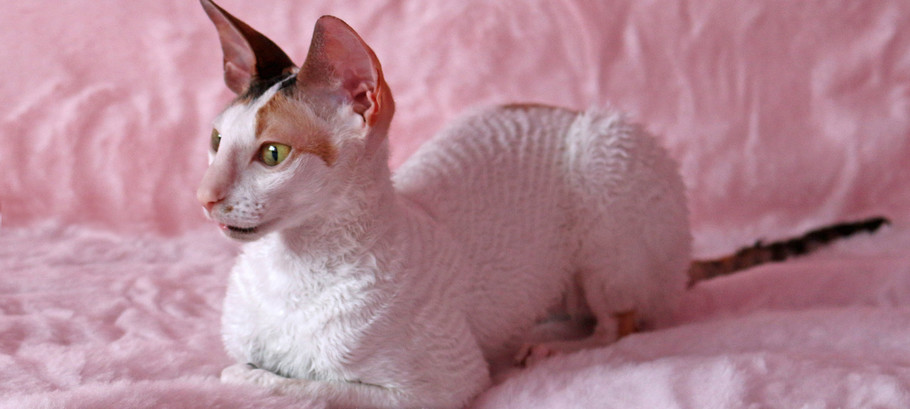
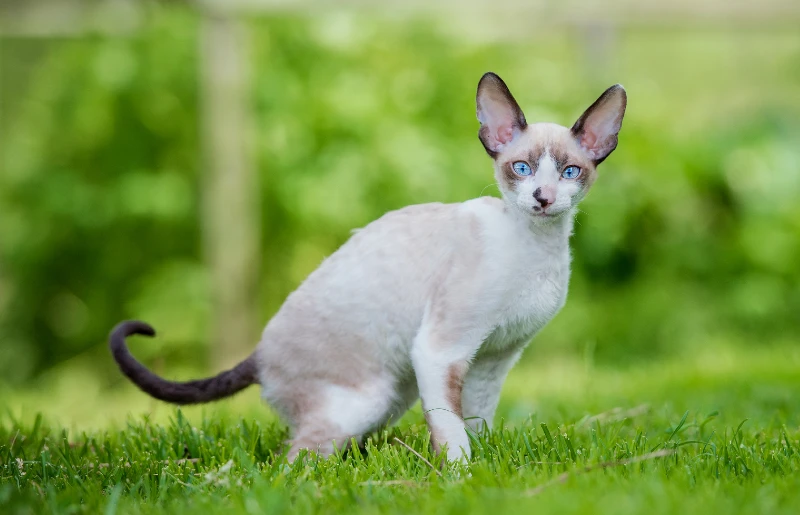
The Cornish Rex’s curly coat is undoubtedly its most defining feature. Unlike other cat breeds, its coat is soft to the touch and lacks the coarse texture of guard hairs, giving it a luxurious, velvety feel. The waves in the fur, known as “marcel waves,” are tight, and the fur clings close to the body, accentuating the cat’s lean physique. The coat comes in various colours and patterns, from solids and tabbies to bicolors and tortoiseshells, making each Cornish Rex visually unique.
Sleek, Elegant Body
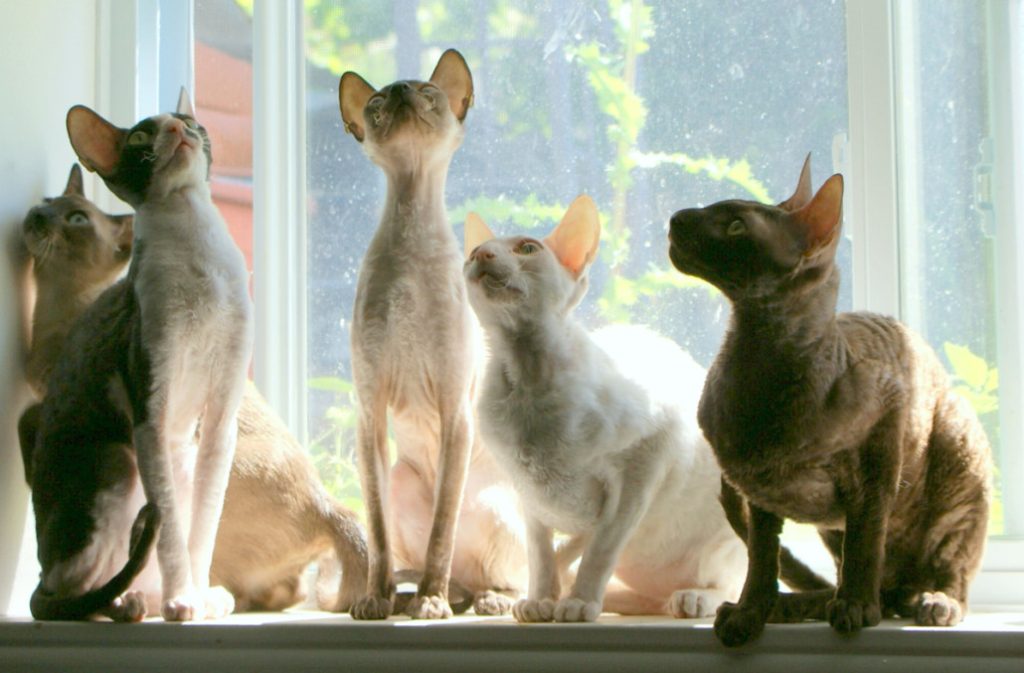
A Cornish Rex is all about grace and agility. With its slender yet muscular build, this breed is often described as having a “whippet-like” body. Long legs and a deeply arched back give the Cornish Rex a poised, athletic look. Despite its delicate appearance, the breed is robust. It can be surprisingly strong and agile, effortlessly leaping to heights.
Large Ears and Expressive Eyes
Another hallmark of the Cornish Rex is its large, bat-like ears. These prominent ears add to the breed’s alert, curious expression. The eyes are oval-shaped and often match the colour of the coat, contributing to the breed’s overall striking appearance. When you look into the eyes of a Cornish Rex, you’ll see a blend of intelligence and mischief, hinting at the playful nature that defines the breed.
3. Personality and Temperament
Playful Nature
Cornish Rex cats are often described as having the temperament of a kitten, no matter their age. They are incredibly playful and love to engage in games, whether chasing toys, climbing furniture or even playing fetch. If you want a cat that remains active and energetic well into adulthood, the Cornish Rex is the perfect choice. This high activity level means they need plenty of stimulation and enrichment to keep them happy.
Social Butterflies
Cornish Rex cats thrive on human interaction and often seek out the company of their owners. They are known for their social nature and will follow their humans around the house, eager to be involved in whatever happens. Whether cooking in the kitchen, watching TV, or working at your desk, your Cornish Rex will likely want to be nearby, if not right on top of you. This breed is also friendly with guests and other pets, making it an excellent choice for those who enjoy a lively, social household.
Affectionate and Loyal Companions
One of the Cornish Rex’s best qualities is its affectionate nature. These cats form strong bonds with their owners and are often described as “dog-like” in their loyalty. They love to cuddle and will happily snuggle up in your lap or sleep next to you. Their devotion to their humans makes them excellent companions for those who are home often and can give them the attention they crave.
4. Grooming and Maintenance
Low-Shedding Breed
Thanks to its short, curly coat, the Cornish Rex is a low-shedding breed. This is a bonus for people allergic to cat hair or prefer a home with minimal pet hair. However, it’s important to note that the breed is not hypoallergenic, as cat allergies are often triggered by proteins in their saliva, not their fur.
Coat Care and Grooming Tips
While the Cornish Rex doesn’t shed much, it still requires some grooming to keep its coat in top condition. Regular brushing with a soft brush helps to maintain the coat’s curl and prevents oil buildup on the skin. Additionally, because the Cornish Rex has such thin fur, it can be more susceptible to cold temperatures, so providing a warm, cosy environment is essential.
5. Health and Lifespan
Common Health Issues
The Cornish Rex is a healthy breed, but like all cats, it can be prone to certain genetic conditions. The most common health issues seen in the breed include hypertrophic cardiomyopathy (a heart condition) and patellar luxation (a joint disorder). Regular veterinary check-ups are essential to catch any potential health concerns early on.
Lifespan Expectations
The Cornish Rex can live a long, healthy life with proper care and regular vet visits, often reaching 15 years or more. This long lifespan, combined with their affectionate nature, means that a Cornish Rex will be a loving companion for many years.
6. Living with a Cornish Rex
Ideal Home Environment
The Cornish Rex thrives in homes where it can be the center of attention. They are indoor cats and are best suited to households where they won’t be left alone for long periods. The breed does well in apartments and houses with space to run and jump. Since it loves warmth, providing cosy beds or heated pads will ensure it stays comfortable year-round.
Compatibility with Families and Other Pets
The Cornish Rex is an excellent choice for families with children. Their playful nature makes them great playmates for kids, and their friendly personality ensures they get along well with other pets, including dogs. They will adapt well to various living situations as long as they receive plenty of love and attention.
7. Adopting a Cornish Rex
Things to Consider Before Adoption
Before adopting a Cornish Rex, consider their high energy levels and social interaction needs. They are not the best choice for people who spend long hours away from home or prefer a low-maintenance pet. However, the Cornish Rex could be the perfect fit if you’re looking for a lively, affectionate companion.
Finding a Reputable Breeder or Rescue
When looking to adopt a Cornish Rex, it’s essential to find a reputable breeder who prioritizes the health and well-being of their cats. You can also check with breed-specific rescues or shelters, as they occasionally have Cornish Rex cats looking for homes.
8. Why the Cornish Rex is a Great Choice
The Cornish Rex is a fantastic option for cat lovers who want a pet that combines beauty, elegance, and affection. Its unique curly coat and striking appearance are matched by a personality that is loving, playful, and loyal. This breed forms deep bonds with its owners and thrives in homes where it can be an active part of the family. Whether looking for a cat to play with, cuddle with, or admire, the Cornish Rex is a breed that never disappoints.
9. Final Thoughts: A Curly-Coated Joy
Suppose you’re seeking a cat that’s as delightful in personality as in appearance. In that case, the Cornish Rex is an excellent choice. This breed brings joy and energy to any home with its playful antics, loving nature, and unique, velvety coat. For those who want a feline companion that stands out from the crowd, the Cornish Rex delivers on every level. It’s a breed that will capture your heart and bring warmth and companionship to your life for years to come.
10. FAQ Section
Q1: Is the Cornish Rex hypoallergenic?
No, the Cornish Rex is not hypoallergenic. However, some people with mild allergies may react less to this breed due to its minimal shedding.
Q2: How much exercise does a Cornish Rex need?
The Cornish Rex is an active breed that enjoys playing and exercising. Providing toys, climbing structures, and interactive play sessions will keep them happy and healthy.
Q3: Do Cornish Rex cats get cold quickly?
Due to their thin, curly coat, Cornish Rex cats are more susceptible to cold temperatures. It’s a good idea to provide warm bedding and keep them indoors where it’s cosy.
Q4: How often should I groom my Cornish Rex?
Grooming the Cornish Rex is relatively easy. A gentle brushing once a week should be sufficient to maintain their coat.
Q5: Are Cornish Rex cats good with children?
Yes, the Cornish Rex’s playful and affectionate nature makes them great companions for children, as long as they know how to handle pets gently.
This detailed review highlights why the Cornish Rex is such a beloved breed. With its charming personality, striking looks, and affectionate demeanour, it’s no wonder cat lovers are drawn to this unique feline.