Curly Coats, Big Hearts: Why the German Rex is the Perfect Pet for Your Family
Is This the Most Affectionate Cat Breed Ever? Meet the German Rex!
Quick Summary
The German Rex cat is a distinctive and charismatic breed known for its curly coat, affectionate nature, and playful personality. Originally bred in Germany, this unique feline has garnered attention for its striking appearance, gentle disposition, and high adaptability to family life. The German Rex is an excellent companion for cat lovers seeking a pet that combines intelligence with a lively yet loving temperament. Though relatively rare compared to other Rex breeds, it stands out due to its low-maintenance grooming needs, strong bond with humans, and eagerness to be involved in daily activities.
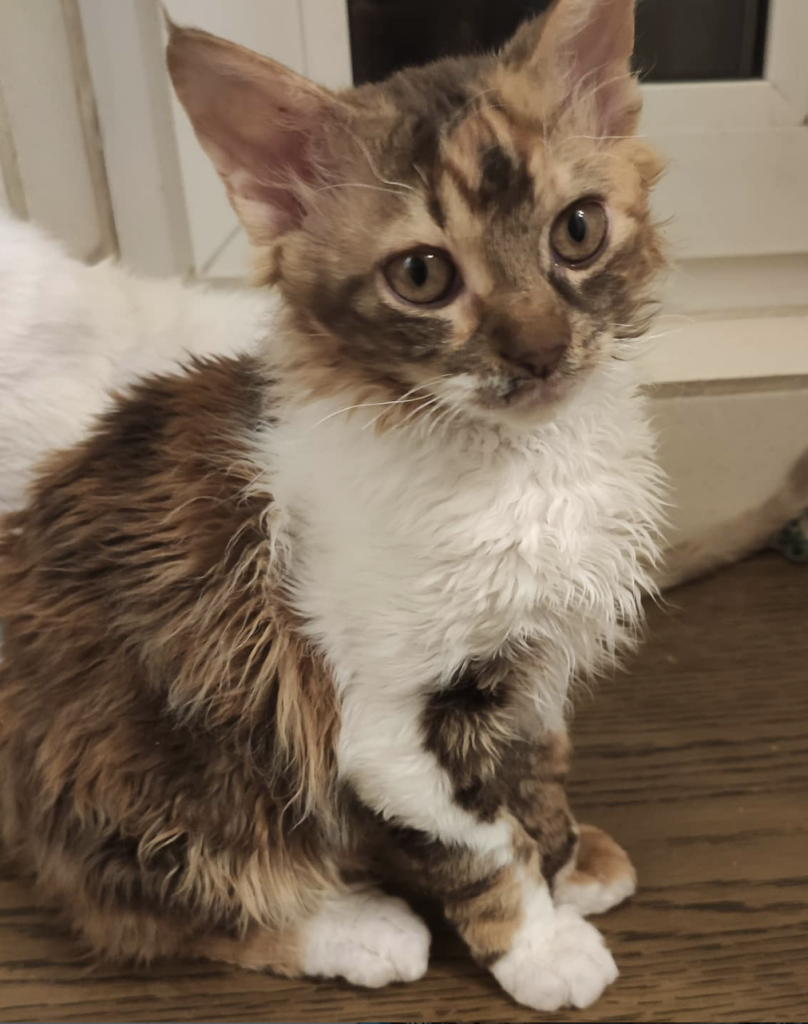
This review will explore the German Rex in detail, covering everything from its origin and history to its physical characteristics, personality traits, and grooming needs. We’ll also examine its health profile, dietary requirements, and ideal home environment. For those considering adding this delightful breed to their family, this article aims to provide a positive and thorough understanding of what makes the German Rex an excellent choice as a pet.
Table of Contents
- History and Origin of the German Rex
- Physical Characteristics and Appearance
- Personality and Temperament
- Health and Lifespan
- Dietary Needs
- Exercise and Activity Requirements
- Grooming and Maintenance
- Training and Intelligence
- Ideal Living Environment
- Common Myths and Misconceptions
- Is the German Rex the Right Pet for You?
- Conclusion: The Curly-Coated Companion
- Frequently Asked Questions (FAQ)
- History and Origin of the German Rex
The German Rex breed traces its roots back to the 1950s in East Germany. The first known German Rex, a curly-coated cat named Lämmchen, was discovered in 1951 in Berlin. It is believed that Lämmchen, meaning “little lamb” in German, resulted from a spontaneous genetic mutation. Her unusual wavy coat immediately attracted attention, and selective breeding began to preserve this unique trait. Unlike other Rex breeds, such as the Cornish or Devon Rex, the German Rex’s genetic mutation is distinct, contributing to its standout features.
The breed was formally recognized in Germany and gradually spread to other parts of Europe, although it remained relatively rare compared to its cousins. Despite its rarity, the German Rex’s natural elegance and loving personality have made it popular among breeders and enthusiasts. Today, it is a breed appreciated for its historical significance and delightful qualities as a companion cat.
Physical Characteristics and Appearance
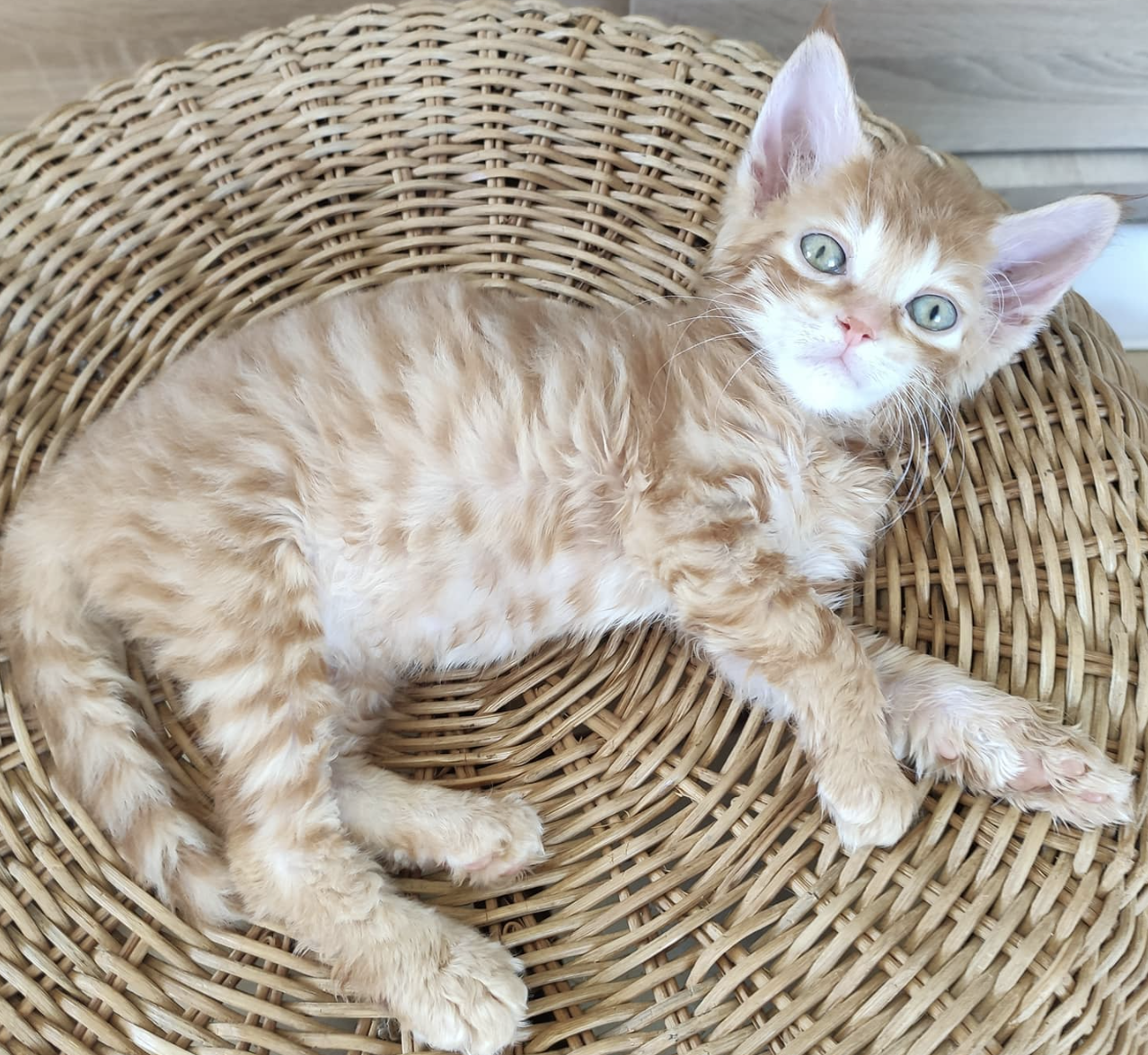
The German Rex is medium-sized, with a muscular yet elegant build. One of its defining features is its curly coat, which is soft, plush, and velvety. Unlike the Cornish Rex, whose coat consists of only down hair, the German Rex has a mix of guard, awn, and down hairs, giving its coat a fuller appearance while retaining its signature curl. The curls are most pronounced on the body, especially along the back, flanks, and tail, though the coat may be slightly straighter on the head and legs.
Its round head, large expressive eyes, and medium-sized ears give the German Rex a friendly and approachable look. The eyes can come in various shades depending on the coat colour, which can range from solid colours like black and white to more intricate patterns such as tabby and tortoiseshell.
This breed’s graceful movement and athletic body convey agility and strength, making it an active participant in household activities. Despite its refined appearance, the German Rex has a robust and hardy constitution.
Personality and Temperament
Affectionate, playful, and social, the German Rex is known for its people-oriented nature. These cats form strong bonds with their owners, often following them around the house and seeking involvement in daily activities. Their gentle and friendly disposition makes them well-suited for families with children, other pets, or even single individuals looking for a constant companion. They enjoy interactive play, whether chasing a toy mouse or engaging in a game of fetch, and they are known to adapt well to various home environments.
The German Rex thrives on attention and loves being in the spotlight, often displaying acrobatic antics to entertain its human companions. They are affectionate without being overly demanding, and while they appreciate cuddling, they are equally happy to engage in independent play. These cats are also quite vocal, and their soft, melodic meows are used to communicate with their owners, adding to their charming personalities.
Health and Lifespan
One remarkable aspect of the German Rex is its robust health. This breed is generally considered to be free from many genetic disorders that affect other purebred cats. However, as with all breeds, it is essential to monitor for common feline health issues such as dental problems, obesity, and respiratory conditions.
German Rex cats typically enjoy a long lifespan, averaging 12 to 16 years or more when provided with proper care. Regular vet check-ups, vaccinations, and a well-balanced diet are crucial in ensuring their health. Some German Rex cats may be prone to skin sensitivities due to their fine coat, but this is rarely a significant issue with the proper grooming and diet.
Dietary Needs
The German Rex has no special dietary requirements, but a well-balanced, protein-rich diet is essential to support its active lifestyle and maintain a healthy coat. High-quality commercial cat food that mixes dry and wet food is typically recommended. Protein should be the primary component of their diet, as cats are obligate carnivores.
Fresh water should always be available; portion control is essential to prevent obesity. Since this breed is known for its playful and active nature, calorie intake should match its energy levels to ensure optimal health.
Occasional treats are fine, but owners should refrain from overindulgence to maintain their cat’s ideal weight. Consulting with a veterinarian for specific dietary recommendations based on the cat’s age, activity level, and overall health is always beneficial.
Exercise and Activity Requirements
The German Rex is an energetic breed that requires regular physical and mental stimulation. While they are not hyperactive, they enjoy playing and exploring their environment. Providing them with various toys, scratching posts, and climbing structures can help keep them entertained and physically fit.
These cats are also intelligent and can benefit from puzzle toys or activities that challenge their problem-solving skills. Interactive play sessions with their owners can strengthen the bond between the cat and the owner while ensuring the cat stays active and engaged.
Their natural curiosity means they will explore every nook and cranny of their home, and they enjoy having access to windows or outdoor enclosures where they can observe the outside world safely.
Grooming and Maintenance
Despite their curly coat, the German Rex is relatively low-maintenance in grooming. Their short, soft hair does not shed excessively, making them a good choice for people who prefer a cat with minimal shedding. However, they benefit from occasional brushing to remove loose hair and prevent matting. A gentle brush once or twice a week is usually sufficient to keep their coat looking healthy and shiny.
Bathing is rarely necessary, as the German Rex can keep itself clean. However, owners should pay attention to their cat’s ears and eyes, ensuring they remain clean and debris-free. Regular dental care, including brushing teeth or providing dental treats, can also help prevent gum disease.
Training and Intelligence
The German Rex is an intelligent and curious breed, making them highly trainable compared to other cats. They quickly learn routines and can be taught simple tricks such as sitting, fetching, or using a leash. Positive reinforcement, such as treats or praise, works well with this breed, as they are eager to please and enjoy engaging in interactive activities with their owners.
German Rex cats are known for their adaptability and thrive in an environment that stimulates their mental faculties. Their natural curiosity and intelligence also mean they are quick learners when it comes to using the litter box or following house rules.
Ideal Living Environment
The German Rex adapts well to various living environments, from small apartments to larger homes. However, they do best in a household where they are not left alone for extended periods, as they crave companionship. Families, couples, or even single individuals who can devote time to their cats will find the German Rex an excellent fit.
This breed is particularly well-suited for families with children, as their playful nature makes them a fun and engaging companion. They also get along well with other pets, including dogs and cats, provided they are appropriately introduced. The German Rex is not prone to aggression, making it a harmonious addition to multi-pet households.
Common Myths and Misconceptions
Myth: The German Rex is the same as the Cornish Rex.
Reality: While both breeds share the “Rex” name and have curly coats, they are genetically distinct. The German Rex’s coat is denser and includes three layers of hair, while the Cornish Rex only has down hair.
Myth: Curly-coated cats like the German Rex are high-maintenance.
Reality: The German Rex is easy to groom, requiring occasional brushing. Its coat does not shed excessively, making it a relatively low-maintenance breed.
Myth: The German Rex is a new breed.
Reality: Though not as well-known as other breeds, the German Rex has been around since the 1950s, making it a well-established and historically significant breed.
Is the German Rex the Right Pet for You?
If you’re seeking a cat that combines playfulness, intelligence, and a loving nature, the German Rex might be the perfect fit for your home. This breed excels
in offering companionship forming close bonds with its owners while maintaining an independent streak. They are ideal for families, singles, or anyone looking for a pet that will bring joy, affection, and a touch of playfulness to their household.
With its easy grooming routine, robust health, and adaptable nature, the German Rex is a versatile, low-maintenance pet that can thrive in various living conditions. It stands out as an excellent choice for anyone seeking a curly-coated cat with a loving heart.
Conclusion: The Curly-Coated Companion
The German Rex is more than just a cat with a curly coat—it is a loving companion that brightens up any home with its playful antics, affectionate personality, and graceful elegance. From its rich history in Germany to its role as a beloved family pet, this breed continues to charm cat lovers worldwide. Whether you’re captivated by its unique appearance or engaging personality, the German Rex will leave a lasting impression. Bringing a German Rex into your life means welcoming a loyal friend who will share countless joyful moments with you.
Frequently Asked Questions (FAQ)
Q: Does the German Rex shed a lot?
A: No, the German Rex is a low-shedding breed. Its curly, short coat sheds much less than other breeds, making it ideal for people who prefer minimal shedding or those with mild allergies.
Q: Are German Rex cats hypoallergenic?
A: While no cat breed is entirely hypoallergenic, the German Rex produces fewer allergens than many other breeds due to its low shedding. However, individuals with severe cat allergies may still experience reactions, so it’s best to spend time with the breed before committing to adoption.
Q: What is the personality of a German Rex like?
A: The German Rex is known for its affectionate, playful, and social personality. They form strong bonds with their owners and enjoy interactive play. They are also quite intelligent and curious, making them both loving and entertaining companions.
Q: How much exercise does a German Rex need?
A: German Rex cats are active and playful but don’t require excessive exercise. Engaging them in regular play, providing climbing structures, and offering toys that stimulate their natural hunting instincts are enough to keep them physically and mentally fit.
Q: Are German Rex cats suitable for families with children or other pets?
A: Yes, the German Rex is an excellent choice for families. They are friendly and tolerant and enjoy playing with children. They also get along well with other pets, including dogs, as long as introductions are handled properly.
Q: Do German Rex cats require a lot of grooming?
A: Despite their unique curly coat, the German Rex is relatively low-maintenance. They require occasional brushing—about once or twice a week—to keep their coat healthy and free of loose hair. Unlike some other curly-coated breeds, they do not require frequent bathing.
Q: What health issues are common in German Rex cats?
A: The German Rex is generally a healthy breed with no known breed-specific genetic conditions. However, as with all cats, regular veterinary care is essential to monitor for common health issues like dental disease or obesity.
Q: How long do German Rex cats live?
A: With proper care, a German Rex cat can live between 12 to 16 years or even longer. Their lifespan depends on diet, exercise, and overall health maintenance.
Q: Do German Rex cats enjoy being lap cats?
A: German Rex cats are affectionate and enjoy being close to their owners. They are known to be lap cats, often curling up for a snuggle, but they are also active enough to enjoy independent play and exploration.
Q: How intelligent are German Rex cats?
A: German Rex cats are knowledgeable and quick learners. They enjoy puzzles, interactive toys, and even learning tricks. Their curious nature makes them excellent problem solvers, and they adapt well to new environments or routines.
Q: Is the German Rex a noisy breed?
A: While vocal, German Rex cats are not excessively loud. They communicate with soft, melodic meows, especially when seeking attention or interacting with their owners.
Q: How much space does a German Rex need?
A: The German Rex is adaptable and can live happily in apartments and larger homes. They thrive in environments with space to play and explore, but they don’t require a large house to be content as long as they receive enough attention and stimulation.
Q: Can German Rex cats be left alone?
A: While the German Rex is a social cat that loves interaction, it can tolerate being left alone for short periods. However, they do best in homes where someone is around to provide companionship and play regularly. Providing interactive toys or another pet companion can help keep them entertained if left alone frequently.
These FAQs should provide valuable insights for potential German Rex owners. Whether you’re concerned about grooming, personality traits, or living requirements, the German Rex is a breed that balances affection, intelligence, and ease of care, making it an excellent companion for various households.