Meet the Bengal Cat: The Exotic, Wild-Looking Pet Taking Over Homes Everywhere!
| Characteristics | Details |
|---|---|
| Height | The typical height of a Bengal cat ranges between 13 to 16 inches (33 to 41 cm) at the shoulder. |
| Weight | A Bengal cat typically weighs between 10 to 15 pounds (4.5 to 6.8 kg) for males and 8 to 12 pounds (3.6 to 5.4 kg) for females |
| Life Span | The life span of a Bengal cat typically ranges from 12 to 16 years, with some living even longer with proper care and a healthy lifestyle. |
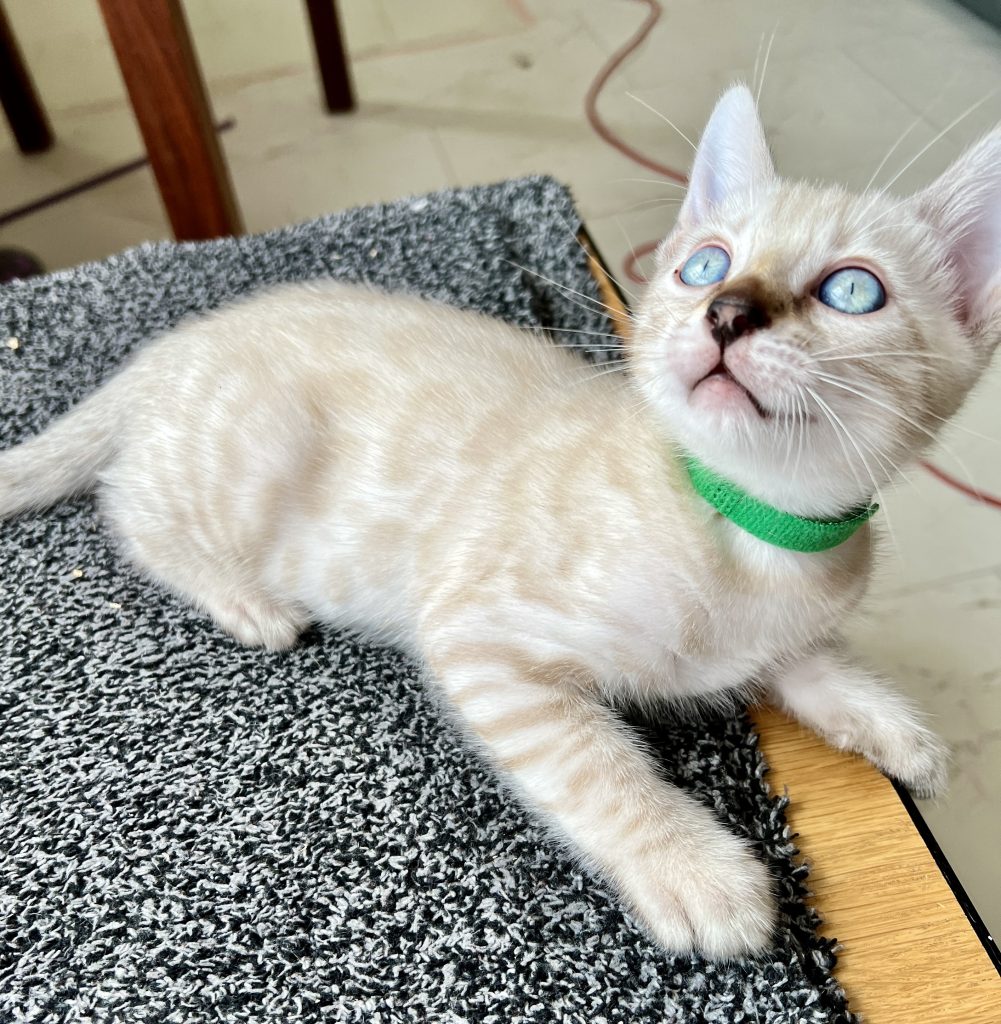
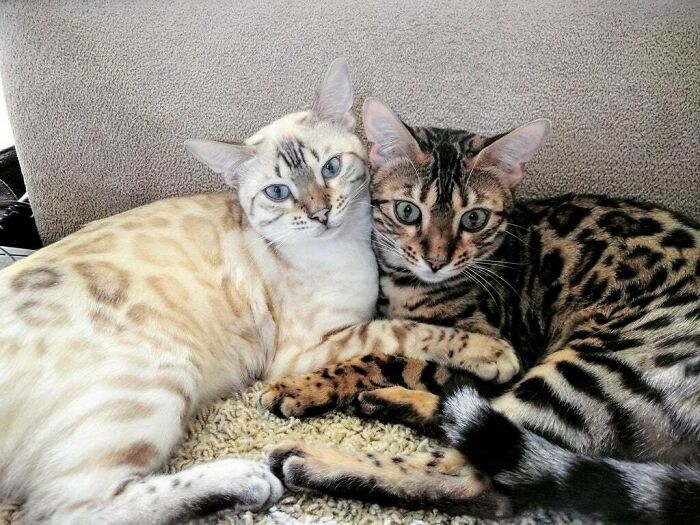
| Coat Colour | Bengal cats have a striking coat that comes in a variety of colors, including brown, silver, and snow. These coats often feature bold, contrasting markings such as spots, rosettes, or marbling, giving them their signature wild, exotic look. |
| Suitable for | Bengal cats are suitable for active families, individuals, or homes with other pets. They thrive in environments where they can engage in regular physical activity and mental stimulation |
| Temperament | Bengal cats are intelligent, energetic, and playful. They are social, affectionate, and enjoy exploring, often bonding closely with their families. |
The Bengal Cat: A Complete Guide to This Beautiful and Energetic Breed
The Bengal cat is a strikingly beautiful, highly active, and intelligent breed that has gained immense popularity worldwide. Known for their exotic, wild appearance and playful nature, Bengals captivate cat lovers with their unique spotted or marbled coats resembling leopard ones. Bred initially from crossing Asian leopard cats with domestic cats, Bengals are full of energy, making them perfect for families who enjoy interactive play and mental stimulation.
This comprehensive guide will explore everything you need to know about Bengal cats, from their fascinating history and distinct physical features to their personality traits, care requirements, and joint health concerns. Whether you’re considering adding a Bengal to your family or already have one, this article provides practical advice and insights to ensure your Bengal lives a happy, healthy life. Read on to discover why this exotic breed continues to be a favourite among cat enthusiasts.

Table of Contents
- The History of the Bengal Cat
- Physical Characteristics of the Bengal Cat
- Personality and Temperament
- Caring for a Bengal Cat
- Diet and Nutrition
- Exercise and Mental Stimulation
- Training Your Bengal Cat
- Health and Lifespan
- Common Challenges with Bengal Cats
- Socialising Bengals with Other Pets and Children
- Why the Bengal Cat is a Unique Companion
- Conclusion: Embracing Life with a Bengal
- FAQ: Common Questions about Bengal Cats
The Bengal cat’s fascinating history begins with an intentional crossbreed between a domestic cat and the wild Asian leopard cat (Prionailurus bengalensis). This hybridisation aimed to create a cat with the exotic beauty of a wild feline but with the temperament of a domestic one. The breed’s origins can be traced back to the 1960s, when Jean Mill, an American breeder, successfully bred an Asian leopard cat with a domestic cat.
In the early 1970s, these hybrid kittens began to gain popularity, and through careful breeding practices, the modern Bengal emerged as a recognised and established breed. It wasn’t until the late 1980s that significant cat registries like The International Cat Association (TICA) officially recognised Bengals. Since then, the Bengal has been admired for its striking appearance and charismatic personality, earning a special place in the hearts of cat lovers worldwide.
This combination of wild ancestry and domestic companionship makes the Bengal one of the most intriguing feline breeds.
Physical Characteristics of the Bengal Cat
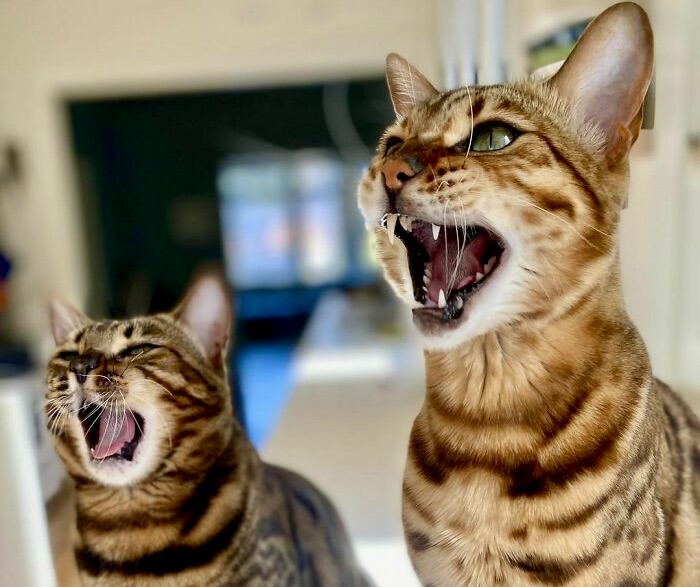
Bengal cats are known for their remarkable appearance, often described as “miniature leopards.” Their coats are short and sleek and covered in bold patterns that can be spotted or marbled. These distinctive markings and muscular bodies give them a wild, exotic look that sets them apart from other domestic cats.
In addition to their stunning coat patterns, Bengal cats come in various colours, including brown, snow (white or cream), and silver. The most common variety is the brown Bengal, which features rosettes or spots on a golden or orange background. Their eyes are large and oval-shaped and can range from green to blue, depending on their coat colour.
Bengals are medium to large, with males typically weighing 10 to 15 pounds and females ranging from 8 to 12 pounds. Their bodies are long and muscular, with powerful hind legs that allow them to jump to great heights—often surprising their owners with their agility.
Bengal cats’ coats are not only beautiful but also practical. They are low-shedding and easy to maintain, making them an excellent choice for people with mild allergies.
Personality and Temperament
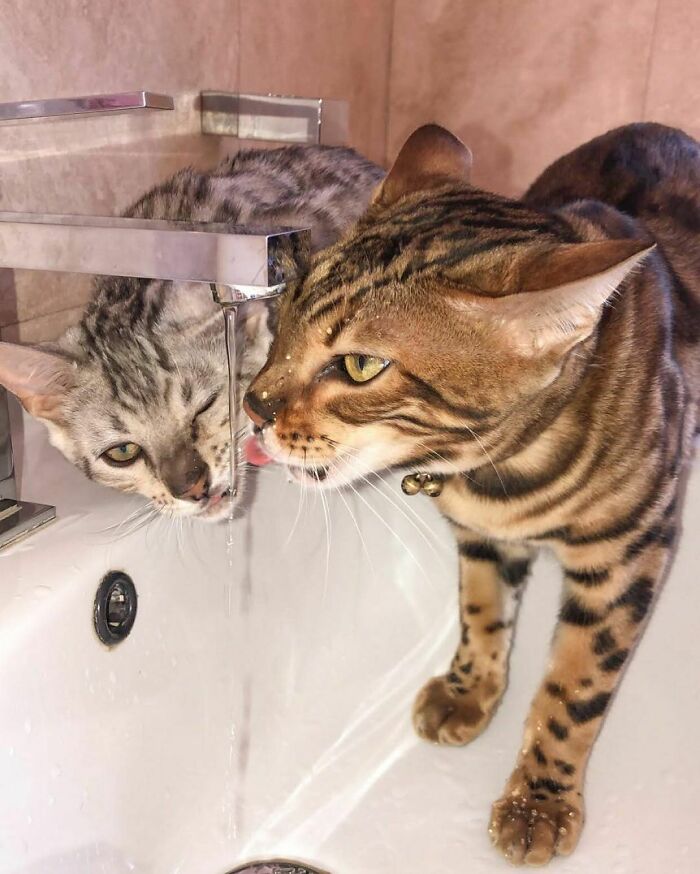
One of the most captivating aspects of the Bengal cat is its energetic and outgoing personality. Bengals are known for being highly active, curious, and intelligent. They enjoy exploring their surroundings, climbing high places, and engaging in interactive play. Their love for water is also a unique trait among cats, and many Bengal owners find their cats splashing in the sink or even joining them in the shower!
Bengal cats form strong bonds with their human companions and thrive on attention. They are affectionate without being overly clingy, often following their owners around the house and joining in on whatever activity happens. Because of their intelligence and curiosity, Bengals require a stimulating environment with plenty of toys, puzzles, and activities to entertain them.
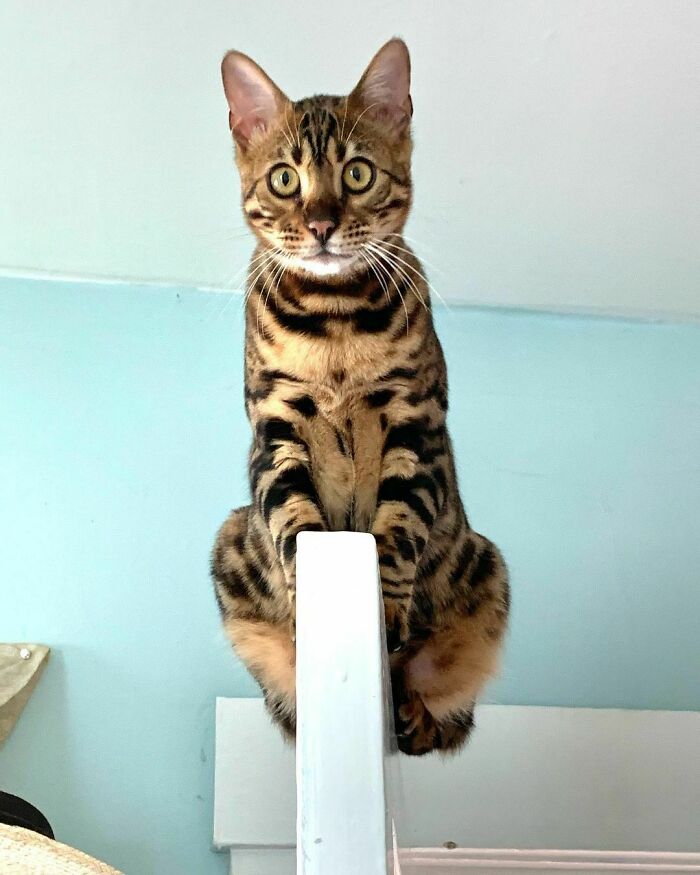
However, Bengals are not for everyone. Their high energy levels mean they need plenty of playtime and stimulation, so they may not be suitable for families looking for a more laid-back, low-energy cat. But for those who enjoy an active, interactive companion, Bengals can be incredibly rewarding pets.
Caring for a Bengal Cat
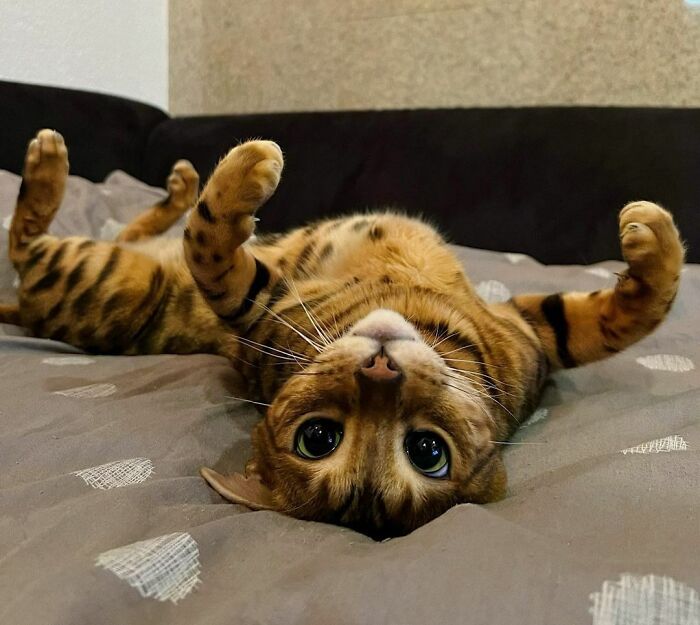
Caring for a Bengal cat requires attention to its physical and mental well-being. Its short, soft coat is easy to maintain, requiring only occasional brushing to keep it sleek and shiny. Despite their exotic appearance, Bengals are domestic cats at heart, and they thrive in homes where they are loved, cared for, and engaged in daily activities.
Because of their high energy, the Bengals need plenty of space to roam and climb. Cat trees, shelves, and perches are ideal for providing them with the vertical territory they crave. Interactive toys and puzzles help keep their minds sharp, preventing boredom and ensuring they stay happy and healthy.
Additionally, Bengals need regular nail trimming, ear cleaning, and dental care like any other cat. By providing these basic grooming practices, you’ll ensure that your Bengal stays in top condition.
Diet and Nutrition
Feeding your Bengal cat a well-balanced diet is essential to maintaining health and vitality. Like all cats, Bengals are obligate carnivores, requiring a diet of animal protein. High-quality commercial cat foods, wet or dry, that list meat as the primary ingredient are recommended for Bengals. You may also want to consider a raw or homemade diet, but consult a veterinarian before making such changes to ensure your Bengal gets the proper nutrients.
Monitoring your Bengal’s weight and adjusting feeding portions as necessary is essential, mainly because their high energy levels can sometimes mask overfeeding. Fresh water should always be available, and a water fountain can be a fun way to encourage hydration, as Bengals love moving water.
By ensuring your Bengal cat receives the proper nutrition, you’ll support their active lifestyle and help prevent common feline health issues.
Exercise and Mental Stimulation
Bengal cats are highly energetic and need regular exercise and mental stimulation to thrive. A stimulating environment is essential to keeping your Bengal entertained and preventing boredom-related behaviours such as excessive meowing or destructive scratching. Interactive toys, such as feather wands, laser pointers, and puzzle feeders, are excellent for encouraging your Bengal’s natural hunting instincts.
Because Bengals are excellent climbers, having a multi-level cat tree or wall-mounted shelves can give them the vertical space they crave. Allowing your Bengal supervised outdoor access through leash training or in a secure enclosure can also provide them with additional mental and physical stimulation.
Without enough exercise, a Bengal cat can become restless or even develop behavioural issues, so it’s essential to engage with them daily.
Training Your Bengal Cat
Due to their high intelligence, Bengals are one of the few cat breeds that can be trained to do tricks or even walk on a leash. Positive reinforcement techniques work well with Bengals, who are highly motivated by rewards. Training sessions should be short and fun, keeping your Bengal engaged without becoming bored.
Leash training can be a great way to allow your Bengal to explore the outdoors safely. Start by introducing your cat to the harness indoors, gradually getting them comfortable before attaching a leash. Once they’re used to the harness, you can take them for short walks in secure areas.
Like most cats, Bengals are generally easy on litter training. They tend to pick up on using the litter box quickly, especially when kept clean.
Training your Bengal can be a fun and rewarding experience that strengthens your bond and keeps your mind sharp.
Health and Lifespan
Bengal cats are generally healthy, spanning 12 to 16 years, though they are prone to specific genetic health issues. One such condition is hypertrophic cardiomyopathy (HCM), a heart disease that can be common in Bengals. Reputable breeders screen for HCM, so obtaining a Bengal from a responsible breeder who tests their cats is essential.
Another potential health issue in Bengals is progressive retinal atrophy (PRA), a condition that leads to vision loss. Again, responsible breeding practices have reduced the prevalence of PRA, but it’s something to be aware of when choosing a Bengal.
Regular veterinary checkups, vaccinations, and preventive care (such as flea and worm treatments) will help ensure your Bengal stays in optimal health throughout their life.
Common Challenges with Bengal Cats
While Bengal cats make excellent companions, they come with their own set of challenges. One of the most common issues is their high energy level. Bengals are not content to lounge around all day and will demand your attention, often by mischievous behaviour if ignored.
Another challenge can be their vocal nature. Bengals are known for their loud and frequent vocalisations, which some owners find endearing while others may find overwhelming. Additionally, Bengals require mental stimulation and may become bored if left alone for long periods.
If you are prepared to meet their physical and emotional needs, these challenges can be managed effectively, allowing your Bengal to thrive in your home.
Socialising Bengals with Other Pets and Children
Bengals are generally social cats that enjoy the company of other animals
and children, but proper introductions are vital to ensuring positive interactions. When introducing a Bengal to a new pet, take things slowly, allowing both animals to get used to each other’s scent before meeting face-to-face. Supervised, gradual introductions will help reduce stress and encourage a peaceful coexistence.
Because of their playful and energetic nature, Bengals often do well with children, especially if the child understands how to interact with cats gently. Bengals tend to form strong bonds with their family members, becoming loyal and affectionate companions to adults and kids alike.
When introduced properly, Bengals can integrate well into a multi-pet household and become beloved family members.
Why the Bengal Cat is a Unique Companion
What truly sets the Bengal apart from other domestic cats is its combination of beauty, intelligence, and active nature. Its striking appearance, with rosettes and marbling, gives it an exotic look reminiscent of wildcats, but its loving and social personality makes it an excellent companion.
Bengals are incredibly engaging pets because of their high energy and curiosity. Their love for water, fascination with toys, and ability to learn tricks mean there’s never a dull moment with a Bengal cat in your home. If you enjoy an active lifestyle and value interactive play, the Bengal will be the perfect addition to your family.
Bengals’ unique blend of wild looks and domestic affection makes them one of the most exciting and rewarding cats to live with.
Conclusion: Embracing Life with a Bengal
Owning a Bengal cat is a truly unique experience. From their stunning appearance to their lively and intelligent personality, Bengals bring excitement and joy into any home. These cats require commitment in terms of time, care, and attention. Still, those willing to meet their needs offer a rewarding companionship filled with playfulness, affection, and endless entertainment.
Whether you’re captivated by their wild looks or charmed by their interactive nature, Bengals can become profoundly loyal and loving members of your family. By providing the proper care, exercise, and mental stimulation, you’ll have a happy, healthy Bengal who will thrive in your home for years.
FAQ: Common Questions about Bengal Cats
Q1: Are Bengal cats suitable for families with children?
A: Yes, Bengals are social and playful cats that usually do well with children as long as interactions are gentle and respectful.
Q2: Do Bengal cats get along with other pets?
A: Bengals can get along well with other pets if introduced properly. Early, gradual introductions are vital to ensuring harmony.
Q3: How much exercise does a Bengal cat need?
A: Bengals are highly active and need daily exercise and mental stimulation. Play sessions, climbing spaces, and interactive toys are essential.
Q4: Are Bengal cats challenging to train?
A: No, Bengals are intelligent and can be trained easily using positive reinforcement. They can even learn tricks and walk on a leash.
Q5: Do Bengal cats require special grooming?
A: Bengals have short, low-maintenance coats. Occasional brushing is all that’s needed to keep them shiny and healthy.
Q6: How long do Bengal cats live?
A: Bengal cats typically live 12 to 16 years when given proper care and regular veterinary checkups