The Brazilian Short Hair Cat: Facts and Information
Brazilian Shorthair Cat: A Comprehensive and Detailed Review
Table of Contents
- Introduction: The Brazilian Shorthair at a Glance
- History and Origins
- Physical Characteristics
- Temperament and Personality
- Health and Lifespan
- Grooming and Maintenance
- Suitability as a Family Pet
- Interaction with Children and Other Pets
- Training and Intelligence
- Living Environment
- Diet and Nutrition
- Common Health Concerns
- Breeding and Costs
- Final Thoughts: The Versatile and Affectionate Brazilian Shorthair
- FAQ Section
Introduction: The Brazilian Shorthair at a Glance
The Brazilian Shorthair is a relatively new but fascinating cat breed known for its versatility, intelligence, and friendly personality. As a cat that hails from the streets of Brazil, this breed has evolved into a refined, elegant feline with various coat colours and patterns. Unlike other more specialised breeds, the Brazilian Shorthair stands out for its natural, unpretentious beauty and adaptability, making it an excellent companion for all kinds of families and environments.
In this detailed review, we will explore the Brazilian Shorthair’s origin, physical traits, and temperament while also offering insights into its health, grooming needs, and overall suitability as a family pet. Whether you’re considering adopting one or are simply intrigued by this unique breed, this comprehensive guide will provide all the information you need to better understand and appreciate the Brazilian Shorthair cat.
1. History and Origins
The Brazilian Shorthair cat has a relatively short history as a recognised breed, but its roots go back much further to the street cats of Brazil. These cats are descendants of felines brought to Brazil by European settlers, especially the Portuguese, during the colonial period. These early cats were brought aboard ships to control pests, and once they arrived in Brazil, they spread across the country, evolving naturally in the Brazilian environment.
In the 1980s, Brazilian cat enthusiast Paulo Ruschi embarked on a project to develop a standardised breed based on the native street cats of Brazil. He saw potential in the local population of cats that were naturally strong, healthy and adapted to the country’s climate and conditions. Ruschi aimed to refine these cats through selective breeding, focusing on their natural beauty and temperament while maintaining their genetic diversity.
The World Cat Federation (WCF) officially recognised the breed in 1998, making it Brazil’s first internationally recognised cat breed. Today, the Brazilian Shorthair is celebrated for its elegance, health, and adaptability. Although it is still relatively rare outside of Brazil, it is slowly gaining popularity around the world.
2. Physical Characteristics
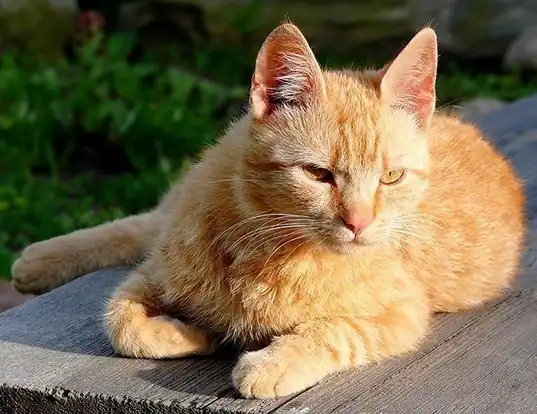
The Brazilian Shorthair is a medium—to large cat with a sleek, athletic build. While its appearance may seem somewhat similar to that of other shorthair breeds, such as the American Shorthair, it has distinct features that set it apart.
Body Type
The Brazilian Shorthair has a well-proportioned, muscular body that reflects its street cat ancestry. It is agile, fast, and strong, capable of jumping and climbing with ease. Despite its muscular build, it has a slender, elegant silhouette that gives it an almost regal appearance. Its legs are medium in length, with strong paws that allow for agility and speed. The tail is typically long and tapers to a rounded tip, balancing its athletic frame.
Head and Facial Features
The Brazilian Shorthair’s head is slightly longer than it is wide, with a smooth, gentle curve to its contours. It has well-defined cheekbones and a strong, somewhat rounded chin, adding to its overall refined appearance. The nose is straight, and the ears are medium to large, set wide apart with rounded tips, giving the Shorthair an alert and curious expression.
Eyes
One of the Brazilian Shorthair’s most striking features is its large, almond-shaped eyes. These eyes can come in a wide variety of colours, from shades of green and gold to blue or even odd-eyed combinations (where each eye is a different colour). These expressive eyes are set wide apart and contribute to the cat’s bright, intelligent look.
Coat and Colors
The Brazilian Shorthair has a short, sleek coat that lies close to the body. The texture of the coat is soft and smooth, with a glossy appearance. The breed comes in a wide variety of colours and patterns, including solid, tabby, bicolour, and tortoiseshell. Unlike some breeds limited to specific colours, the Brazilian Shorthair is recognised in virtually any colour or pattern, adding to its diversity and appeal.
3. Temperament and Personality
One of the Brazilian Shorthair’s most attractive qualities is its personality, making it an ideal companion for families and individuals alike. These cats are known for their affectionate, playful, and intelligent nature, which perfectly balances independence and companionship.
Affectionate and Loyal
Brazilian Shorthairs are known for forming strong bonds with their human families. While independent enough to entertain themselves, they also enjoy spending time with their owners, whether that means curling up on a lap or following their person from room to room. They are affectionate without being overly clingy, making them an excellent choice for people who want a loving pet that isn’t too demanding.
Playful and Energetic
One of the Brazilian Shorthair’s hallmarks is its playful nature. These cats are total of energy and love interactive play, whether that involves chasing toys, climbing cat trees, or engaging in games of fetch. Their agility and athleticism make them excellent jumpers and climbers, and they thrive in environments with plenty of opportunities to exercise and play.
Intelligent and Curious
Brazilian Shorthairs are brilliant cats with a strong sense of curiosity. They love to explore their surroundings and will often investigate every nook and cranny of their home. This curiosity also makes them quick learners, and they can be easily trained to follow basic commands or perform tricks. Puzzle toys and interactive games that challenge their minds are great for keeping them mentally stimulated.
Adaptable and Easygoing
One of the best traits of Brazilian Shorthair is its adaptability. Whether you live in a large house or a small apartment, this breed will adjust quickly to its environment. They are also known for being pleasant and friendly with guests, making them an excellent choice for frequently entertaining households. Their easygoing nature makes them less prone to stress, and they are generally good at handling changes in their routine or environment.
4. Health and Lifespan
Due to its diverse genetic background, the Brazilian Shorthair is a naturally healthy breed. With proper care, these cats typically live between 14 and 20 years, making them a long-term companion.
General Health
Brazilian Shorthairs are known for their robust health thanks to their natural evolution and selective breeding. They do not suffer from many hereditary health issues that can affect more inbred breeds. However, like all cats, they still need regular veterinary care to maintain good health.
Common Health Concerns
While the Brazilian Shorthair is generally a healthy breed, there are a few common health issues that can affect them, including:
- Dental Problems: Like many cats, Brazilian Shorthairs can be prone to dental issues, such as gingivitis or periodontal disease. Regular brushing and dental check-ups are essential for maintaining good oral health.
- Obesity: Because Brazilian Shorthairs are active and playful, they generally maintain a healthy weight. However, they can become overweight if they are overfed or not given enough exercise. Monitoring their diet and providing plenty of opportunities for physical activity can help prevent obesity.
- Heart Disease: Some Brazilian Shorthairs may be prone to heart conditions, such as hypertrophic cardiomyopathy (HCM). Regular vet check-ups can help detect and manage any potential heart issues early.
Preventive Care
Regular vet visits, vaccinations, and flea and parasite control are essential for keeping your Brazilian Shorthair in optimal health. Ensuring they receive a balanced diet and plenty of exercise will also contribute to their overall well-being.
5. Grooming and Maintenance
Brazilian shorthairs are relatively low maintenance when it comes to grooming. Their short, sleek coat does not tangle or mat easily, making grooming simple and enjoyable for both the cat and the owner.
Coat Care
While Brazilian Shorthairs do not require frequent brushing, giving them a quick brush once a week can help remove loose hair and keep their coat shiny and smooth. This is particularly useful during shedding seasons in the spring and fall, when they may shed a bit more than usual.
Bathing
Brazilian Shorthairs are fastidious self-groomers, so they rarely need a bath. However, if they get into something dirty, an occasional bath with a mild, cat-safe shampoo may be necessary. Be sure to dry them thoroughly afterwards to prevent them from getting cold.
Nail Clipping and Dental Care
Regular nail trimming is important to keep their claws from becoming too long or sharp. Brazilian Shorthairs are active cats, so they will naturally wear down their claws to some extent, but indoor cats still benefit from regular trims. Dental care is crucial for preventing gum disease and other oral health issues. Brushing your cat’s teeth and providing dental treats can help maintain good dental hygiene.
6. Suitability as a Family Pet
The Brazilian Shorthair is an excellent choice for families because it is friendly, adaptable, and playful. These cats thrive on interaction and form close bonds with their human families, making them an ideal companion for households.
With children, adults, and even seniors.
Good with Children
Brazilian Shorthairs are gentle and patient with children, making them an excellent choice for families with young kids. They enjoy interactive play, such as chasing toys or games of hide and seek, which can keep children entertained for hours. Their playful yet calm demeanour allows them to adapt to a busy family environment without stress.
Adaptable to Various Household Sizes
The Brazilian Shorthair will feel right at home whether you live in a bustling Shorthairme or a quiet apartment. Their adaptable nature means they can easily adjust to different living situations. They will thrive in virtually any environment as long as they have space to play and receive plenty of attention.
7. Interaction with Children and Other Pets
Brazilian Shorthairs are known for their friendly and easygoing personality, which makes them an excellent choice for families with children and other pets.
Good with Children
Brazilian Shorthairs are typically patient and gentle with children. They enjoy playtime and are usually tolerant of a child’s high-energy antics, making them a great companion for younger family members. It’s important to teach children how to handle the cat gently and respectfully to ensure positive interactions.
Compatibility with Other Pets
The Brazilian Shorthair’s friendly and sociable nature extends to other pets, including cats and dogs. With proper introductions, they are generally good at coexisting with other animals in the household. They are not territorial or aggressive, making them an excellent choice for multi-pet homes.
8. Training and Intelligence
Brazilian Shorthairs are highly intelligent and enjoy mental stimulation, making them easy to train and eager to learn.
Trainability
Thanks to their intelligence and curiosity, Brazilian Shorthairs can be trained to perform tricks, follow basic commands, and use a scratching post. Positive reinforcement, such as treats and praise, works particularly well with this breed. Many Brazilian Shorthairs can even be taught to play fetch or walk on a leash, making them interactive and enjoyable pets.
Mental Stimulation
Provide interactive toys, shorthairfeeders, and regular playtime to mentally engage your Brazilian Shorthair. These cats thrive on mental stimulation and enjoy activities that challenge their minds. Engaging them in training sessions or introducing new toys can help keep their sharp minds active.
9. Living Environment
Brazilian Shorthairs are adaptable cats that can thrive in various living environments, from large houses to small apartments.
Indoor vs. Outdoor
While Brazilian Shorthairs can live indoors and outdoors, many owners prefer to keep them indoors for safety. If you allow your Brazilian ShShorthairo to go outside, ensure it is a secure environment, as their natural curiosity and agility may lead them to explore dangerous areas. Indoor living is generally safer and allows them to thrive as long as they have plenty of toys and stimulation.
Environmental Enrichment
To keep your Brazilian ShShorthairappy healthy indoors, provide them with plenty of environmental enrichment. Cat trees, scratching posts, interactive toys, and climbing structures will keep them entertained and provide outlets for their energy. Regular playtime with their human family is also essential for keeping them mentally and physically stimulated.
10. Diet and Nutrition
A balanced diet is crucial to maintaining the health and vitality of your Brazilian ShShorthair
High-Quality Cat Food
Brazilian Shorthairs should be fed high-quality commercial cat food rich in animal-based protein. Both wet and dry food can be suitable if they contain the necessary nutrients to support the cat’s health and energy levels. Avoid cat foods with excessive fillers, like corn or soy, as these do not provide much nutritional value.
Portion Control
Since Brazilian Shorthairs are active and playful, they are less prone to obesity than more sedentary breeds. However, monitoring their food intake and ensuring they do not overeat are still necessary. Follow the portion recommendations from your veterinarian or the food manufacturer based on your cat’s weight and activity level. Fresh water should always be available.
11. Common Health Concerns
While Brazilian Shorthairs are generally healthy cats, they can be prone to some common feline health issues.
Dental Disease
Dental issues like gingivitis and periodontal disease are common in cats, including Brazilian Shorthairs. Regular dental care, such as brushing your cat’s teeth and providing dental treats, can help prevent these problems.
Obesity
Although Brazilian Shorthairs are naturally active, they can still become overweight if they are overfed or not given enough exercise. Monitoring their diet and ensuring they receive regular playtime can help prevent obesity-related health issues.
Heart Disease
Some Brazilian Shorthairs may be prone to heart conditions, such as hypertrophic cardiomyopathy (HCM). Regular vet check-ups can help detect and manage heart problems early.
12. Breeding and Costs
Breeding Brazilian Shorthairs requires careful attention to their health and genetic diversity. Due to the breed’s recent recognition, finding a Brazilian Shorthair from a reputable breeder may be challenging, especially outside Brazil.
Cost of a Brazilian Shorthair
The price of a Brazilian Shorthair kitten can vary depending on the breeder and the kitten’s pedigree. You can expect to pay between £400 and £800 for a well-bred kitten. It’s essential to buy from a reputable breeder who prioritises the health and well-being of their cats.
13. Final Thoughts: The Versatile and Affectionate Brazilian Shorthair
In conclusion, the Brazilian ShShorthairs is a versatile, intelligent, and affectionate breed that is an excellent companion for families, singles, and seniors. With their sleek appearance, playful nature, and adaptable temperament, Brazilian shorthairs are well-suited to various households and lifestyles. Whether looking for a lively, interactive pet or a loving, low-maintenance companion, the Brazilian ShShorthairwill surely bring joy and companionship.
14. FAQ Section
Q: Are Brazilian Shorthair cats hypoallergenic?
A: No, Brazilian Shorthair cats are not hypoallergenic. However, they have short, sleek coats that may produce fewer allergens compared to long-haired breeds.
Q: Do Brazilian Shorthair cats shed a lot?
A: Brazilian Shorthairs have short coats and tend to shed moderately. Regular brushing can help control shedding, especially during seasonal changes.
Q: Are Brazilian Shorthair cats good with children?
A: Yes, Brazilian Shorthair cats are gentle, playful, and patient with children, making them excellent companions for families with kids.
Q: Can Brazilian Shorthair cats be left alone during the day?
A: While Brazilian Shorthairs are independent enough to be left alone for short periods, they enjoy companionship and interaction, so they may become lonely if left alone for extended periods.
Q: How much exercise does a Brazilian Shorthair need?
A: Brazilian Shorthairs are active cats that require regular playtime and mental stimulation to stay happy and healthy. Providing interactive toys and engaging in daily play sessions will help meet their exercise needs.